
Flashcards
GCSE BIO REQUIRED PRACTICALS
Flashcards do conjunto (30)
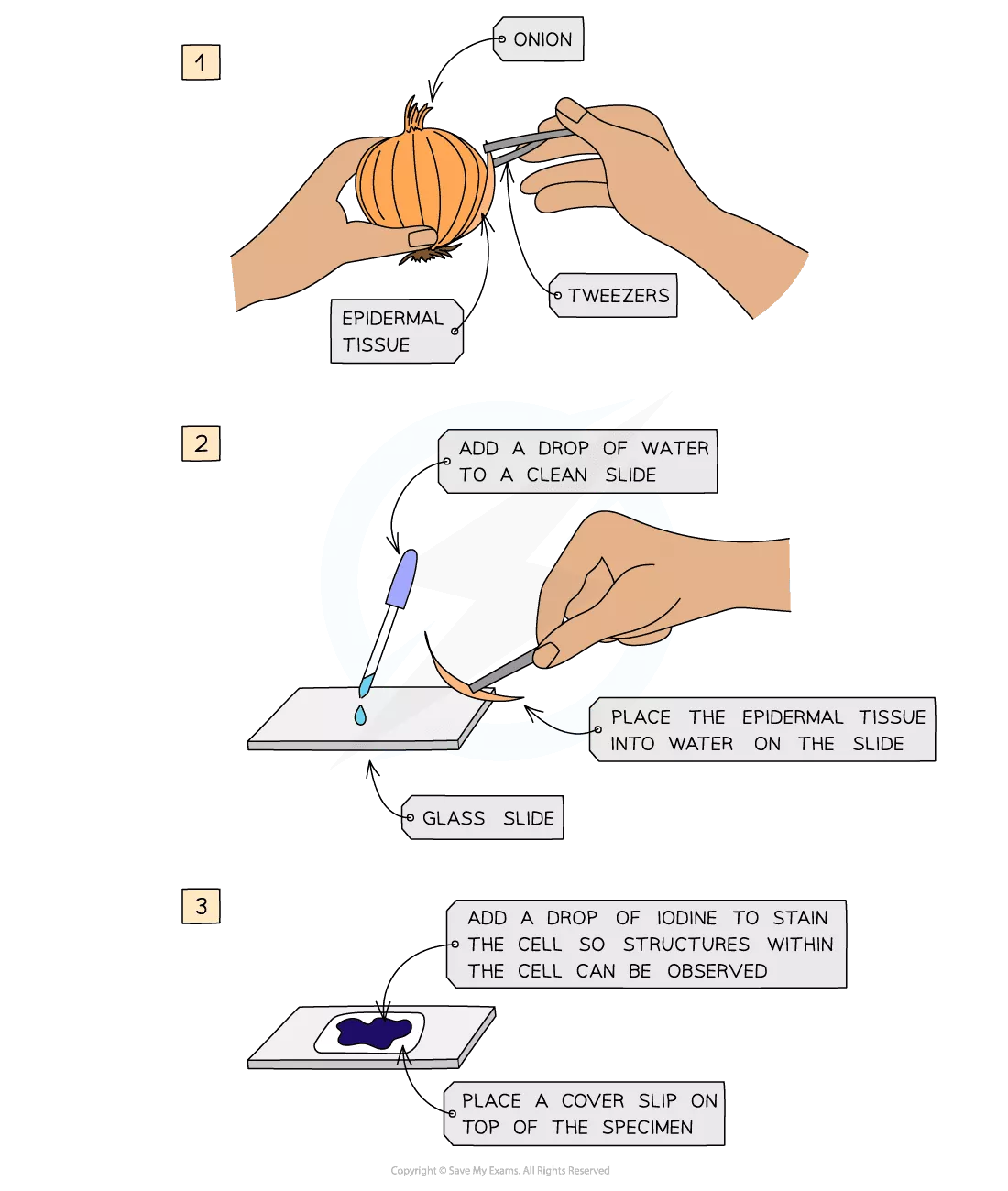
- 1Required practical 1 : Microscopy Preparing a microscope slide- methylene blue for staining cheek cells
-avoid smudging the glass slide or trapping air bubbles under the coverslip - 2Required practical 1 : Microscopy Using a microscope
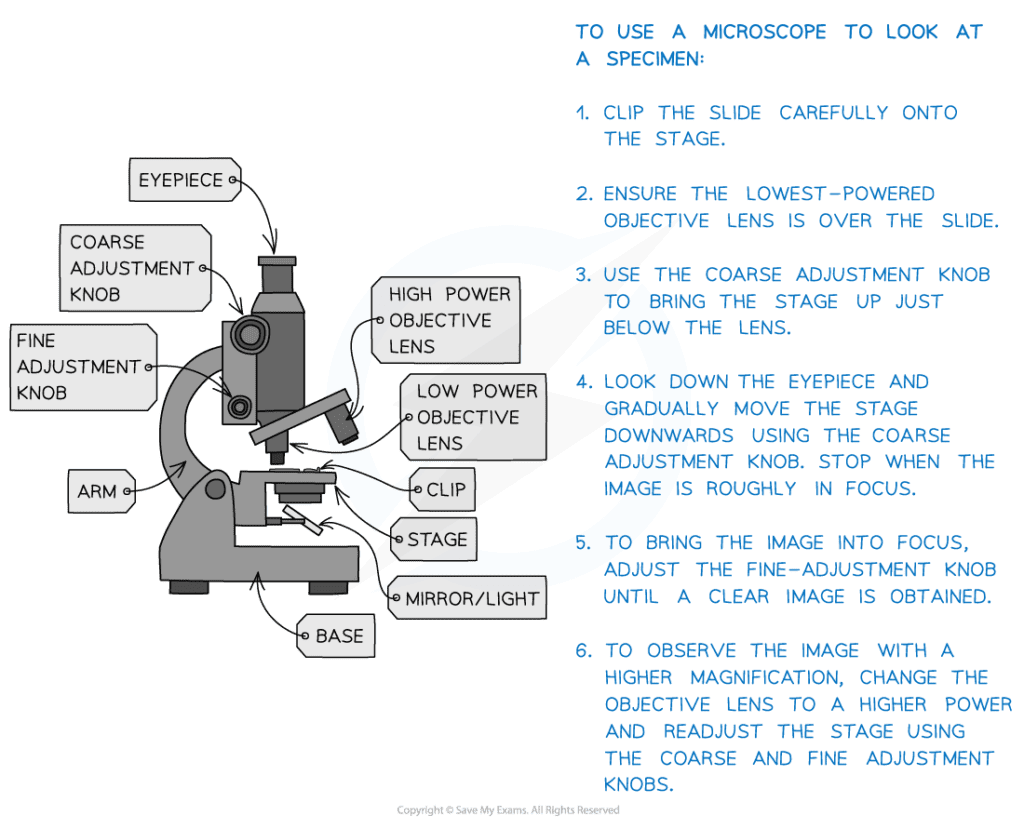
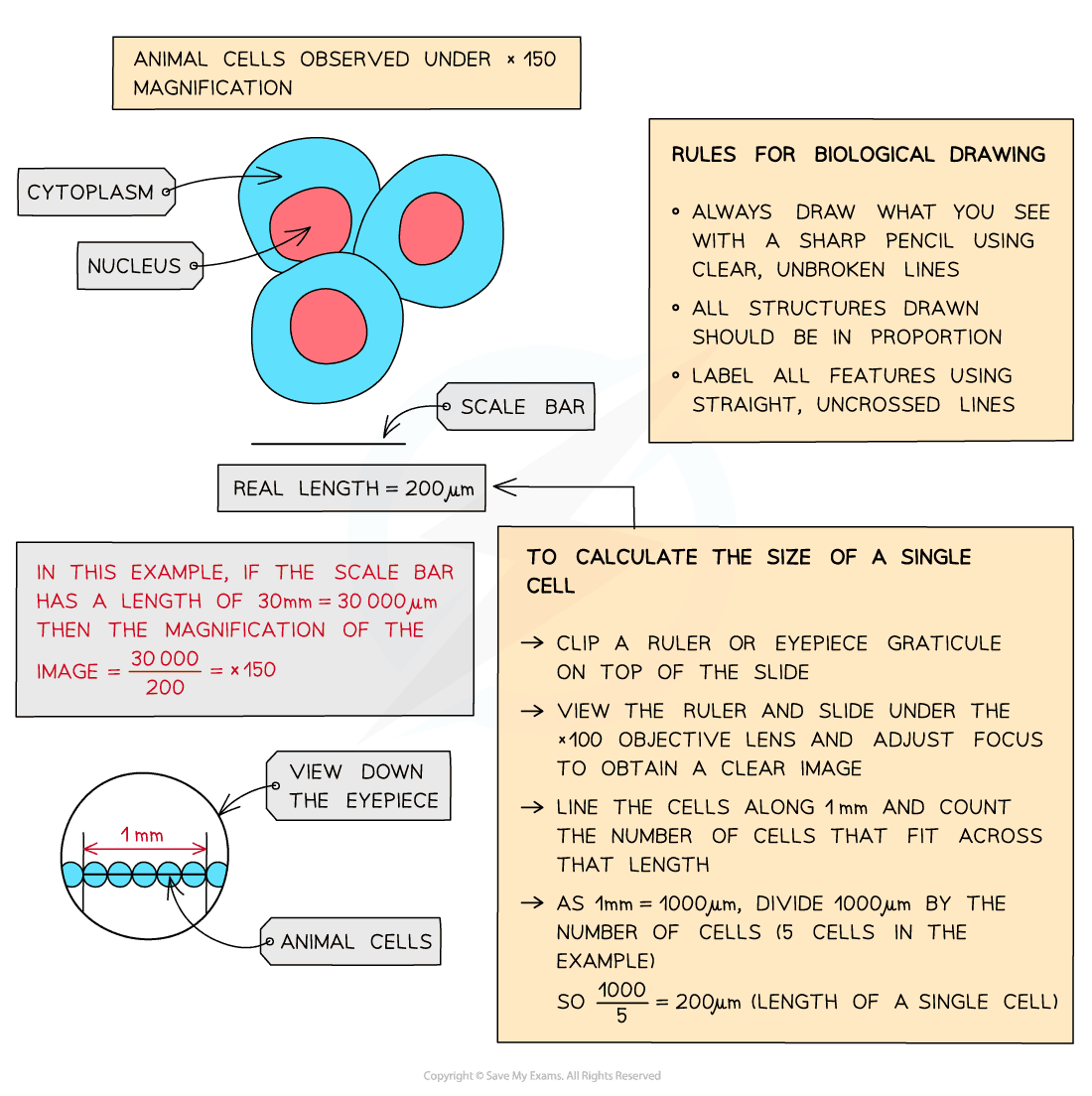
- 3Required practical 1 : Microscopy Biological drawings
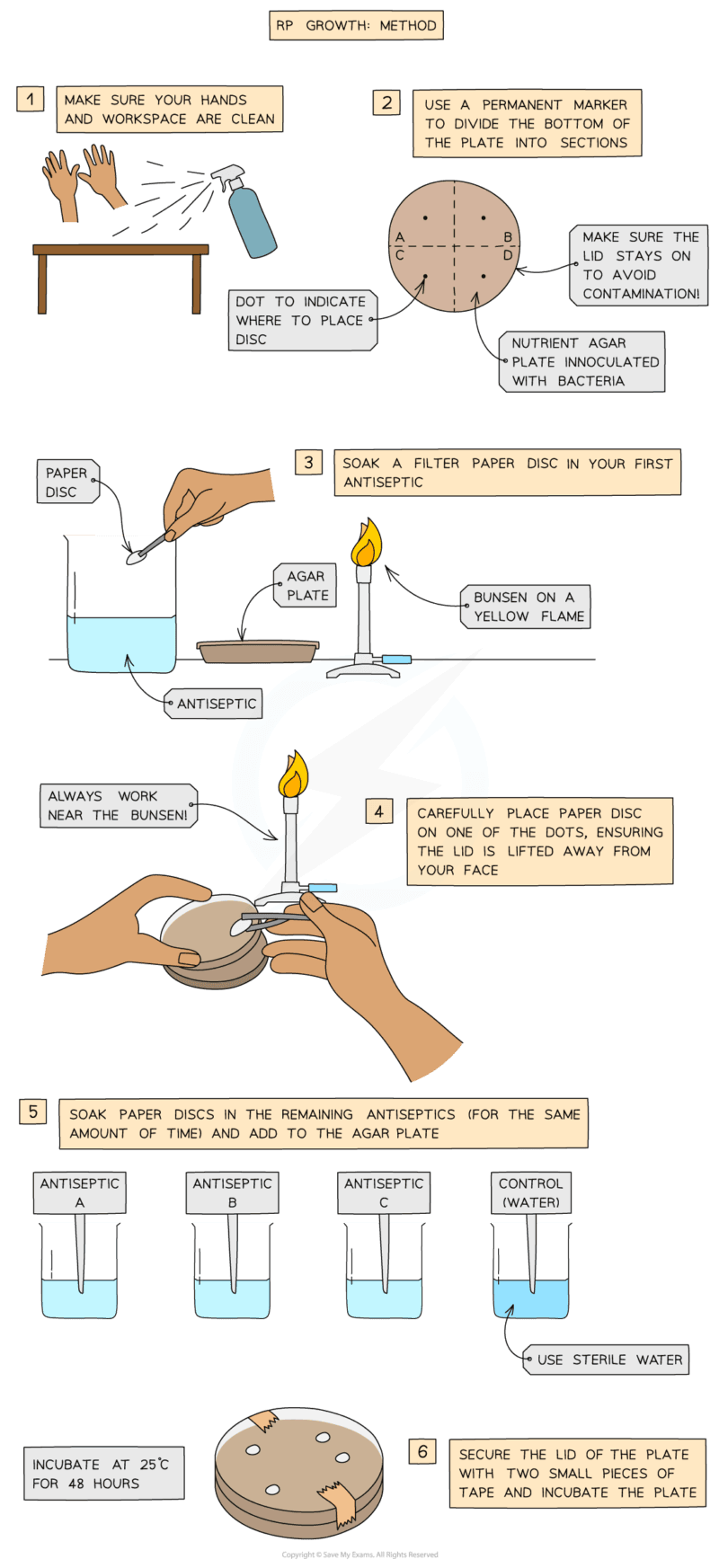
- 4Required Practical 2 : Microbiology Growth method
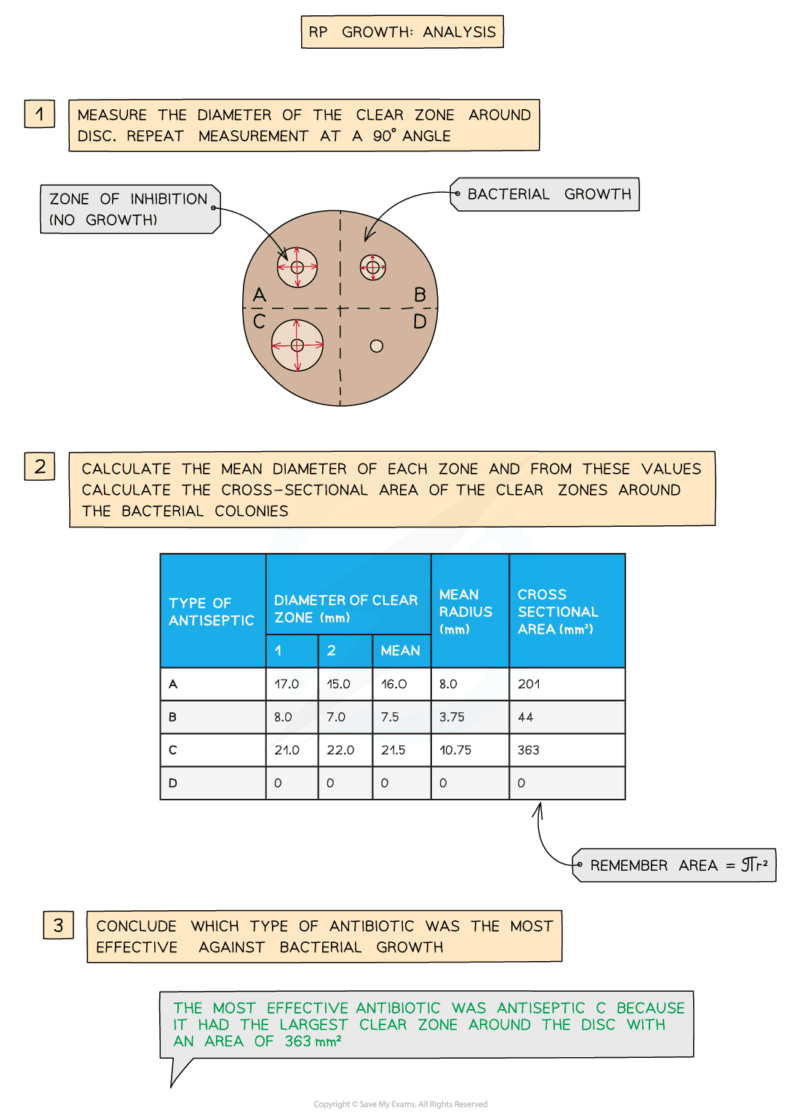
- 5Required Practical 2 : Microbiology Growth analysis
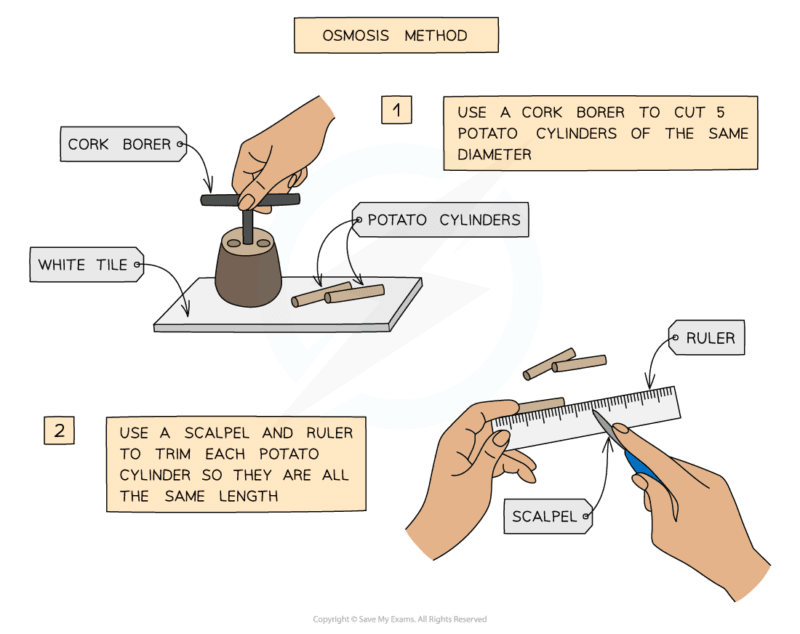
- 6Required Practical 3 : Osmosis Osmosis method
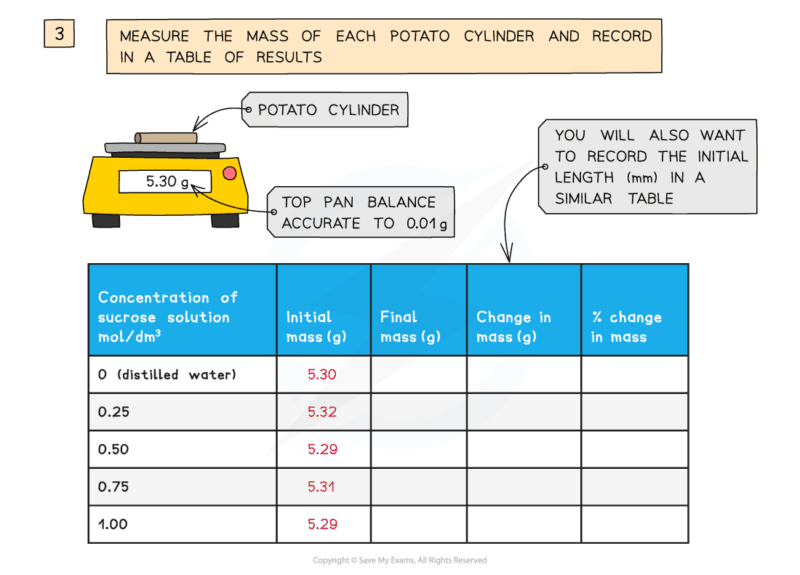
- 7Required Practical 3 : Osmosis Osmosis method
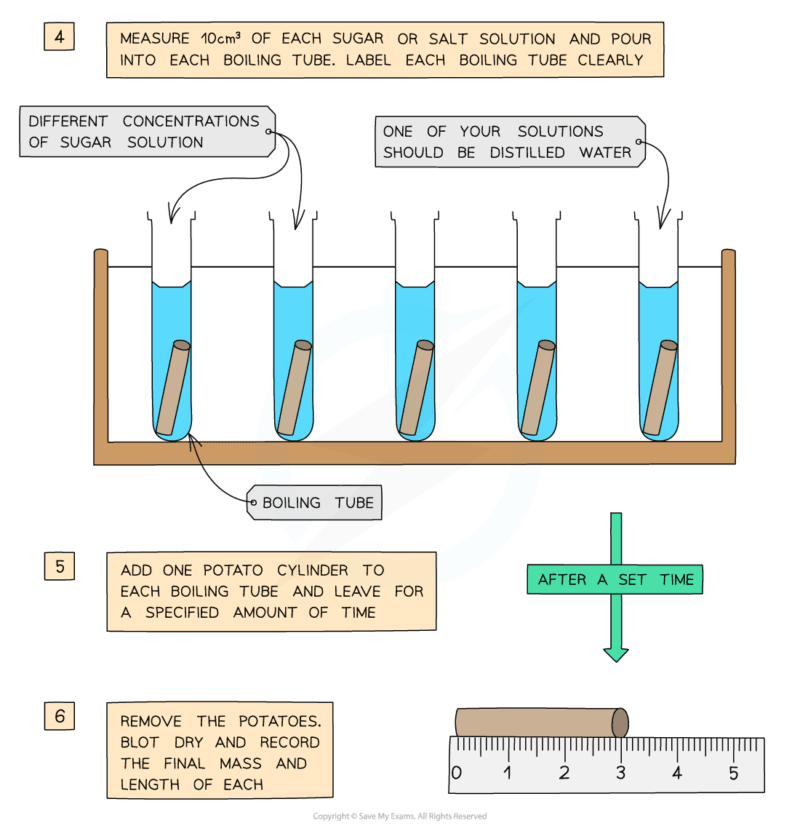
- 8Required Practical 3 : Osmosis Osmosis method
- 9Required Practical 3 : Osmosis Osmosis method VARIABLESDEPENDENT: mass and the length of each potato cylinder before and after it has been submerged in solution
INDEPENDENT: concentration of salt/sucrose solution in mol/dm3
CONTROL: type & volume of solute in solution, temperature and time - 10Required Practical 3 : Osmosis Osmosis analysis
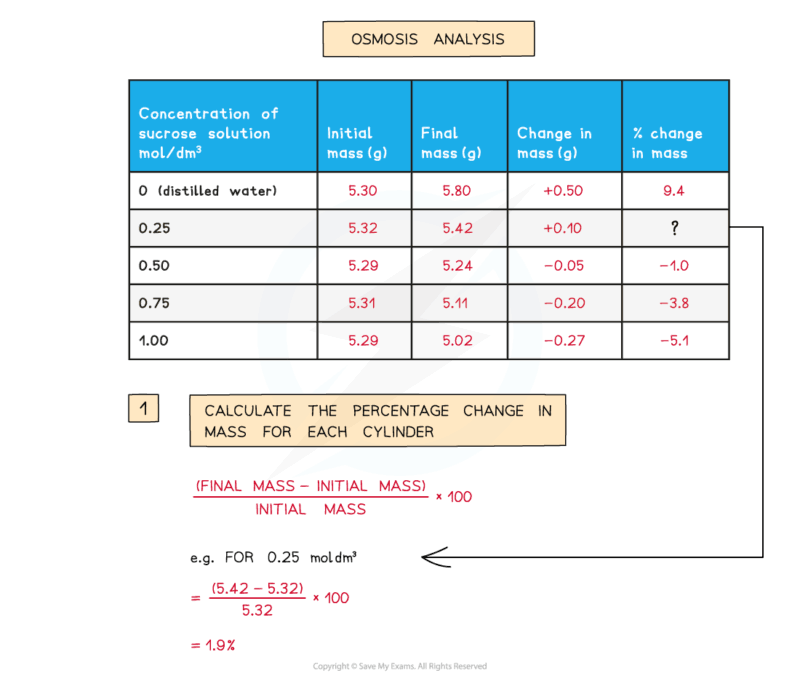
- 11Required Practical 3 : Osmosis Osmosis analysis
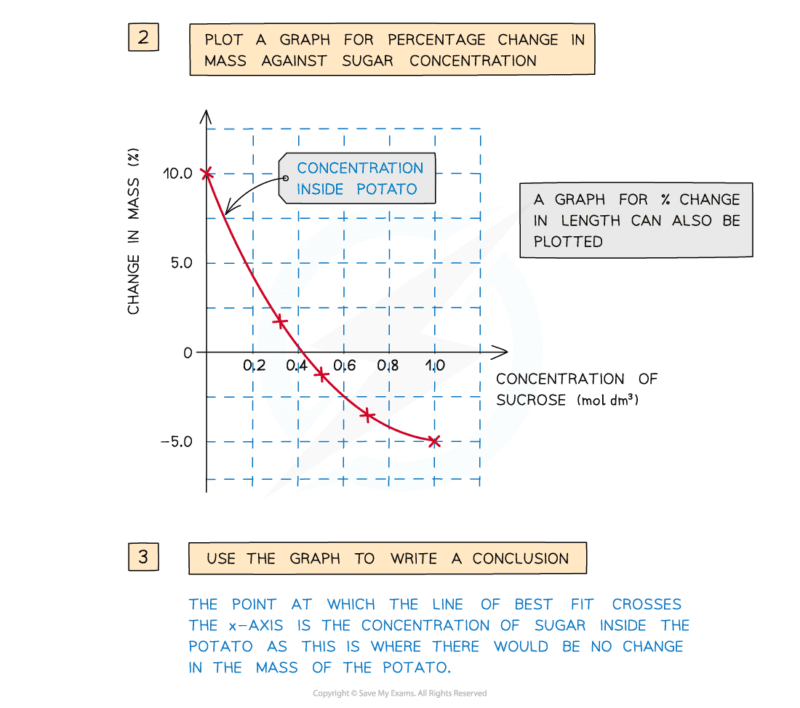
- 12Required Practical 4 : EnzymesMethod
Place single drops of iodine solution in rows on the tile
Label a test tube with the pH to be tested
Use the syringe to place 2cm3 of amylase in the test tube
Add 1cm3 of buffer solution to the test tube using a syringe
Use another test tube to add 2cm3 of starch solution to the amylase and buffer solution, start the stopwatch whilst mixing using a pipette
After 10 seconds, use a pipette to place one drop of the mixture on the first drop of iodine, which should turn blue-black
Wait another 10 seconds and place another drop of the mixture on the second drop of iodine
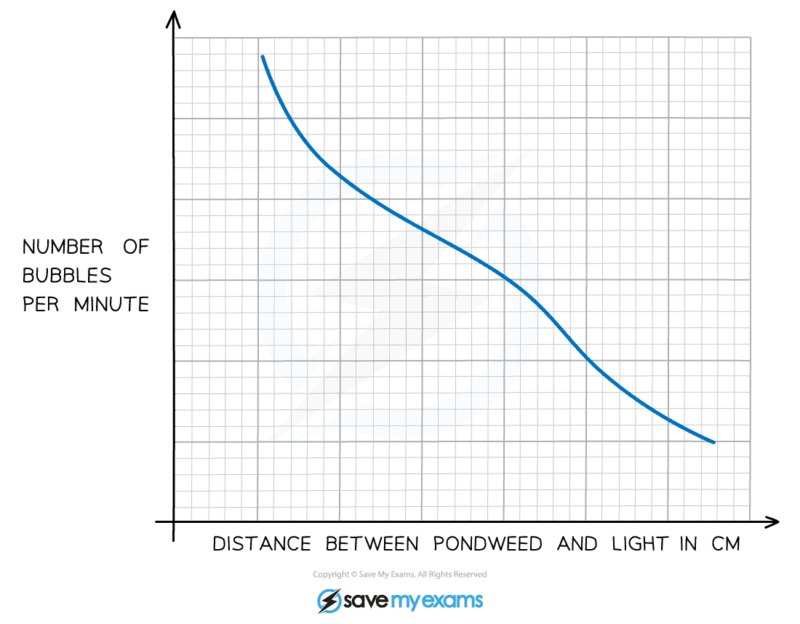
Repeat every 10 seconds until iodine solution remains orange-brown
Repeat experiment at different pH values – the less time the iodine solution takes to remain orange-brown, the quicker all the starch has been digested and so the better the enzyme works at that pH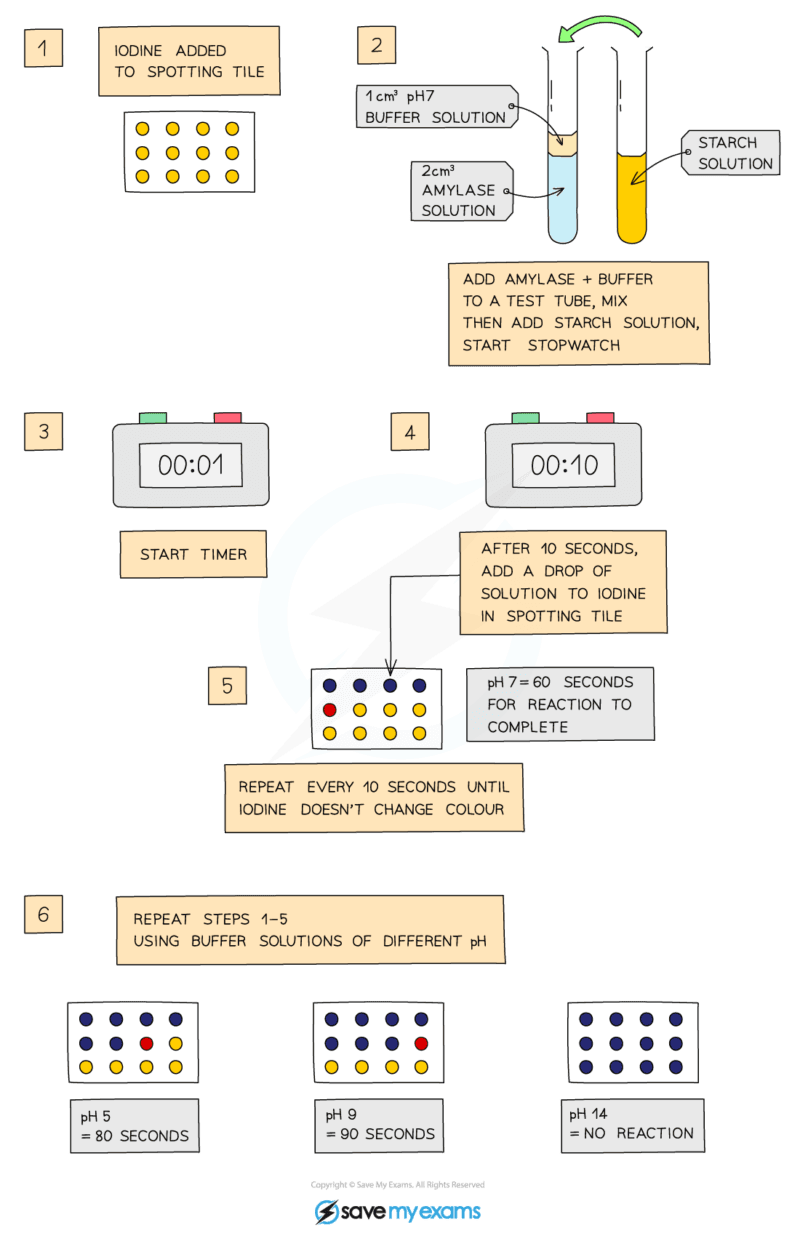
- 13Required Practical 4 : Enzymes Improvements to methodcan be adapted to control temperature by using a water bath at 35℃
All solutions that need to be used should be placed in a water bath and allowed to reach the temperature (using a thermometer to check) before being used
colorimeter can be used to measure the progress of the reaction more accurately; with a solution containing starch being darker and glucose light (as a result of the colour-change of iodine) – this will affect the absorbance or transmission of light in a colorimeter - 14Required Practical 5: Food Tests Food test colour changes table
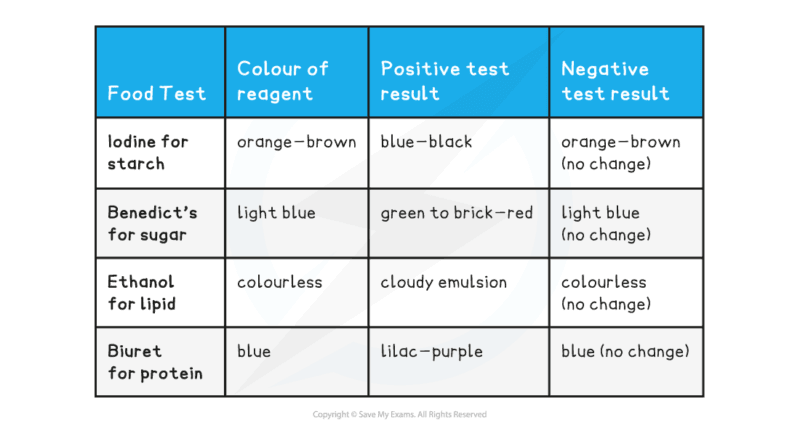
- 15Required Practical 5: Food Tests Preparing a food sampleBreak up the food using a pestle and mortar
Transfer to a test tube and add distilled water
Mix the food with the water by stirring with a glass rod
Filter the mixture using a funnel and filter paper, collecting the solution
Proceed with the food tests - 16Required Practical 5: Food Tests Benedict's test for sugars
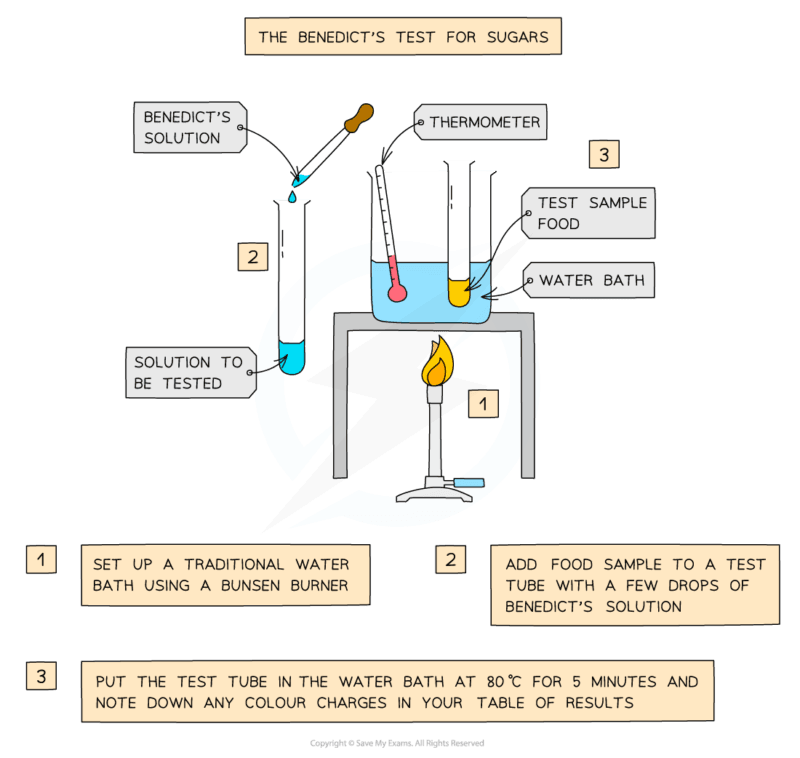
- 17Required Practical 5: Food Tests Iodine test for starch
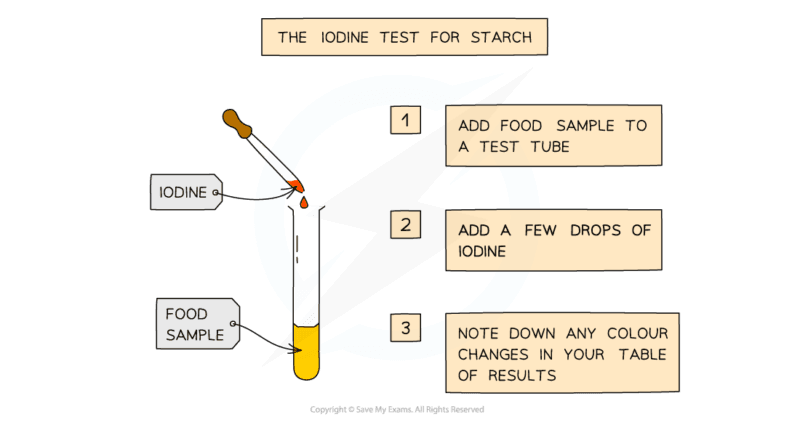
- 18Required Practical 5: Food Tests The emulsion test for lipids
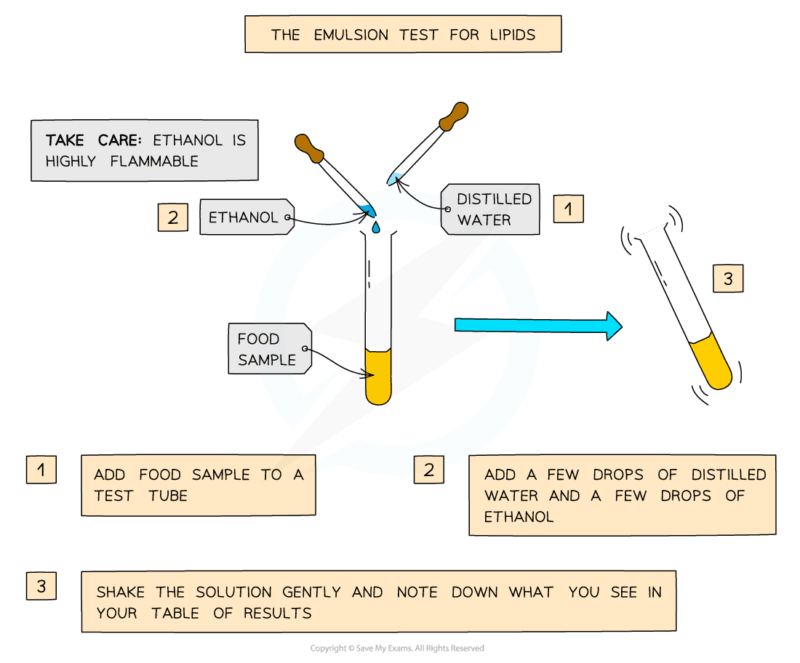
- 19Required Practical 5: Food Tests The biuret test for protein
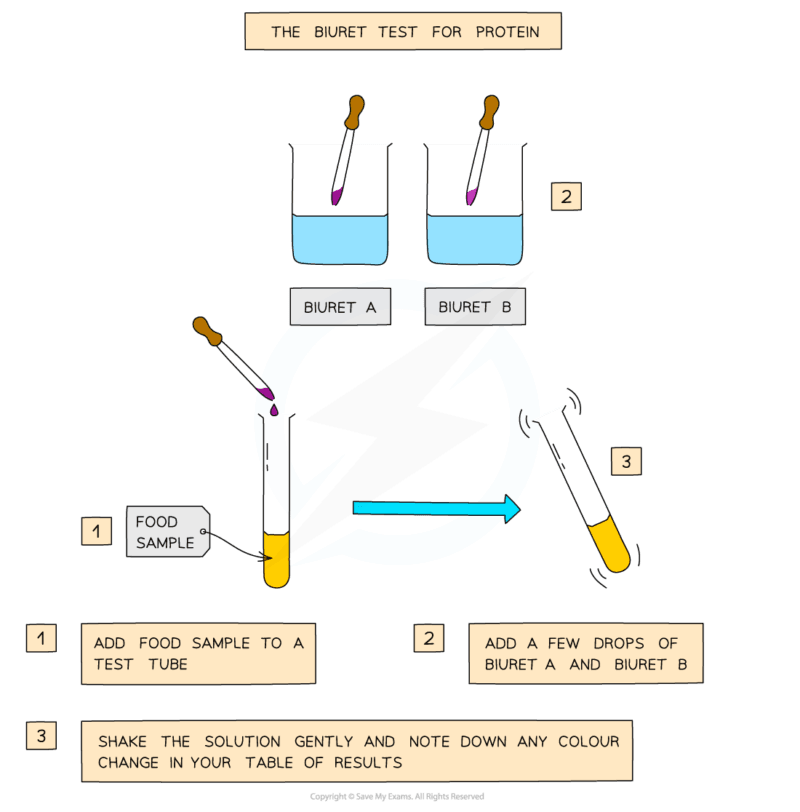
- 20Required Practical 5: Food Tests Important hazardsBiuret solution contains copper (II) sulfate which is dangerous particularly if it gets in the eyes, so always wear goggles
Iodine is also an irritant to eyes (wear goggles)
Sodium hydroxide in biuret solution is corrosive, if any chemicals get onto your skin wash hands immediately
Ethanol is highly flammable; keep it away from the Bunsen burner used in the Benedict’s test (you should turn the Bunsen off completely)
And of course, the Bunsen itself is a hazard! - 21Required Practical 6: Photosynthesis RateMethod :
Place a piece of pondweed (Elodea or Cabomba are often used), into a beaker of water
Use a light a set distance from the plant
Record the number of bubbles observed in three minutes
Repeat steps for different distances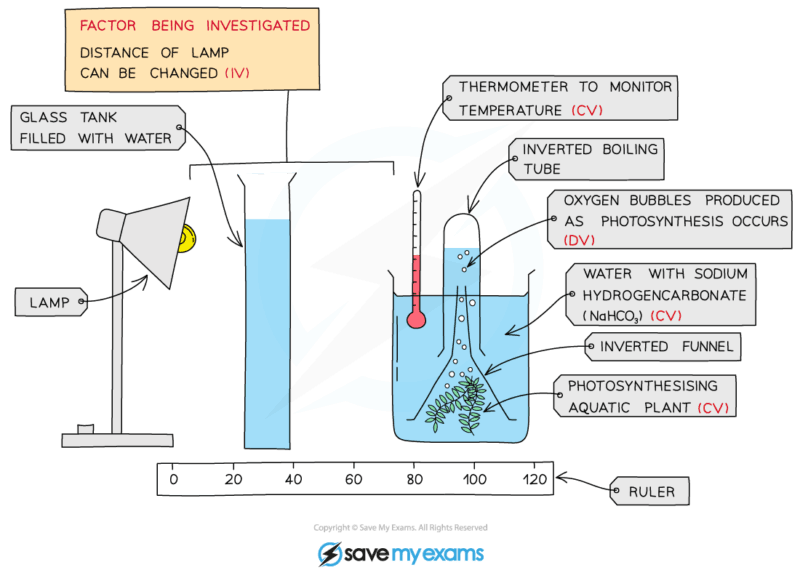
- 22Required Practical 6 : Photosynthesis Rate ImprovementsUse a gas syringe to collect the volume of gas produced
Repeat the experiment at least twice for each distance and calculate the mean number of bubbles
Use of a glass tank between lamp and plant to prevent heating of the plant, or using an LED bulb that releases very little heat energy - 23Required Practical 6 : Photosynthesis Rate Variables & Results3 independent variables for this: light, carbon dioxide and temperature
- 24Required Practical 8 : Plant growth Method (diagram)
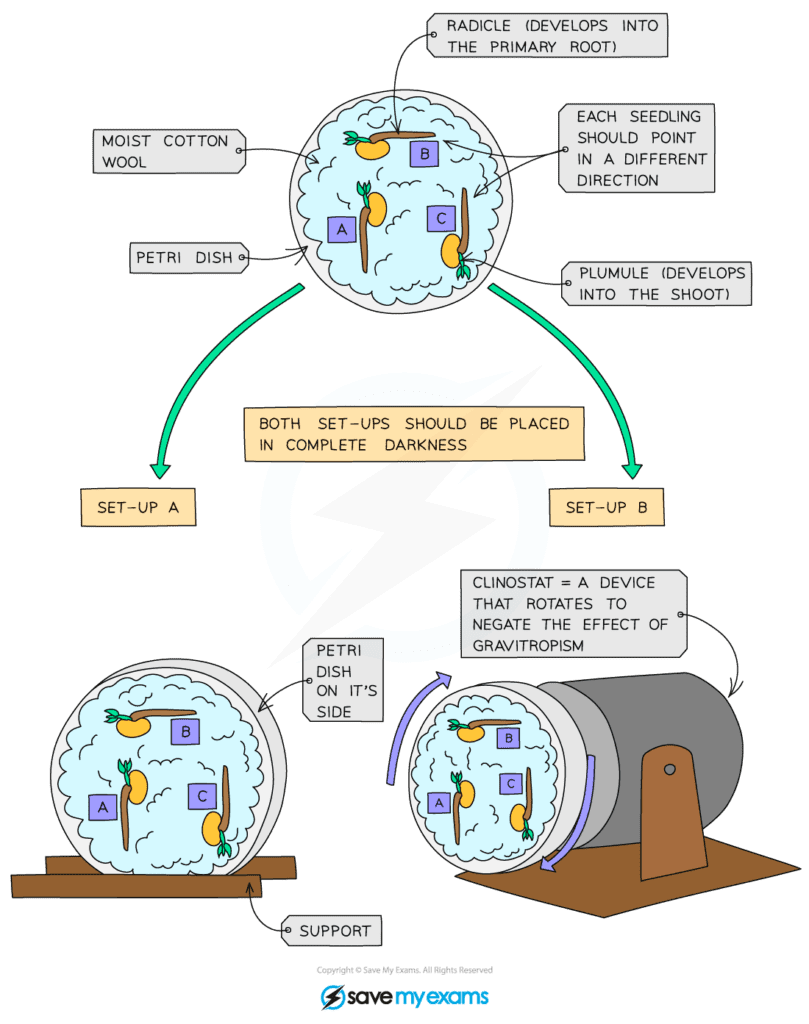
- 25Required Practical 8: Plant growth Investigating the gravitropic response (set-up)Add some damp cotton wool to two petri dishes
Place 3 bean seedlings in the cotton wool in each petri dish
A – radicle facing downwards
B – horizontally
C – radicle (root grows from here) facing upwards
Cover each dish with a lid
Attach one petri dish to a support so that it’s on its side
Attach the second petri dish to a clinostat (as shown in the diagrams above).
Place both in a light-proof box (so that the seedlings are in complete darkness), leave for two days and then observe growth of the seedlings - 26Required Practical 8 : Plant growth Analysis of resultsIn the first petri dish all radicles (roots) have grown downwards (positive gravitropic response) regardless of which way they were initially facing (horizontal, up or down) and all plumules (shoots) have grown upwards (negative gravitropic response)
In the second petri dish, all radicles and all plumules have all grown neither up nor down but straight outwards in whichever direction they were placed as the effect of gravity has been cancelled out by the revolving of the clinostat – they have shown no gravitropic response at all
The experiment needs to be done in a lightproof box in order to cancel out the effect of light on the growth of the seedlings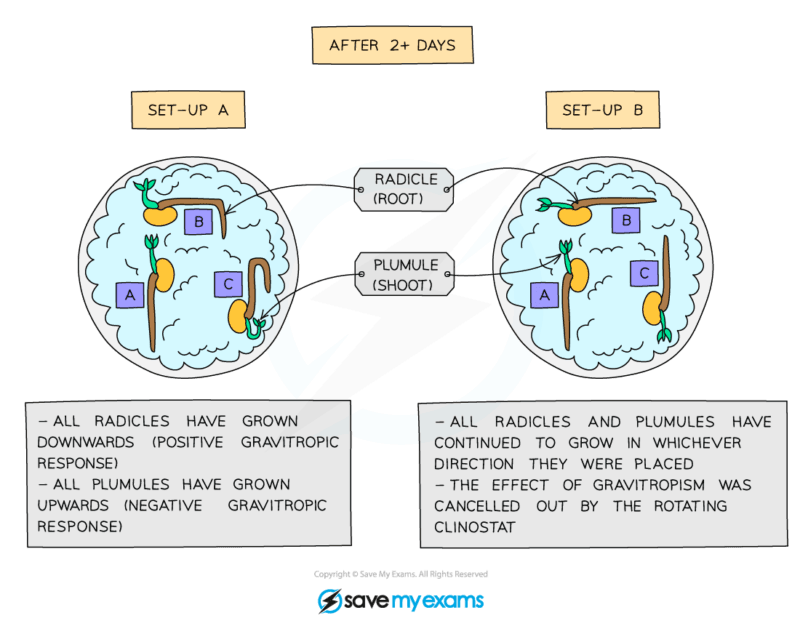
- 27Required Practical 7 : Reaction Time Control variablesThe person catching the ruler using their dominant hand each time
Dropping the same ruler from the same height each time, with the ruler orientated in the same direction (0 cm facing down)
If the effect of caffeine is being investigated then none should have been consumed before the start of the experiment, or the room is silent for the first run if background noise is being altered
reaction time investigation using a computer; more precise as it removes human error from measurements
Reaction time can also be recorded in milliseconds which is more accurate than seconds - 28Required Practical 7 : Reaction Time Method

- 29Required Practical 7 : Reaction Time Method
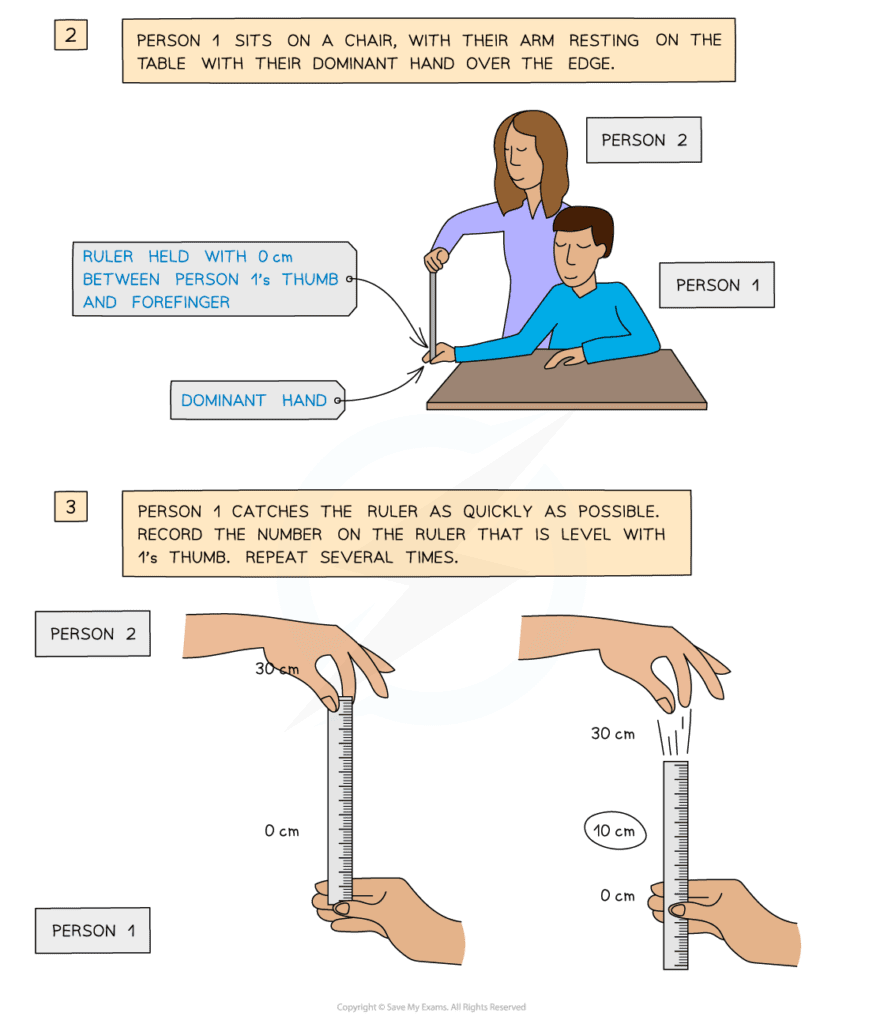
- 30Required Practical 7 : Reaction Time Method (This experiment is prone to lots of errors and there are many factors that can affect the results. Repeat as many times as possible!,)
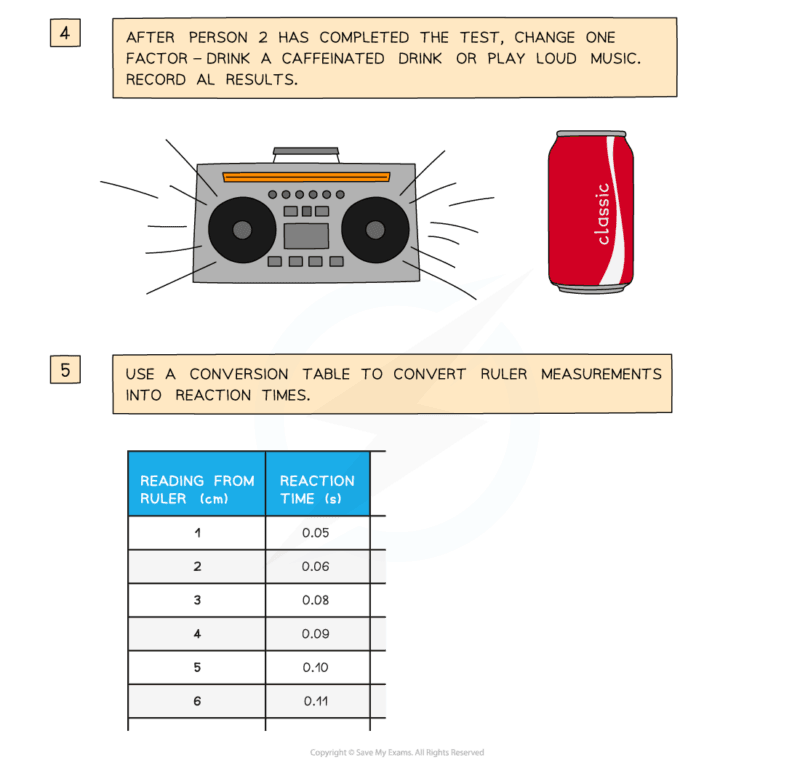
Informações
- Descrição
- Paper 1 required practicals for gcse aqa biology
- Criado por
- thivya sachithanandam
- Visualizações
- 317
- Tags
- Avaliação