
Notas
Early Civilizations
Conteúdo das notas (4)
Página 1
9th Grade World History 1 Review
Mesopotamia and Egypt
Similarities Between Mesopotamia and Egypt
Geography:
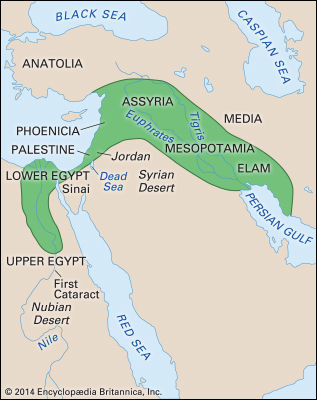
Egypt and Sumer were both situated on the fertile land.
The climate there was hot in both places
Both were seperated into upper and lower regions
Political:
Both had dynasties
Both were at one point invaded
Economy:
*No economic notes
Social:
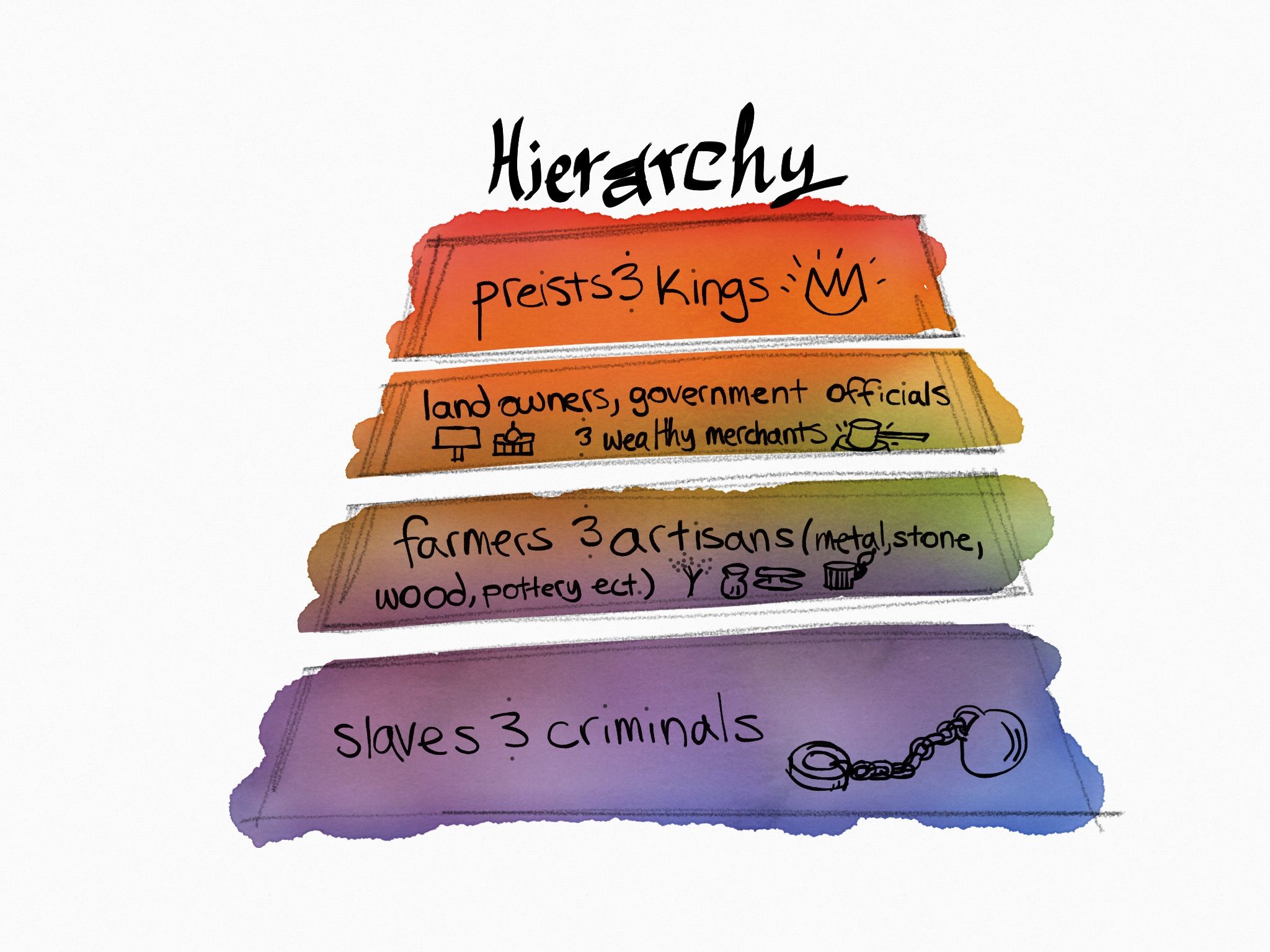
Both had social classes (hierarchies)
Both polytheistic
Addtional (culture,systems,technology,events,ect.):
Both civilizations developed irrigation systems
Both had slaves (usually captives of war)
Both developed their own way of writing and writing surfaces
Página 2
9th Grade World History 1 Review
Early Urban Civilizations: 8 Shared Characteristics
(There is a visual version if that helps you more)
1. Cities:
Populations when farmers settled in a city
City walls helped with city defense
Surplus allowed more people to come (because they would have food security)
2. Organized Central Government:
Organized production of food supply.
Oversaw buisness
3. Religion:
Natural events were tied to the gods
Polytheistic
Insured bountiful harvests
4. Job Specialization:
Military,farmers,artisans,and craftsman.
Herdewrs and farmers wetre highly respected.
5. Writing:
Necessary for record keeping
6. Architecture and Art:
Were very important and respected in their cultures.
7. Public Works:
Taxes for these
8. Social Classes:
Slaves were the least valued.
Página 3
9th Grade World History 1 Review
Mesopotamia
Sumerian City States
Southern Mesopotamia
Each city state has it's own king
80% population lived in city states (urban)
Each had their own god
Fights over resources (vunerable)
Akkadian rlue (2350-2000 B.C.)
Sumerian Rule (3500-2350 B.C.)
Environmental Devastation
Canal systems
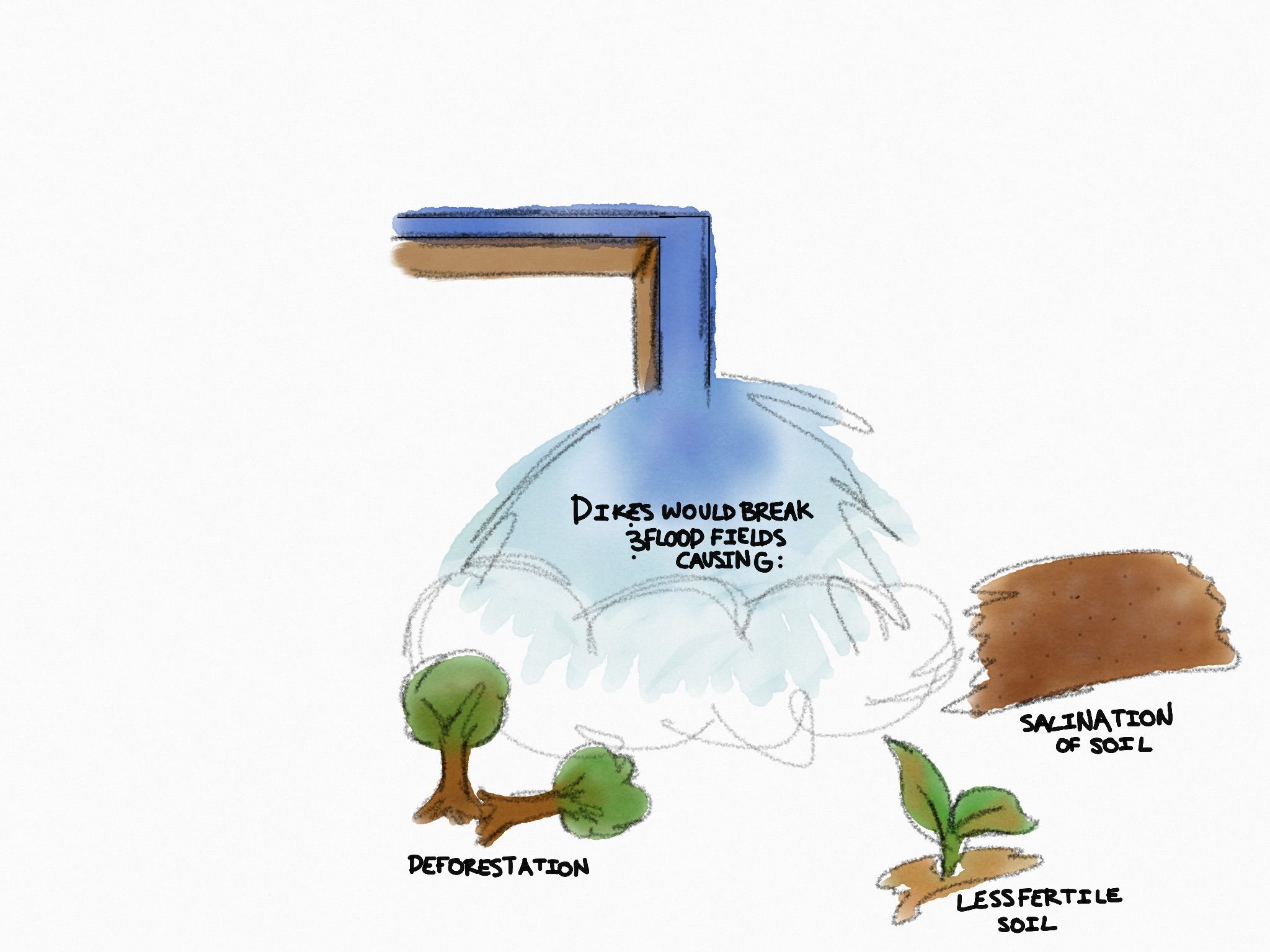
Dikes would break and flood the fields, they would have to rebuild them.
- Problems caused by this:
deforestation
less fertile soil
salination of soil
Summary (so far): The Sumerian city states had a lot of environmental, and other problems.
Basis of power:
-Rulers had to=
irrigation system
settle conflicts
direct public works
regulate food supplies
protect privileges of the upper class
Defense:
City walls
Conflicts:
land
wealth
foods
water
Kings armies emerge to plunder and improve the position of the king
Stability and order allow for roads to be kept up, big buildings, and manage forests.
Writing and Accounting:
Writing was well valued as a gift from the gods.
Served as an accounting function
Number system (base 60) (for time)
Recording who had paid their taxes.
Recording how much workers had earned.
Babylonian Empire
Akkadian empire lasted 200 years, before the Babylonian empire.
Hammurabi's code (the god Marduk wanted him to make laws)
Cultural Diffusion
Sumerians started sea born trade in 2300 to trade with India (Indus River Valley)
Cultural Diffusion: Culture was being spread.
Change in culture
Were connected to Anatolia, Egypt, Iran, and Afganistan.
Some were still nomads or herders were in these cities.
Cuneiform spread along with gods and law codes.
Página 4
9th Grade World History 1 Review
Egypt
Leadership and Government:
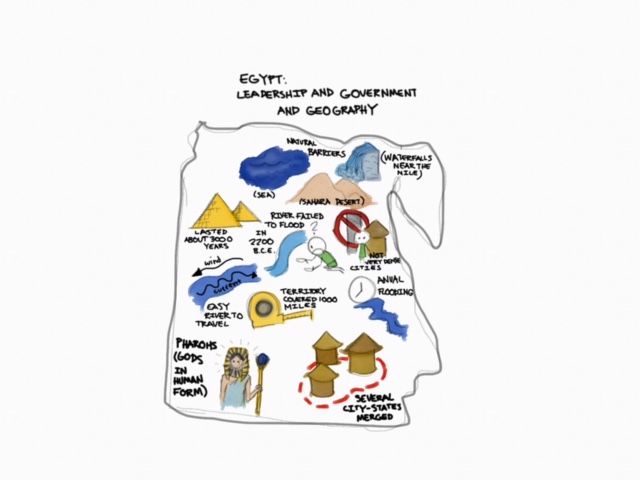
Several city states of chiefdoms merged.
Territory covered 1000 miles
Pharaohs (gods in human form)
Lasted 3000 years united
-Ensured rising of the sun
-Flooding of the river annually
-Lived and died extravagantly
Land owning class assumed more authority in 2400 B.C.E.
River failed to flood in 2200 B.C.E.
-Became less united
-Lasted for about 200 years.
By 1500 B.C.E. Egypt became an empire.
Peacful (relatively) with other empires.
Summary(so far): Leadership in Egypt relied primarily on the pharaohs. They controlled the river flooding and the sun. In 2200 the river did not flood and the people lost some trust in the pharaoh.
Geography:
Nile was predictable (flooding-wise)
Less intrusive irrigation system.
Natural barriers
-sea
-Sahara Desert
-Waterfalls near the Nile
Easy river to travel
Weren't as dense of cities. (Less urban)
Writing:
Used for record keeping.
More artistic and pictorial
Scribes were just as highly honored as Mesopotamian kings.
Summary(so far): Due to the Egyptian geography there were some advantages provided to the Egyptians, as far as natural barriers go. Writing in Egypt was very different from Mesopotamia.
Religion:
Optimistic veiw
Belief that the afterlife was a great place that anyone could go to as long as they behaved.
Polytheistic
Cultural Diffusion:
Traded in Africa with Nubia (South of Egypt), East African Coast of Eithiopia and Somolia
Greeks drew from Egypt and Mesopotamians.
Chariot brought to them by the Hykos.
Nubian archers recruited for the Egyptian military.
Informações
- Descrição
- 9th Grade World History 1 Review
- Criado por
- Mary S.
- Visualizações
- 32
- Tags
- Avaliação