
Robbers Cave Experiment (Sherif - 1966)
Slides in this set (7)
-
Robbers Cave Experiment (Sherif - 1966)
-
- To see if inter-group conflict and prejudice could be artificially created by pitting the groups against each other for the control of resources.
- To examine if once created, the conflict could be resolved.

-
- Stage !
- Twenty-two 11 year-old boys were taken to a summer camp in Robbers Cave State Park, Oklahoma. They did not know they were part of an experiment. They were randomly allocated to one of two groups, which formed the basis of Sherif's idea that prejudice and conflict could build up between two groups. The two groups were housed in separate cabins and did not know the other group existed for the first week. This gave them time to bond and establish a group dynamic.
- Stage 2
- The two groups, nicknamed the Eagles and the Rattlers, were allowed to find out about each other. The groups were pitted against each other in a range of competitions. Overall, the Rattlers won the trophy and staked their claim on the playing field with a flag. Conflict had been successfully created.
-
- Stage 3
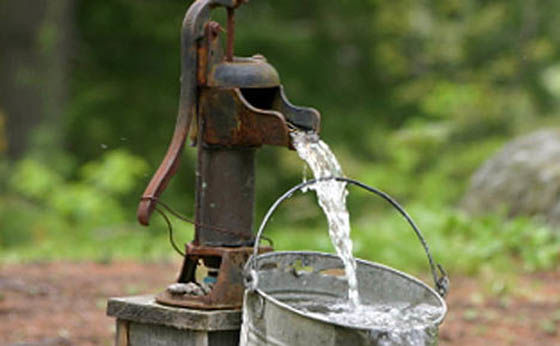
- After conflict had been successfully instigated, the final stage of the experiment aimed to resolve the conflict that had been created. Initially, group activities were used, but they failed to resolve the conflict. Then the boys were moved to a new location and given problems to solve that required them to work together for common goals. For example, they had to find a way to get their water source working again. This got the two groups working together successfully.
-
- When the groups first found out about each other conflict emerged in the form of verbal abuse. After the competitions, the conflict increased and the boys called each other names, sang derogatory songs and even refused to eat in the same room. This showed that conflict had been successfully instigated.
- Next the experimenters attempted to resolve the conflict. Initial group activities were not enough to resolve the conflict but when the boys were moved to a new location and given problem solving tasks, the conflict began to reduce. Eventually, they were eating together again and all went home on the same bus, showing that the conflict had been successfully resolved.
-
- Groups naturally develop their own cultures, status structures and boundaries. From these internal structures, the roots of conflict between groups are created. However, group conflict can be resolved by focusing on shared goals.
-
- Negative
- The sample (twenty-two 11 year-old boys) is not generalisable. They are all boys (androcentirc) and all the same age. Therefore, the results of this study cannot be applied to people of all genders and ages.
- They boys were unaware that they were part of an experiment. This means there was an issue when it comes to withdrawal, as the boys could not withdraw from an experiment they did not know they were part of. (Consent is not an issue as at 11 years-old only the parents needed to give consent, which they did.)
- The events that took place might have been distressing to the boys since they engaged in conflict. They may have been upset by some of the things that happened while in conflict with the other group.
- Positive
- Since this was a field experiment and the boys did not know they were part of a study the result are high in ecological validity as the behaviour shown by the boys would have been natural.
- It provides evidence for theories such as Realistic conflict theory and Social identity Theory.
Information
- Description
- An APRC and evaluation of Sherif's Robbers Cave experiment into inter-group conflict and prejudice
- Created by
- Katie Radford
- Views
- 82
- Rating