
De-escalation/conflict resolution Techniques
Slides in this set (6)
-
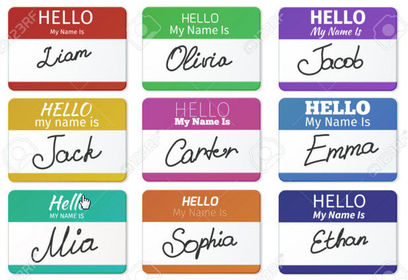
- Obtain the name of the person with who you are
- speaking: People respond favorably
- to their own name. It also makes the conversation more personal. Ask for the person’s
- name and ensure you are pronouncing it correctly early in the encounter and use
- it throughout conversation.
- "Remember that a person's name is to that person the sweetest and most important sound in any language." Dale Carnegie
-
- · Clarifying,
- paraphrasing and open-ended questions all help to ensure that the person is
- aware you have understood their frustrations completely. This helps to lower
- frustration levels as they feel they have “got it off their chest”. On a
- subconscious level, repeating a person’s own words back to them clearly shows
- your comprehension of their points on the most basic of levels.
- ·
- Undivided Attention: When people are paid attention to they feel
- validated; they feel important. The converse is also true: people feel less
- important and sometimes feel they need to up the ante if they feel like they
- need attention. Paying attention doesn't just mean saying, "I'm
- listening." It means looking at the person, making eye contact if it's
- culturally appropriate, and virtually listening with the entire body. By really
- listening, and conveying that through body language as well as words, you can
- help take away the person's reason for escalating the situation.
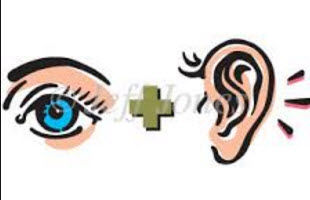
- Caption: "We think we listen, but very rarely do we listen with real understanding, true empathy. Yet listening, of this very special kind, is one of the most potent forces for change that I know." Carl Rogers
-
Slow down and suspend judgment:
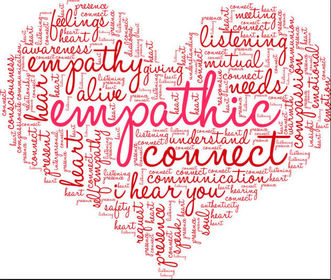
- Empathy
- needs to be shown during conflict situations. Even if you do not agree with the
- person’s position, expressing an understanding why that person feels a
- particular way will help resolve the conflict. Once again, ensure you are giving
- the situation your full attention. Show respect for the other person’s opinions
- and feelings. So, besides paying attention to what is said, ensure that body
- language and tone are nonjudgmental as well. This will go a lot further in
- calming the individual. Show respect for the other person’s opinions and
- feelings.

-
- ·
- It is very hard
- for someone to stay angry towards you if they are agreeing with you. This may
- sound ridiculous….How do we achieve this? Using clarifying questions and
- providing summaries during the conversation all help to confirm you have
- understood their point. When you clarify using a statement such as, “So you are
- feeling frustrated because of XYZ, is that right?”, you are creating a situation
- where the other person must respond with a “Yes”, and the more often we can get
- the other person to say yes, the quicker the situation will deescalate. This is
- an extremely successful and useful technique.

-
- The old saying, “Hot heads and cold hearts never solved anything” is
- particularly true of conflict resolution. As healthcare professionals, patient
- advocates, care coordinators, etc. we need to show compassion and empathy and
- give the escalated party our full attention. Don’t make rash judgments and work
- through the process.
-
- ·
- The person/patient you
- are dealing with at 10:00 am deserves the same level of respect, courtesy and
- patience as the person you are dealing with at 10 pm. They don’t know this is
- your third escalated patient today or that they are the 19th person
- to be frustrated about a technology issue that is out of your control. They
- deserve the same high level of service and professionalism as the first person
- you spoke to. Remember that your actions can have a lasting impression on a
- patient and/or their family and as such, we need to maintain that position of
- positive ambassador and consummate professional.
Information
- Description
- Slide Set on De-escalation/conflict resolution Techniques, created by Alicia Shelly on 28/09/2016.
- Created by
- Alicia Shelly
- Views
- 128
- Tags
- Rating