
Flashcards
Child Development
Cards in this deck (71)
- 1Contraceptive Implant- 99% Effective
- Prevents egg and sperm meeting/implantation
- Contains progestrogen - 2I.U.S (Intra-uterine system)- 99% + Effective
- Progesterone is slowly released stopping sperm and egg meeting - 3Diaphragm (Cap) with spermicide- 92-96% Effective
- Prevents sperm from meeting egg, providing barrier.
- Sperm become inactive from spermicide - 4Contraceptive Injection-99% Effective
- Makes it difficult for sperm to enter uterus and for fertilised eggs to implant
- Contains progesterone - 5Causes of Infertlity- Low sperm count
- Blocked fallopian tubes
- Treatment for cancer
- Failure to ovulate
- Too thick cervical mucus - 6Possible Treatments for Infertility- Drug therapy
- Artificial Insemination
- Surgery
- IVF (In-Vitro Fertilisation)
- Egg donation with IVF - 7I.U.D (Intra-Uterine Device)- 98-99% Effective
- Prevents implantation of fertilised egg - 8Male Condom- 98% Effective
- It works by preventing sperm from entering the vagina - 9A GP will...- Joint responsibility for mother during pregnancy
- May visit mum + baby when they get home
- Post-natal examination at 6 weeks - 10Gynaecologist will...- Specialist knowledge of functions + diseases in female reproductive system
- Treat any problems with reproductive system
- Help infertile couples - 11Neo-Nataogist will...- Have further specialist training in care of babies who are in the SCBU
- 12Single/Lone Parent FamilyA single parent is a parent not living with the spouse or partner. They have the most day-to-day responsibilities in raising the child/children.
- 13Nuclear FamilyThis consists of parents and children who live together in a home separate from the rest of the family.
- 14Step FamilyFormed when a couple, at least one of whom has child/children marry or co-habit. Could result in more children who become siblings.
- 15Extended FamilySimilar to a nuclear family though 'extended' by addition of grandparents, aunts, uncles etc. They live in the same house or very close by. Easy to meet on regular basis.
- 16Premature Babies- Premature babies are born before 37 weeks
- Difficulty sucking, latching onto breast/bottle
- Breathing problems, immature lungs
- Problems with keeping warm, low body fat - 17Why are babies premature?- Pre-eclampsia (high blood pressure)
- Twins, triplets etc
- Drug addiction
- Alcohol abuse
- diabetic mother
- cervix dilates too early - 18Female Condom- 95% Effective
- Works in the same was as a male condom
- "Femidom" - 19Combined Pill- 100% Effective (if taken properly)
- Prevents ovaries from producing eggs
- Contains oestrogen and progesterone - 20An obsterician is...- Doctor who specialises in caring for pregnant woman
- Responsible for hospital births, births with complications - 21Mini Pill- 99% Effective
- Makes it difficult for sperm to enter uterus and/or implantation of a fertilised egg - 22A paediatrication is...- Specialise in the care of children
- Responsible for medical checks on babies born in hospital
- Care for health of children throughout childhood - 23Looking after a sick child at home1.Rest+Sleep in quiet room
2.Medication prescribed by doctor
3.Plenty of fluids to drink
4.Warm, draught free room. About 22degress
5.Comfort+reassurance from family
6.Get family and friends to visit
7.Vary activities
8.Kept warm + comfortable
9.Cuddles + extra attention
10.Kept entertained
11.Regular paracetamol if needed
12.Contact GP of gets worse - 24Medication- Complete course even if seems better
- Dispose of old/out of date medicines
- Store correctly
- Store in safe place, out of reach and locked away
- Most medications in syrup
- Crush tablets
- Read instructions carefully
- Follow instructions about timings+dosage - 25Cot Death (S.I.D.S)- Stop smoking
- Place on back to sleep
- Don't let baby get too hot or cold
- Feet-feet of cot
- Same room for 6 months
- Don't fall asleep with baby sitting/lying on sofa
- Don't share bed with baby
- Don't use pillow or cot bumpers
- Settle baby with dummy
- Prompt medical advice if baby is unwell - 26How to sleep a baby:- Moses basket/crib
- Baby sleep in parents room for 6 months
- No duvets/pillows
- Room temp at 18degress
- Sleep feet-feet of cot - 27Food PreparationBacteria breed in warm + damp environments.
How to store food:
- Between 0 and 5 degrees
- Covered
- Clean
Foods must be prepared in a clean and safe environment. - 28Preventing food poisioningGood Personal hygiene:
- Don't cough, sneeze or smoke over food
- Don't lick fingers
Avoid Cross - Contamination:
- Don't transfer bacteria from one food to another
- Raw meat touches high risk foods
Store food correctly:
- Keep covered from dust,dirt and flies
- Follow instructions on labels - 29Nutrition- Protein, grow + repair cells
- Carbohydrates, provide energy
- Fat, slow release energy
- Vitamin A, healthy skin
- Vitamin B, obtain energy
- Vitamin C, healthy gums +heal wounds
- Vitamin D, healthy bones + teeth
- Calcium, Strong bones + teeth
- Sodium, body's fluid balance
- Iron, red blood cells made
- Fluoride, strong + healthy teeth - 30Adoptive Family- Permanent home
- Undergo extensive procedure to ensure they are suitable
- Finalised in court
- Child takes family name - 31Foster Family- Long or short term
- Foster parents can be in all different types of relationships
- Thoroughly checked
- Provided with training
- Will be paid by the local authority for looking after the child/children
- Contact with birth families, can be reunited - 32Health VisitorThis is a trained nurse, they will:
- Give advice on health matters
- Keep track of child's development progress regularly
- Contact mother after 10 days of birth then see for next 6 weeks
- Always be available for telephone
- Put mum in touch with local groups to speak with other mums - 33Development of embryo and foetus3 weeks:
- Develops blood, bone + muscle
- Heart starts beating
- About 4-6mm long
8 weeks:
- Main organs are developing
- Limbs, hands + feet are forming
- About 2.2cm long
20 weeks:
- Heartbeat can be heard
- About 25cm long
- Weighs around 350-400g
28 weeks:
- Lanugo starts to grown
- About 38cm long
- Weigh around 900g
40 weeks:
- Lanugo usually disappears
- About 50-55cm long
- Weighs about 3-3.5kg - 34Ante-Natal ChecksExamination of the uterus:
- Felt to check size, position + movement of the foetus
- Height of the distance from pubic bone to the uterus
Checking the legs:
- Checked for signs of swelling or varicose veins
Urine:
- Checked for protein, sugar and ketone's indicate dehydration/ ill health
Blood Pressure:
- Checked using a spectrophotometer
- High blood pressure could indicate Pre-Eclampsia - 35Other Check UpsFoetal heartbeat:
- Checked at every visit after 16 weeks
Blood test:
- Done at 16 weeks, immunity to rubella.
Ultrasound Scan:
-Abdomen covered with gel, hand held scanner moved slowly over
Early Dating Scan:
- Done before 16 weeks to give exact age of foetus
Anomaly Scan:
- Done around 20 weeks,checks for major abnormalities - 36Ante-Natal ClassesThese provide parents to meet other expectant parents, ask any questions and learn about:
- Development of unborn baby
- Methods of pain relief
- Complications of labour
- Relaxation techniques
- How to look after new baby
- Breast feeding - 37Advantages of home births:-Familiar surroundings, more relaxed
- Number of people at births isn't restricted
- Known midwife
- Privacy before, during and after birth
- Not disturbed by other babies
- No routine that has to be followed
- No transport is needed - 38Advantages of hospital birth:- Monitoring equipment available
- Special equipment for emergences
- Midwives can share responsibility 24 hours a day
- Other mothers to talk to
- Visiting hours restrict number of visitors so can mum can rest
- No domestic responsibilities - 39Reasons not to breast feed:- Mother is HIV positive
- Has had breast cancer
- Has had breast surgery
- Takes certain recreational drugs
- Takes certain prescribed medication
- Inverted nipples - 40Reasons to breast feed:Mother:
- It's free/cheaper
- Right temperature
- Uterus will shrink back quicker
- Decreases risk of breast cancer
Baby:
- Easy to digest and absorb
- Less likely to become overweight
- Contains all nutrients needed by baby
- Less likely to develop nappy rash
- Less likely to be constipated - 41The examination after the bay will check...- Eyes, ears and nose
- Fontanelle
- Fingers + Toes
-Abdomen
- Genitals
- Spine
- Nerves and muscles
- Chest and heart (cardio-vascular)
- Mouth (for cleft palate and teeth)
- Hip joints (for congenital dislocation)
- Arms and hands - 42The Apgar ScoreHeartbeat/Pulse
Scores 2: 100 beats per minute
Scores 1: less than 100 beats per minute
Scores 0: No pulse
Breathing
Scores 2: Regular
Scores 1: Irregular
Scores 0: None
Movements
Scores 2: Active
Scores 1: Some
Scores 0: Limp
Skin Colour
Scores 2: Pink
Scores 1: Bluish extremities
Scores 0: Totally blue
Reflexes
Scores 2: Crying
Scores 1: Whimpering
Scores 0: Silent - 43Fertilisation1. Sperm meet the egg in the Fallopian tube.
2. One sperm penetrates the egg outer membrane.
3. The sperm joins the egg - the tail is left behind.
4. The fertilised egg travels down the Fallopian tube to the uterus and divides into cells. - 44Differences between a foster family and an adoptive familyA foster parent has:
- No legal rights over the child.
- An allowance to cover the cost of bringing up a child.
- Temporary responsibility for the child.
An adoptive parent has:
- Legal rights over the child.
- To financially cover the cost of bringing up a child.
- Permanent responsibility for the child. - 45Why are children taken into local authority care?Children are taken into local authority care if their parents are unable to look after them, or when there is evidence of neglect or abuse.
Foster care is seen to be a suitable type of care of children, as it provides a secure family environment. - 46Roles, Resposibilities and values of the familyResponsibilities of parents:
- Tough job being a parent
- Often blamed if children are badly behaved
- Anti-social behaviour blamed on parents.
Most important things are:
- Providing shelter, food, warmth and clothing
- Protection and support
- Love and security
- Opportunities for learning and development
Socialisation in the family:
- Children need to learn how to live in society
- How to behave and act in different stiuations - 47Social Changes- Increasing availability of birth control.
- Improved support structure for single mothers to keep babies who are born outside of marriage.
- Society's acceptance of babies born outside marriage. - 48Weaning- Moving from milk feeds to mixed diet
- Starts between 4-6 months
Ready when:
- Still hungry after feed
- Starts waking through night
- Wants more food - 49Bottle FeedingAdvantages:
- Know how much baby has taken
- Fed anywhere without embarrassment
- Other people can feed baby
- Mum can leave baby in care of others
Disadvantages:
- Cost of formula milk
- Preparation time
- Must be kept really clean
- May not follow instructions
- May overfeed - 50Essential items of clothing for newborns- Babygrows
- Mittens,hat, coat
- Bib
- Vests
- Socks/Tights
- Shawl
-Towel with hood/bath towels
- Cardigans
- Snowsuit - 51Folic Acid- Forms of vitamin B9
- Prevents babies developing spina bifida, stops brain defects
Foods containg Folic Acid:
- Green leafy vegetables
- Beans + Lentils
- Citrus Fruits - 52Non-Identical Twins- Same sex or boy + girl
- No more alike then any other child of the family
- Formed when two eggs are released, both fertilised by different sperms
- Have separate placentas - 53Multiple Births- Don't all happen naturally
- More than 1 foetus developing in uterus - 54Identical Twins- Same sex
- Alike in appearance, inherit identical genes
- One egg splits into two and then divide separately to form to foetus's
- Share a placenta - 55Essential Items of equipment for a newborn- Pushchair/Pram
- Car Seat
- Baby bath
- Baby shampoo
- Crib
- Dumpies
- Bottles
- Sterilizer
- Breast pump
- High chair
- Changing mat
- Changing bag
- Sheets/Blankets
- Baby monitor - 56Reflex ActionsSucking Reflex:
- Suck on anything put in mouth
Startle Reflex:
- Started by sudden loud noise or bright light, baby will move arms outwards with elbows bent and hands clenched.
Rooting Reflex:
- Cheek touched, head will turn towards it.
Falling Reflex:
- Sudden movements that affect neck, feel they are being dropped so will fling out arms and hands.
Stepping Reflex:
- Held upright, start walking forward.
Grasp Reflex:
- Palm of hand touched, hand automatically grasps it. - 57Baby ready to be bornVernix - Greasy coating covering the skin.
Lanugo - Fine, downy hair on the skin. - 58Foods to avoid when pregnant:Eggs: Salmonella, can cause food poisoning
Un-pasteurised milk: Listeriosis, can cause miscarriage, still birth or severe illness
Liver: Vitamin A, too much harms baby
Undercooked meat: Toxoplasmosis, miscarriage, still birth and blind baby
Coffee: Caffeine, miscarriage, low birth weight - 59Road SafetyHow parents can help:
- Set a good example
- Use walking reins
- Don't let them out on the roads by themselves
- Holds hand with parent/adult
- Make sure child can be seen
- Green cross code (Think, stop, look, listen and wait) - 60Children with special needsCongenital disability - Present at birth or detected very soon after.
Causes:
Genetic- Inherited from parents.
Brain Damage - Often caused during labour + delivery.
Developmental - Mother may be an alcoholic, a smoker or drug user.
German Measles - Can cause deafness or cleft palate. - 61Methods of deliveryBreech: May need to be delivered by C-Section.
Forceps: Tongs placed around head and gradually eased out. Baby may be bruised.
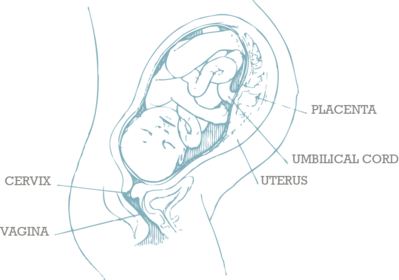
Ventouse (Suction): Cap is connected to top of head, connected to suction pump. - 62Female Reproductive OrgansFallopian tube - joins ovaries to uterus. Fertilisation takes place here.
Ovaries - Control female sex hormone, produce and release eggs.
Uterus - Where baby grows and develops.
Lining of uterus - Comes away every month during menstruation. If egg is fertilised, attaches to lining.
Cervix - Neck of uterus, usually closed.
Vagina - During intercourse, sperm deposit here. - 63Male Reproductive OrgansSeminal vesicle - Stores and Secretes semen, carries sperm.
Scrotum - Bag containing testes.
Testis - Produce sperm, male sex hormone.
Sperm tube - Lead from testes, sperm travel along.
Urethra - Tube carries semen and urine.
Penis - Comes erect before and during intercourse and ejaculates sperm into vagina.
Foreskin - Covers and protects tip of penis.
Epididymis - Where sperm are stored. - 64Signs of Labour- Waters break
- Contractions break (20-30 minutes apart)
- Mucus plug comes away (show)
- Backache
- Feeling sick - 65Stage 1 of labour- Can last up to 18 hours.
- Cervix dilates to 10cm.
- Uterus,cervix, vagina make birth canal. - 66Stage 2 of labour- Baby is in birth canal.
- Mum has urge to push.
- Top of head appears (crowning).
- May have small cut in vagina (episiotomy).
- The baby is delivered. - 67Stage 3 of labour- Clamp and cut cord.
- Check baby over.
- May be past to mum.
- Contractions continue.
- Injection in thigh to aid delivery.
- Delivery of placenta. - 68Main Fuctions of the Placenta- Provide foetus with nutrients
- Provide foetus with oxygen
- Removes carbon dioxide produced by foetus
- Excrete waste material - 69Signs of pregnancy- Darker skin around nipples
- Constipation
- Missed period
- Nausea
- Urinating more often
- Metallic taste in mouth
- More tired than usual
- Tender and Enlarged breasts - 70Pre-Conceptual Care- Avoid alcohol
- Stop smoking
- Recreational drugs discouraged
- Check for STI's
- Immunity to rubella + polio check
- Regular exercise
- Stopping use of contraception
- Healthy diet
- Adjusted medication
- Healthy father - 71MenstruationDay 1-5: Woman bleeds
Day 6-15: lining of uterus grows
Day 14: Ovulation
Day 16-21: Uterus is ready to receive and egg
Day 22-28: Lining of uterus starts to break down
Information
- Description
- GCSE Child Development Flashcards on Child Development, created by Lauren Thrower on 05/04/2015.
- Created by
- Lauren Thrower
- Views
- 6
- Rating