
Mind map
Research Ethics
Map content
Research Ethics
Belmont Report
- Respect for Persons
- Individuals should be treated as autonomous and individuals with diminished autonomy should be entitled to additional protections (meaning researchers should receive informed consent from participants
- When gaining informed consent, the form should not have flaws that may reveal a participants identity.
- Justice
- The practice of selecting research participants in a fair way. This is done to share the risks and benefits of the research with everyone.
- Selecting exclusively under-privileged individuals or Nazis only using Jews for research
- Beneficence
- To always have the welfare of the participant in mind during the study. :
- Doing a cost-benefit analysis on outcome of study.
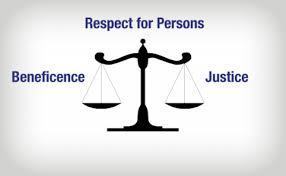
- A summary of ethical principles and guidelines for research involving human subjects. That has 3 core principles; 1) Respect for persons, 2) Beneficence & 3) Justice.
- The standard ethical justification for informed-consent policy has been that obtaining informed consent is a way of respecting persons, which in turn is a fundamental moral requirement
- Respect for Persons
Informed Consent
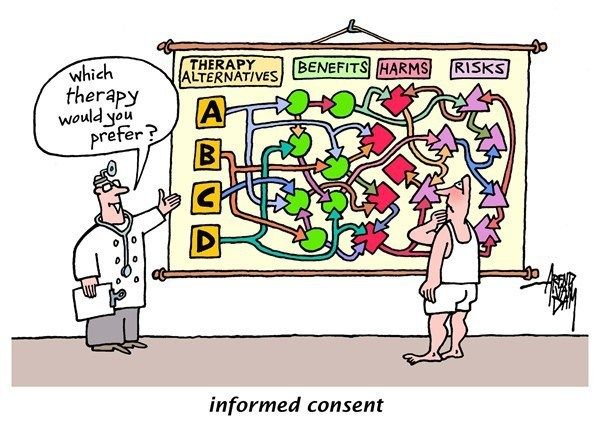
- The ethical principle that individuals should be given enough information about a study, especially its potential risks, to make an informed decision about whether or not they are going to participate
- Documents that are used to typically provide subjects with the information they need to make the informed decision whether or not to volunteer for a research study
Voluntary Participation
- During human research, subjects exercise their free will in deciding whether or not to participate/ take part in a research activity
- Documents that allow participants to decide (without being pushed or persuaded) whether or not they would like to be a part of the study.
Images and files in the map



Information
- Description
- Social Science Mind Map on Research Ethics, created by Abbey Bailey on 18/10/2018.
- Created by
- Abbey Bailey
- Views
- 4
- Rating