
Mind map
Good Will Hunting
Map content
Good Will Hunting
Psychology Schools of Thought
- Behavrioal Psychology
- Through therapy, Sean tries to uncover what makes Will behave the way he does based on his past and present life
- Psycholanalysis
- Sean examines Will's unconscious mind through therapy in order to understand his internal conflicts
- Cognitive Psychology
- A hypnotist attempts to analyze Will's behavior by accessing his memories
- Behavrioal Psychology
Defence Mechanisms
- Projection
- Will projects his negative view on life onto the people he meets. For instance, he points out other peoples flaws, but not his own
- Denial
- Will denies his abusive past whenever he is questioned. Also, he denies he needs any help or therapy
- Displacement
- Will is angry at Skylar, but hits the wall to project his anger onto a less threateneing target
- Compensation
- Will makes up for his weaknesses in other aspects of life in terms of jobs and social relationships by excelling in mathematics
- Will is adept at anticipating failure in relationships, so he tries to avoid them
- Sublimation
- Will gets into fights to release anger in a "socially" acceptable way
- Projection
Serial Killers
- Will fits the profile of a serial killer: white male in his 20's, good looking, charismatic, average to above IQ
- Oppositional Defiant Disorder
- Little social interactions
- Trouble maintaining relationships
- Parental maltreatment
- Deviant and disruptive behaviour
Mental Health Disorders
- Oppositional Defiant Disorder
- Recurrent and persistent patterns of angry moods, defiant behavior and vindictiveness
- Will does not view himself oppositional to authority figures
- Will feels that his behavior is justified because of his past childhood abuse
- Post Traumatic Stress Disorder
- Will was abused by his alcoholic foster father
- Will withdraws himself from social settings
- Will has an avoidant personality and a fear to face others
- Will expresses himself through violence and angry outbursts
- Reactive Attachment Disorder
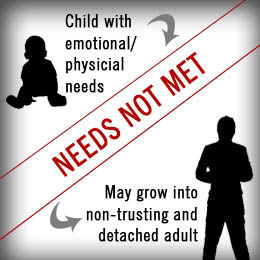
- Will grew up in foster homes where the environment is unstable, therefore no parent actually showed their love or sympathy for him
- Rejects other's efforts to connect and comfort him
- Anger issues
- Failure to reach out for help or support
- Oppositional Defiant Disorder
Erik Erikson's Stages of Development
- Trust vs Mistrust
- Will doen't trust anyone with his feelings or emotions. He pushes away people because he has a fear of failing relationships. As a child, he was abused by foster parents. He grew up with nobody showing concern, love, or sympathy for him
- Self Reliance vs Doubt
- Will is careless; he doesn't go to therapy or any job interviews. He doesn't try to reach his full potential.
- Initiative vs Guilt
- Will feels guilty about what happened with his foster dad
- Industry vs Inferiority/Identity vs Role Confusion
- Will establishes his identity as a Southern Boston man, however, her fails to establish self control with his anger issues
- Intimacy vs Isolation
- Will forms an intimate relationship with Skylar. He puts her needs before his. He is able to care deeply for another person
- Trust vs Mistrust
Sigmund Freud's Personality Development Theory
- Genital
- Will forms relationships, specifically an intimate relationship with a girl named Skylar, and looks for a job
- Oral
- Will smokes often
- Phallic
- Will and his friends often talk about sex. When Skylar says she would withhold sex, Will obliges.
- Genital
Images and files in the map
Information
- Description
- Psychology analysis of Good Will Hunting movie
- Created by
- diljeetkaurh
- Views
- 868
- Tags
- Rating