
Mind map
Carbohydrates, Glycolysis/Gluconeogenesis, and TCA
Map content
Carbohydrates, Glycolysis/Gluconeogenesis, and TCA
Carbohydrates
- Have generic formula Cn(H20)n
- Functions
- Energy source and storage
- Structural component
- Informational molecules in cell-signaling
- Structures to know
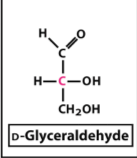
- Glyceraldehyde
- Triose sugar
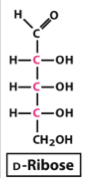
- Ribose
- 5 carbon sugar, aldose, all OH's on the right
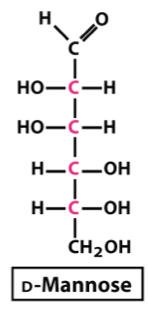
- Mannose
- C2 epimer of glucose
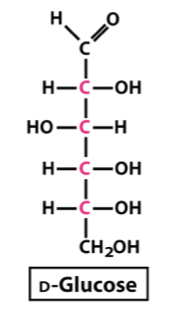
- Glucose
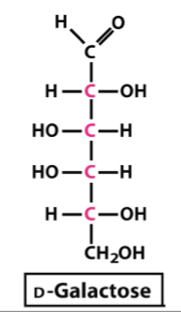
- Galactose
- C3 epimer of glucose
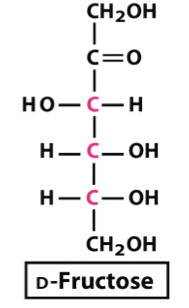
- Fructose
- ketose sugar
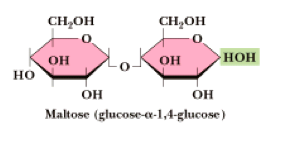
- Maltose
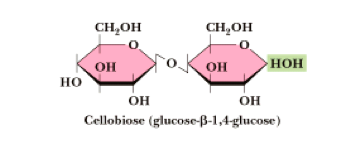
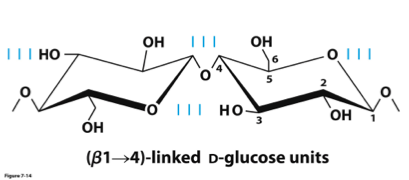
- Cellobiose
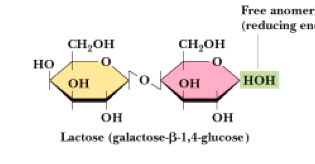
- Lactose
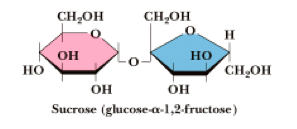
- Sucrose
- Cellulose
- polymer of cellobiose
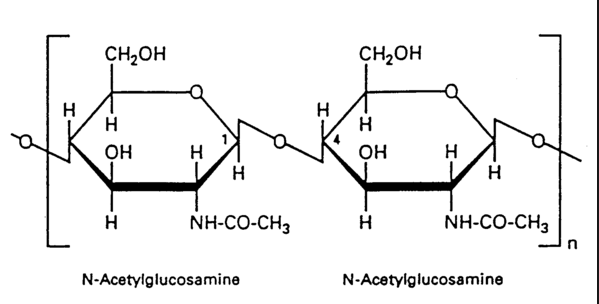
- Chitin
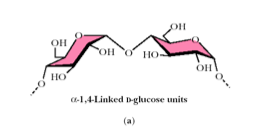
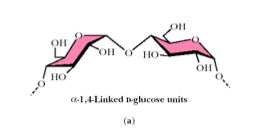
- Starch
- has alpha 1-->6 brances every 20 residues
- Glycogen
- Branching alpha 1-->6 linkages about every 10 residues This allows rapid mobilization of glucose when needed
- Glyceraldehyde
Glycolysis
- Glucose is good fuel, can be stored in polymeric form
- Versatile biochemical precursor
- Can be stored as starch or glycogen
- Short term energy needs met by glycolysis
- Pentose phosphate pathway generates NADPH
- Structural polysaccharides made from glucose
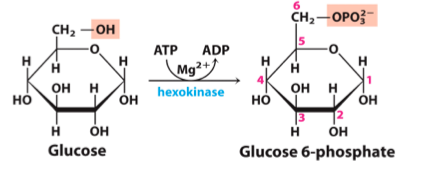
- Hexokinase
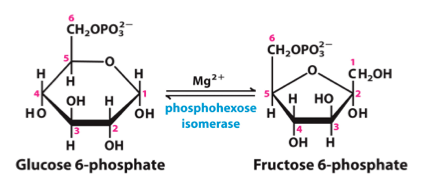
- Phosphohexose Isomerase
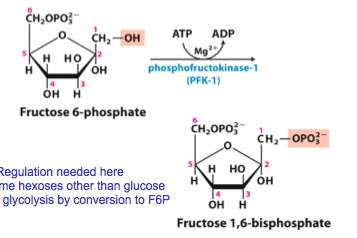
- Phosphofructokinase
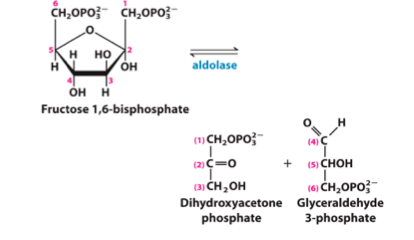
- Aldolase
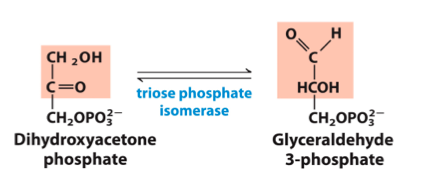
- Triose Phosphate Isomerase
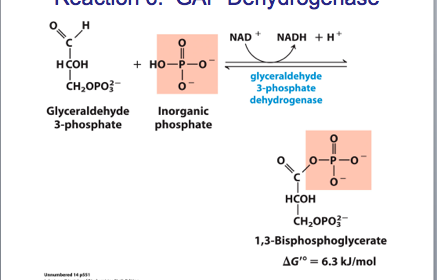
- GAP Dehydrogenase
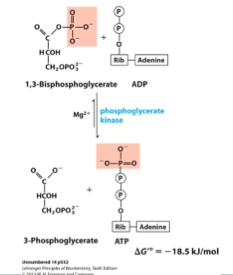
- Phosphoglycerate Kinase
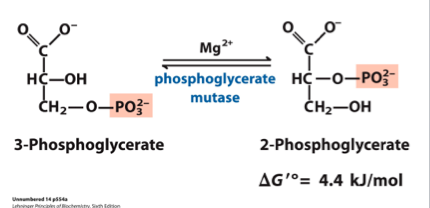
- Phosphoglycerate Mutase
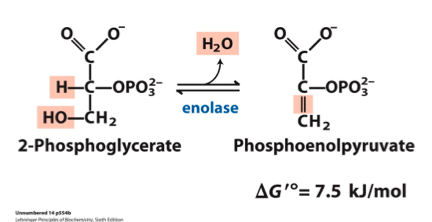
- Enolase
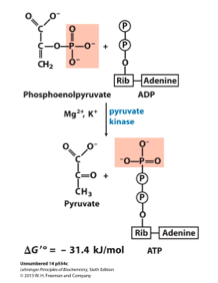
- Pyruvate Kinase
- Acetyl CoA and TCA Cycle
- Lactate (anaerobic respiration)
- Fermentation (alcohols)
- Pyruvate Kinase
- Enolase
- Phosphoglycerate Mutase
- Phosphoglycerate Kinase
- GAP Dehydrogenase
- Triose Phosphate Isomerase
- Aldolase
- Phosphofructokinase
- Phosphohexose Isomerase
- Key regulatory steps: 1, 3, 10 these steps are irreversible and have different enzymes in gluconeogenesis
- Occurs mainly in the muscle and brain
TCA
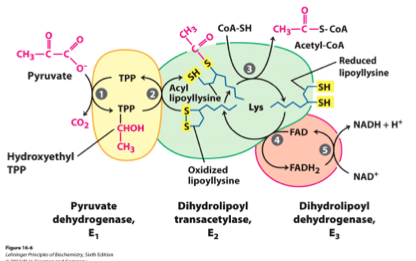
- Pyruvate dehydrogenase complex
- Made up of E1 (pyruvate dehydrogenase), E2 (dihydrolipoyltransacetylase), and E3 (dihydrolipoyldehydrogenase). They are associated together to help prevent intermediates from being diffused away.
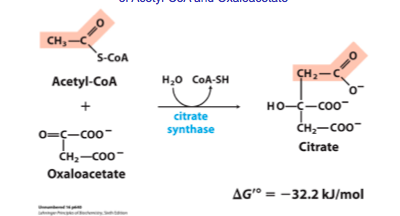
- Citrate synthase
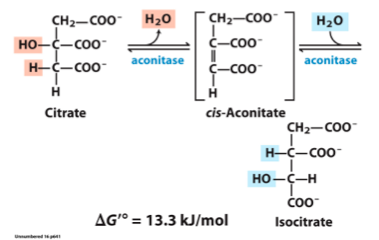
- Aconitase
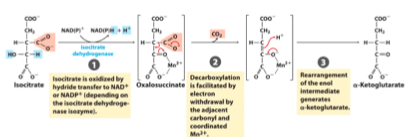
- Isocitrate dehydrogenase
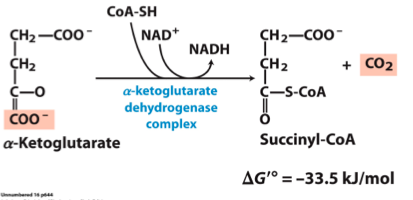
- a-Ketoglutarate dehydrogenase
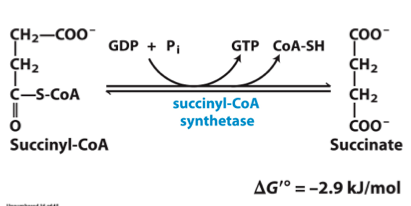
- Succinyl-CoA Synthetase
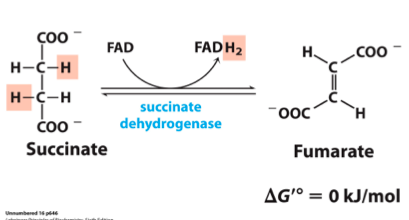
- Succinate Dehydrogenase
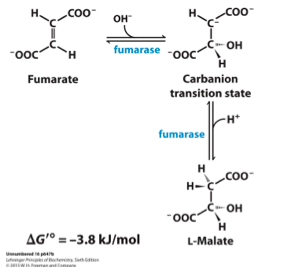
- Fumarase
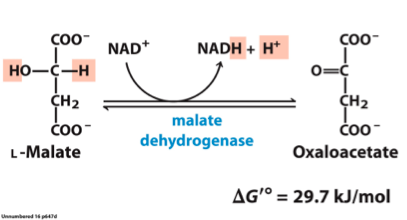
- Malate dehydrogenase
- Fumarase
- Succinate Dehydrogenase
- Succinyl-CoA Synthetase
- a-Ketoglutarate dehydrogenase
- Isocitrate dehydrogenase
- Aconitase
- 3 key steps are 2, 4, and 5
- Anaplerotic reactions replenish the cycle
- Channels reactants back into TCA
- Pyruvate dehydrogenase complex
Regulation
- One reaction in a pathway is almost always irreversible
- Fatty acids can NOT be used for gluconeogenesis
- Gluconeogenesis occurs mainly in the liver and kidneys
- Steps 1,3, and 10 of gluconeogenesis are different than glycolysis
- Very expensive but necessary since the brain, nervous system, and blood cells can only generate ATP from glucose
- Lactate can be recycled in the liver and reoxidized to pyruvate which can be used in gluconeogenesis
- When glycolysis is turned on, gluconeogenesis is off, and vice versa
- When energy is low (large [AMP]) cell goes into glycolysis, when energy is high (large[ATP]) the cell goes into gluconeogenesis
- Muscles consume glucose for energy production, liver maintains blood glucose homeostasis by removing or producing glucose depending on conditions
- Insulin
- Released from pancreas in response to increased glucose in blood
- Glucagon
- Released by pancreas in response to low blood glucose
- Active on liver and adipose tissue but NOT muscle and brain
- Epinephrine works on liver and muscles
- Stimulates liver to release glucose from glycogen stored in blood
- Regulation of fructose 2,6-bisphosphate
- Fructose 2,6-bisphosphate is formed by PFK-2 and not formed by FBPase 2, F26BP inhibits FBPase-1 and gluconeogenesis and activates PFK-1 and glycolysis in high concentrations, activates FBPase-1 and gluconeogenesis and inactivates glycolysis in low concentrations
Images and files in the map
Information
- Description
- Regulation and steps of glycolysis, gluconeogenesis, and TCA cycle as well as characteristics and structures of basic carbohydrates
- Created by
- Sarah Emslie
- Views
- 221
- Tags
- Rating