
Mind map
Metal Casting
Map content
Metal Casting
Metal Casting
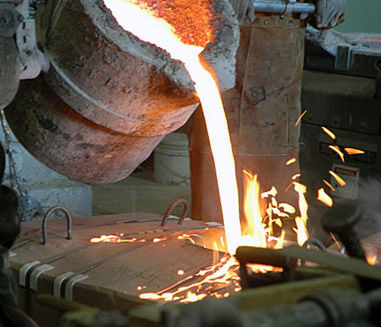
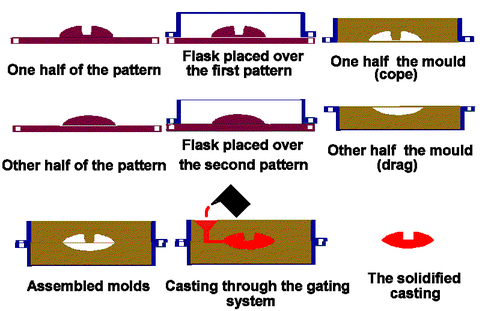
- Metal casting is a process most often used for making complex shapes that would be difficult or uneconomical to make by other methods.(See 6 steps attached in file).
- 1. Produce the mould which contains a cavity of the desired shape: single use or mulyiple use moulds. 2. Melt the material. 3. Pour liquid metal into the mould. 4. Allow it to cool and solidify. 5. Remove the solidified part from the mould. The solidified part is alsoknown as casting. 6. Clean, finish and inspect.
- Metal casting is a process most often used for making complex shapes that would be difficult or uneconomical to make by other methods.(See 6 steps attached in file).
Expandable mould casting
- Expandable mould casting is the use of temperary, non reusable moulds. This method includes: - Sand casting. - Plaster casting. - Shell casting. - Investment casting.
- Sand Casting
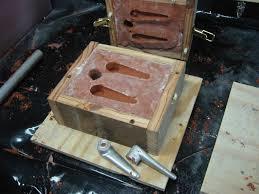
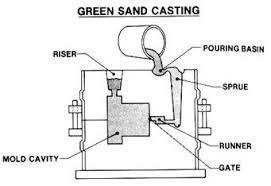
- The mould is made from sand mixed with a binder material. Around 70% of metal casting can be accounted for by this process. Sand casting allows most metals to be cast depending on the type of sand used for the moulds. A sand casting set up can produce up to 20 casts per hour. Suitable for hand sized to very large parts. Snot suitable for small, fine detailed parts.
- Plaster moulding
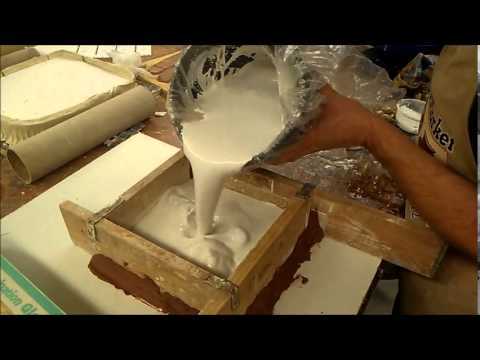
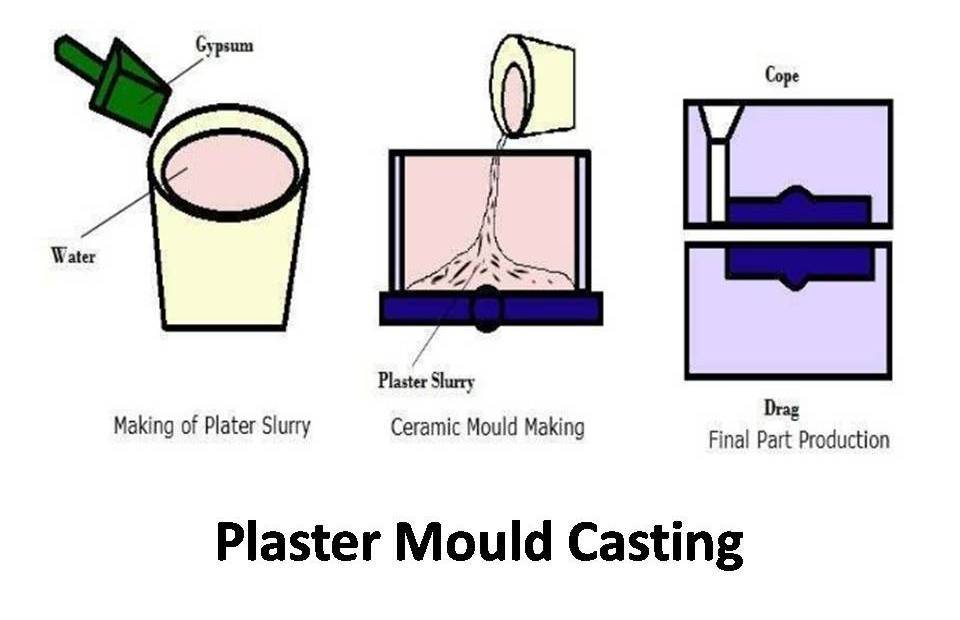
- 1. Plaster pf paris is mould material. 2. Production rate of 1-10 units/h. 3. Suitable for very small aprts. 4. Hihgh dimensional accuracy & excellent surface finish. 5. Only low melting temperature non-ferrous materials, such as aluminium, copper, magnesium and zinc can be used.
- Shell mould casting
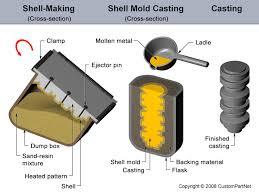
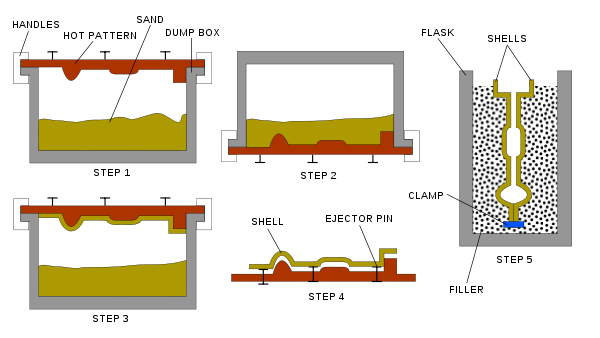
- Moulding cavity is formed by a hardened "shell" of sand & resin instead of a flask filled with sand. The sand used is mixed with a resin and heated by the pattern and hardened into a shell around the pattern.
- Shell casting
- The process is easily automated and more precise than sand casting. Common metals that are cast include cast iron, aluminium, magnesium and copper alloys. This process is ideal for complex items that are small to medium size.
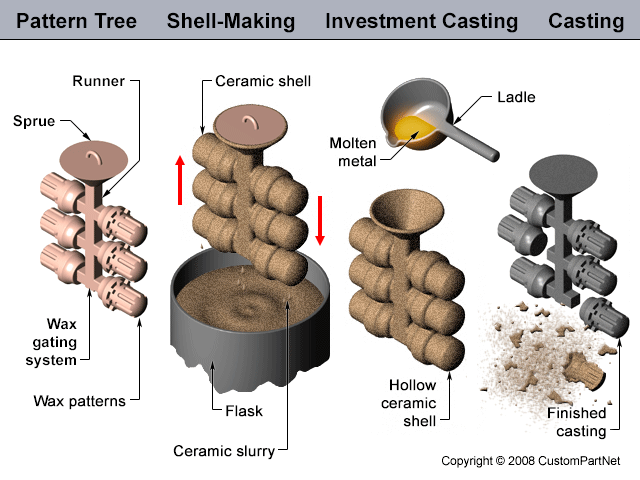
- Investment casting
- Offers unlimited freedom in both complexity of shapes and types of materials to cast. When the ceramic mixture is heated to harden into a shell the wax material melts. The wax can be reused many times.
Non-Expendable mould casting(Multi use mould casting)
- The mould need not to be reformed after each production cycle. This technique includes four common methods, 1. Permanent casting. 2. Die casting. 3. Centrifugal casting. 4. Continuous casting.
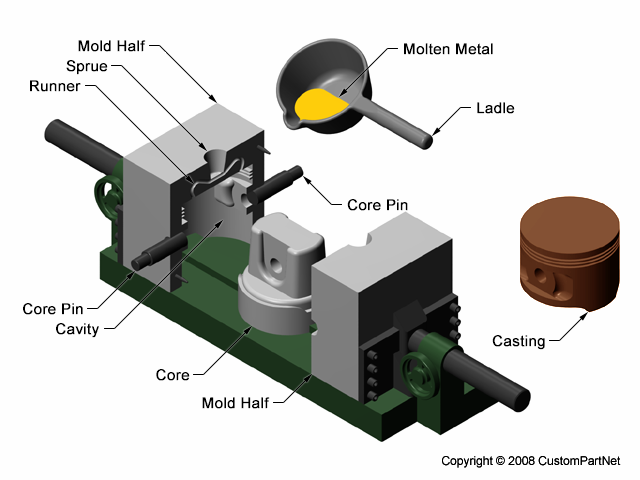
- Permanent casting
- - Reusable moulds usually made from metal. - Common casting metals are aluminium, magnesium and copper-based alloys. Other materials include: tin, zinc and lead-based alloys. - Iron and steel can also be cast if using graphite moulds. - Permanent moulds, while lasting more than one casting still have a limited life before wearing out. - The main advantages are the reusable mould, good surface finish, good dimensional accuracy, and high production rates.
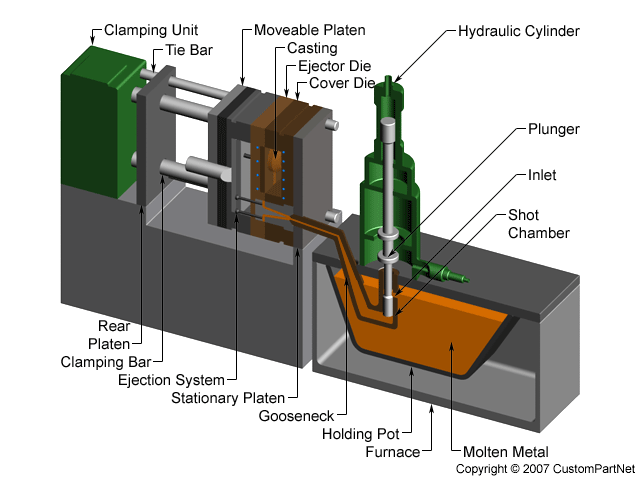
- Die casitng
- - A casting process characterized by forcing molten metal under high pressure into a mould cavity. - Most die castings are made from non-ferrous metals: zinc, copper, aluminium, magnesium, lead, pewter and tin based alloys. - Depending on the type of metal being cast, a hot- or cold-chamber machine is used. - It is especially suited for a large quantity of small to medium sized castings. - Die castings are characterized by a very good surface finish(by casting standards) and dimensional consistency. - Production rates are high.
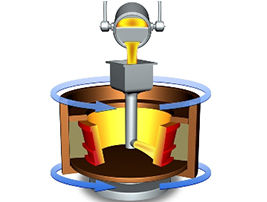
- Centrifugal casting
- - In this process molten metal is poured in the mould and allowed to solidify while the mould is rotating. - Due to centrifugal force the liquid metal is thrown out towards the periphery. - Small art pieces such as jewelry are often cast by this method, the forces enable the rather viscous liquid metals to flow through very small passages and into fine details such as leaves and petals.
- Continuous casting
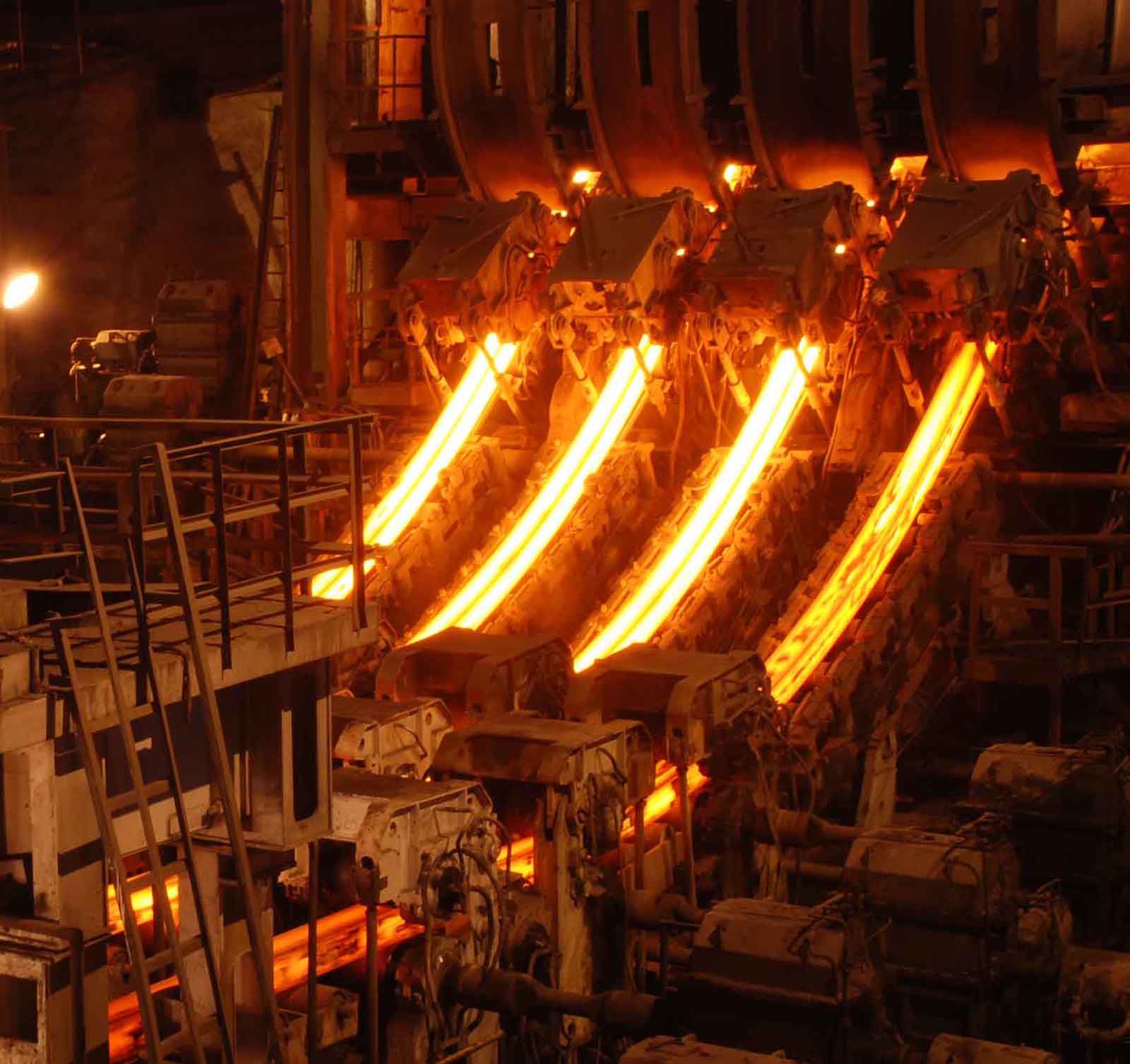
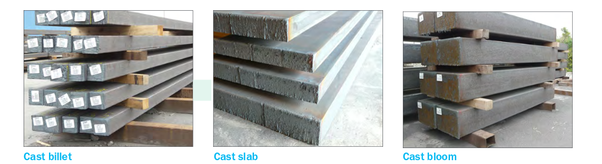
- - Continuous casting is the process whereby molten metal is solidified into basic shapes(billet, bloom, slab) for subsequent rolling and forging in the finishing mills. - Prior to continuous casting in the 1950's, steel was poured into ingots which had to be re-cast. - Since then, "continuous casting" has evolved to achieve improved yield, quality, productivity and cost effeciency. - Steel, aluminium and copper are continuously cast.
Plastic moulding process
- While some polymers can be heated, melted and poured into permanent moulds similar to metals, it is more common for plastics to be produced via moulding. Common moulding processes include: - Injection moulding -Extrusion -Blow moulding -Compression moulding -Transfer moulding.
- Injection moulding
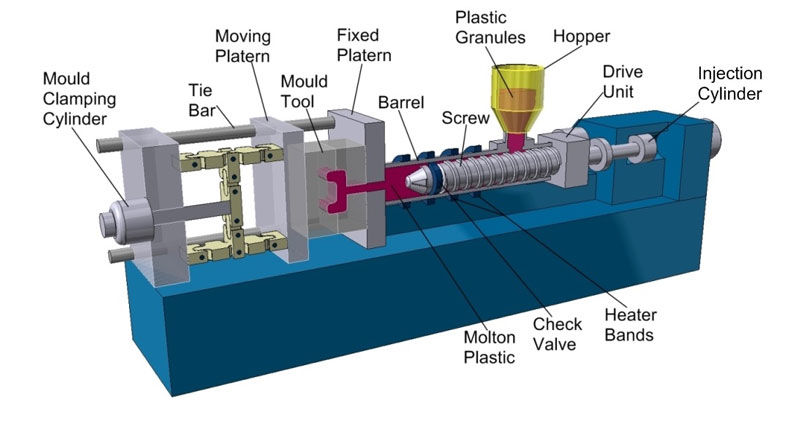
- 1. The mould halves are clamped together. 2. Granules of raw material are fed from a hopper. 3. As the plunger advances the material is forced through a preheated chamber where it is melted. 4. Polymer is injected into the mould. 5. Once the cavity is filled, a holding pressure is maintained to compensate for material shrinkage. 6. In the next step, the screw turns, melting and feeding the next shot to the front of the screw. The screw retracts as this is happening. 7. Once the part is sufficiently cool, the mould opens and the part is ejected and the cycle repeats.
- Sprues, runners and gate
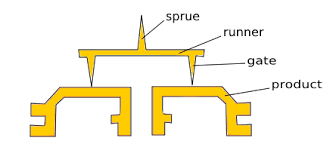
- The sprue is the passage through which a material enters and travels through a mould. Runners are passages which split from the main sprue passage and feed individual cavities. The gate is the point at which the material enters the cavity.
- Extrusion
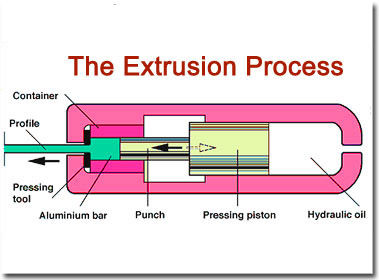
- - This process is widely used to form components that have constant cross sectional shapes such as pipes, curtain rails, filaments etc. - Similar to injection moulding - Plastic granules are heated in a hopper and a screw thread forces the material through the die. The material is then cooled.
- Blow moulding
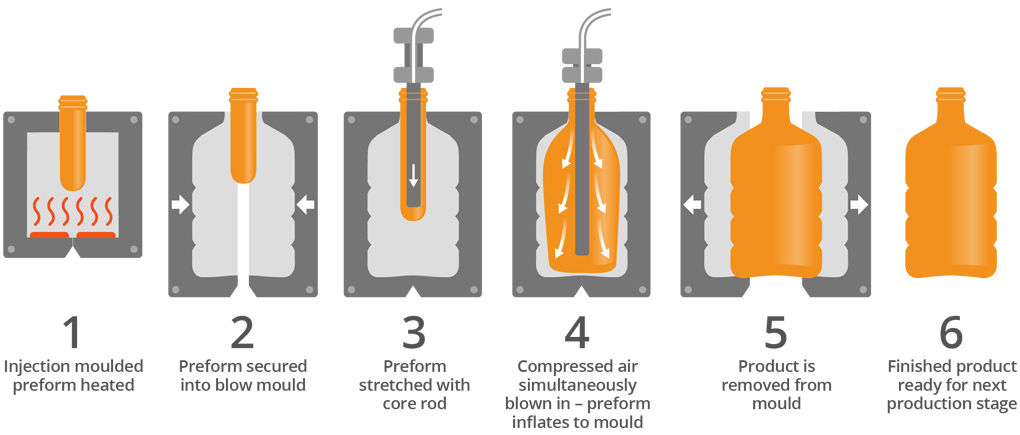
- Blow moulding is used to manufacture bottles and containers with very thin walls. ,Materials: thermoplastic, polyethylene, PVC, polypropylene. - Blow moulding first requires a tube of plastic (parison) to be extruded. - The heated preform is positioned between the halves of a split mould. - The mould closes and air is pumped through the blow pin into preform. - The parison is filled with air until it meets the edge of the mould. -The mould is hen cooled, the halves seperated and the product is removed. - Any flash is trimmed for direct recycling.
- Compression moulding (hot-compression moulding)
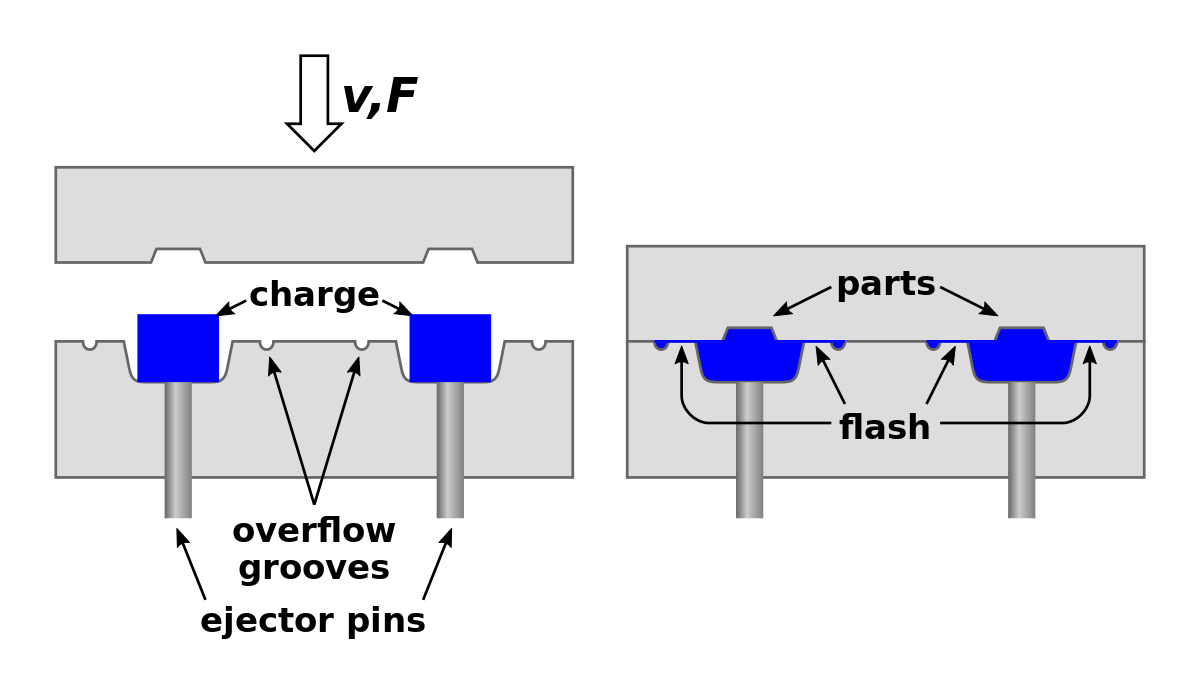
- Compression moulding is a technique utilised for a variety of product manufacturing, including he production of complex parts, large and small. The method is favoured as a lower cost alternative injection moulding. It offers an additional cost advantage in that it wastes relatively small amounts of moulding material. Moulding material, usually preheated, is placed into the open mould cavity. Once the mould is closed, heat and pressure are applied to help ensure that the mould is completely filled and help with the curing process.
- Transfer moulding
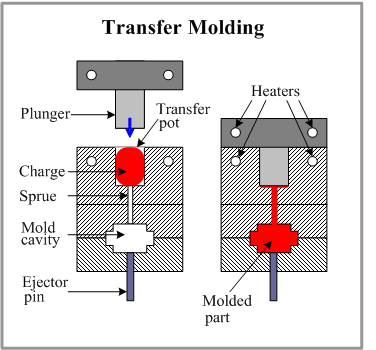
- Raw materials is measured and inserted before the moulding process takes place. The material is then heated until molten and loaded into a pot. A plunger descends, forcing the molten plastic from the pot through the runner system into the mould cavities. Mould remains closed as the material is inserted and it is opened to release the part from the runner. The mould walls are heated to a temperature above the melting point of the mould material. This allows a faster flow of material through the cavities.
Images and files in the map
Information
- Description
- Engineering Mind Map on Metal Casting, created by Ian Moloney on 30/10/2017.
- Created by
- Ian Moloney
- Views
- 4
- History
-
- Created by Ian Moloney · Oct 30, 2017
- Copied by Ian Moloney · Oct 30, 2017
- Rating