Mind map
Cells
Map content
Cells
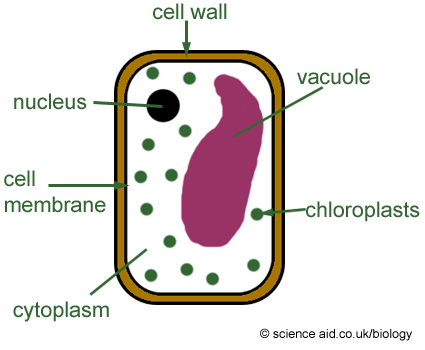
Plant
- A plant grows through the process of photosynthesis which needs light to maintain the process of growth.
- •Both plant and animal cells include nucleus, cell membrane and mitochondria, which are part of their structure.
- •The main function of a plant cells is to carry all processes that are needed to facilitate plant life.
- The plant cell also houses different kind’s structural properties to an animal cell yet still contains some similarities.
- A plant cell can be included in the category of eukaryotic cells. These are the cells that have a well-defined nucleus.
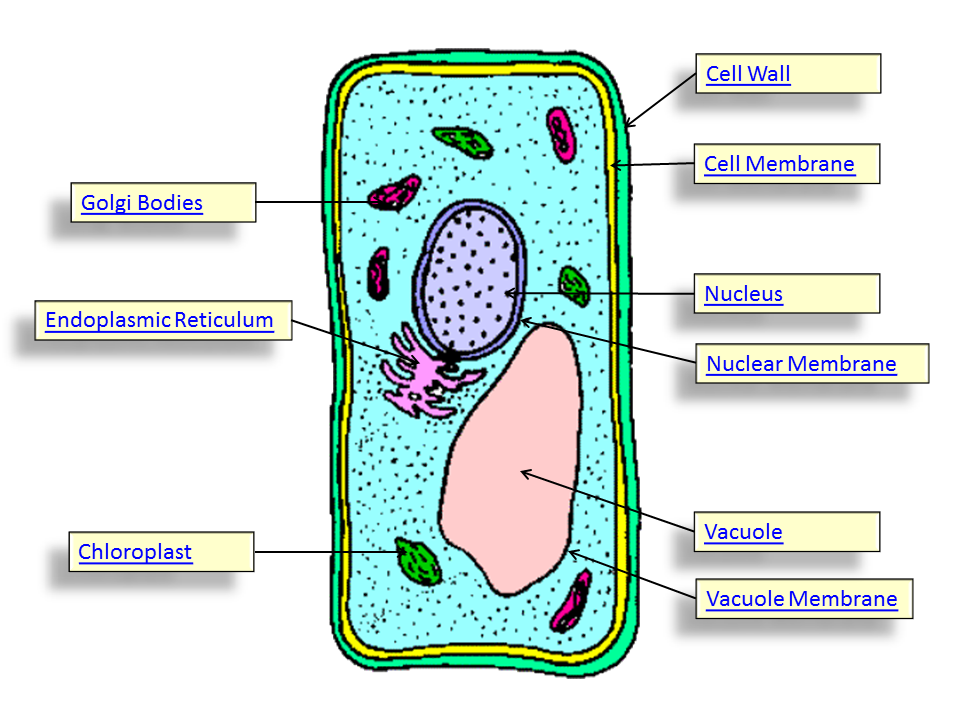
- •The structure of the plant cell includes cellulose, chloroplasts, chlorophyll and vacuoles. Plasma membrane, nucleus, nucleolus and mitochondria are also included in the structure of a plant cell. The endoplasmic reticulum, Golgi apparatus and microtubules are other features of the plant cell.
- A plant cell can be included in the category of eukaryotic cells. These are the cells that have a well-defined nucleus.
- Cell walls are made up of cellulose, which humans cannot digest. These walls are visible under a microscope and resemble a thick outline around the plant cells.
- There are both similarities and differences between plant and animal cells. They are both basic units of life, which compose all living organisms. However, plant and animal cells may have a different function and a different structure.
- •There are two types of reproduction in plants. They can be asexual, when the cell splits in two, and sexual, when two cells combine to create one living cell.
- •Plant cells have cell walls in which they can store water.
- •A plant cell is the structural and functional unit for all plant organisms.
- Through photosynthesis sunlight, water and carbon dioxide are transformed into energy, water and oxygen. This is an important process for the support of all forms of life.
- •Cell walls of plants are made up of cellulose, hemicellulose and pectin.
- A plant grows through the process of photosynthesis which needs light to maintain the process of growth.
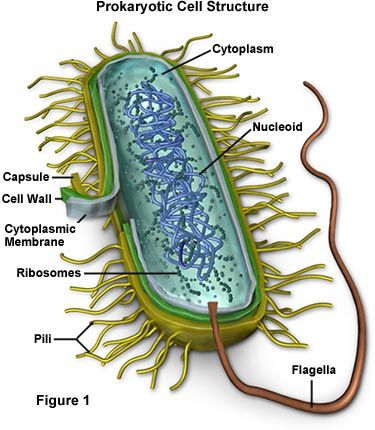
Bacteria
- Bacteria are the simplest of creatures that are considered alive.
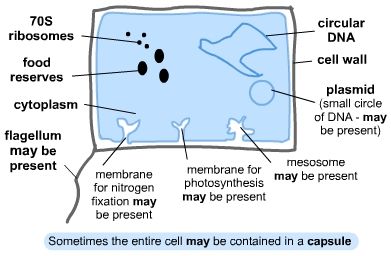
- Flagella - a small tail like shape that allows the cell to swim through liquids.
- They are prokaryotic cells
- Some help plants absorb nitrogen (N) from the soil.
- Some cause diseases like food poisoning.
- There are more bacterial cells in the body than human cells.
- Some bacteria even live inside the stomachs of cows to help them break down cellulose.
- Bacterial cells are much smaller than plant or animal cells. They were first seen under a microscope
- Spherical bacteria are in the shape of little spheres or balls. They are arranged in rows of circles.
- Bacterial cells are much smaller than plant or animal cells. They were first seen under a microscope in 1676
- Spiral shaped bacteria twist a little. Think about balloon animals for these shapes. It's like a balloon animal in the shape of a corkscrew.
- Bacterial cells do not contain chloroplasts (like animal cells but unlike plant cells). In addition, unlike animal and plant cells, bacterial cells lack: A 'true' nucleus Mitochondria
- Instead of a cell nucleus containing chromosomes, the DNA in bacterial cells is arranged in a single circular strand in the cytoplasm.
Animal
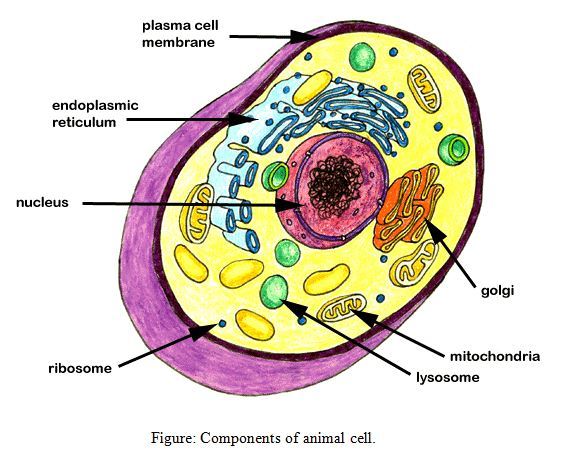
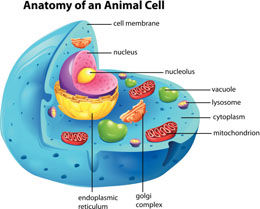
- The cell membrane controls what substances leave and enter the cell.
- Animal cells have an inbuilt self-destruct system which is resorted to when a cell becomes damaged beyond repair or gets severely infected.
- The vacuole stores molecuels that are needed and isolates harmful material.
- The smallest unit of life.
- The cell wall stops the cell from bursting and maintains the shape of the cell.
- Animal cells are nano chemical factories that are completely self-sufficient! The cells themselves manufacture everything that constitutes them.
- Contain DNA instead of genetic material.
- The size of a single, random animal cell can fall anywhere between 1 and 100 micrometers.
- The cell wall stops the cell from bursting and maintains the shape of the cell.
- The mitochondria produces energy the cell needs through respiration.
- The nucleus is the control centre of the cell.
- Cells are not the tiniest particles on earth! Each cell is made up of a number of even tinier particles known as atoms
- The cytoplasm is where chemical reactions are made.
- Animal cells usually have an irregular shape.
- The cell membrane controls what substances leave and enter the cell.