Mind map
OCD

Map content
OCD
Emotional: anxiety, distress, awareness that it is excessive, leading to shame
Cognitive: recurrent, intrusive, uncontrollable thoughts (obsessions)
Behavioural: compulsive behaviours to reduce obsessive thought, not connected in a realistic way
Biological approach to explaining:
- Genetic explanation
- COMT gene - one allele more common in OCD, created high levels of dopamine (Tukel et al)
- SERT gene - one allele more common in a family with OCD, creates low levels of serotonin (Ozaki et al)
- Diathesis-stress - same genes linked to other disorders or no disorders at all, therefore genes create vulnerability
- Neural explanation
- Dopamine levels high in OCD - linked to compulsive behaviours in animals studies (Szechtman et al)
- Serotonin levels low in OCD - antidepressants that increase serotonin most effective ( Janicke)
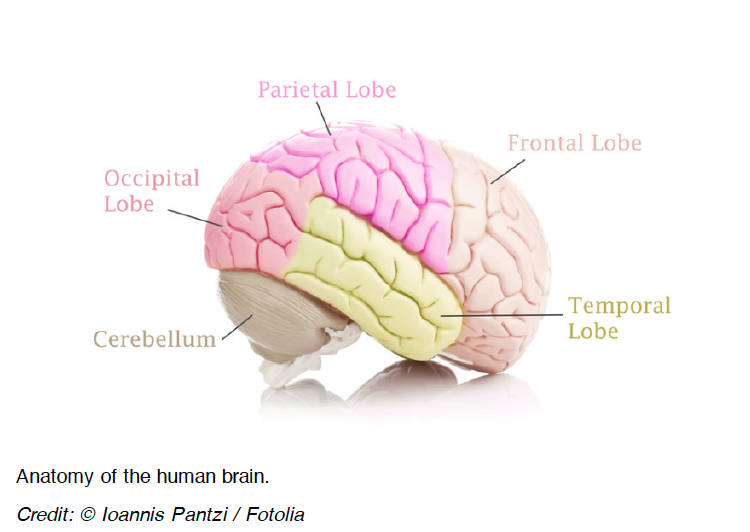
- Worry circuit - damaged caudate nucleus doesn't suppress worry signals from OFC to thalamus
- Serotonin and Dopamine linked to activity in these parts of the frontal lobe (Sukel)
- + Twin studies, twice as likely to have OCD if MZ twins - Genes are not specific to OCD, also linked to Tourette's, autism and anorexia
- Genetic explanation
Biological approach to treating
- Drug therapy
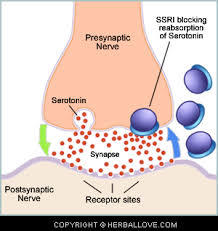
- Antidepressants increase serotonin
- SSRIs prevent re-uptake of serotonin by pre-synaptic neuron
- Tricyclics block re-uptake of noradrenaline and serotonin but have more severe side effects, so are 2nd choice treatment
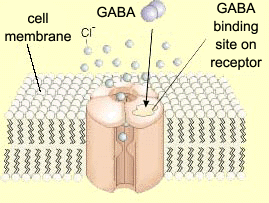
- Anxiety drugs, BZs enhance GABA, a neurotransmitter that slows down the nervous system
- + SSRIs better than placebo over a short term (Soomro et al) + Drug therapies are preferred, less time and less effort the CBT - Side effects, SSRI's have insomnia, Tricyclics have hallucinations and BZs have addiction
- Drug therapy