
Cybersecurity Fundamentals
189 resources created by 162 users
This Cybersecurity Fundamentals page on GoConqr gathers community-made quizzes, mind maps, flashcards and notes, from the CIA triad and access control to encryption, risk management and digital forensics. It's built for school students revising a topic, university students and professional candidates filling gaps, and teachers after ready-made material. There are over 1,900 resources here, including more than 270 quizzes, over 1,200 mind maps and more than 270 flashcards, from GCSE Computer Science to CISSP. Pick a topic, try a quiz to find your gaps, then make your own revision sets.
Top Cybersecurity Fundamentals resources
-
59 questionsCISSP Official Study Guide Questions (1-3) Which of the following contains the primary goals and objectives of security?
-
200 cardsCyberSecurity An administrator wants to enable policy based flexible mandatory access controls on an open source OS to pr...
-
200 cardsSYO-601 1.Which of the following allows for functional test data to be used in new systems for testing and training...
-
124 questionsMicrosoft 98-367 Which attack listens to network traffic of a computer resource?
-
146 questionsFundamentals of Information Security [State Exam | Part 2 + 23 new questions] What are two methods to maintain certificate revocation status? (Choose two.)
-
176 questionsMidterm review Chapters 1-5 Which of the following is the best definition for war-driving?
-
50 questionsQuix9 - D6 - 50Q During a penetration test, Lauren is asked to test the organization’s Bluetooth security. Which of the foll...
-
50 questionsQuix12 - 50Q NIST SP800-53 discusses a set of security controls as what type of security tool?
Quizzes
See all 53 quizzes-
59 questionsCISSP Official Study Guide Questions (1-3) Which of the following contains the primary goals and objectives of security?
-
124 questionsMicrosoft 98-367 Which attack listens to network traffic of a computer resource?
-
146 questionsFundamentals of Information Security [State Exam | Part 2 + 23 new questions] What are two methods to maintain certificate revocation status? (Choose two.)
-
176 questionsMidterm review Chapters 1-5 Which of the following is the best definition for war-driving?
-
50 questionsQuix9 - D6 - 50Q During a penetration test, Lauren is asked to test the organization’s Bluetooth security. Which of the foll...
-
50 questionsQuix12 - 50Q NIST SP800-53 discusses a set of security controls as what type of security tool?
-
50 questionsQuix11 - D8 - 50Q Linda is reviewing posts to a user forum on her company’s website and, when she browses a certain post, a m...
-
120 questionsCyber Security Test-1 Security is a state or quality of being secure to be free from--------------.
Mind maps
See all 96 mind maps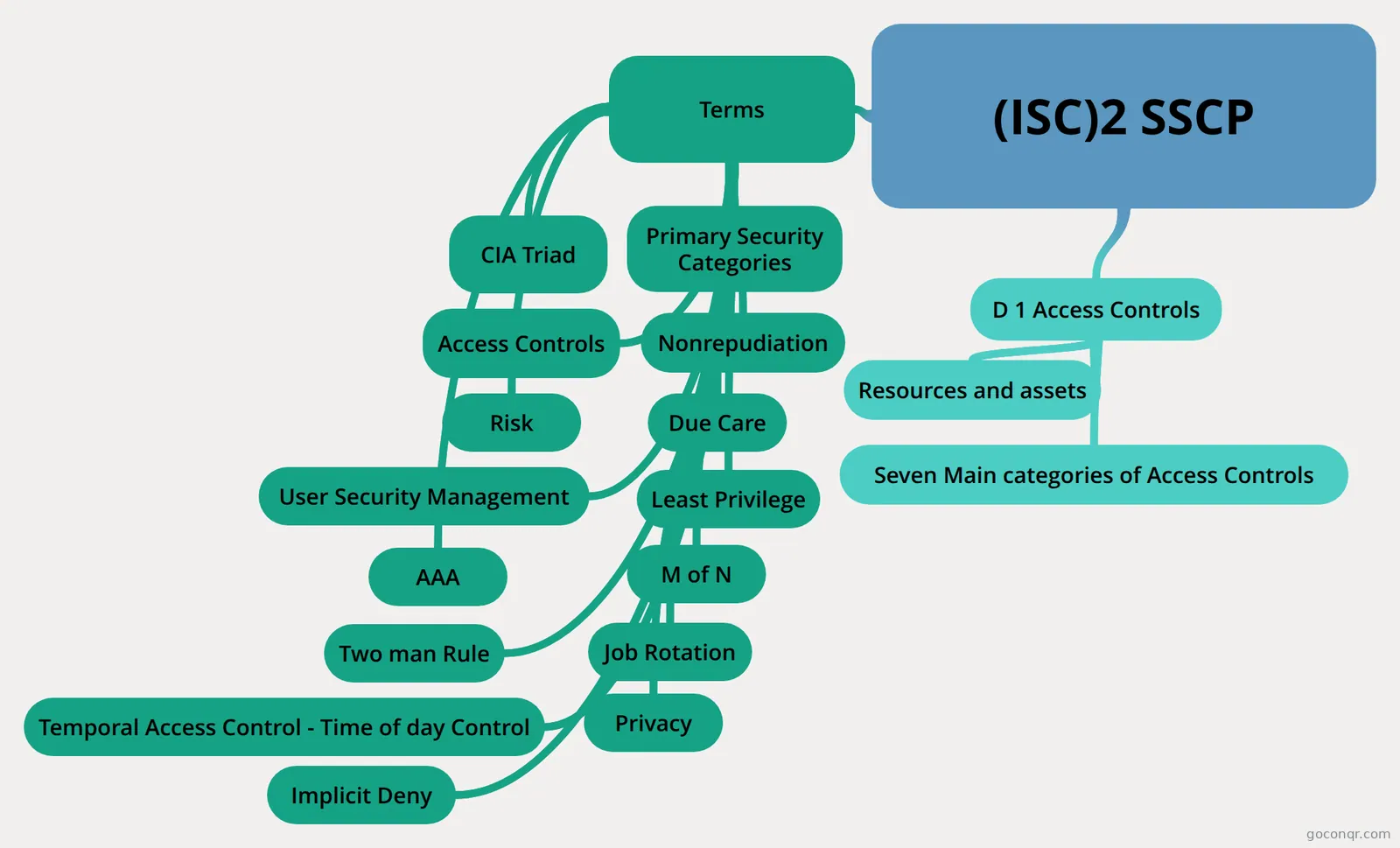
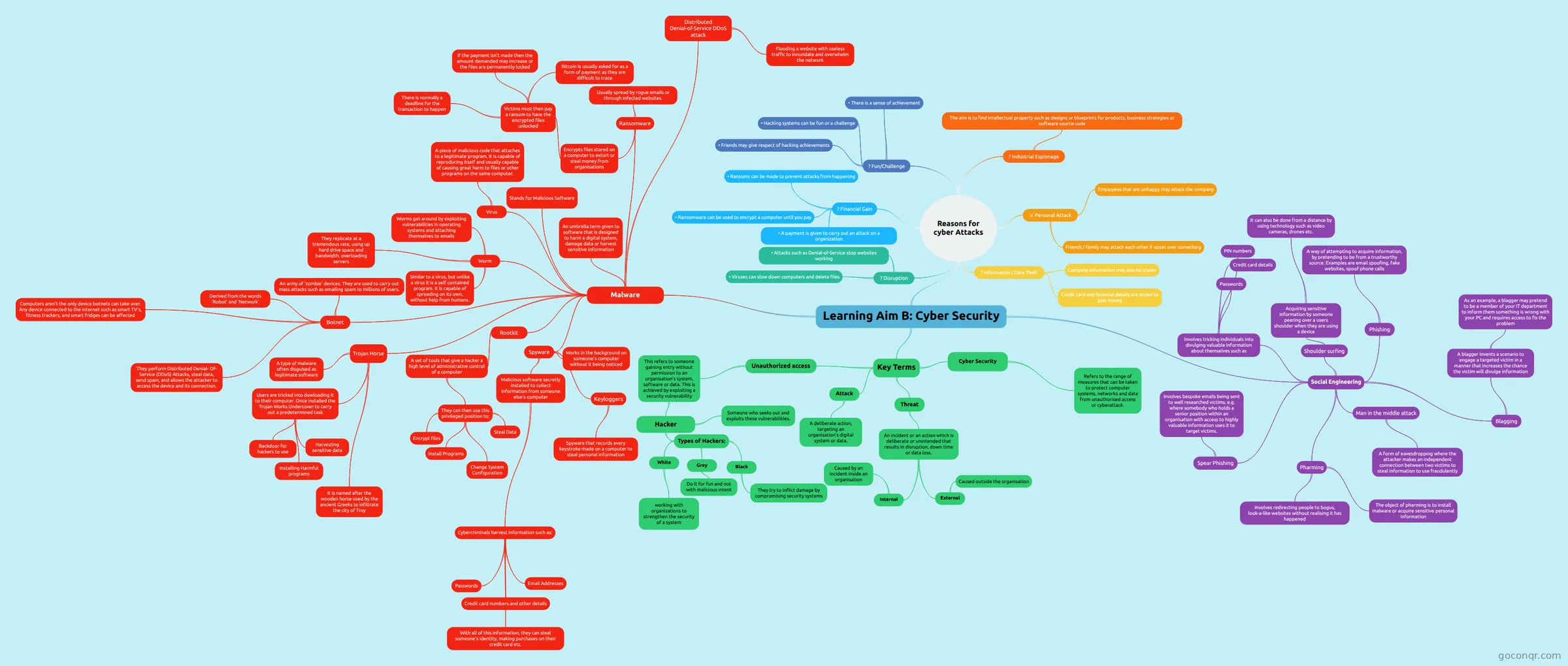
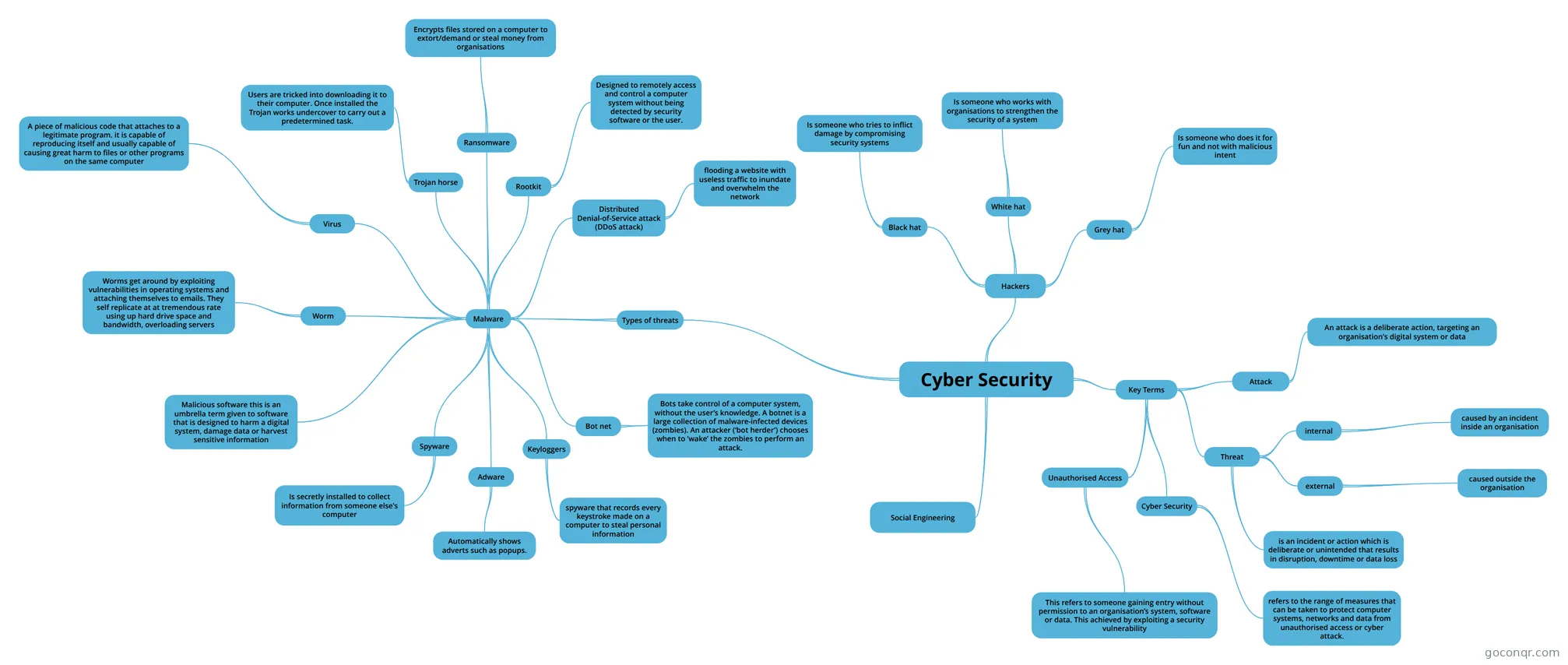
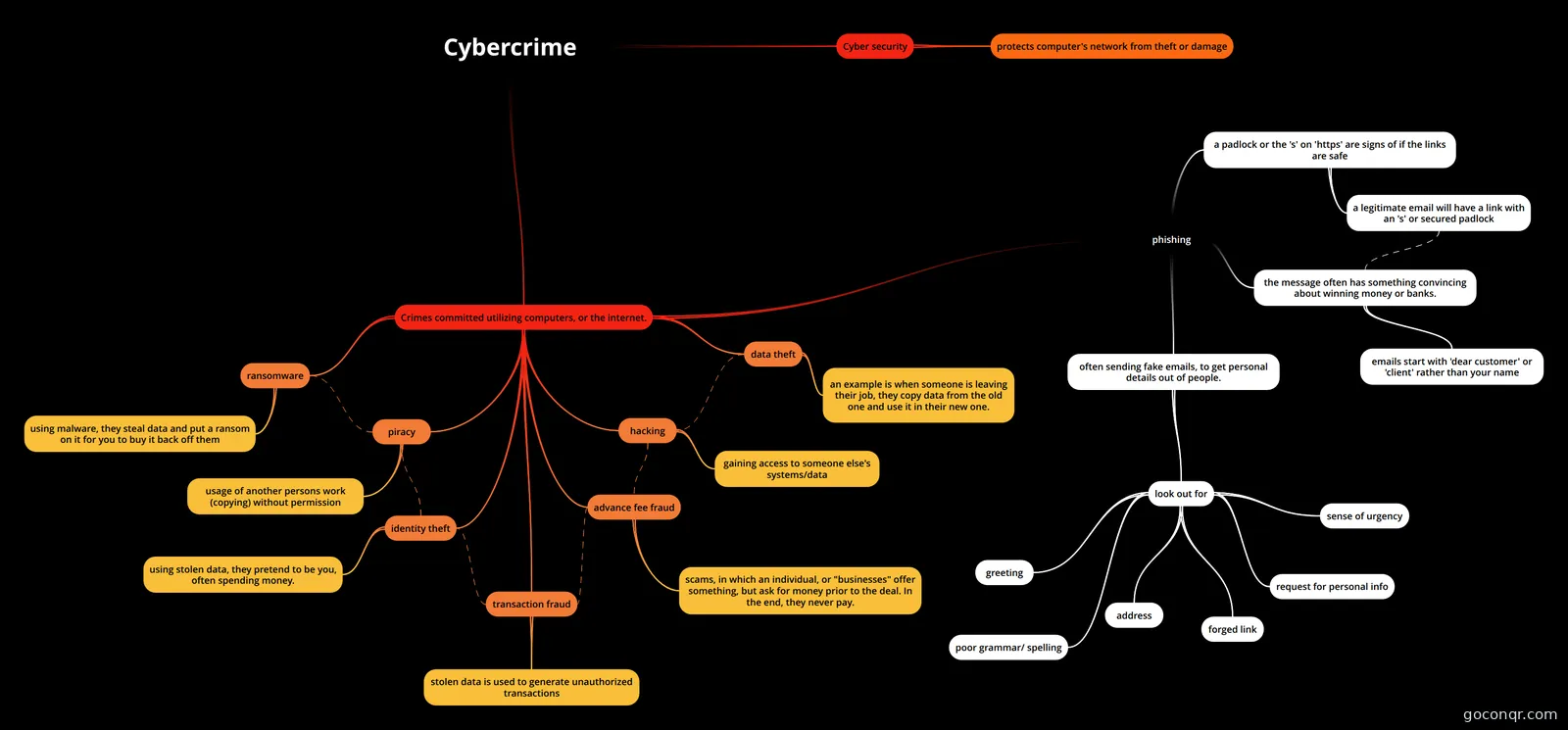
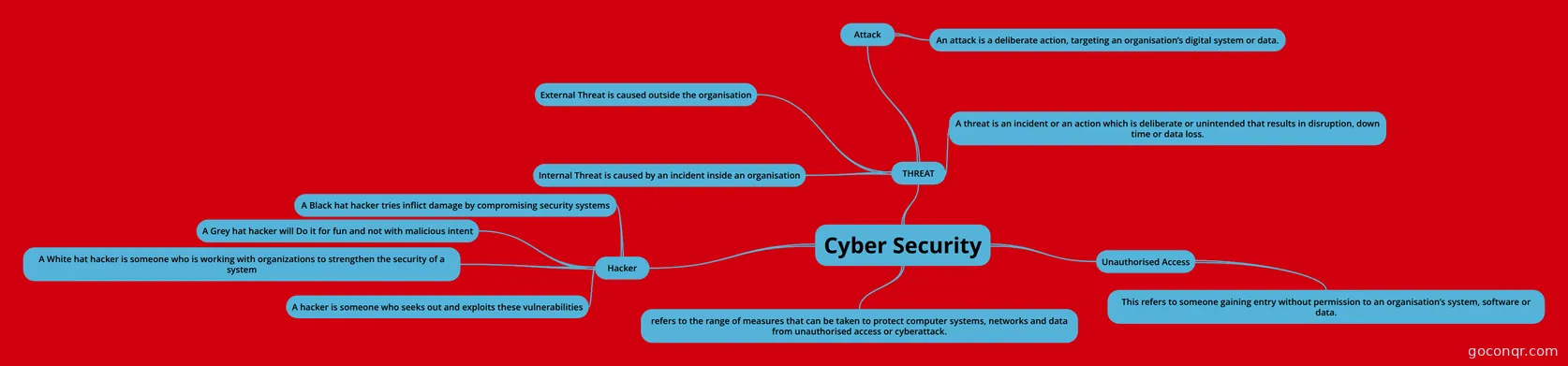
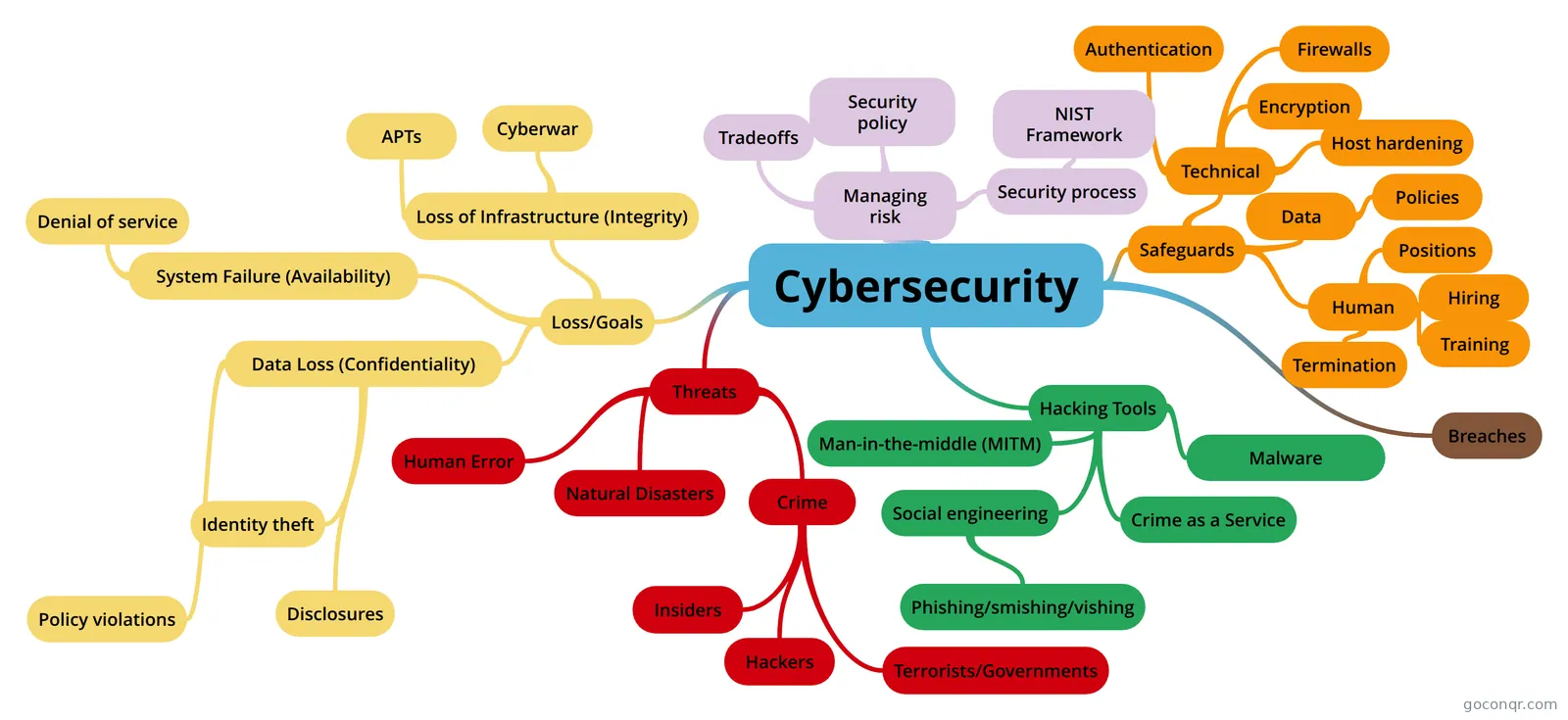
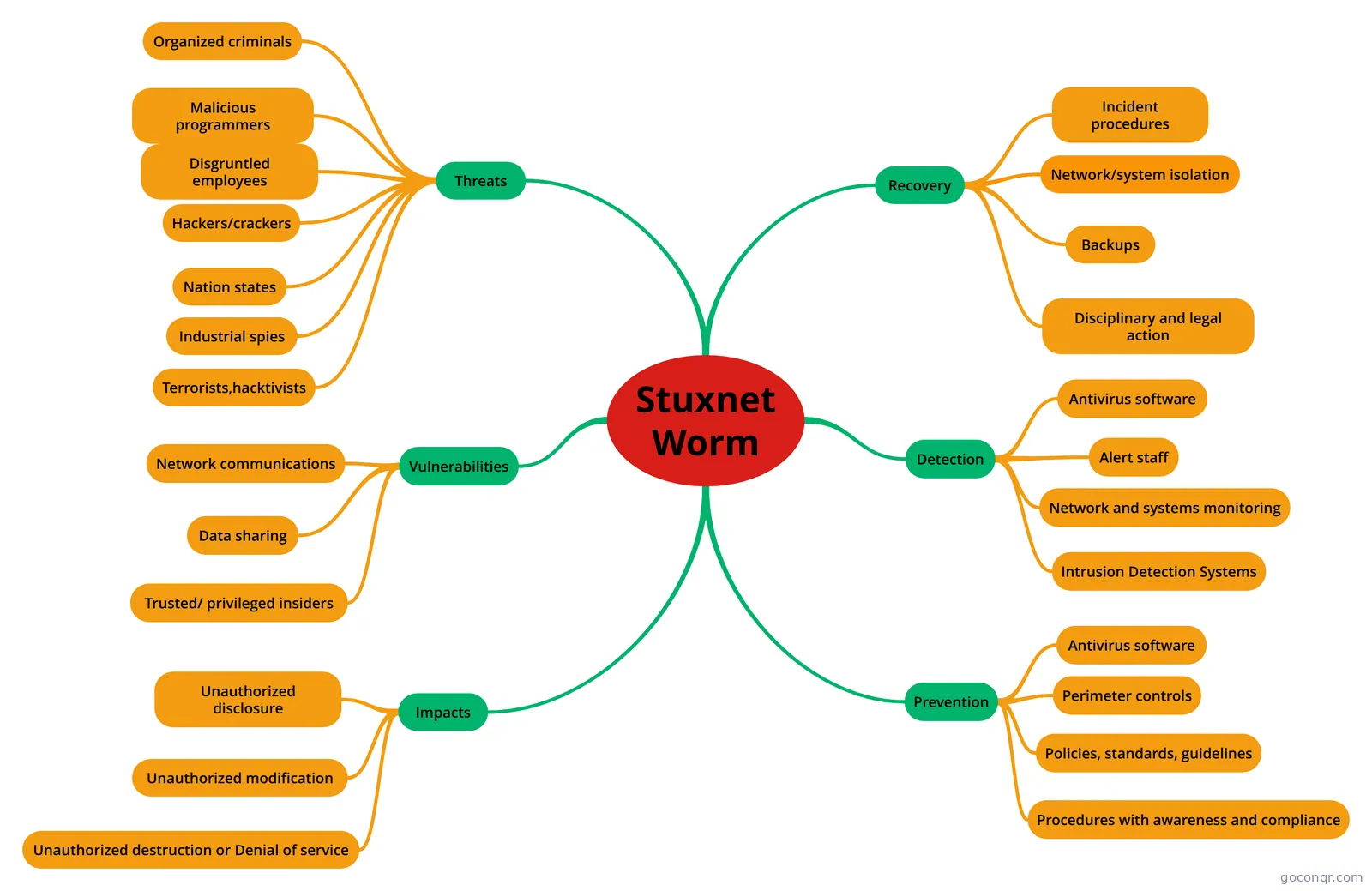
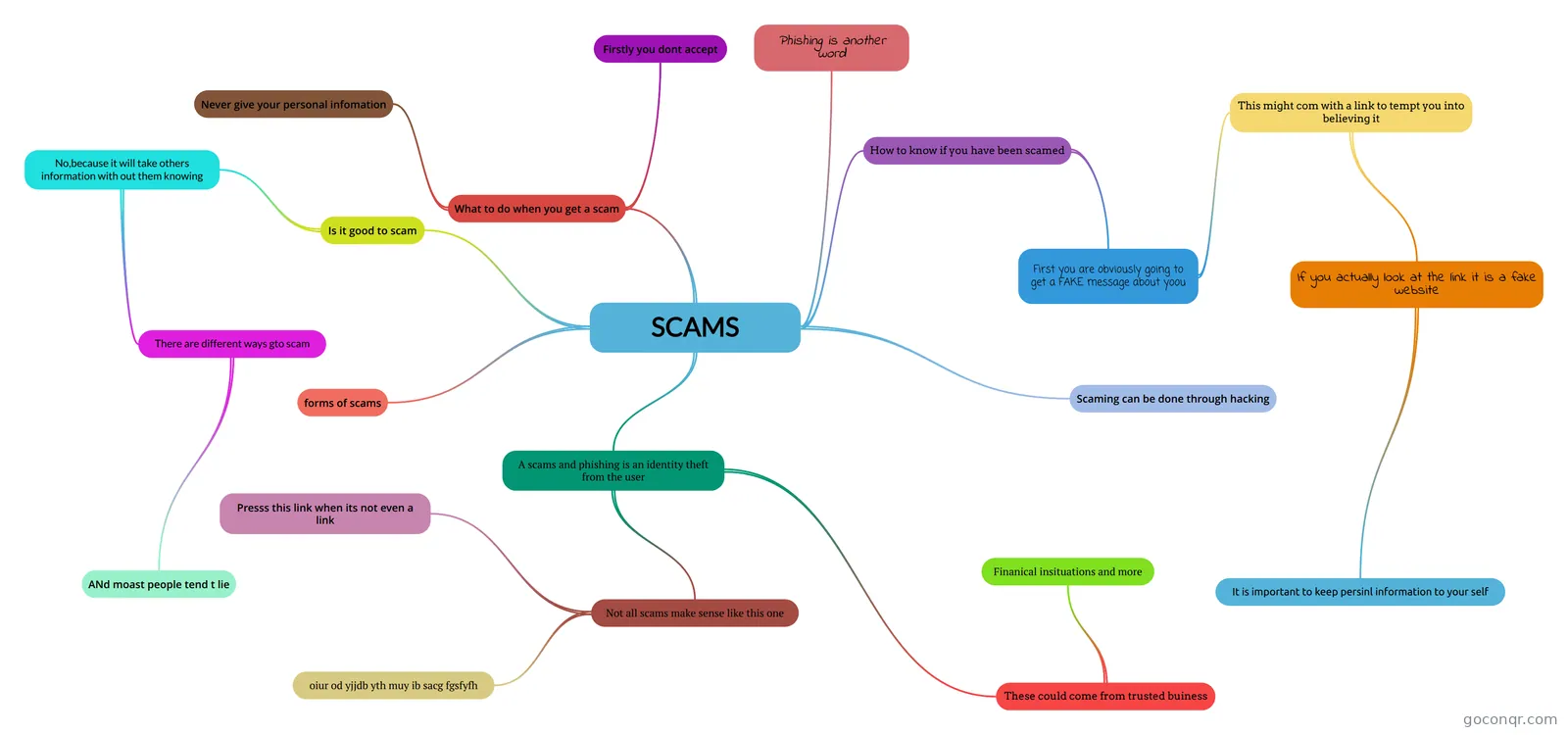
Flashcards
See all 36 flashcards-
200 cardsCyberSecurity An administrator wants to enable policy based flexible mandatory access controls on an open source OS to pr...
-
200 cardsSYO-601 1.Which of the following allows for functional test data to be used in new systems for testing and training...
-
20 cardsSCIA 370 Chapter 11 While it would not be possible to classify all data in an organization, there has nonetheless been an incre...
-
22 cardsInformation Security: Chapter 2 Flashcards on Learning Unit 2
-
47 cardsCSS exam
-
3 cardsThe Vulnerability–Threat–Control Paradigm What is a Vulnerability?
-
200 cardsSecurity+ Acronyms
-
77 cardsIS test 3
Notes
-
Introduction Exploiting the vulnerability : Using the failure of the system to violate the site security policy.Unexpected behavior are considered "program security flaw" : Fault : Programming errorFailure : deviation from unexpec...
-
Fundamental Design Decision First Fundamental Design DecisionIn a given application, should the protection mechanisms in a computer system focus ondataoperationsusers Second Fundamental Design DecisionIn which layer of the computer system should...
-
Pears of Wisdom - Security Concepts Brainstorm Security Concepts Passwords Phishing/Social Engineering Credit monitoring Network Security OS Security Application Security Penetration Testing Physical Security Multi-factor authentication Authentication/A...
Slides
More Cybersecurity topics
About Cybersecurity Fundamentals
GoConqr OriginalWhat this unit covers
This unit sits in the Foundations of Cybersecurity strand of the Cybersecurity subject. The resources start with core ideas: confidentiality, integrity and availability, threats, vulnerabilities and controls. They move on to access control, authentication, security policies, risk management, audits, law, ethics and forensics.
Where to start
Begin with the CIA Triad flashcards and the Introduction to Cyber Security quiz. They give you the vocabulary. Then open the mind maps called Cybersecurity and Information Assurance to see how the ideas connect.
- Learn the terms with flashcards such as Threats and Authentication.
- Skim a map, for example Access Control Strategies or Risk Management.
- Test yourself with a quiz.
Using quizzes and maps together
Quizzes show you what you do not yet know. The CISSP Official Study Guide Questions quiz opens by asking which item holds the primary goals of security. The Microsoft 98-367 quiz asks which attack listens to network traffic, and the answer, eavesdropping, is explained. Quix4 - D1 - 50Q asks which item is not a technical control, and explains that data classification is an administrative control. After each quiz, go back to the matching map and fill the gap in your own words.
Exams and levels
The listed resources mention GCSE Computer Science, BTEC IT, Security+, CISSP, CEH, CISA, CISM and CCNA. Most are made for secondary level, with a good share for university students and professional candidates. The mind maps also include a Stuxnet Worm map and a Data Breach Case Study note on Equifax, handy for real examples.
Make it your own
Choose one topic today, work through a quiz, then build a short set of flashcards or a map of your own to keep the ideas fresh.
Frequently asked questions
Which resource should I open first?
Try the Introduction to Cyber Security quiz or the CIA Triad flashcards. Both cover the basic vocabulary. Then read the Cybersecurity mind map to see how threats, controls and policies fit together before moving on to harder exam-style quizzes.
What do the mind maps cover?
They range from general maps such as Cybersecurity and Information Assurance to specific topics: access control, security policies, risk management, audits, encryption, viruses, hacking, privacy, and law, forensics and ethics. There is also a map on the Stuxnet Worm.
Which exams are these resources linked to?
The listed resources mention GCSE Computer Science, BTEC, Security+, CISSP, CEH, CISA, CISM, CCNA and MTA Security Fundamentals, among others. Check each quiz or deck to see how closely it matches your course, since users made them.
Are the resources free to use?
Yes. Every resource listed here is free to open, study and take, with no account needed. They were made by GoConqr users, not by GoConqr itself. A free account saves your quiz scores and lets you make your own quizzes, maps, flashcards and notes.
Are there practice questions for certification study?
Yes. Look for quizzes such as CISSP - Domain 1, Security+ Questions and CISSP Technical Questions, plus several numbered 50-question quizzes. Flashcard decks such as SY0-401 Keywords/Terms help with terminology.
What if I cannot find my topic?
Try a nearby heading first, such as Threats, Access Control or Risk Management, as many topics overlap. If nothing fits, you can write your own notes, flashcards or quiz and keep them for revision.