
Digital Citizenship and Identity mind maps
344 mind maps by 325 users · Page 1 of 9
This page gathers over 300 community-made mind maps on Digital Citizenship and Identity, from digital footprints to netiquette and online reputation. They support school students practising digital safety and teachers looking for material, with a few maps for university students; most are at secondary level. Pick a map to start.
Mind maps
-
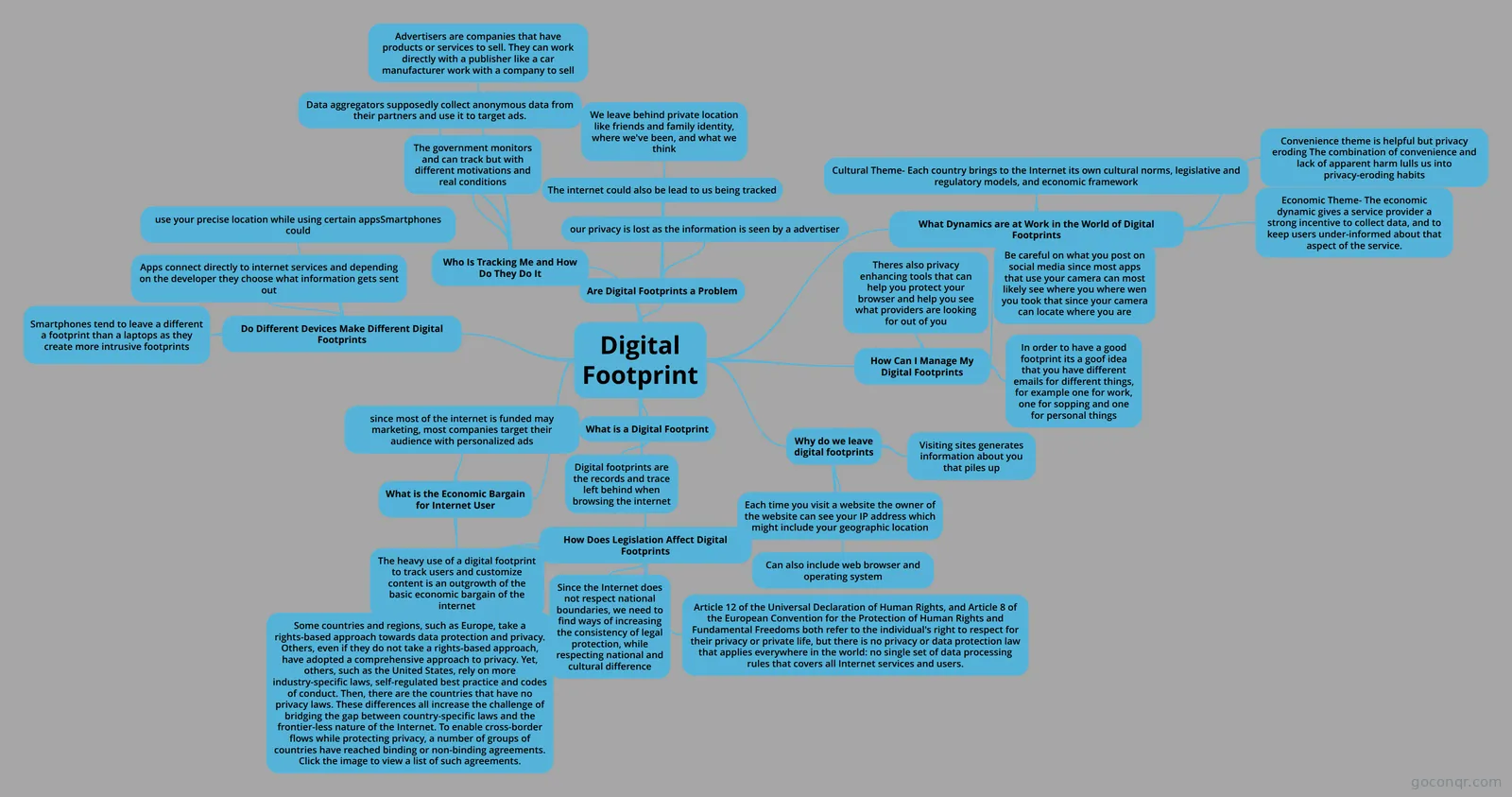 Digital Footprint IDT PROJECT
-
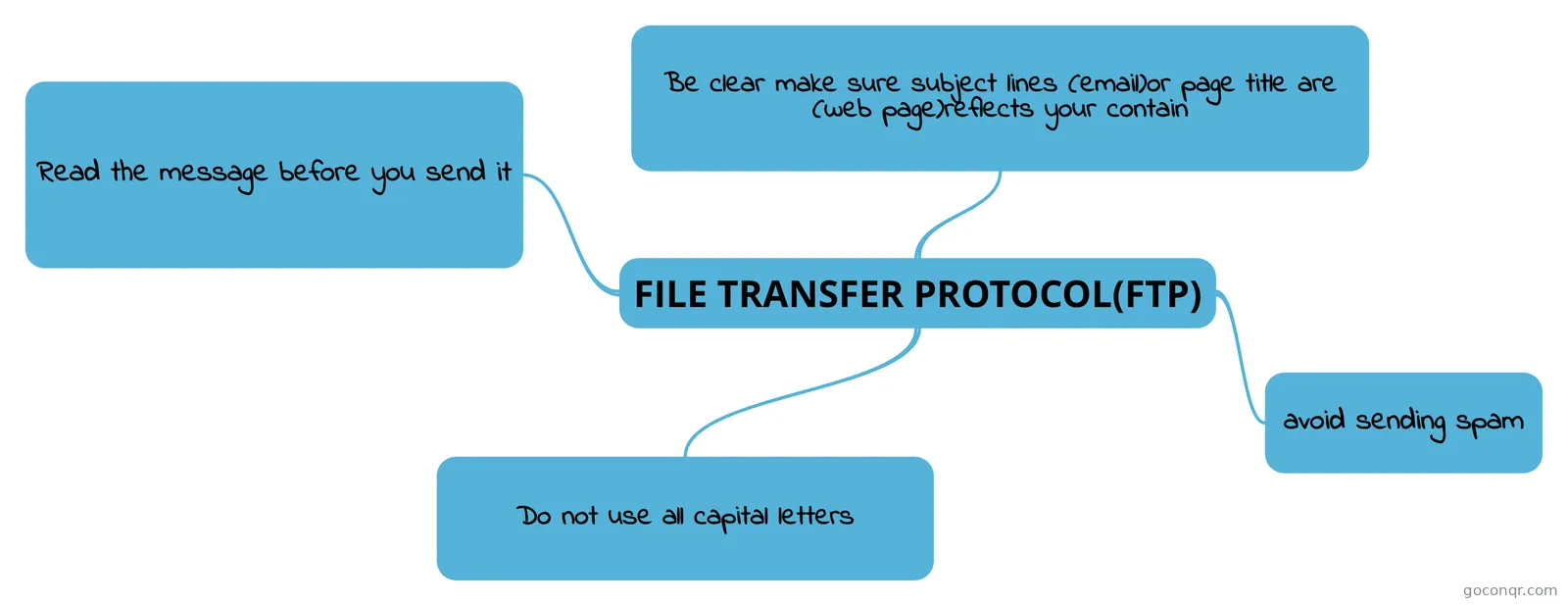 FILE TRANSFER PROTOCOL(FTP)
-
Digital Identity and Online Reputation
-
Digital footprint #1
-
Digital identity and reputation online. Social networks.
-
PERSONAL DATA AND PRIVACITY. OUR RIGHTS AND OBLIGATIONS. MAIN RISKS ON THE NET
-
Digital Footprint
-
Digital identity and online reputation
-
Being a good digital citizen
-
digital identity and online reputation. Social media
-
Digital Footprint
-
Digital FootPrint
-
Image in Web 2.0 services
-
Computer Safety and Ethics
-
Being a good digital citizen
-
7th Grade development chart
-
Being a good digital citizen
-
IMAGE OF THE SERVICES WEB
-
BEING A GOOD DIGITAL LEADER
-
Being a good Digital Citizen
-
Digital Citizenship
-
DIGITAL CITIZENSHIP
-
Digital Footprint
-
Untitled
-
Digital Citizenship Digital Citizenship New Media
-
What is a Digital Footprint?
-
Digital footprint
-
Digital Footprint
-
Digital Footprint
-
Netiquette Rules
-
Digital Footprint
-
Being a Good Digital Citizen
-
Digital Footprint
-
Digital Footprint
-
Digital Citizenship
-
Digital citizenship
-
DIGITAL FOOTPRINT
-
Digital Citizenship: course 3
-
Digital citizenship unit 3 digital citizenship Mind Map
-
Digital Citizenship Unit 3 Revision
More Digital Citizenship and Identity resources
About digital citizenship and identity mind maps
GoConqr OriginalDigital citizenship and identity mind maps
These maps organise topics into branches, making it possible to follow one idea at a time. They cover digital footprints, online reputation, social networks and netiquette. The maps on being a good digital citizen include advice about sharing personal details and using profile settings.
Choose and compare
Netiquette is a useful starting point for online behaviour: it brings together rules and respect for other users’ views. For a different focus, Computer Safety and Ethics includes advice on posture, lighting and activity when using a computer.
Follow the branches of a map, then see which ideas you can recall without looking. Compare maps on the same topic to see how their creators have organised it. Switch to flashcards on the unit page when you want to review terms, or to a quiz when you want to check what you remember.
Try comparing two maps on a topic you are studying.
Frequently asked questions
Which mind map is a good place to start?
Netiquette is a useful choice if you are studying behaviour online. It brings together rules and respect for other users’ views. If you are focusing on personal information instead, the maps on being a good digital citizen include examples of details not to share.
What topics do these mind maps cover?
The maps cover digital footprints, digital identity and online reputation, social networks, netiquette, and computer safety and ethics. Some look at the same topic in different ways, so school students and teachers can compare how GoConqr users have arranged their ideas.
Are the mind maps free to use?
Yes. Every mind map listed here is free to open and study without an account. A free account also lets you save quiz scores and make your own quizzes, mind maps, flashcards and notes. The listed resources were made by GoConqr users.