
Grammar Overview mind maps
8,305 mind maps by 6,651 users · Page 1 of 208
This GoConqr page gathers Grammar Overview mind maps, from reported speech and relative clauses to quantifiers and question tags. It brings together over 7,700 mind maps made by more than 6,200 users, mostly for school students practising grammar and teachers looking for revision material. Pick a topic and explore a map.
Select topic
- Parts of Speech803
- Nouns and Pronouns660
- Articles, Determiners and Quantifiers727
- Adjectives and Adverbs1,037
- Prepositions and Conjunctions263
- Verbs, Tenses and Modals832
- Gerunds and Infinitives217
- Sentence Structure, Phrases and Clauses523
- Subject-Verb Agreement109
- Questions and Imperatives420
- Relative Clauses345
- Conditionals, Wishes and Regrets200
- Active and Passive Voice330
- Reported Speech311
- Grammar Usage and Common Errors147
Mind maps
-
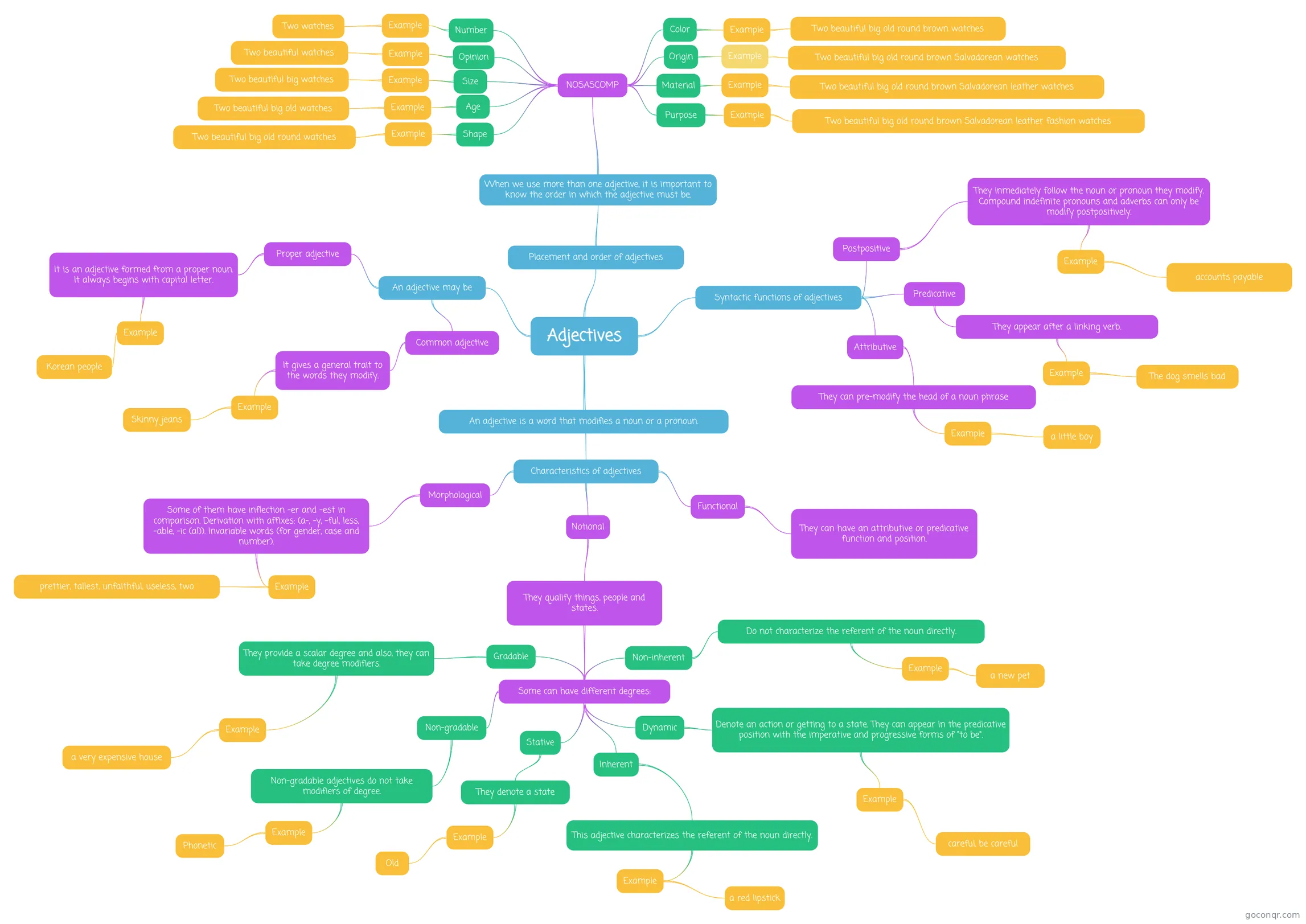 Adjectives mind map about adjectives
-
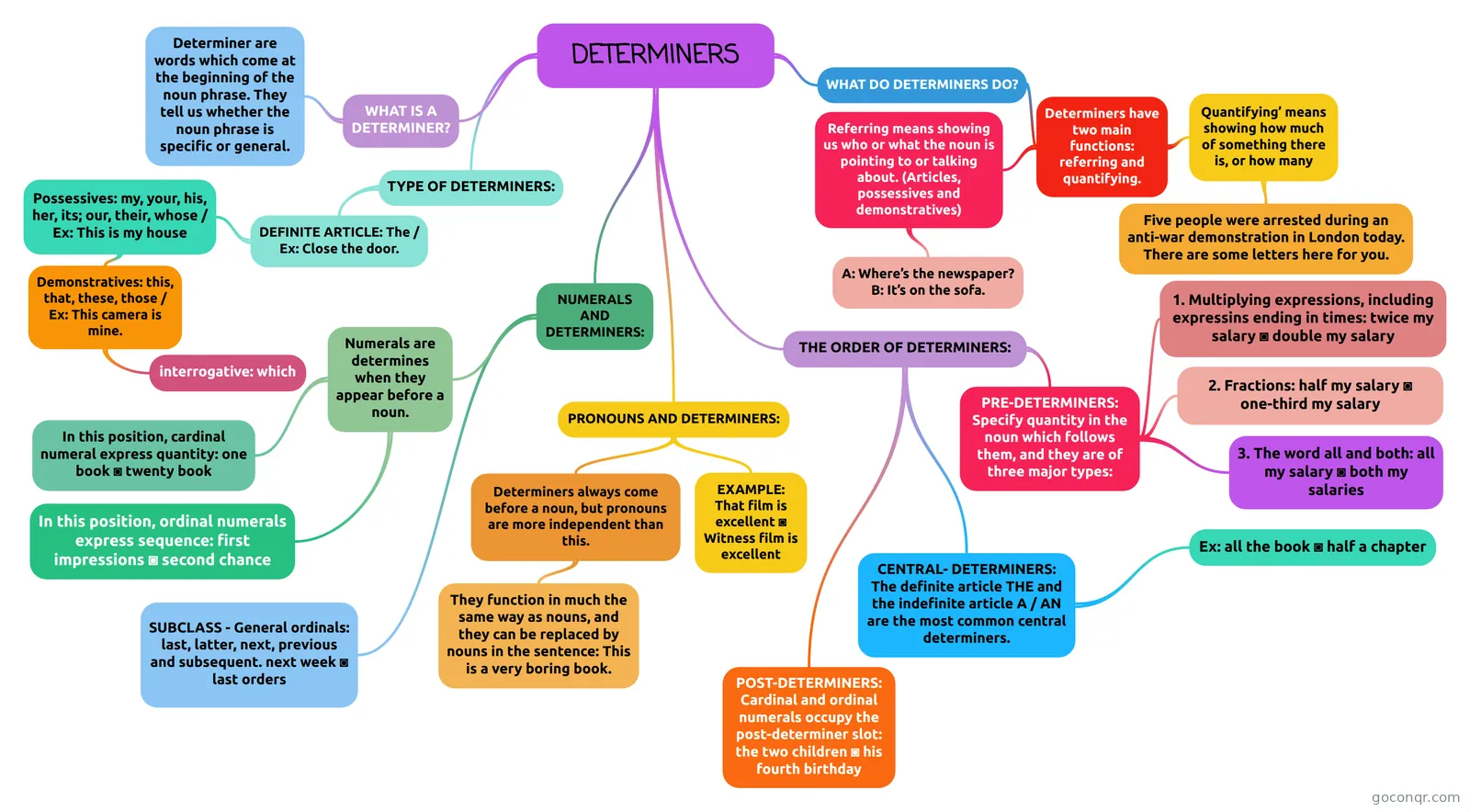 DETERMINERS determines
-
Passive Voice
-
QUANTIFIERS QUANTIFIERS
-
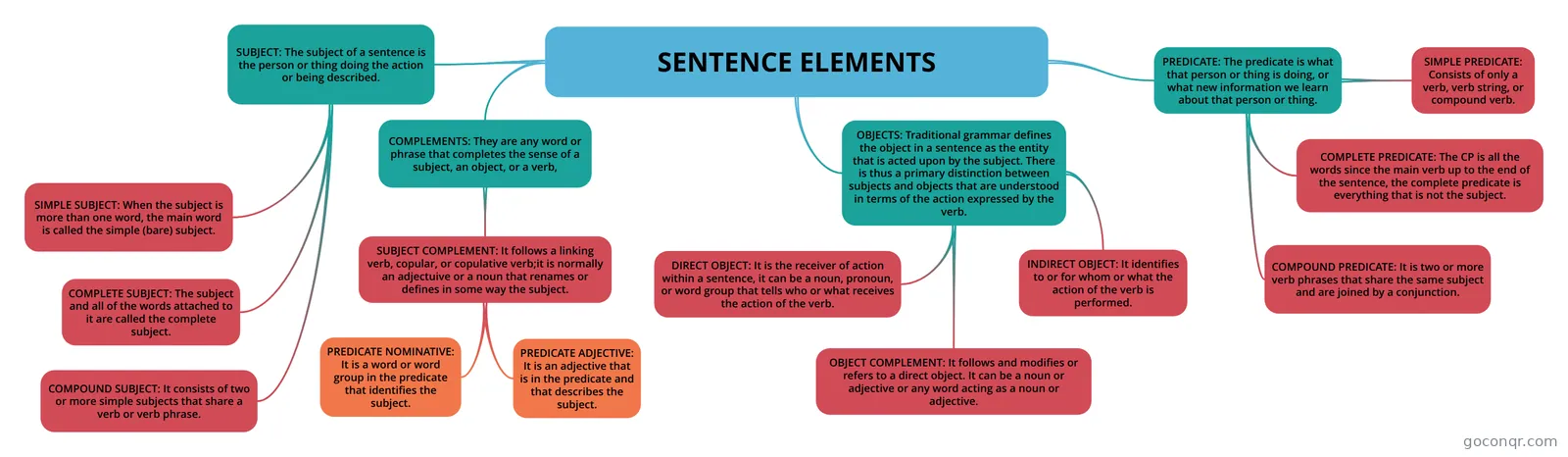 SENTENCE ELEMENTS Characters, symbols, and themes about grammar.
-
Relative Clauses Relative clauses mind map
-
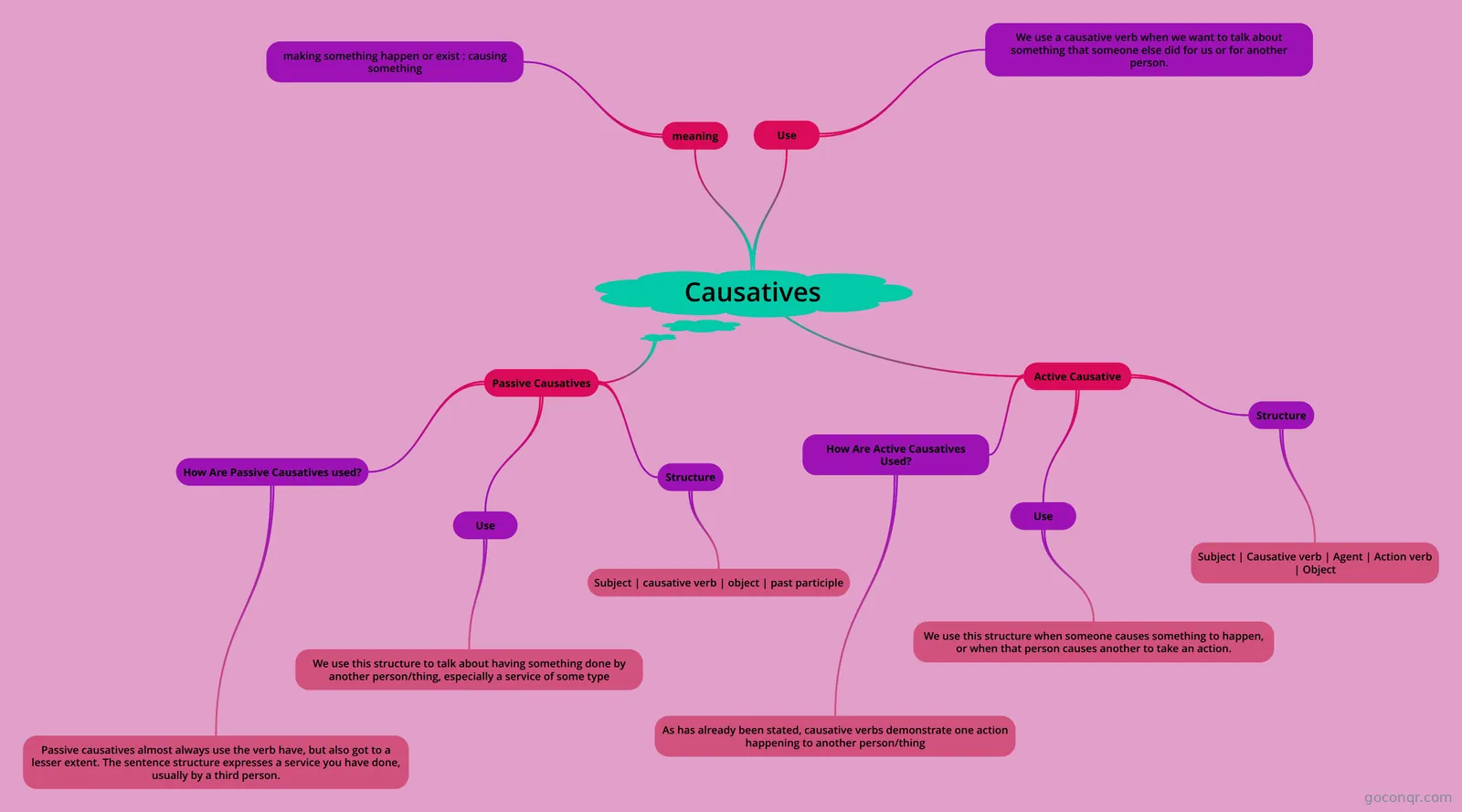 Causatives Information: Causatives
-
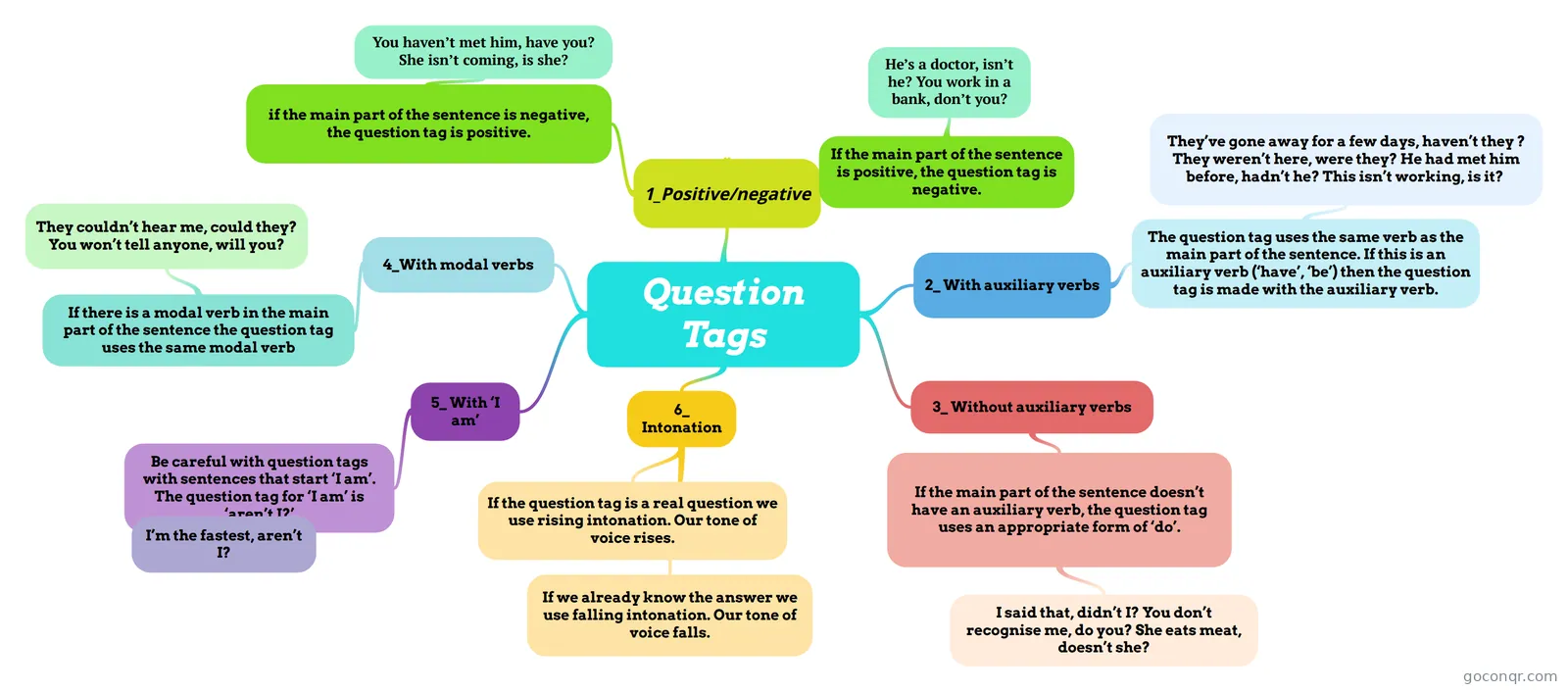 Question Tags Question tags are short questions at the end of statements. They are mainly used in speech when we want to:...
-
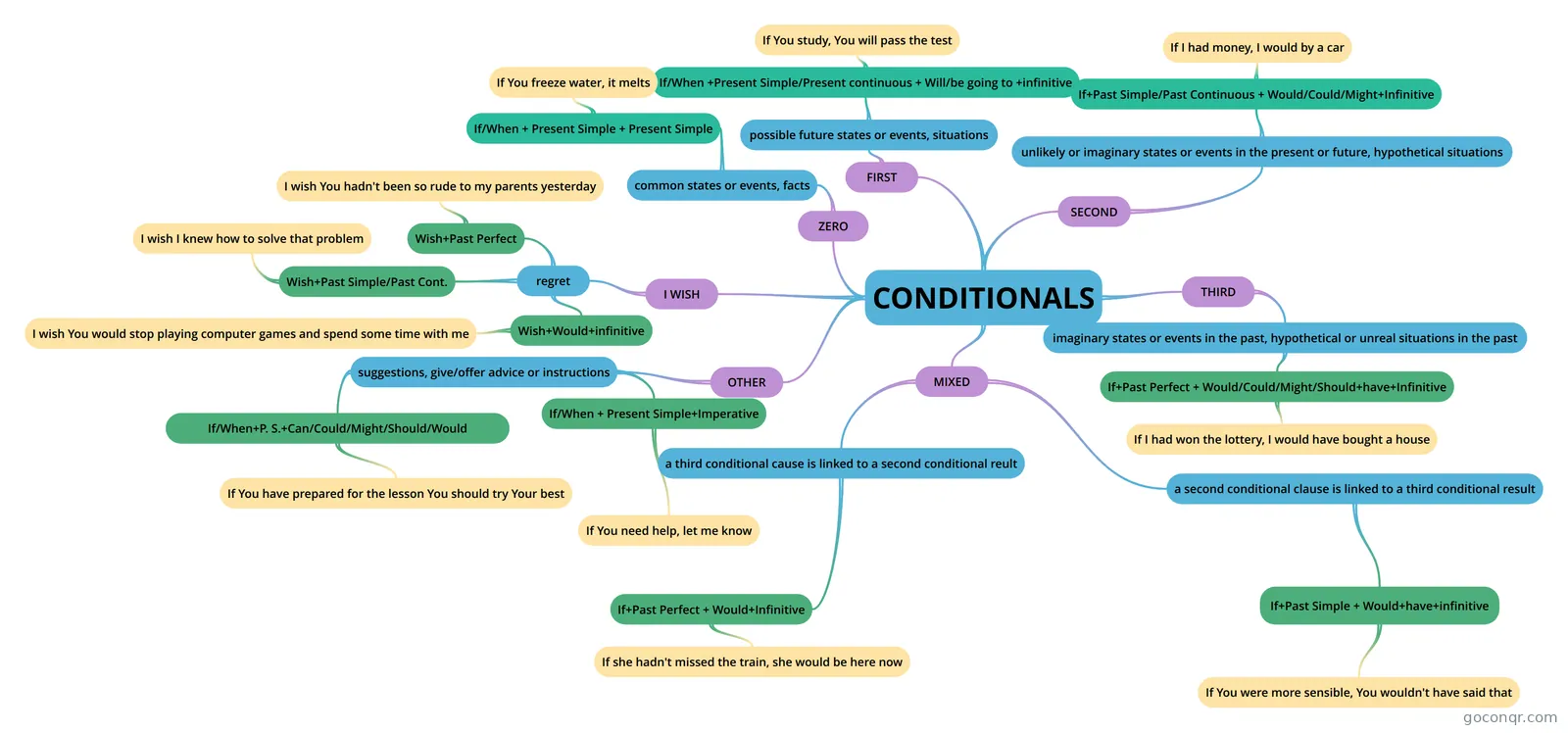 CONDITIONALS Types of Conditionals
-
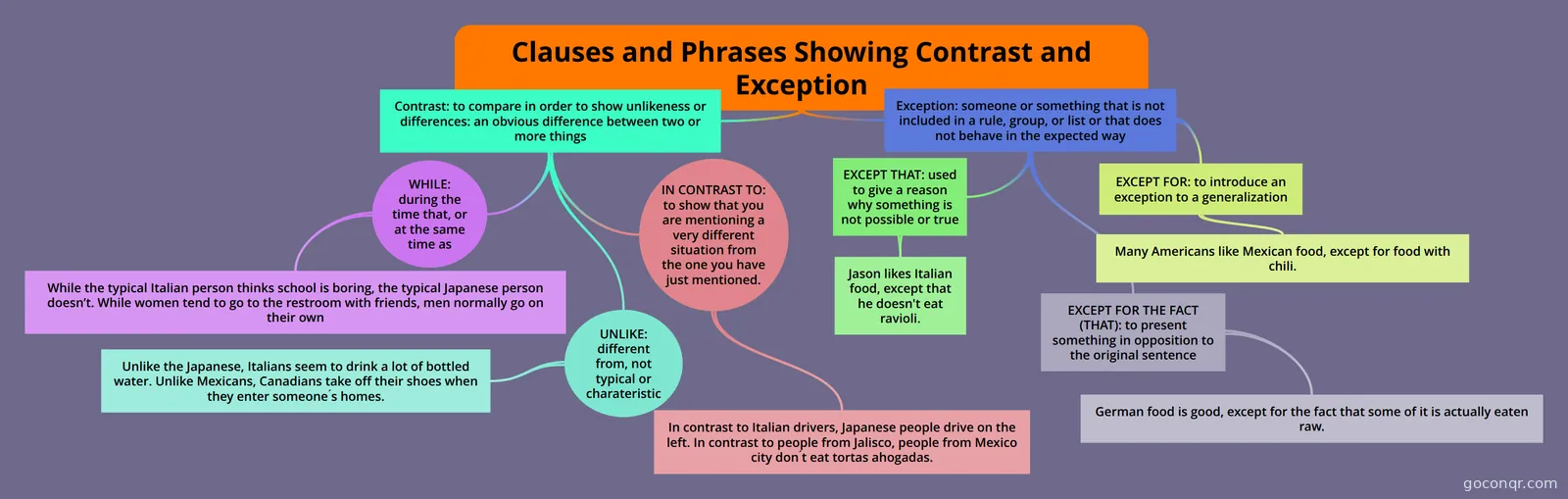 Clauses and Phrases Showing Contrast and Exception
-
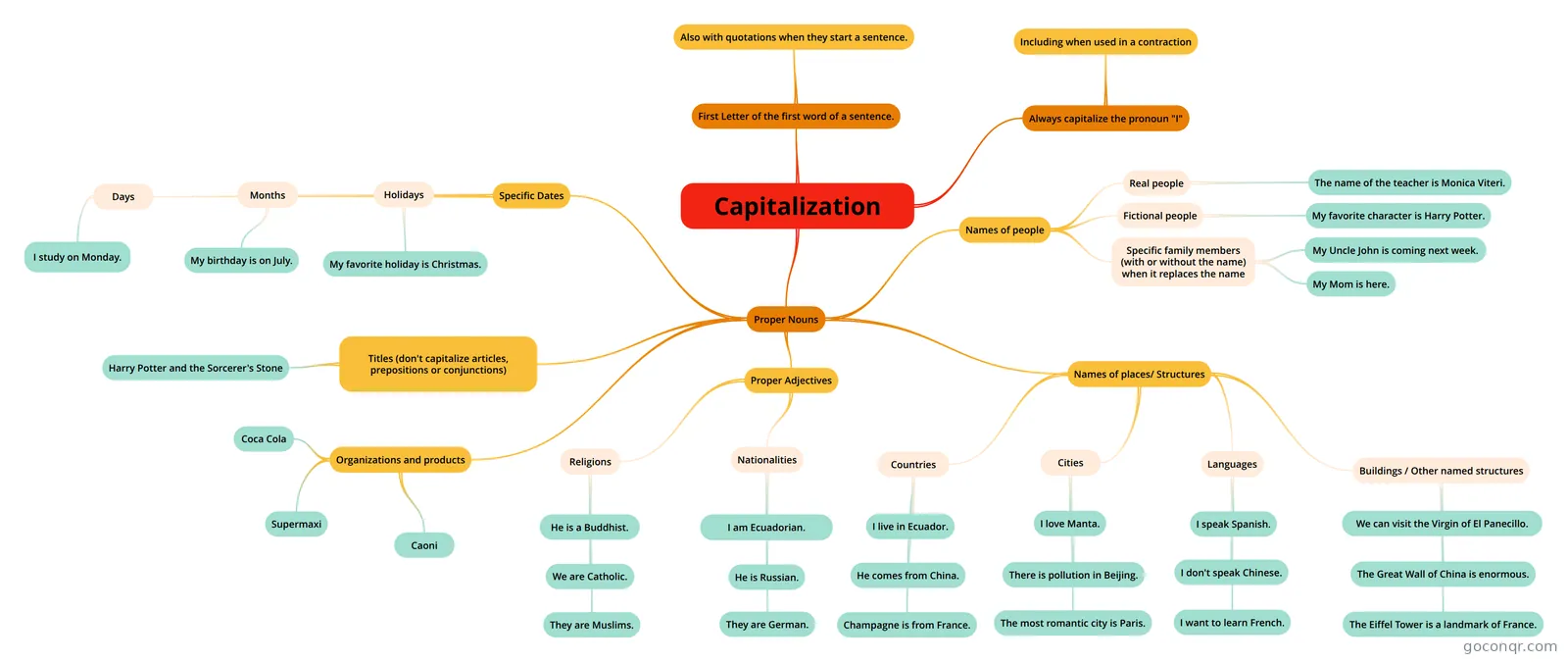 Capitalization
-
ACTIVE AND PASSIVE VOICE Students will have a view of the difference of active and pasive voice, examples of different tenses though...
-
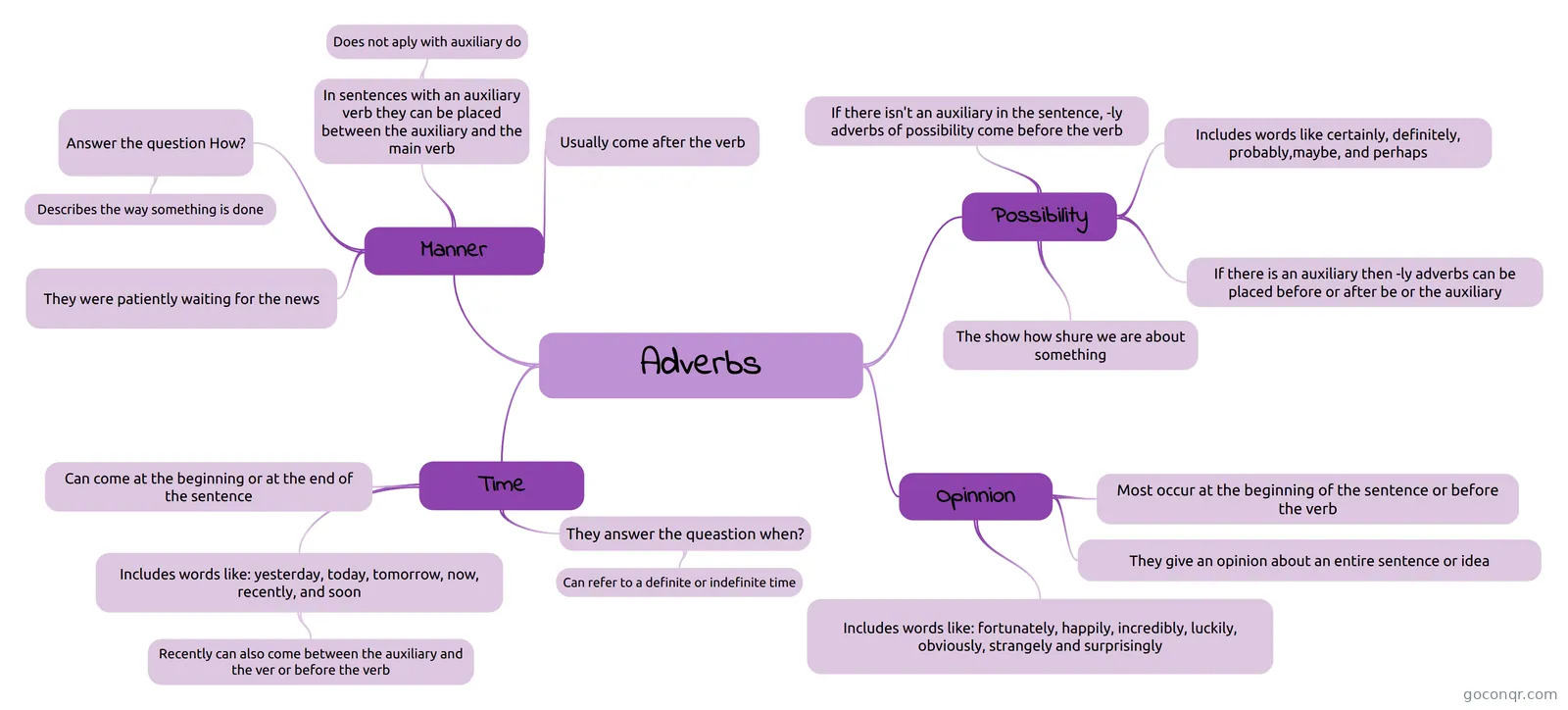 Adverbs adverbs
-
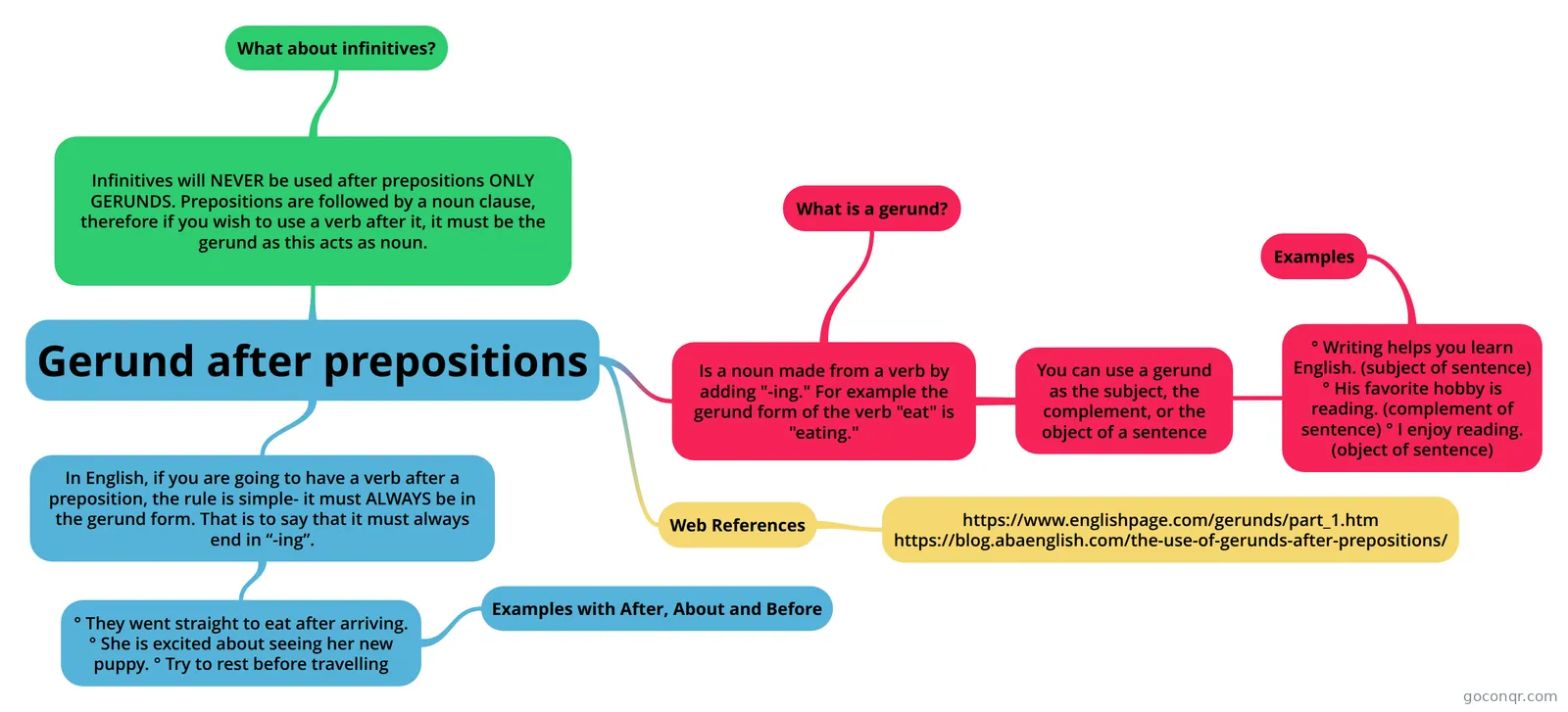 Gerund after prepositions Gerund after prepositions
-
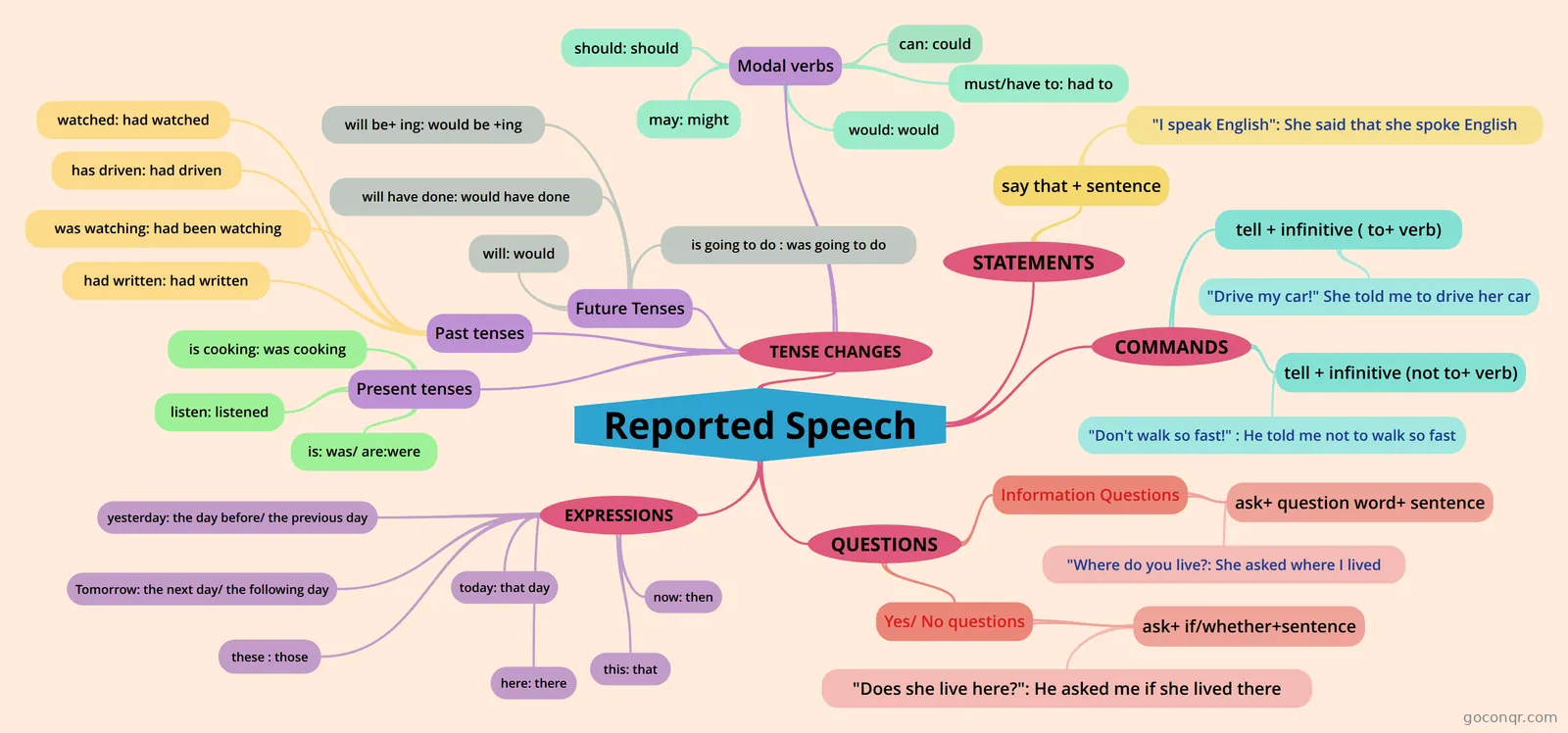 Reported Speech mind map sobre reporrted speech
-
Future Time Clauses Future Time Clauses Mind Map
-
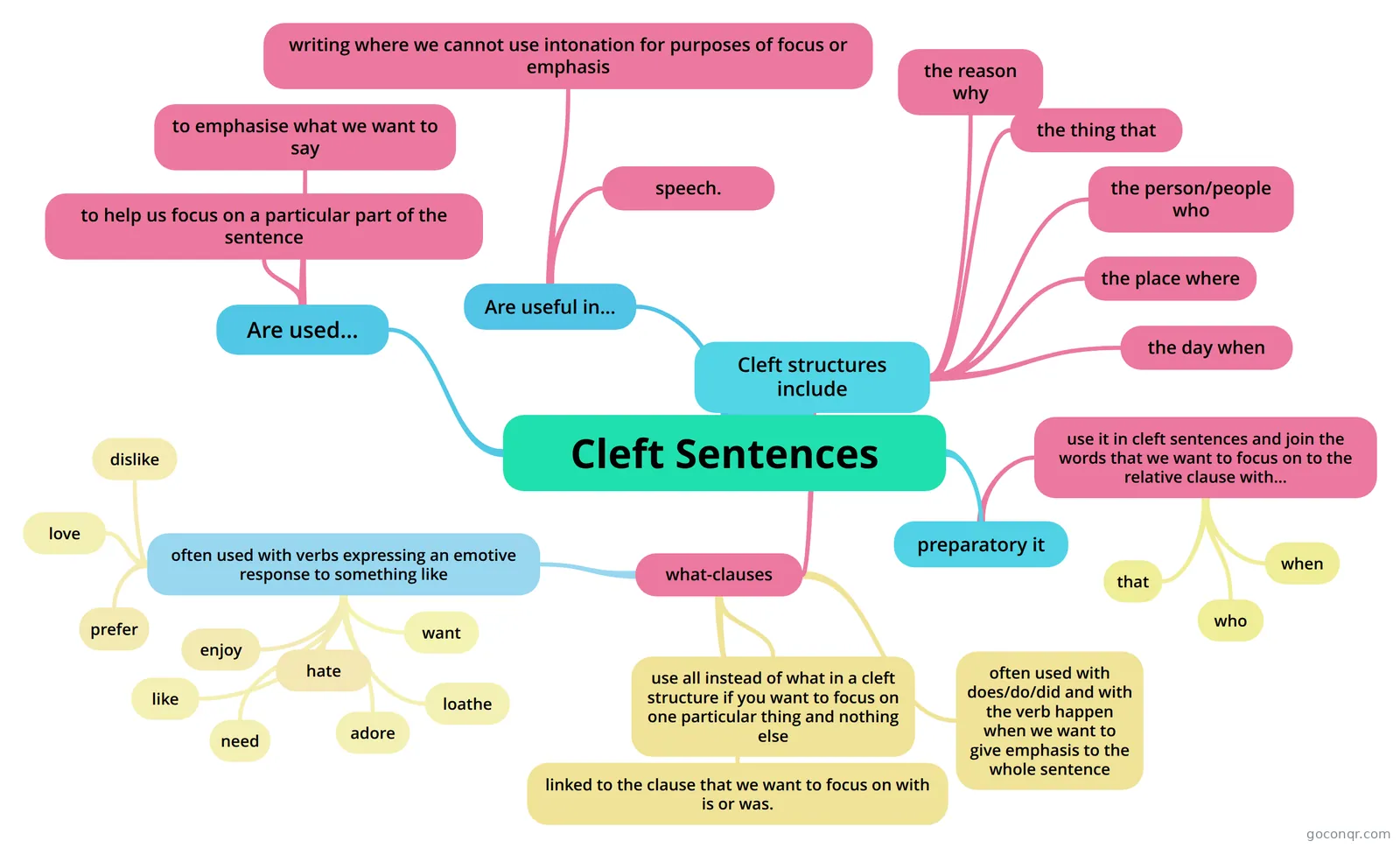 Cleft Sentences
-
Causative have/get something done
-
ACTIVE AND PASIVE VOICE This mind map will help us differentiate the structure of passive and active voice sentences.
-
TAG QUESTIONS TO GET A BETTER EXPERIENCE
-
 PARTS OF SPEECH Parts of speech
-
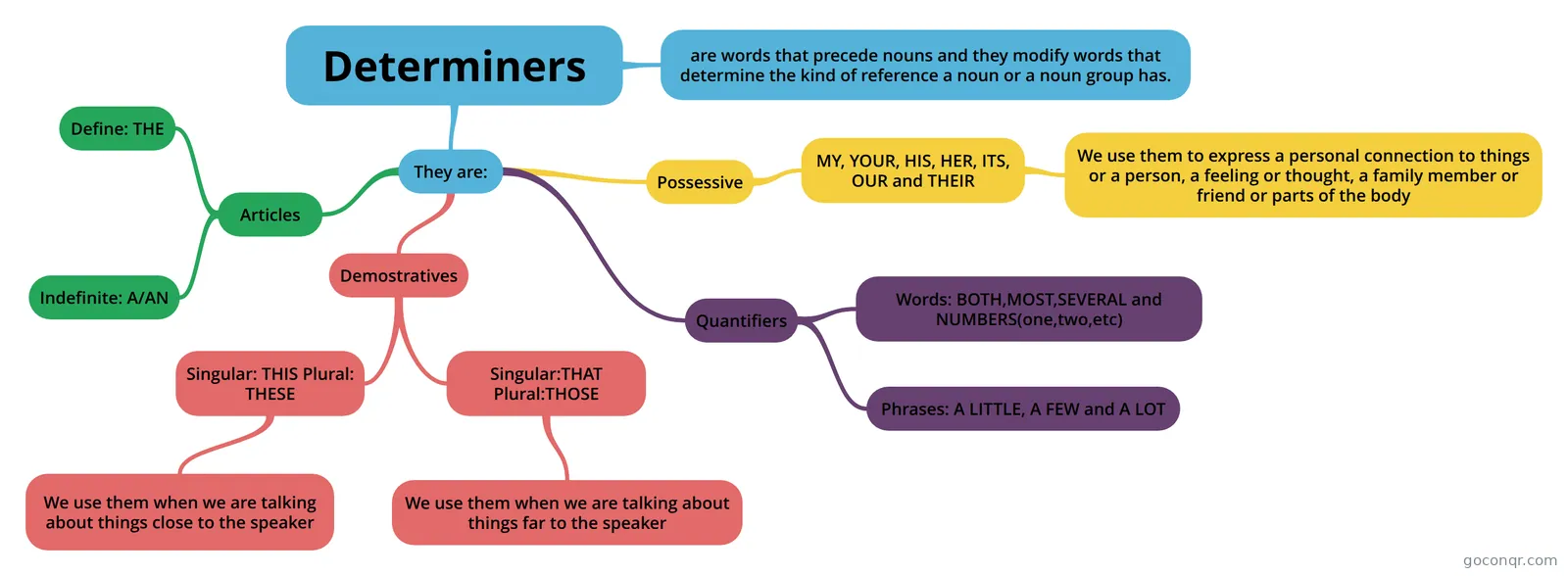 Determiners a summery of determiners
-
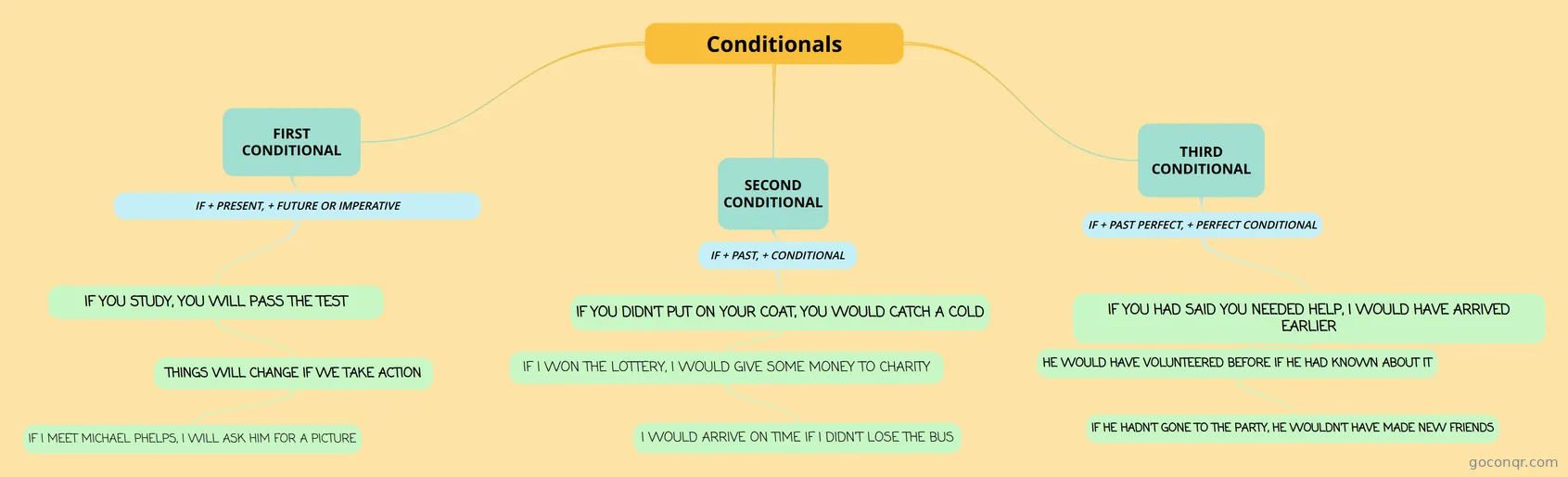 Conditionals Grammar: conditionals
-
Conjunctions practise
-
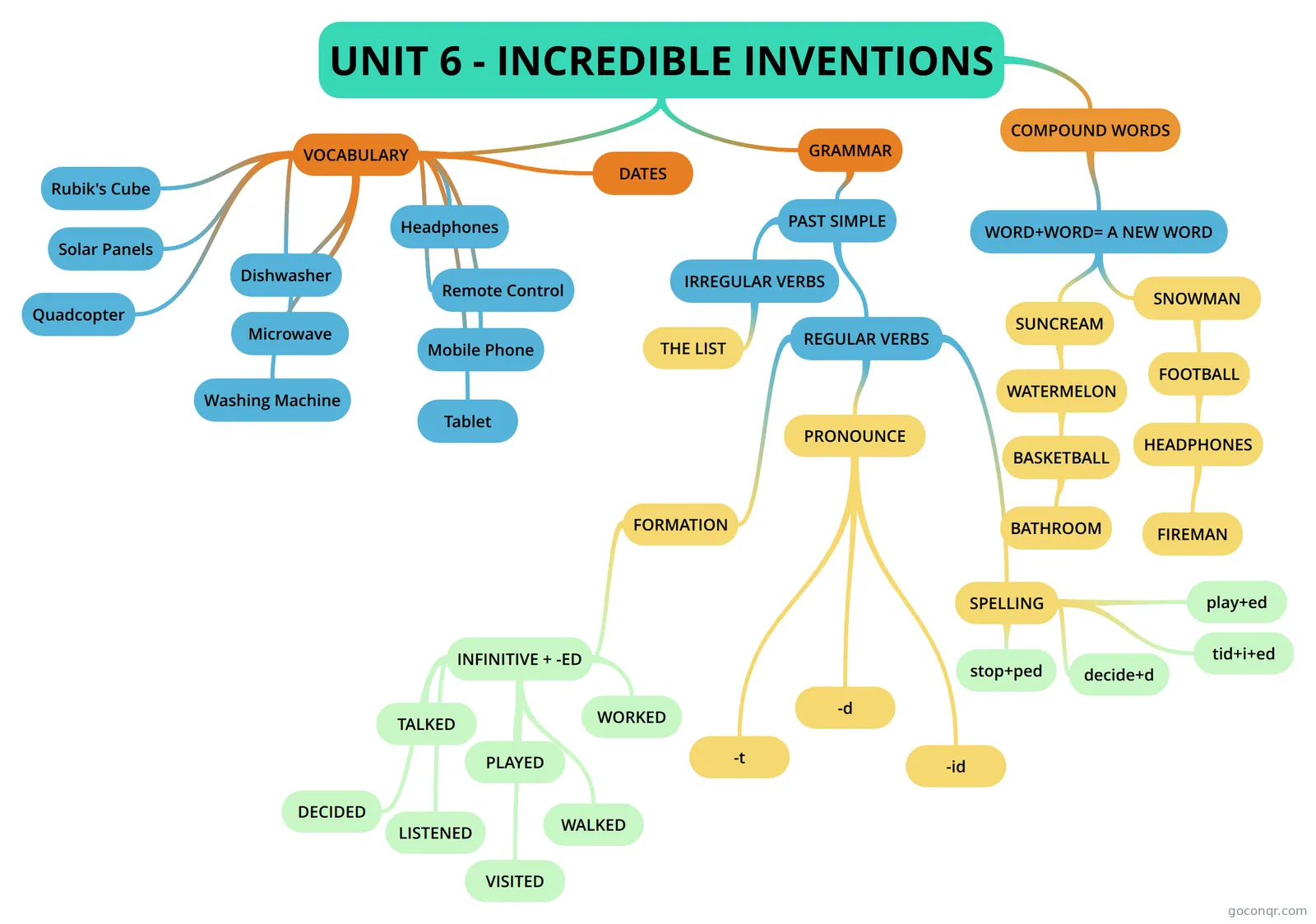 UNIT 6 - INCREDIBLE INVENTIONS UNIT 6 GO FAR BOOK DIAGRAM
-
SO / SUCH
-
Quantifiers Mind map to illustrate grammar rules for quantifiers. Can be used with New English File Elementary third ed...
-
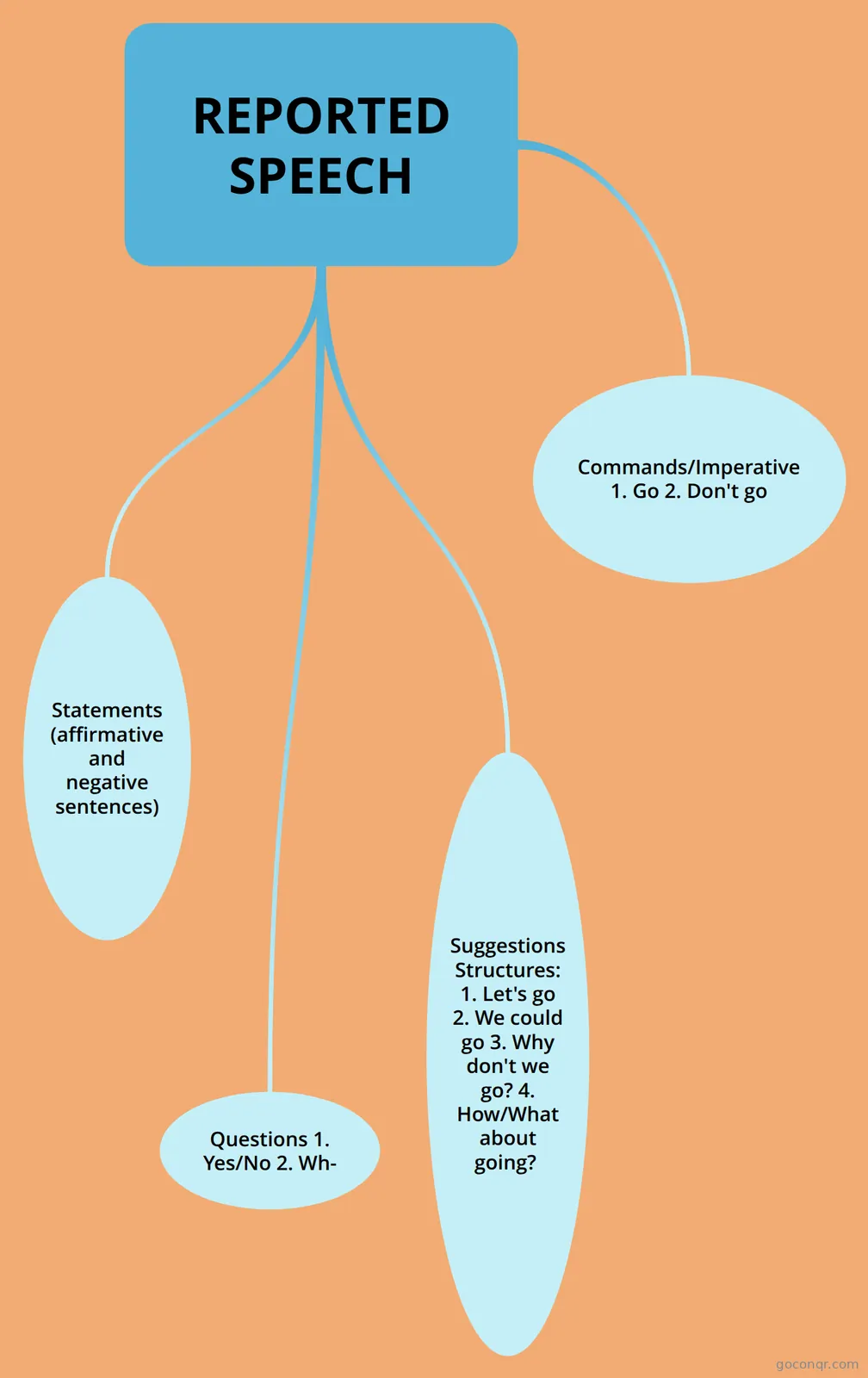 REPORTED SPEECH 4ESO / 1BAC
-
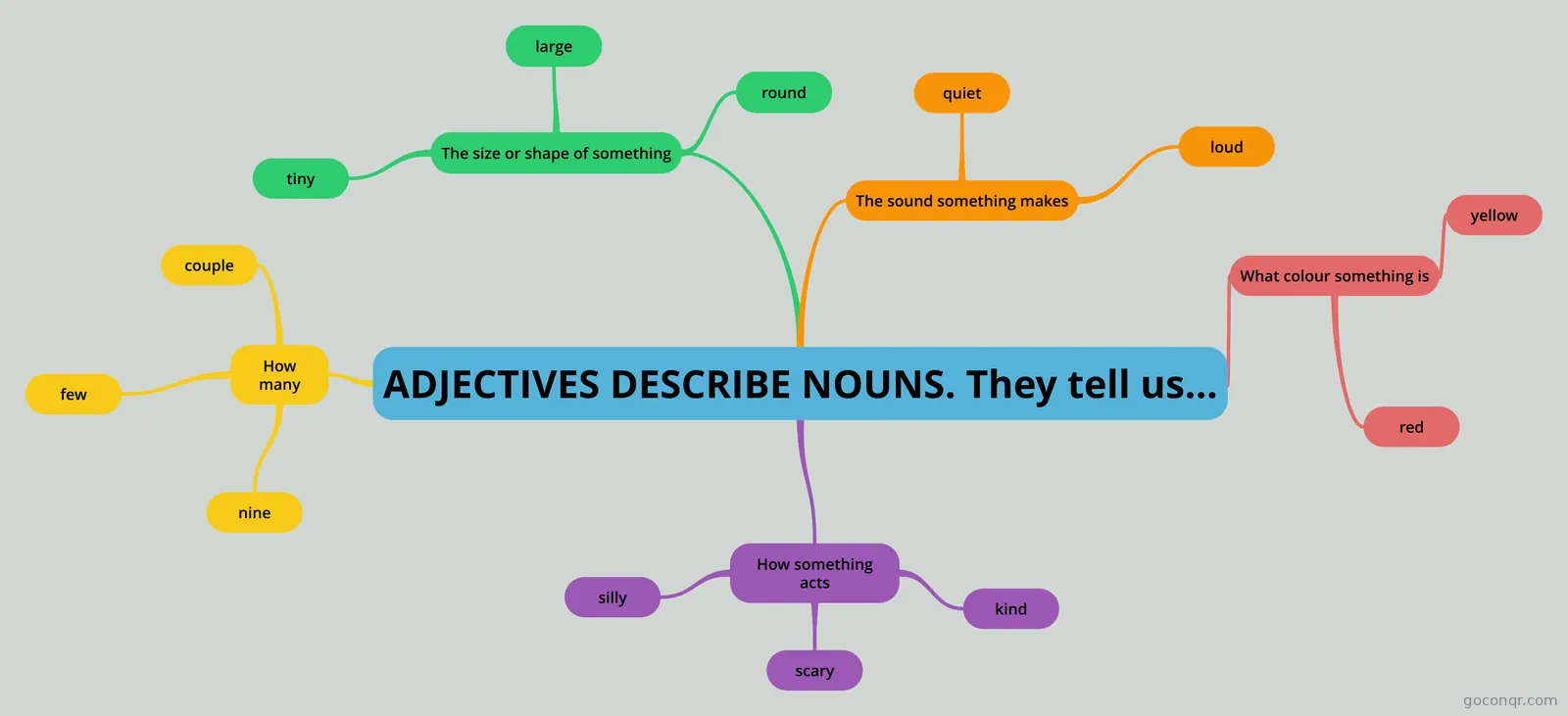 ADJECTIVES DESCRIBE NOUNS. They tell us... Example of adjectives mind-map for EDX2170
-
ENGLISH GRAMMAR
-
 noums in inglish definicion de pronombre en ingles. y ejemplos
-
 Spanish 141 Exam 1 study content for the first exam
-
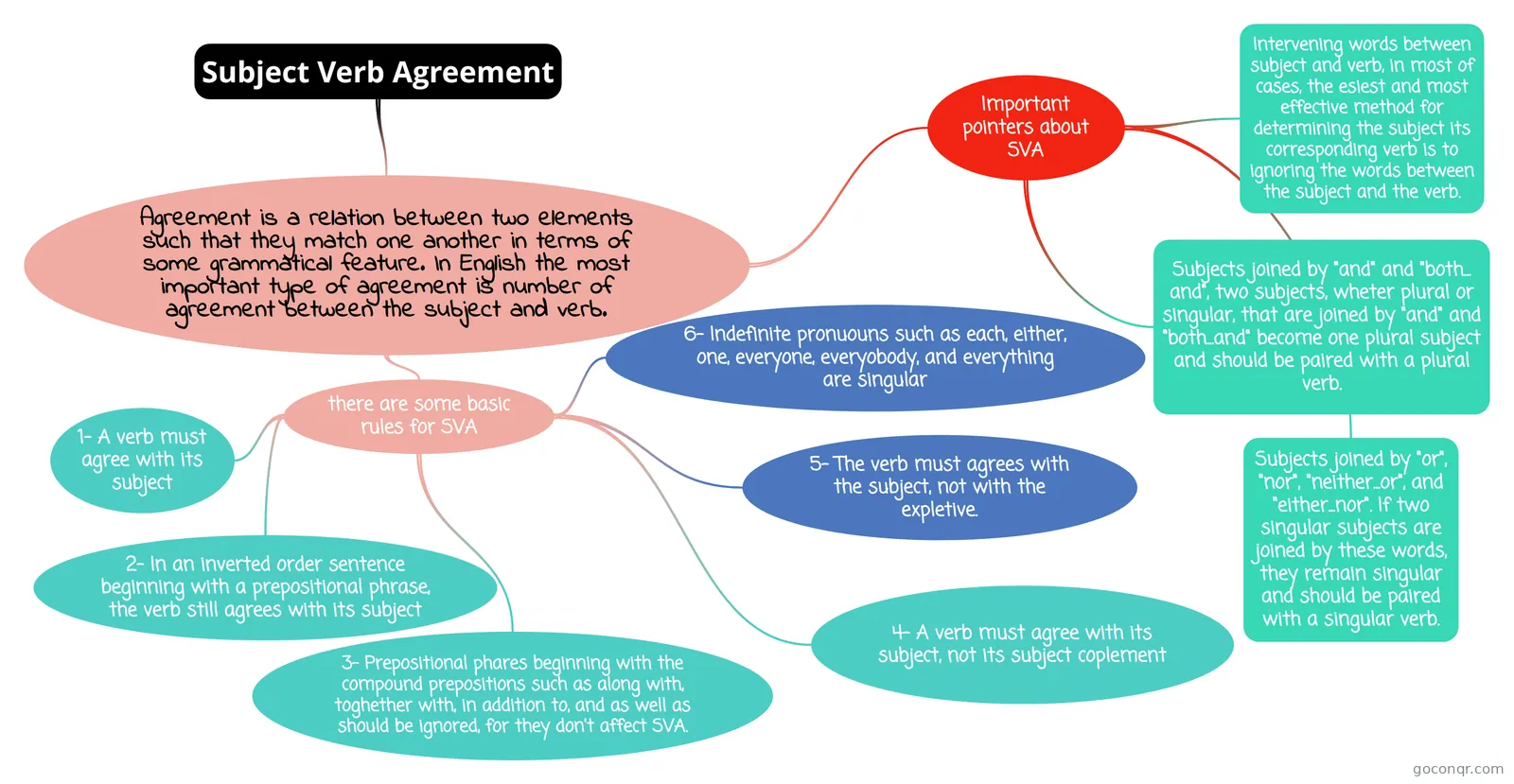 Subject Verb Agreement Basic Knowledge
-
PARTS OF SPEECH BY RUTH MARIA ALVARADO
-
Comparative Adjectives This Mind Map was created to Basic English Learners. Post a comment and/or a suggestion bellow to improve t...
-
PERSONAL PRONOUNS AND VERB TO BE
-
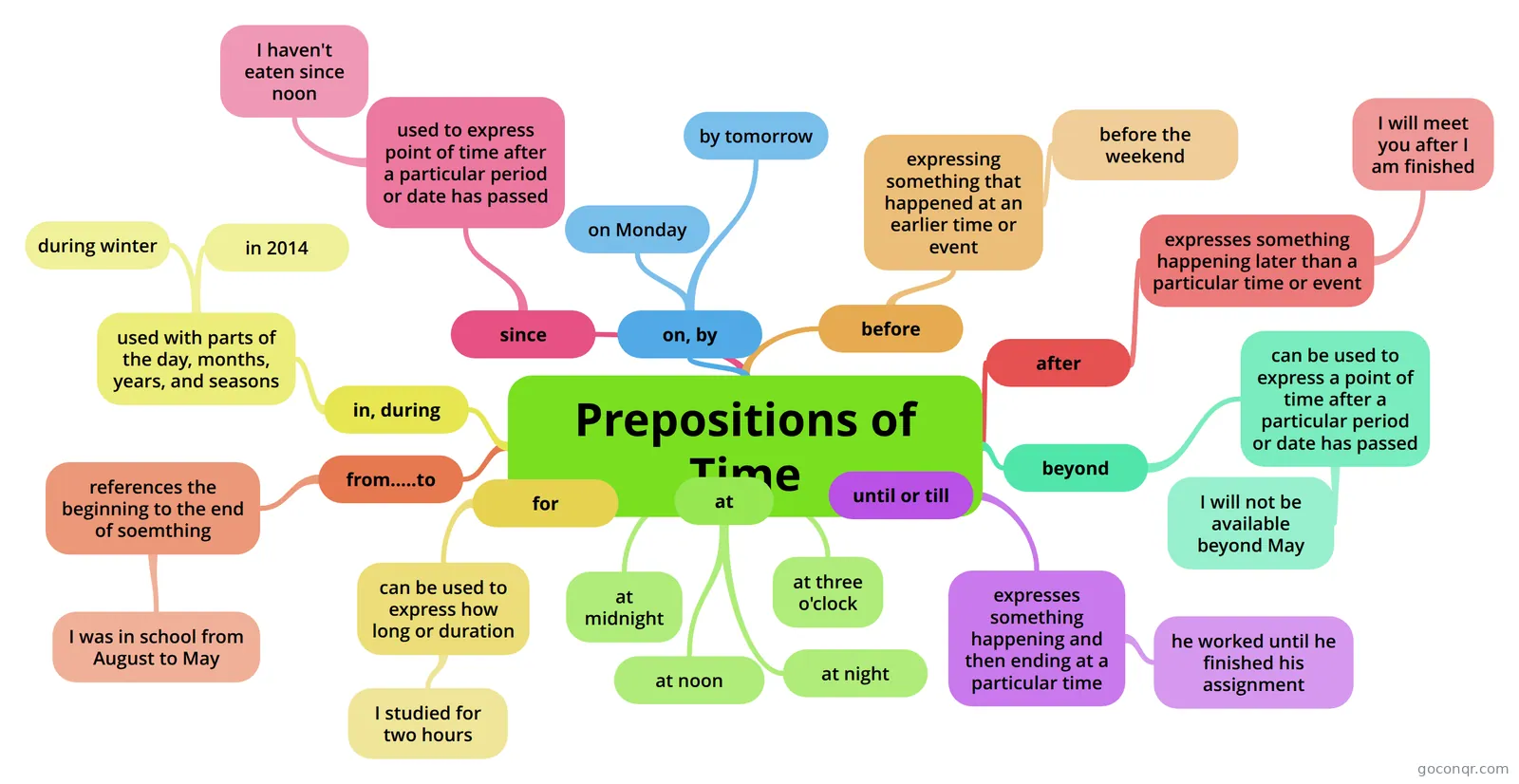 Prepositions of Time
-
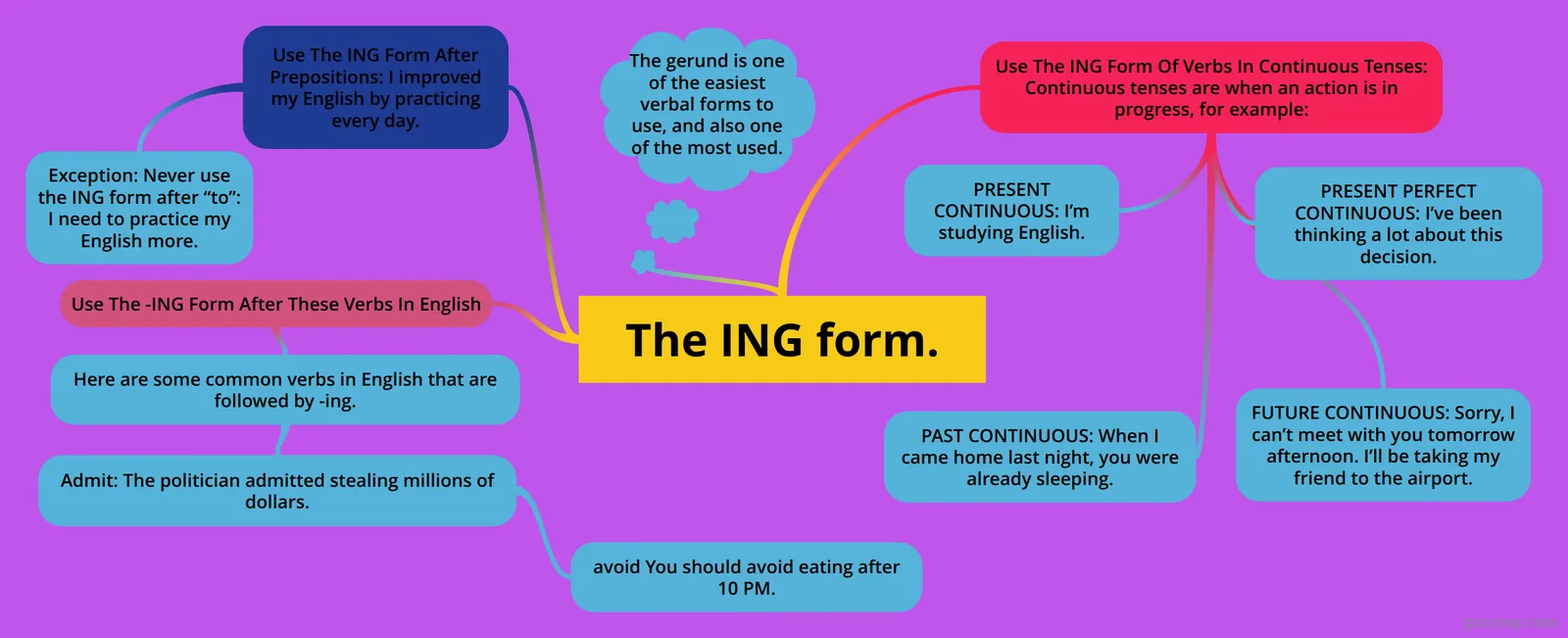 The ING form. English homework.
-
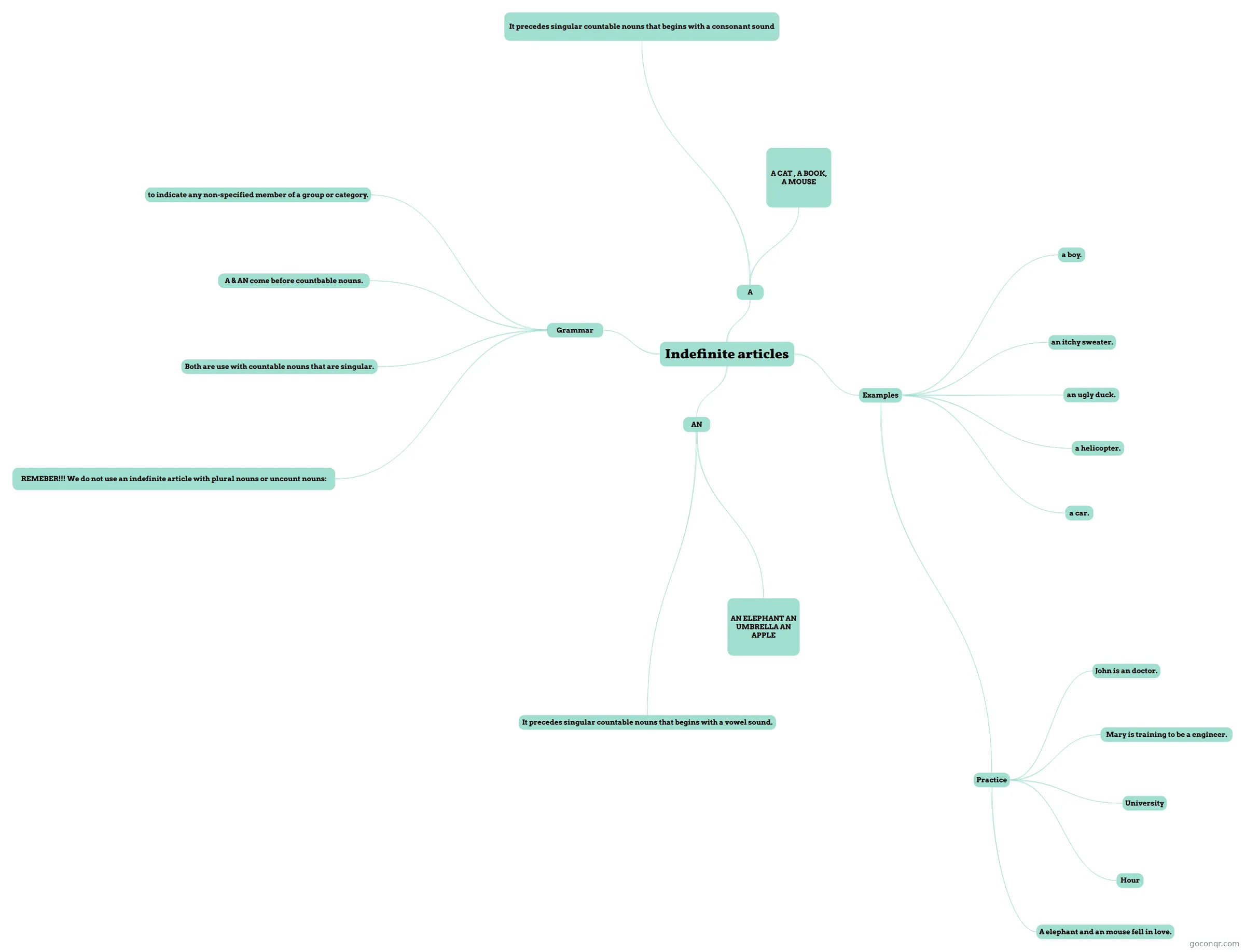 Indefinite articles Indefinite articles "a & and"
-
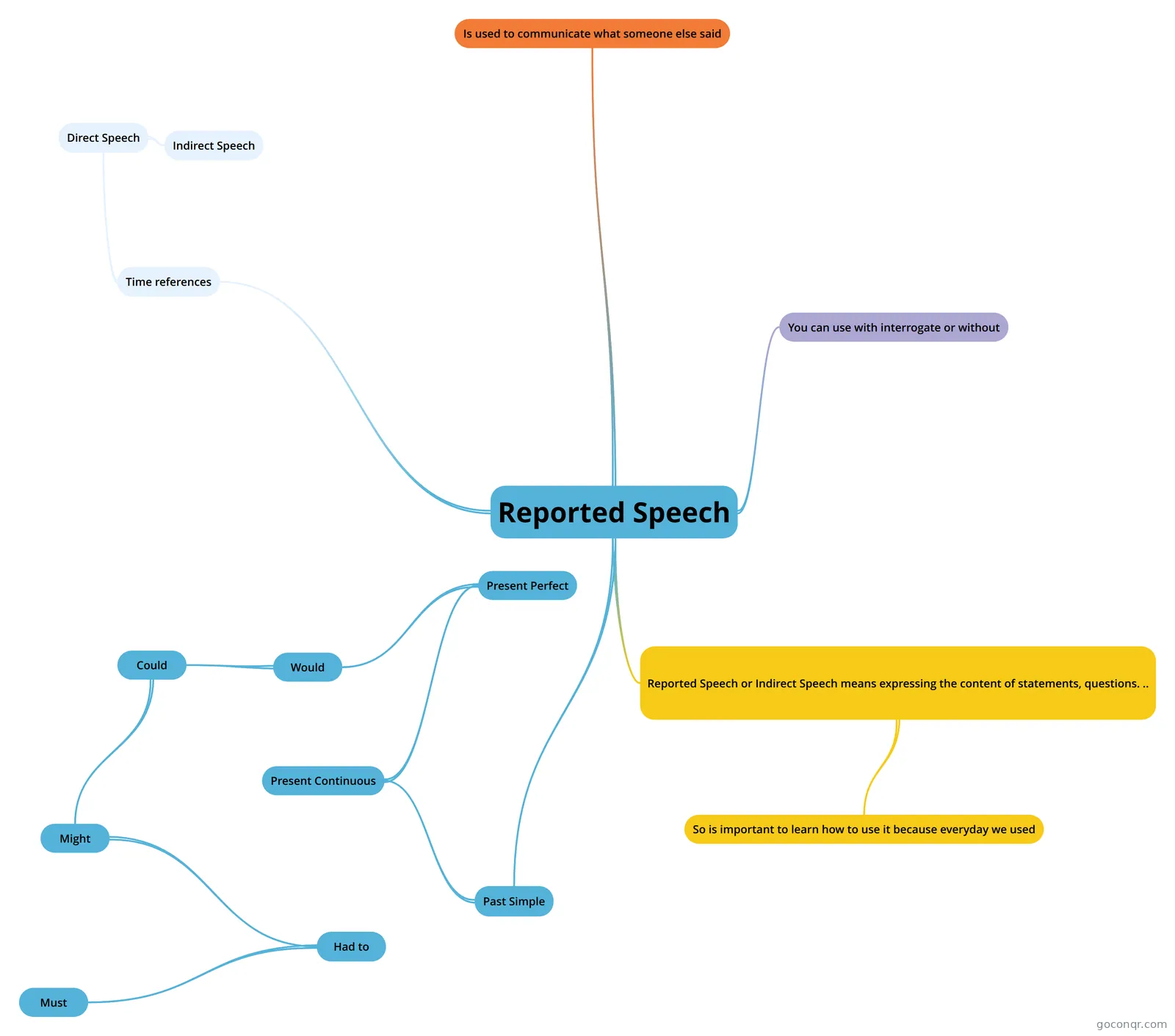 Reported Speech Is used to communicate what someone else said
More Grammar Overview resources
About grammar overview mind maps
GoConqr OriginalExplore grammar overview mind maps
The collection brings different grammar topics into view. Quantifiers covers countable and uncountable nouns, while Question Tags shows how positive and negative sentence forms connect. The map on causative have and get includes a structure for describing a service performed by someone else.
For a broad starting point, try Parts of Speech. If you have a particular form in mind, choose a focused map such as Gerund after prepositions or Future Time Clauses. You can also compare maps on related topics, such as Determiners and Quantifiers.
Revise with a map
Follow the branches and note the examples that help you understand a rule. Then cover the map and see what you can recall. When you want a different way to practise or revisit a topic, switch to a quiz or flashcards on the unit page. Choose a mind map to begin your revision.
Frequently asked questions
Which mind map should I start with?
Start with Parts of Speech if you want a broad way into the collection. For a particular question, choose a more focused map such as Question Tags or Quantifiers. The titles help you move from a general topic to a specific form.
What do the mind maps cover?
The maps cover topics including clauses, word classes and verb forms. Relative Clauses includes defining clauses and relative pronouns with prepositions. Reported Speech looks at tense changes, questions and commands, while Quantifiers includes examples for countable and uncountable nouns.
Can teachers use these mind maps for revision?
Yes. Teachers can use the listed maps as material for revisiting a topic with school students. For example, Question Tags shows how a positive main clause takes a negative tag, with examples. Determiners brings together articles, demonstratives, quantifiers and possessives.
Are these mind maps free to use?
Every resource listed here is free to open and study, and you do not need an account. A free account also lets you make your own mind maps, quizzes, flashcards and notes, as well as save quiz scores when you use quizzes.