
Literary Analysis, Theory and Criticism
81 resources created by 69 users
This Literary Analysis, Theory and Criticism page on GoConqr gathers community-made mind maps, flashcards, quizzes and notes, from narrative voice and focalization to Marxism, postcolonial and feminist approaches. It's built for school students revising a text, university students and professional candidates filling gaps in theory, and teachers after ready-made material. There are over 500 resources here, including more than 20 quizzes and over 300 mind maps, pitched at secondary and university level. Pick a topic, try a quiz to find your gaps, then make your own maps.
Top Literary Analysis, Theory and Criticism resources
-
18 cardsSearching for Identity Diction in Literary Text, Characterization, Inference and Evidence, Analyzing Informal Texts, Linear and No...
-
25 cardsVoice and focalization With what was Gérard Genette unhappy?
-
37 cardsA Level: English language and literature techniques = Structure Structural use of time - Chronology
-
 Mind map Linking Rossetti and A Doll's House
-
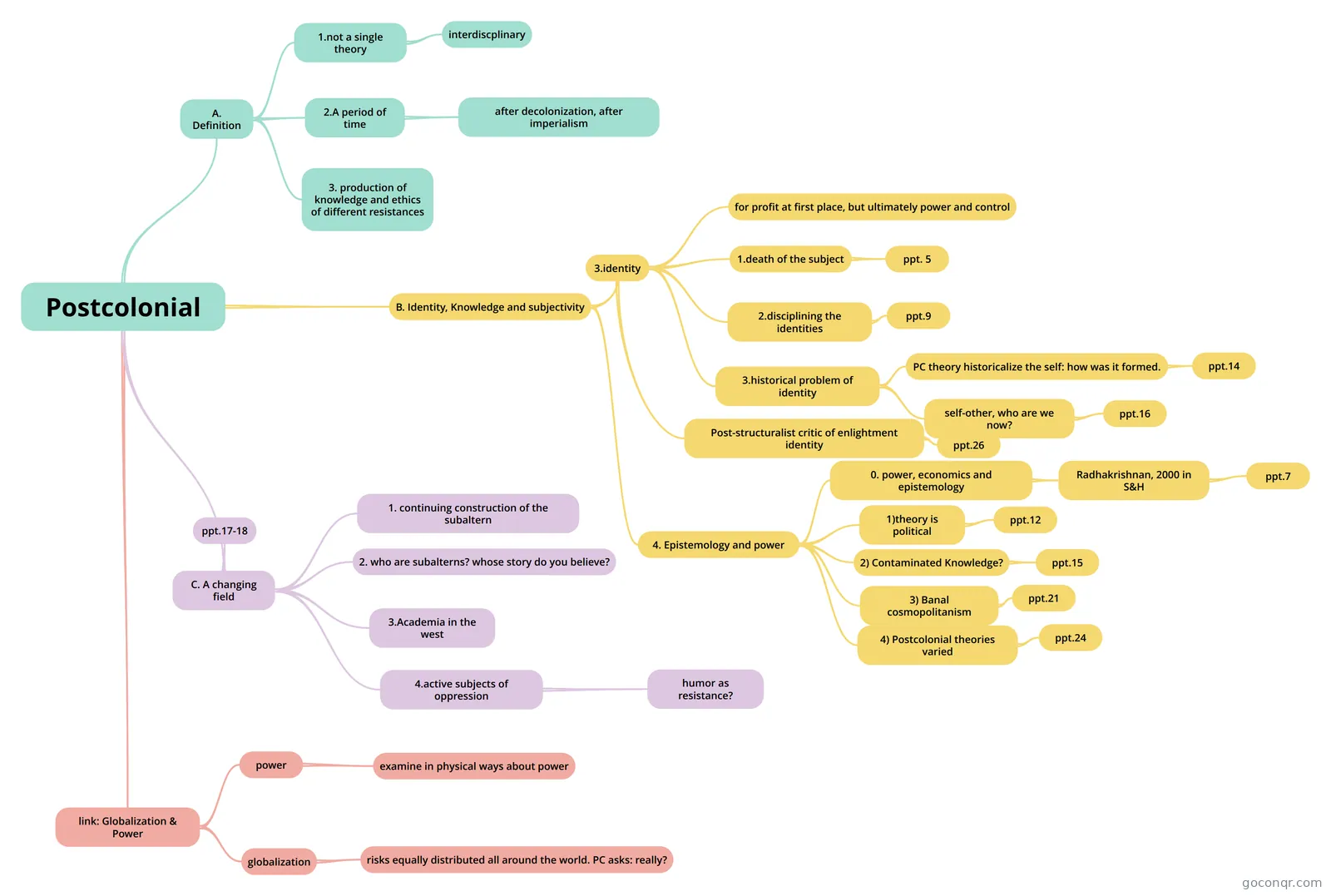 Mind map Postcolonial
-
Mind map VISION AND VIEWPOINT
-
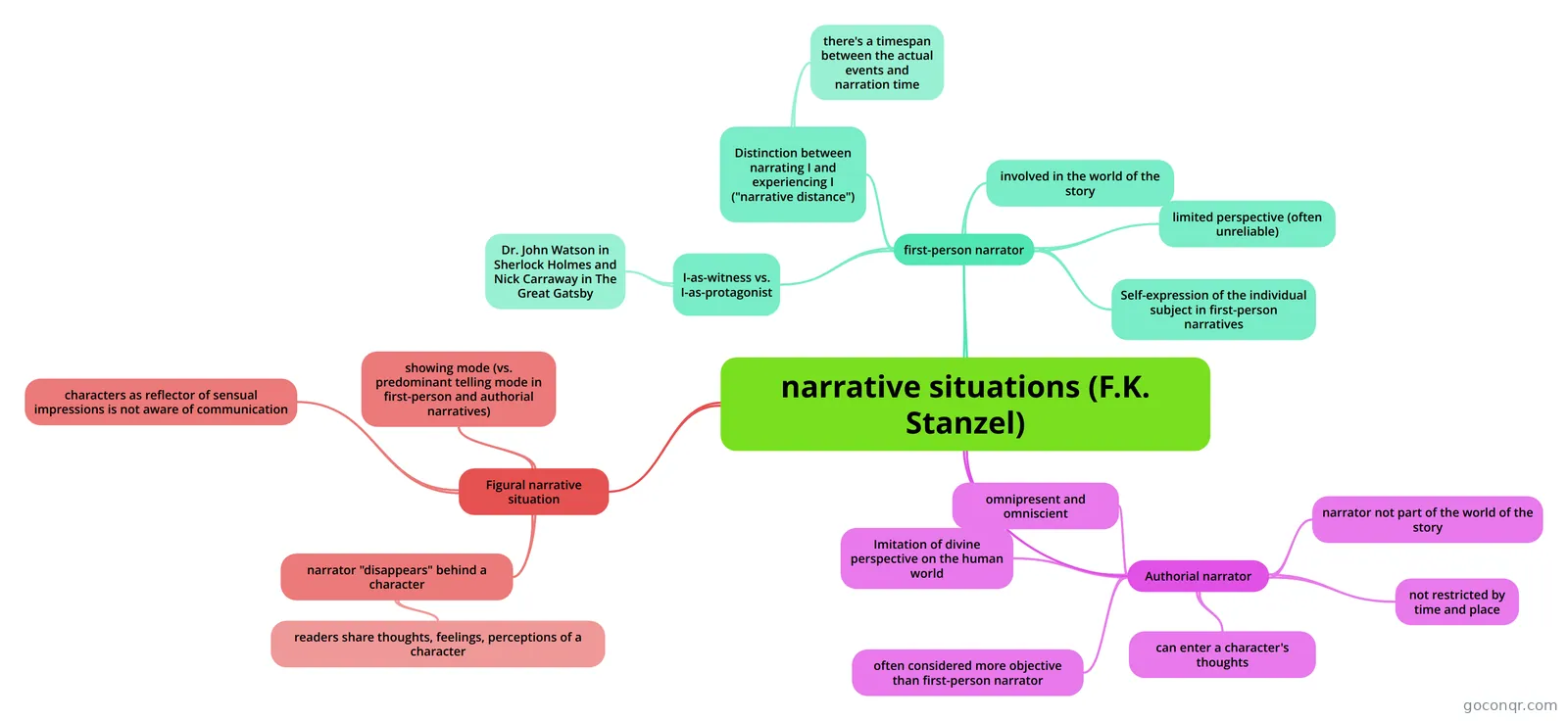 Mind map narrative situations (F.K. Stanzel)
-
 Mind map Marxism
Quizzes
Mind maps
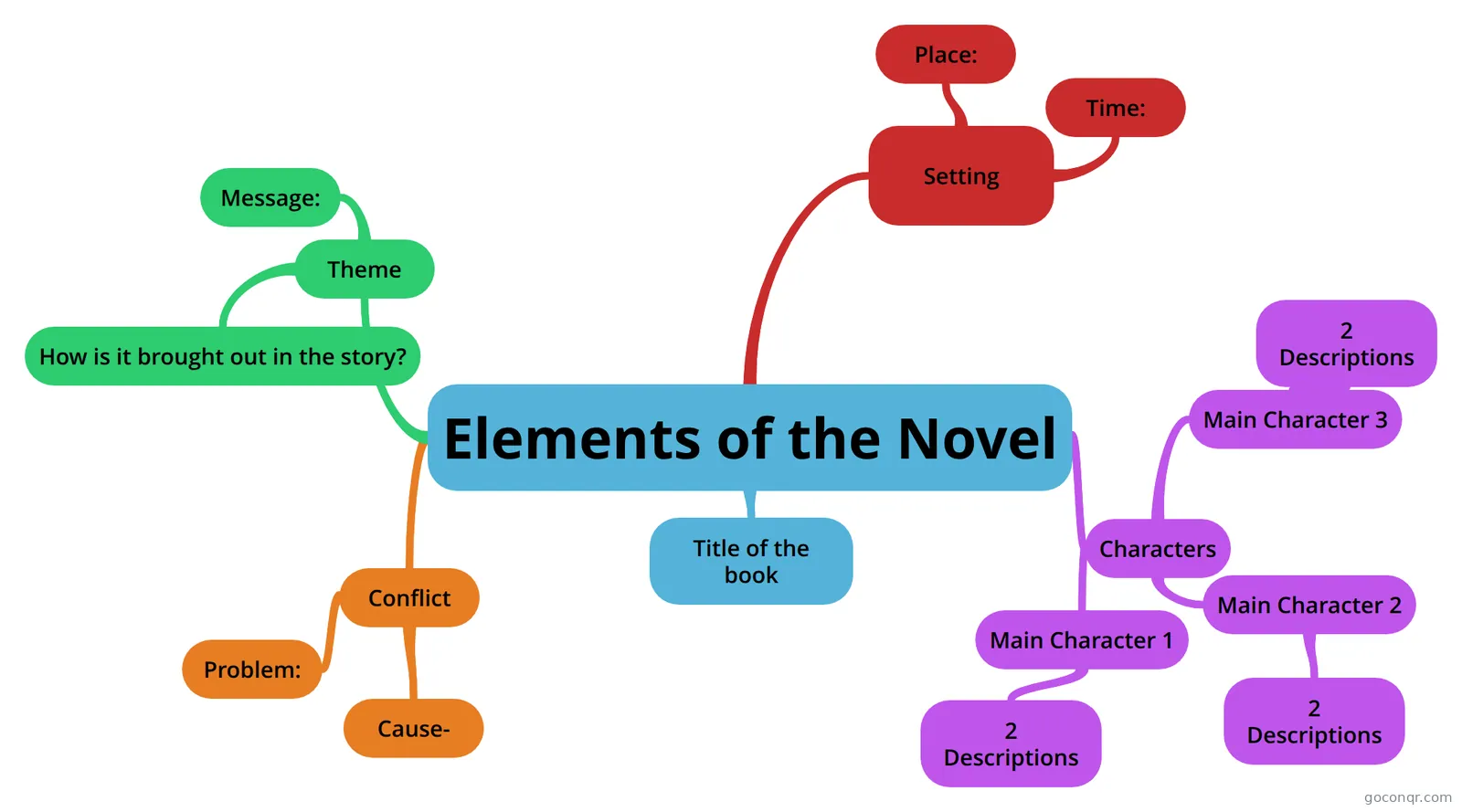
See all 42 mind maps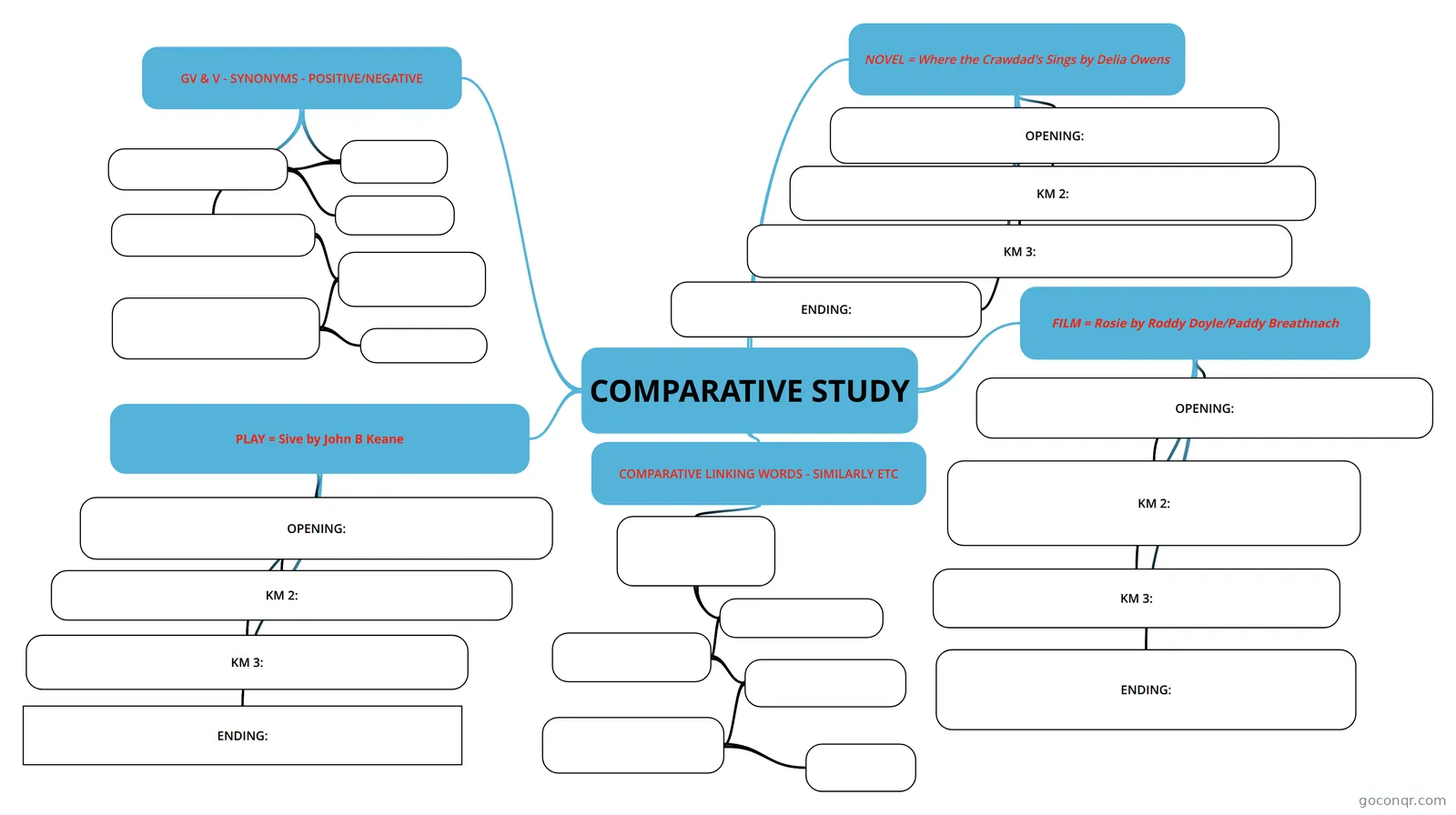
Flashcards
See all 27 flashcards-
18 cardsSearching for Identity Diction in Literary Text, Characterization, Inference and Evidence, Analyzing Informal Texts, Linear and No...
-
25 cardsVoice and focalization With what was Gérard Genette unhappy?
-
37 cardsA Level: English language and literature techniques = Structure Structural use of time - Chronology
-
23 cardsCuller Appendix Definitions
-
43 cardsLiterary Genre
-
55 cardsEN1010 Approaches to Text Flashcards to help with revision for Approaches to Text
-
30 cardsTutorial 3 Representation and Languages what is language? what does it have to do with representation? what is represe...
-
21 cardsISLC 9 Approaching a text with a certain literary theory, it is like..
Flowcharts
Notes
-
History of Literary Criticism Plato (428 BC - 347 BC) Literature considered immoral and corrupt during his time founded academy - math, astronomy, philosophy, history wrote in style of dialogues (with Socrates character) Early works focus on lesso...
-
English Notes CharacterAction Clues-what they doVerbal Clues-what they sayOther Clues-what others say and think about themPhysical Clues-what are their character traits ThemeClues about theme: what does the character lear...
-
Commentary The good commentary takes the passage apart, observes in it meanings, structures, techniques, events and effects which were not obvious at first sight, and builds out of these observations a coherent and richer view o...
-
THEORY NOTES LIBERAL HUMANISM - SAMUEL BECKETTTHE CENTRAL CONCERN IS PEOPLE AND THEIR VALUES AND QUALITY OF LIFE.'GOOD LITERATURE IS OF A TIMELESS SIGNIFICANCE.'A LIBERAL HUMANIST TEXT CONTAINS ITS OWN MEANING WITHIN ITSELF.BECKET...
-
Commentary Guide Commentary Guide IntroductionStructure⇢ Chronological, cyclical, flashbackLayout⇢ Pace, dialog, sentence structure, punctuationCentral theme⇢ Man versus self⇢ Man versus Nature⇢ Man versus society⇢ Man versus man⇢ Man...
Slides
More Literature topics
About Literary Analysis, Theory and Criticism
GoConqr OriginalWhat this unit covers
This unit sits in the Foundations of Literary Study strand of Literature. It mixes tools for reading closely with the theories behind them. Mind maps make up most of what is listed, with flashcard decks, notes, slide sets, flowcharts and quizzes alongside.
Start with the basics
If you are new to the unit, begin with the vocabulary decks such as literary terms, Literary devices and English Literary Terms. Then move to the mind map What is a Poem? and the one on how to analyse a poem, speech, play, newspaper article, novel or short story.
Narrative and structure
The flashcard deck Voice and focalization asks how we find out who speaks and what the narrator's position is, and it brings in Gérard Genette. The mind map on F.K. Stanzel's narrative situations separates the narrating I from the experiencing I. For structure, try the deck on structural use of time, which covers chronology, foreshadowing and juxtaposition.
Theory and criticism
The theory material is wide. You will find mind maps on Marxism, Postcolonial, Mythological/Archetypal theory, Monster Theory - Cohen and What Feminist Critics Do. The decks Feminist Literary Theory, Literary Criticism and THEORY CARDS help you remember the key terms, and the quiz Module 1: Literary Criticism vs. Literary Theory tests the difference.
Using quizzes and maps together
Read a mind map first to see the whole shape of a topic. Then take a quiz such as Types of Characters or Theme or Not? and note what you missed. Return to the map or deck for those points and repeat.
There are also text-based sets, including many Othello revision notes and maps comparing set texts. Choose one that matches your course and make your own versions to fit it.
Frequently asked questions
Where should I start on this page?
Start with a vocabulary flashcard deck such as literary terms or Literary devices, then open the mind map What is a Poem? From there, move to narrative with Voice and focalization, and on to theory maps like Marxism or Postcolonial once the terms feel familiar.
What do the mind maps cover?
The mind maps range across critical approaches and reading skills. You will find Marxism, Postcolonial, Mythological/Archetypal theory, Monster Theory - Cohen and feminist approaches, plus narrative topics such as Voice and Stanzel's narrative situations, and text-linked maps on works like The King's Speech.
Are these resources free to use?
Yes. Every resource listed here is free to open, study and take, with no account needed. They were made by GoConqr users, not by GoConqr itself. If you want to save quiz scores or build your own quizzes, maps, flashcards and notes, a free account lets you do that.
Which levels and exams do they suit?
The resources are about 60% secondary and 40% university. Some mention exams such as A-level English Literature, GCSE English Literature, Leaving Certificate English, NCEA English and IB. Check that a resource matches your own course before relying on it.
Which quizzes can I try?
There are more than 20 quizzes. Examples include Module 2: Hacking Literary Theory I, Understanding Complex Characters Quiz, Text and Literary Analysis and Female Empowerment. They work well after you have read a related mind map or deck.
What if my text or topic is missing?
The resources come from community members, so coverage varies. Try a nearby topic, such as a general theory map or a technique deck, and apply it to your text. You can also make your own mind map or flashcards and fill the gap yourself.