
Short Stories
78 resources created by 75 users
This Short Stories page on GoConqr gathers community-made mind maps, flashcards, quizzes and notes on classics such as The Necklace, The Lottery, The Yellow Wallpaper and Lamb to the Slaughter, plus general guides to the elements of a short story. It's built for school students revising set texts for GCSE English Literature or GCSE English, and for teachers after ready-made material. There are over 600 resources here, including more than 500 mind maps and over 10 quizzes. Pick a story, try a quiz to find your gaps, then build your own.
Top Short Stories resources
-
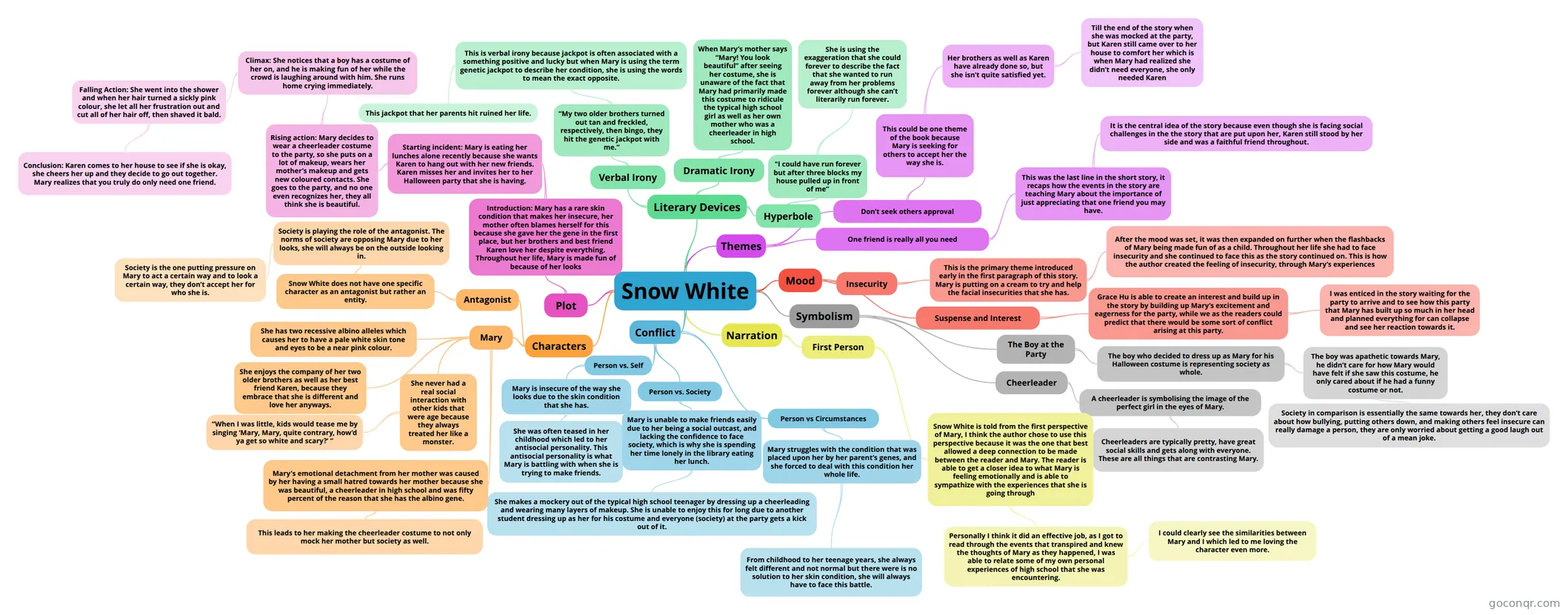 Mind map Snow White
-
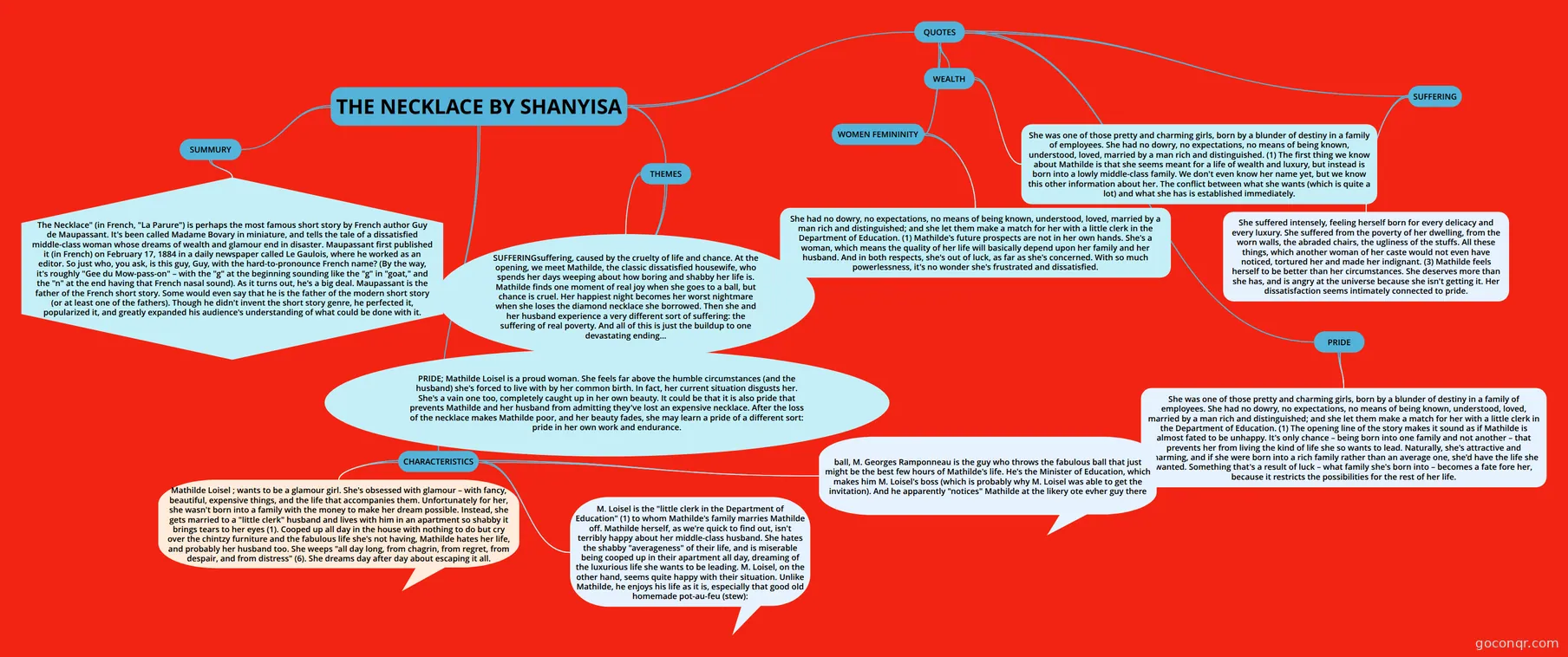 Mind map THE NECKLACE BY SHANYISA
-
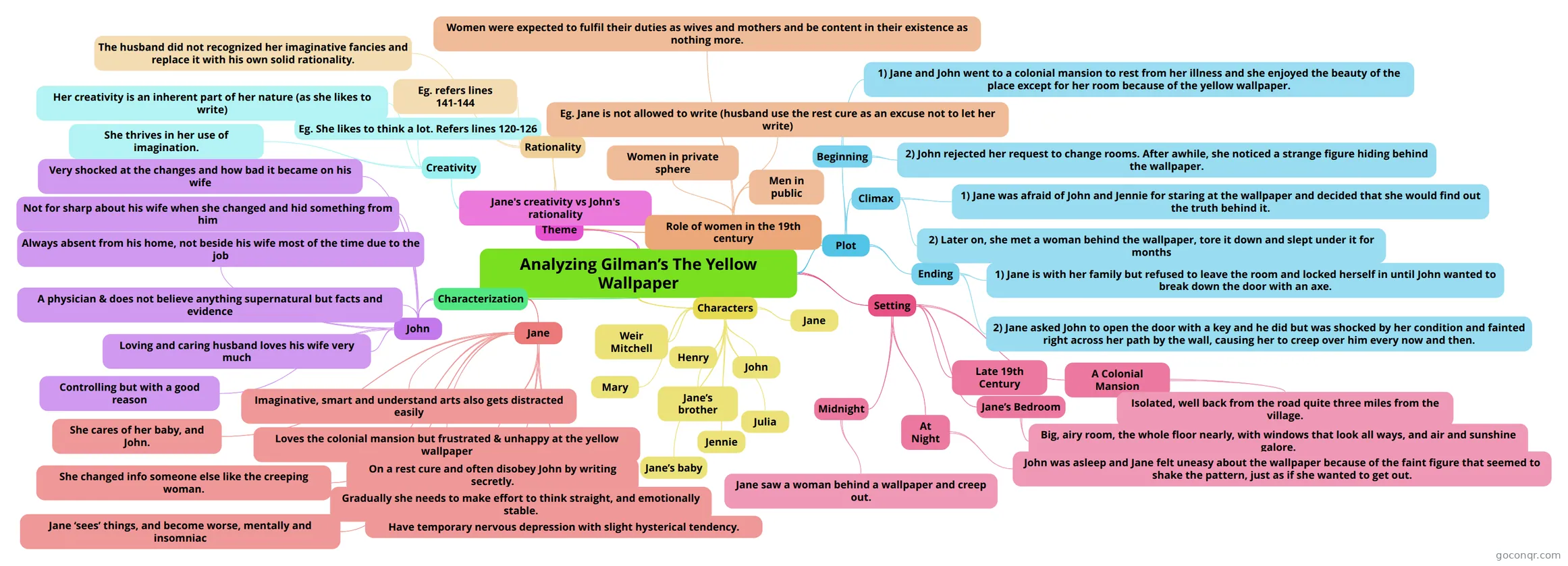 Mind map Analyzing Gilman’s The Yellow Wallpaper
-
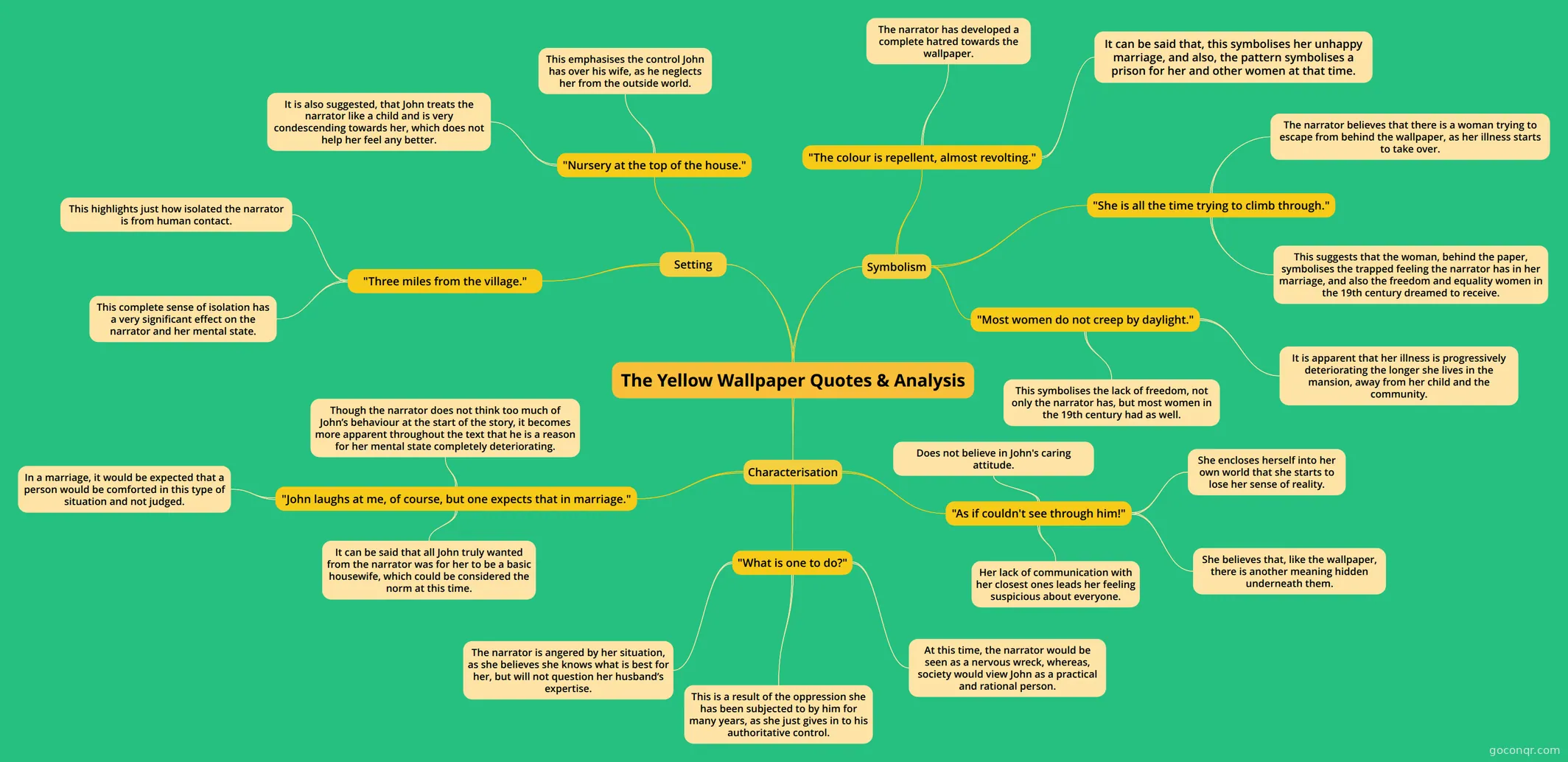 Mind map The Yellow Wallpaper Quotes & Analysis
-
5 questionsUnderstanding character in The Necklace Mathilde is happy with her life as it is.
-
7 questionsThe Structure of a Short Story What are the main events of a play, novel, movie, or similar work, devised and presented by the writer as a...
-
Mind map Rip Van Winkle. This is a man named Rip Van Winkle falling into a deep sleep and goes through several cases and the end is ...
-
Mind map The Legend of Sleepy Hollow Sleepy Hollow
Quizzes
-
5 questionsUnderstanding character in The Necklace Mathilde is happy with her life as it is.
-
7 questionsThe Structure of a Short Story What are the main events of a play, novel, movie, or similar work, devised and presented by the writer as a...
-
10 questionsFormative assessment. Who is are the main characters of the story? (Two Sisters by Puline Smith)
-
2 questionsThe Elements of a short story The Character is the one who plays the role in a story.
Mind maps
See all 69 mind maps-
Snow White
-
THE NECKLACE BY SHANYISA
-
Analyzing Gilman’s The Yellow Wallpaper
-
The Yellow Wallpaper Quotes & Analysis
-
Rip Van Winkle. This is a man named Rip Van Winkle falling into a deep sleep and goes through several cases and the end is ...
-
The Legend of Sleepy Hollow Sleepy Hollow
-
Elements of a Short Story Mindmap about the elements of a short story.
-
 Monsieur Loisel in "The Necklace" is a selfless character
Flashcards
Notes
-
The Necklace revision notes 1: CharactersMathilde Loisel: A young, discontent lower middle class woman. She is typical of the kinds of main protagonists used by French Realist writers at this time and is used to explore the deeper meanings of ev...
-
Types of Short Stories There are 4 different Types of Short Stories: PLOT: Focused on events & actions that take place Usually stay away from presenting or developing deep characters & focus on what they do instead Escape fiction/ Action mo...
More Literature topics
About Short Stories
GoConqr OriginalWhat this unit covers
Most of the page is made up of mind maps, and they mostly follow single stories. You will find maps on The Legend of Sleepy Hollow, Rip Van Winkle, Young Goodman Brown, The Necklace and Lamb to the Slaughter. Other maps look at the narrative method in Shirley Jackson's The Lottery, or at setting and symbolism in The Yellow Wallpaper Quotes & Analysis.
Where to start
If you are new to the topic, begin with the general resources. Elements of a Short Story is a mind map, and there is also a slide set on the same theme. Short story flashcard decks cover elements, vocabulary and authors, so you can learn the terms before you apply them.
- Open Elements of a Short Story and the flashcards on short story elements.
- Choose one set text and read its mind map.
- Check the matching notes, such as The Necklace revision notes.
- Finish with a quiz.
Using maps and quizzes together
A good map shows you the characters, themes, symbols and plot at a glance. The map for A Good Man is Hard to Find, for example, runs from author background to symbols. Read a map first, then test yourself. The quiz Understanding character in The Necklace suits that story, while The Structure of a Short Story works for any text. There are also quizzes on The Lottery and The Gift of the Magi. Wrong answers show you which branch of the map to revisit.
Where it fits
This unit sits in the Short Fiction, Genre Fiction and Non-Fiction strand of Literature. Most resources suit school students working towards GCSE English Literature or GCSE English, and teachers can use the maps and slide sets as ready-made starting points in lessons.
Next step
Choose one story you are studying, open its map and see what you can recall without looking. Then add your own notes or flashcards for the quotes you find hardest.
Frequently asked questions
Which resource should I open first?
Start with the Elements of a Short Story mind map or the short story elements flashcards. They give you the vocabulary of plot, character, setting and theme. After that, move on to the map for the story you are studying, such as The Necklace or The Lottery.
Which stories have mind maps?
Many well-known stories are covered. These include The Legend of Sleepy Hollow, Rip Van Winkle, Young Goodman Brown, The Yellow Wallpaper, Lamb to the Slaughter, The Necklace, The Lottery and The Darkness Out There. There are also several maps on The Flowers, looking at language, tone and characterisation.
Are there quizzes on this page?
Yes. There are over 10 quizzes, including Understanding character in The Necklace, The Structure of a Short Story, THE LOTTERY, The Gift of the Magi and The Minister's Black Veil. Use them after reading a map, to see which details you remember and which need another look.
Which exams do these resources suit?
The resources mention GCSE English Literature and GCSE English, and almost all of them are aimed at secondary school students. Teachers can use them too. Always check a resource against your own set texts and exam board, since the community made them.
Are the resources free, and who made them?
Every resource listed here is free to open, study and take, with no account needed. They were made by GoConqr users, not by GoConqr itself. A free account also saves your quiz scores and lets you create your own quizzes, maps, flashcards and notes.
What if my story isn't listed?
Try the general resources first, such as the elements flashcards and the Types of Short Stories note, which apply to any text. You can also make your own mind map or flashcard deck for your story and add the quotes and themes your class is studying.