
The US Constitution and Bill of Rights
71 resources created by 70 users
This page on GoConqr gathers community-made flashcards, mind maps, quizzes, slides and notes on The US Constitution and Bill of Rights, from the 27 amendments and the founding principles to the articles and due process. It's built for school students revising the topic and teachers after ready-made material. There are over 400 resources here, including more than 40 quizzes, over 100 mind maps and over 300 flashcards, made by more than 400 contributors. Pick a deck or try a quiz to find your gaps.
Top The US Constitution and Bill of Rights resources
-
27 cards27 amendments
-
27 cards27 Amendments Civics and economics
-
11 cardsChapter 3 civics vocab the original constitution of the US, ratified in 1781, which was replaced by the US Constitution in 1789.
-
27 cardsThe 27 Amendments The twenty-seven amendments
-
27 cards27 Amendments to US Constitution My 27 Amendments to US Constitution
-
27 cards27 amendments to US Constitution 27th amendments
-
27 cards27 Amendments to US Constitution 27 Amendments to US Constitution
-
16 cardsBill of Rights Flashcards Ch. 4 Definitions
Quizzes
See all 11 quizzes-
60 questionsCh. 8 The Constitution - Practice Quiz Everything in the study guide is covered in this practice quiz. Good luck!
-
34 questionsThe Constitution Review A fill-in-the-blank review of Unit 2: Ratifying the Constitution.
-
24 questionsAmendments What five freedom are written in the first amendment?
-
37 questionsUSH Mock Bar Exam What is the length of a term of office for members of the House of Representatives?
-
29 questionsArticles of the Consitution All the executive powers herein shall be vested in a congress of the United States, which shall consist of ...
-
17 questionsThe US Constitution What Branch of Government makes the laws?
-
15 questionsMr. Gulotta 7th Grade Constitution Quiz How were deputies to the Constitutional Convention chosen?
-
9 questionsUS history Constitution quiz part one What is the Legislative Branch:
Mind maps
-
 Bill of Rights concept map bill of rights
-
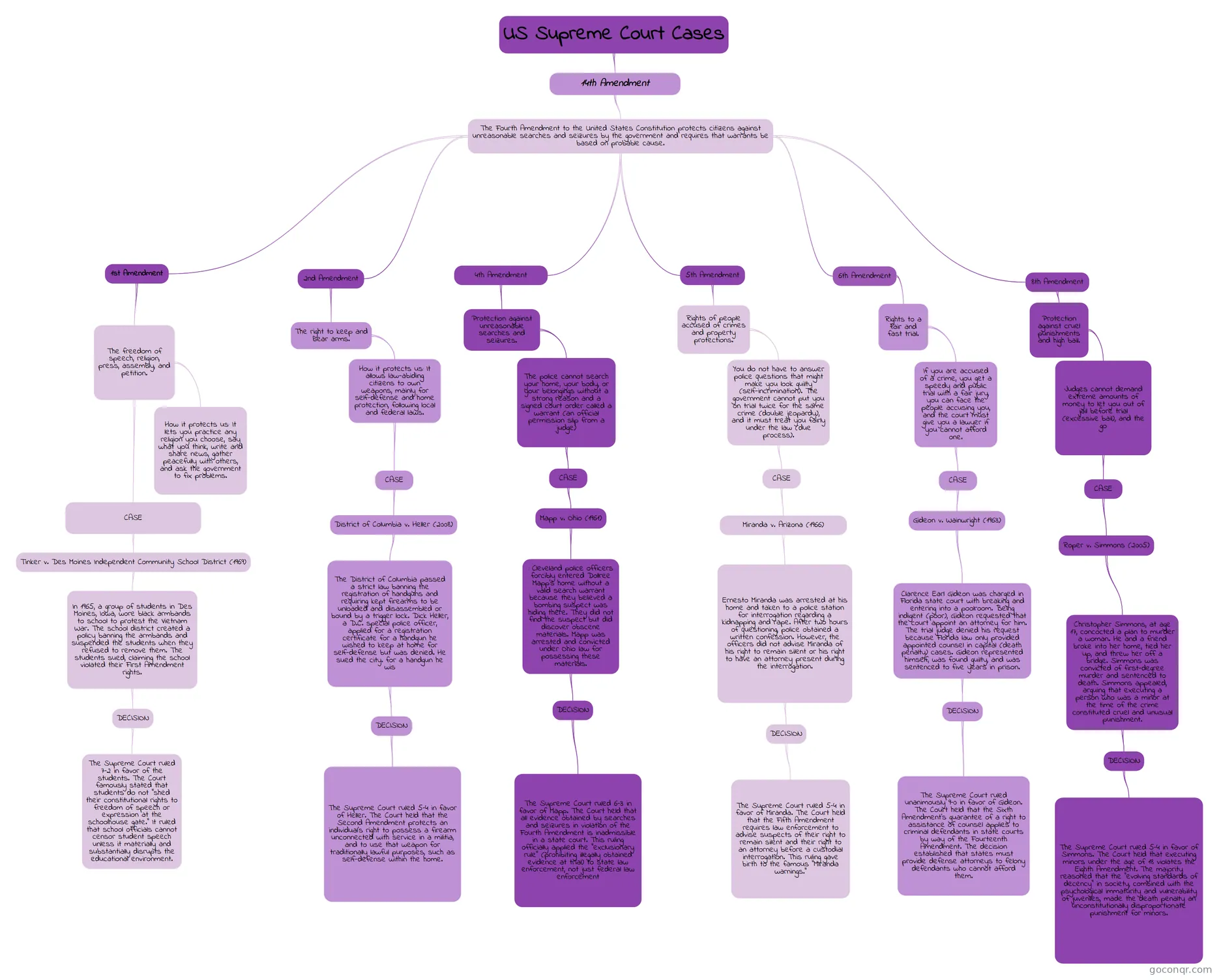 US Supreme Court Cases
-
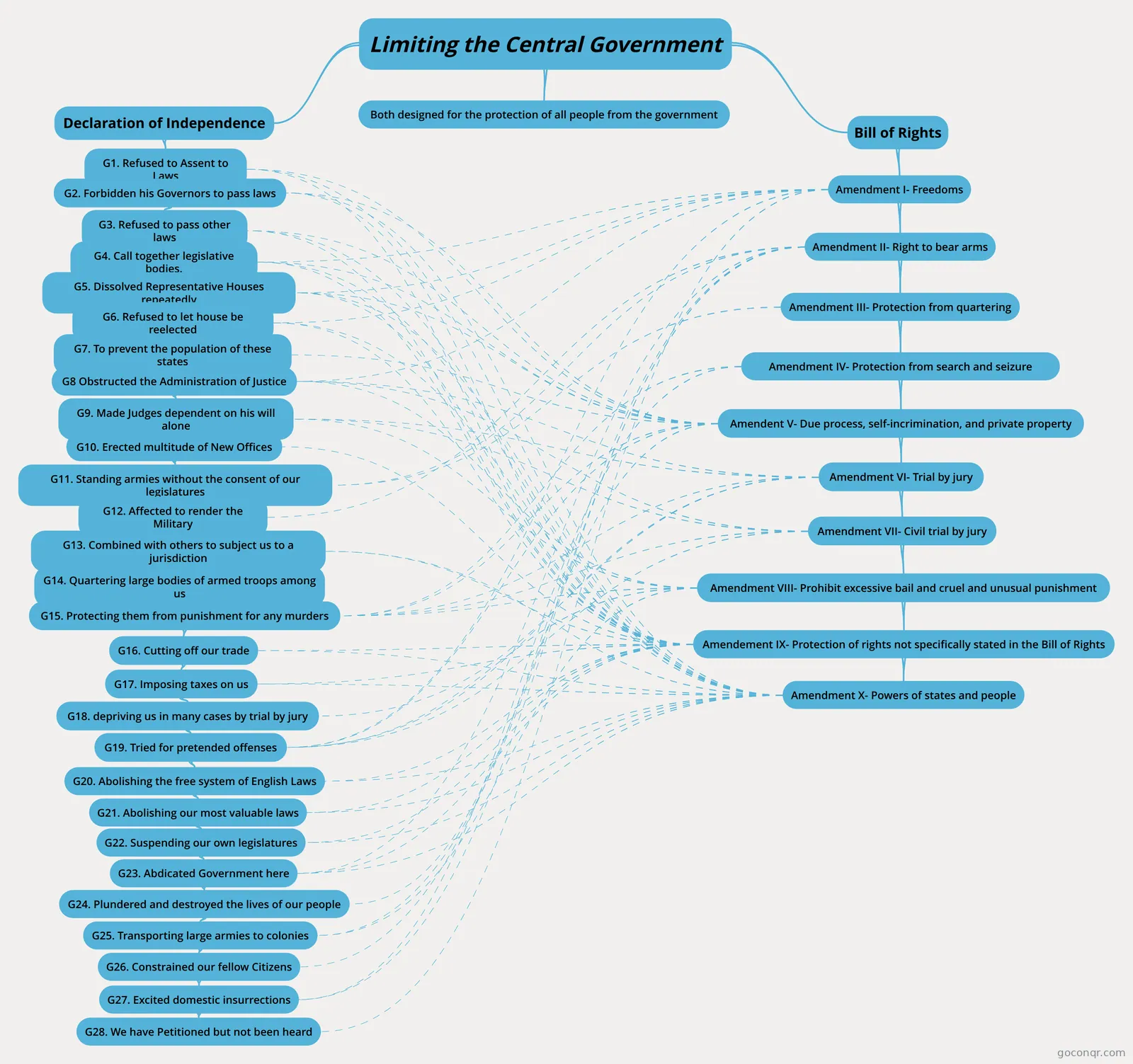 Limiting the Central Government Comparing Bill of Rights and the Declaration of Independence
-
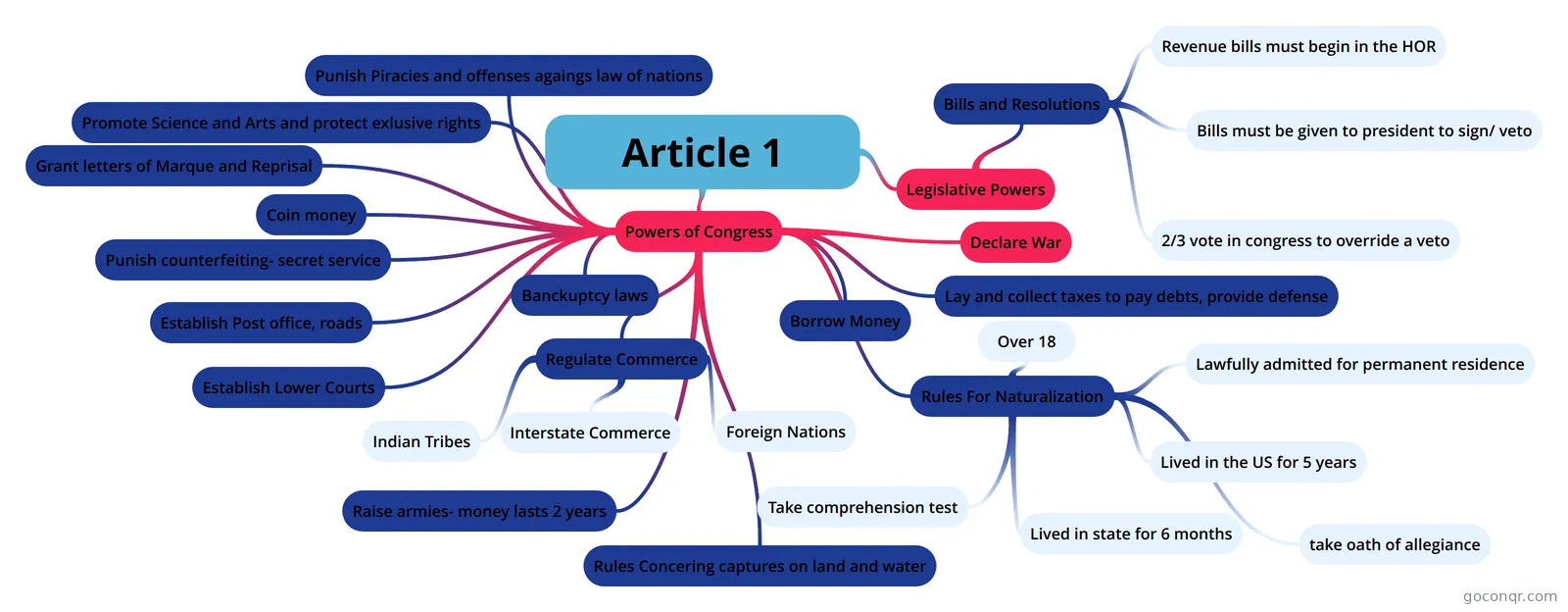 Article 1 Powers in Article 1
-
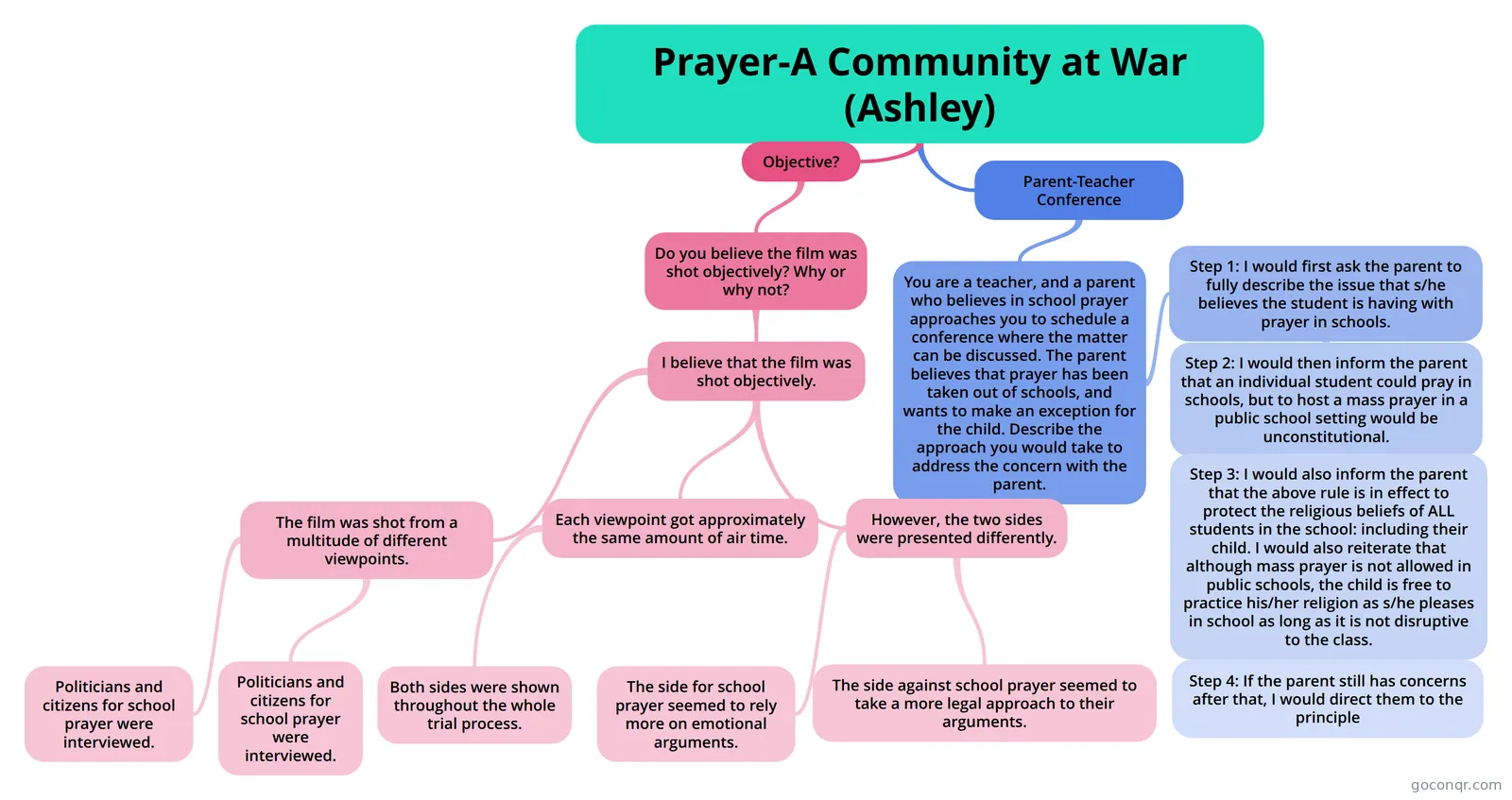 Prayer-A Community at War (Ashley)
-
Bill of Rights and Declaration of Independence Bill of Rights
-
The Purpose of Government As described in the Preamble of the Constitution
Flashcards
See all 48 flashcards-
27 cards27 amendments
-
27 cards27 Amendments Civics and economics
-
11 cardsChapter 3 civics vocab the original constitution of the US, ratified in 1781, which was replaced by the US Constitution in 1789.
-
27 cardsThe 27 Amendments The twenty-seven amendments
-
27 cards27 Amendments to US Constitution My 27 Amendments to US Constitution
-
27 cards27 amendments to US Constitution 27th amendments
-
27 cards27 Amendments to US Constitution 27 Amendments to US Constitution
-
16 cardsBill of Rights Flashcards Ch. 4 Definitions
Notes
-
9th Grade First Term Civic Education Notes 2024/2025 Session TOPIC: THE CONSTITUTIONAL DEVELOPMENT. I Lesson’s Objective: at the end of the lesson, the students should be able to; Define the constitution. Mention the sources of the Constitution. Highlight the types of constitut...
-
Bill of Rights Concept Map (insert Week 6 map here) (I don't have a Week 6 map) - - Amendment 28- As men and women are equal, their career status should be as well. A career or job should be given to the person whether they are men, women, blac...
-
CH-1 Indian constitution Indian constitution Rules are set to make sure members of the society behave in a manner that does not cause damage to them or the people around them for example while we walk or drive on the road we follow certain ru...
Slides
More Ethics, citizenship and civics topics
About The US Constitution and Bill of Rights
GoConqr OriginalWhat the resources cover
Most of this unit is flashcards. Many decks walk through the amendments one by one, such as 27 Amendments and Bill of Rights Flashcards, which uses a memory aid for the First Amendment. Chapter 3 civics vocab covers the early history, including the Articles of Confederation and Shays' Rebellion. Other decks are titled Powers and Clauses and 7 Principles of the Constitution.
Where to start
Begin with a set of amendment flashcards, since the Bill of Rights is the heart of the unit. Flash Cards on Amendments gives short plain-language summaries, such as the right to counsel and no quartering of soldiers. Then move on to the founding principles, where many mind maps set out the ideas behind the Constitution.
- Learn the amendments with a flashcard deck.
- Read a mind map such as Bill of Rights concept map to see how the ideas connect.
- Look at the articles with Article 1 and Arts. 5 | 6 | 7.
- Test yourself with a quiz.
Using quizzes and maps together
Read a map first, then take a quiz on the same topic. The Bill of Rights Quiz and Constitutional Convention are good places to check what stuck. If a question catches you out, go back to the matching map or deck. Maps on due process and the Fifth Amendment help when you mix up similar rights. Teachers can use slide sets such as Bill of Rights Situations as class starters.
Where this unit fits
This unit sits in the Democracy and Government strand of Ethics, citizenship and civics. It sits alongside work on how power is shared and limited, with resources like Limiting the Central Government and a flowchart of the three power branches.
Open a resource, work through it, then make your own flashcards or mind map to fill any gaps.
Frequently asked questions
Which resource should I open first?
Start with an amendments flashcard deck, such as 27 Amendments. It gives you the list in order, and the Bill of Rights decks narrow it to the first ten. Once you know them, a mind map such as Bill of Rights concept map shows how the ideas link together.
What do the mind maps cover?
The mind maps cover the Bill of Rights, the founding principles of the Constitution, due process amendments, civil liberties, Article 1 and Articles 5 to 7. Several are titled Founding Principles, so you can compare how different students laid out the same ideas.
Are the resources free to use?
Yes. Every resource listed here is free to open, study and take, with no account needed. They were made by GoConqr users, not by GoConqr itself. A free account also saves your quiz scores and lets you make your own quizzes, mind maps, flashcards and notes.
Who are these resources for?
They suit school students revising the Constitution and Bill of Rights, and teachers looking for ready-made material. Nearly all of the resources are at secondary level. One listed quiz refers to AIR, and some slide sets work well as class starters.
Are there quizzes on the articles as well as the amendments?
Yes. Alongside quizzes on amendments and the Bill of Rights, there are quizzes on Article 3, Articles 3 to 7, Articles 2 to 7 and Article 2. There is also one on enumerated and implied constitutional power.
What if I can't find the topic I need?
Try a nearby deck, map or quiz, since many cover the same material under different titles. If something is still missing, you can build your own flashcards, mind map or quiz and use it for revision.