
Human Rights
108 resources created by 93 users
This Human Rights page on GoConqr gathers community-made quizzes, mind maps, flashcards and notes, from the European Convention on Human Rights and the Human Rights Act to privacy, free speech and refugee protection. It's built for university students and professional candidates, school students, and teachers after ready-made material. There are over 100 resources here, including 3 quizzes and more than 60 mind maps, covering secondary revision through to degree-level study. Pick a resource, test yourself, then make your own flashcards.
Top Human Rights resources
-
75 cardsLA4 Protection of Civil Rights and Liberties; A Bill of Rights? What is the ECHR and its background?
-
7 cards(Articles) Freedom of Person art 2 ECHR
-
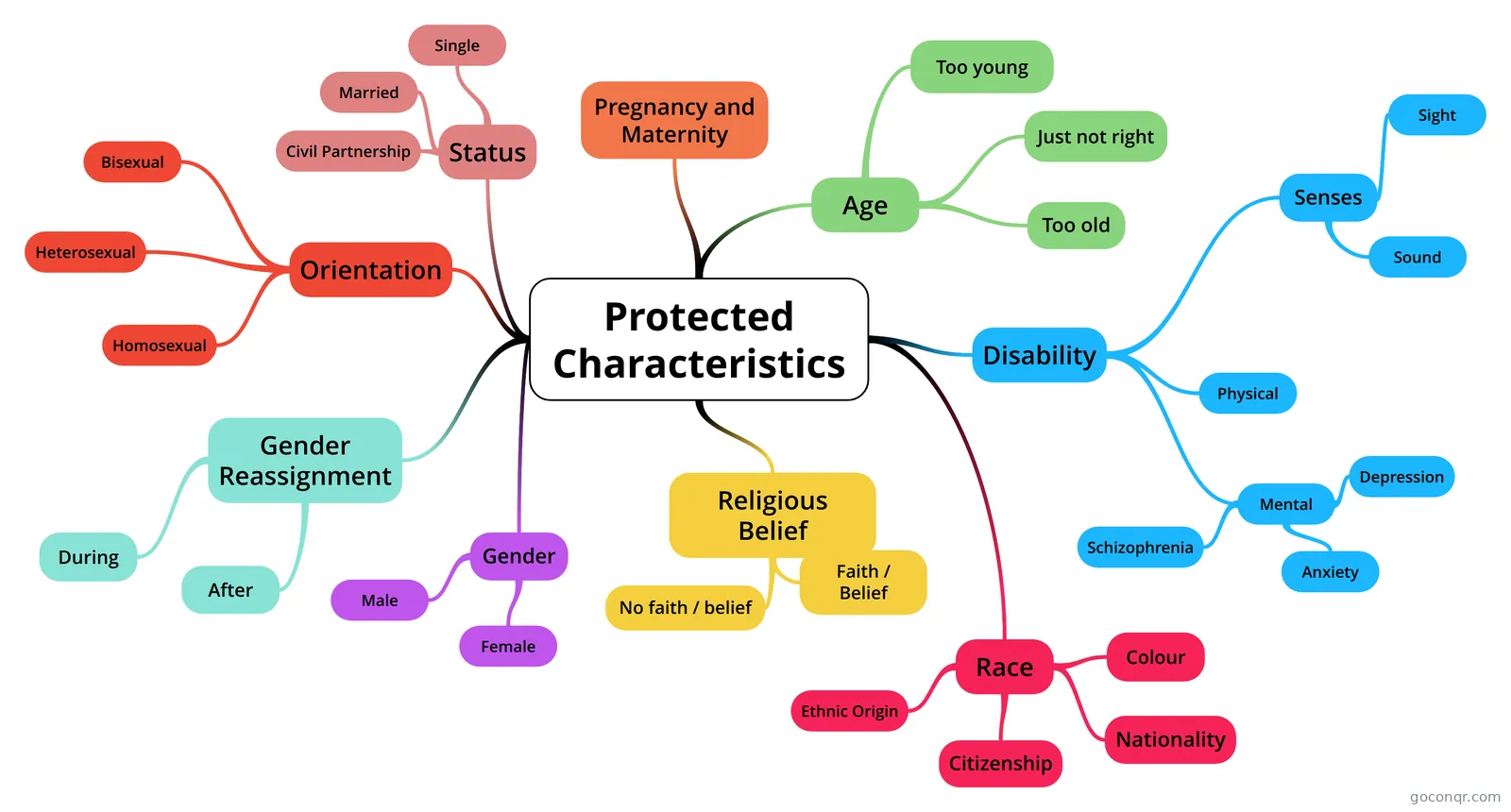 Mind map Protected Characteristics
-
12 questionsEthics Crapola During The Regents of the University of California v. Allan Bakke, Allan Bakke applied and was rejected to ...
-
8 cardsFreedom of Person art 2 ECHR ctd
-
20 cardsSeparate but Equal Myesha separate but equal.
-
12 cardsModule 5 Who has the right to appeal?
-
 Mind map Discrimination against women Legal Studies Human Rights
Quizzes
Mind maps
See all 64 mind maps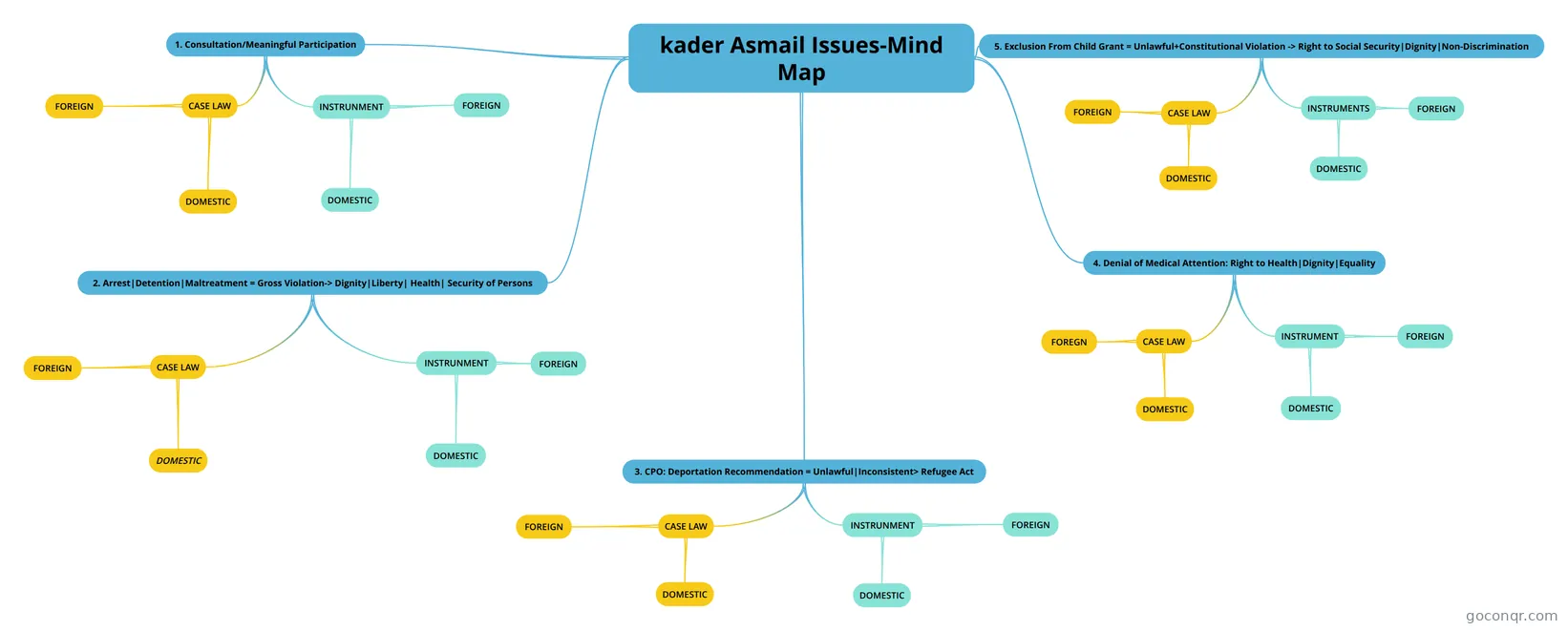
Flashcards
See all 32 flashcards-
75 cardsLA4 Protection of Civil Rights and Liberties; A Bill of Rights? What is the ECHR and its background?
-
7 cards(Articles) Freedom of Person art 2 ECHR
-
8 cardsFreedom of Person art 2 ECHR ctd
-
20 cardsSeparate but Equal Myesha separate but equal.
-
12 cardsModule 5 Who has the right to appeal?
-
8 cardsLegal Studies Chapter 6 Bill of Rights
More Law (general and introduction) topics
About Human Rights
GoConqr OriginalWhat the page covers
Much of this unit follows the European Convention on Human Rights. The flashcard deck (Articles) Freedom of Person runs through Articles 2, 3 and 5, including the right to life and the sub-parts of Article 5. The mind map Article 2: Right to Life adds case detail, such as Stewart v UK and the test of absolute necessity.
Other maps cover Article 6: Right to a fair trial and Open Justice and Human Rights. Privacy and expression have their own material, including What is Privacy? and Article 10 and Contempt of Court.
Where to start
- Begin with ECHR and it's background or The Human Rights Act (1998) to get the framework.
- Move to the article-by-article maps and decks, such as ARTICLE 3 and Freedom of Person.
- Use Declaration of Incompatibility and HR vs Parl. Sov. to see how rights meet parliamentary sovereignty.
Beyond the Convention
The page also reaches wider. There are maps on Guiding Principles on Business and Human Rights, Exclusion from Refugee Protection and Protected Characteristics. The deck The Canadian Charter of Rights and Freedoms offers a comparison. For school students, MOD 2 HUMAN RIGHTS - HSC LEGAL STUDIES covers the UDHR and the 1966 Covenant. Other resources mention A-level Law and the BPTC.
Using quizzes and maps together
Read a map first, then take the *Human Rights Law* quiz without notes. Note the points you missed and go back to the matching map or deck. Cases such as Airey v Ireland or the Begum question maps work well as recall prompts: cover the map and say the facts aloud.
Where it fits
This unit sits in the Public Law strand of Law (general and introduction). Every resource was made by GoConqr users, so styles vary. Pick one that suits your course, and try adding your own flashcards for gaps you spot.
Frequently asked questions
Which resource should I open first?
Start with the flashcard deck ECHR and it's background or the mind map The Human Rights Act (1998). Both set out the framework. After that, move to the article maps, such as Article 2: Right to Life and Article 6: Right to a fair trial, for case detail.
What do the mind maps cover?
There are over 60 mind maps. They cover individual Convention articles, privacy, open justice, religion and the Begum case, protected characteristics, refugee protection, and business and human rights. Some also compare rights with parliamentary sovereignty, so you can pick by topic or by case.
Are the resources free to use?
Yes. Every resource listed here is free to open, study and take, with no account needed. A free account also saves your quiz scores and lets you make your own quizzes, mind maps, flashcards and notes.
Which levels and exams does this page suit?
Most resources are aimed at university students and professional candidates, with a smaller share for school students. Listed resources mention A-level Law and the BPTC. Teachers can use the decks and maps as ready-made revision material for their classes.
Who made these resources?
The resources were made by GoConqr users, not by GoConqr itself. Over 90 contributors have added to this unit, so the style and depth differ between items. It helps to check a few on the same topic and compare them.
What if I can't find my topic?
Check related titles first, since topics such as privacy, free speech and discrimination appear across several decks and maps. If something is still missing, you can build your own flashcards or mind map from your course notes.