
Flashcards
Psychopathology: Phobias (Harry Potter Example)
Cards in this deck (36)
- 1Psychology:Psychopathology:
Phobias - 2Define a phobiaA phobia is an irrational fear of a specific object, person or situation
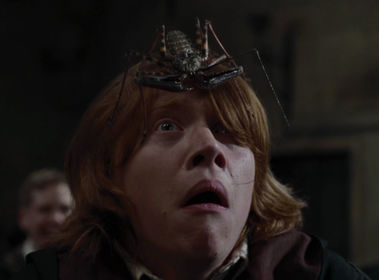
- 3Give examples of legitimate phobias according to the DSMSpiders
Closed spaces
- 4How many subtypes of specific phobias are there?5
- 5List the Subtypes1) Animal type
2) Environmental Dangers
3) Blood-injection-injury
4) Situational type
5) 'Other' - 6Define AgoraphobiaA fear of open spaces, using public transport, waiting in line, being in a crowd and not being at home
- 7List the cognitive symptoms of phobiasIrrational beliefs about the stimulus
Hard to concentrate
Preoccupied with anxious thoughts
- 8List the behavioural symptoms of phobias1) Avoiding social situations (It causes anxiety)
2) Trying to avoid the feared object or situation
3) Restless and easily startled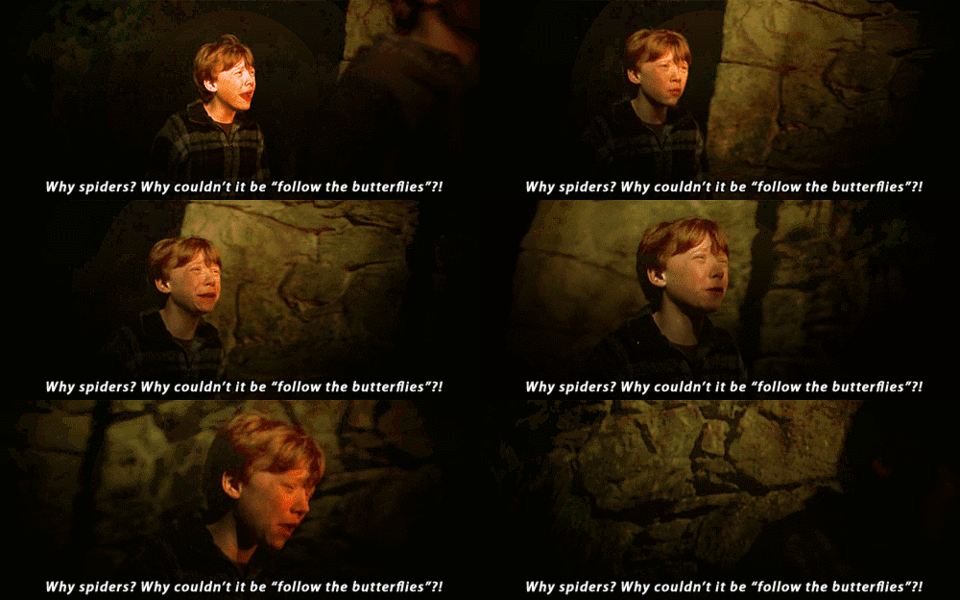
- 9List the physical symptoms of phobias1) Fight or flight

- 10List the emotional symptoms of phobias1) Anxiety
2) Feeling of Dread - 11What are the criteria to classify an individual's fear as a phobia, according to the DSM1) Fear towards object or situation should last more than 6 months
2) People must experience an anxiety response towards phobia
3) Out of proportion to any actual danger
4) Sufferers go out their way to avoid the fear
5) It disrupts their lifestyle - 12Section 2Explanations of Phobias
(Behavioural approach)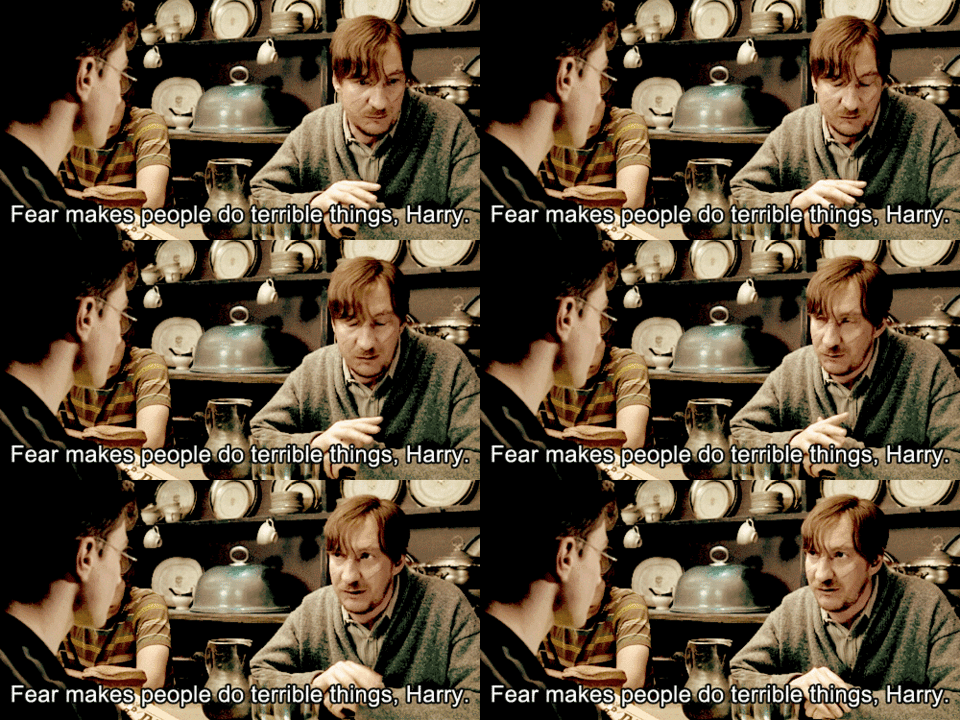
- 13Briefly state how phobias are caused, according to the Behavioural ApproachClassical and Operant Conditioning
- 14How can classical conditioning cause phobias?The original fear response becomes associated with a particular stimulus
(Eg - Voldemort could be associated with the philosophers stone or dementors)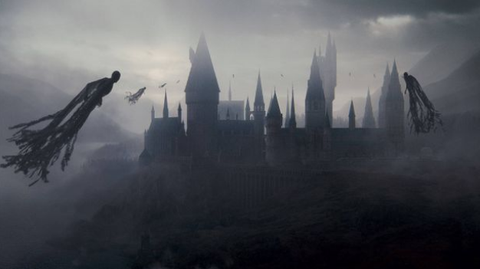
- 15Provide an example of a phobia using a diagram like thisUCS (Murder) -> UCR/Natural reflex (Fear)
CS (Knife) -> UCR (Fear)
CS (Knife) -> CR (Fear)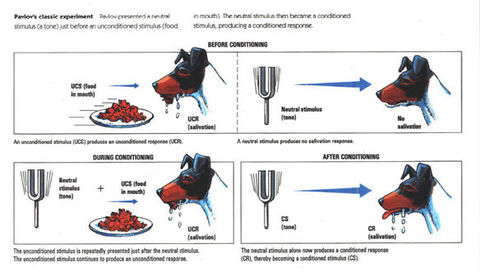
- 16Harry Potter Youtube: Classical Conditioninghttps://www.youtube.com/watch?v=B5eTpZHnUes
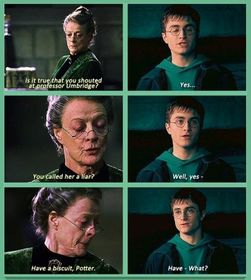
- 17Define Operant conditioningLearning from the consequences of actions
- 18How can operant conditioning be used to explain phobias?It maintains phobias
- 19How invented the Two-Process ModelMowrer
- 20How is the Two-Process Model relevant to Operant and Classical ConditioningIt explains how phobias are produced and maintained using its methods
- 21Explain Mowrer's Two-Process ModelClassical Conditioning = Causes Phobia
Operant Conditioning = Maintains it (Avoid Phobias, acts as Negative Reinforcement) - 22Provide a strength to the Behavioural Approach to Phobias (Barlow and Durand)Barlow and Durand showed that in cases of individuals with a severe fear of driving, 50% of them had actually been involved in a road accident. Classical Conditioning has caused the UCS (Accident) to be associated with other stimuli such as driving (CS), thus resulting in the same response (Fear)
- 23Provide a further strength to the Behavioural Approach to Phobias (Therapies)Behavioural therapies are very effective when treating phobias as it aims to get the individual to alter their response to the UCS. Suggesting they treat the cause, which is conditioning
- 24Provide a weakness to the Behavioural Approach to Phobias (Davey)Davey found that only 7% of spider phobics recalled having a traumatic experience with a spider, thus showing that individuals have not been conditioned to grow a fear to spiders
- 25Provide a further weakness to the Behavioural Approach to PhobiasIt is highly deterministic. Not all individuals gain an irrational fear from experiences.
- 26Section 3Treating Phobias
- 27List the two type of Behavioural treatments for phobias1) Systematic Desensitisation
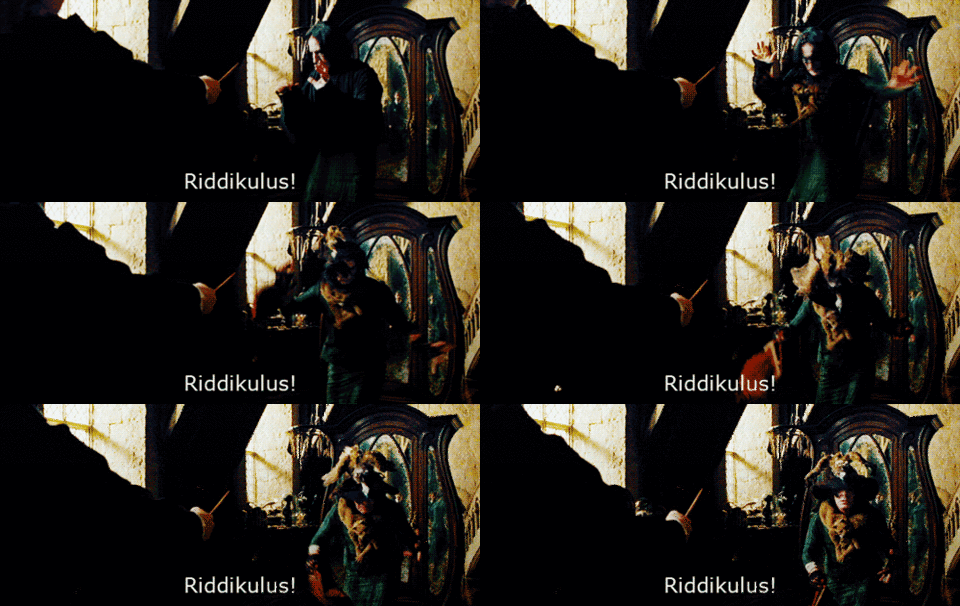
2) Flooding - 28What is the Behavioural treatment for phobias based on?Classical Conditioning
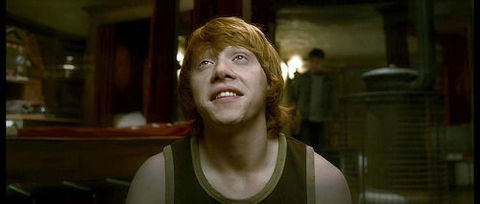
- 29What is the aim of Systematic Desensitisation?For individuals to associate the phobic stimulus with relaxation rather than fear
- 30What is the first step of Systematic Desensitisation?The individual creates a 'Fear Hierarchy'. This is a list of feared events, showing what they fear least, to their most feared event
- 31Give an example of a lesser feared event and someone's most feared event if an individual's fear was a spiderLeast feared event = Hearing the word 'Spider'
Most feared event = Holding a spider/ Confronting spider
- 32What is the second and final step of Systematic DesensitisationThe individual is taught relaxation techniques to use when going through the fear hierarchy.
The patient then has to imagine each step until he is calm using the techniques - 33What is flooding?The individual is confronted with her/his phobia straight away, without no lead-up. This can be done in real life or visualised. They are kept under these circumstances until their anxiety has worn off. The are aware that nothing bad has happened to them, and their fear would be extinguished

- 34Provide a strength for the Behavioural Treatment to Phobias (Zinbarg)It is very effective for treating certain phobias. Zinbarg et al found that systematic desensitisation was the most effective method of all
- 35Provide a further strength for the Behavioural Treatment to Phobias (Ost et al)It is practical as it works very quickly. Ost et al found that anxiety was reduced in 90% of patients with a specific phobia after just one session of therapy
- 36Provide a weakness for the Behavioural Treatment to PhobiasIt can be very unethical, particularly flooding as it may provide the opposite effect it was intended to give.
Information
- Description
- A2 Psychology (Psychopathology) Flashcards on Psychopathology: Phobias (Harry Potter Example), created by Ashleigh Gildroy on 22/12/2016.
- Created by
- Ashleigh Gildroy · Dec 2016
- Updated
- Feb 15, 2017
- Views
- 99
- Tags
- Rating