
Molecular Biology and Genetics
98 resources created by 88 users
This Molecular Biology and Genetics page on GoConqr gathers community-made quizzes, mind maps, flashcards and notes, from DNA structure, replication and repair to transcription, translation, proteomics and DNA techniques. It's built for university students and professional candidates revising a topic or filling gaps, and for teachers after ready-made material. There are over 90 resources here, including more than 20 quizzes, 20 mind maps and 40 flashcard decks, shared by over 80 contributors. Pick a topic, try a quiz to find your gaps, then make your own revision sets.
Top Molecular Biology and Genetics resources
-
45 cardsExam 1 Prep What is the Shine-Dalgarno Sequence?
-
15 questionsDNA structure, replication and repair What are the differences between prokaryotic and eukaryotic cells? Check all that apply.
-
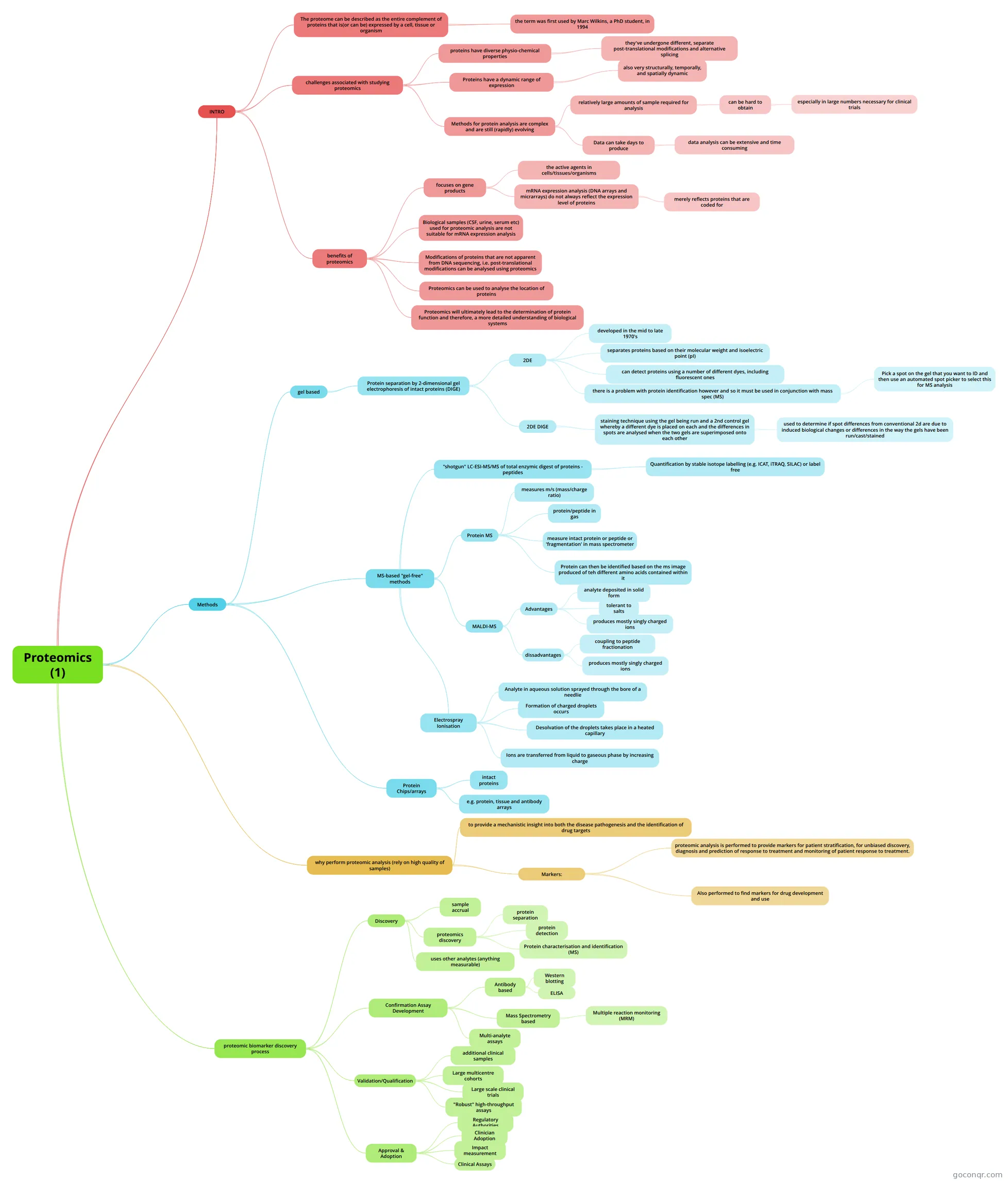 Mind map Proteomics (1)
-
37 cardsNucleic acid structure How can proteins interact with DNA?
-
57 cardsBiochemistry - Step 1, first aid
-
34 questionsBCHM Quiz 4 Allolactose has an important role in regulation of the lac operon because:
-
72 cardsDNA repair and replication part 3. What is the Origin of Replication?
-
55 cardsMolecular Biology L2 How does transcription begin?
Quizzes
See all 29 quizzes-
15 questionsDNA structure, replication and repair What are the differences between prokaryotic and eukaryotic cells? Check all that apply.
-
34 questionsBCHM Quiz 4 Allolactose has an important role in regulation of the lac operon because:
-
7 questionsRNA Structure
-
163 questionsMolecular biology quiz properties of DNA include
-
44 questionsMolecular Biology Lecture 3 What is the genetic code? Choose all correct answers.
-
43 questionsMM exam 4th quiz Interstrand base pairing
-
66 questionsPrivate molecular biology
-
32 questionsBiochemistry HW 3 A common cloning strategy for introducing foreign genes into plants with Agrobacterium employs all the foll...
Mind maps
See all 21 mind maps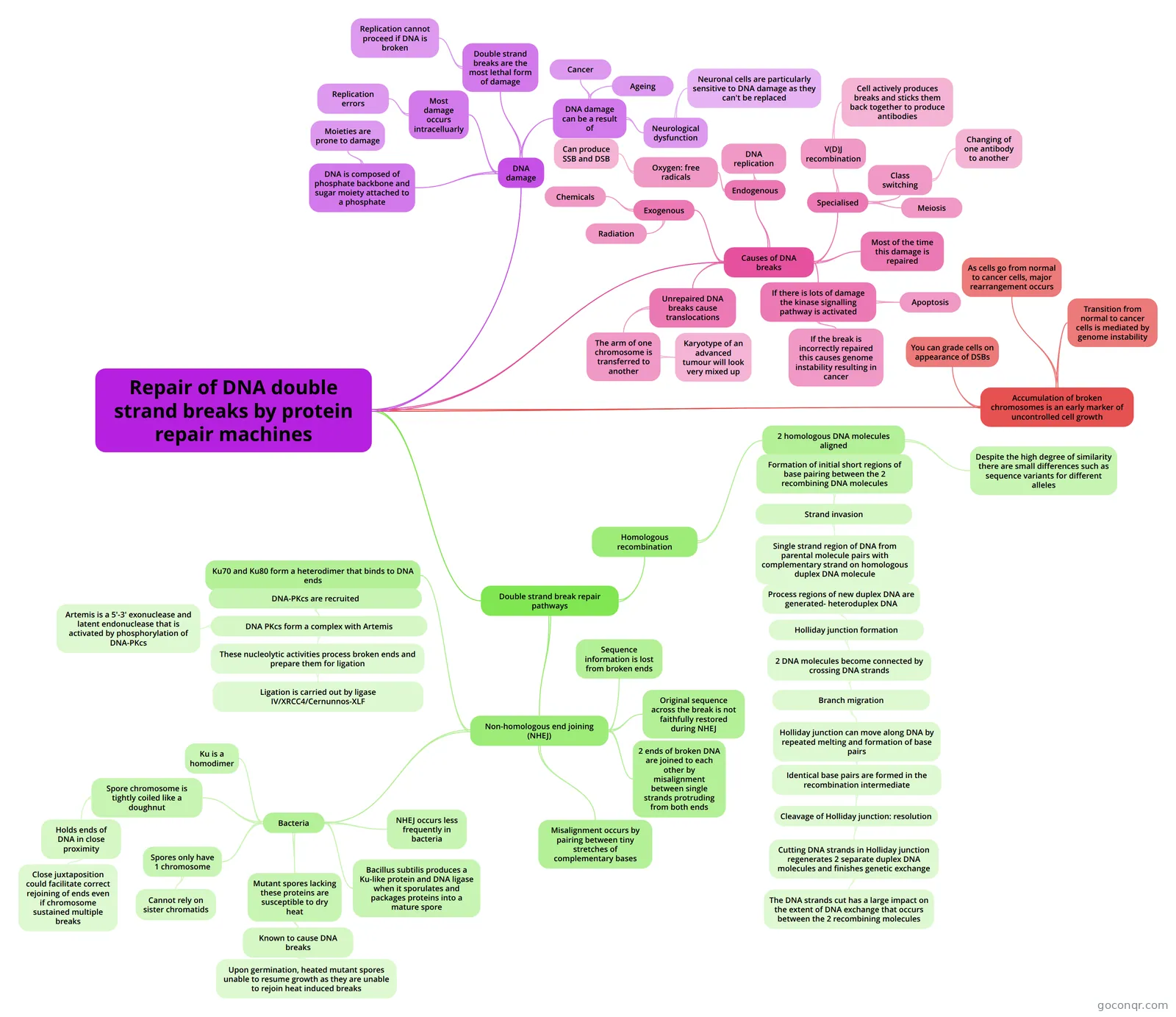

Flashcards
See all 42 flashcards-
45 cardsExam 1 Prep What is the Shine-Dalgarno Sequence?
-
37 cardsNucleic acid structure How can proteins interact with DNA?
-
57 cardsBiochemistry - Step 1, first aid
-
72 cardsDNA repair and replication part 3. What is the Origin of Replication?
-
55 cardsMolecular Biology L2 How does transcription begin?
-
23 cardsFinal exam - DNA replication Central dogma of molecular biology Watson vs. Crick
-
42 cardsMolecular Biology L1 What is the intermediate between genes as DNA?
-
46 cardsUnit 1C what are the models of DNA replication
Flowcharts
Notes
-
Microarray - created from Mind Map
-
Proteomics - created from Mind Map
-
PCR The PCR - amplify a sequence of DNA using a pair of oligonucleotide primers each complementary to one end of the DNA target sequence. These are extended towards each other by a thermostable DNA polymerase in a reactio...
-
Weeks 3/4 Notes add a chemical to induce Induction by IPTG is like induction with the lac operon There is a repressor in the way that prevents RNA polymerase from reading the rest of the strand. Lactose binds to the repressor and cau...
Slides
Topics in Molecular Biology and Genetics
More Biochemistry topics
About Molecular Biology and Genetics
GoConqr OriginalWhat this unit covers
The resources follow the path from genes to proteins. You will find material on nucleic acid structure, DNA replication and repair, transcription, translation, and the techniques used to study all of it. Every resource here was made by GoConqr users, and all of it is at university level.
Where to start
Begin with the quiz DNA structure, replication and repair. It asks you to compare prokaryotic and eukaryotic cells, and it flags traps such as the idea that prokaryotic DNA is complexed by histones. Then work through the flashcard decks Molecular Biology L1 and Molecular Biology L2. They move from cell basics to how transcription begins and where the promoter sits.
Next, try Nucleic acid structure for B form DNA and the forces that stabilise or destabilise it. DNA repair and replication part 3. covers the origin of replication and topoisomerases, including the drugs that target them.
Using quizzes and maps together
Open a mind map first to see the whole picture, then test yourself. The Proteomics (1) mind map defines the proteome and its origins. Transcription, DNA sequencing and PCR (Polymerase Chain Reaction) give you overviews of methods and processes. After each map, take a quiz and note what you missed. The quiz BCHM Quiz 4 tests the lac operon and the TATA binding protein, which suits that kind of check.
Exam-style revision
Some resources are written with exams in mind. Exam 1 Prep asks about the Shine-Dalgarno sequence, the Hayflick number and the nuclear localisation sequence. Biochemistry - Step 1, first aid covers chromatin, histone modification, and purines versus pyrimidines. The listed resources mention USMLE, so these decks may suit candidates preparing for it. Teachers can pick any quiz or deck to set as a starter or a recap.
Where it fits
This unit sits in the Molecular Biology and Gene Expression strand of Biochemistry. Choose one topic that you find hard, work through a map and a quiz, then build your own flashcards from what you got wrong.
Frequently asked questions
Which resource should I open first?
Start with the quiz DNA structure, replication and repair. It checks the differences between prokaryotic and eukaryotic cells and shows common mistakes. After that, the flashcard decks Molecular Biology L1 and Molecular Biology L2 build up the basics of the cell and transcription.
What do the mind maps on this page cover?
They cover topics such as proteomics, transcription, micro RNAs and small RNAs, RNA sequencing, DNA sequencing, DNA chips and PCR. There are also maps on DNA extraction and on the repair of DNA double strand breaks, so you can pair a method or process with a quiz.
Are the resources free to use?
Yes. Every resource listed here is free to open, study and take, with no account needed. A free account also saves your quiz scores and lets you make your own quizzes, mind maps, flashcards and notes.
Which levels and exams do these suit?
All the resources are at university level, so they suit university students and professional candidates, and teachers looking for ready-made material. The listed resources mention USMLE, and decks such as Biochemistry - Step 1, first aid are written with that kind of revision in mind.
Who made these resources?
They were made by GoConqr users, not by GoConqr itself. Over 80 contributors have shared quizzes, mind maps, flashcards and notes here. Because they come from different courses, check each resource against your own syllabus or lecture notes.
What if the topic I need is missing?
Try a nearby resource first. Topics like translation, the ribosome and aptamers appear in several decks, and the notes on PCR and microarrays may help too. If you still cannot find it, you can make your own flashcards, mind map or quiz.