
Network Models: OSI and TCP/IP
61 resources created by 50 users
This Network Models: OSI and TCP/IP page on GoConqr gathers community-made quizzes, mind maps, flashcards and notes, from the seven OSI layers and data encapsulation to TCP/IP transport, IP addressing and port numbers. It's built for university students and professional candidates, school students, and teachers after ready-made material, all practising layer functions and protocols. There are over 400 resources here, including more than 70 quizzes, more than 200 mind maps and over 80 flashcard decks, with some aimed at CCNA and CCENT revision. Pick a quiz to find your gaps, then study the maps.
Top Network Models: OSI and TCP/IP resources
-
200 questionsNetworking In version field of IPv4 header, when machine is using some other version of IPv4 then datagram is
-
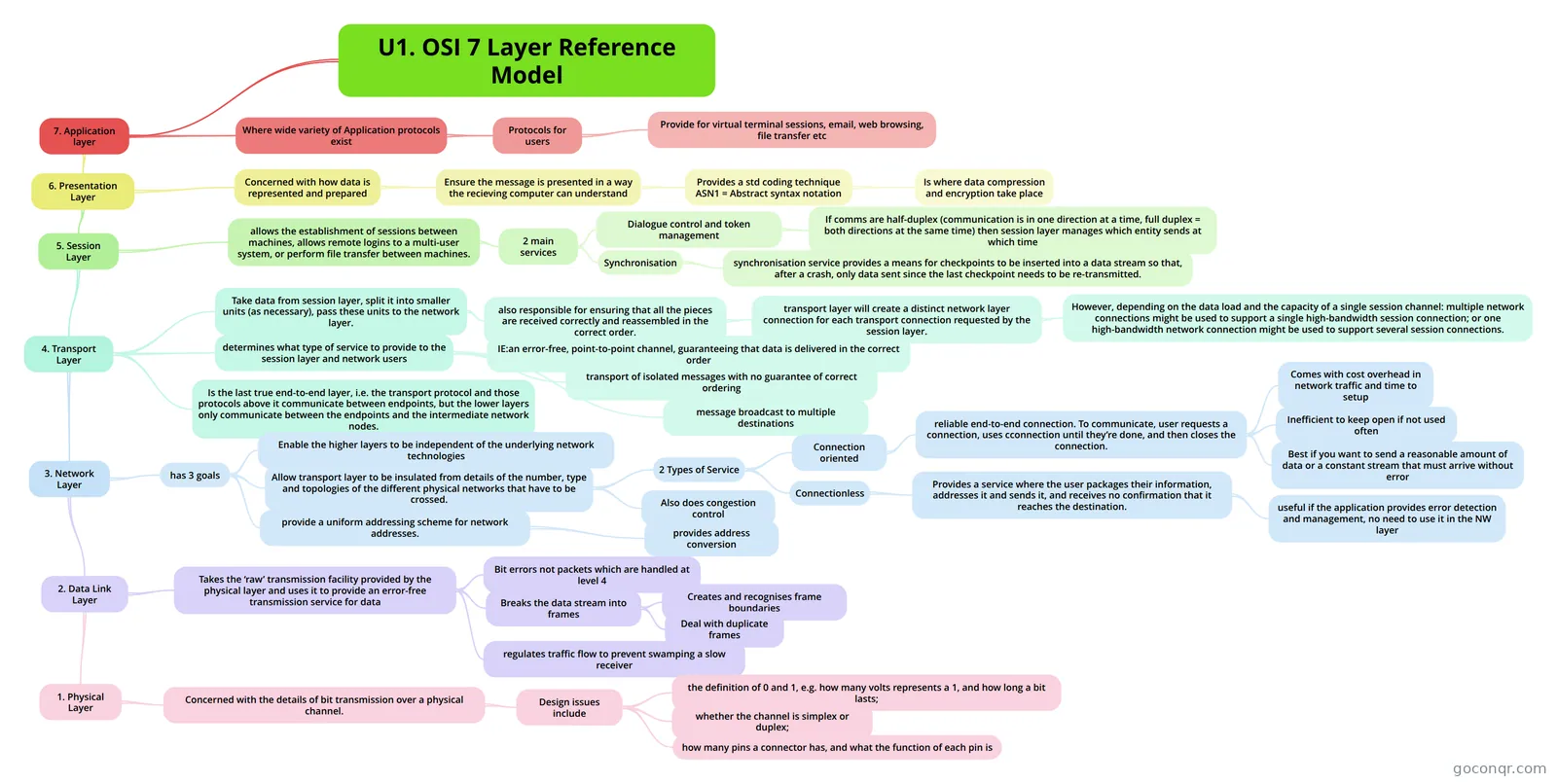 Mind map U1. OSI 7 Layer Reference Model
-
39 questionsTCP/IP and the DoD Model The Department of Defense created the DoD model which is made of four layers. What are they?
-
13 questions1.2 OSI Layers Quiz TCP and UDP reside at which layer of the OSI model?
-
7 questionsDIKTA ICND1 Ch 5 Which of the following is not a feature of a protocol that is considered to match OSI Layer 4?
-
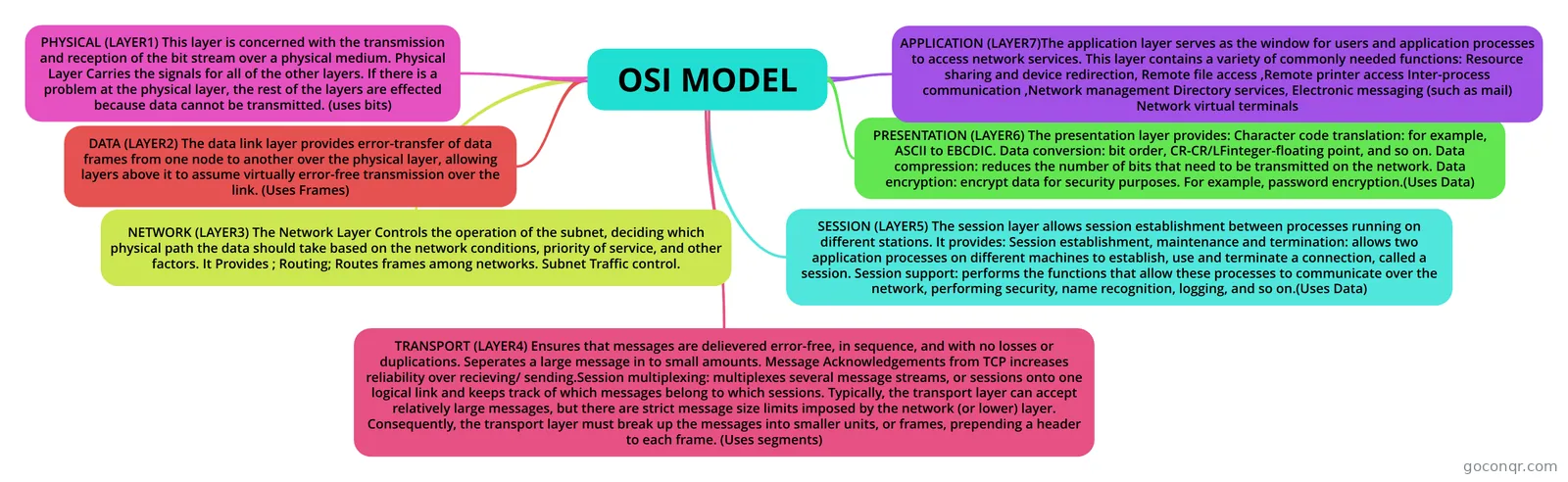 Mind map OSI MODEL
-
8 questionsDo I know this already? Introduction to TCP/IP networking Which of the following protocols are examples of TCP/IP transport layer protocols? (Choose two answers)
-
6 questionsNetwork Layers & Protocols Quiz
Quizzes
See all 17 quizzes-
200 questionsNetworking In version field of IPv4 header, when machine is using some other version of IPv4 then datagram is
-
39 questionsTCP/IP and the DoD Model The Department of Defense created the DoD model which is made of four layers. What are they?
-
13 questions1.2 OSI Layers Quiz TCP and UDP reside at which layer of the OSI model?
-
7 questionsDIKTA ICND1 Ch 5 Which of the following is not a feature of a protocol that is considered to match OSI Layer 4?
-
8 questionsDo I know this already? Introduction to TCP/IP networking Which of the following protocols are examples of TCP/IP transport layer protocols? (Choose two answers)
-
6 questionsNetwork Layers & Protocols Quiz
-
3 questionsMock Test Test
-
200 questionsMein Quiz What will Router1 do when it receives the data frame shown? (Choose three)
Mind maps
See all 20 mind maps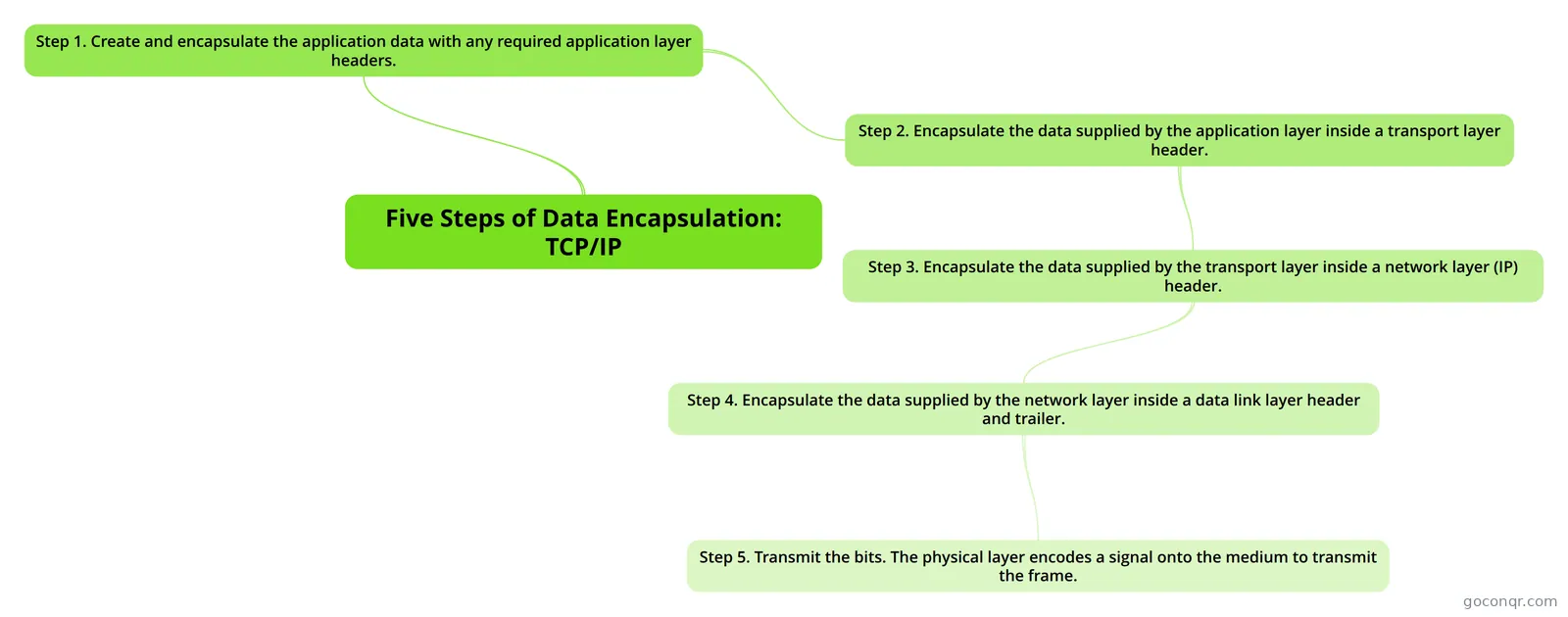
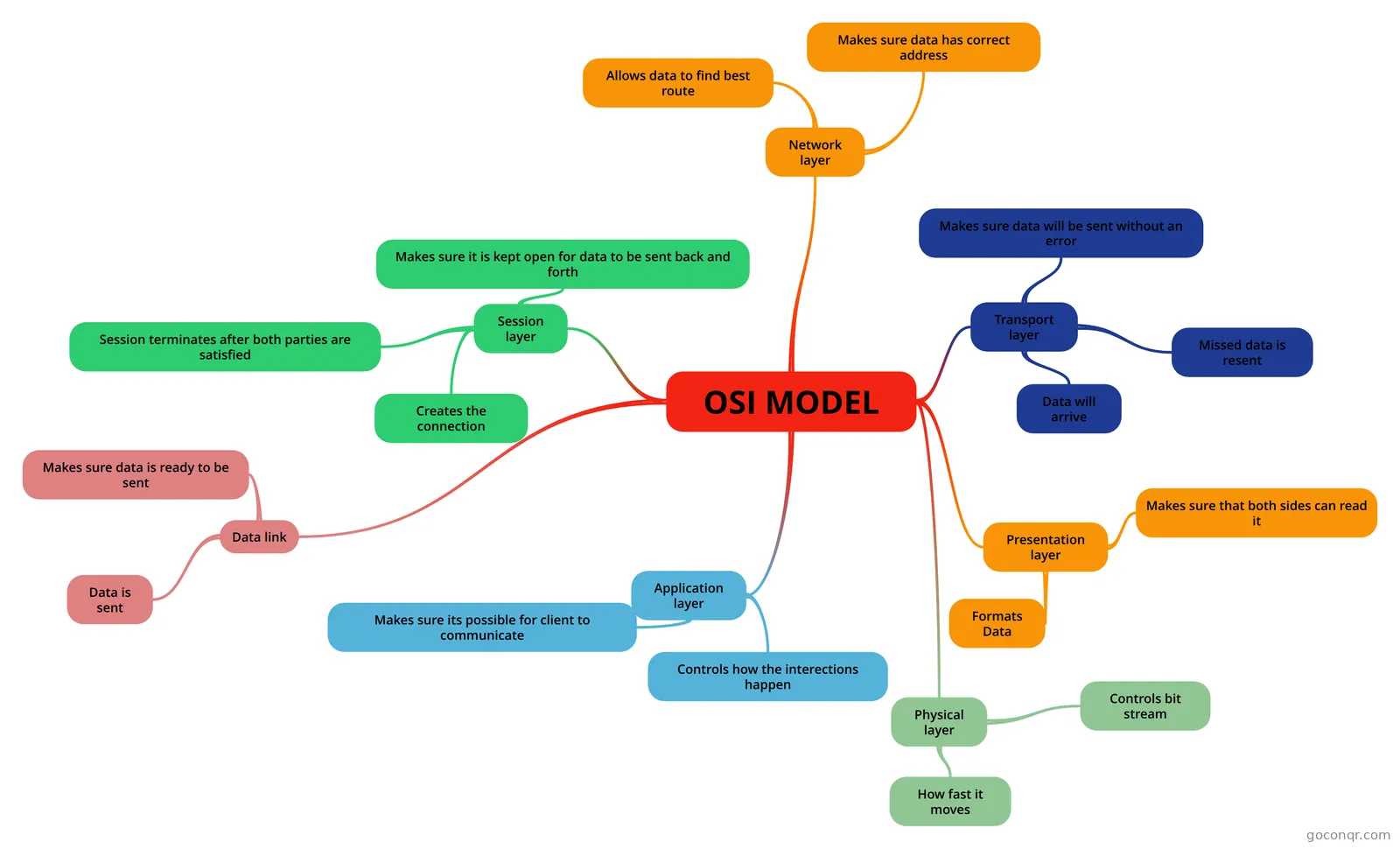
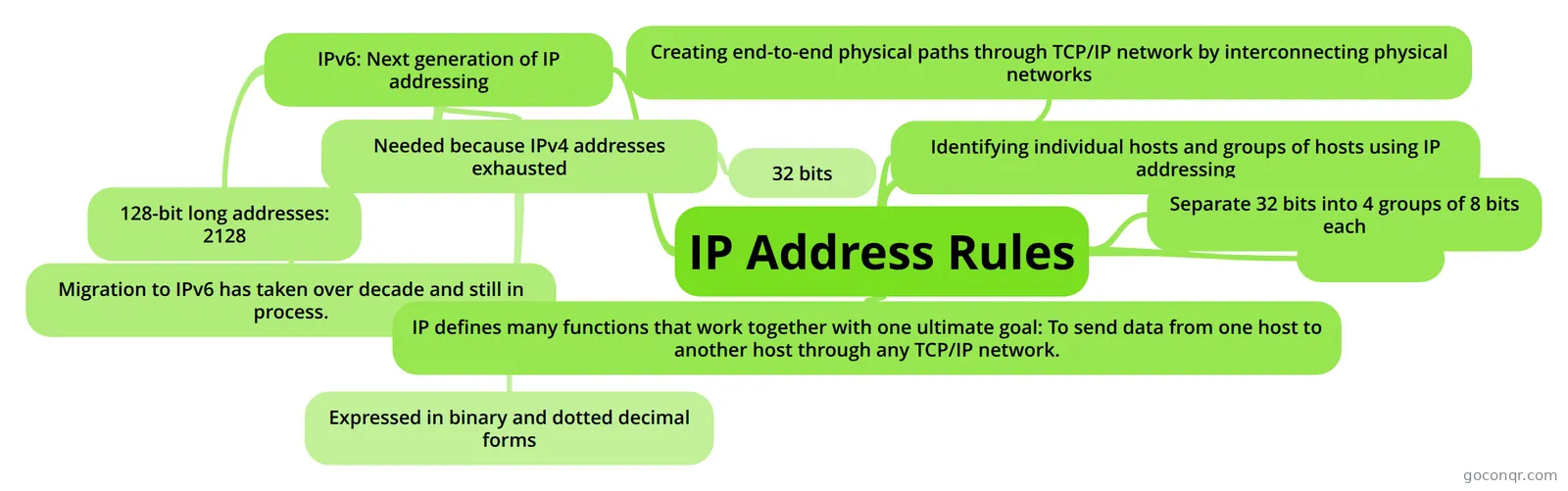
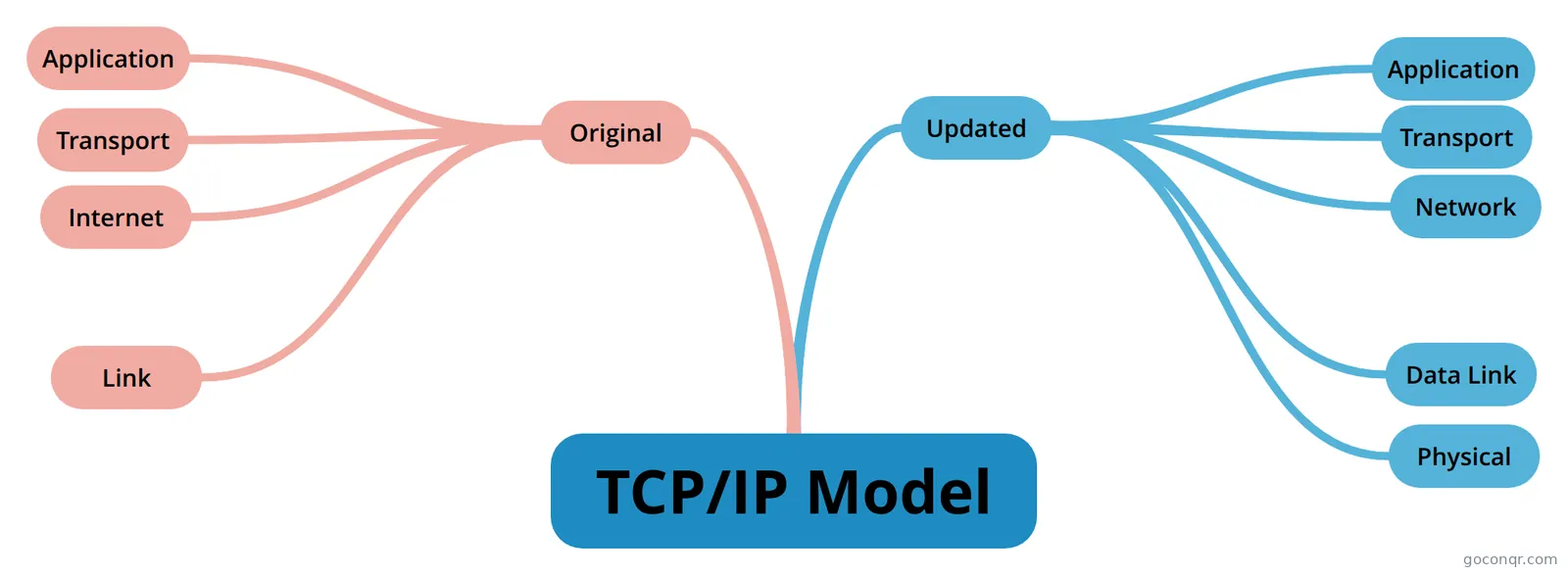
Flashcards
See all 16 flashcards-
124 cardsFinal Which two traffic types use the Real-Time Transport Protocol (RTP)? (Choose two.) video web file transfer v...
-
39 cardsCh 6-TCP/IP flashcards What are the 4 layers of the DOD model?
-
25 cardsPhysical Layer 2 What is the lowest layer in the ISO OSI model?
-
75 cardsOSI Model End User Layer
-
22 cardsPort # Assignments Review of Port number assignments its function and whether TCP, UDP and SCTP
-
14 cardsChapter 2-OSI model flashcards Which layer determines the availability of communicating partners
-
16 cardsweek 6 quiz prep main topics covered in lectures
-
15 cardsTCP/IP What does FTP stand for and port number(s)?
Notes
-
The OSI Model StandardsWe have a lot of hardware; computers, network cards, motherboards, bridges, switches, cables, routers, firewalls, satellites and the list goes on. But how is all this managed? We have different network topolo...
-
Network Layer & Routing Data Link LayerThe Data Link Layer takes packets from the Network Layer above, it then creates Frames before sending them to the Physical Layer below them.It is also responsible for detecting and correcting errors in ...
-
Same-Layer and Adjacent-Layer Interactions Same-layer interaction on different computers The two computers use a protocol (an agreed-to set of rules) to communicate with the same layer on another computer. The protocol defined by each layer uses a header that ...
-
The Physical Layer The Physical LayerAs you've seen from my last set of notes, the Physical Layer is the foundation on which a computer network is built. The properties of different kinds of physical channels determines the performance,...
-
OSI Layer Model Application - Ensures effective communication with applications. eg HTTP FTP Presentation - Appropriate for recipient, format file transfers. Session - Manages setup between communicating end points. (Manages the conn...
-
Perspectives on Networking The perspective on how you see Networking depends on what side you are, the End User's side or the Network Engineer's side. A Networking model, can be called networking architecture or networking blueprint, it is a co...
-
layers of network (OSI Model)
Slides
More Networks and telecommunications topics
About Network Models: OSI and TCP/IP
GoConqr OriginalWhat this unit covers
This unit sits in the Networking Foundations strand of Networks and telecommunications. It compares two ways of describing how data moves across a network: the seven-layer OSI model and the TCP/IP model. The resources were made by GoConqr users, and they range from short flashcard decks to full chapter quizzes.
Where to begin
Start with the notes on Same-Layer and Adjacent-Layer Interactions. They explain how two computers use a protocol, an agreed set of rules, to talk to the same layer on another machine. Then open the mind map U1. OSI 7 Layer Reference Model, which walks from the Application layer down to the Physical layer.
Next, move to the TCP/IP side. The quiz TCP/IP and the DoD Model asks about the four layers of the Department of Defense model and how they line up with OSI layers.
Encapsulation and layer names
The mind map Five Steps of Data Encapsulation: TCP/IP shows how application data gains headers as it moves down the stack. The Network Layers & Protocols Quiz then asks you to match each layer with its unit of data, such as bits, frame, packet and segment.
Using quizzes and maps together
- Read a mind map to get the shape of a layer.
- Take a quiz on the same layer, such as 1.2 OSI Layers Quiz, which asks which layer TCP and UDP belong to.
- Note what you missed and return to the map.
- Use flashcard decks such as Common Port Numbers to fix details in memory.
For exam-style practice, try DIKTA ICND1 Ch 5, which explains why error recovery, flow control and segmentation belong to TCP, or the quiz Cisco CCENT.
Make it your own
Once you have worked through a few resources, build a mind map or flashcard set in your own words and see which layers still feel shaky.
Frequently asked questions
Which resource should I open first?
Begin with the notes on Same-Layer and Adjacent-Layer Interactions, which explain how a layer talks to the same layer on another computer. After that, the mind map U1. OSI 7 Layer Reference Model gives a quick tour of all seven layers before you try a quiz.
Which quiz tests the layers directly?
The 1.2 OSI Layers Quiz asks which layer TCP and UDP sit at, and the Network Layers & Protocols Quiz asks you to match each layer with its data unit. Both are short and suit a first check of what you know.
What do the mind maps cover?
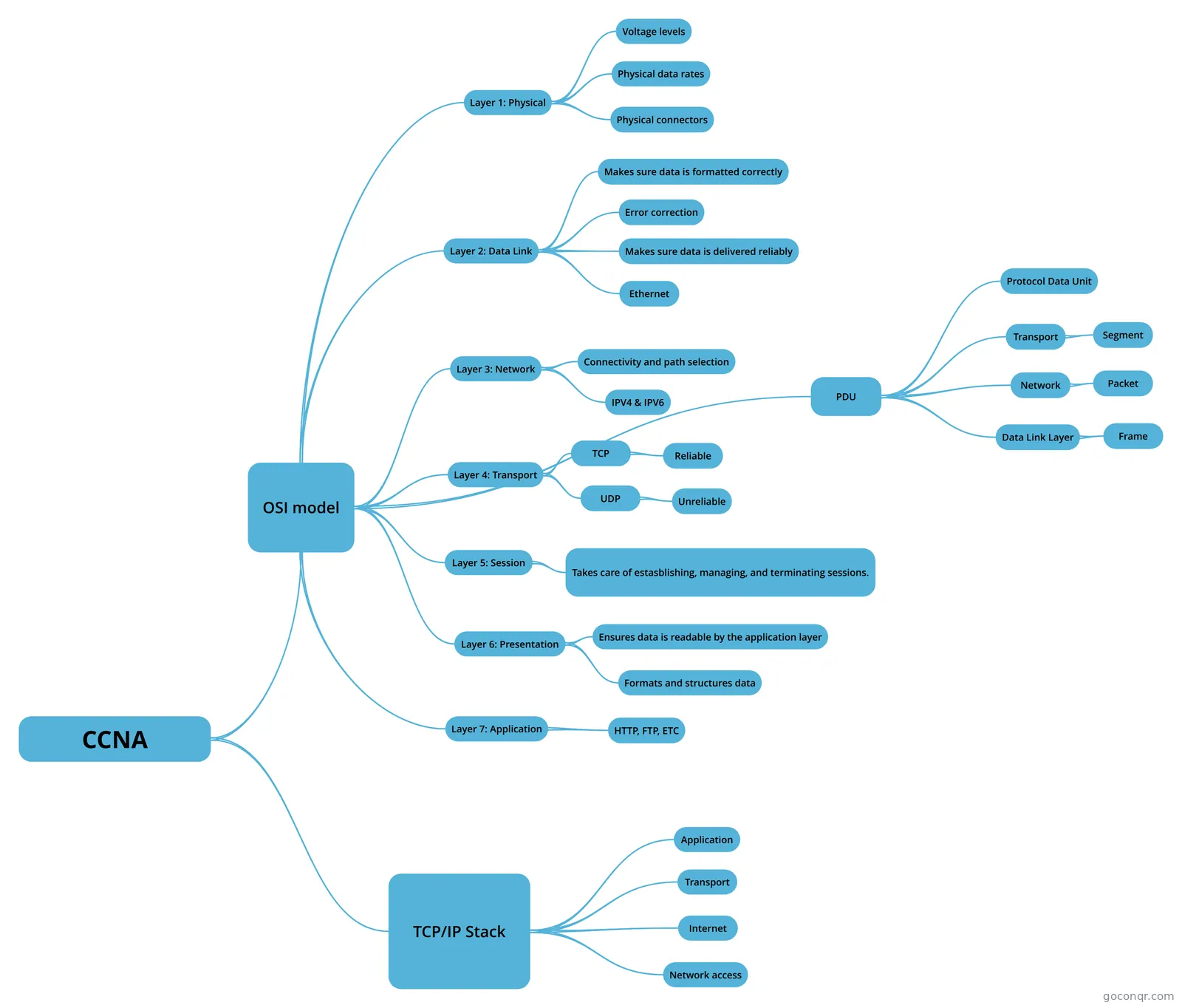
There are over 200 mind maps. They cover the OSI layers and their functions, TCP/IP networks, the Internet Protocol, IP address rules, transport protocols and the five steps of data encapsulation. Some follow textbook chapters, so you can pick one that matches your reading.
Are these resources free, and who made them?
Yes. Every resource listed here is free to open, study and take, with no account needed. They were made by GoConqr users, not by GoConqr itself. A free account also saves your quiz scores and lets you create your own quizzes, maps, flashcards and notes.
Which exams do the resources relate to?
Some listed resources mention CCNA and CCENT, and there are quizzes such as Cisco CCENT and CCENT Ch.2 Study Exam. Most of the material is at university or professional level, with a smaller share suited to school students.
What if I cannot find a topic I need?
Try searching related terms such as ports, ICMP, IPv6 or the physical layer, as separate decks and notes exist for each. If a topic is still missing, you can make your own mind map, flashcards or notes and share them with others.