
Mapa mental
Methods, Approaches, and Strategies for EB Students
Contenido del mapa
Methods, Approaches, and Strategies for EB Students
Metacognitive strategies
- learners follow steps while learning to self regulate: - plan/organize - monitor/identify problems - evaluate tasks - manage learning
- Example: Completing a STEM activity using a graphic organizer to follow the steps listed above (click page icon to see example)
- https://docs.google.com/document/d/1_J5rikQ55qInynzKfPje1YtzK5sx8KHWQ5OU4Mmmo-Y/edit?usp=sharing
- Example: Completing a STEM activity using a graphic organizer to follow the steps listed above (click page icon to see example)
- learners follow steps while learning to self regulate: - plan/organize - monitor/identify problems - evaluate tasks - manage learning
Task Based Strategies
- cognitive, affective, memory, social, and sensory strategies are all apart of this strategy using CALLA method
- Students use prior knowledge and senses to complete activities depending on the learner's preference
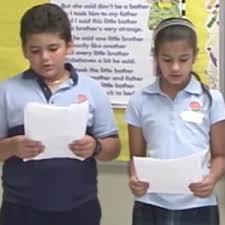
- Example: Using Reader's Theatre to read a passage; making a flow chart of organized information; using prior knowledge and inquiry to learn more about a topic using KWL charts
- Example: Using Reader's Theatre to read a passage; making a flow chart of organized information; using prior knowledge and inquiry to learn more about a topic using KWL charts
- Students use prior knowledge and senses to complete activities depending on the learner's preference
- cognitive, affective, memory, social, and sensory strategies are all apart of this strategy using CALLA method
5 Principles of Go-To Strategies
- Principle 1: Focus on academic language, literacy, and vocab
- Principle 2: Link prior knowledge and culture
- Principle 3: Increase comprehensible input and output
- Principle 4: Promote classroom interaction
- Principle 5: Stimulate higher order thinking & learning strategy use
- using teacher scaffolding to promote critical thinking skills among learners and allows students to use skills learned to apply it to their learning independently
- Example: Allowing students to use the expert and novice activity: https://docs.google.com/document/d/1S1cb2hGh-B-NX7d4mDLX1BaQ9pUVaJyHMMEx0p-aZL8/edit?usp=sharing
- using teacher scaffolding to promote critical thinking skills among learners and allows students to use skills learned to apply it to their learning independently
- the use of different interaction activities, games, etc. that allow students to practice speaking and listening
- Example: the use of strategies such as chat stations: https://www.cultofpedagogy.com/chat-stations/
- Principle 5: Stimulate higher order thinking & learning strategy use
- ensuring that the language and information is comprehensible through the use of modeling, guiding, pictures, and graphic organizers and allowing student ample time and opportunities to practice language
- Example: Teach! Teach! Activity: https://docs.google.com/document/d/1hekP30YSwG-5poUIU3c1Un6PBHH66enYPNYeXEMHjWc/edit?usp=sharing
- Principle 4: Promote classroom interaction
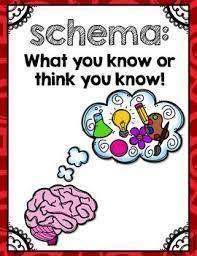
- activating student's schema prior to, during, and after lessons to enhance student understanding through the use of KWL charts, T charts, mind maps, picture walks, etc.
- Example: using the detective strategy seen here: https://docs.google.com/document/d/1QJ_rbSUcuWoeGOvReDnVO6eqxDSPm54xz4MLZNUZ87A/edit?usp=sharing
- Principle 3: Increase comprehensible input and output
- using graphic organizers, teacher modeled behavior, peer assistance and other supports to enhance student understanding of academic language
- Example: using a graphic organizer to clarify and organize information: https://docs.google.com/document/d/1VAc6ENpLFVYZLWVyCzKkz8a_aG0FIMoXotsP60YuhIc/edit?usp=sharing
- Principle 2: Link prior knowledge and culture
- Principle 1: Focus on academic language, literacy, and vocab
Integrated Content-Based Method
- this method of instruction typically uses a thematic unit and addresses content standards beyond one subject. It incorporates academic language as well as conversational language
- Example: A lesson on Black History Month that incorporates KWL charts, reading non fiction text, creating a graphic organizer, collaborating with peers, etc.
- Example: A lesson on Black History Month that incorporates KWL charts, reading non fiction text, creating a graphic organizer, collaborating with peers, etc.
- this method of instruction typically uses a thematic unit and addresses content standards beyond one subject. It incorporates academic language as well as conversational language
Sheltered Instruction Method
- this method uses multiple strategies and techniques to deliver instruction in a manner that is comprehensible for all learners
- SIOP uses hands on, visuals, guarded vocabulary, and cooperative learning within each lesson
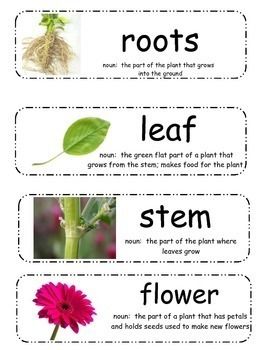
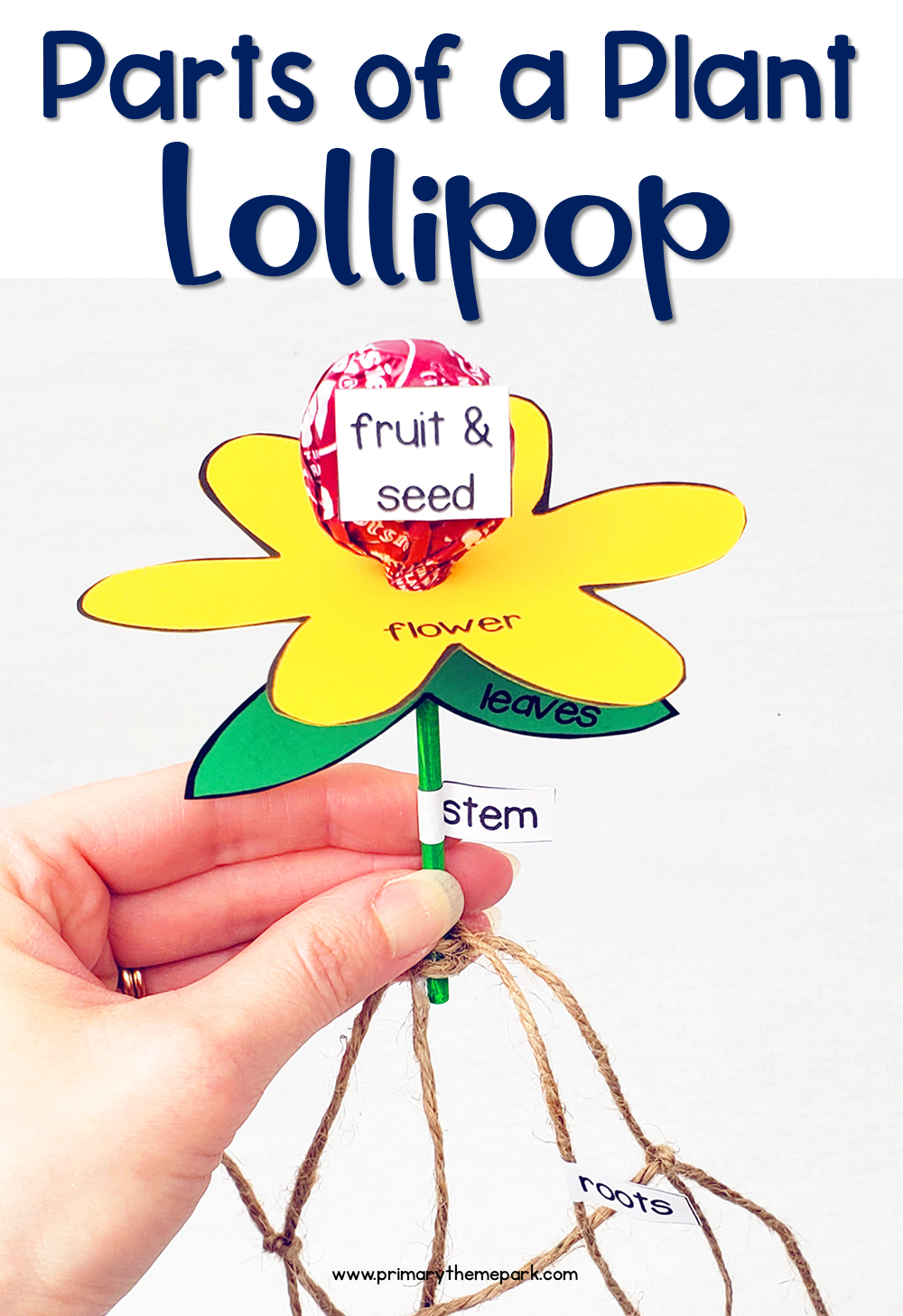
- Example: Identifying parts of a plant - pre teaching vocabulary using images - finding a hook activity to interest students - allowing students to work together to create a product
- Example: Identifying parts of a plant - pre teaching vocabulary using images - finding a hook activity to interest students - allowing students to work together to create a product
- SIOP uses hands on, visuals, guarded vocabulary, and cooperative learning within each lesson
- this method uses multiple strategies and techniques to deliver instruction in a manner that is comprehensible for all learners
Cognitive Academic Language Learning Approach
- this approach uses explicit instruction by a teacher to teach content material using cognitive strategies and allows learners to apply strategies on their own to achieve success and understanding in academic content
Imágenes y archivos del mapa

Información
- Descripción
- Mapa Mental sobre Methods, Approaches, and Strategies for EB Students, creado por Allison Clement el 10/03/2022.
- Creado por
- Allison Clement
- Visitas
- 4
- Etiquetas
- Valoración