
Flashcards
chapter 2

Cards in this deck (39)
- 1Neurosisrefers to an emotional disturbance, but the disturbance is usually not so severe as to prevent the individual who has it from functioning in normal society
- 2Catharsisan emotional release
- 3Unconscious processesforces of which a person is unaware
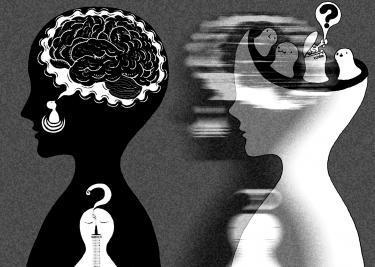
- 4Repressionthe blocking of a wish or desire from consciousness ,is unavoidable and necessary in order for civilized society to exist.
- 5Free Associationa patient is asked to verbalize whatever comes to mind, no matter how insignificant, trivial,or even unpleasant the idea,thought, or picture may seem
- 6Slipsblunged acts:a slip of the tongue , a slip of the pen , or lapse of memory
- 7Libidoan emotional and psychic energy derived from the biological drive of sexuality testifies to this shift in his thought
- 8Drivea psychological or mental representation of an inner bodily source of excitement
- 9Erosrefers to life impulses or drives ,those forces that maintain life processes and ensure reproduction of the species
- 10Thanatosencompassing death impulses or drives, is biological reality and the source of aggressiveness, and reflects the ultimate resolution of all of life's tension in death
- 11Polymorphous perversechildren's activities differ in many respects from reproductive sexual activity.
- 12Psychosocial Stagesstages in which different erogenous zones are important , children move from autoeroticism to reproductive sexuality and develop their adult personalities
- 13Oral Stagelasts from birth to approximately age one
- 14Anal stageexpected to occur in the second year of life
- 15Phallic Stageusually occurs between the ages of three and six
- 16Oedipus Complexfreuds concept
- 17Castration Anxietyhe fears phsyical retaliation from his father, in particular that he will lose his penis
- 18Electra Complex, however, have referred to the feminine version as the Electra complex. The pri- mary love object for girls is also the mother. Yet girls, on discovering the genitals of the opposite sex, abandon the mother and turn to the father instead, making possible the Oedipal situation in reverse. The disappointment and shame that they feel upon viewing the “superior” penis leads to
- 19Penis Envya sense of inferiority, and a feeling of resentment and hatred toward mother, who is held responsible for the effected castration. Reluctantly, the girl identifies with her mother, incorporates her values, and optimally
- 20Latency Periodpsychic forces develop that inhibit the sexual drive and narrow its direction
- 21Genital StageiThe genital stage emerges at adolescence when the genital organs mature.
- 22Fixationcreates excessive needs chacteristic of an earlier stage. Various adult behaviors that have been ascribed to fixa- tions include smoking, gossiping, overeating, and collecting.
- 23Pleasure principlerefers to seeking immediate tension reduction
- 24Primary processeshallucinating or forming an image of the object that would satisfy its needs
- 25egoemerges in order to realistically meet the wishes and demands of the id in accordance with the outside world
- 26reality principlesatisfying the id's impulses in an appropriate manner in the external world
- 27secondary processesthe cognitive and perceptional skills that help an individual distinguish between fact and fantasy
- 28superegointernalized values ,ideals and moral standards
- 29consciencethe capacity of for self -evaluation ,criticism , and reproach
- 30ego-idealan ideal self image consisting of approved and reward behaviors
- 31defense mechanismsprocedures that ward off anxiety and prevent our conscious perception of it
- 32Repressionblocking a wish or desire from expression so that it cannot be experienced consciously or expressed directly in behavior
- 33Reaction Formationexpresses an impulse by its opposit
- 34Regressionthe person moves backwards in time to a stage that was less anxious and had fewer responsibilities
- 35Rationalizationinvolves dealing with an emotion or impulses analytically and intellectually in order to avoid feeling it
- 36Identificationreduce anxiety by modeling our behavior on that of someone else
- 37displacementif an object that would satisfy and impulse of the id is unavailable we may shift our impulse onto another subject
- 38sublimationrechannels an unacceptable impulse into a more socially desirable outlet
- 39transferencea process whereby the patient transfers to the analyst emotional attitudes felt as a child toward important persons
Information
- Description
- Flashcards on chapter 2, created by Stephanie Estrada on 17/01/2017.
- Created by
- Stephanie Estrada
- Views
- 6
- Rating