
Notes
BACTERIOPHAGE VIRUS
Content of the notes (1)
Page 1
Multiply within bacteria eg. E.Coli
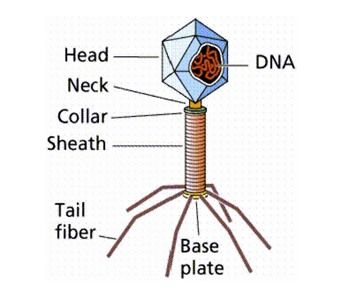
Isocohedral head and helical tail
Contain DNA
Phage rep time: 20-40 mins (50-200)
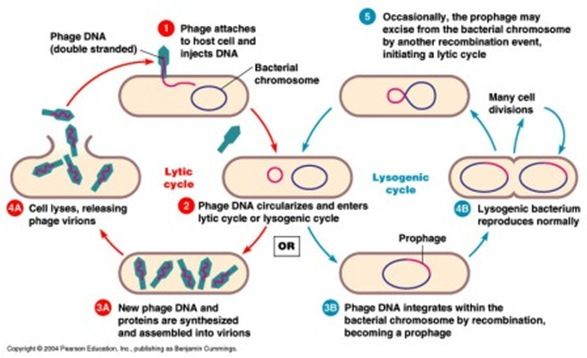
Lytic Cycle: Virus goes inside, multiplys and release
Lysogenic Cycle: Virus DNA becomes part of host DNA and grows
LYTIC CYCLE:
Attachment: binds the receptors on bacterial cell wall
Penetration: genome is injected
Early replication: Genome starts to replicate and other components develop
Late replication: Production of components progress aswell as enzymes
Maturation: components are now assembled
Release: Phage coded, enzymes breakdown peptidoglycon in bacterial cell wall causes lysis
Some phages don't cause lysis/death: lysogenic cycle
Lysogeny: conclusion in which bacteria/viruses can coexist without damage to each other
Virus incorporates it's DNA/RNA into a chromosome of the host cell
Each time a cells chromosome is reproduced the virus is also propgated
LYSOGENIC CYCLE:
Host DNA is not destroyed and viral genome remains latent in the cell
Inactive phage = prophage
Prophage codes for proteins that suppress prophage genes and renders bacteria resistant to more of the same phages
Prophage can be activated and excised later to enter a lytic cycle
New Page
Information
- Description
- 3rd Experimental Physics (Mechanics) Note on BACTERIOPHAGE VIRUS, created by Merissa C on 20/12/2014.
- Created by
- Merissa C · Dec 2014
- Updated
- Sep 11, 2016
- Views
- 96
- Tags
- Rating