
Atomic Structure mind maps
1,588 mind maps by 1,344 users · Page 1 of 40
This GoConqr page gathers Atomic Structure mind maps, from subatomic particles and electron shells to orbitals and mass spectrometry. School students can use them to revise these topics, while teachers can find ready-made material. There are over 1,500 mind maps made by more than 1,200 users. Choose a map to begin.
Mind maps
-
Structure and Properties of Matter This is a mind map about the structures and properties of matter unit learned in grade 12 university chemistry
-
2.2 Electrons, Bonding and Structure Electrons, Bonding and Structure
-
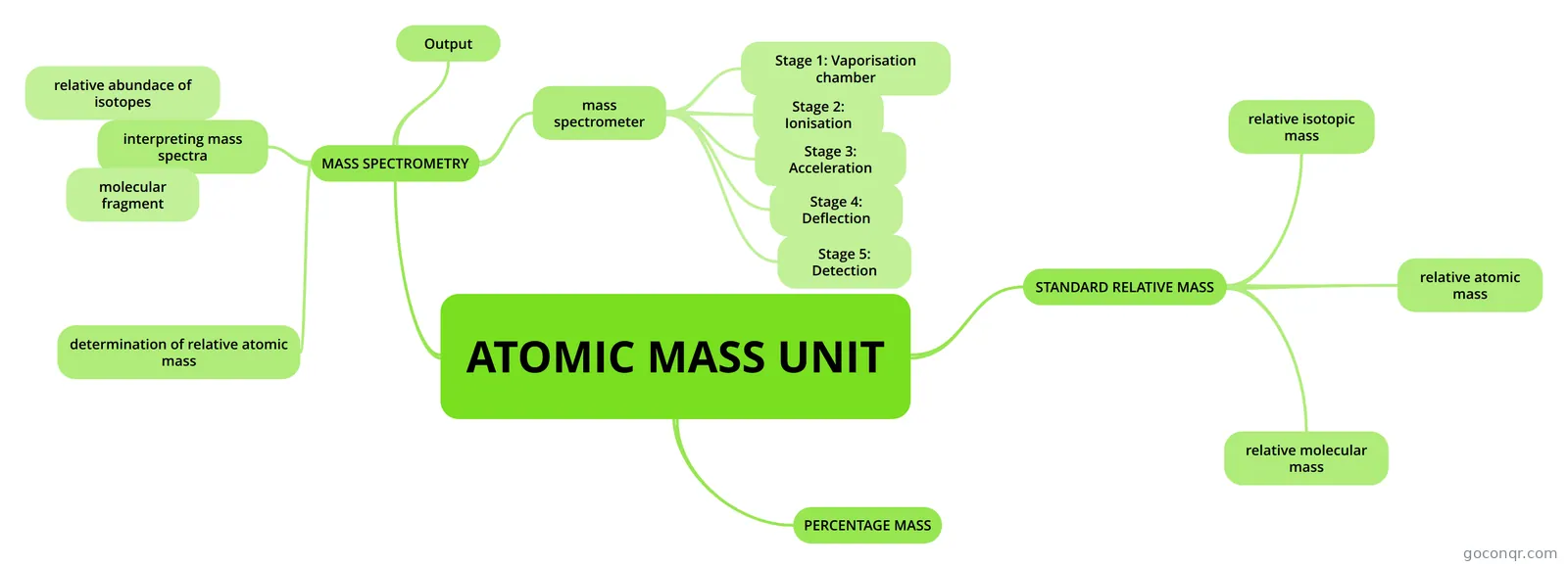 ATOMIC MASS UNIT
-
GCSE AQA Chemistry Atomic Structure and Bonding A mixture of Unit 1 and Unit 2 AQA Chemistry for GCSE level
-
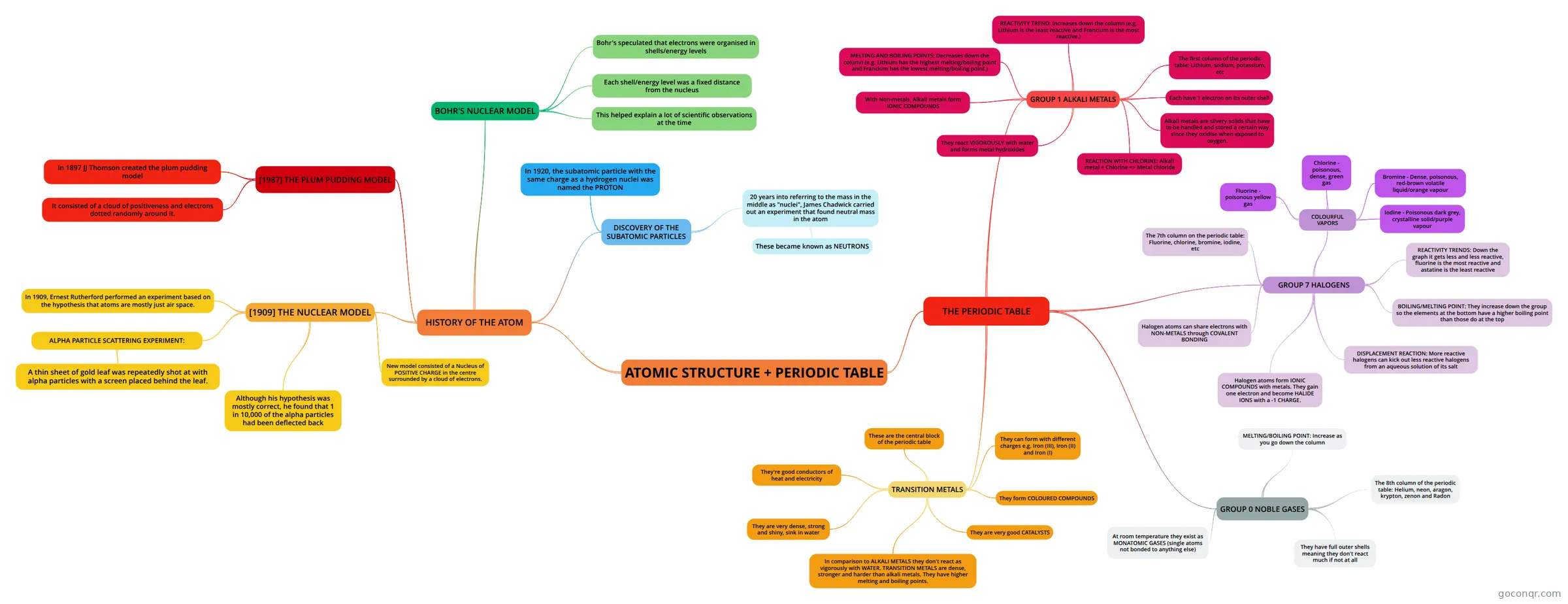 ATOMIC STRUCTURE + PERIODIC TABLE For me to revise, or not idk
-
C1 Atomic structure Each element is made of one type of atom. The periodic table is arranged in columns, called groups. Element...
-
Atomic Structure Overview of atomic structure. Classical and Quantum view.
-
C1- States of Matter. C1.1- The particle model C1.2- Atomic structure
-
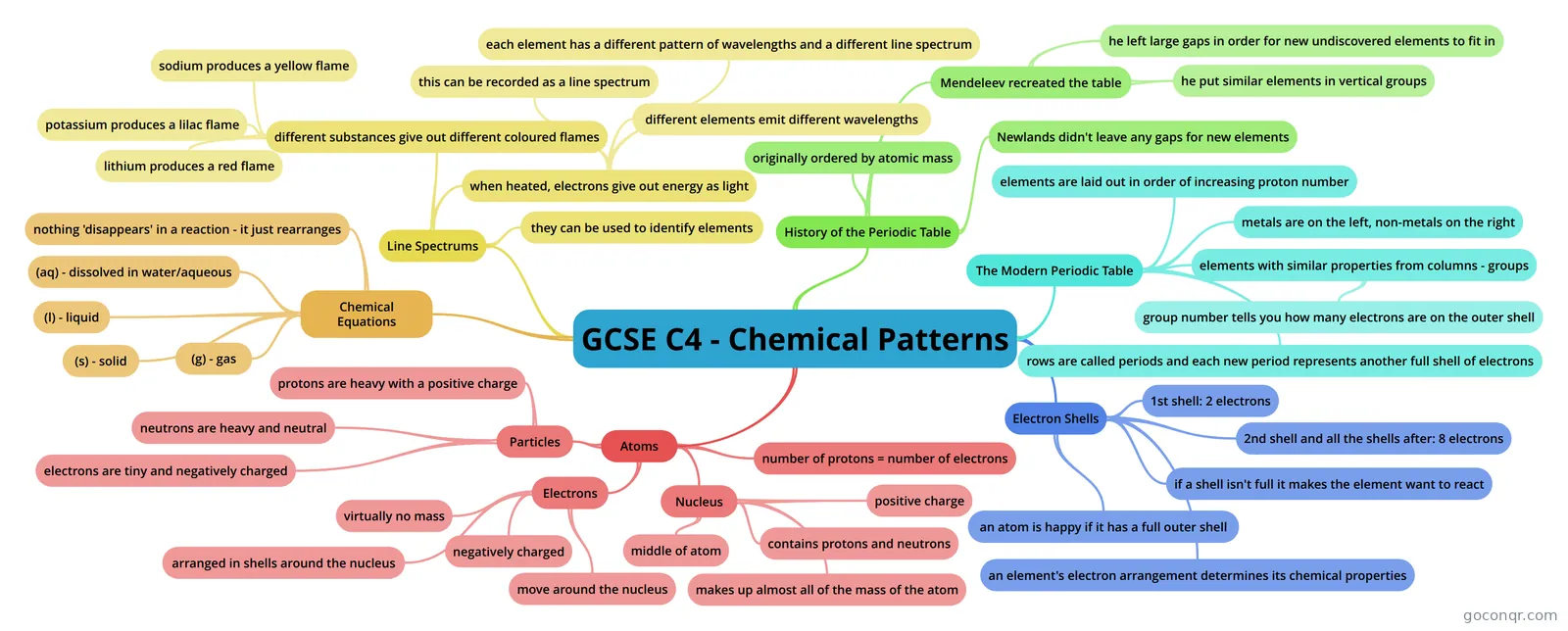 GCSE C4 - Chemical Patterns OCR 21st Century GCSE Chemistry
-
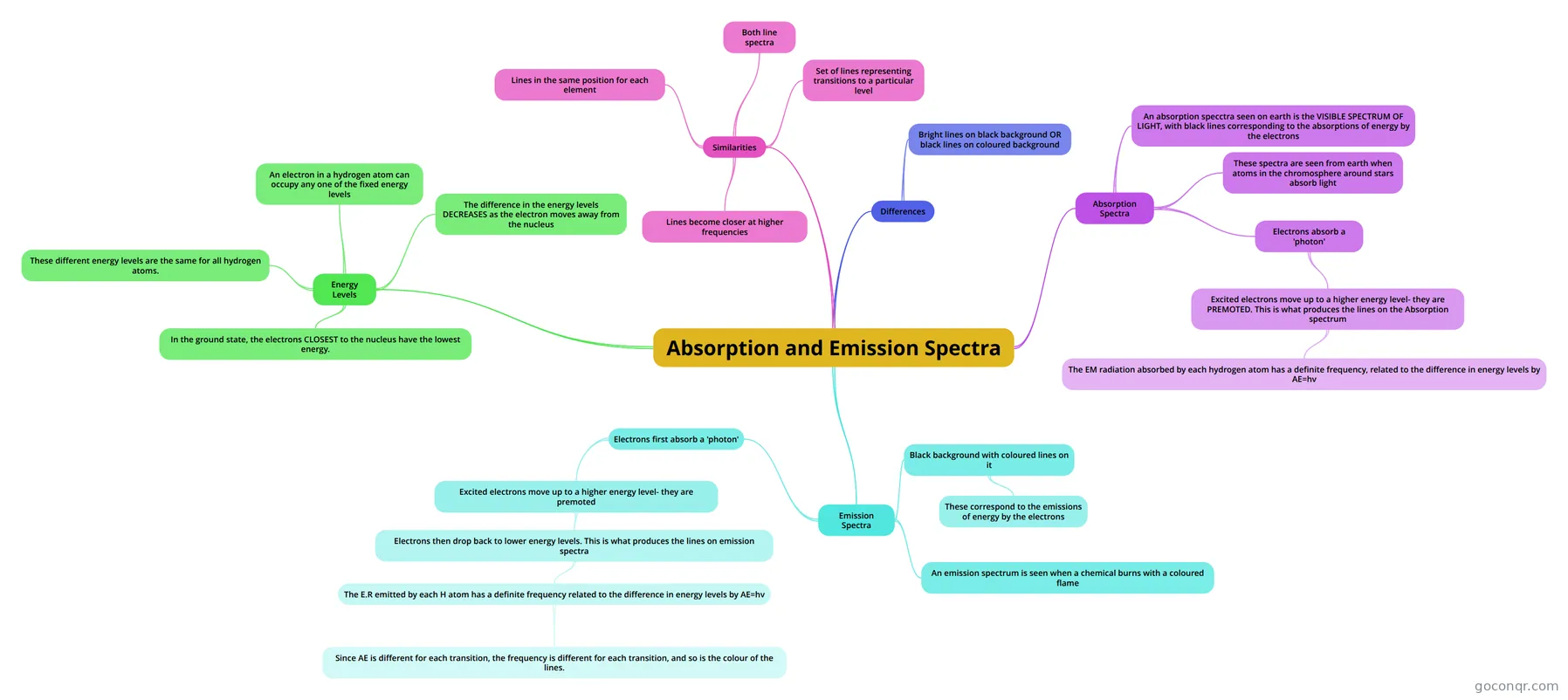 Absorption and Emission Spectra
-
Atomic structure and the periodic table An overview of everything you need to know for topic 1 AQA chemistry. Please rate and comment so I know haw...
-
AS-Level Chemistry: Unit 1:The Atom AS-Level Chemistry: Unit 1: The Atom. With exams looming, a simple, brief but helpful guide to AS-Level Che...
-
mass spectrometry aqa as level chemistry unit one notes
-
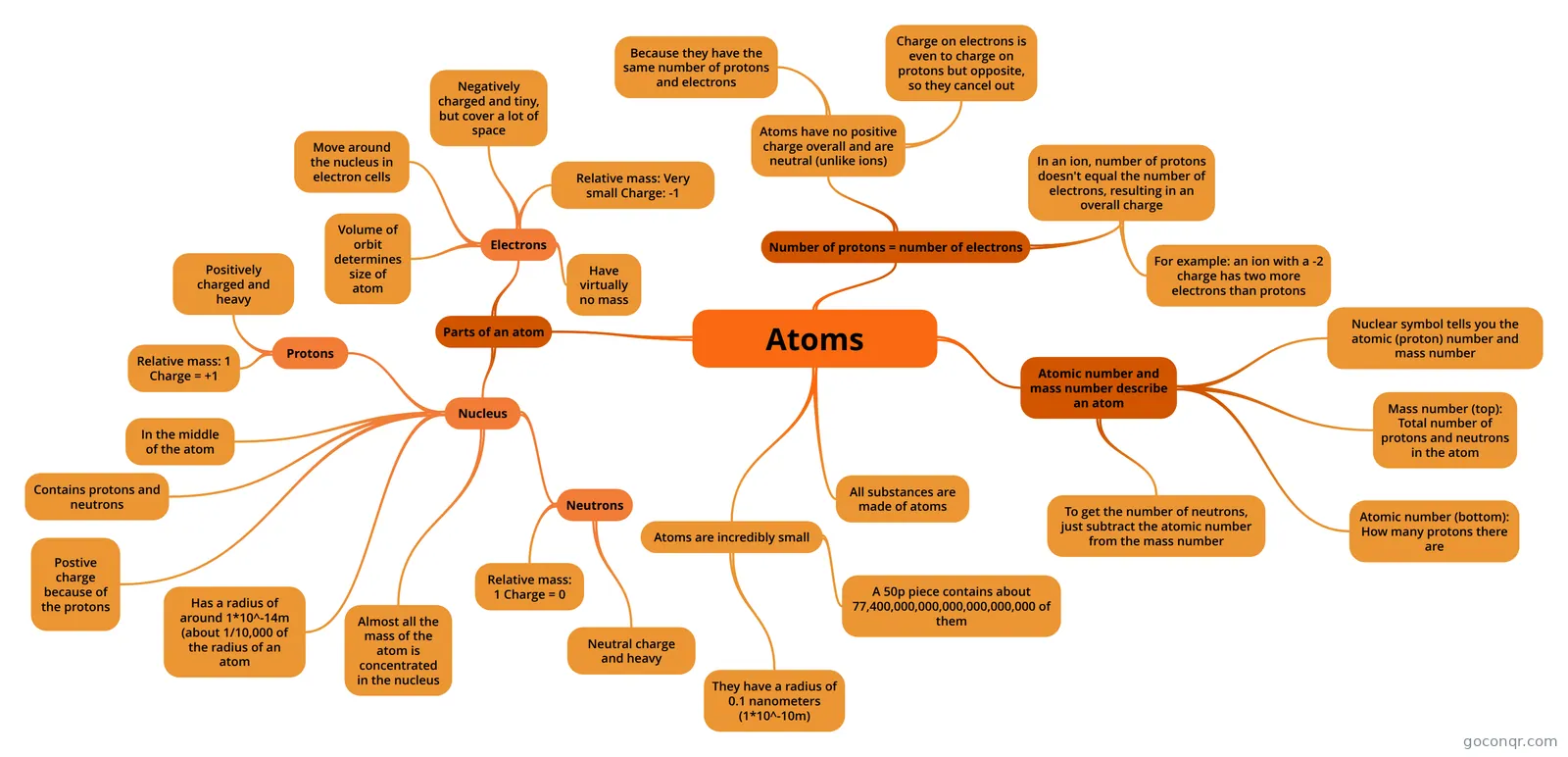 Atoms
-
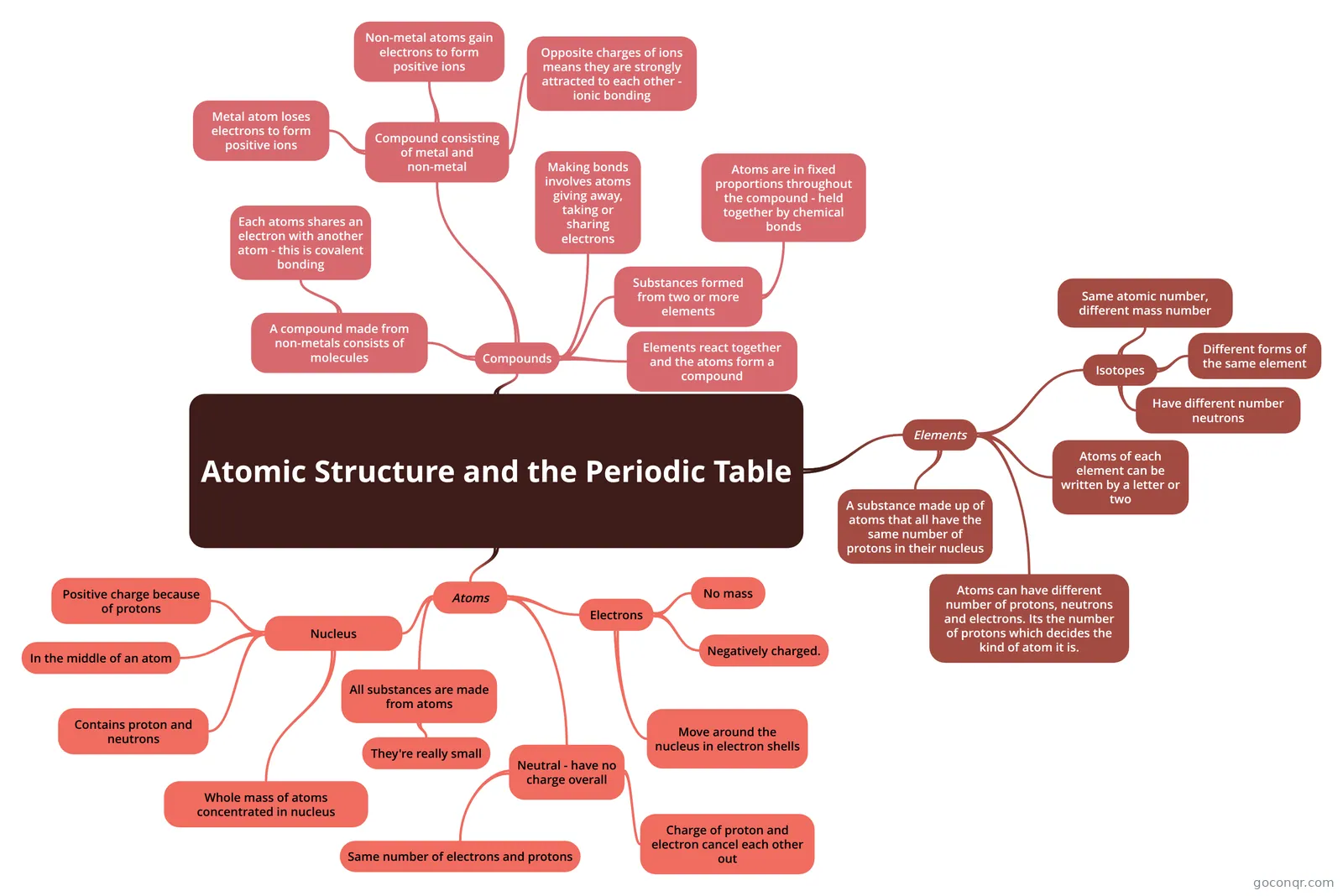 Atomic Structure and the Periodic Table C1 - Atomic Structure and the Periodic Table
-
AP CHEM Ch.1
-
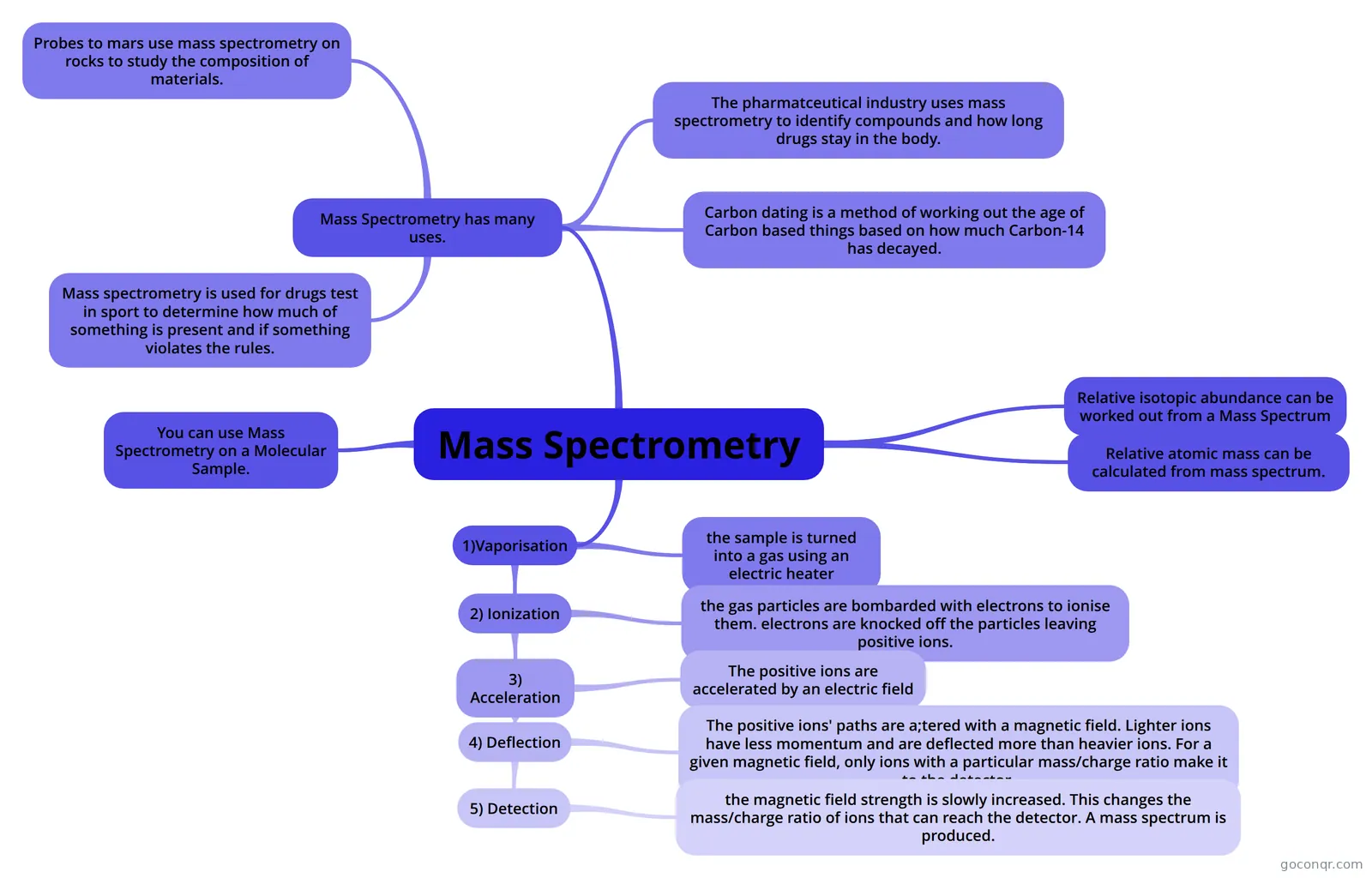 Mass Spectrometry
-
Electron Configuration How to describe electron in an atom.
-
Atoms, Compounds and Isotopes
-
Atomic Structure Atomic structure mindmap
-
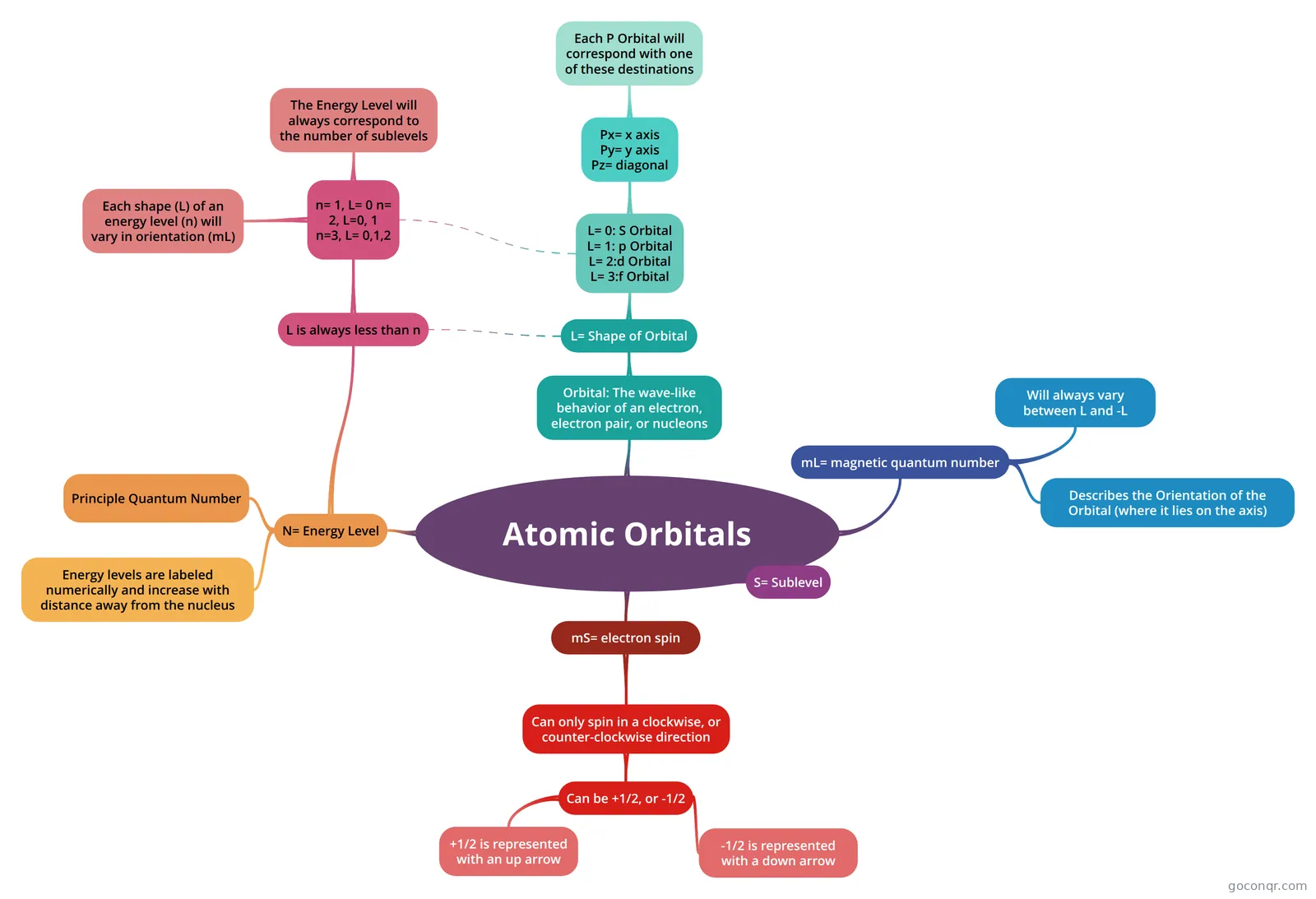 Atomic Orbitals The properties of Orbitals and how they relate to each other.
-
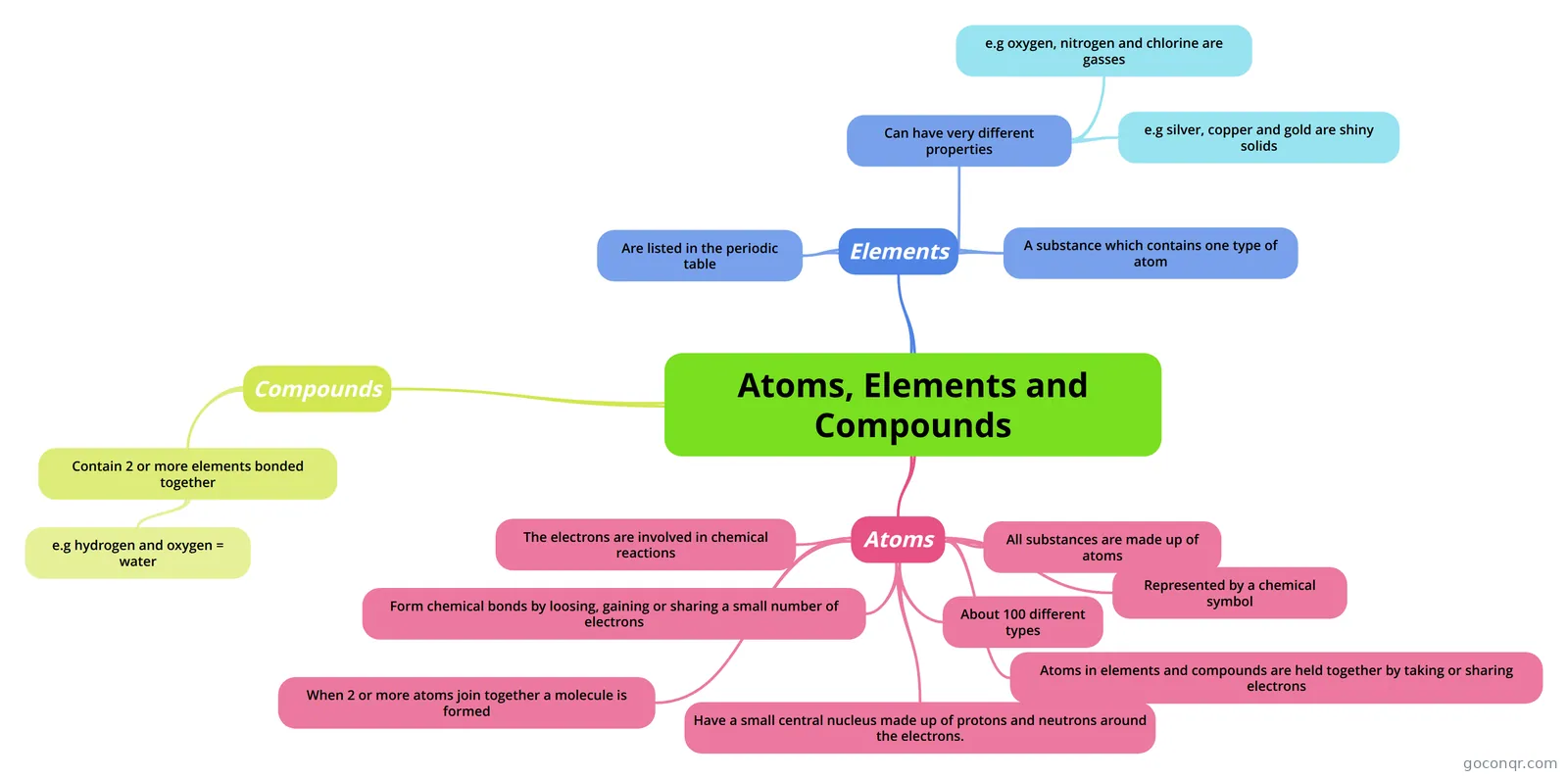 Atoms, Elements and Compounds
-
Orbitals Orbitals- 1. quantum numbers 2.shape of orbitals 3.energy levels of orbitals 4.filling of orbitals a) aufba...
-
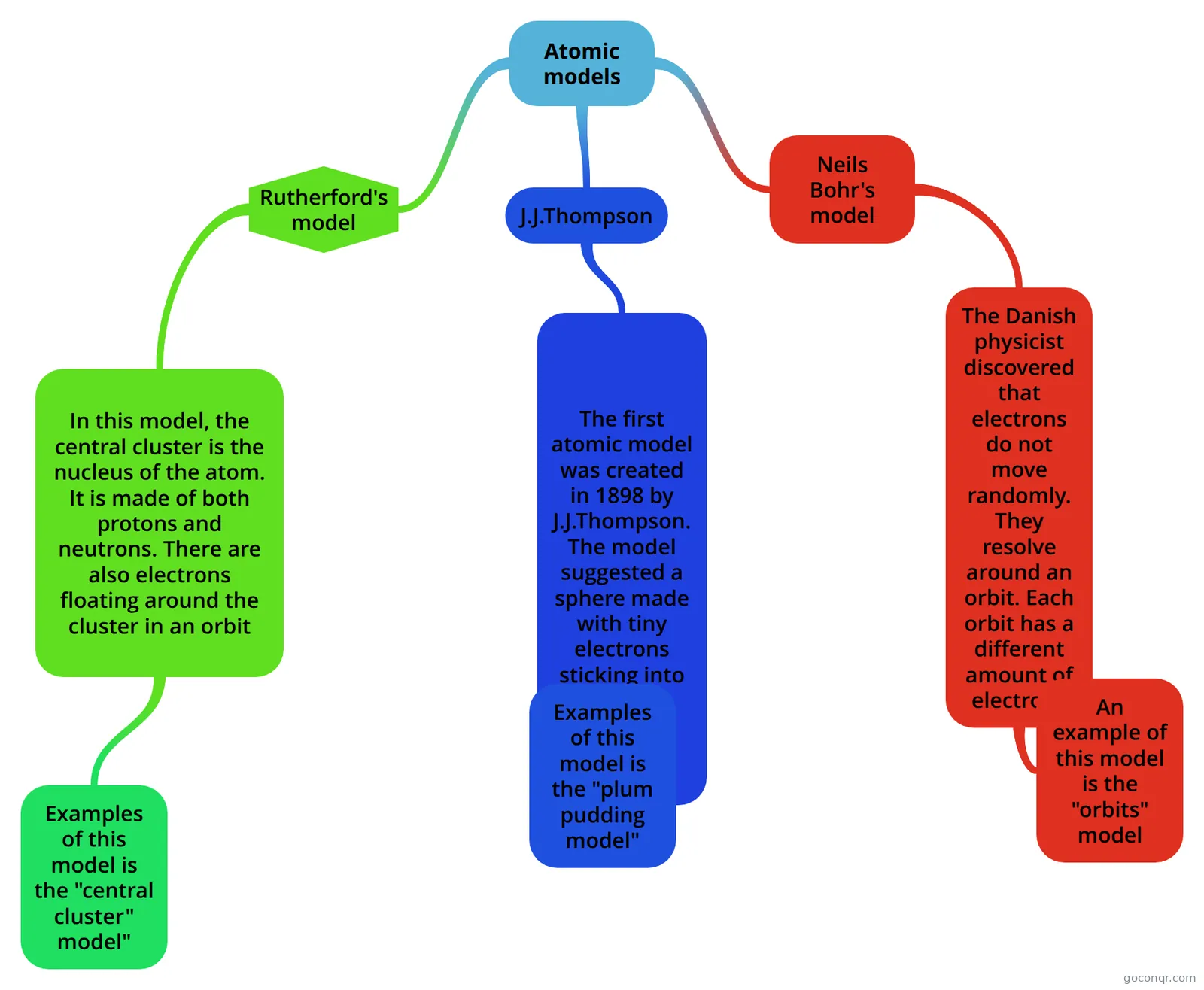 Atomic models Mapa Mental en Atoms, creado por Onmy Eshtakru en 01/02/2018.
-
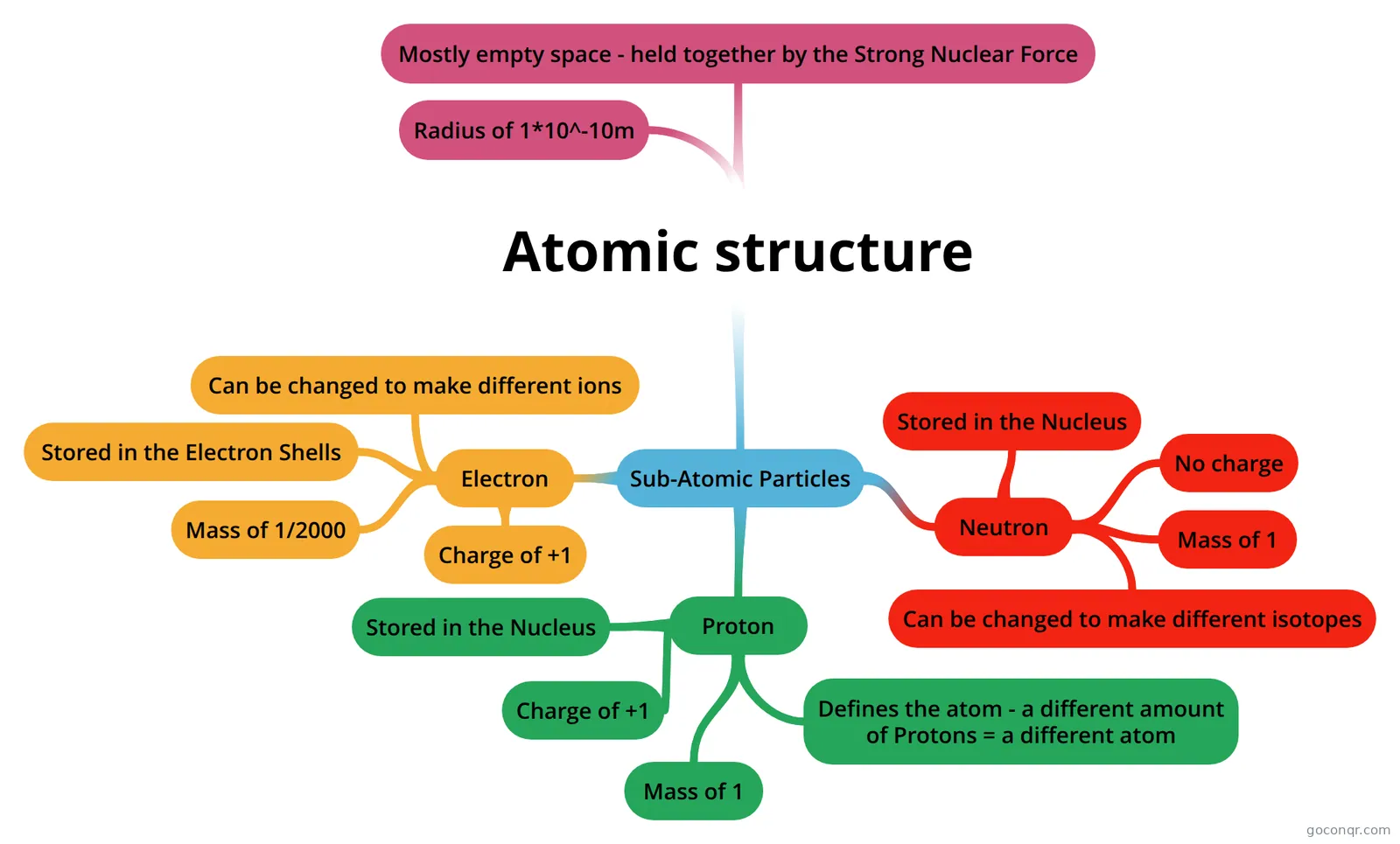 Atomic structure A mind map showing the Atom and relevant facts
-
Atoms & Elements
-
Electronic Structure Explains how to draw the electronic structure of an atom and how to know what the charge is.
-
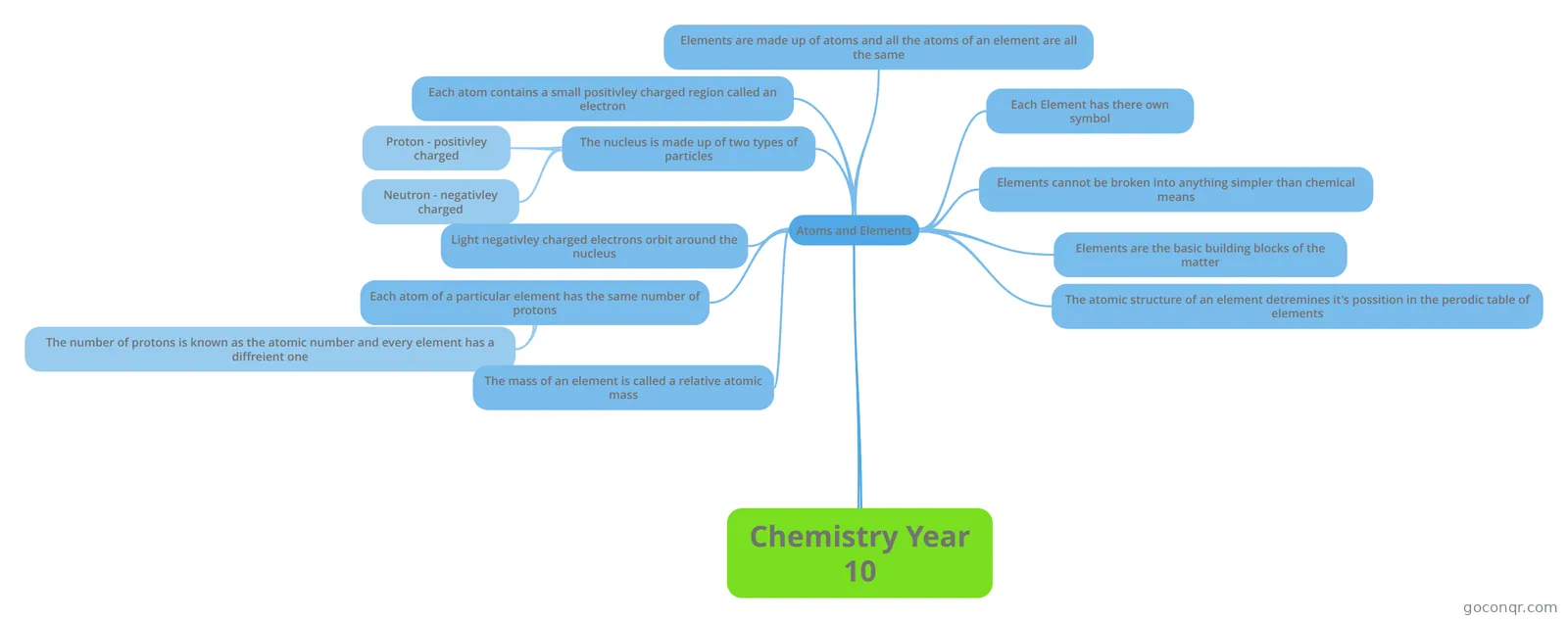 Chemistry Year 10
-
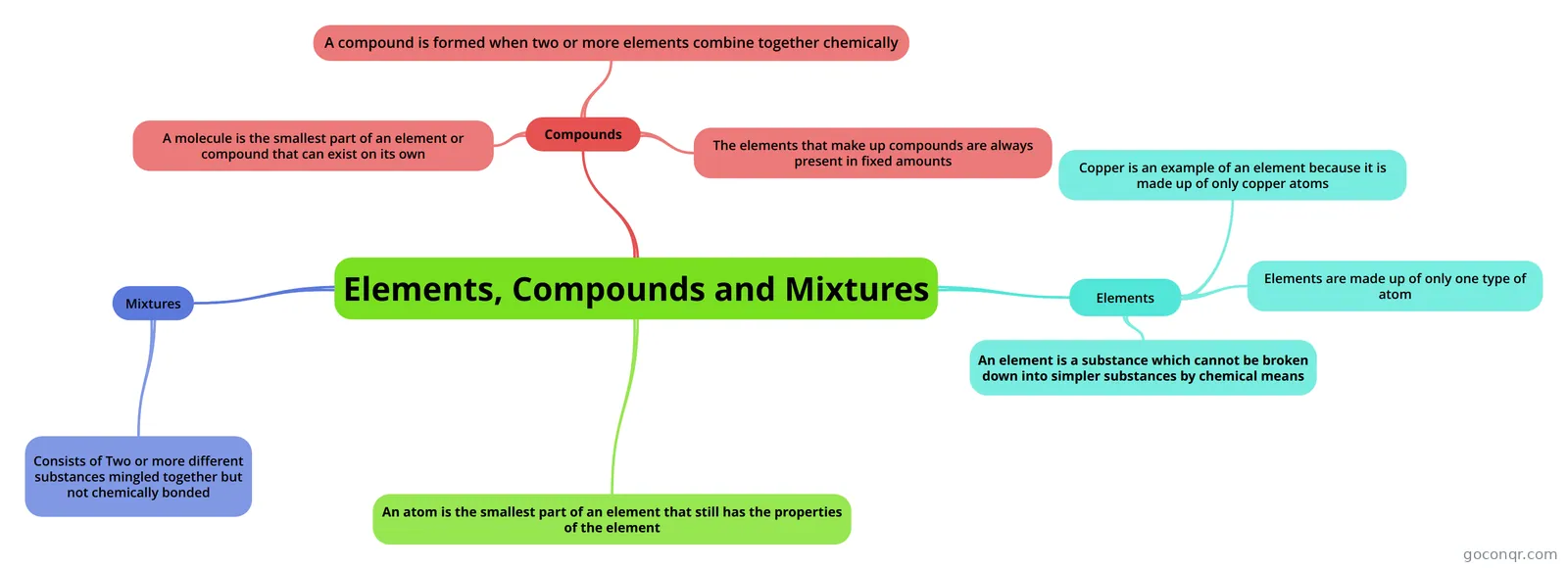 Elements, Compounds and Mixtures
-
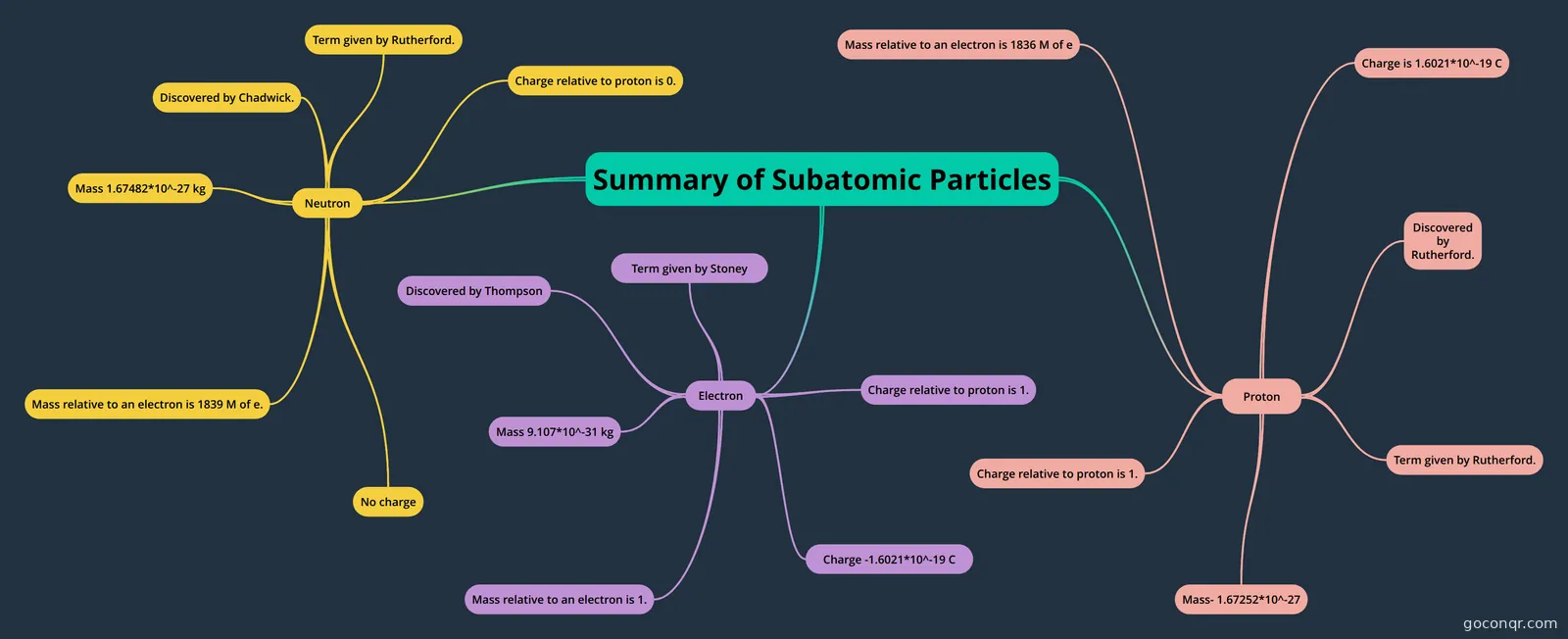 Summary of Subatomic Particles A summary of the subatomic particles: electron, proton and neutron.
-
 Atoms, Ions, Isotopes and the Periodic Table February 10, 2021
-
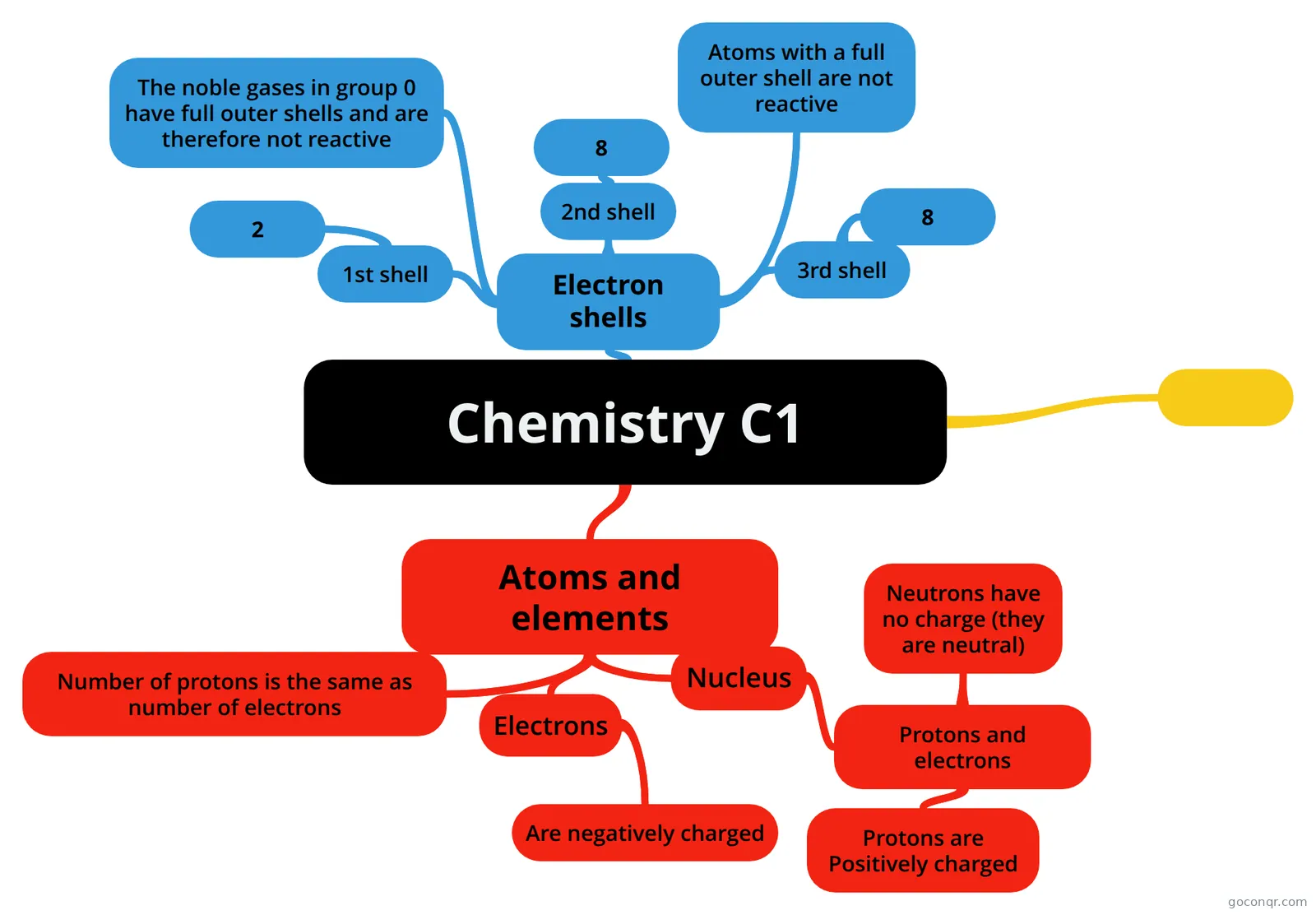 Chemistry C1
-
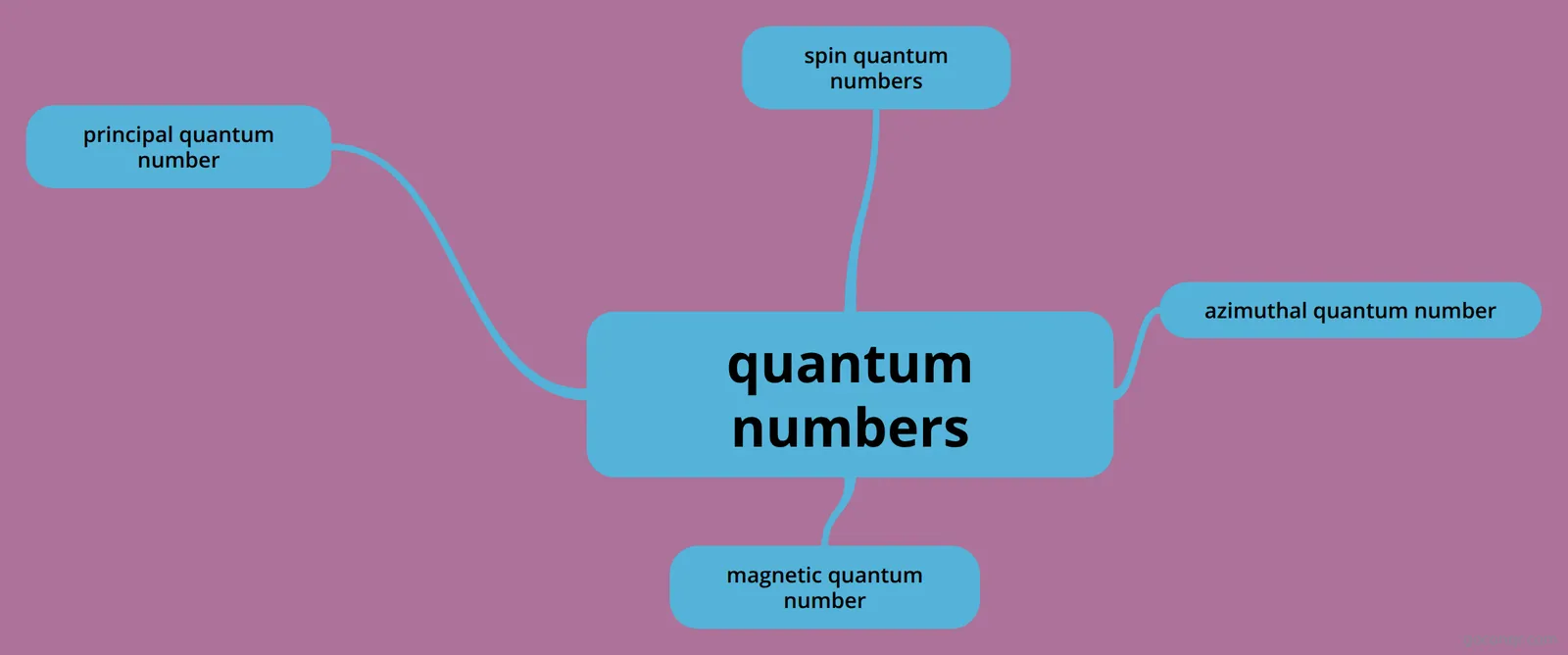 quantum numbers it is in short details of quantum numbers
-
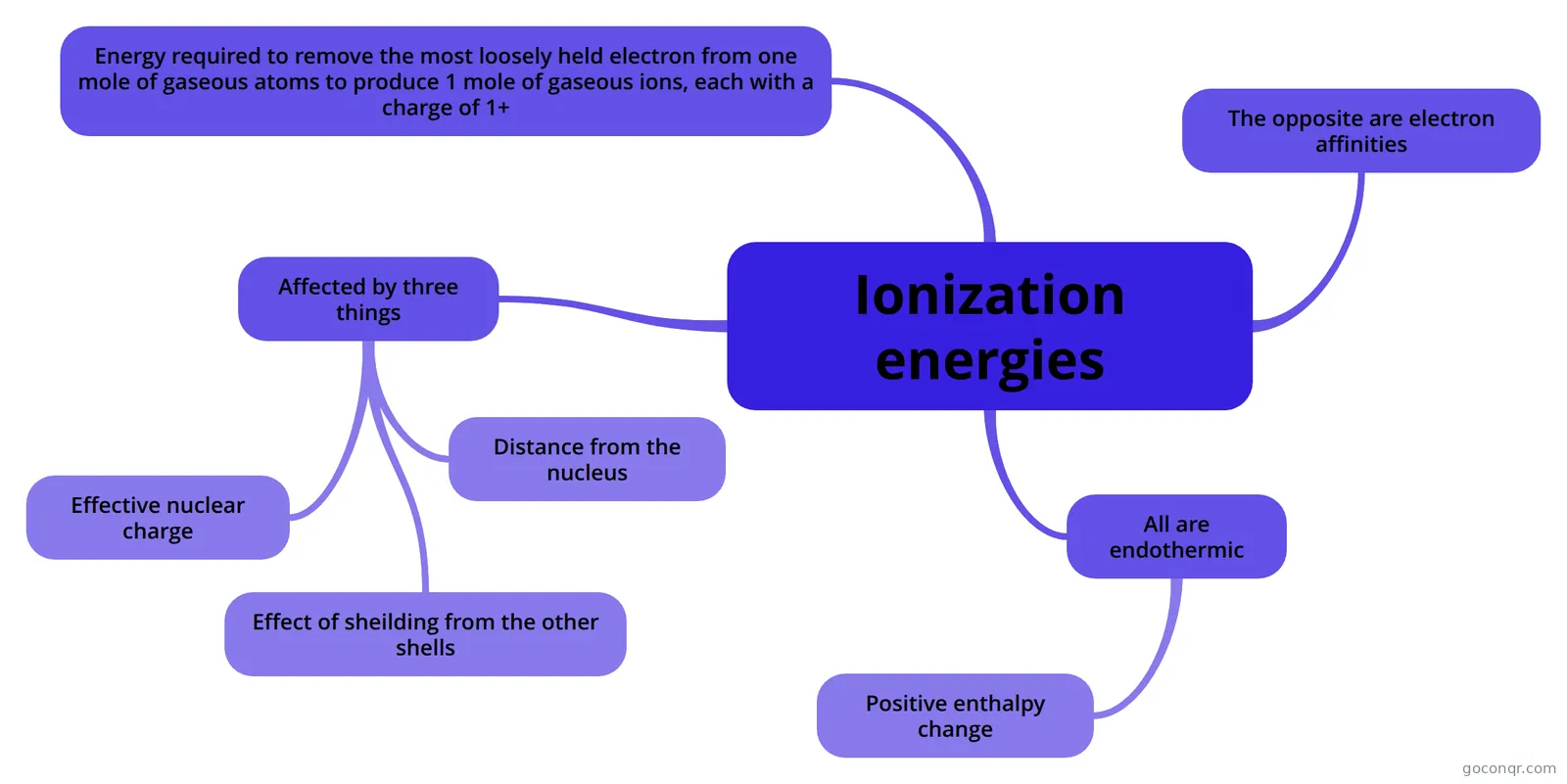 Ionization energies
-
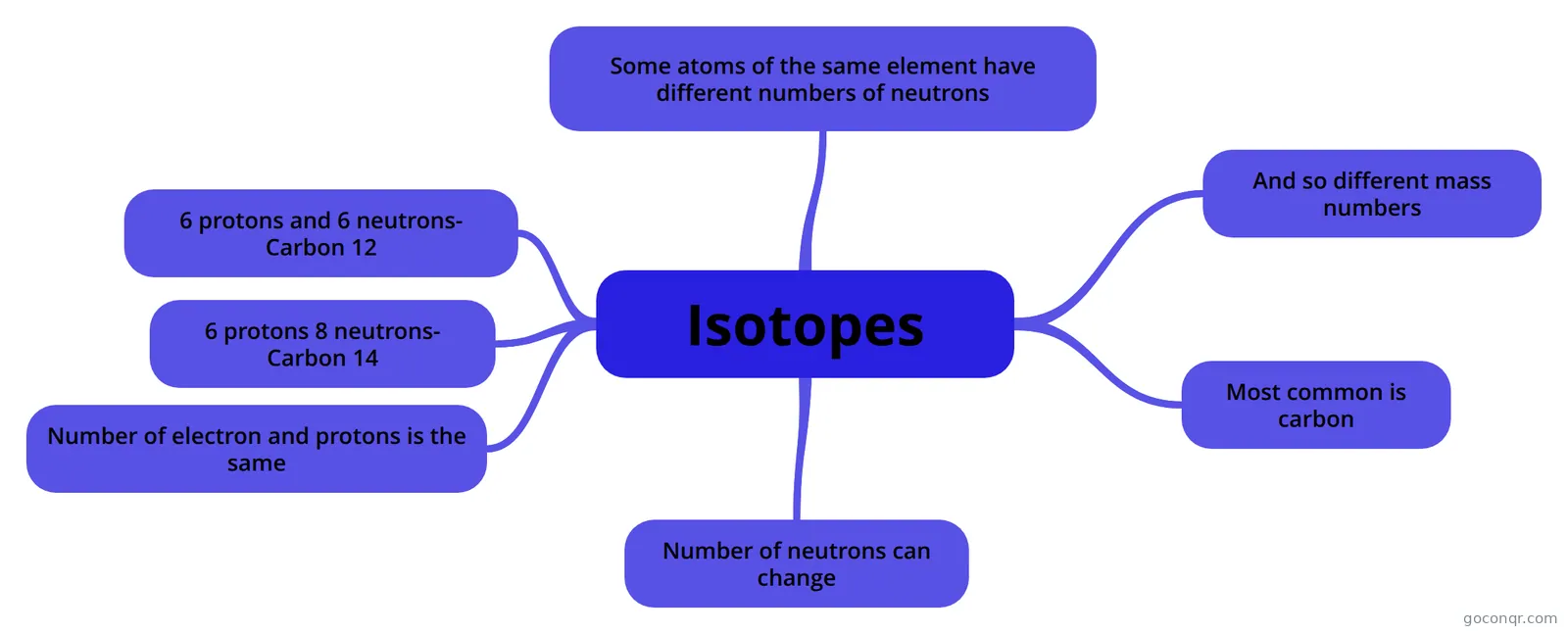 Isotopes
-
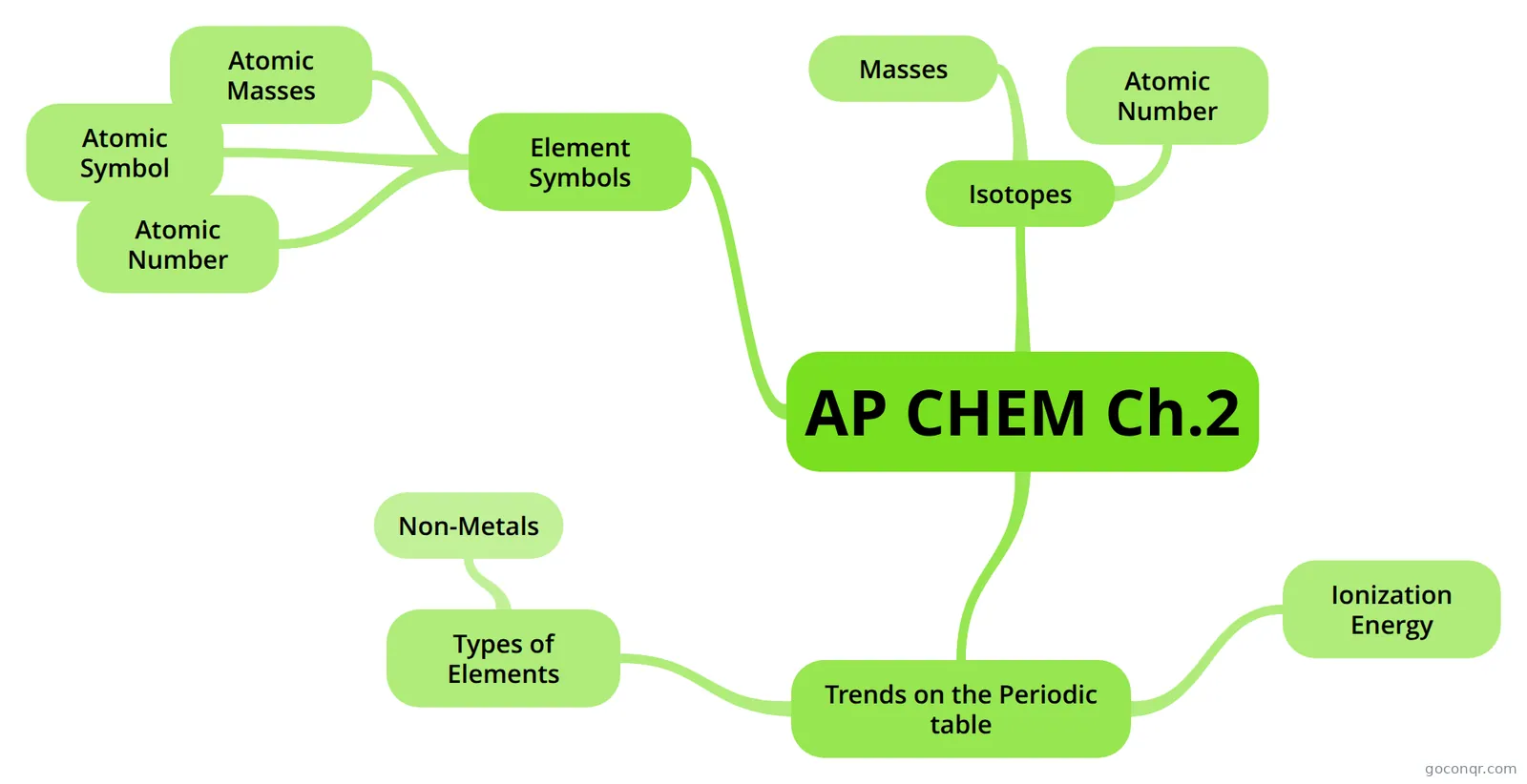 AP CHEM Ch.2
-
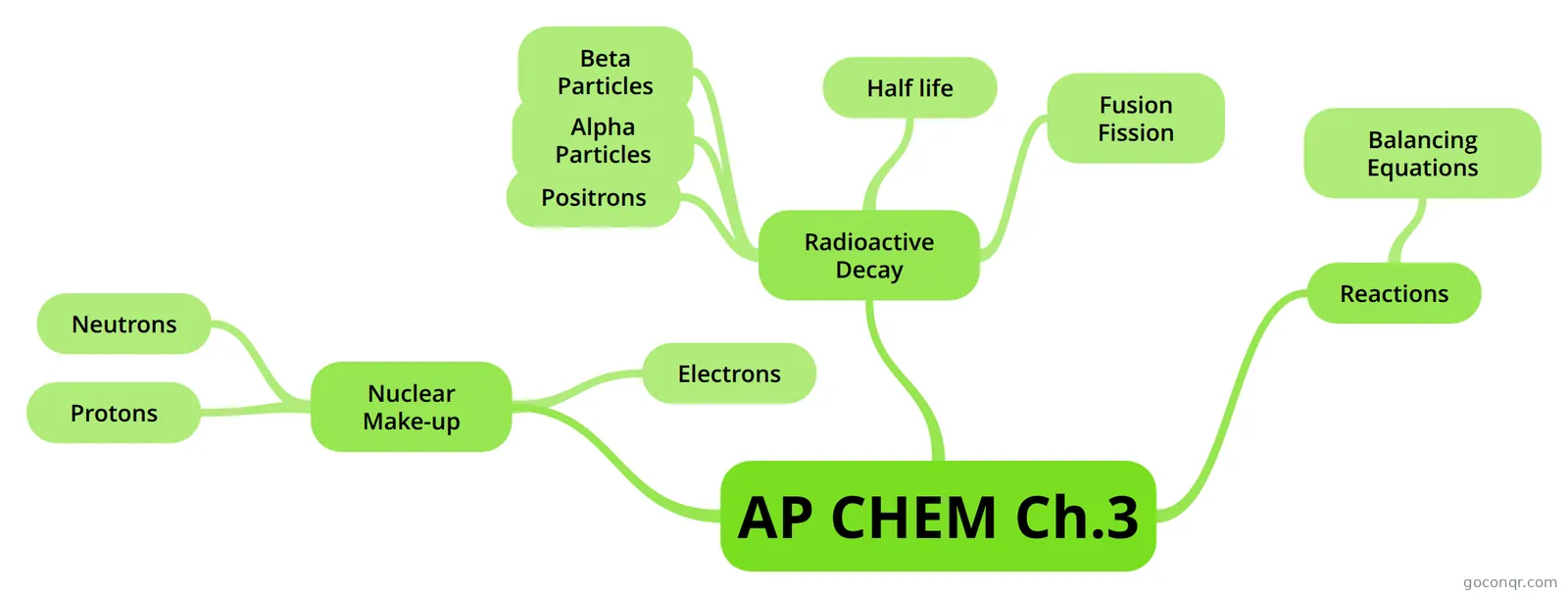 AP CHEM Ch.3
-
Elemental and Environmental Chemistry
-
Periodic Table Periodic Tabale
-
Elements of Life
More Atomic Structure resources
About atomic structure mind maps
GoConqr OriginalUsing Atomic Structure mind maps
Mind maps let you follow a topic through its branches. For a starting point, look for the Atomic Structure map that shows the nucleus, electrons, protons and neutrons. Its branches include particle charges, giving you a place to begin before moving to other maps.
For electron arrangements, Electron Configuration shows how electrons fill orbitals. Orbitals brings together quantum numbers, shapes and nodes. You can also explore Mass Spectrometry for a map of the stages in that process.
Move between formats
Read one branch at a time, then cover it and recall the main points. Return to the map to check what you remembered. If you want to test an idea in a different way, switch to a quiz on the Atomic Structure unit page, then revisit the relevant branch.
Pick a topic and follow its connections through a map.
Frequently asked questions
Which mind map is a good place to start?
Look for the Atomic Structure map with branches for the nucleus, electrons, protons and neutrons. It includes particle charges, so it gives you a starting point before you move to a more specific map such as Electron Configuration or Mass Spectrometry.
What topics do the mind maps cover?
The listed maps cover topics including atomic models, electron shells, isotopes, orbitals and mass spectrometry. Some have a course focus, such as GCSE AQA Chemistry Atomic Structure and Bonding. You can choose a title that matches the topic you are revising.
Are the mind maps free to use?
Yes. Every resource listed here is free to open and study without an account. The maps were made by GoConqr users. A free account also lets you save quiz scores and make your own quizzes, mind maps, flashcards and notes.