
Childhood, Youth and Ageing mind maps
233 mind maps by 164 users · Page 1 of 6
This page gathers GoConqr mind maps on childhood, youth and ageing, from youth culture to migration and ageing. They offer school students, university students and professional candidates ways to practise, and teachers material to use. The collection spans school and university study, with over 200 mind maps made by more than 150 users. Pick a map to explore.
Select topic
- Social Construction of Childhood62
- History of Childhood15
- The Position and Rights of Children22
- Children's Socialisation and Everyday Lives8
- Childhood in Crisis26
- Adolescence and Development7
- Youth Cultures and Subcultures31
- Theories of Youth Subcultures23
- Generations and Generational Differences35
- Ageing and the Life Course13
Mind maps
-
 children & young people's cultural worlds
-
 Youth culture Sociology G672- Youth
-
 Emergence of youth subcultures - OCR A2 SOCIOLOGY The first section on youth subcultures from the OCR Sociology A2 exams. This covers why Postmodernists, Mar...
-
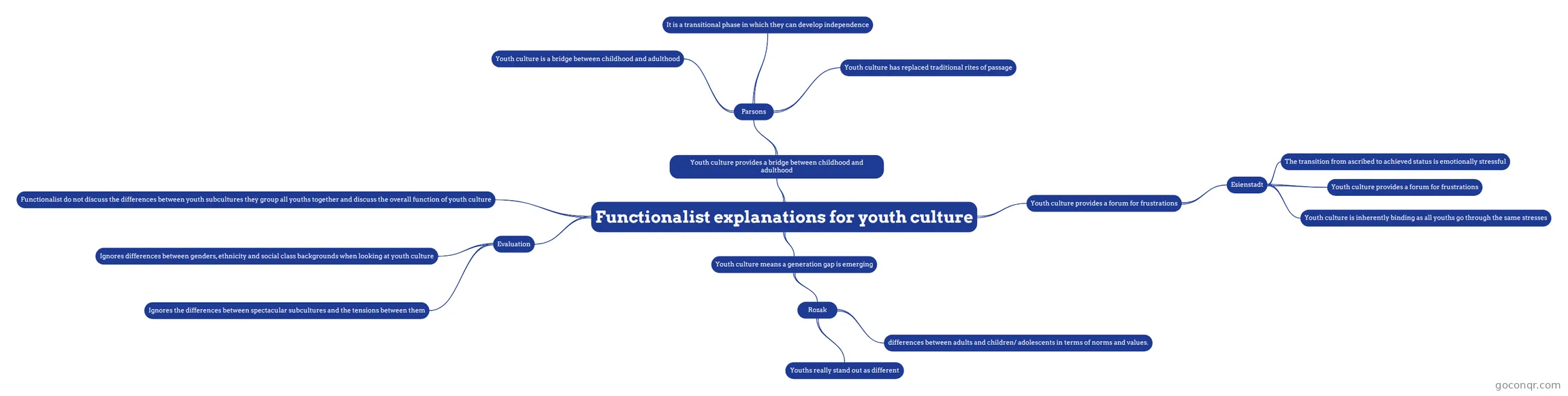 Functionalist explanations for youth culture
-
 Marxist explanations of youth subcultures
-
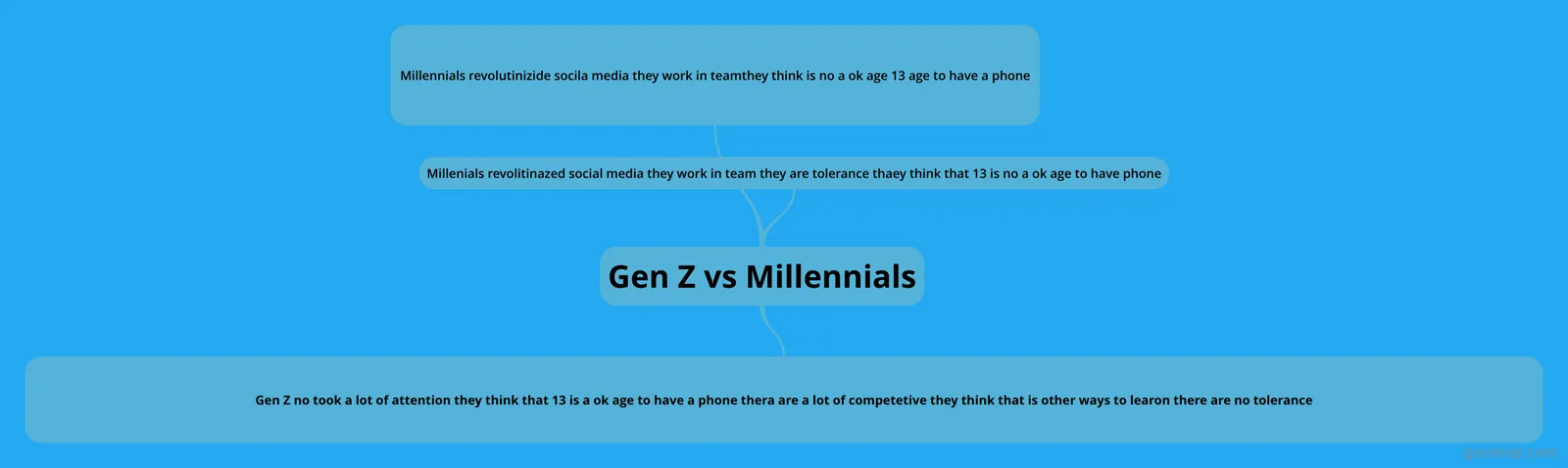 Gen Z vs Millennials task gen z millennials
-
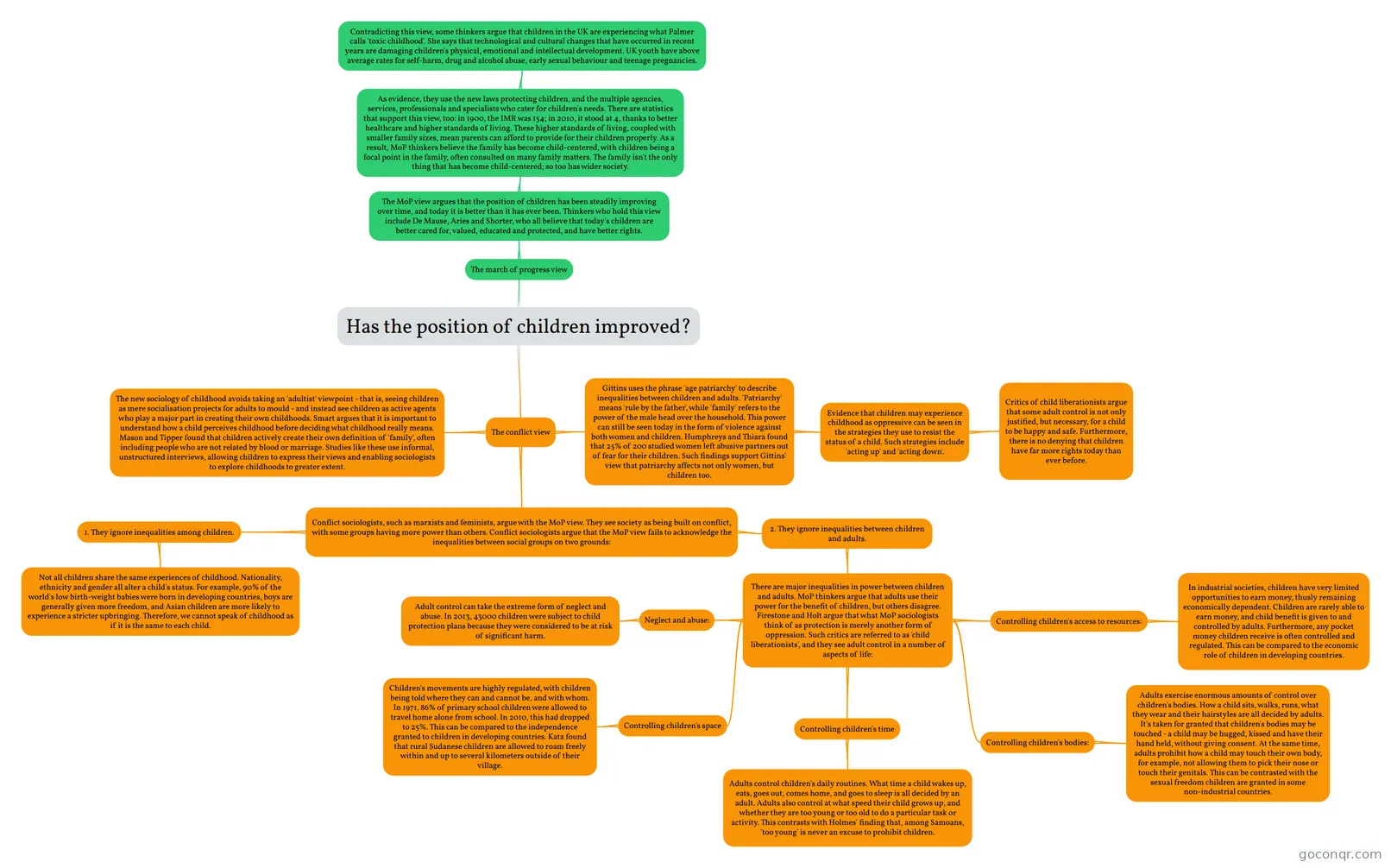 Has the position of children improved?
-
Aries Essay
-
 Notion of childhood in Crisis
-
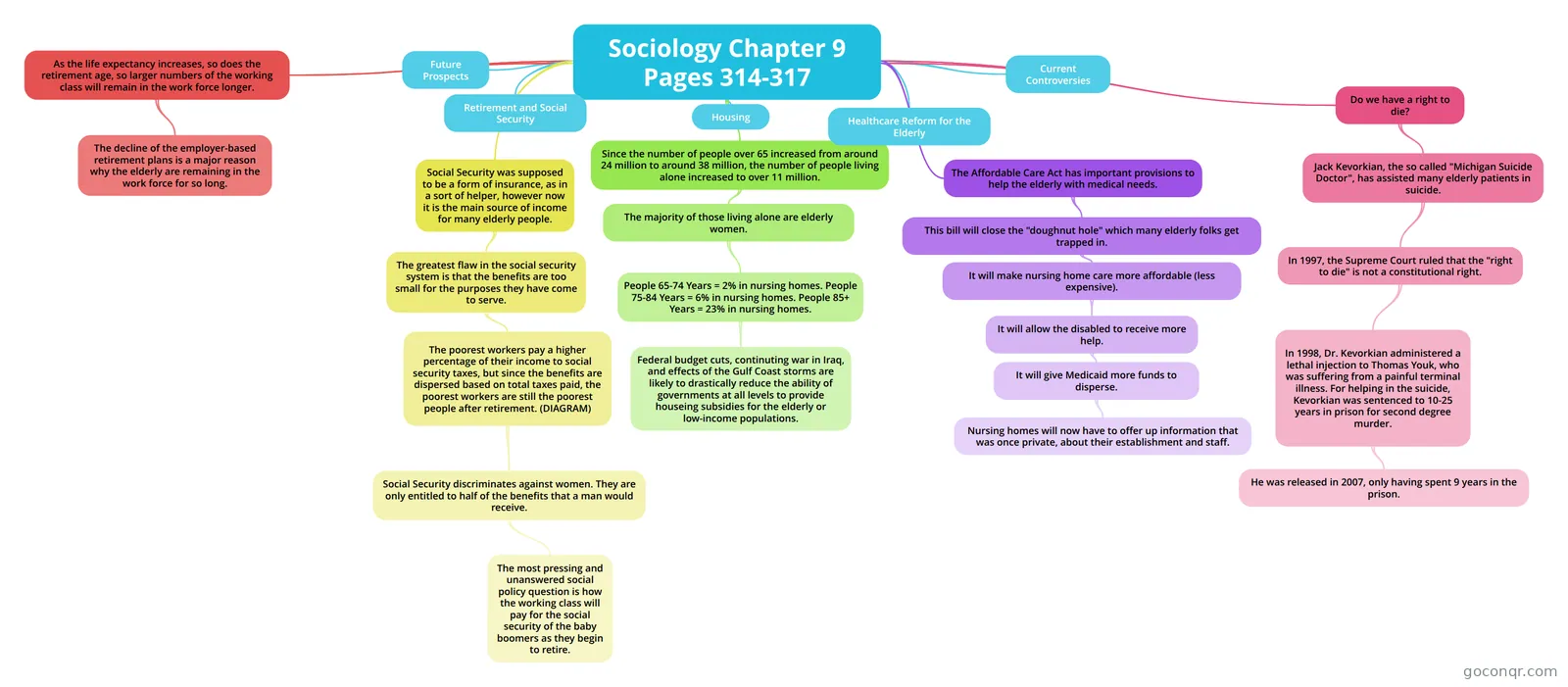 Sociology Chapter 9 Pages 314-317 Outline
-
book 4 chap 6
-
Age as a social construct with cross cultural examples
-
 Spectacular Youth Cultures replaced by Neo-Tribes assess the view that spectacular youth cultures are being replaced by neo-tribes
-
Influential child historians Philippe Aries
-
 The future of childhood
-
Childhood in Crisis?-Block 1 (unit 1)
-
Why have spectacular youth cultures been replaced by neo - tribes in contemporary society?
-
 Asses The View That Social Class And Gender No Longer Influence Youth Culture hhhhhh
-
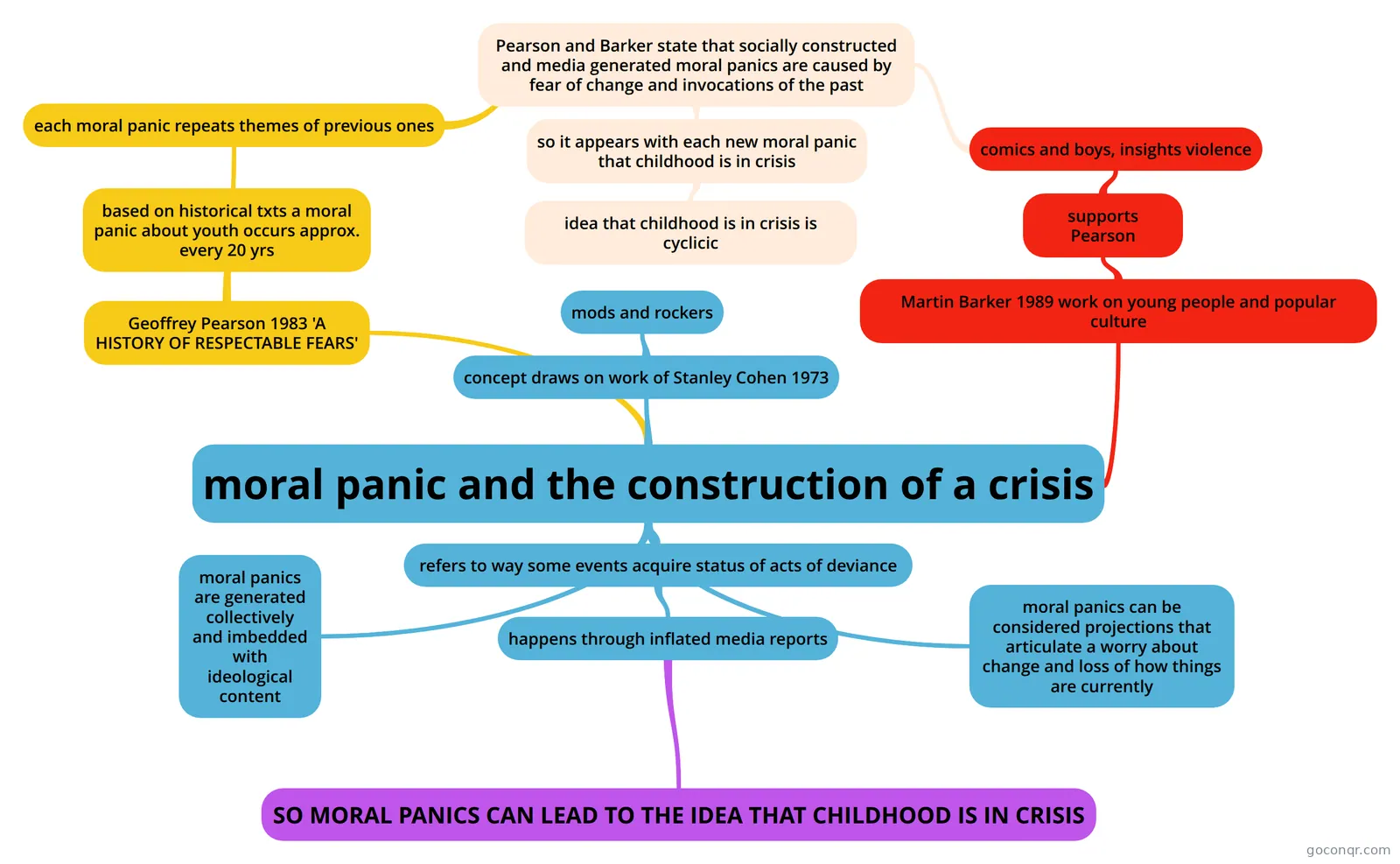 moral panic and the construction of a crisis
-
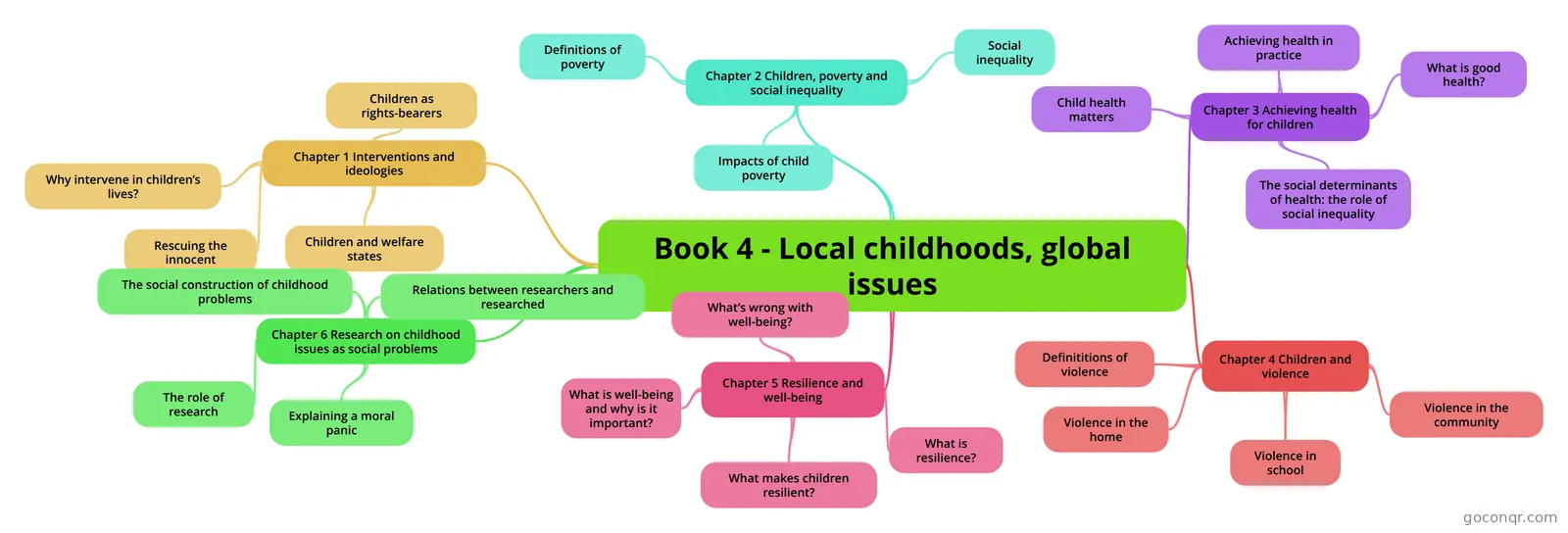 Book 4 - Local childhoods, global issues
-
Response to the social and economic conditions faced sociology essay
-
 Response to the social and economic conditions faced
-
 The emergence of youth culture
-
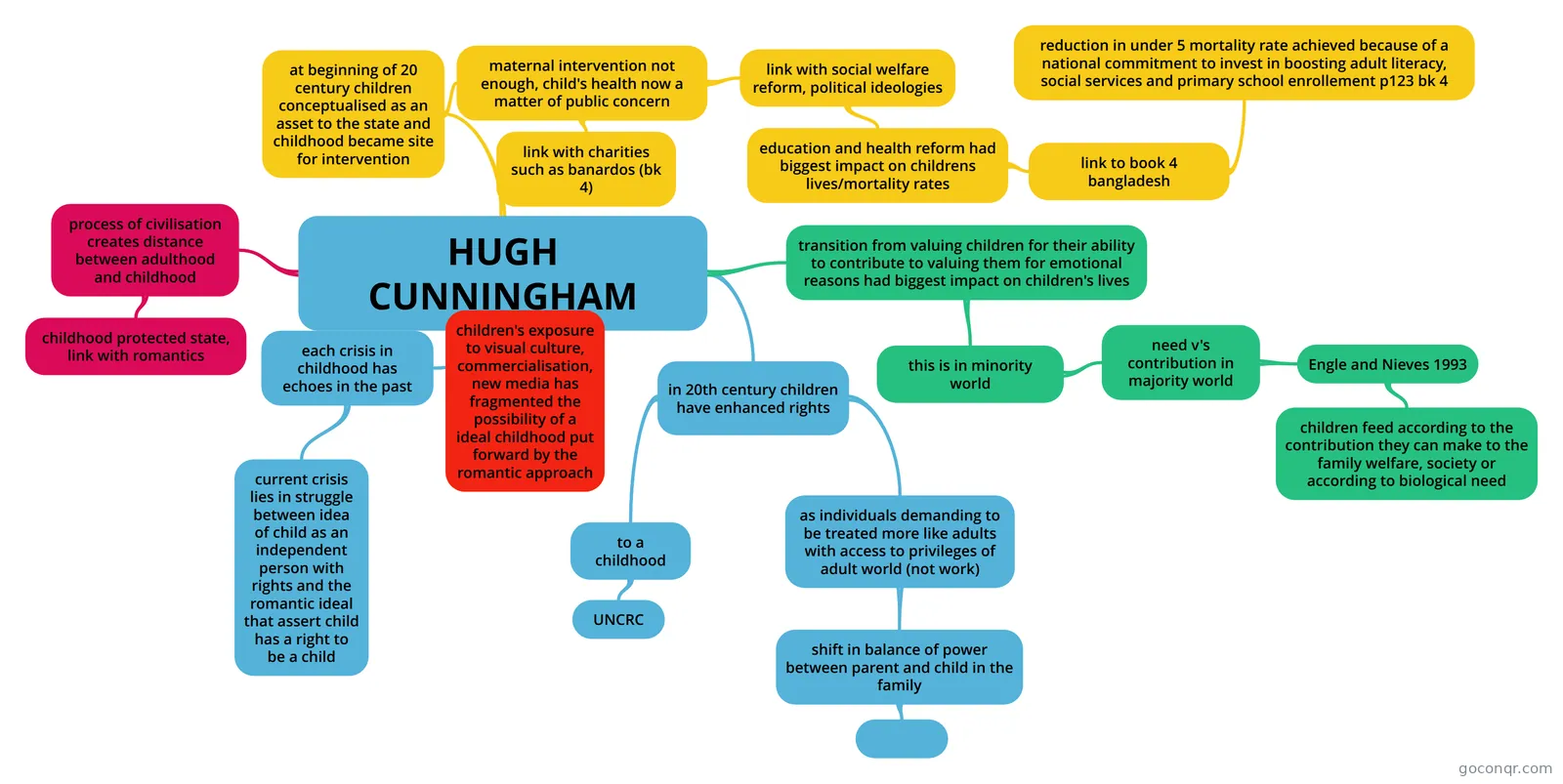 HUGH CUNNINGHAM
-
MILLENNIALS epoca de los millennials
-
 Cross cultural rites of passage/initiation
-
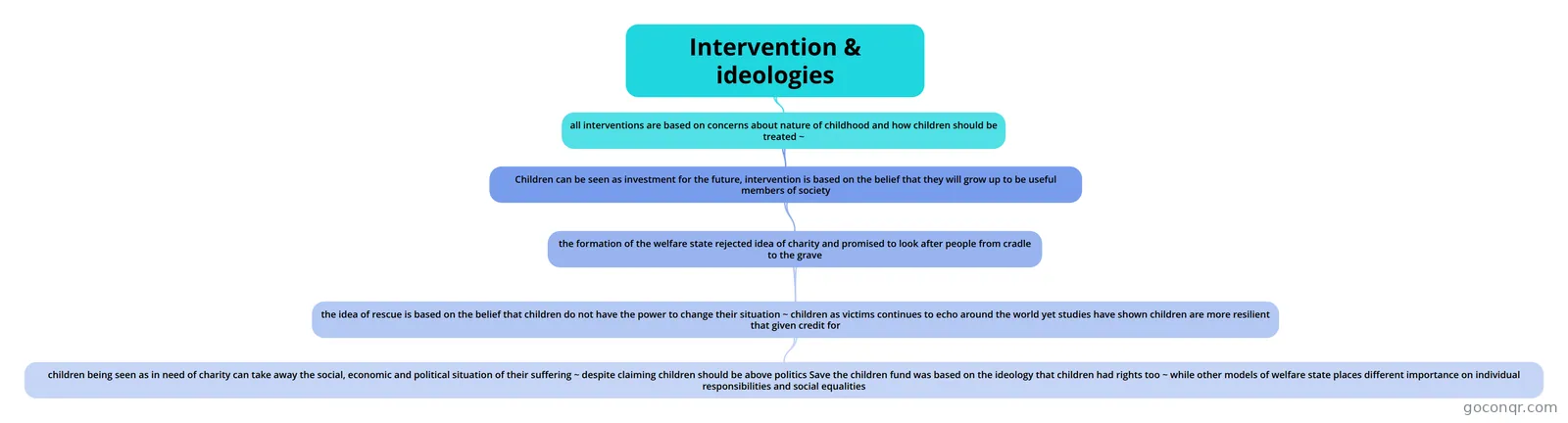 Intervention & ideologies
-
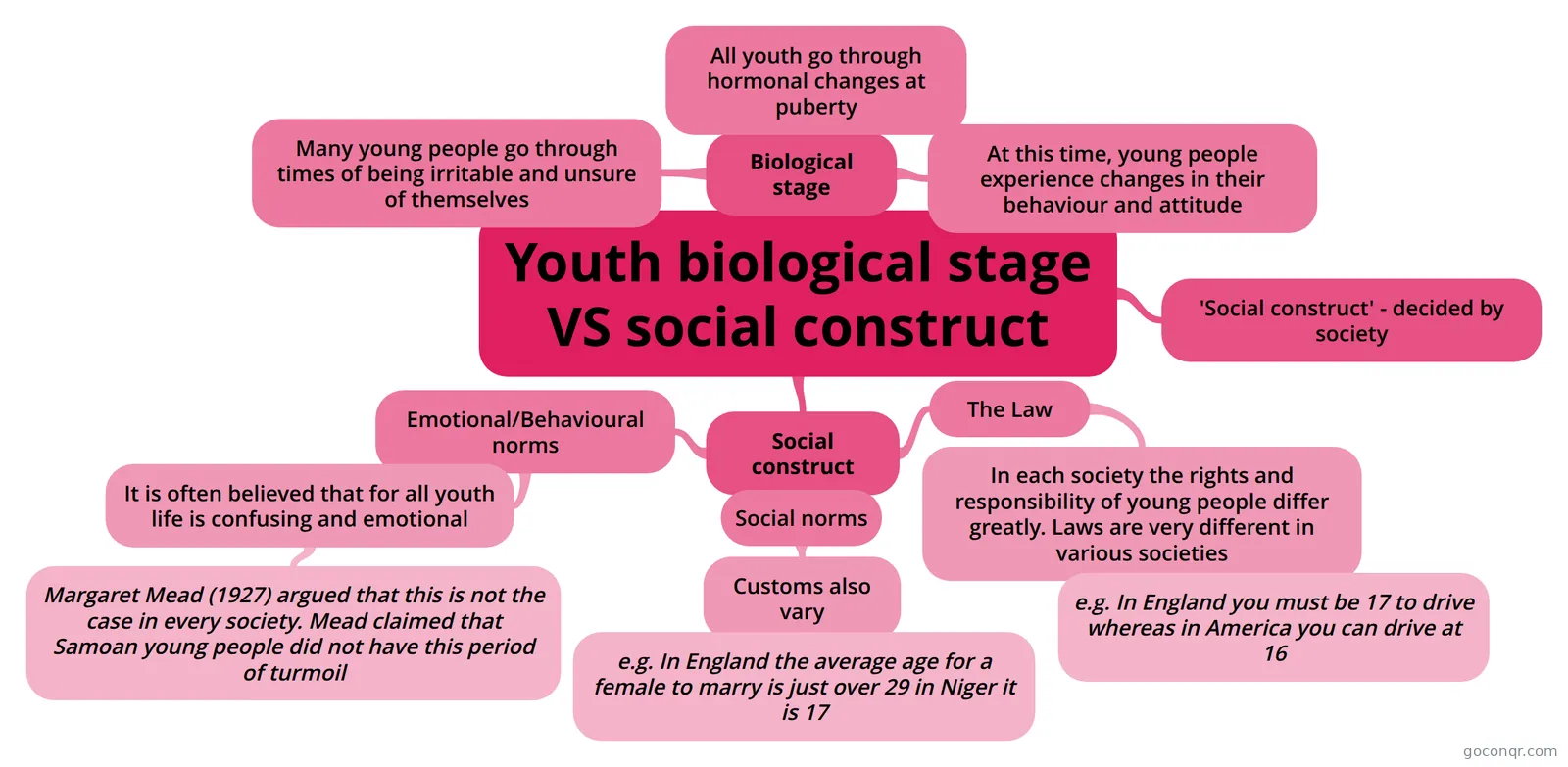 Youth biological stage VS social construct
-
 Reasons for development of youth culture and subcultures
-
Youth connecting online Mind map
More Childhood, Youth and Ageing resources
About childhood, youth and ageing mind maps
GoConqr OriginalChildhood, Youth and Ageing mind maps
These maps bring together ideas about youth culture, childhood and ageing. They include perspectives on youth subcultures, questions about the future of childhood, and a map on migration and ageing.
Start with Youth culture if you want to see several perspectives in one place. It includes functionalist, Marxist, feminist and post-modern ideas. For a closer look at one approach, follow it with Marxist explanations of youth subcultures.
Revise with a map
Choose a branch of a map and explain its main idea in your own words. Then cover the detail and try to recall how the ideas connect. Return to the map to check what you missed.
When you want to test your recall, switch to a quiz on the unit page. Flashcards can help you revisit terms and names after working through a map. Choose a theme and give it a try.
Frequently asked questions
Which mind map is a useful starting point?
Youth culture is a useful starting point for comparing perspectives because it includes functionalist, Marxist, feminist and post-modern ideas. For childhood, The future of childhood offers a different starting point. Migration and Ageing is an option if you want to focus on ageing.
Are the mind maps free to use?
Yes. Every resource listed here is free to open and study without an account. The maps were made by GoConqr users, so they offer different ways of organising the topics. A free account also lets you make your own mind maps, quizzes, flashcards and notes, and save quiz scores.
Who are these mind maps for?
School students can use the maps to revise topics in GCSE or A-level Sociology. University students and professional candidates can use them to revisit ideas about childhood, youth and ageing. Teachers can also find ready-made material to support work on these topics.