
Notes
5 Big Ideas - created from Mind Map

Content of the notes (1)
Page 1
1. Authentic Assessment
2. Traditional Assessment
3. Initial Assessment
4. Ongoing Assessment
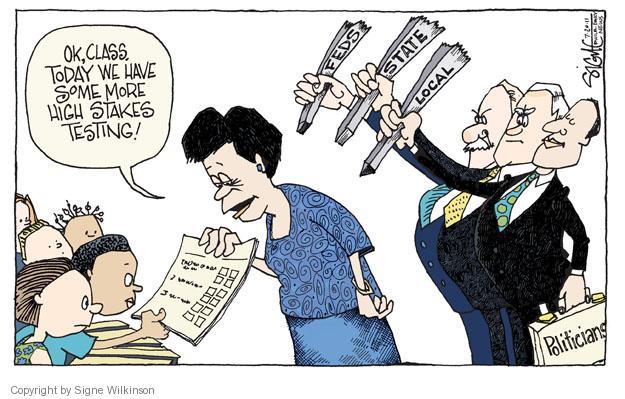
5. High- Stakes Testing
Direct Measurement of knowledge obtained
Students will be able to use their knowledge they have acquired and apply it to the real world.
Assessing by having students apply by asking them to use what they've learned in a meaningful way.
Performing task, real life, student- structured, construction/ application, direct evidence
TA model= the curriculum drives the assessment
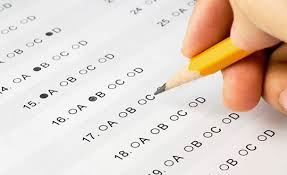
Forced- choice measures of multiple choice tests, fill in the blanks, true/false & matching
Can serve as a nice complement to AA. However, it's much less revealing about what we really know.
Recall/ Recognition, Indirect evidence, teacher- structured
Determines if they are ELL's and thus eligible for educational services that will help them achieve the educational performance standards
Develops effective educational practices for linguistic and cultural minority students
Legally obligated to identify students who are ELL
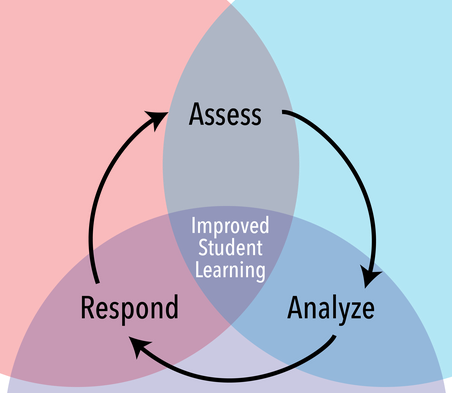
Provides continuos feedback on the effectiveness of instruction and indicates areas where a change in instructional strategy maybe advised.
Planned assessments such as quizzes, end of chapter tests, reports, or essay writing
Examines students work, observing oral language development & evaluating progress
Reveals strengths and growth not detected by annual High-stake testing.
Program that makes schools, districts, and state education agencies accountable for their educational progress.

Information
- Description
- masters class
- Created by
- Kara Bethea - THV Faculty
- Views
- 1
- History
-
- Created by cassie_dodd · Nov 8, 2018
- Copied by Kara Bethea - THV Faculty · Nov 8, 2018
- Copied to Note by Kara Bethea - THV Faculty · Nov 8, 2018
- Rating