
Business and Corporate Strategy
96 resources created by 86 users
This Business and Corporate Strategy page on GoConqr gathers community-made quizzes, mind maps, flashcards and notes, from Porter's Five Forces and SWOT analysis to diversification, vertical integration and the Boston Matrix. It's built for university students and professional candidates, school students and teachers after ready-made material. There are over 1,400 resources here, including more than 30 quizzes and over 1,100 mind maps, mostly at university level with a smaller secondary share. Pick a topic, try a quiz to find your gaps, then make your own.
Top Business and Corporate Strategy resources
-
50 questionsChapter 5 - Product Differentiation
-
49 questionsChapter 7 - Corporate Diversification
-
50 questionsChapter 6 - Vertical Integration The number of steps in a firm's value chain that it accomplishes within its boundaries describes the firm's...
-
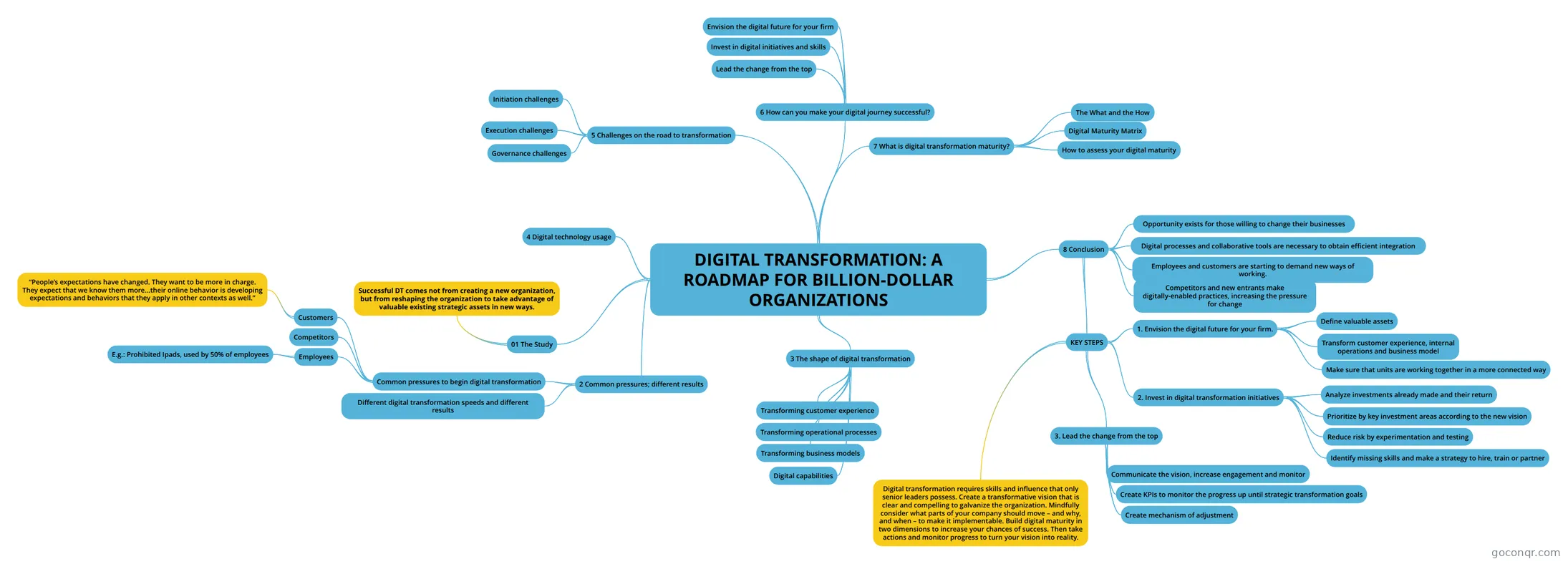 Mind map DIGITAL TRANSFORMATION: A ROADMAP FOR BILLION-DOLLAR ORGANIZATIONS FINDINGS FROM PHASE 1 OF THE DIGITAL TRANSFORMATION STUDY CONDUCTED BY THE MIT CENTER FOR DIGITAL BUSINESS ...
-
12 cards3.8.2: Strategic positioning: choosing how to compete
-
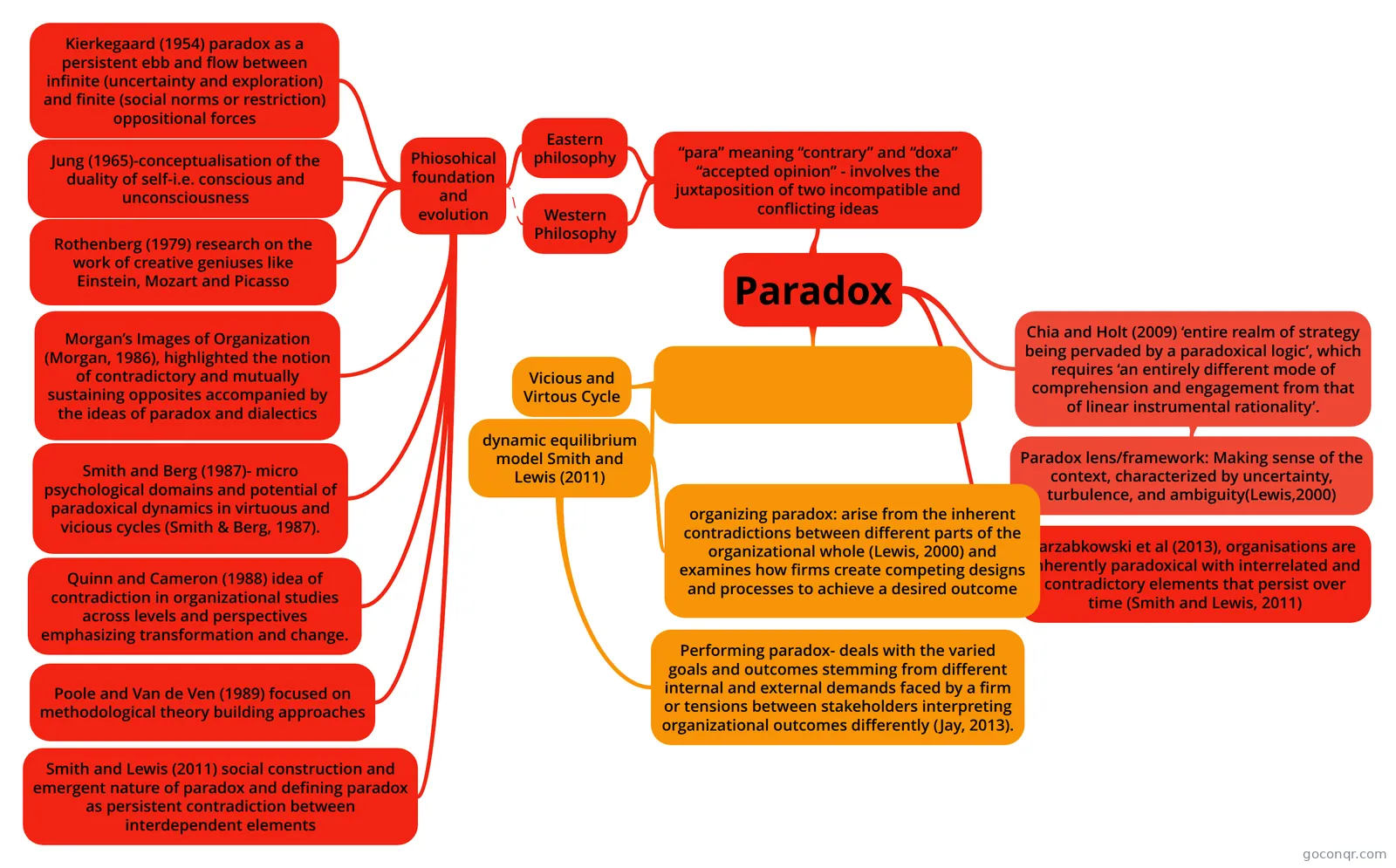 Mind map Paradox
-
6 cards3.7.3: Analysing the existing internal position of a business to assess strengths and weaknesses: overall performance
-
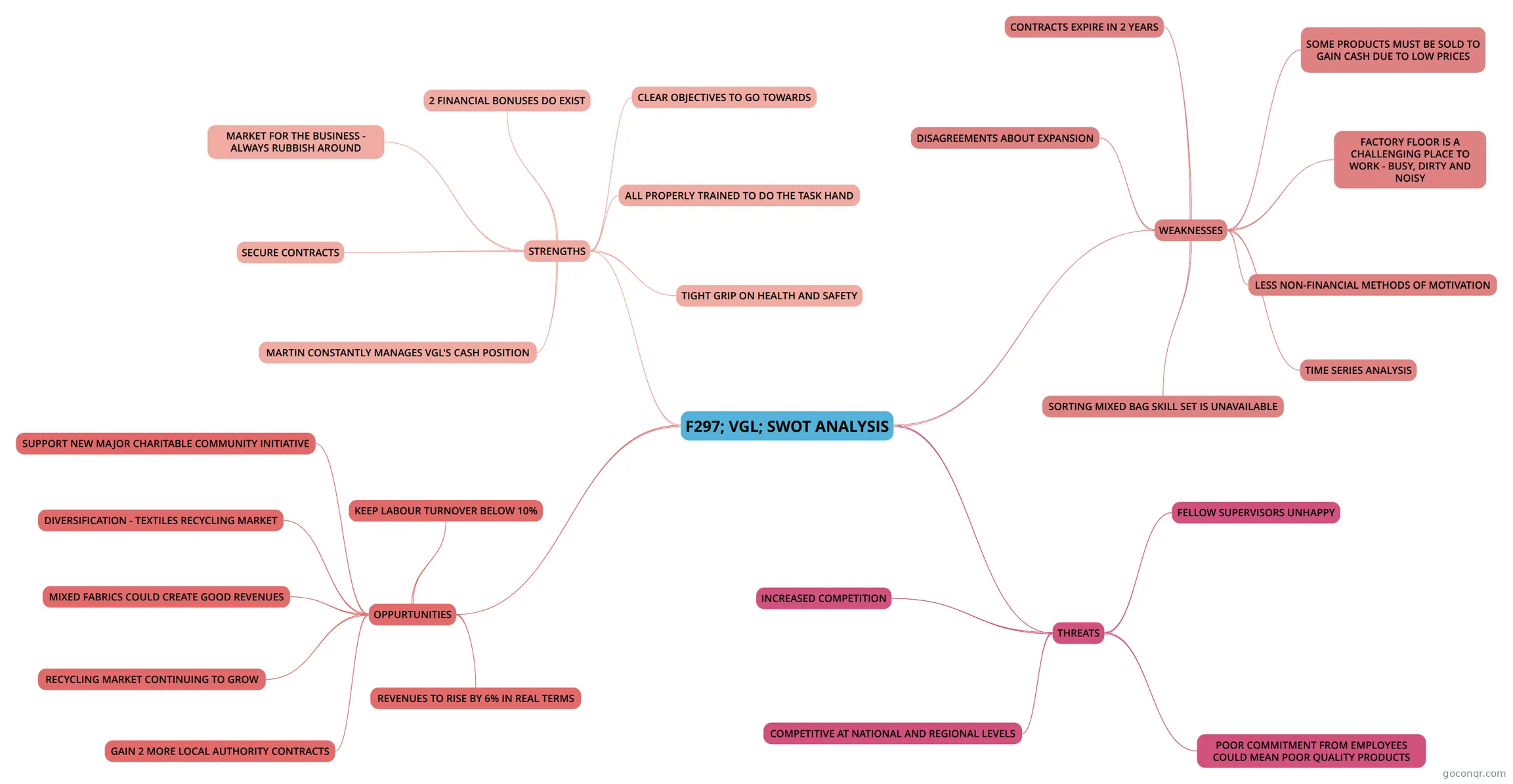 Mind map F297; VGL; SWOT ANALYSIS
Quizzes
-
50 questionsChapter 5 - Product Differentiation
-
49 questionsChapter 7 - Corporate Diversification
-
50 questionsChapter 6 - Vertical Integration The number of steps in a firm's value chain that it accomplishes within its boundaries describes the firm's...
-
25 questionsChapter - 4 An analysis of the environment in which an organization operates is also known as
-
15 questionsChapter 6 The key types of risk companies face include:
-
10 questionsLEAD 3103 - Concept 5 Strategizing is short for strategic planning.
Mind maps
See all 64 mind maps-
DIGITAL TRANSFORMATION: A ROADMAP FOR BILLION-DOLLAR ORGANIZATIONS FINDINGS FROM PHASE 1 OF THE DIGITAL TRANSFORMATION STUDY CONDUCTED BY THE MIT CENTER FOR DIGITAL BUSINESS ...
-
Paradox
-
F297; VGL; SWOT ANALYSIS
-
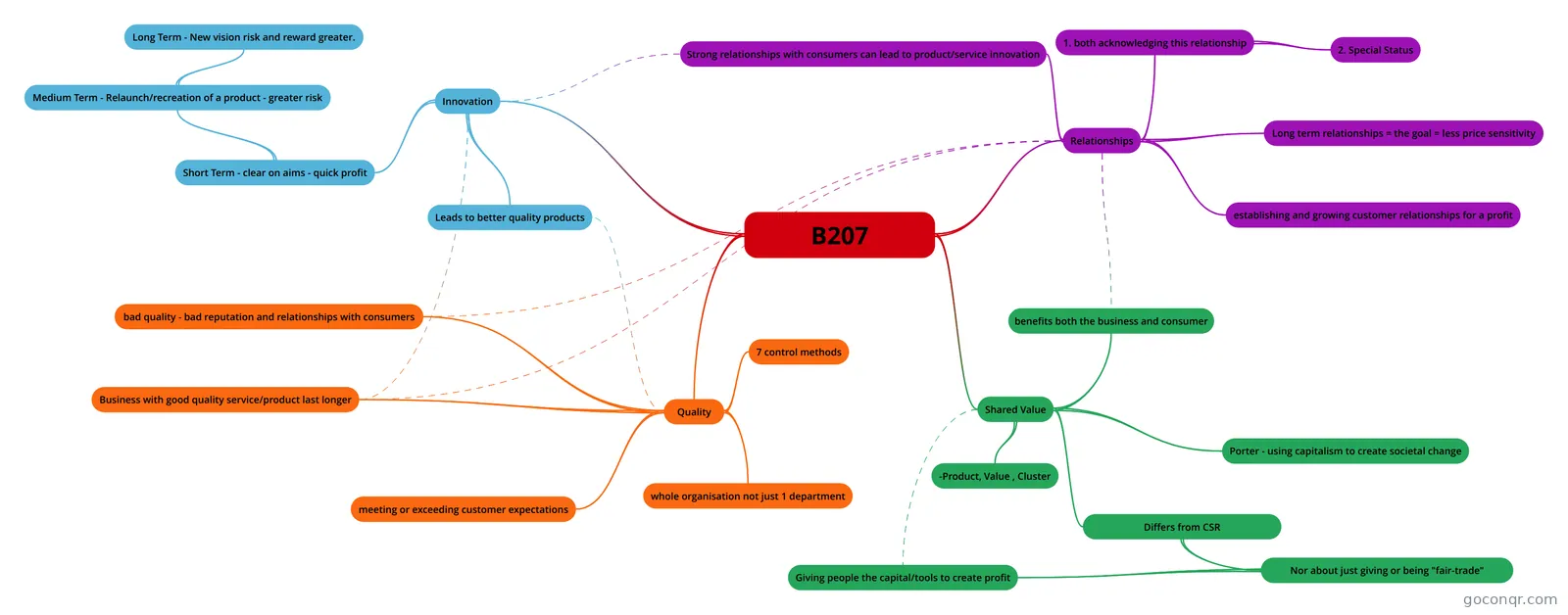 B207
-
The Boston Matrix
-
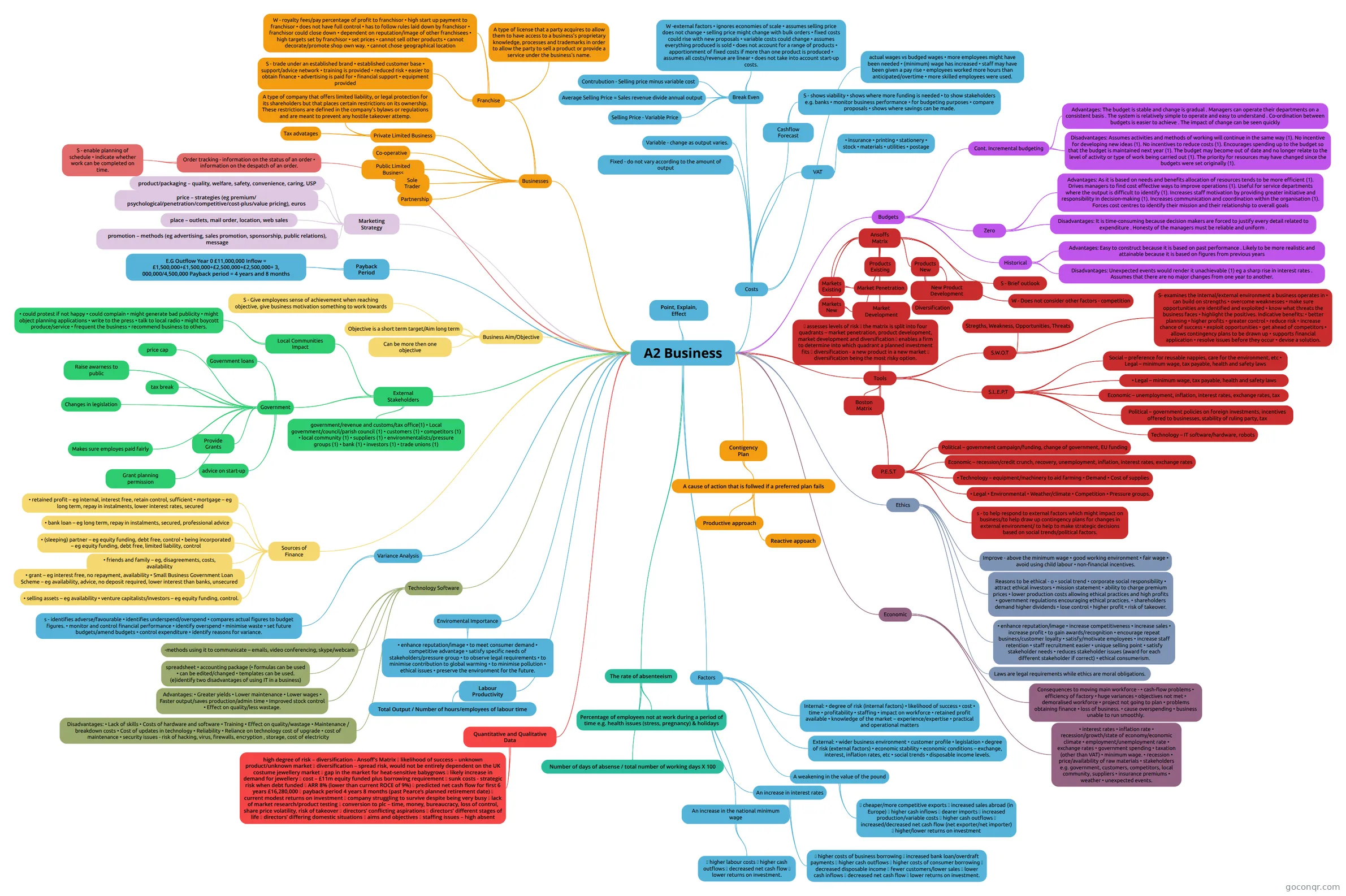 A2 Business
-
BUSS 3 - FINANCE STRATEGIES, ACCOUNTS AND OBJECTIVES
-
¿Which are the main corporate directional strategies?
Flashcards
See all 19 flashcards-
12 cards3.8.2: Strategic positioning: choosing how to compete
-
6 cards3.7.3: Analysing the existing internal position of a business to assess strengths and weaknesses: overall performance
-
125 cardsBUSS 3 Key Terms Learn them properly you idiot
-
83 cardsCORPORATE LEVEL STRATEGY INTERNATIONALISATION AND PERFORMANCE
-
63 cardsBusines Unit 4 key words
-
48 cardsStrategy Midterm Part 2 - Industry Analysis What are the five competitive forces that shape strategy?
-
56 cards3.7 Analysing The Strategic Postion Of A Business - Yellow folder
-
20 cards3.9.2: Assessing innovation
Notes
-
Introduction, Marketing, and Organizational Vision Week One Corporate Strategy and Market Strategy Organizations must continually assess their position in the marketplace. In an effort to summarize the short-term and long-term goals of the organization, the Executive ...
-
BUSS3 Keywords Functional Objectives & Strategies Aims / goalsGeneral statements of what a business intends to achieve. Precise details of those intentions are set out in objectivesBusiness unit strategyHow...
-
Unit 4a theory notes EDEXCEL 4.3.1 Corporate ObjectivesKey TermsCorporate Objectives: Are Corporate Objectives + Corporate aims, refer to business as a whole. To work they have to be practical and effective e.g. relating to Market Standing, busin...
-
Week 5 & 6 - created from Mind Map Porters generic series Competitive stratergy Competitive advantage Focus strategy Price based strategy
Slides
More Business administration and management (incl. project management) topics
About Business and Corporate Strategy
GoConqr OriginalWhat the resources cover
The page brings together strategy at two levels: how a single business competes, and how a larger company decides which businesses to be in. On the business side you will find maps and decks on Porter's Five Forces, Competitive Advantage, Low-Cost Provider and the Value Chain. On the corporate side there are materials on diversification, vertical integration, mergers and acquisitions, and portfolio tools such as the Boston Matrix and Ansoff's Matrix.
Where to start
If you are new to the topic, begin with the flashcard deck on strategic positioning: choosing how to compete. It covers Porter's generic strategies, including cost leadership and differentiation. Then move to the quiz Chapter 5 - Product Differentiation, which tests how firms raise the perceived value of their products against rivals.
Next, look at the deck on analysing the existing internal position of a business. It introduces core competencies, Kaplan and Norton's Balanced Scorecard and Elkington's Triple Bottom Line.
Moving to corporate strategy
Once positioning feels familiar, try the quizzes Lecture 5- Corporate strategy & diversification, Chapter 7 - Corporate Diversification and Chapter 6 - Vertical Integration. They ask you to fill gaps on terms such as the corporate parent, operating in several industries, and how many steps of the value chain a firm keeps inside its boundaries.
Using quizzes and maps together
- Read a mind map such as The Boston Matrix to see the whole idea on one screen.
- Take a quiz on the same theme and note what you missed.
- Go back to the map or a flashcard deck to fix those gaps.
- Retry the quiz a few days later.
The maps also include worked cases, such as the SWOT analysis for VGL, and a reflective one called Paradox, which draws on Chia and Holt. These suit essay practice and case work.
Where it fits
This unit sits within the Strategic Management strand of Business administration and management (incl. project management). Several resources mention A-level Business, A-level Business Studies, GCSE Business, IB and AQA A-level Business, so secondary students will find familiar material alongside the university content.
Choose one map or quiz today and see how far you get, then add your own flashcards for the terms that trip you up.
Frequently asked questions
Which resource should I open first?
Start with the flashcard deck on strategic positioning: choosing how to compete. It sets out Porter's generic strategies, including cost leadership and differentiation, which many other resources on this page build on. After that, try the quiz Chapter 5 - Product Differentiation to check what stuck.
What do the mind maps cover?
There are over 1,100 mind maps. They include Porter's Five Forces, SWOT analysis, the Boston Matrix, Ansoff's Matrix, Competitive Advantage, Mergers and Acquirsition, innovation and financial strategy. Some are case-based, such as the one on South West Airlines, so you can see the models applied.
Which levels and exams do these resources suit?
Most of the material is at university level, so it suits university students and professional candidates. A smaller share is secondary, and listed resources mention A-level Business, A-level Business Studies, GCSE Business, IB and AQA A-level Business. Teachers can use the slide sets and notes as ready-made material.
Are the resources free to use?
Yes. Every resource listed here is free to open, study and take, with no account needed. They were made by GoConqr users, not by GoConqr itself. A free account also saves your quiz scores and lets you create your own quizzes, mind maps, flashcards and notes.
Which quizzes cover corporate strategy?
Three are a good fit: Lecture 5- Corporate strategy & diversification, Chapter 7 - Corporate Diversification and Chapter 6 - Vertical Integration. They cover the corporate parent, operating across several industries, and how much of the value chain a firm performs itself.
What if I can't find the topic I need?
Try a nearby resource first, as many topics overlap. Competitive Advantage, Industry Analysis and Corporate Objectives and Strategies appear in several forms, such as maps, decks and notes. If a gap remains, you can make your own mind map or flashcards on it.