
Nervous System and Neurological Disorders
448 resources created by 312 users
This Nervous System and Neurological Disorders page on GoConqr gathers community-made quizzes, mind maps, flashcards and notes, from stroke, epilepsy and multiple sclerosis to brain tumours and Guillain Barre Syndrome. It's built for university students and professional candidates practising neuropathology and clinical presentations, and for teachers after ready-made material. There are over 400 resources here, including more than 50 quizzes and over 240 mind maps. Pick a topic, try a quiz to find your gaps, then make your own set.
Select topic
- Headaches and Migraine29
- Seizures and Epilepsy37
- Intracranial Pressure, Cerebral Edema and Coma6
- Stroke and Cerebrovascular Disease45
- Traumatic Brain Injury14
- Spinal Cord Disorders and Injury15
- Brain and CNS Tumors51
- CNS Infections and Meningitis21
- Multiple Sclerosis and Demyelinating Disorders31
- Peripheral Nerve and Motor Neuron Diseases9
- Parkinson's and Movement Disorders19
- Dementia, Alzheimer's Disease and Delirium19
- Congenital Brain Disorders5
Top Nervous System and Neurological Disorders resources
-
16 questionsExemplar 13.7: Spinal Cord Injury The following is the pathophysiology and etiology of spinal cord injuries. Drag and drop the correct answer...
-
32 cardsChapter 10: Altered Neuronal Transmission Vocab for pathophysiology exam
-
Mind map CNS Tumors
-
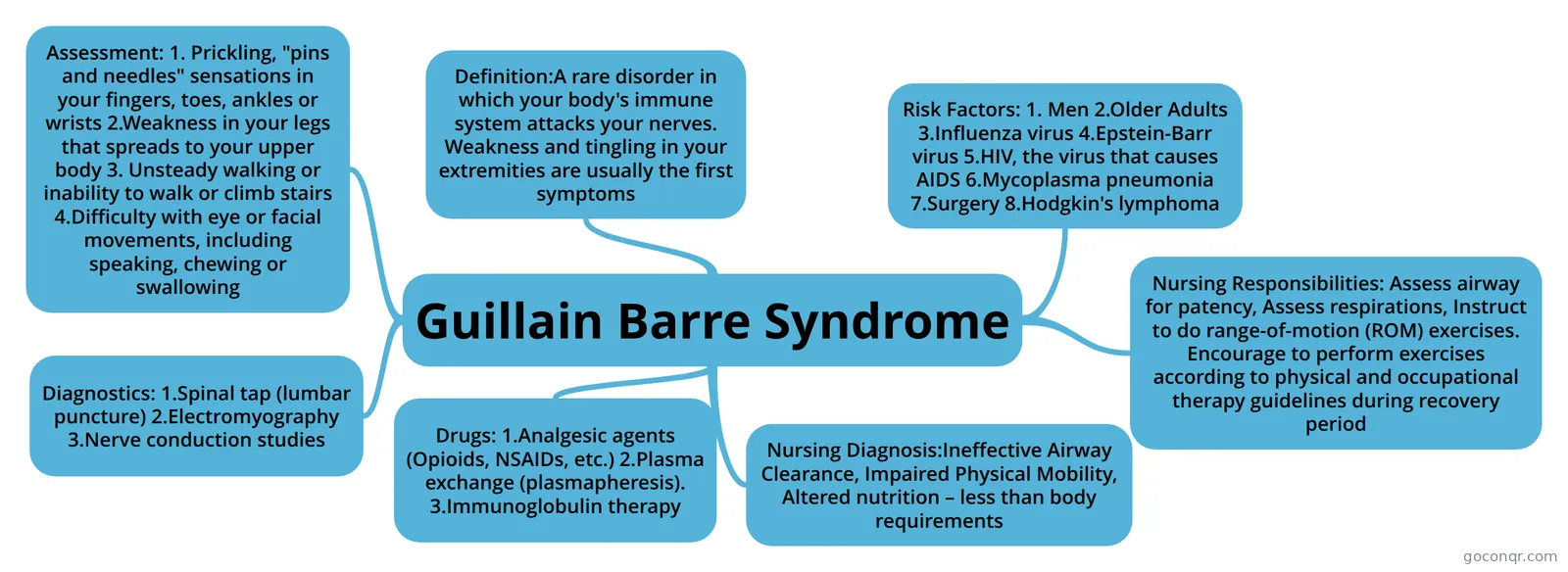 Mind map Guillain Barre Syndrome Guillian Barre
-
82 questionsSeizure and Epilepsy
-
Mind map Neuropathology
-
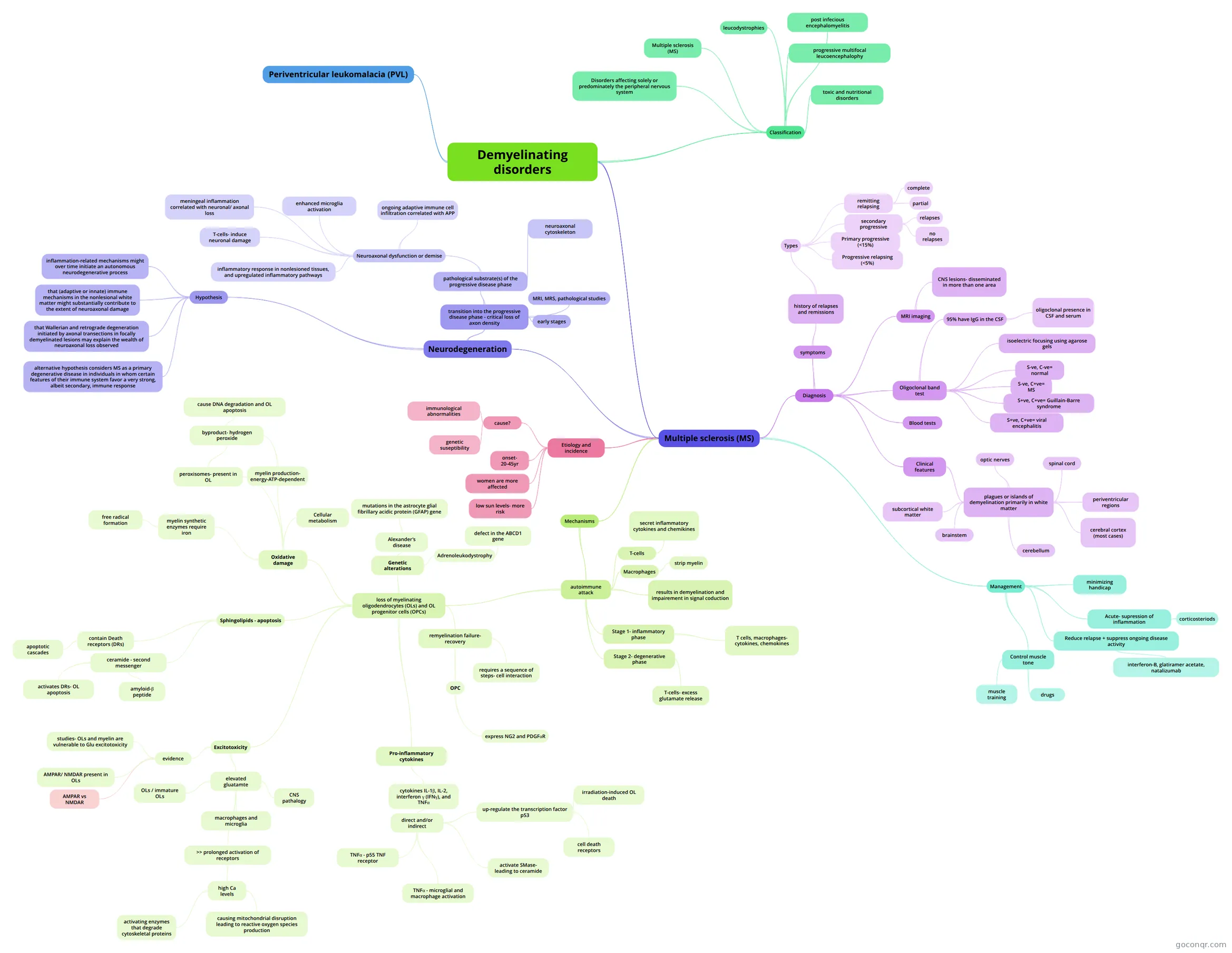 Mind map Demyelinating disorders
-
Mind map Stroke
Quizzes
See all 59 quizzes-
16 questionsExemplar 13.7: Spinal Cord Injury The following is the pathophysiology and etiology of spinal cord injuries. Drag and drop the correct answer...
-
82 questionsSeizure and Epilepsy
-
40 questionsNeuropathology II - Demyelination & Dementia Neuropathology II - Demyelination & Dementia given in Week 4 Includes Memory Loss lectures given during Week 4
-
15 questionsSpinal Cord Compression Spinal Cord Compression lecture given on 25/09/2018
-
47 questionsAMK head pathologies pt 1 :) A 65 years old man is brought to the GP by his wife. The wife complains that over the past few months, her ...
-
29 questionsEpilepsy A seizure whereby there is rapid contraction and relaxation of muscles causing an uncontrollable shaking of...
-
34 questionsBrain Tumours Brain tumours can be described as supratentorial and infratentorial based on their position in relation to ...
-
16 questionsSpinal Cord and Root Dysfunction Spinal Cord and Root Dysfunction given on 20/09/2018
Mind maps
See all 248 mind maps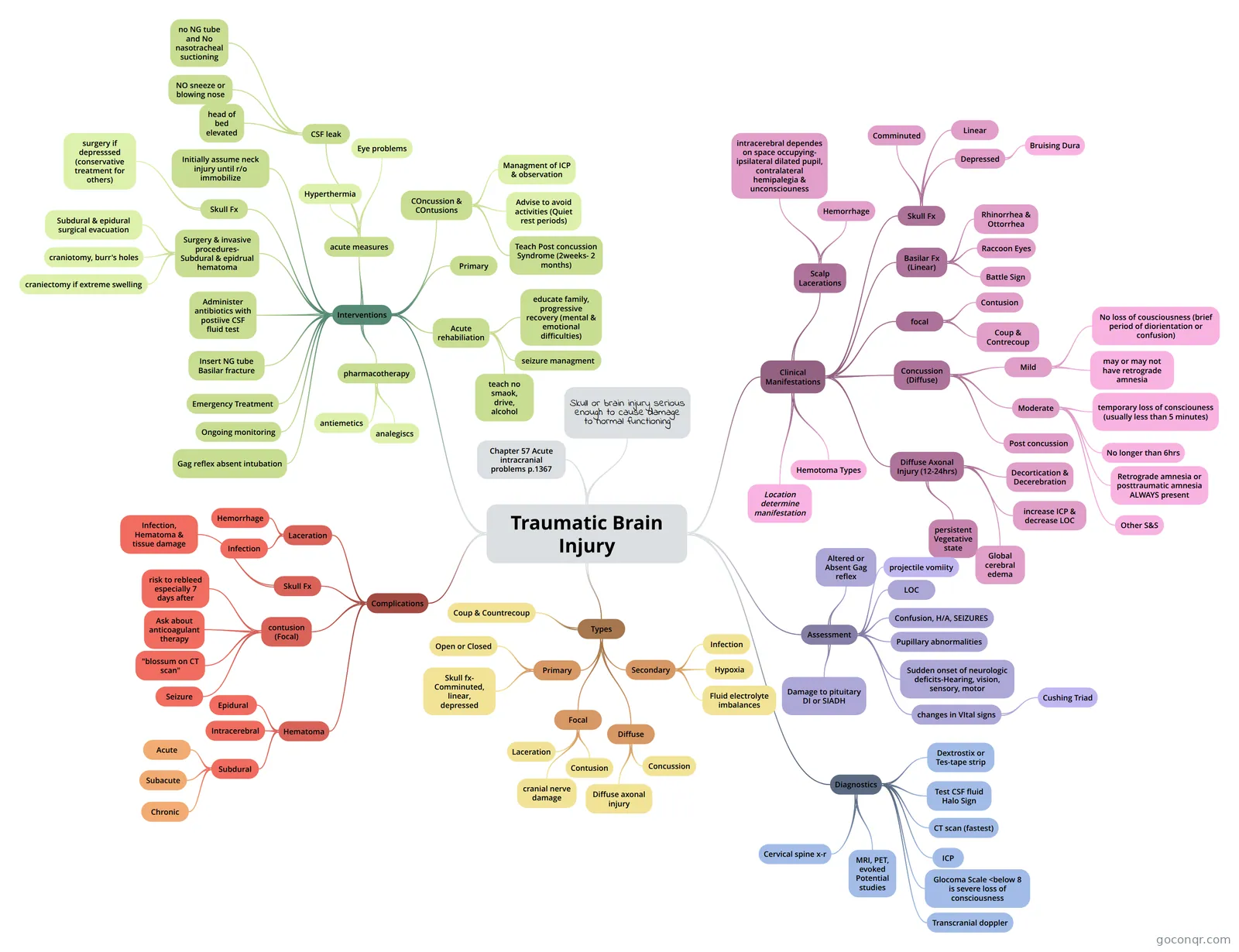
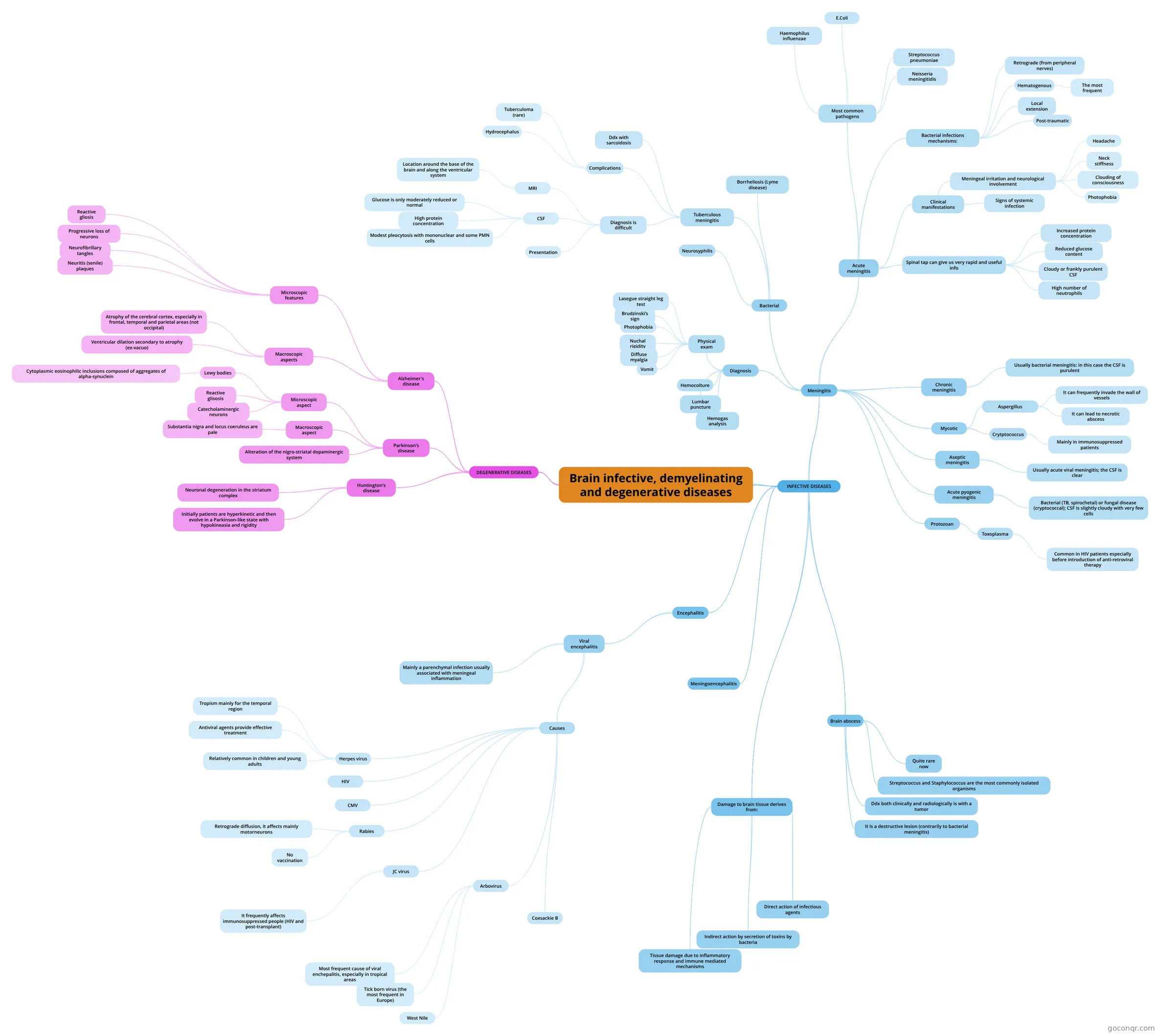
Flashcards
See all 119 flashcards-
32 cardsChapter 10: Altered Neuronal Transmission Vocab for pathophysiology exam
-
120 cardsNervous 1+2 Pictures
-
73 cardsneuro diseases 2 the secondary effects of a TBI can cause more damage they are increased ICP, bradycardia, HTN, hemorrhage, ...
-
44 cardsStroke, Cerebral Palsy and Epilepsy 3 main types?
-
20 cardsCerebral Palsy and Down's Syndrome
-
4 cardsPathophysiology - Structure & Fxn of Neuro System Nervous system overview: origination of sympathetic nervous system
Notes
See all 17 notesTopics in Nervous System and Neurological Disorders
More Internal medicine, pathology and clinical semiology topics
About Nervous System and Neurological Disorders
GoConqr OriginalWhat the unit covers
This unit sits in the Neurology strand of Internal medicine, pathology and clinical semiology. It mixes basic neuropathology with named diseases and presenting problems, so you can move from structure to clinical picture.
The flashcard deck on altered neuronal transmission covers chromatolysis, neuronophagia, gliosis, the blood-brain barrier and terms such as paresthesia and quadriplegia. The Neuropathology mind map lays out grey and white matter, nuclei and cortex.
Diseases and syndromes
- Vascular: several stroke mind maps, flashcard decks and quizzes, plus a quiz on intracranial haemorrhage.
- Demyelinating and degenerative: the Demyelinating disorders mind map, many Multiple Sclerosis maps, and material on Parkinson's disease, Huntington Disease and motor neurone disease.
- Tumours: the CNS Tumors mind map separates metastatic from primary tumours, with glioblastoma multiforme and meningioma.
- Pressure and injury: the Incr. ICP mind map, traumatic brain injury maps and a spinal cord injury quiz.
- Other: epilepsy, headache, meningitis, encephalitis and Guillain Barre Syndrome.
Where to start
Begin with the Neuropathology mind map, then the flashcard deck on altered neuronal transmission, so the vocabulary is familiar. Next choose one disease group, such as stroke or multiple sclerosis, and read a mind map before anything else.
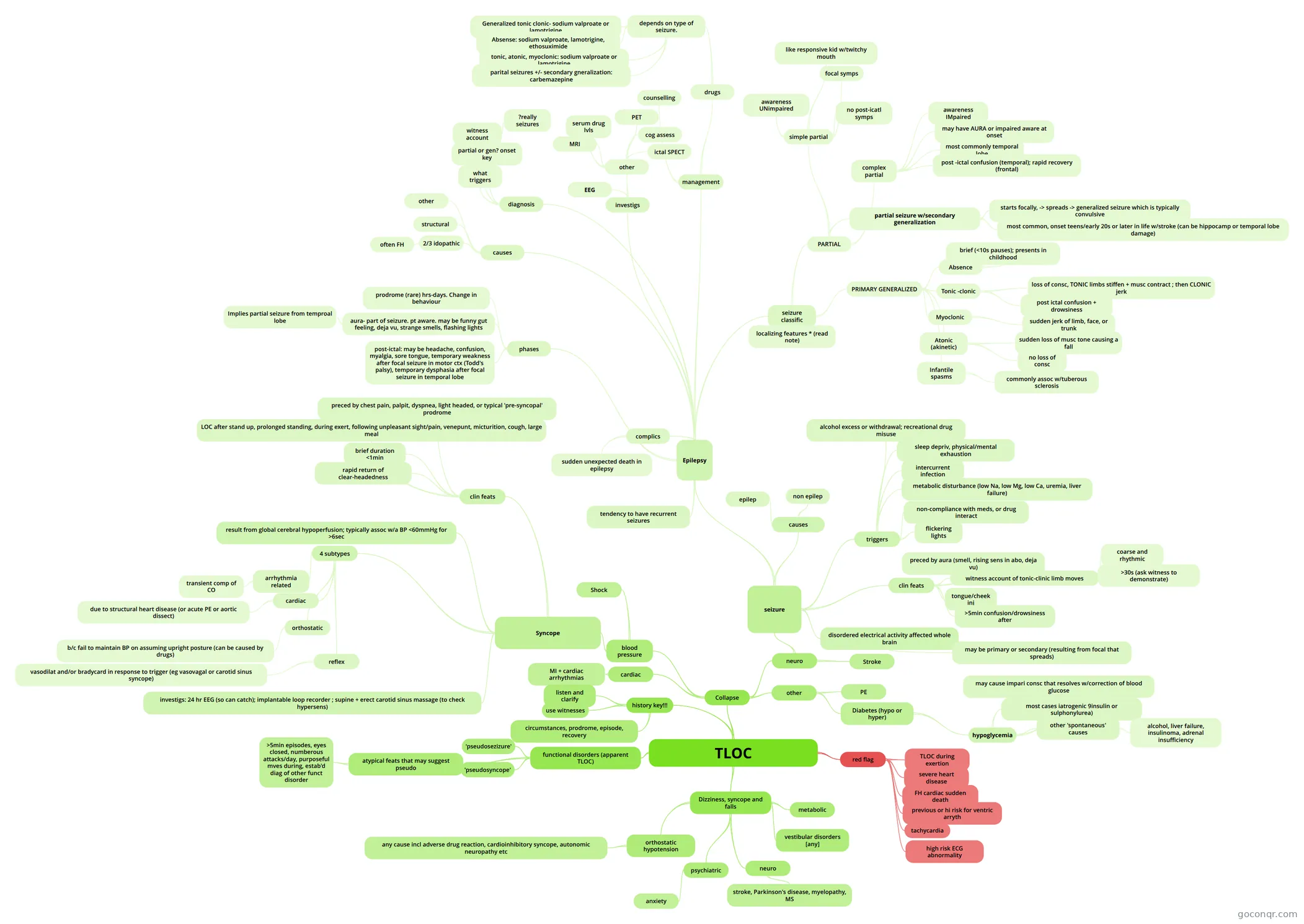
For clinical thinking, open the Loss of Consciousness(LOC) mind map and the note on headache differential and red flags. The headache note is framed around examination, which suits OSCE-style revision.
Using quizzes and maps together
Read a map, close it, then take a quiz on the same topic. The practice-question quizzes on cerebrovascular diseases, neurodegenerative disorders, movement disorders and CNS infections work well for this. Note what you missed, go back to the map, and try again later. Teachers can set a map as pre-reading and a quiz as a quick check.
Exam candidates will find USMLE mentioned in some of the listed material, so check the resource descriptions for relevance.
Make it your own
If a topic is thin, build your own flashcards or a map from a note and keep it alongside the community sets.
Frequently asked questions
Which resource should I open first?
Start with the Neuropathology mind map, which sets out grey and white matter, nuclei and cortex. Then try the flashcard deck on altered neuronal transmission for terms like chromatolysis and astrogliosis. After that, pick one disease group and work through its map before taking a quiz.
What do the mind maps cover?
The maps span raised intracranial pressure, Guillain Barre Syndrome, CNS tumours, Huntington Disease, demyelinating disorders, stroke, epilepsy, migraines and neurofibromatosis. Others cover presentations such as weakness, confusion and TLOC, so you can revise by symptom as well as by diagnosis.
Are the resources free to use?
Yes. Every resource listed here is free to open, study and take, with no account needed. They were made by GoConqr users, not by GoConqr itself. A free account adds saved quiz scores and lets you create your own quizzes, maps, flashcards and notes.
Who are these resources for?
They are mainly for university students and professional candidates revising neuropathology and clinical neurology, and for teachers wanting ready-made material. Some listed resources mention USMLE. Quizzes range from short topic checks to broader CNS pathology tests.
Which quizzes suit topic-by-topic revision?
The practice-question quizzes on cerebral oedema, cerebrovascular diseases, neurodegenerative disorders, movement disorders and CNS infections fit this well. There are also quizzes on epilepsy, spinal cord compression, intracranial haemorrhage and multiple sclerosis.
What if my topic is missing?
Look at related maps or decks first, since many topics overlap, such as stroke and cerebrovascular disease. If nothing fits, build your own flashcards, map or note from your lecture material and use the existing quizzes to test it.