
General Pathology and Pathophysiology
114 resources created by 92 users
This General Pathology and Pathophysiology page on GoConqr gathers community-made quizzes, mind maps, flashcards and notes, from cell injury, inflammation and thrombosis to neoplasia, amyloidosis and organ pathology. It's built for university students and professional candidates practising recall and exam-style questions, and for teachers after ready-made material. There are over 750 resources here, including more than 250 quizzes, over 200 mind maps and over 200 flashcards, mostly at university level. Pick a topic, try a quiz to find your gaps, then build your own revision sets.
Top General Pathology and Pathophysiology resources
-
100 questionsClinical Pathology (401-500) MCQs- Year 4 PMU Mark the correct statements about papillary cystadenoma of the ovary
-
100 cardsPATHO LE2: Immuno NKT cell surface receptor
-
90 questionsGeneral Pathoanatomy Final MCQs (111-200)- 3rd Year- PMU What is pathology?
-
40 questionsClinical Pathoanatomy MCQs (Qs 491 - 530) The upper outer quadrant of the breast shows dense node, well delimited and movable to the surrounding tiss...
-
99 questionsClinical Pathoanatomy mcqs (351-450) indicate the correct statements
-
29 questionsClinical Pathology (501-530) MCQs- Year 4 PMU During third trimester of pregnancy, a 28 year old woman discovers a lump in her right breast. It is a circ...
-
30 questionsChapter 46: Alterations of Musculoskeletal Function in Children Until the skeleton matures and adult stature is reached, where does growth in the length of bone occur?
-
46 questionsWeek 2 Patho tri 2 A 34-year-old man who is an intravenous drug user has presented to the emergency department with malaise, a...
Quizzes
See all 55 quizzes-
100 questionsClinical Pathology (401-500) MCQs- Year 4 PMU Mark the correct statements about papillary cystadenoma of the ovary
-
90 questionsGeneral Pathoanatomy Final MCQs (111-200)- 3rd Year- PMU What is pathology?
-
40 questionsClinical Pathoanatomy MCQs (Qs 491 - 530) The upper outer quadrant of the breast shows dense node, well delimited and movable to the surrounding tiss...
-
99 questionsClinical Pathoanatomy mcqs (351-450) indicate the correct statements
-
29 questionsClinical Pathology (501-530) MCQs- Year 4 PMU During third trimester of pregnancy, a 28 year old woman discovers a lump in her right breast. It is a circ...
-
30 questionsChapter 46: Alterations of Musculoskeletal Function in Children Until the skeleton matures and adult stature is reached, where does growth in the length of bone occur?
-
46 questionsWeek 2 Patho tri 2 A 34-year-old man who is an intravenous drug user has presented to the emergency department with malaise, a...
-
50 questionsPatho Quiz 1 An ordered photographic display of a set of chromosomes from a single cell is a
Mind maps
See all 26 mind maps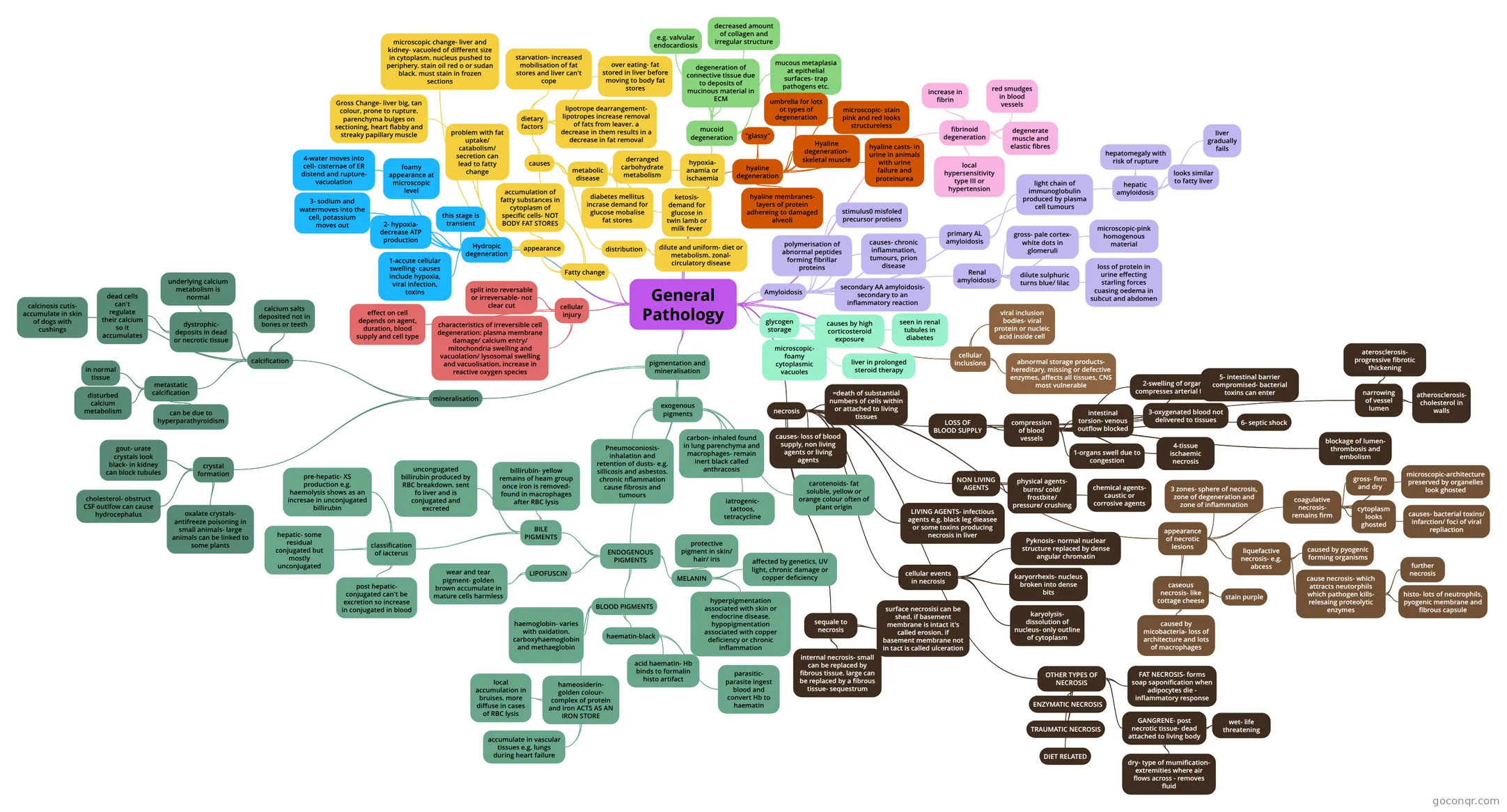
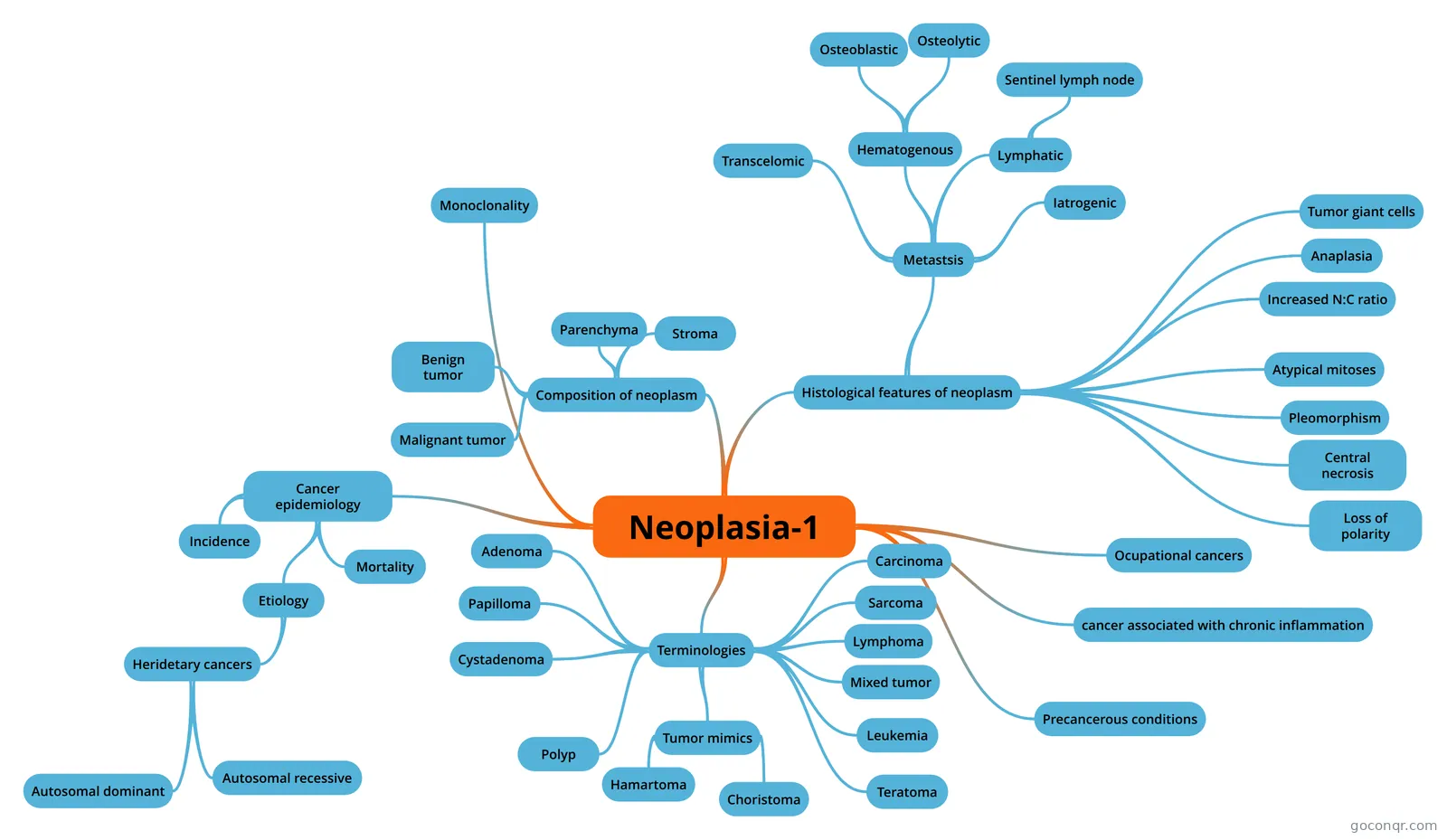
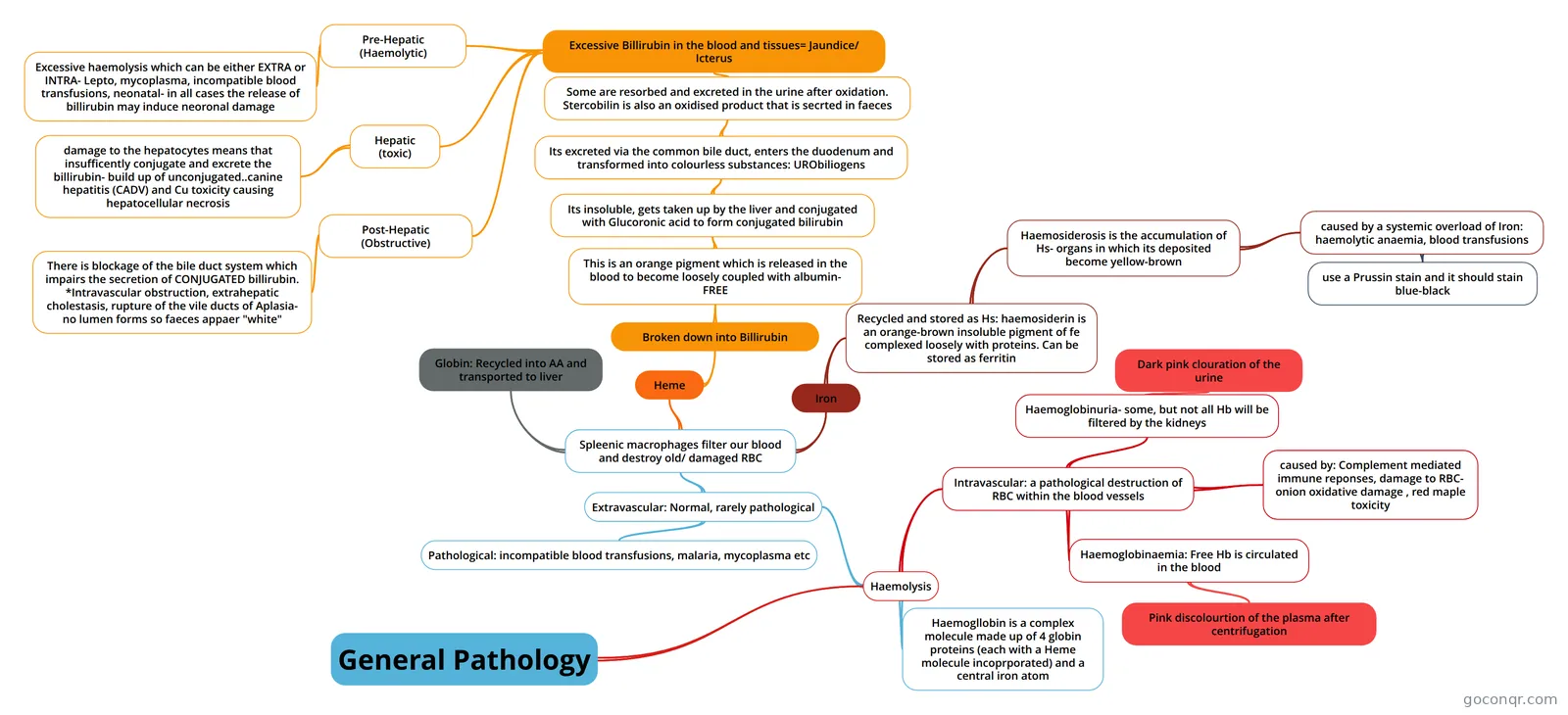
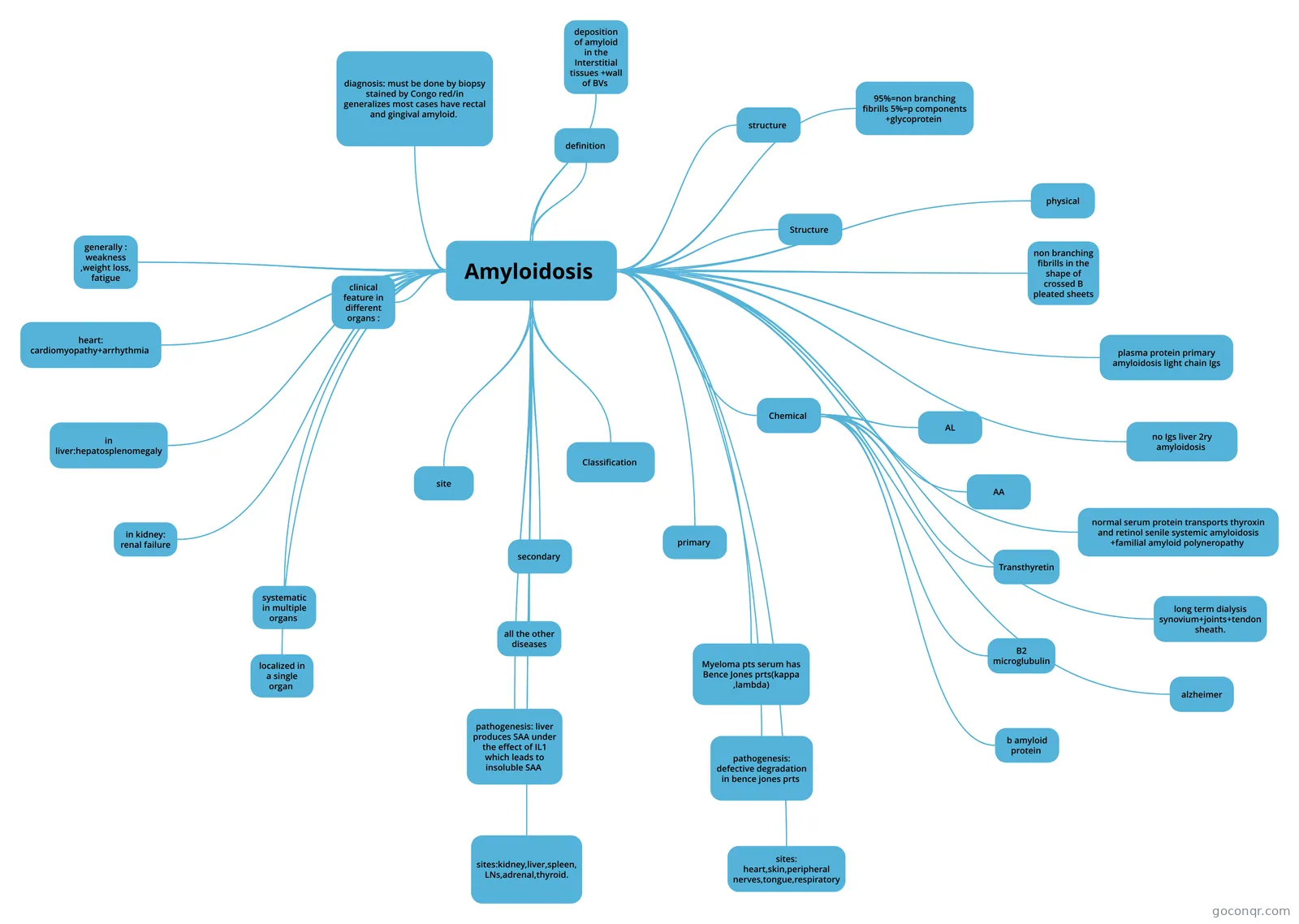
Flashcards
See all 30 flashcards-
100 cardsPATHO LE2: Immuno NKT cell surface receptor
-
30 cardsChapter 1: Concepts of Health and Disease What is the WHO definition of health?
-
58 cardsPathoanatomy-Slides Test 1-PMU
-
80 cardsThe behaviour of tumours What are the three parameters by which tumours are classified?
-
84 cardsThrombosis What is thrombosis?
-
67 cardsWeek 3 General Pathology
-
67 cardsPathology of the Liver What type of virus is hepatitis A?
-
88 cardsPRC - Lecture 3 Nomenclature. If a disease has a suffix of '-itis' what does this mean? Give 2 examples.
Notes
-
Patho Lecture Recording Ch 8 Lecture recording CH 8 Neoplasia Cancer cells are disorganized, disorderly arrangement, and problems with differentiation. When cells divide, the 2 new cells look like parent cell. That is why in the tissues, the cell...
-
Inflammation Definition:The response of living tissues to injury Bring leukocytes from blood to site of infection/damage.remove agent and initiate healing Types of Inflammation Acute:FastNeutrophilsMild injury/self-limitedProminen...
Slides
More Internal medicine, pathology and clinical semiology topics
About General Pathology and Pathophysiology
GoConqr OriginalWhat this unit covers
This unit sits in the General Pathology strand of Internal medicine, pathology and clinical semiology. It follows the usual path of general pathology: cell injury and adaptation, inflammation and repair, haemodynamic problems, and tumours. Later items move into organ systems such as liver, kidney, lung, bone and skin.
Where to start
Begin with the basics. The General Pathology quiz opens with cell injury questions, including causes of injury and the body's protective response. The General Pathology mind map covers haemolysis and the structure of haemoglobin. The Introduction to Pathology mind map and the Concepts and Classification mind map are gentle ways in.
- Read a mind map such as Response to cell injury to see the whole topic on one page.
- Take a short quiz on the same topic, such as Pathology- tissue repair.
- Use flashcards, such as Cell injury 1+ 2, to fix terms in memory.
Using quizzes and maps together
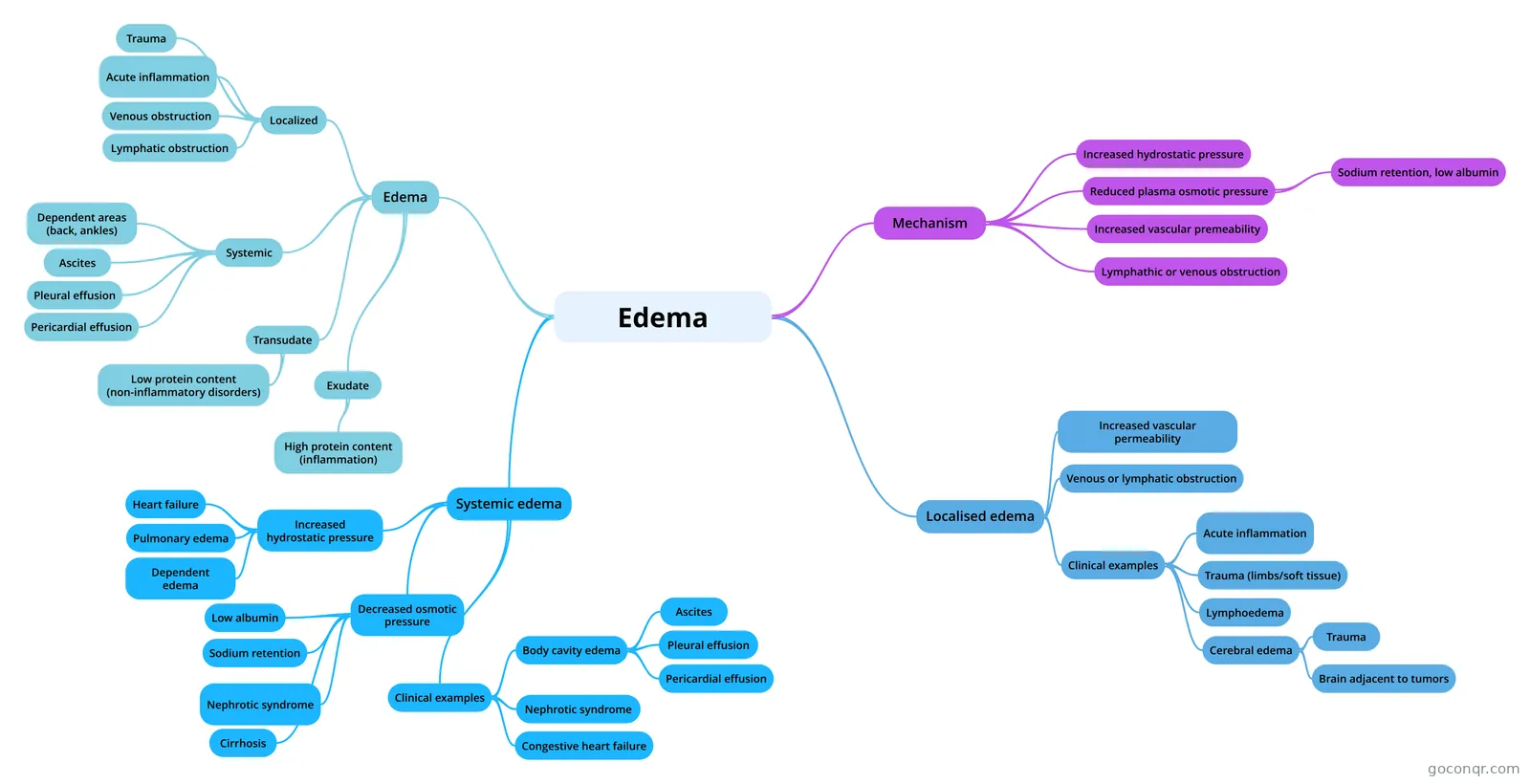
Maps show how ideas connect. The Edema mind map sets out the mechanisms: raised hydrostatic pressure, reduced plasma osmotic pressure, increased vascular permeability, sodium retention and lymphatic or venous obstruction. After reading it, test yourself on the same ground. Wrong answers tell you which branch to revisit.
The Pigments in histopathology quiz is a good example of a focused check. It asks you to identify deposits and recall stains, such as the Perls reaction for haemosiderin and Von Kossa's method for calcium.
Going further
For larger practice sets, the Clinical Pathology MCQs for Year 4 PMU cover tumour types, such as ovarian and colon tumours, along with breast lesions. The immunology flashcards, PATHO LE2: Immuno, cover T-cell and B-cell receptors and the actions of TH1 and TH2 cells. One resource mentions USMLE, and most items are written for university study.
When you're ready, choose one topic from the list, work through its map and quiz, and then make your own notes on whatever still feels shaky.
Frequently asked questions
Which resource should I open first?
Start with the General Pathology quiz, which begins with cell injury and the body's protective response. Pair it with the General Pathology mind map, which covers haemolysis. Once those feel comfortable, move on to inflammation, thrombosis and neoplasia using the other maps and quizzes listed.
What do the mind maps cover?
There are over 200 mind maps. They range from foundations such as Introduction to Pathology and Response to cell injury to oedema, amyloidosis, deep vein thrombosis, vasculitis, neoplasia, wound healing, and organ topics such as renal, bone and lung pathology.
Are the resources free to use?
Yes. Every resource listed here is free to open, study and take, with no account needed. They were made by GoConqr users rather than by GoConqr itself, so it helps to check them against your own course material.
Which levels and exams do these suit?
The resources are almost all university level, with a small share aimed at professional candidates. At least one resource mentions USMLE. Many quizzes come from medical-school pathology courses, so they suit university students revising for tests and final exams.
Can I make my own material?
Yes. A free account saves your quiz scores and lets you create your own quizzes, mind maps, flashcards and notes. This is handy if you want a set built around your own lecture topics or if you spot a gap in what is listed.
Is there anything for teachers?
Teachers can use the ready-made quizzes, mind maps and flashcards as revision material for classes. Sets such as the cell injury review quizzes and the neoplasia mind maps work well as starting points for classroom tasks or homework.