
Introduction to Neuroscience and Biological Bases of Behaviour
40 resources created by 37 users
This Introduction to Neuroscience and Biological Bases of Behaviour page on GoConqr gathers community-made quizzes, mind maps, flashcards and notes, from neurons and synapses to brain structure, reward and addiction. It's built for university students and professional candidates revising the basics, and for teachers after ready-made material. There are over 260 resources here, including more than 50 quizzes, 90 mind maps and 90 flashcard decks, shared by over 230 contributors. Pick a topic, try a quiz to find your gaps, then make your own set.
Top Introduction to Neuroscience and Biological Bases of Behaviour resources
-
135 cardsSD329 Block 1 & 2 Definitions All the bold text definitions in block 1 & 2 of SD329.
-
60 questionsBiopsychology MCQs The major components of an emotional response include:
-
30 questionsQuiz 1c Weeks 06-08
-
40 cardsBMSC335 Lecture 1 Week 1 Name the four anatomical directions given to the class by Dr Kivell:
-
16 cards16. Reflexes and Escape Behaviour BS2066 Lecture 16 by VS - Reflexes and Escape Behaviour
-
8 questionsBehavioral Neuroscience Exam 1 UCSD, Professor Dobkins
-
200 cardsBiopsychology Test #1 What is a neuron?
-
158 cardsSurvey of Neural Basis Fristch and Hitzig
Quizzes
See all 11 quizzes-
60 questionsBiopsychology MCQs The major components of an emotional response include:
-
30 questionsQuiz 1c Weeks 06-08
-
8 questionsBehavioral Neuroscience Exam 1 UCSD, Professor Dobkins
-
160 questionsBioPsych Final Which of the following statements about neural and glial cells is false?
-
61 questionsBio Psych Final Exam Practice Questions The major components of an emotional response include:
-
70 questionsNeuroscience Exam I Chapters 1 & 7
-
12 questionsNeurotransmission 3.1
-
14 questionsWeek 6 - Behavioural Neuroscience
Mind maps
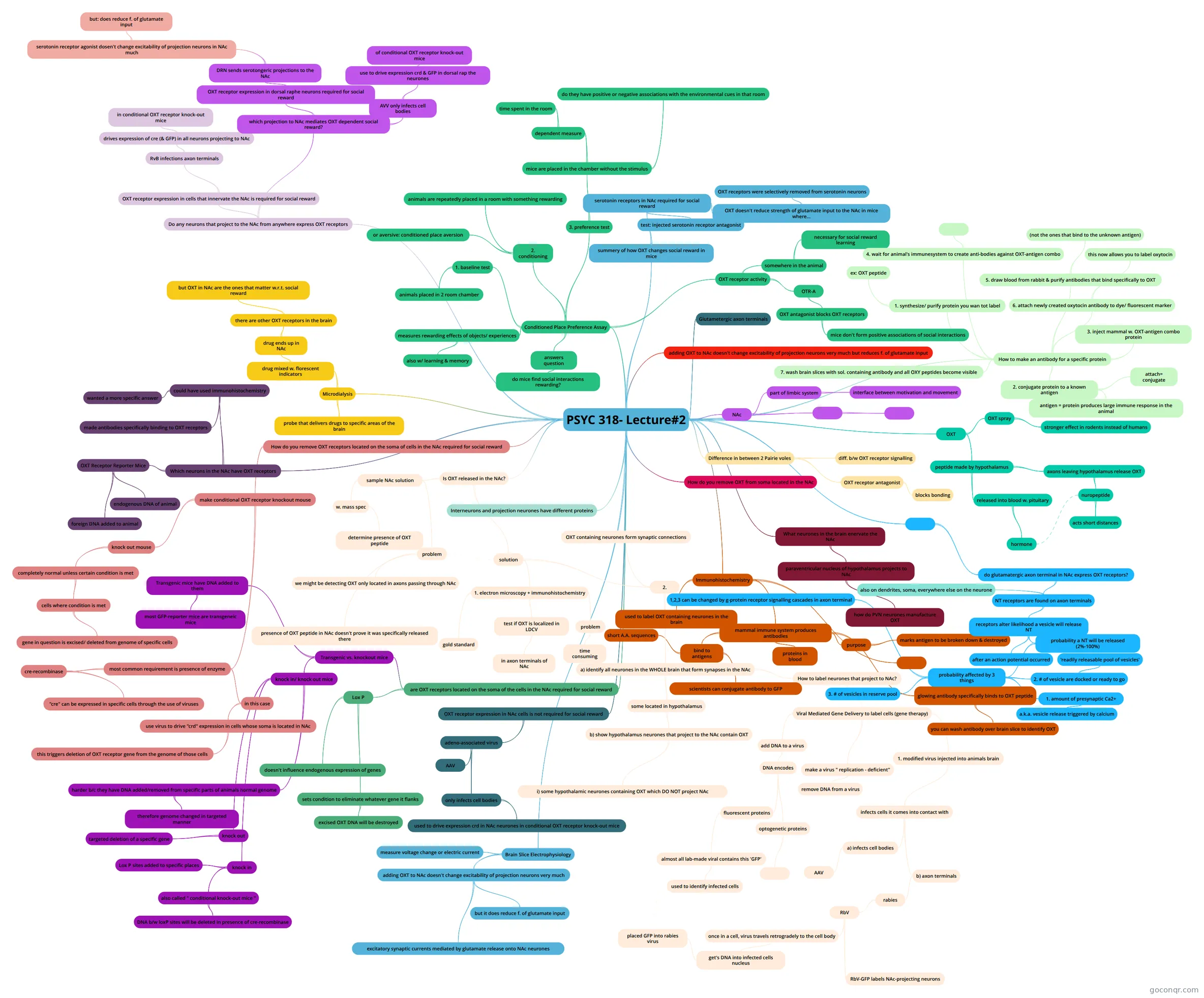
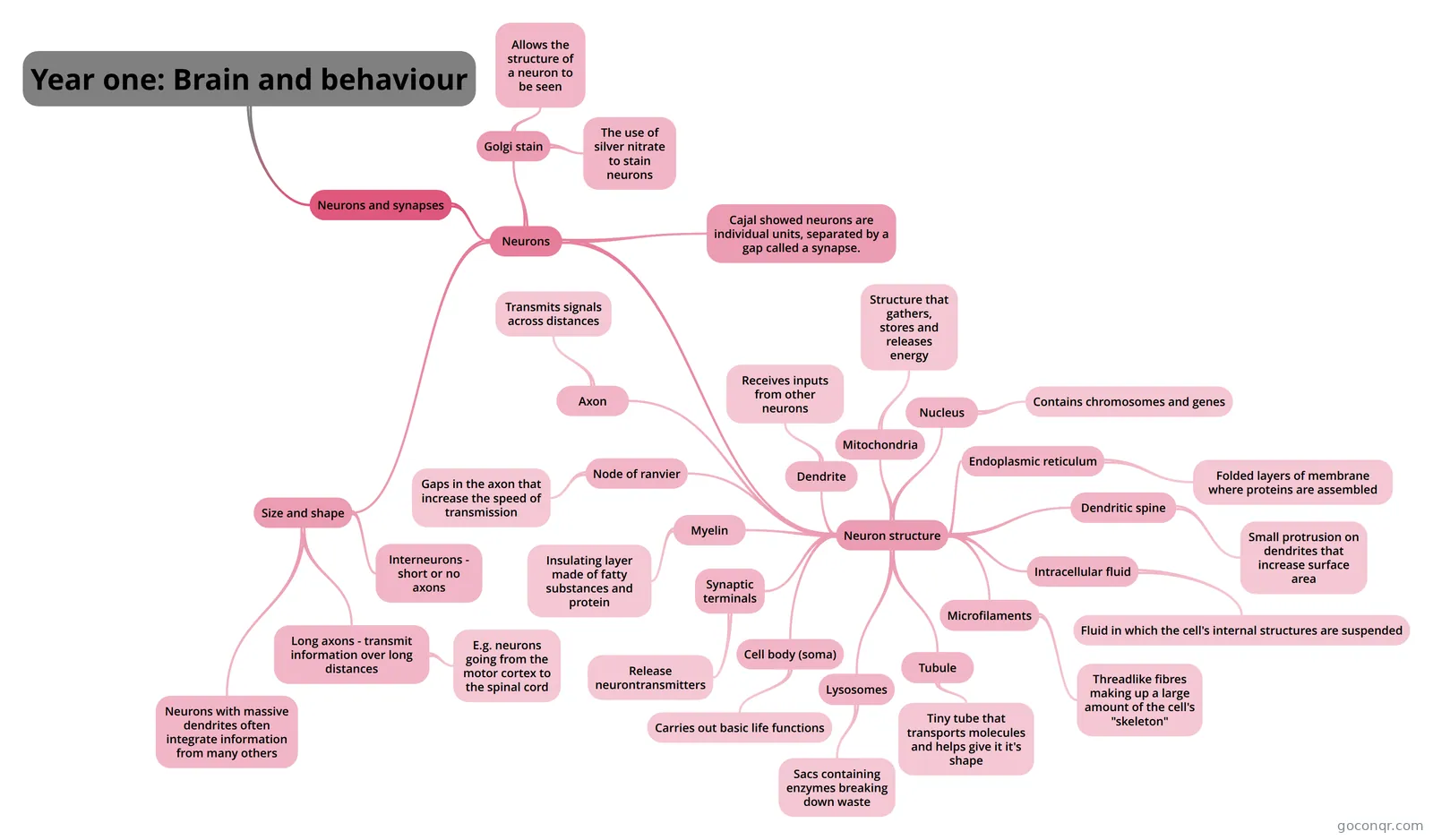
Flashcards
See all 20 flashcards-
135 cardsSD329 Block 1 & 2 Definitions All the bold text definitions in block 1 & 2 of SD329.
-
40 cardsBMSC335 Lecture 1 Week 1 Name the four anatomical directions given to the class by Dr Kivell:
-
16 cards16. Reflexes and Escape Behaviour BS2066 Lecture 16 by VS - Reflexes and Escape Behaviour
-
200 cardsBiopsychology Test #1 What is a neuron?
-
158 cardsSurvey of Neural Basis Fristch and Hitzig
-
115 cardsBiologiska perspektivet
-
71 cardsPSY 209 biological psychology (behavioral neuroscience)
-
200 cardsDBB Midterm Review - Important Terms part 1 Non-exhaustive list of terms that may appear on the Midterm exam
Flowcharts
Notes
-
Biopsychology Notes - Chapter 1 Understanding Human Consciousness: A Physiological Approach (3-5) Split Brain THOUGHT QUESTIONS Could a sufficiently large and complex computer ever be programmed to be aware of itself? Suppose that someone someday cl...
-
Module Specification/ Learning Objectives Students must be able to: Describe the structure and function of the nervous system at the level of synaptic transmission, gross anatomy and circuitry and sensory input and processing. Describe scientific techniques a...
More Neuroscience topics
About Introduction to Neuroscience and Biological Bases of Behaviour
GoConqr OriginalWhat the resources cover
The listed material starts with the building blocks of the nervous system. The flashcard deck SD329 Block 1 & 2 Definitions runs through the neuron, glial cells, afferent and efferent pathways, the cerebral cortex, the brain stem, the cerebellum and the four lobes. BMSC335 Lecture 1 Week 1 adds anatomical direction terms such as dorsal, ventral, anterior and lateral.
From there the page moves to how neurons work. The quiz Behavioral Neuroscience Exam 1 opens with membrane potential, and the mind map The Neuron sits alongside others on action potentials, synaptic transmission and neuropharmacology.
Where to start
- Begin with a definitions deck such as SD329 Block 1 & 2 Definitions to learn the vocabulary.
- Open a broad mind map, for example Introduction to Brain and Behaviour, to see how the topics connect.
- Try Behavioral Neuroscience Exam 1 or Biopsychology MCQs to check what stuck.
- Move on to the topic maps, such as Reward and Addiction and Neuroplasticity.
Using quizzes and maps together
Read a map first, then take a quiz on the same topic. Where you get an answer wrong, go back to the branch of the map that covers it. The biopsychology quizzes include emotional responses and the autonomic component, while Hemispheric Lateralization & Specialisation (Hemispheric Asymmetry) pairs well with the flashcards on split-brain research in Survey of Neural Basis.
If you want to practise longer written answers, the flowchart on dopamine, motivation and reinforcement learning in addiction sets out an essay plan. Some resources mention A-level Psychology, so they may suit that kind of revision too.
Where this unit sits
This unit belongs to the Foundations of Neuroscience strand within the Neuroscience subject. It is the place to build the base before moving to more specialised topics.
Teachers can use the decks and quizzes as ready-made starter material for a class. Choose one resource that matches your next topic and work through it today.
Frequently asked questions
Which resource should I open first?
Start with the flashcard deck SD329 Block 1 & 2 Definitions. It covers the neuron, glial cells, afferent and efferent pathways, the main brain regions and the four lobes. Once those terms feel familiar, the quizzes and mind maps will be much easier to follow.
What do the mind maps cover?
The mind maps range from broad overviews, such as Introduction to Brain and Behaviour, to focused topics. These include neurons and neuronal transmission, synaptic transmission, reward and addiction, neuroplasticity, lateralisation, brain imaging techniques and emotions and the brain.
Are the resources free to use?
Yes. Every resource on this page is free to open, study and take, and you don't need an account. They were made by GoConqr users rather than by GoConqr itself, so it's worth checking them against your own course materials.
Can I test myself on this topic?
Yes. There are more than 50 quizzes, including Behavioral Neuroscience Exam 1, Biopsychology MCQs and Neuroscience Exam Revision. Some are fill-in-the-blank questions on topics such as membrane potential, while others are multiple choice on emotion and the autonomic response.
Which levels do these resources suit?
Most of the material is aimed at university students and professional candidates, with teachers also able to use it. One or more resources mention A-level Psychology, so a few items may also help with that syllabus, but check them against your own course.
What if I can't find what I need?
Make it yourself. A free account lets you save your quiz scores and create your own quizzes, mind maps, flashcards and notes. You can also browse the other topics listed on this page, as a neighbouring deck or map may cover the gap.