
Sentence Structure and Clauses mind maps
755 mind maps by 636 users · Page 1 of 19
This GoConqr page gathers mind maps on sentence types, word order and clauses. It offers school students material for practising sentence structure and teachers ready-made resources, with some material for university students too. There are over 700 mind maps by more than 600 users. Pick a map to start exploring.
Select topic
- Sentence Elements157
- Subject-Verb Agreement20
- Types of Phrases44
- Types of Clauses86
- Relative Clauses57
- Noun Clauses19
- Adverbial Clauses87
- Participle Clauses6
- Conjunctions and Combining Sentences9
- Types of Sentences130
- Imperative Sentences59
- Simple, Compound and Complex Sentences60
- Word Order and Inversion39
- Parallel Structure7
- Sentence Fragments and Run-ons13
Mind maps
-
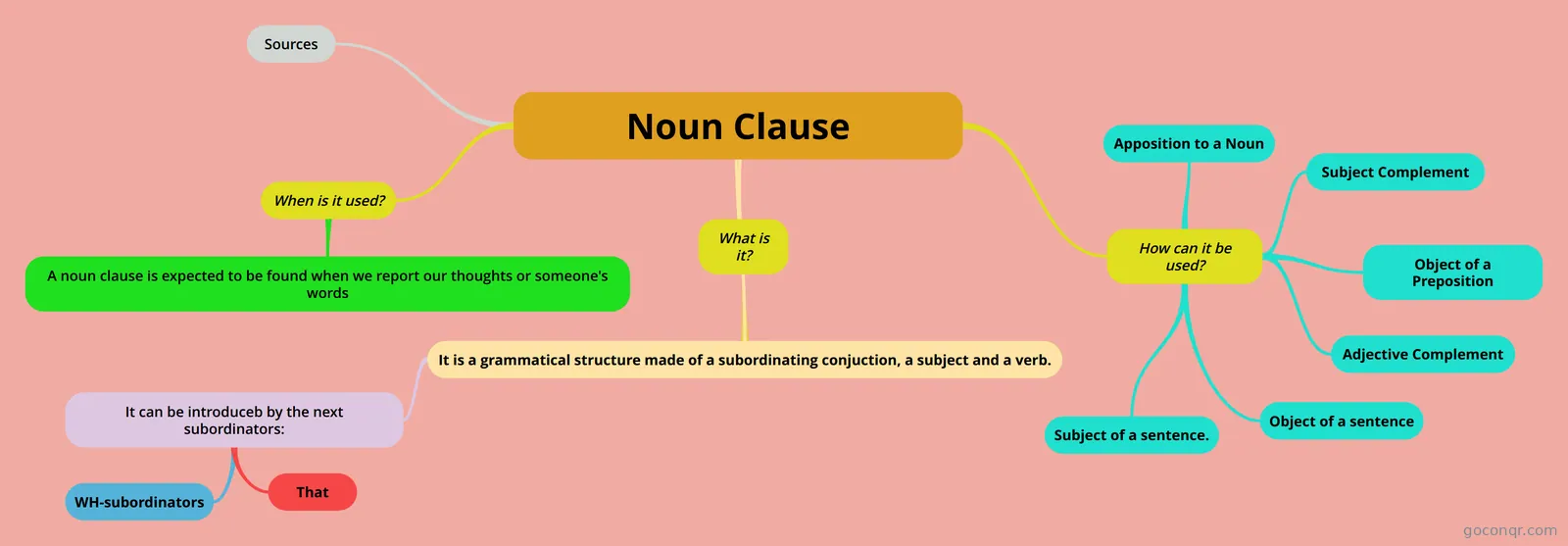 Noun Clause. Explanation of what a noun clause is, how does it behave, and where it tends to be used in.
-
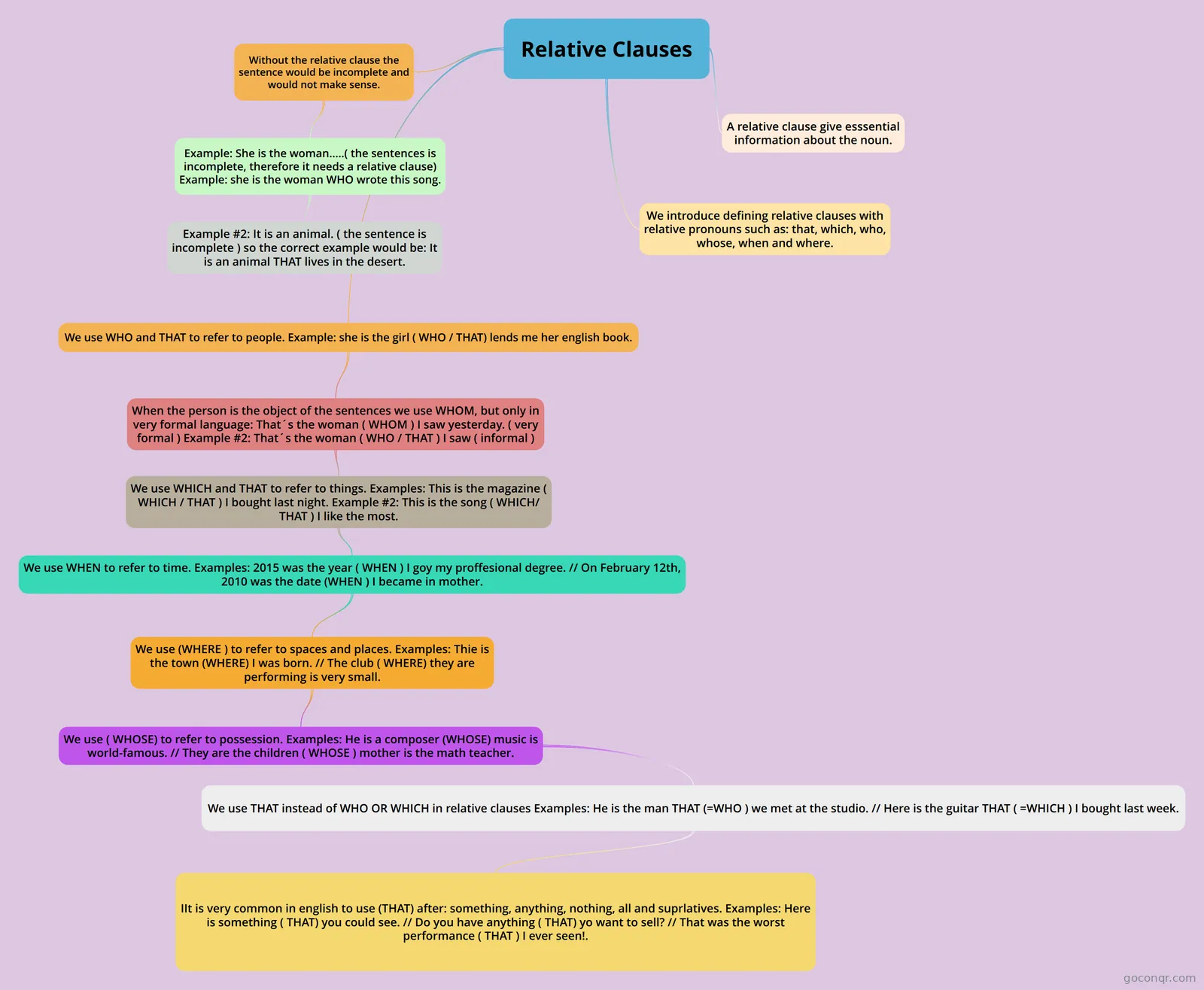 Relative Clauses
-
Sentence Types Mind Map
-
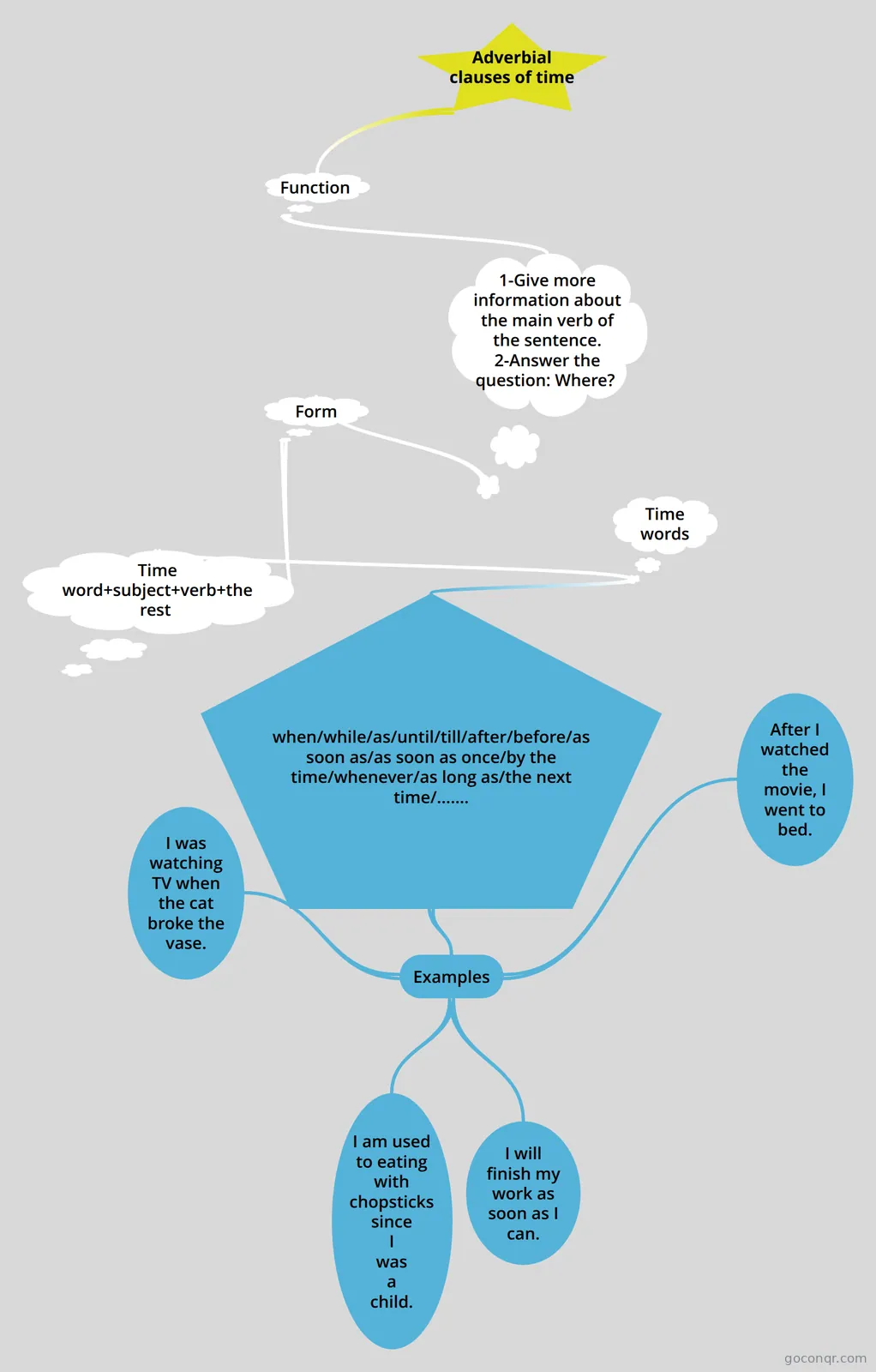 Adverbial clauses of time Grammar lesson
-
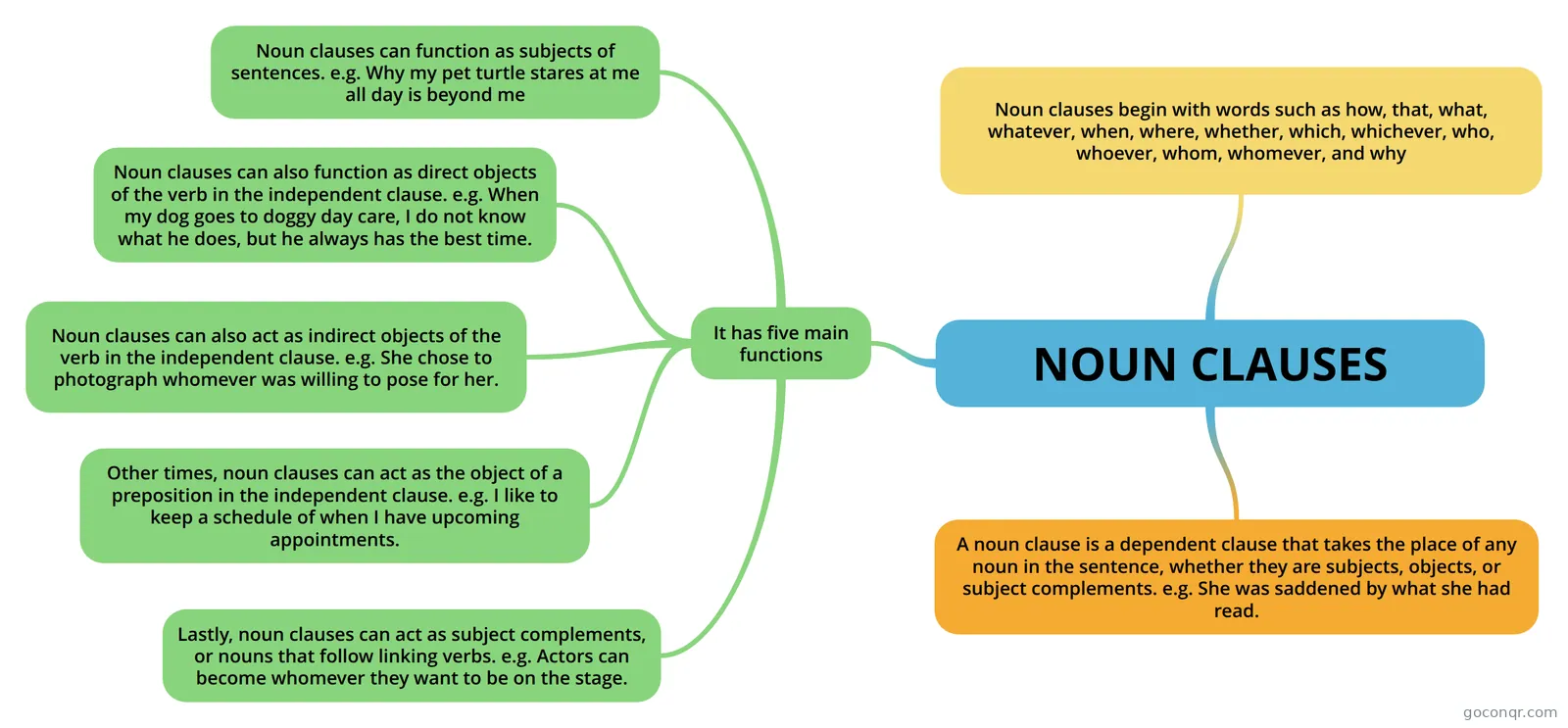 NOUN CLAUSES
-
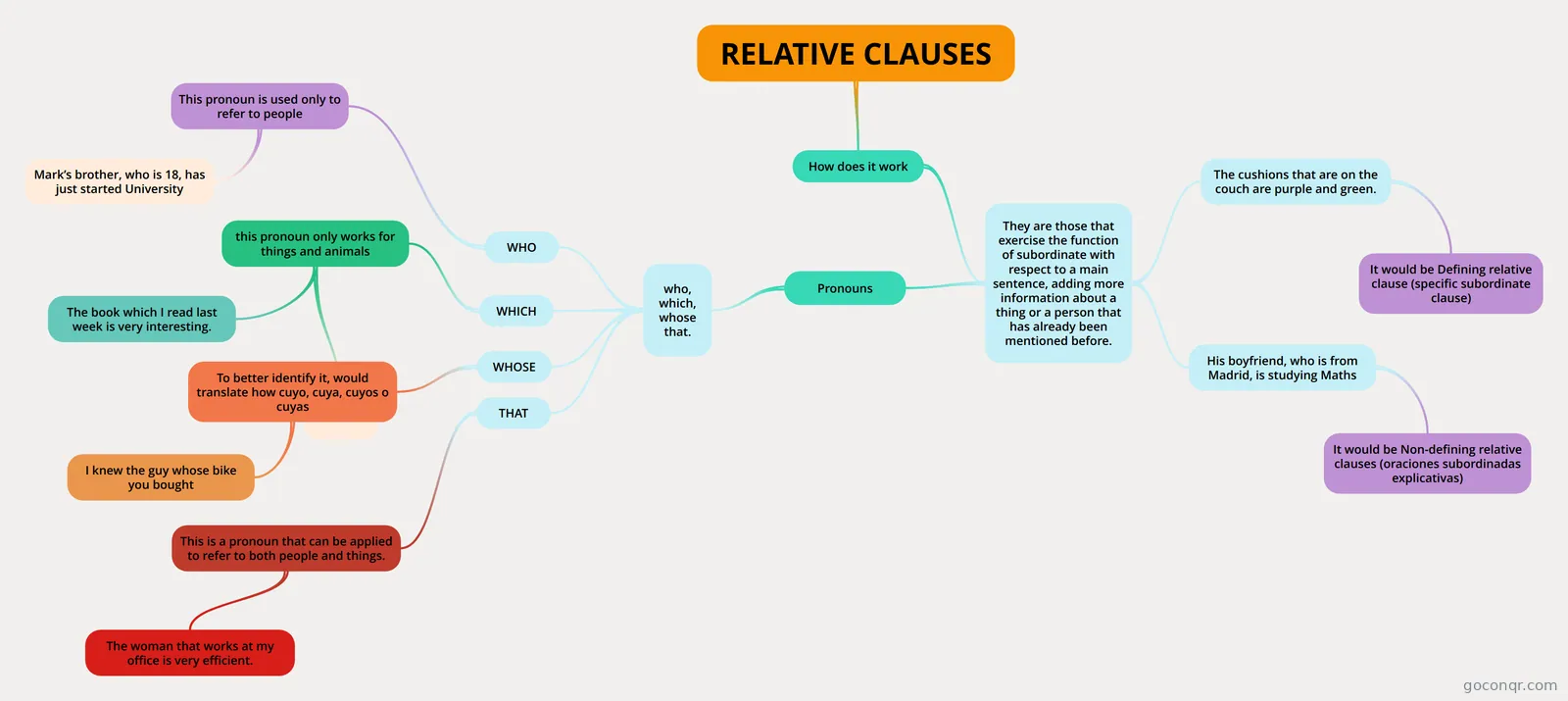 RELATIVE CLAUSES HH
-
Complex sentences
-
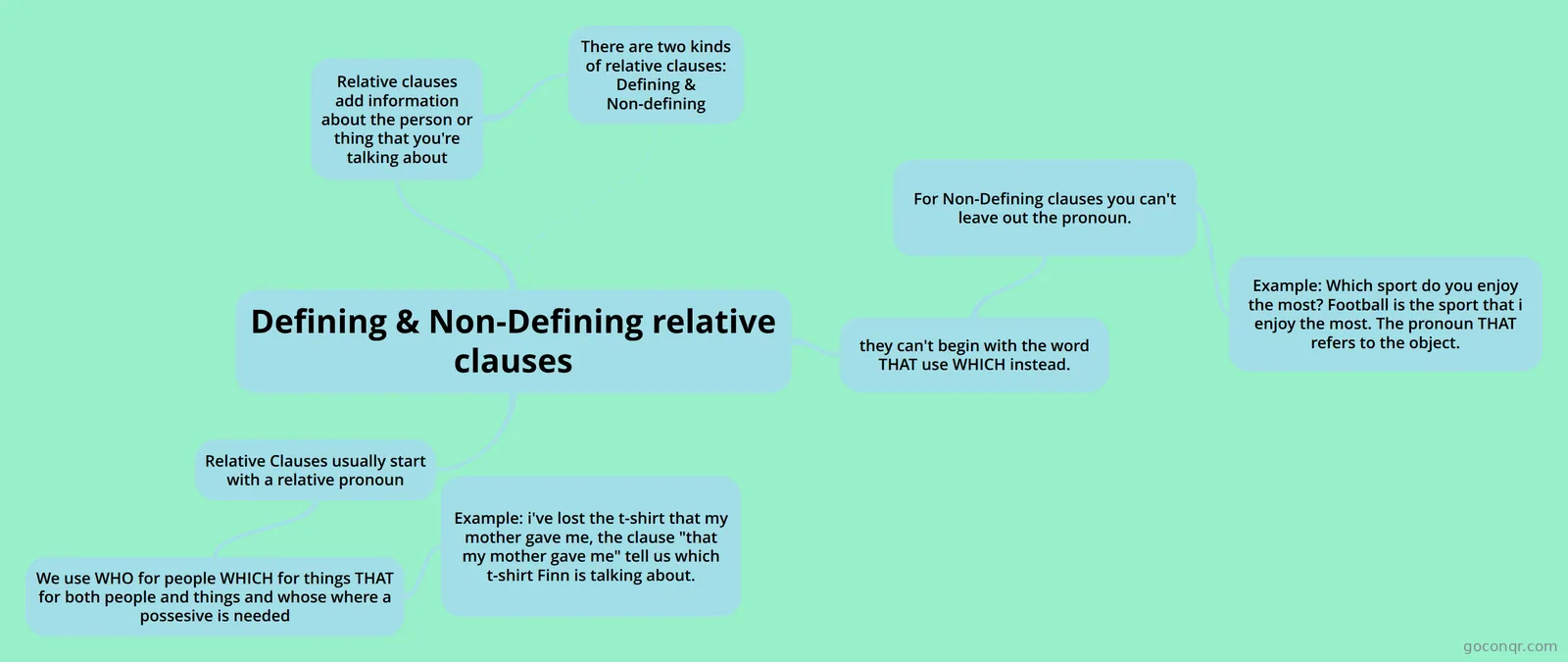 Defining & Non-Defining relative clauses
-
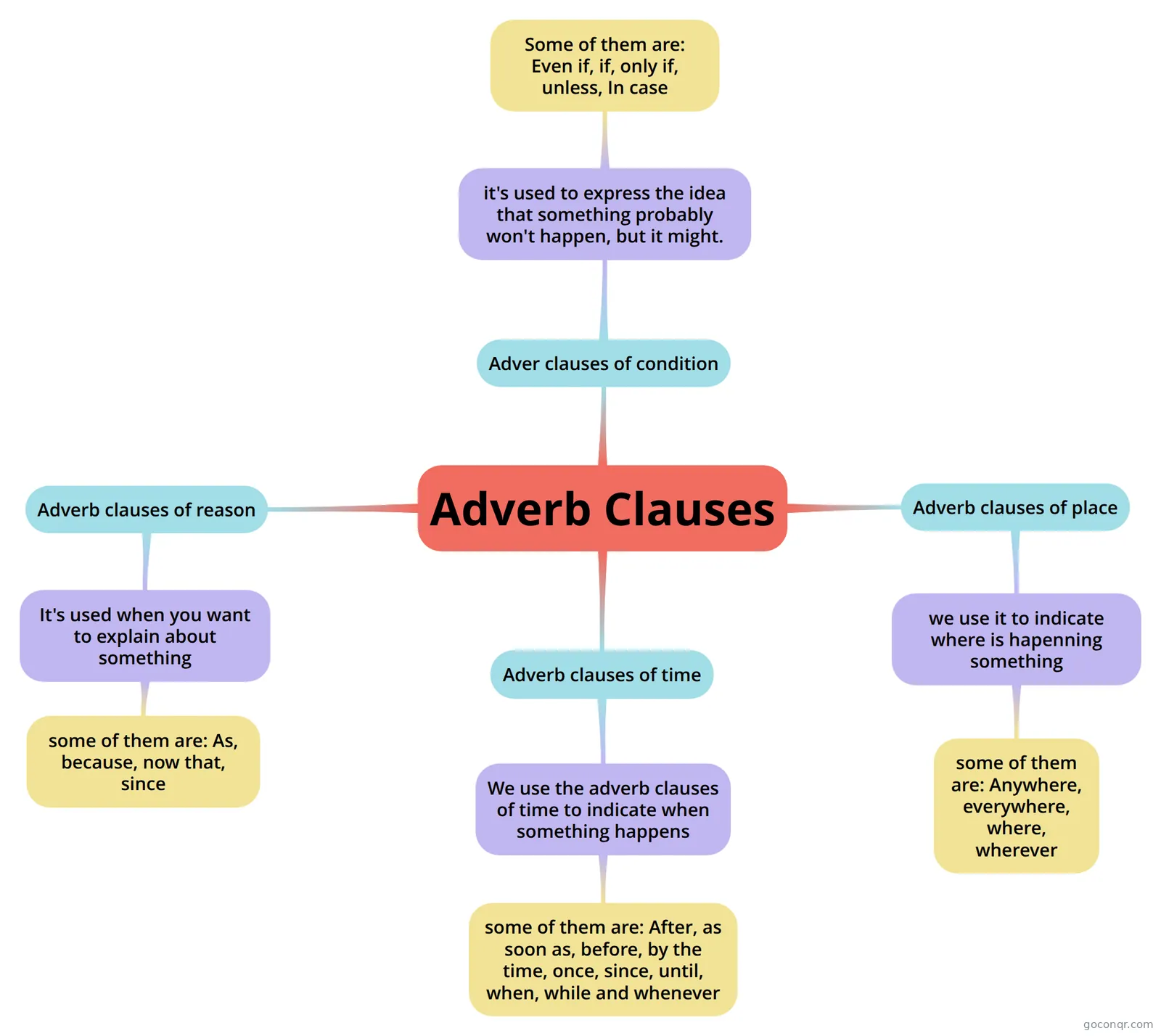 Adverb Clauses reason, time, place, condition
-
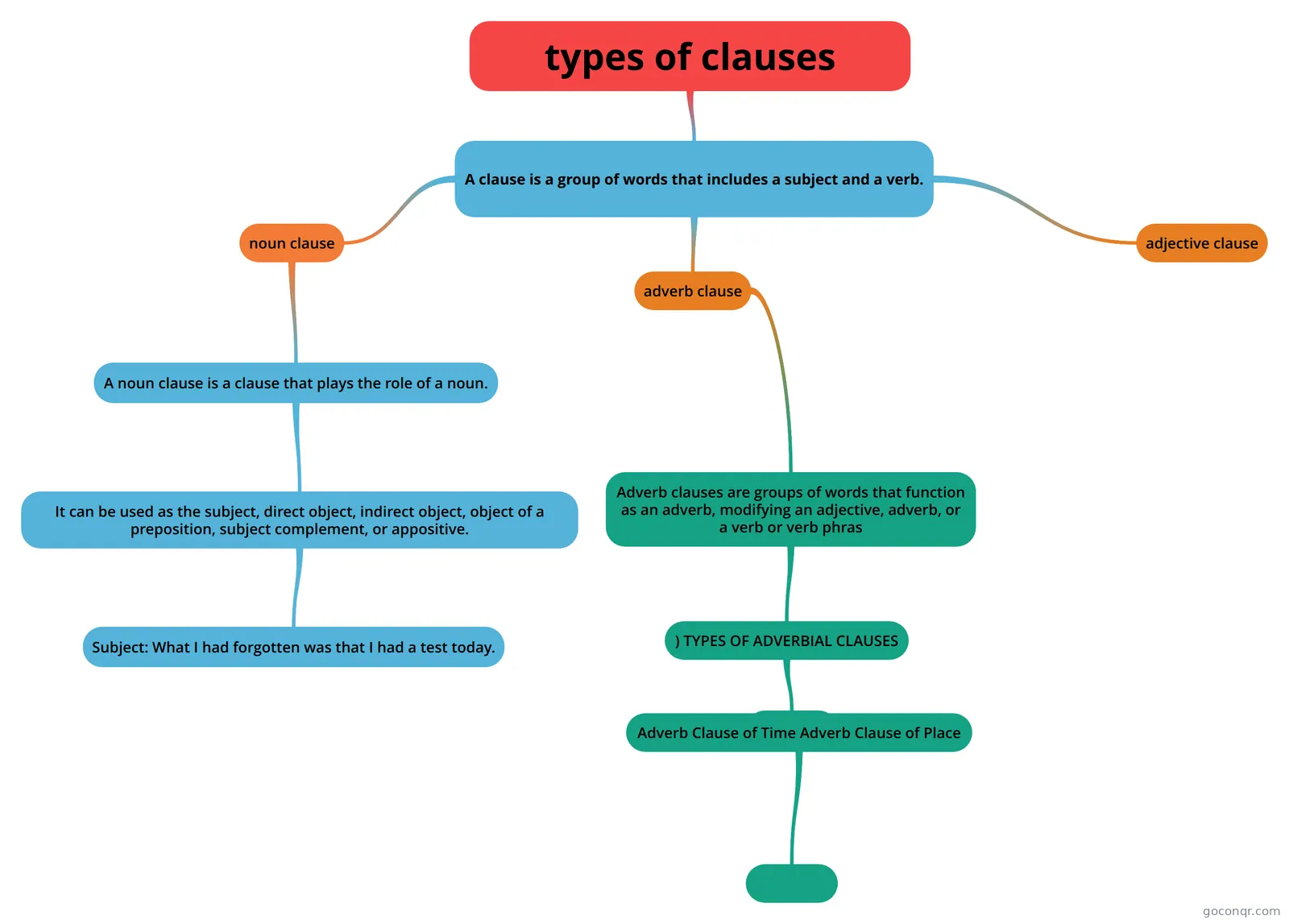 types of clauses
-
RELATIVE CLAUSES
-
WHEN-CLAUSES
-
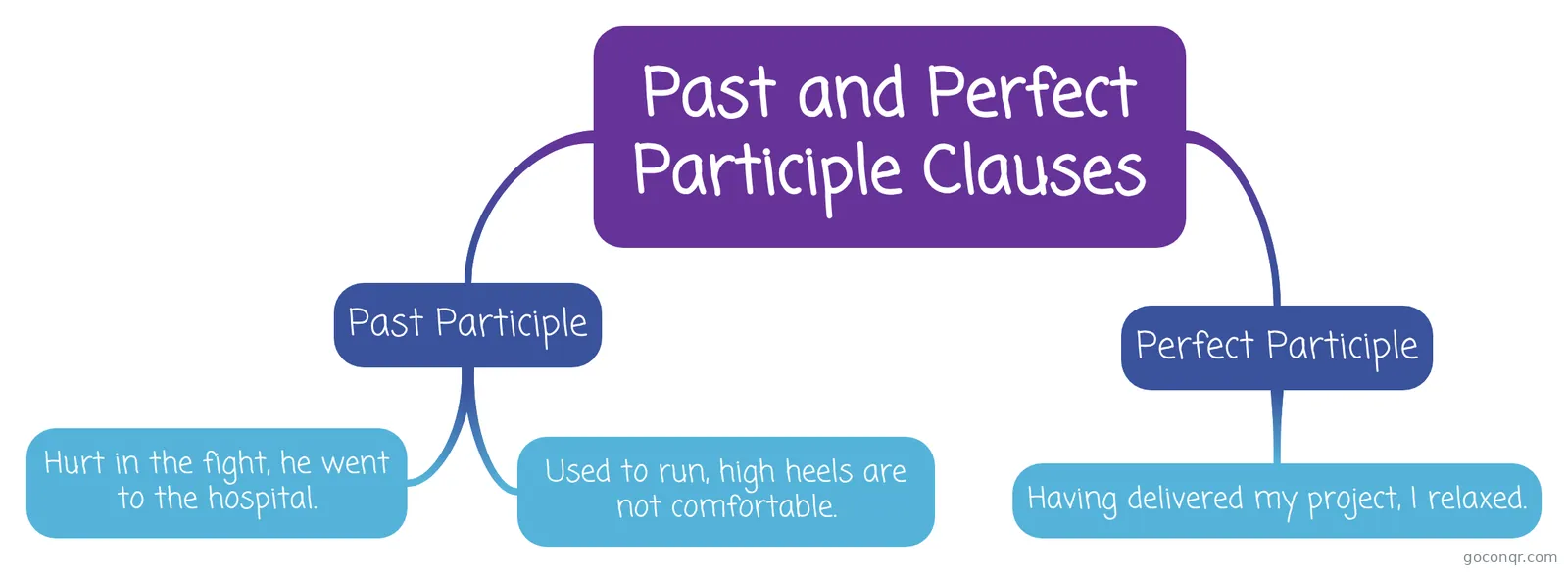 Past and Perfect Participle Clauses Mind map about Past and Perfect Participle Clauses.
-
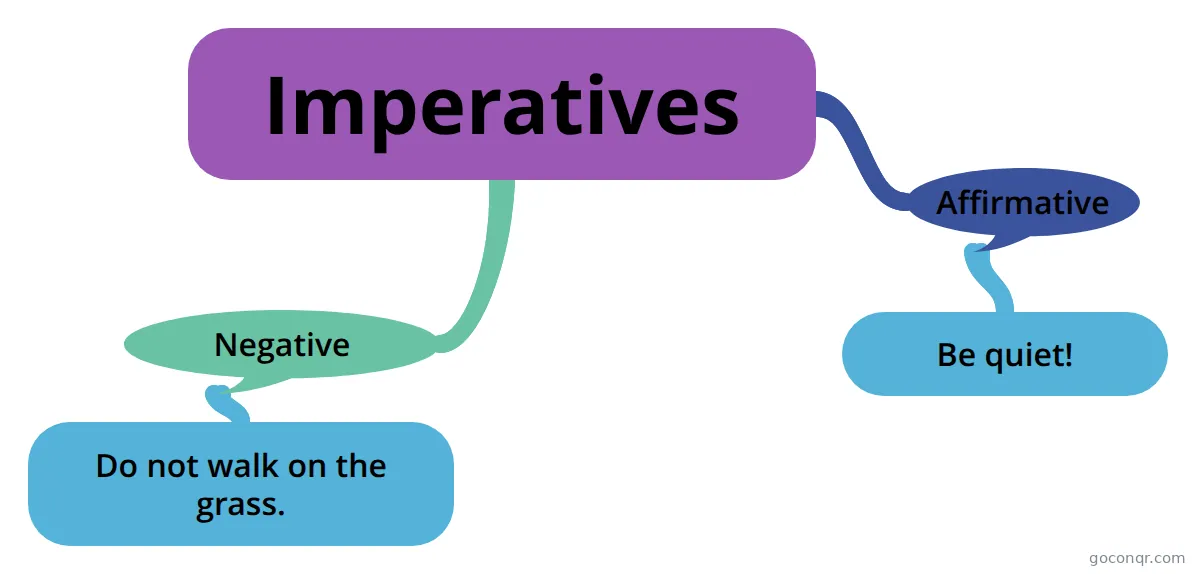 Imperatives Imperatives: Affirmative / Negative
-
THE NOUN PHRASE NOUN MODIFICATION
-
Clause elements
-
COORDINATION Copia
-
GPS B GRAMMAR
-
Syntactical functions of the infinitive
-
Enter text here
-
Phrase
-
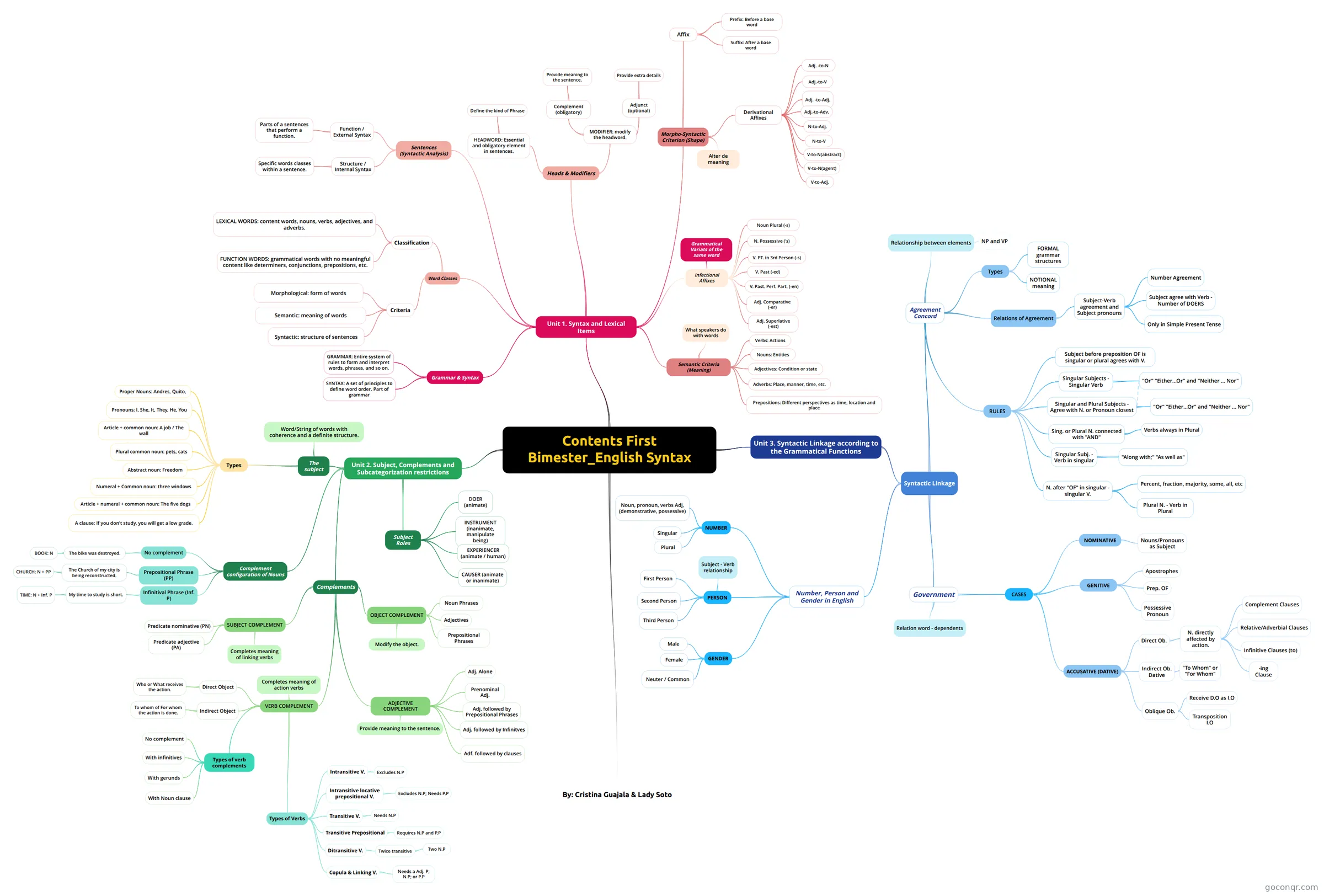 Contents First Bimester_English Syntax Mind Map about some contents regarding Syntax By: Cristina Guajala and Lady Soto
-
English Exam
-
Syntax
-
UNIT II: DILEMMAS
-
SENTENCES
-
Structure and Written Expression
-
Word order/cognates – English and Spanish
-
CLAUSES
-
Clauses
-
Sentence structure
-
supra, sentential and sub- terminology
-
SUBJECT VERB AGREEMENT
-
CLAUSE
-
Types of phrases
-
SENTENCE
-
CLAUSES OF REASON
-
Types of Sentences (Indeed)
-
A Skeletal Introduction to English Grammar
-
Topic 23. Sentence Structure: Declaratives, Directives, Interrogatives, Exclamatives
More Sentence Structure and Clauses resources
About sentence structure and clauses mind maps
GoConqr OriginalSentence structure and clauses mind maps
These maps let you explore sentence types and clause topics through connected branches. Sentence Types Mind Map brings simple, compound, complex and compound-complex sentences together. Complex sentences looks at independent and dependent clauses and the use of conjunctions.
Choose a route through the maps
Start with the sentence types map if you want an overview, then look at the complex sentences map for a closer view of clauses. For a topic-based route, Relative Clauses covers defining clauses, while Adverb Clauses includes time, place, reason and condition. There are also maps on word order and subjects and objects.
After reading a map, try recalling its branches without looking. Return to any branch you missed, then switch to a quiz on the unit page when you want to check your understanding. Flashcards can help you revisit terms. Choose a map and follow the branches that interest you.
Frequently asked questions
Which mind map should I start with?
Sentence Types Mind Map is a useful starting point if you want to see simple, compound, complex and compound-complex sentences together. For a closer look at one area, Complex sentences covers independent and dependent clauses as well as conjunctions. You can then explore a clause topic.
What clause topics do the maps cover?
The listing includes maps on noun, relative and adverb clauses. Adverb Clauses covers time, place, reason and condition, while Relative Clauses looks at defining clauses. Other maps focus on adverbial clauses of manner, result, and contrast or concession, so there are several routes through the topic.
Are these mind maps free to use?
Yes. Every mind map listed here is free to open and study, and you do not need an account. The resources were made by GoConqr users. A free account also lets you save quiz scores and make your own quizzes, mind maps, flashcards and notes.