
Cardiovascular and Respiratory Systems
255 resources created by 187 users
This Cardiovascular and Respiratory Systems page on GoConqr gathers community-made mind maps, flashcards, quizzes, notes and a slide set, from the structure of the heart and blood vessels to lung function and breathing mechanics. It's built for school students revising GCSE PE or A-level PE topics, and for teachers after ready-made material. There are over 250 resources here, including more than 140 mind maps, more than 90 flashcard decks and 4 quizzes, all made by GoConqr users. Pick a topic, try a quiz to find your gaps, then make your own revision cards.
Select topic
- Heart Structure and the Cardiac Cycle21
- Heart Rate, Stroke Volume and Cardiac Output32
- Blood Vessels and Circulation13
- Blood and Oxygen Transport11
- Cardiovascular Responses and Adaptations to Exercise47
- Cardiovascular Health and Disease6
- Respiratory Anatomy, Breathing and Lung Volumes22
- Gas Exchange8
- Respiratory Responses and Adaptations to Exercise24
Top Cardiovascular and Respiratory Systems resources
-
Mind map Cardiovascular system The heart
-
Mind map Structure and functions of the cardio-respiratory system A detailed mind map on the cardio-respiratory system.
-
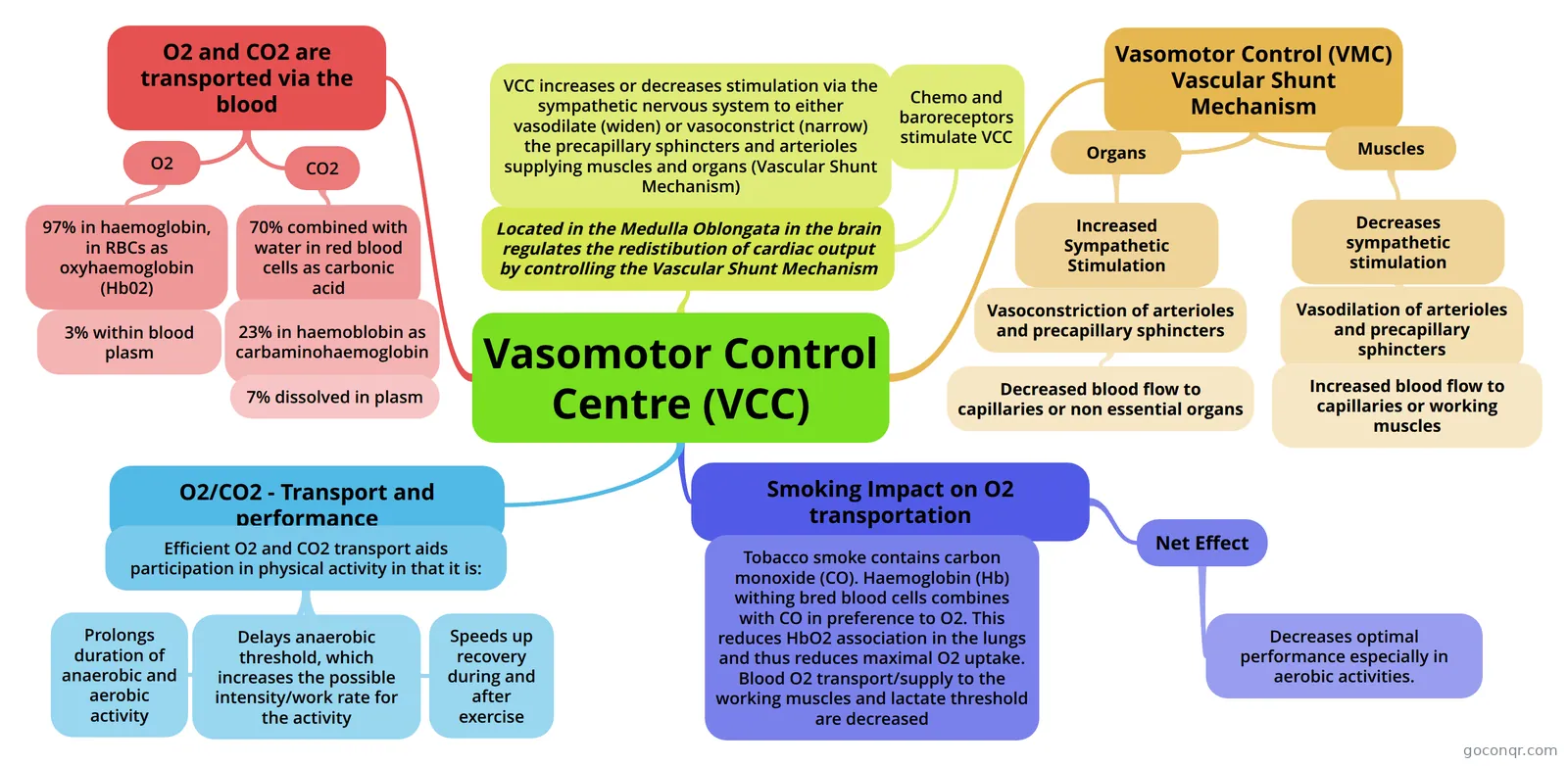 Mind map Vasomotor Control Centre (VCC)
-
8 cardsThe Respiratory System What are the short term effects of exercise on the respiratory system?
-
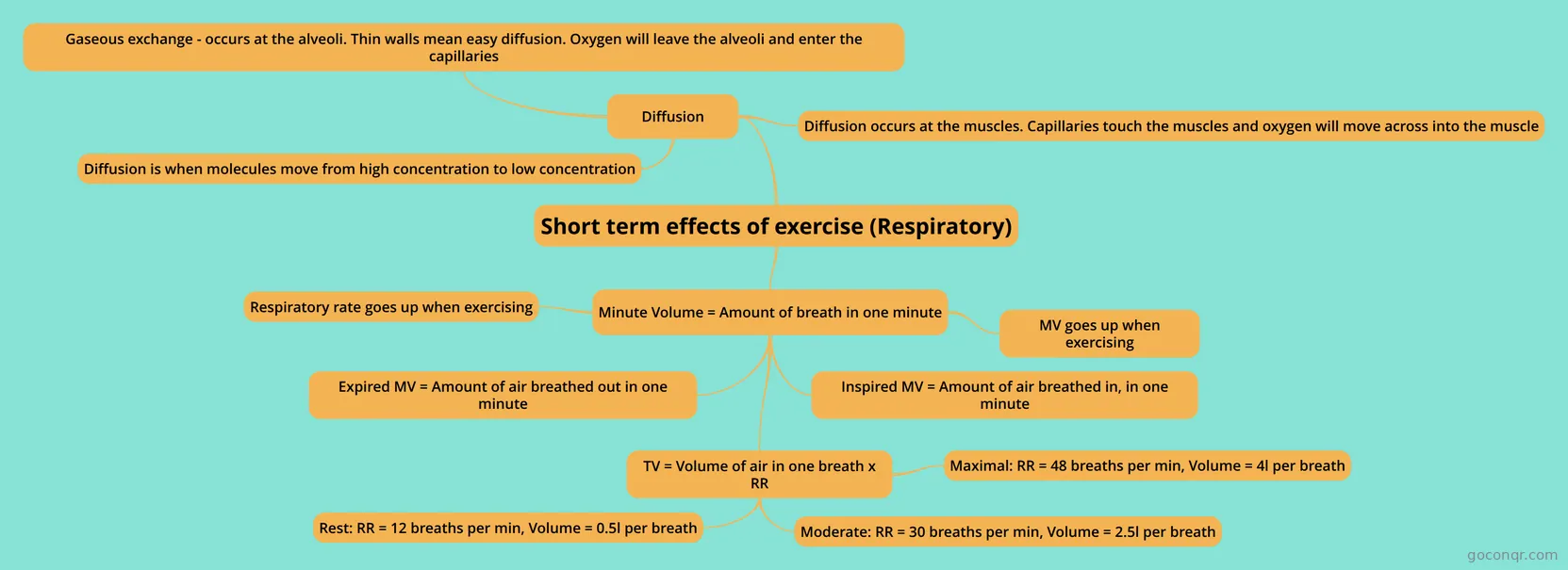 Mind map Short term effects of exercise (Respiratory) GCSE PE
-
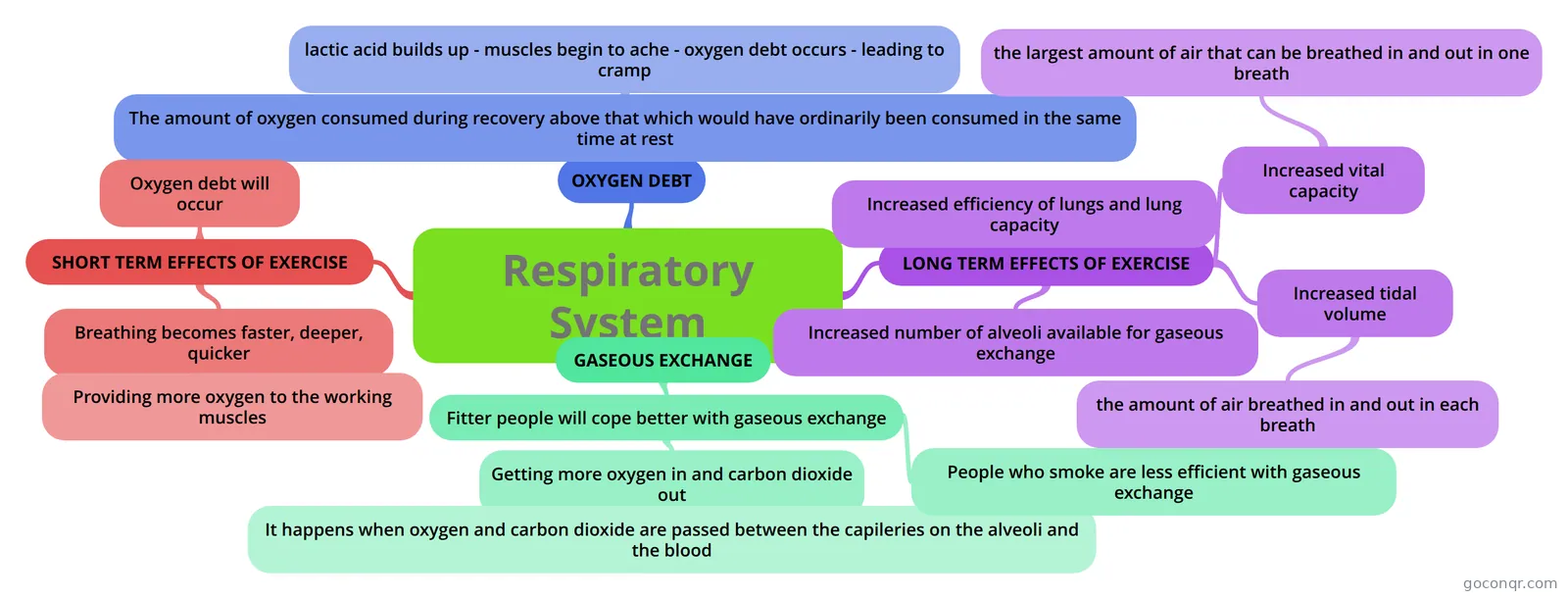 Mind map Respiratory System
-
161 cardsExercise Physiology
-
43 cardsPE REVISION CARDS WHAT IS CARDIAC HYPERTROPHY?
Quizzes
-
28 questionsThe Cardiovascular System - Structure & Function, Coronary Circulation & Blood Pressure In the systemic circulation, in which order does the blood pass through?
-
25 questionsCardiovascular Quiz What is the function of the heart?
-
10 questionsRespiratory System Quiz What is the scientific name for the windpipe?
Mind maps
See all 150 mind maps-
Cardiovascular system The heart
-
Structure and functions of the cardio-respiratory system A detailed mind map on the cardio-respiratory system.
-
Vasomotor Control Centre (VCC)
-
Short term effects of exercise (Respiratory) GCSE PE
-
Respiratory System
-
Structure and functions of the cardio-respiratory system A detailed mind map on the cardio-respiratory system.
-
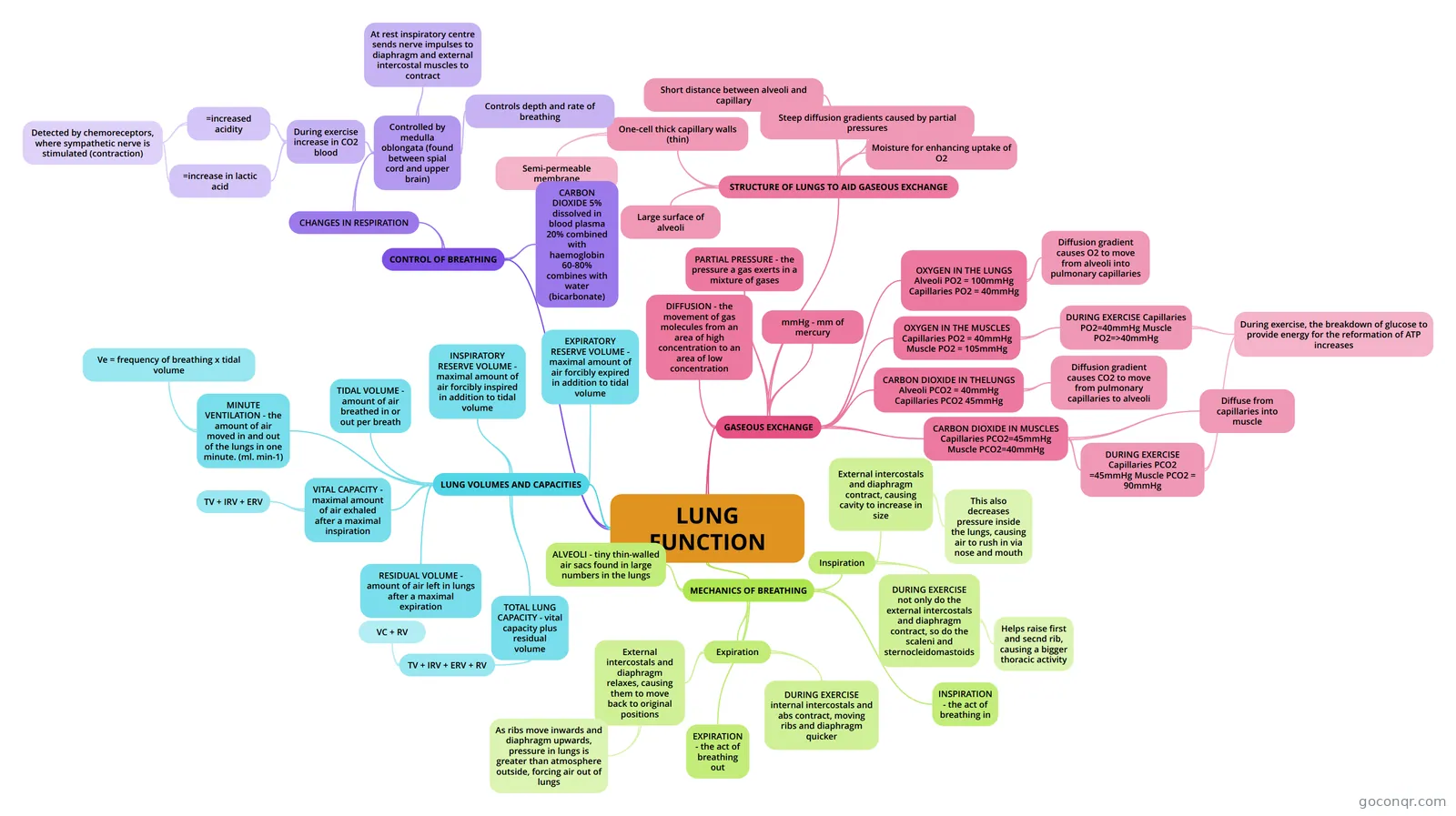 LUNG FUNCTION Lung Volumes and Capacities Gaseous Exchange Mechanics of Breathing A bit on Control of Breathing (expanded...
-
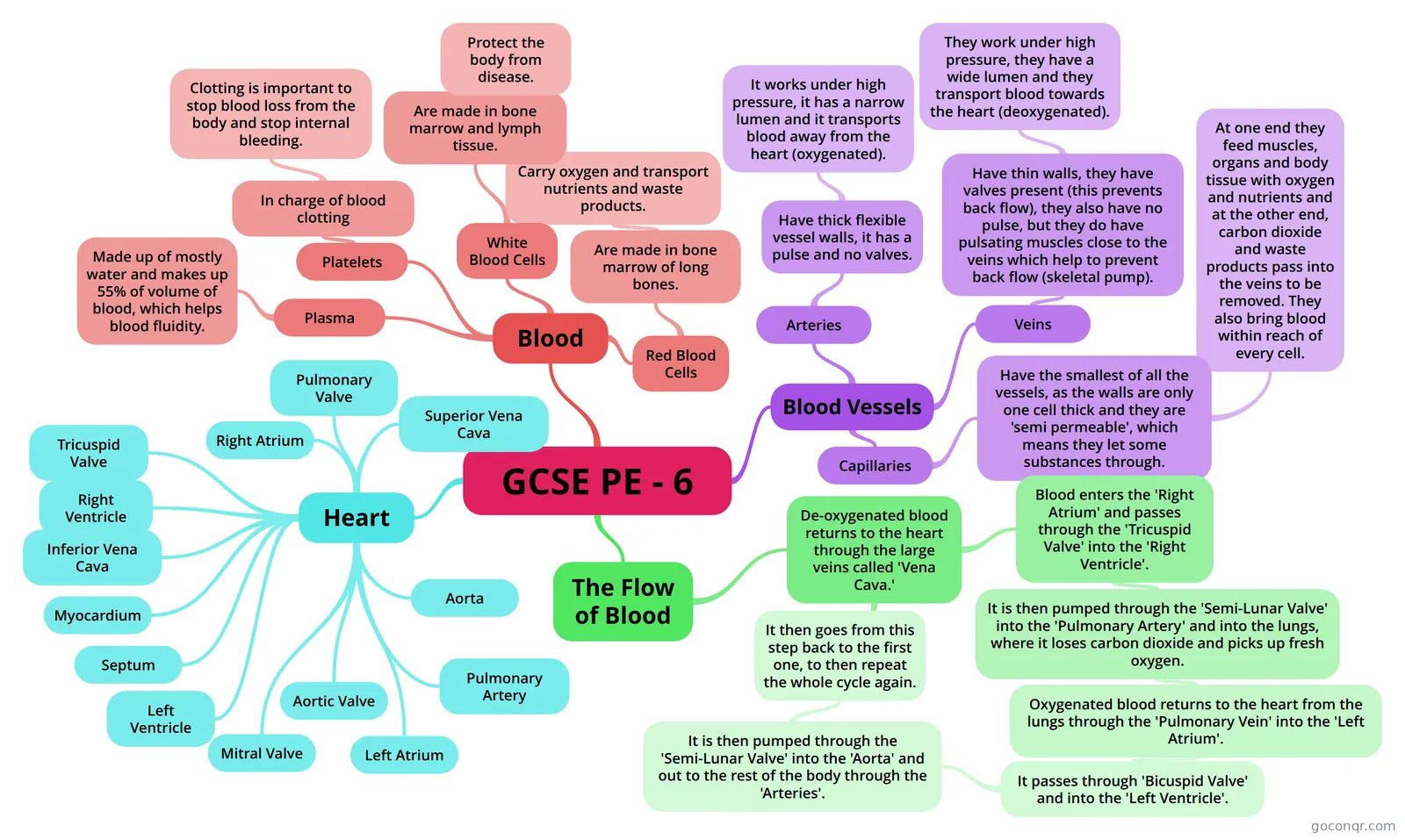 GCSE PE - 6
Flashcards
See all 94 flashcards-
8 cardsThe Respiratory System What are the short term effects of exercise on the respiratory system?
-
161 cardsExercise Physiology
-
43 cardsPE REVISION CARDS WHAT IS CARDIAC HYPERTROPHY?
-
33 cardsGlossary definitions 1-29 and Starlings law. - Mr Perry Definition of myogenic
-
18 cardsThe cardiovascular system What are the main components of the circulatory system
-
19 cardsCardio/respiratory system what is the right atrium responsible for
-
18 cardsCirculatory system What is stroke volume
-
13 cardsCardio Why is exercise levels a factor to maintain a healthy cardiovascular system?
Topics in Cardiovascular and Respiratory Systems
More Physical education and sport topics
About Cardiovascular and Respiratory Systems
GoConqr OriginalWhat the resources cover
The unit splits neatly into two halves: the heart and circulation, and the lungs and breathing. The mind map Cardiovascular system covers stroke volume, the four chambers of the heart, the myogenic nature of heart muscle and the main blood vessels. Coronary Heart Disease (CHD) and Blood Pressure & Effects Of Warm Up and Cool Down On VS extend the picture.
On the respiratory side, Respiratory Volumes, Breathing Mechanics and Effects Of Altitude On The Respiratory System look at how air moves and how conditions change it. Short term effects of exercise (Respiratory) explains minute volume, including expired and inspired amounts.
Where to start
- Open Structure and functions of the cardio-respiratory system for an overview of the heart and its transport role.
- Move to Respiratory System, which sets out short term effects, long term effects and gaseous exchange.
- Look at Vasomotor Control Centre (VCC) and Regulation of the Heart for how the body controls blood flow and heart rate.
- Finish with the flashcard decks, such as HR and SV and CO and Acute Responses (cardio, respiratory and muscular).
Using quizzes and maps together
Read a mind map first, then try a quiz. The Cardiovascular Quiz and the Respiratory System Quiz are good first checks. If a question catches you out, go back to the matching map and read that branch again. Then test yourself with flashcards until the terms come easily.
Where this unit sits
This unit belongs to the strand Applied Anatomy, Physiology and Biomechanics in Physical education and sport. Several resources mention GCSE PE and A-level PE, so they suit school-level revision, and teachers can use them as ready-made material.
Next step
Choose one map that matches what you are studying this week, work through it, and then take a quiz to see what stuck.
Frequently asked questions
Which resource should I open first?
Start with the mind map Structure and functions of the cardio-respiratory system. It gives an overview of the heart and the transport role of the cardiovascular system. After that, move to the Respiratory System mind map, then try the Cardiovascular Quiz or the Respiratory System Quiz to check what you remember.
What do the mind maps on this page cover?
They cover heart structure, stroke volume, blood vessels, blood pressure and coronary heart disease. They also cover control of the heart and the Vasomotor Control Centre, plus lung function, respiratory volumes, breathing mechanics, altitude and the short and long term effects of exercise.
Are these resources free to use?
Yes. Every resource listed here is free to open, study and take, with no account needed. They were made by GoConqr users, not by GoConqr itself. If you sign up for a free account, you can also save quiz scores and make your own quizzes, mind maps, flashcards and notes.
Which exams do the resources suit?
The listed resources mention GCSE PE, GCSE Physical Education, A-level PE and A-level Physical Education. Most of the material is at secondary level, so it suits school students revising for those courses. Teachers can also use it as ready-made material for lessons or revision.
How many quizzes are there?
There are 4 quizzes on the page, including the Cardiovascular Quiz and the Respiratory System Quiz. Most of the unit is mind maps and flashcard decks, so use those to learn the content first, then use the quizzes to test yourself.
What if I can't find the topic I need?
Try a related resource first. Lung Function, Respiratory Volumes and Pulmonary Function all touch on breathing, while Regulation of the Heart and Control of heart rate overlap on heart rate. If a gap remains, you can build your own map, flashcards or notes on it.