
Development and the Changing Economic World
226 resources created by 176 users
This Development and the Changing Economic World page on GoConqr gathers community-made mind maps, flashcards, quizzes, notes and flowcharts, from the development gap and development indicators to case studies such as Nigeria and Ghana. It's built for school students revising a topic and teachers after ready-made material. There are over 1,400 resources here, including more than 20 quizzes and over 900 mind maps, mostly at secondary level. Pick a resource, test yourself, then make your own set.
Top Development and the Changing Economic World resources
-
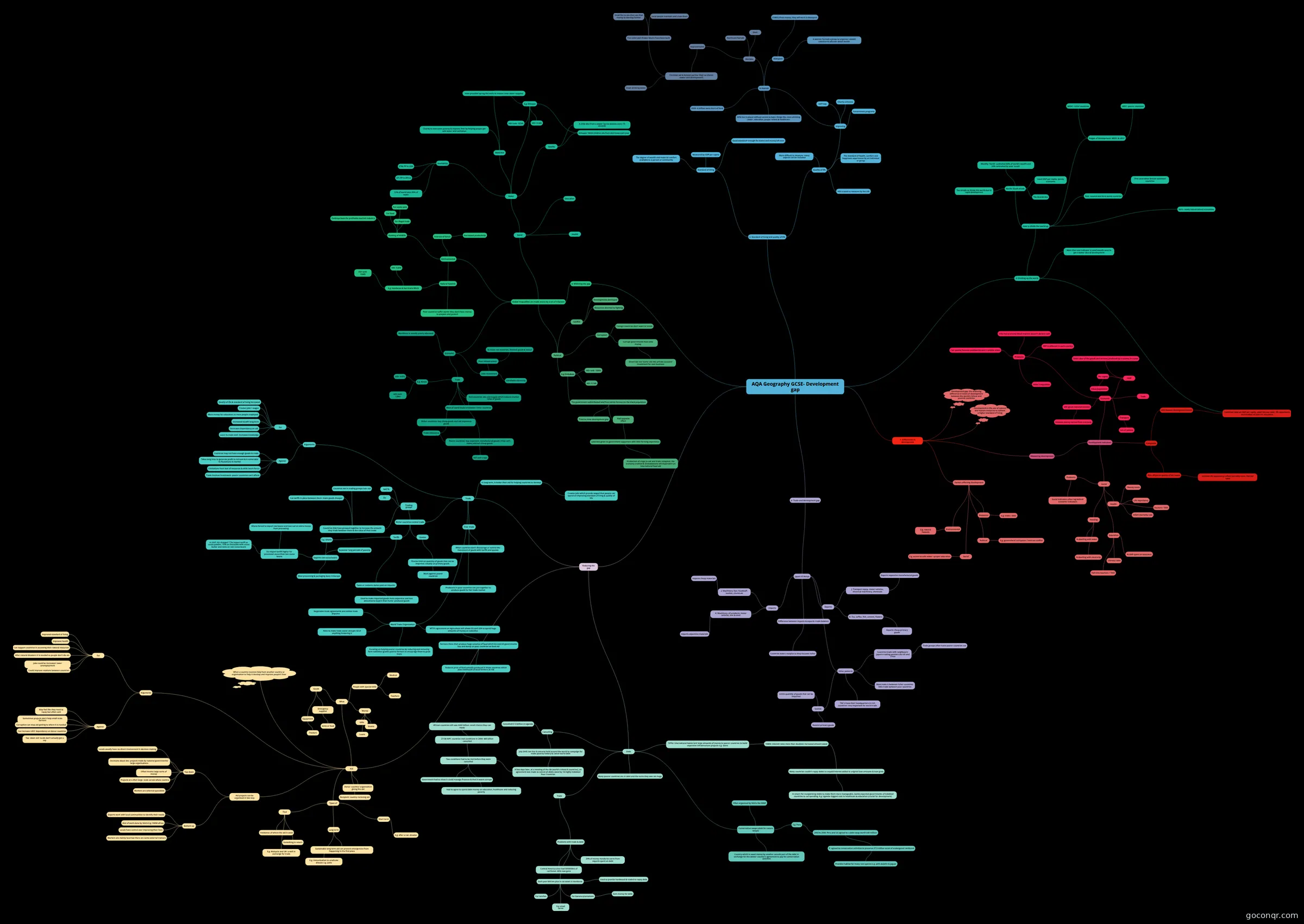 Mind map AQA Geography GCSE- Development gap
-
36 cardsEconomic Change Geography
-
64 cardsdevelopment gap flash cards - geography what does development mean?
-
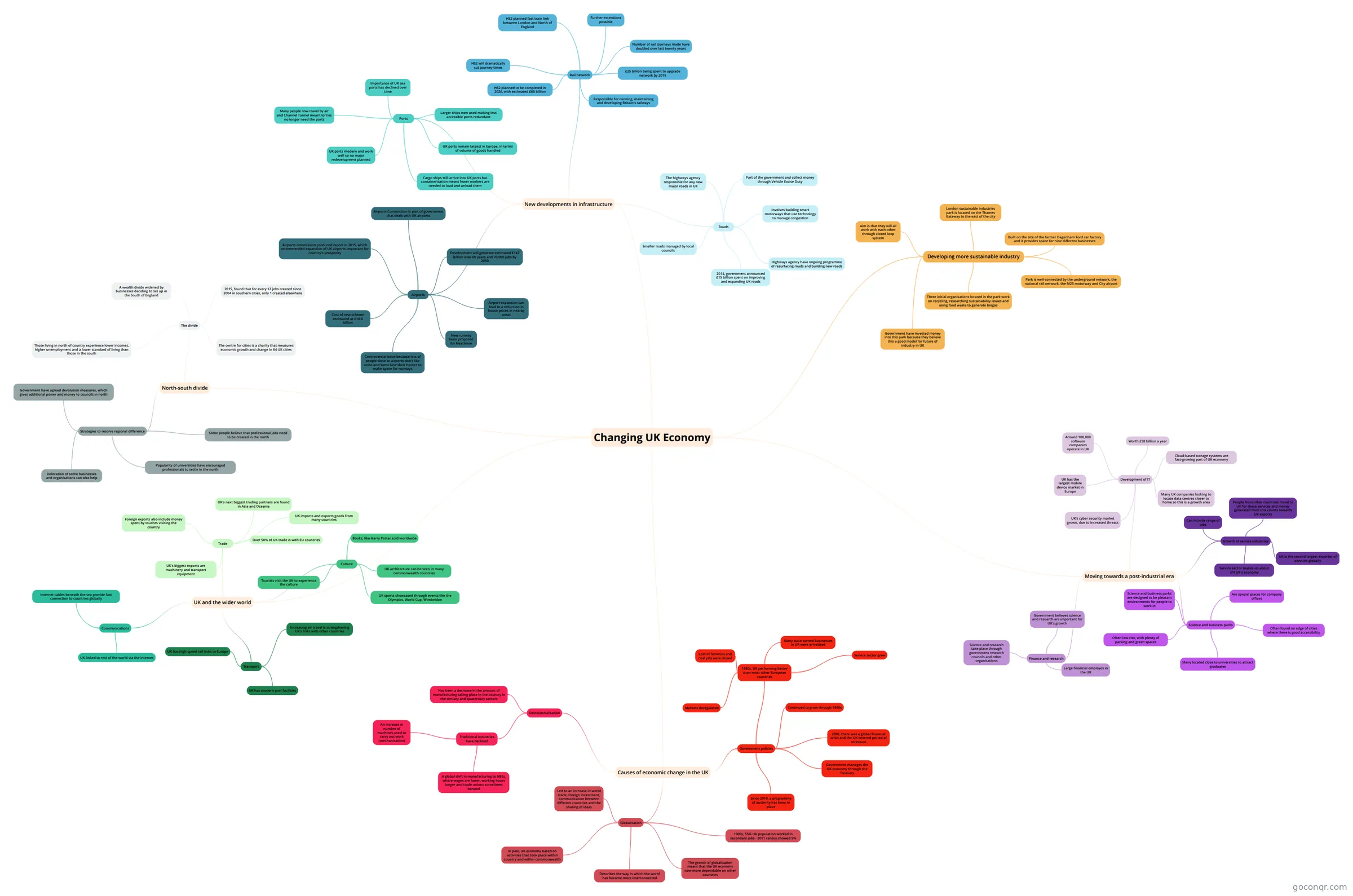 Mind map Changing UK Economy
-
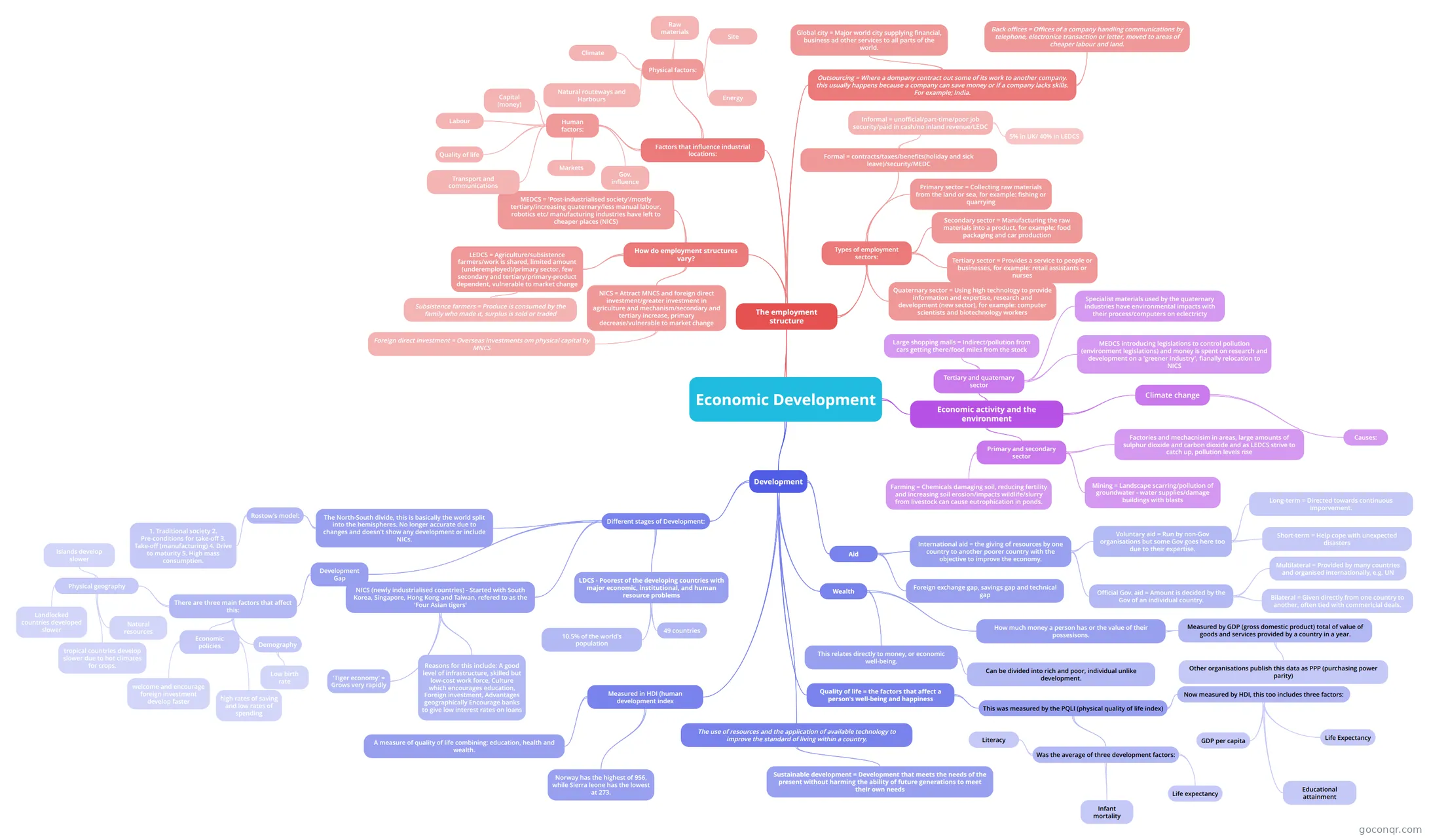 Mind map Economic Development
-
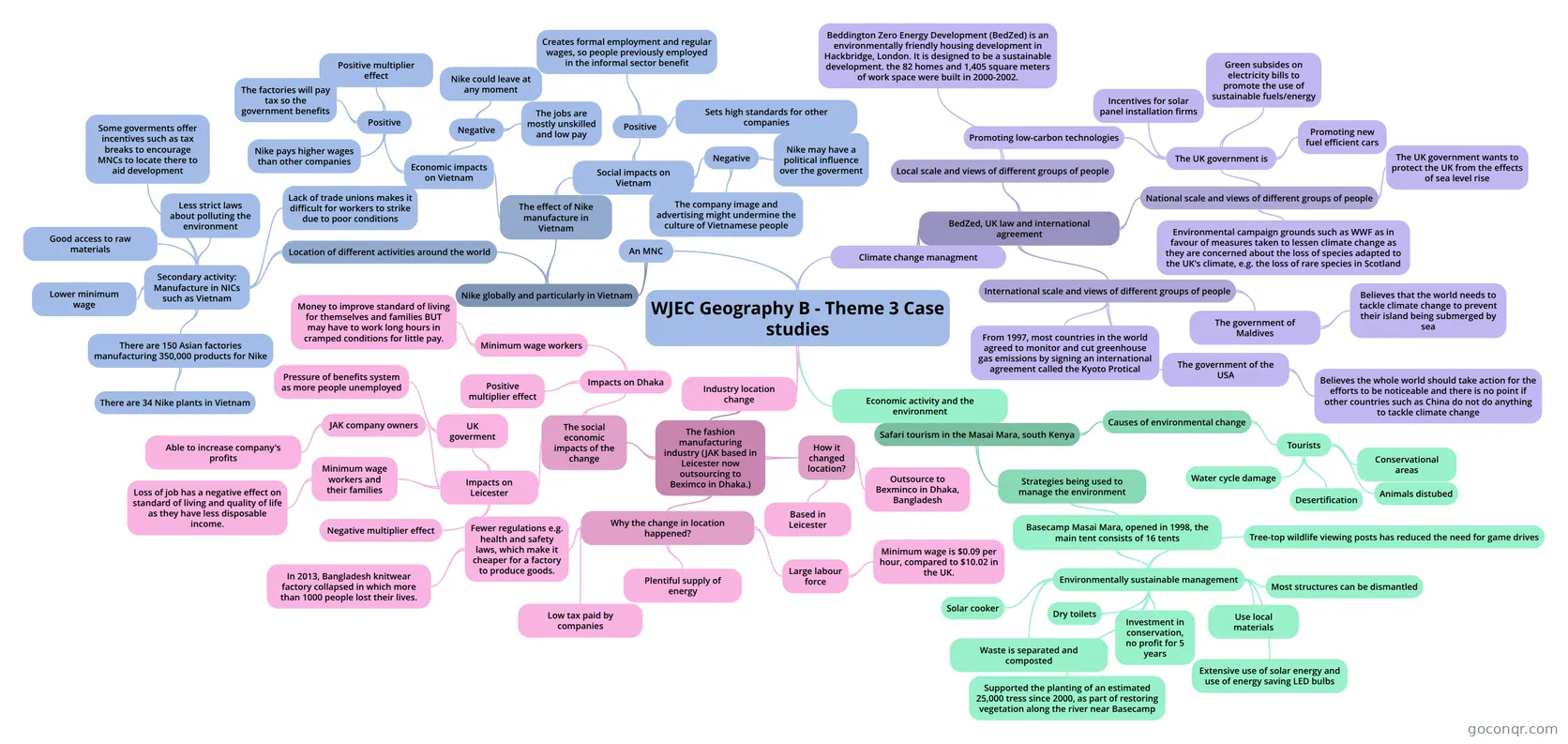 Mind map WJEC Geography B - Theme 3 Case studies
-
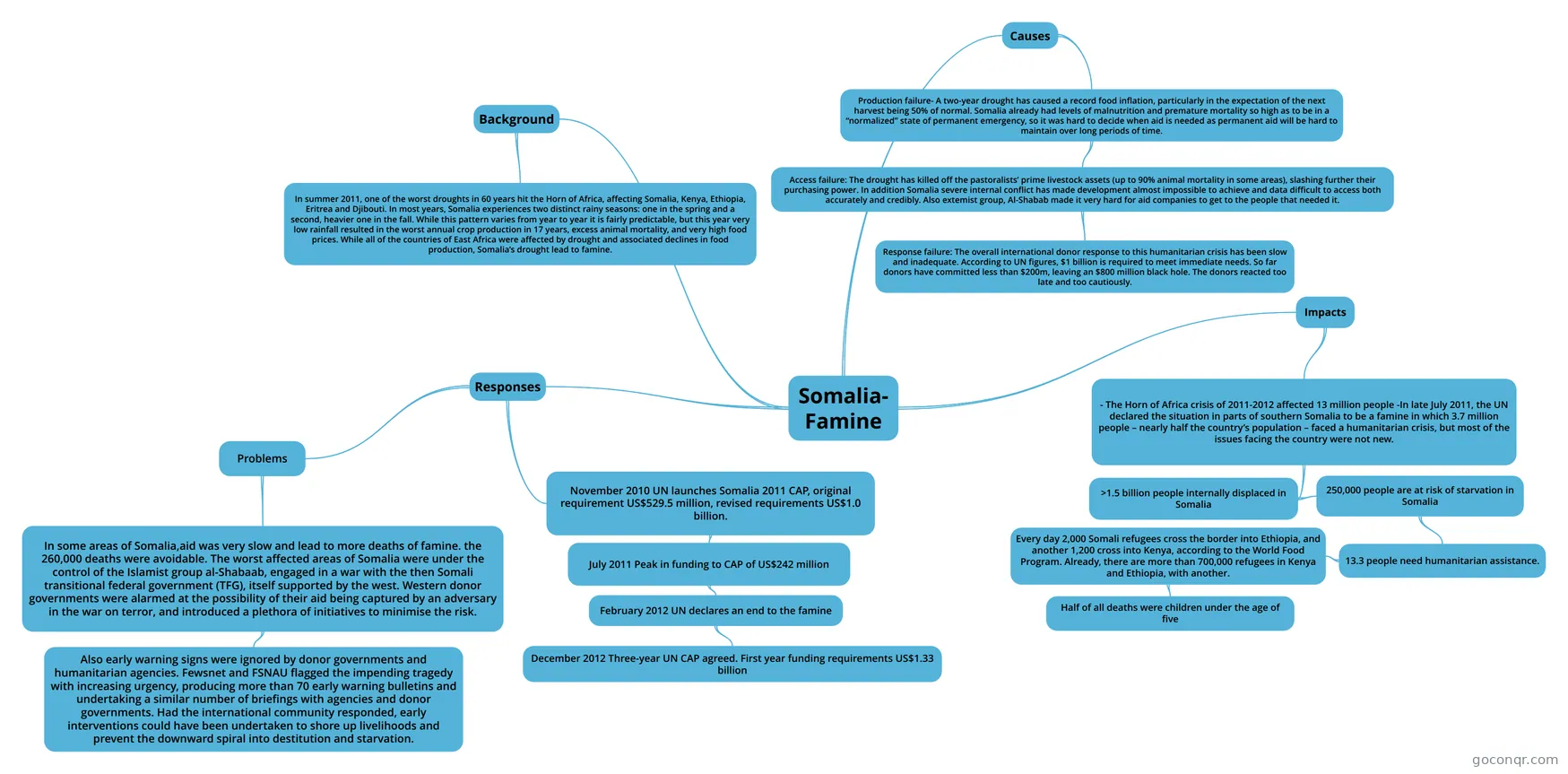 Mind map Somalia- Famine
-
Mind map Fairtrade
Quizzes
-
9 questionsNigeria: Case Study Quiz on Nigeria: Case Study, created by B Jones on 26/04/2018.
-
2 questionsHuman Wellbeing Quiz The millennium development goals are designed to help the worlds poorer populations .
-
17 questionsGeography: Development How many children are living in poverty in the UK?
-
10 questionsDevelopment What is Development?
-
14 questionsEconomic development Where was farm Africa set up?
-
6 questionsDevelopment Gap Quiz What is development gap?
-
7 questionsDevelopment and Inequality Junior Cert
-
8 questionsGeography Revision What does HDI stand for
Mind maps
See all 99 mind maps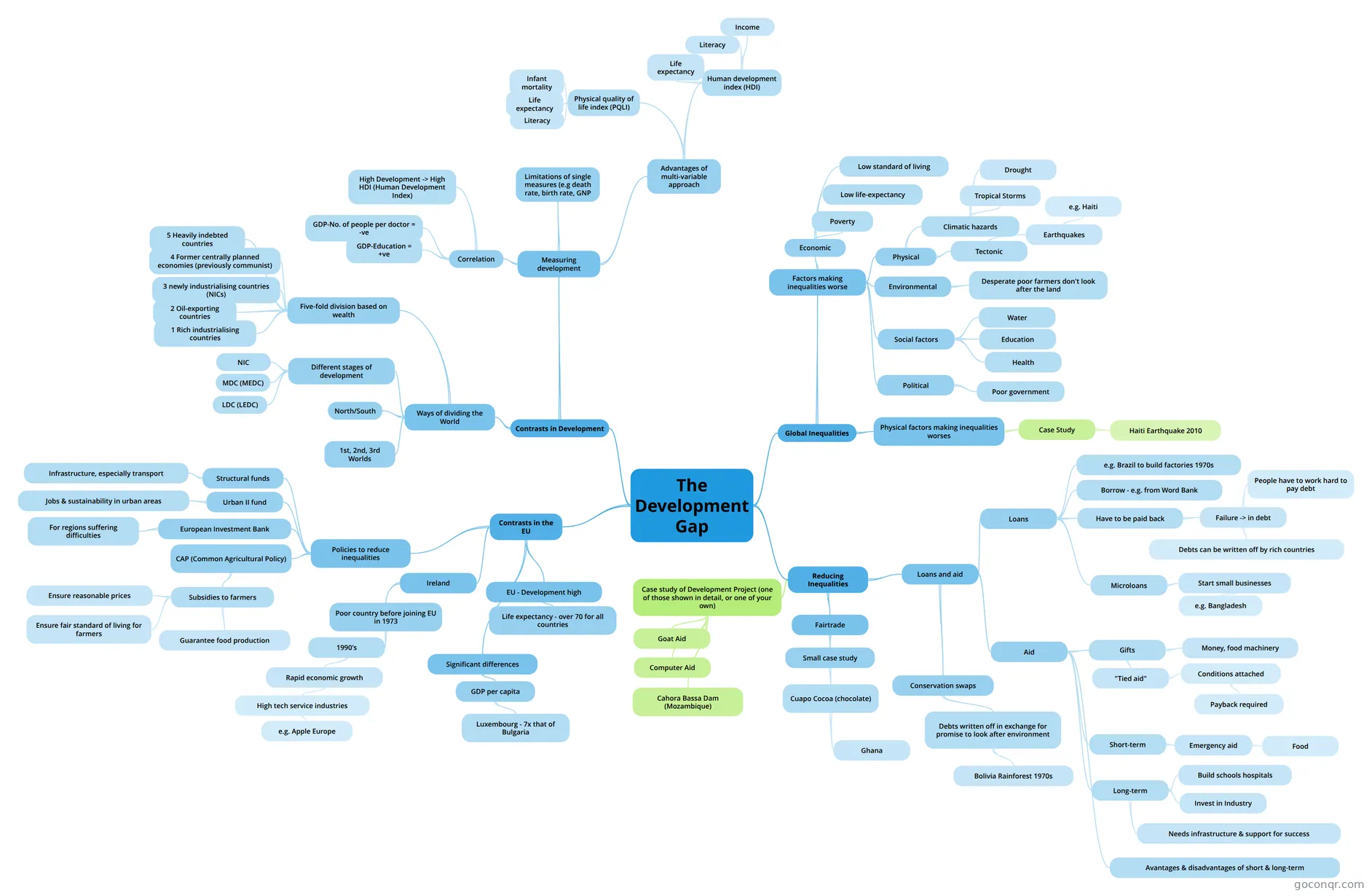
Flashcards
See all 88 flashcards-
36 cardsEconomic Change Geography
-
64 cardsdevelopment gap flash cards - geography what does development mean?
-
8 cardsGeography: Development What is development?
-
6 cardsNike - Vietnam (Case Study) Name an MNC in an LEDC
-
7 cardsCESPEN
-
83 cardsUnit 2B - The changing economic world What is development?
-
58 cardsIB Geography Topic 2 Disparities in Wealth and Development (SL) 2.1 What does GDP stand for?
-
93 cardsEnvironment, Health and Well Being If all the people who died globally in 2012 were imagined as a group of 1000 people, how would they be dist...
Flowcharts
Notes
See all 27 notes-
Environmental risks of economic development case studies Fracking - California Background: California has 65% of USA's deposits Opportunity to be largest oil and gas by 2020 due to fracking Opportunities: 8-11 million barrels per year oil 604-747 billion cubic m of g...
-
Geography Unit 2, Unequal Spaces Case Study 6 - Tackling rural deprivation in Sussex Action in rural Sussex (AirS) is an organisation that sets out to improve life for the most deprived sections of society in the county of East Sussex. Here are some of their strategies.Affordable rural housingMany hou...
-
Wealth and poverty PovertyThe state of being extremely poor and the state of being inferior in quality or insufficient in amountThere are 2 types of PovertyRelative Poverty relates to what a particular society considers to be poor. e.g ...
-
Technology Case Studies 2 Lack of technology Surrounded by mountains and volcanoes Vulnerable to flooding from tributaries
-
Technology Case Studies 3 Largest HEP dam in the world - 23,000 mW Based on the Yangtze river Constructed between 1994 and 2011
-
Geography Unit 2, Unequal Spaces Case Study 3 - Deprivation in East Sussex There are significant inequalities between life in British cities and life in Britain's more rural areas. This is particularly noticeable in parts of East Sussex, where people suffer from:~Poor transport and communica...
-
Technology Case Studies LudditesPeople opposed to technological change 200,000 Amish Christians in the USA, who reject modern technology due to religious reasons - they wish to live seperately from non-Amish people Cars, electricity and tele...
-
Bridging the Development Gap Theories and approaches to reduce poverty: Global economic growth Political stability Globalisation trends Aid and foreign investment Government investment in infrastructure Food security Trade strategies Investment i...
Slides
More Geography topics
About Development and the Changing Economic World
GoConqr OriginalWhat this unit covers
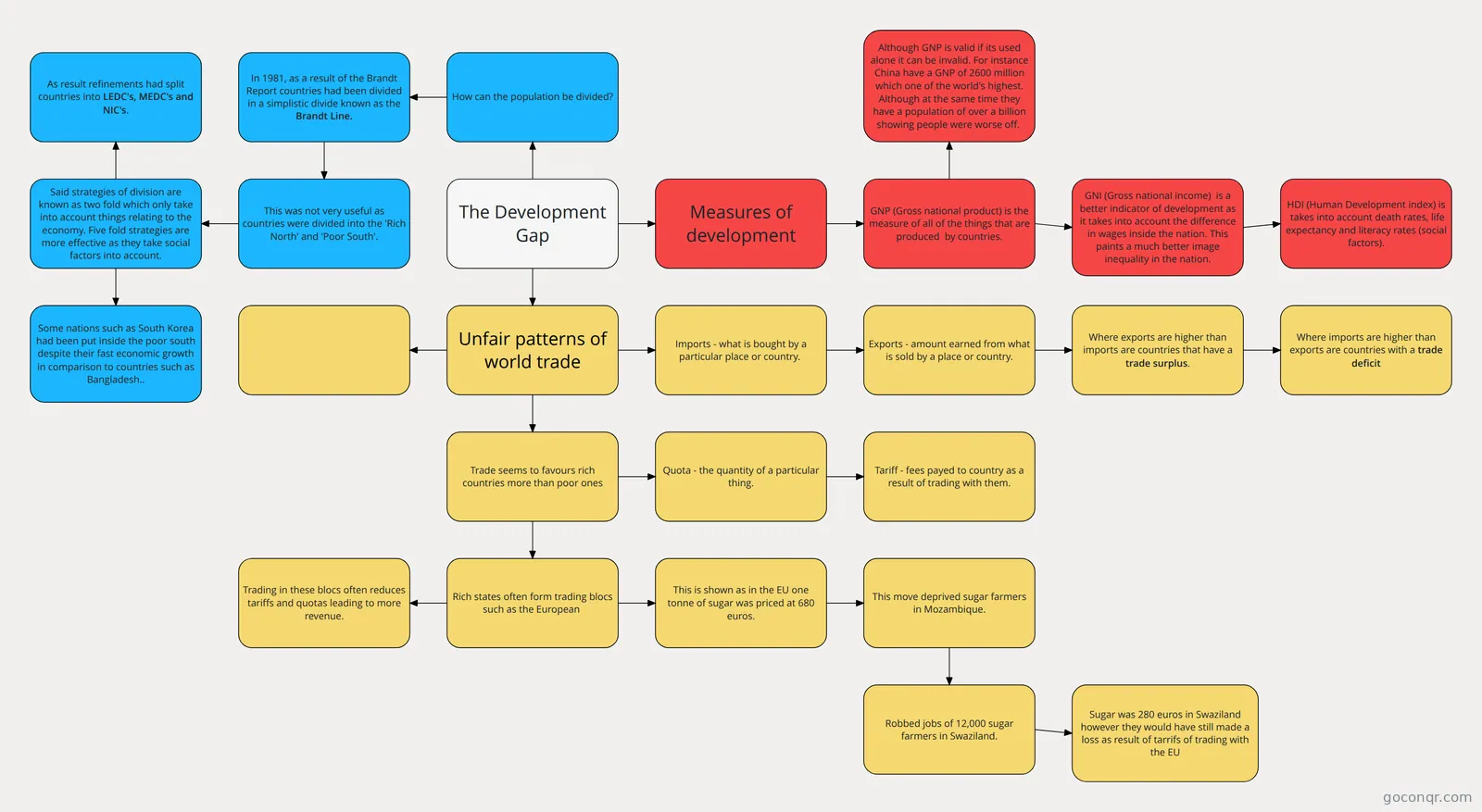
The resources here explore how and why countries develop at different speeds. Several mind maps set out the basics. Economic Development defines development, wealth and the use of resources to improve standard of living. The Development Gap looks at global inequalities, ways of dividing the world and how to reduce them. North/South Divide covers sectors of the economy and aid.
Where to start
Begin with the mind map Geography: Changing Economic World, which lists causes of uneven development such as poor climate and poor farmland. Then open the mind map changing economic world for terms like HICs, NEEs and LICs. Next, work through the flashcard deck development gap flash cards - geography, which asks what standard of living, quality of life and the Brandt line mean.
Models, theories and case studies
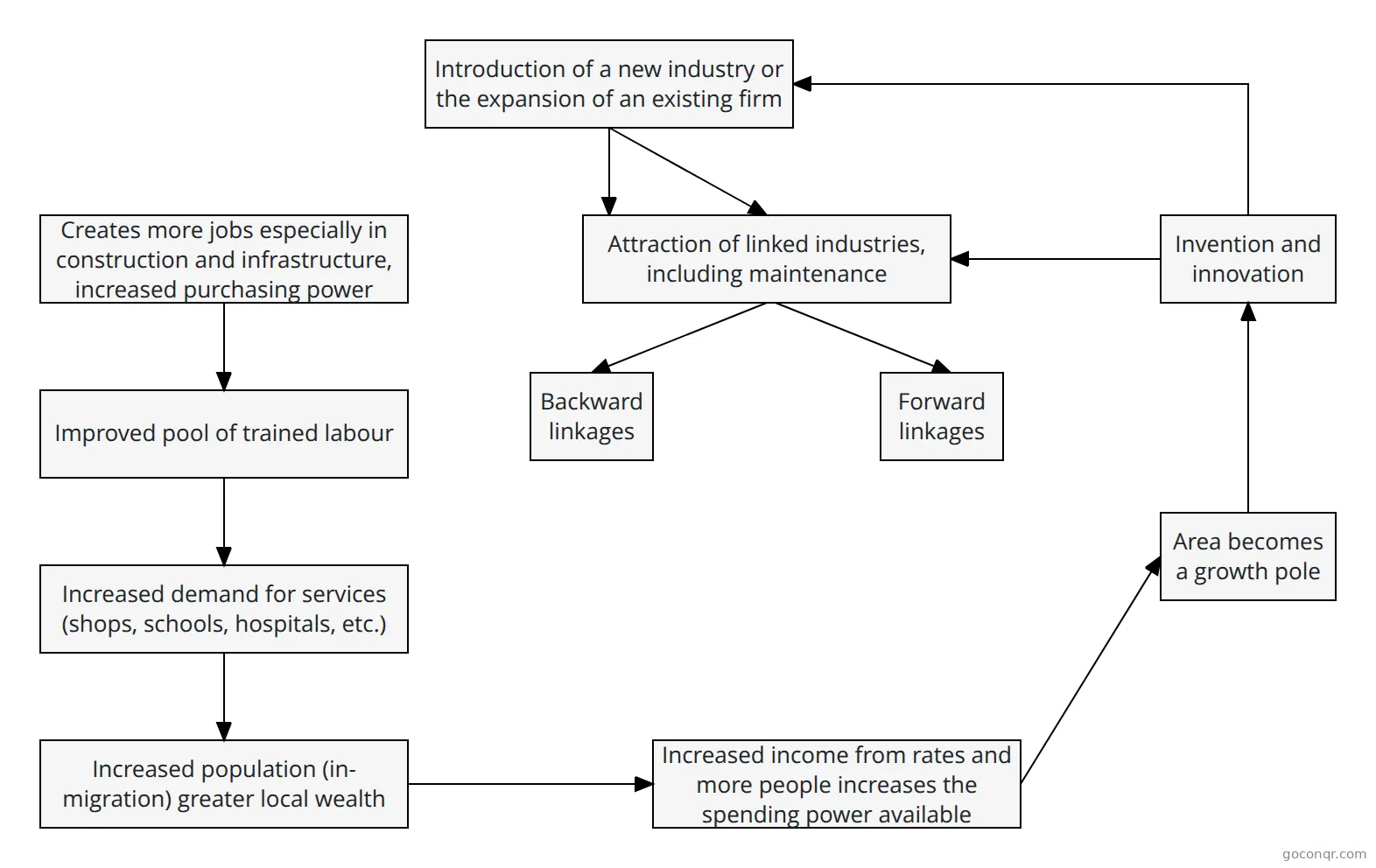
Once the definitions feel familiar, move on to the ideas. The flowchart Myrdal's Cumulative Causation Model shows how a new industry creates jobs, spending power and linked industries. There are also resources on Dependency Theory - Andre Gunder Frank (1967), the Negative Multiplier Effect and Technological Leapfrogging.
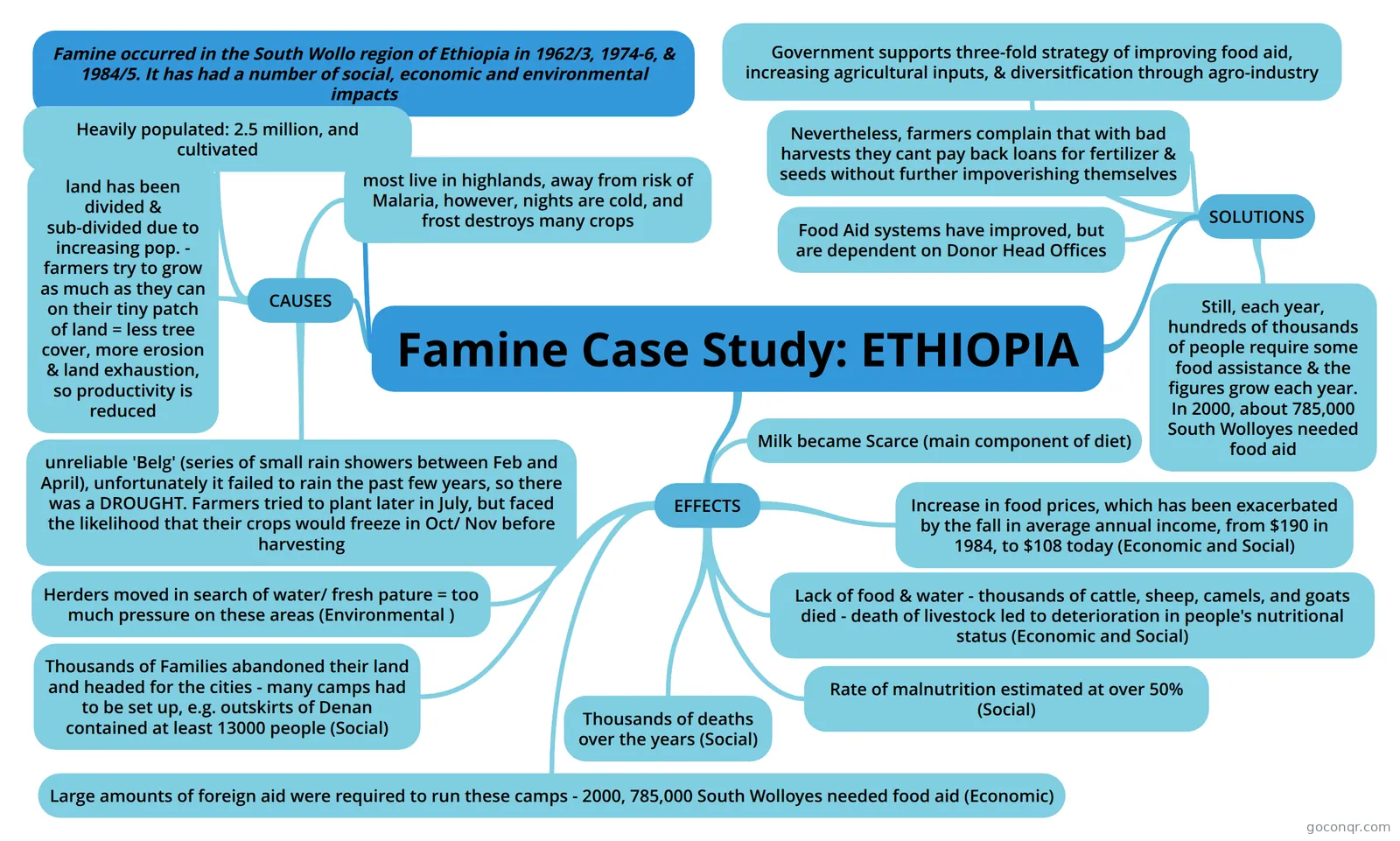
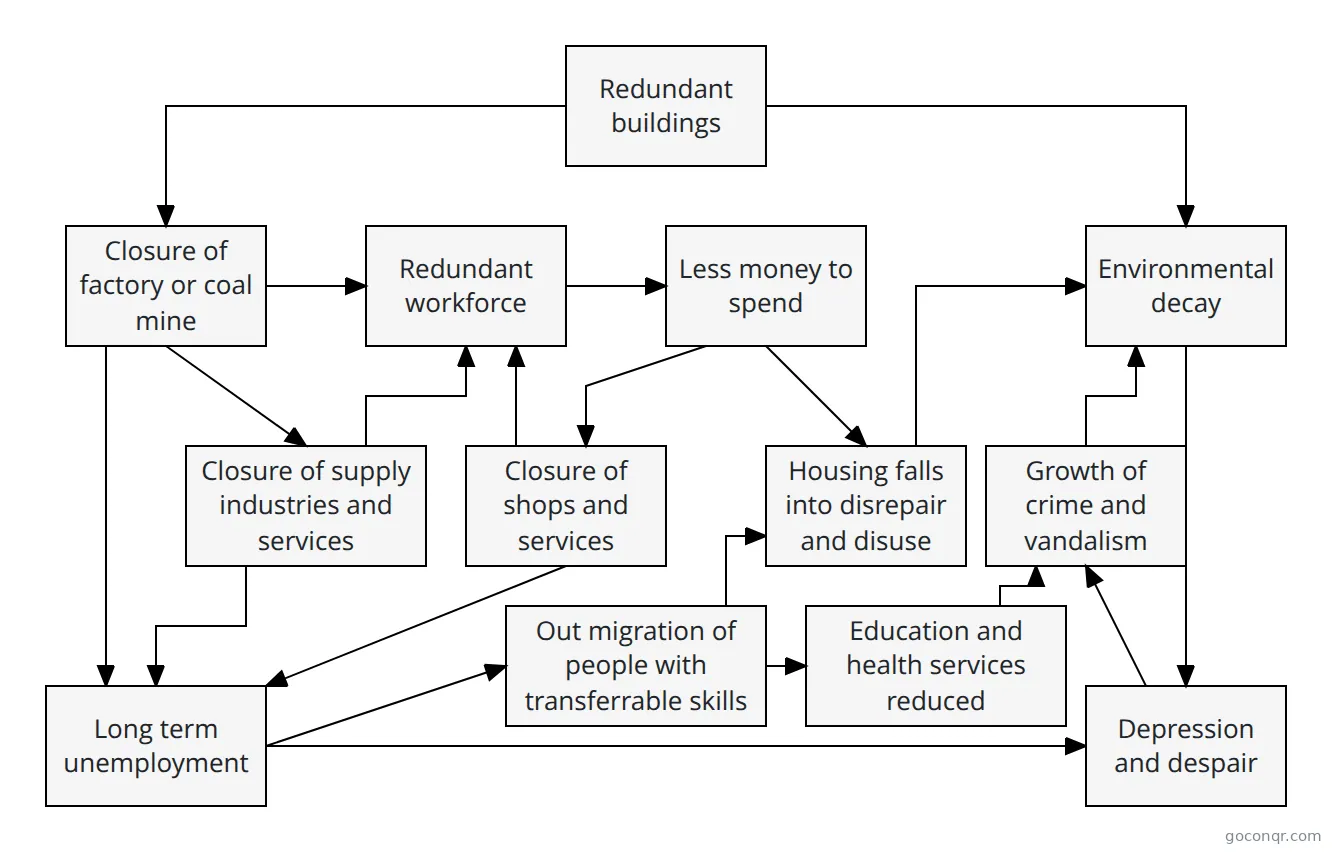
Case studies give you real examples to quote. You will find Goat Aid, WaterAid, Fairtrade, Somalia- Famine, Famine Case Study: ETHIOPIA, Nike - Vietnam (Case Study) and a note on industrial decline in the Nord region of France.
Using quizzes and maps together
- Read a mind map and cover a branch from memory.
- Try a quiz such as Human Wellbeing Quiz or Nigeria: Case Study to check what stuck.
- Return to the maps for the gaps, then use flashcards for key terms.
Teachers can pick a map or slide set, such as Bridging the Development Gap, as ready-made material for a lesson.
Where it fits
This unit sits in the Economic, Political and Global Geography strand of Geography. Resources mention GCSE, A-level, IB, AP Human Geography and other courses, so check the wording against your own course. When you're ready, choose one resource and try it, then add your own notes alongside.
Frequently asked questions
Which resource should I open first?
Start with the mind map Geography: Changing Economic World. It sets out causes of uneven development, including poor climate and poor farmland. After that, the flashcard deck development gap flash cards - geography gives you the key definitions, such as standard of living and quality of life.
What do the mind maps on this page cover?
They cover definitions of development, the development gap, development indicators and the North/South divide. Others focus on case studies such as Goat Aid, WaterAid, Fairtrade and famine in Somalia and Ethiopia, plus topics like appropriate technology and the tertiary sector.
Are there quizzes to test myself?
Yes. There are more than 20 quizzes on the page. Examples include Nigeria: Case Study, Human Wellbeing Quiz and a quiz simply called Development. Use them after reading a mind map to see which parts you still need to revisit.
Which exams do these resources suit?
The resources mention GCSE Geography, A-level Geography, IB Geography, AP Human Geography, CBSE, NCEA Geography, KS3 Geography and AQA AS Geography. Most are at secondary level, so they suit school students. Always check the content against your own exam specification.
Are the resources free, and who made them?
Every resource listed here is free to open, study and take, with no account needed. They were made by GoConqr users, not by GoConqr itself. A free account also saves your quiz scores and lets you make your own quizzes, mind maps, flashcards and notes.
What if I can't find the case study I need?
Browse the notes and flashcard decks, as many cover specific places, such as the Mali Theme 3 Case Study, Mobile phones in Africa case study and Sunday river ski resort. If your example is missing, you can build your own map or flashcards to fill the gap.