
Endocrine Pharmacology and Diabetes
260 resources created by 189 users
This Endocrine Pharmacology and Diabetes page on GoConqr gathers community-made quizzes, mind maps, flashcards, notes and slide sets, from insulin types and oral antidiabetic drugs to thyroid medicines, corticosteroids and bone drugs. It's built for university students and professional candidates revising drug classes, and for teachers after ready-made material. There are over 250 resources here, including more than 40 quizzes and over 70 mind maps, made by over 180 contributors. Pick a topic, try a quiz to find your gaps, then build your own sets.
Top Endocrine Pharmacology and Diabetes resources
-
85 questionsAnti-Diabetic Drugs Quiz Which of the following drugs are the only medications approved for the use in the treatment of Type 1 DM?
-
35 questionsObesity Pharmacology When risk factors should be considered when starting pharmacotherapy for obesity. Select all that apply:
-
Mind map THYROID & ANTITHYROID DRUGS
-
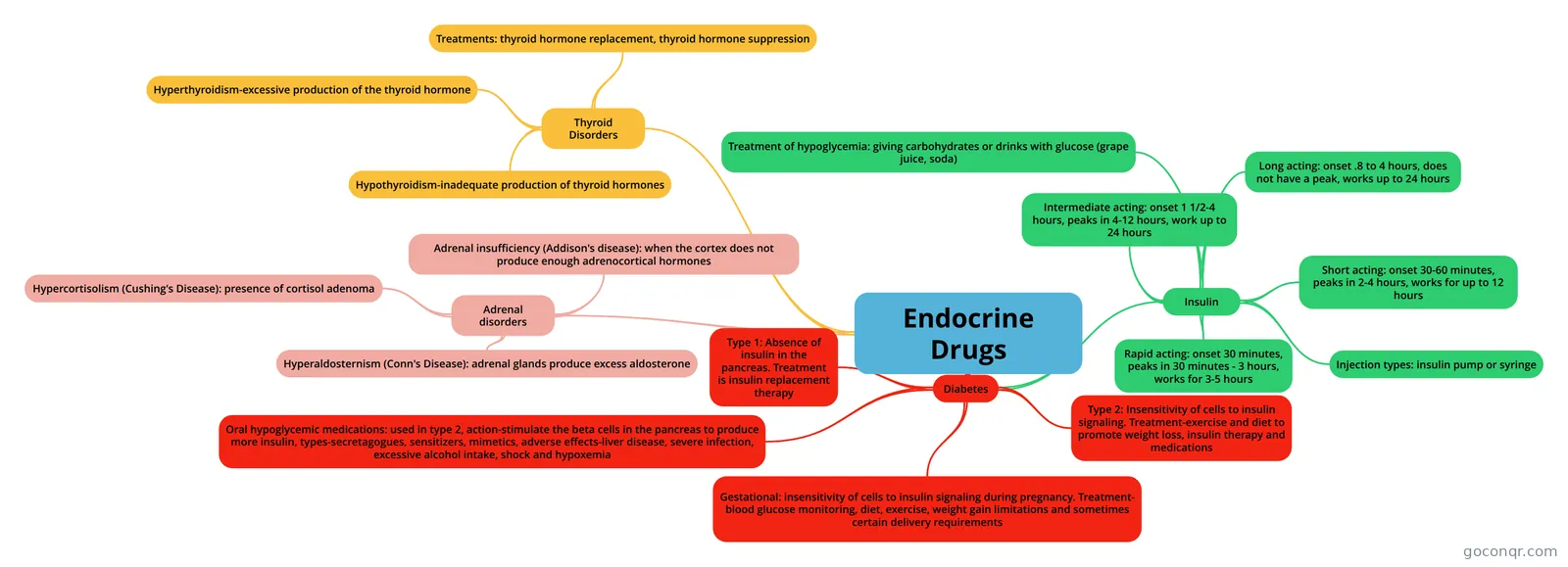 Mind map Endocrine Drugs Endocrine drugs
-
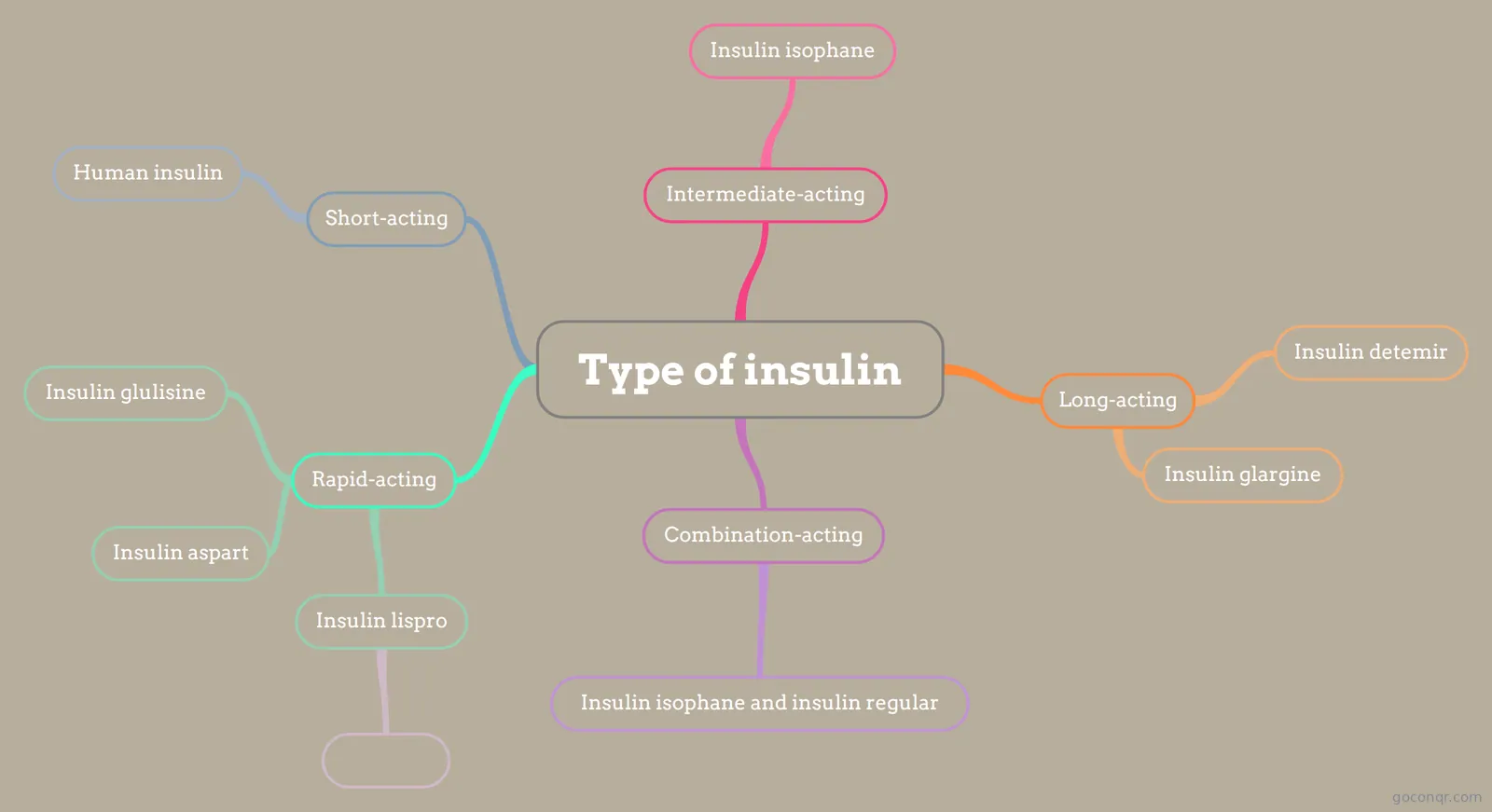 Mind map Type of insulin Insulin type
-
20 cardsDiabetes - Type 2 List FOUR non-modifiable factors that may contribute to the onset of type 2 diabetes mellitus
-
70 cardsWeek 4 What is Addison's disease?
-
74 cardsSteriods How is free cholesterol metabolised?
Quizzes
See all 51 quizzes-
85 questionsAnti-Diabetic Drugs Quiz Which of the following drugs are the only medications approved for the use in the treatment of Type 1 DM?
-
35 questionsObesity Pharmacology When risk factors should be considered when starting pharmacotherapy for obesity. Select all that apply:
-
73 questionsPharm - Endocrine/ Pain Quiz If a patient has Type 1 Diabetes, what type of medication would you expect the patient to be on?
-
13 questionsOsteoporosis Of the drugs listed, which can be used in the treatment of postmenopausal osteoporosis?
-
12 questionsDiabetes Drugs Patients taking metformin needs to be wary of medication-induced hypoglycemia and weight gain.
-
12 questionsPharmacology--Endocrine Diseases Correlate the following pituitary diseases with the hormone deficiency or excess: -Diabetes inspidus: [blan...
-
5 questionsPharmacology XIII Which of the following statements is NOT true regarding the adrenal corticosteroids?
Mind maps
See all 79 mind maps-
THYROID & ANTITHYROID DRUGS
-
Endocrine Drugs Endocrine drugs
-
Type of insulin Insulin type
-
Endocrine Alterations Endocrine alterations in relation to pharmacology/physiology
-
Endocrine System Drugs Endocrine System
-
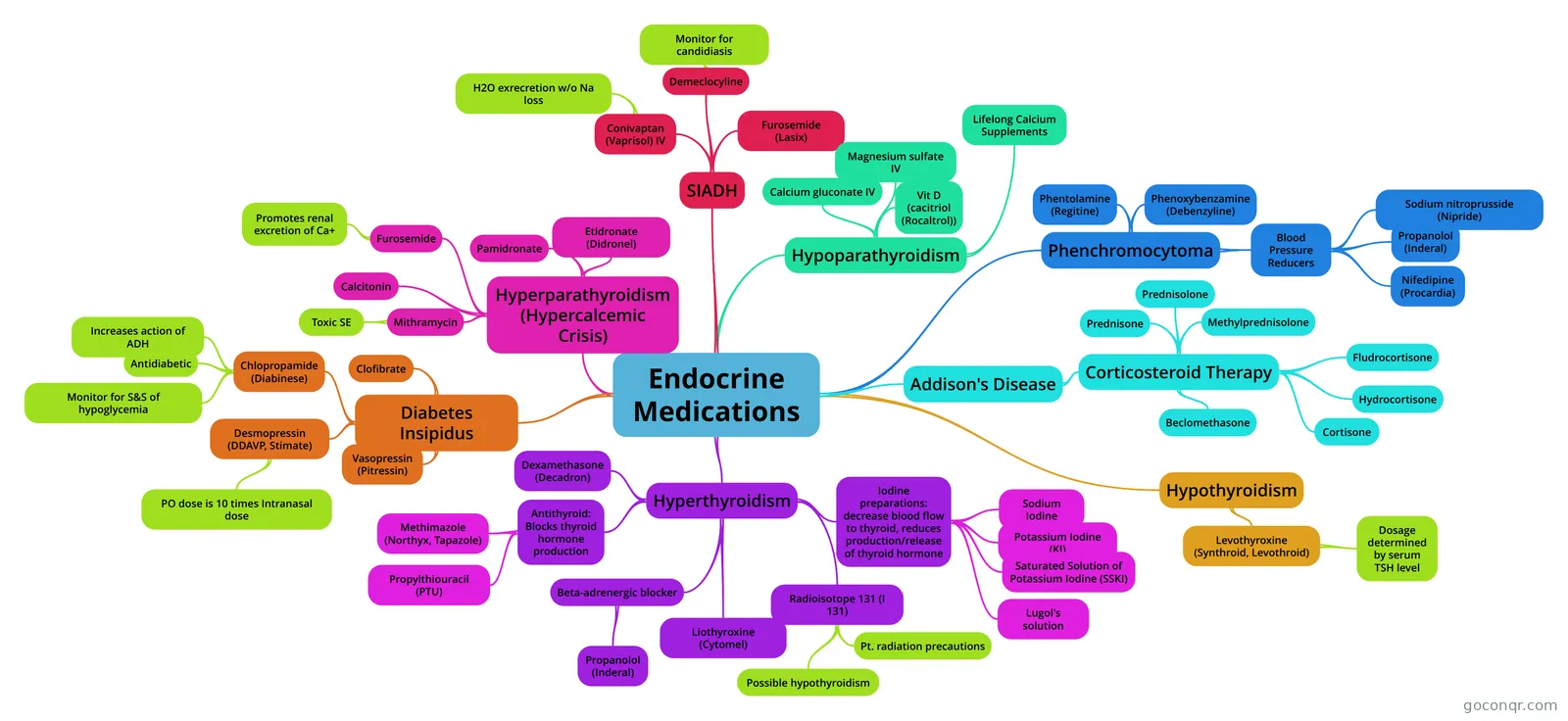 Endocrine Medications List of Endocrine Medications for NURS-241
-
PHARMACOLOGICAL ASPECTS OF HYPOTHALAMUS / PITUITARY & ADRENAL DISORDERS
-
Insulin type Diabetic
Flashcards
See all 118 flashcards-
20 cardsDiabetes - Type 2 List FOUR non-modifiable factors that may contribute to the onset of type 2 diabetes mellitus
-
70 cardsWeek 4 What is Addison's disease?
-
74 cardsSteriods How is free cholesterol metabolised?
-
45 cardsChapter 39 and 40
-
28 cardsType 2 Diabetes (incretins) Useful effects of GLP-1 receptor:
-
25 cardsEndocrinology pharmacology
-
25 cardsOsteoporosis Selective estrogen reuptake modulators (SERM)
-
4 cardsThyroid Hormones Give eg's of & indications for thyroid hormones.
Slides
More Pharmacology topics
About Endocrine Pharmacology and Diabetes
GoConqr OriginalWhat this unit covers
The unit centres on diabetes drugs, then widens to the rest of the endocrine system. Thyroid medicines, corticosteroids, sex hormones, calcium and bone drugs, and pituitary and adrenal disorders all appear in the list.
Where to start
Begin with the mind map Type of insulin, which sorts insulins into rapid-acting, short-acting, intermediate-acting and long-acting groups, with examples such as insulin lispro, insulin aspart and insulin glargine. Next, open the mind map diabetes. It splits drugs into insulin secretagogues, incretin therapies, insulin sensitizers and those that reduce glucose supply, and it covers sulphonylureas and meglitinides.
Then turn to the flashcards. The deck Diabetes - Type 2 asks you to list modifiable and non-modifiable risk factors and to describe how incretins work.
Using quizzes and maps together
- Read a mind map and note the branches you could not explain from memory.
- Take the Anti-Diabetic Drugs Quiz, which asks which drugs are approved for Type 1 diabetes and how incretin hormones like GLP-1 and GIP act.
- Return to the weak branches, then test yourself again with a flashcard deck.
For thyroid work, the mind map THYROID & ANTITHYROID DRUGS compares levothyroxine and liothyronine, and the deck Thyroid drugs asks how thionamides and beta blockers work in hyperthyroidism. The quiz Obesity Pharmacology covers risk factors, therapy goals and drug classes that can cause weight gain.
Where it fits
This unit sits in the strand Organ Systems, Endocrine and Immune Pharmacology, within the subject Pharmacology. Most items suit university study, and a smaller share suits professional candidates; at least one resource mentions the ExCPT exam.
Choose one drug class, work through its map and quiz, and then make your own flashcards to fill any gaps.
Frequently asked questions
Which resource should I open first?
Try the mind map Type of insulin for a quick overview of insulin groups and examples. Then take the Anti-Diabetic Drugs Quiz to see what stuck. If thyroid drugs are your focus, start instead with the mind map THYROID & ANTITHYROID DRUGS and follow it with the Thyroid drugs flashcards.
What do the mind maps cover?
They cover insulin types, diabetes drug classes, metformin, thyroid and antithyroid drugs, corticosteroids, calcium homeostasis, Cushing syndrome and estrogens, progestins and antagonists. There is also a map on fat soluble vitamins. Together they let you see how each drug group connects to its condition.
Are these resources free to use?
Yes. Every resource on this page is free to open, study and take, with no account needed. They were made by GoConqr users, not by GoConqr itself, so styles and depth vary from one resource to the next.
Who are these resources suited to?
Most are aimed at university students, with a smaller share for professional candidates. Teachers can use them as ready-made material for classes or revision. One listed resource mentions the ExCPT exam, so candidates preparing for it may find items worth trying.
Does the page include more than diabetes?
Yes. Alongside diabetes you will find quizzes and flashcards on thyroid disorders, corticosteroids, androgens and anti-androgens, osteoporosis and hormone therapy. There are also slide sets such as Oral Antihyperglycemic Agents and Toujeo, so you can move from one topic to the next.
What if the topic I need is missing?
You can make your own. A free account lets you create quizzes, mind maps, flashcards and notes, and it saves your quiz scores. Building a short set on the missing drug class is also a good way to test your own recall.