
Game Design
242 resources created by 225 users
This Game Design page on GoConqr gathers community-made mind maps and flowcharts on designing games, from clicker game plans such as Poke Clicker to teenage life simulations and the Future Worlds projects. It's built for school students working on a design brief, and for teachers after ready-made material. There are over 220 resources here, including more than 200 mind maps, and nearly all are at secondary level. Open a map, see how others planned theirs, then sketch your own.
Select topic
Top Game Design resources
Mind maps
See all 240 mind mapsFlowcharts
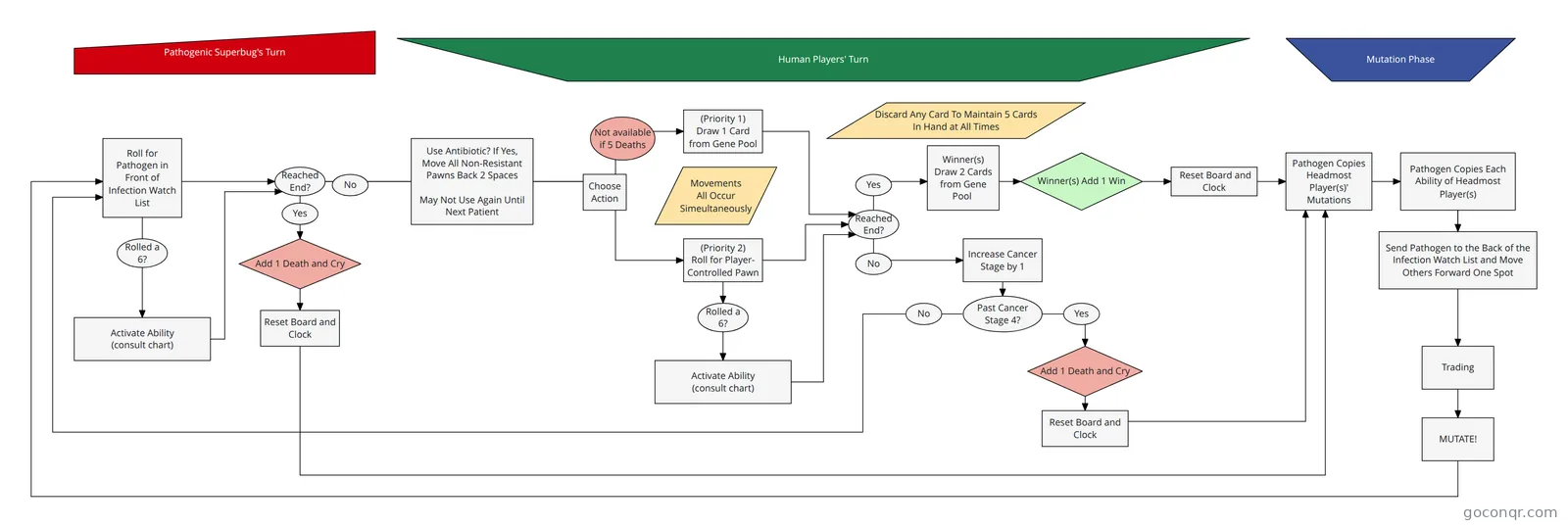
Topics in Game Design
More Design and technology topics
About Game Design
GoConqr OriginalWhat this unit covers
Game Design is part of the Design Specialisms strand in Design and technology. The resources here are almost all mind maps, made by GoConqr users, and they show how students plan a game before building it. Two themes stand out: clicker games and simulation games, plus a large group of maps on Future Worlds.
Clicker game planning
Several maps follow the same planning pattern. They list existing solutions such as Cookie Clicker, then cover aesthetics, game features, user experience and pros and cons. Poke Clicker looks at a central clicker image, a PokeBall texture, and game milestones. Clicker Game sets its game in a time machine. Ideas for Clicker game proposes a tennis game called Tap Tennis Pro for people who want an easy, satisfying play. Digital Tech: Clicker Games plans a chocolate milk tycoon.
Simulation and other game ideas
The Simulator Teenage life game map names a target audience of teenagers aged 14 to 16, then branches into hobbies, sports, gaming and the world around the player. Teenage life simulation game covers home life, social life, school life, health and fitness, and lifestyle rules and consequences. Maze Runner sets out its target audience, PEGI rating, storyline, sprites and keyboard controls. You will also find maps on board game surface design, characters and video game ideas.
Where to start
- Open Maze Runner to see a complete game brief laid out in one place.
- Compare two clicker maps, for example Poke Clicker and Clicker Game, and note what each does differently.
- Read a simulation map to see how a wider audience and setting change the plan.
- Browse the Future Worlds maps for more student approaches.
Teachers can use a map as a model for a class brief, or ask students to compare two plans and judge which is clearer.
Make it your own
The headings in these maps work as a checklist: audience, context, aesthetics, features, controls, pros and cons. Pick one map that suits your idea, then build a map of your own with the same headings.
Frequently asked questions
Which resource should I open first?
Start with Maze Runner. It is a clear example of a game brief, with target audience, PEGI rating, storyline, sprites and controls on one map. Then compare it with a clicker map such as Poke Clicker to see how another student organised their plan.
What do the clicker game maps cover?
They follow a shared pattern: existing solutions like Cookie Clicker, game name and context, aesthetics, game features, user experience and pros and cons. Each applies it to a different idea, such as a PokeBall theme, a time machine or a tennis game.
Are there simulation game examples?
Yes. The Simulator Teenage life game map aims at teenagers aged 14 to 16 and covers hobbies, sports and the environment. Teenage life simulation game looks at home, social and school life, health and fitness, and rules and consequences.
Who are these resources for?
They suit school students planning a game design project, and teachers who want examples to show a class. Almost all the resources are at secondary level. They were made by GoConqr users, so treat them as models to learn from rather than fixed answers.
Are the resources free to use?
Yes. Every resource listed here is free to open and study, with no account needed. If you want to save your own work, a free account lets you create mind maps, flashcards, quizzes and notes.
What if I can't find the game type I need?
Try the Future Worlds maps, the video game ideas, the characters map or the board game surface design map, which take different approaches. You can also use a clicker or simulation map as a template and adapt its headings to your own game.