
Plate Tectonics mind maps
416 mind maps by 369 users · Page 1 of 11
This Plate Tectonics page gathers community-made mind maps on plate boundaries, Earth’s structure and fold mountains. It is for school students revising geography and teachers looking for ready-made material. There are over 400 mind maps by more than 350 users, with resources for GCSE and A-level Geography. Choose a map to begin.
Mind maps
-
Geography Restless Earth Mind map about the restless earth unit for gcse geography
-
Restless Earth GCSE Geography AQA A Specification Unit 1A The Restless Earth
-
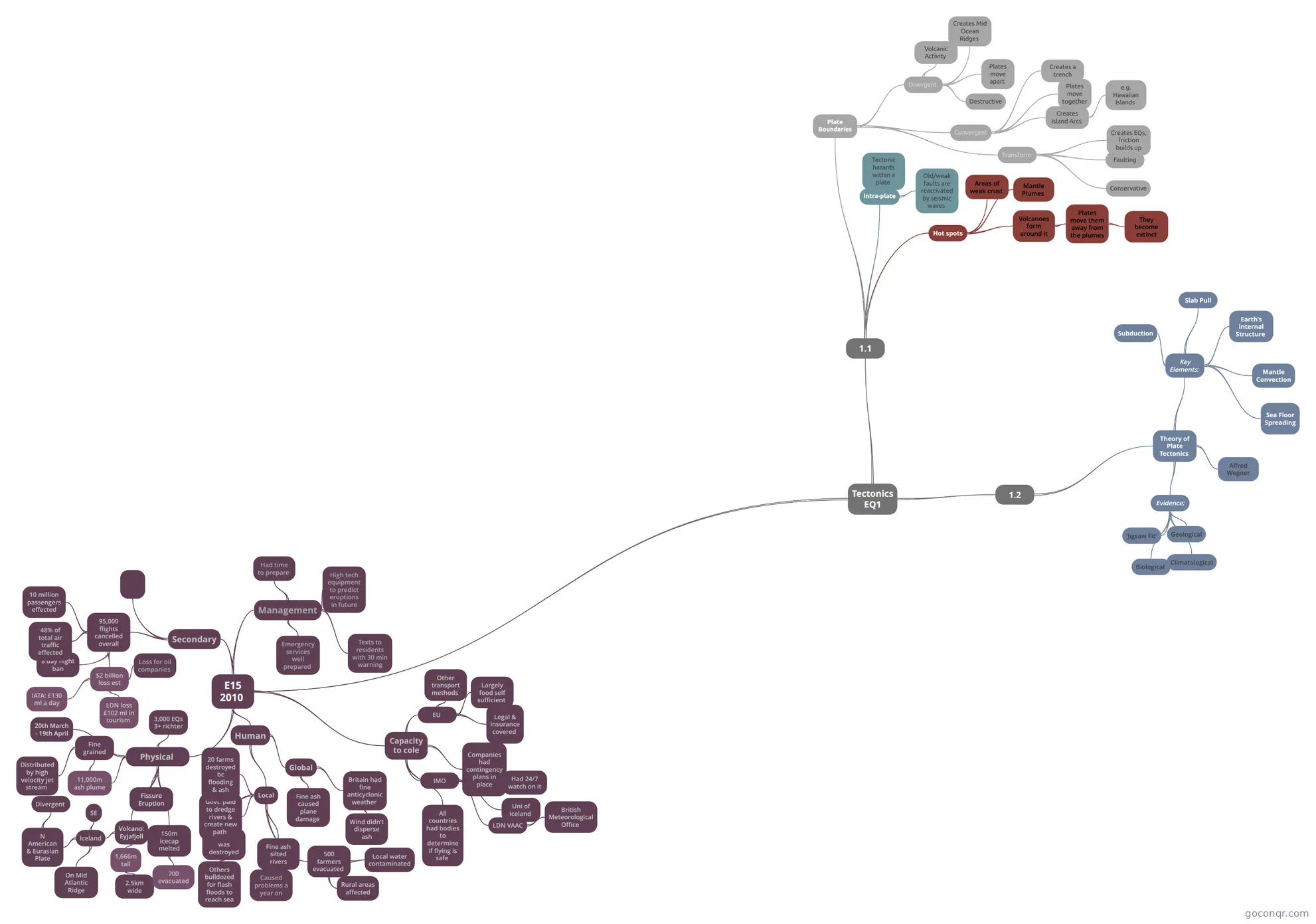 Tectonics EQ1 Edexcel Geography AS
-
Restless Earth Mind Map of Edexcel Physical Geography Topic 1
-
Plate Margins
-
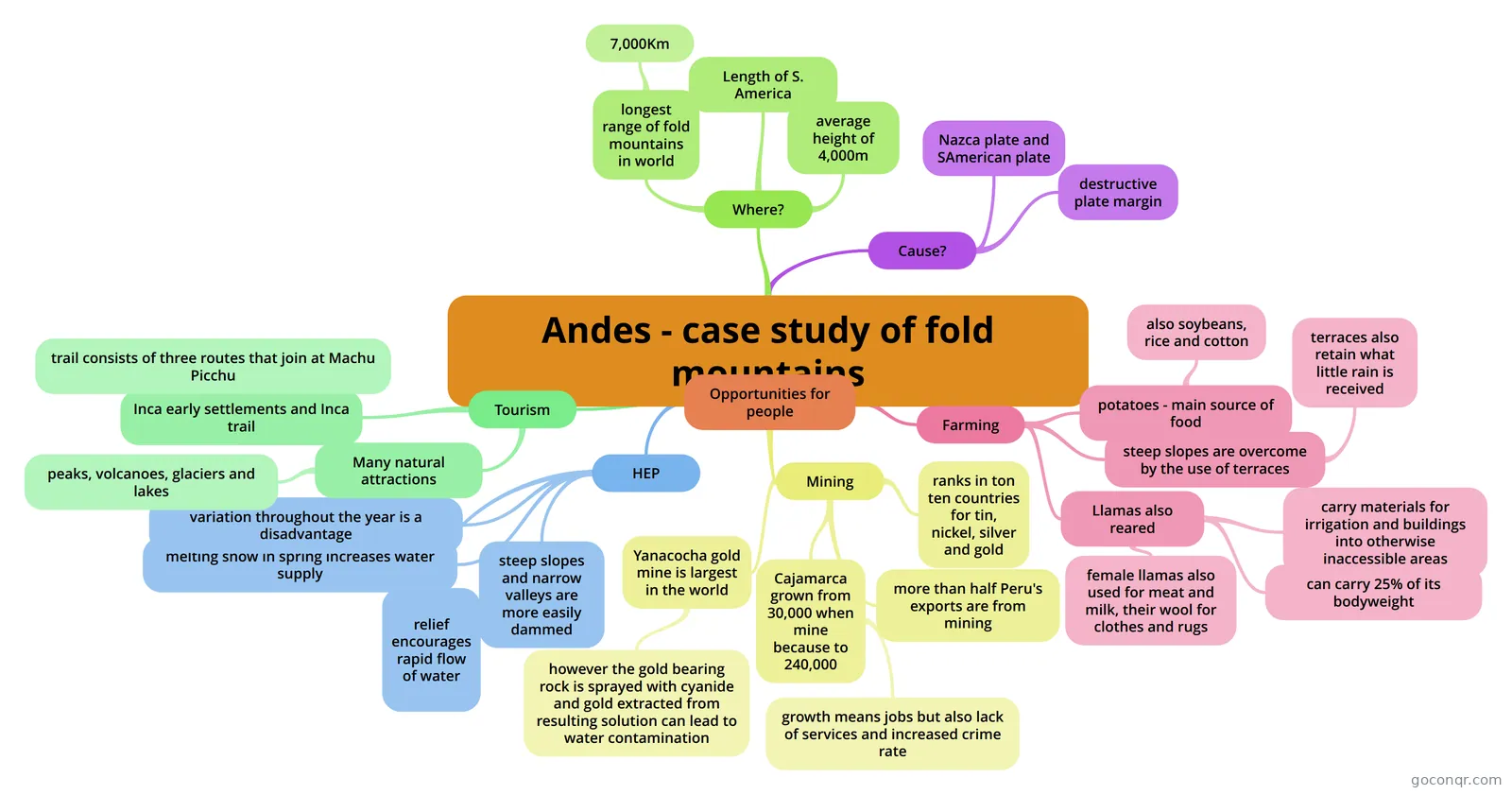 Andes - case study of fold mountains
-
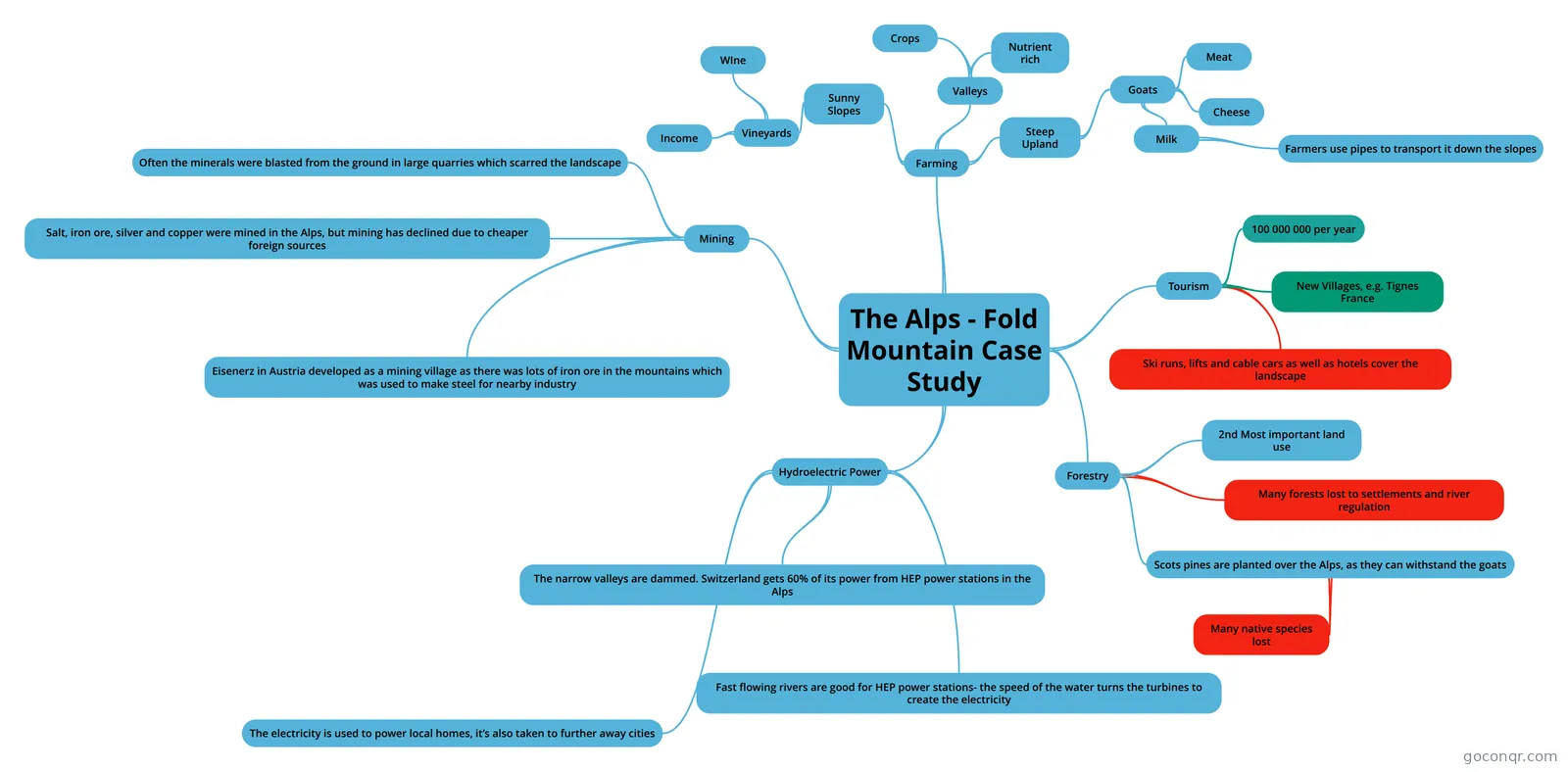 The Alps - Fold Mountain Case Study Information taken from a note by helen_rebecca
-
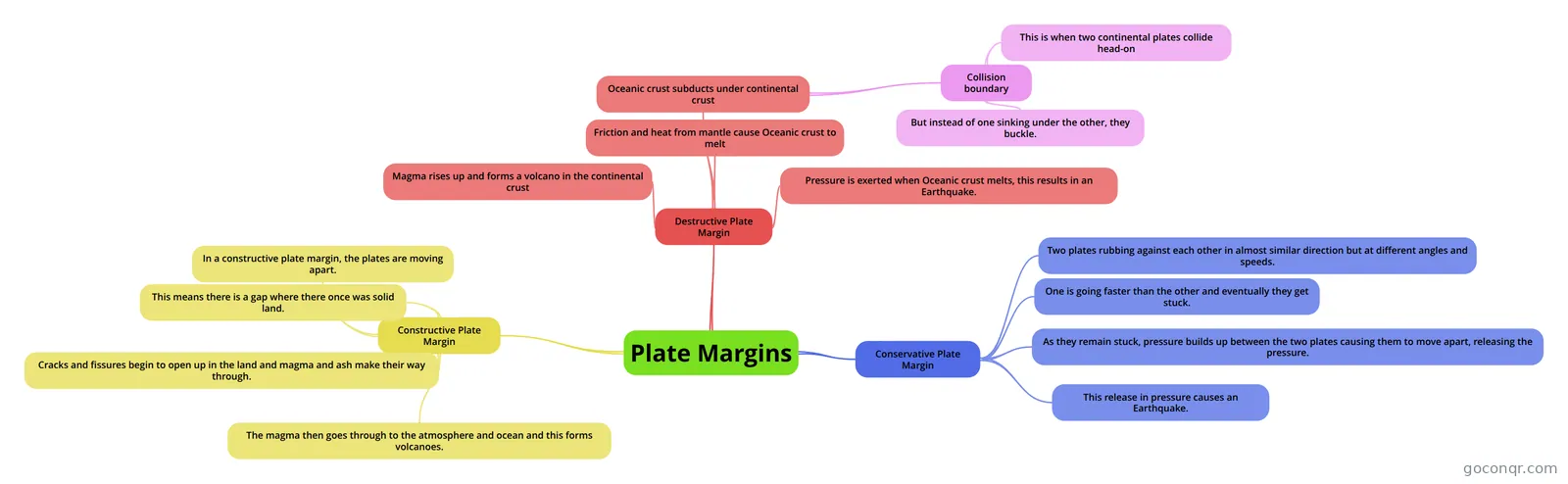 Plate Margins
-
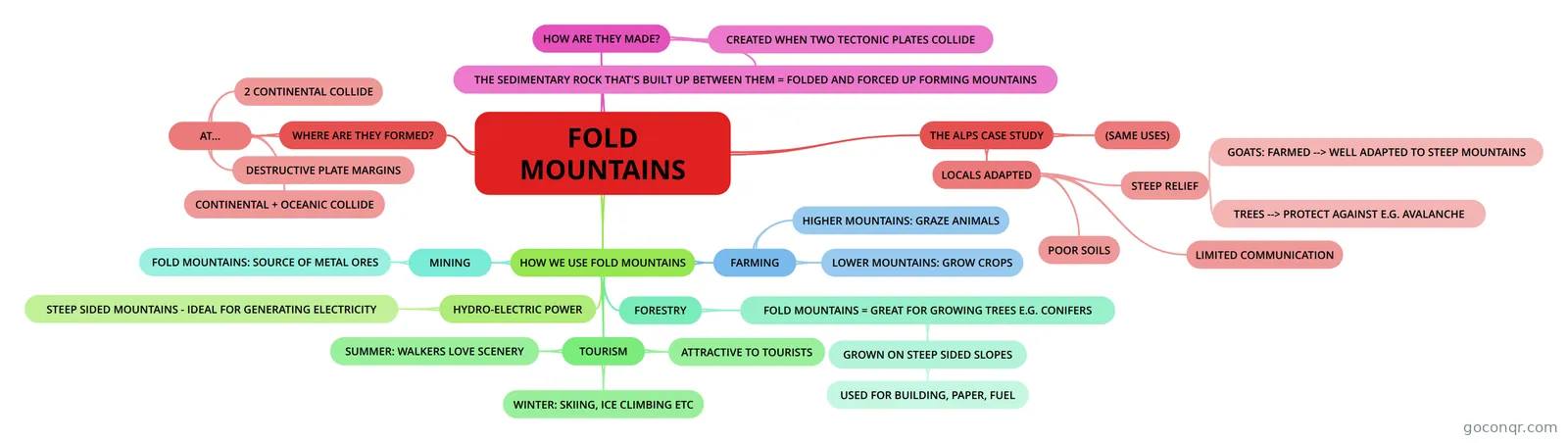 FOLD MOUNTAINS
-
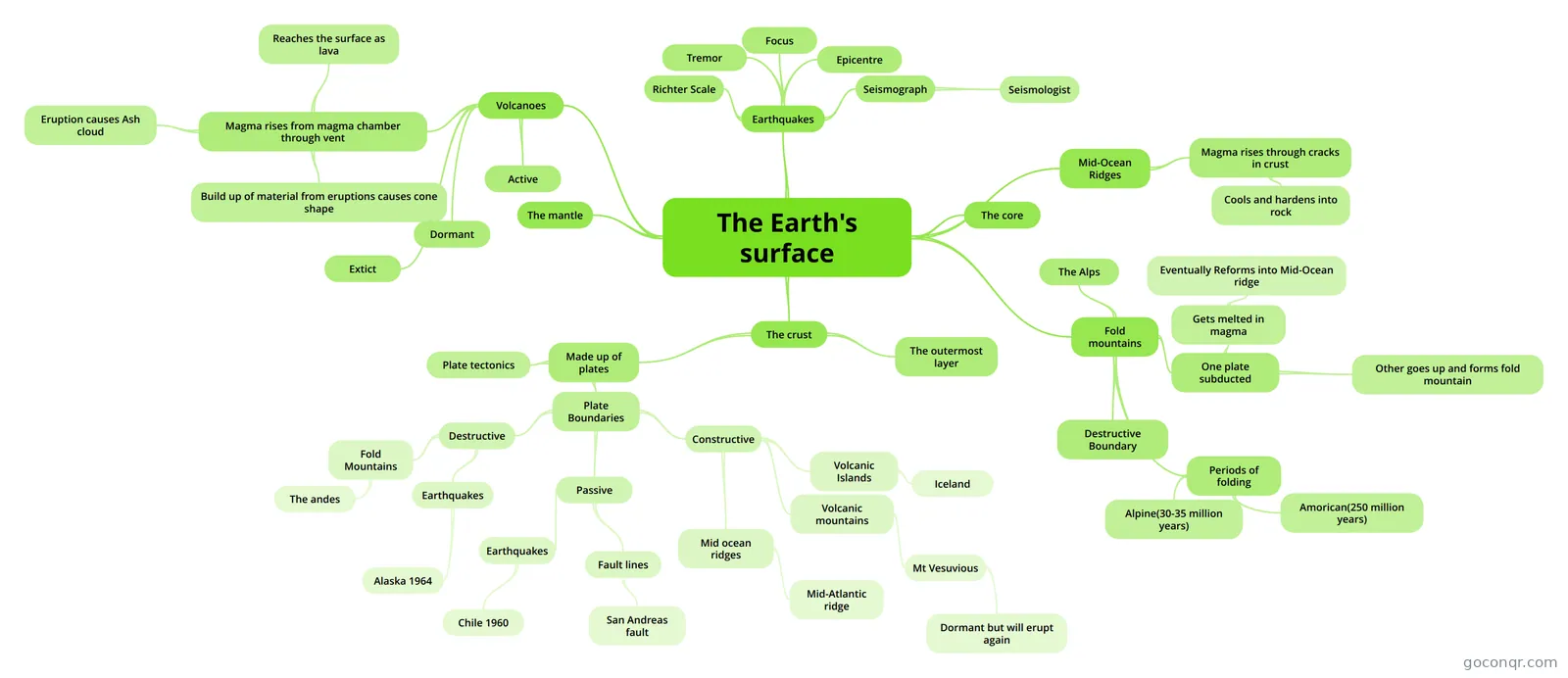 The Earth's surface
-
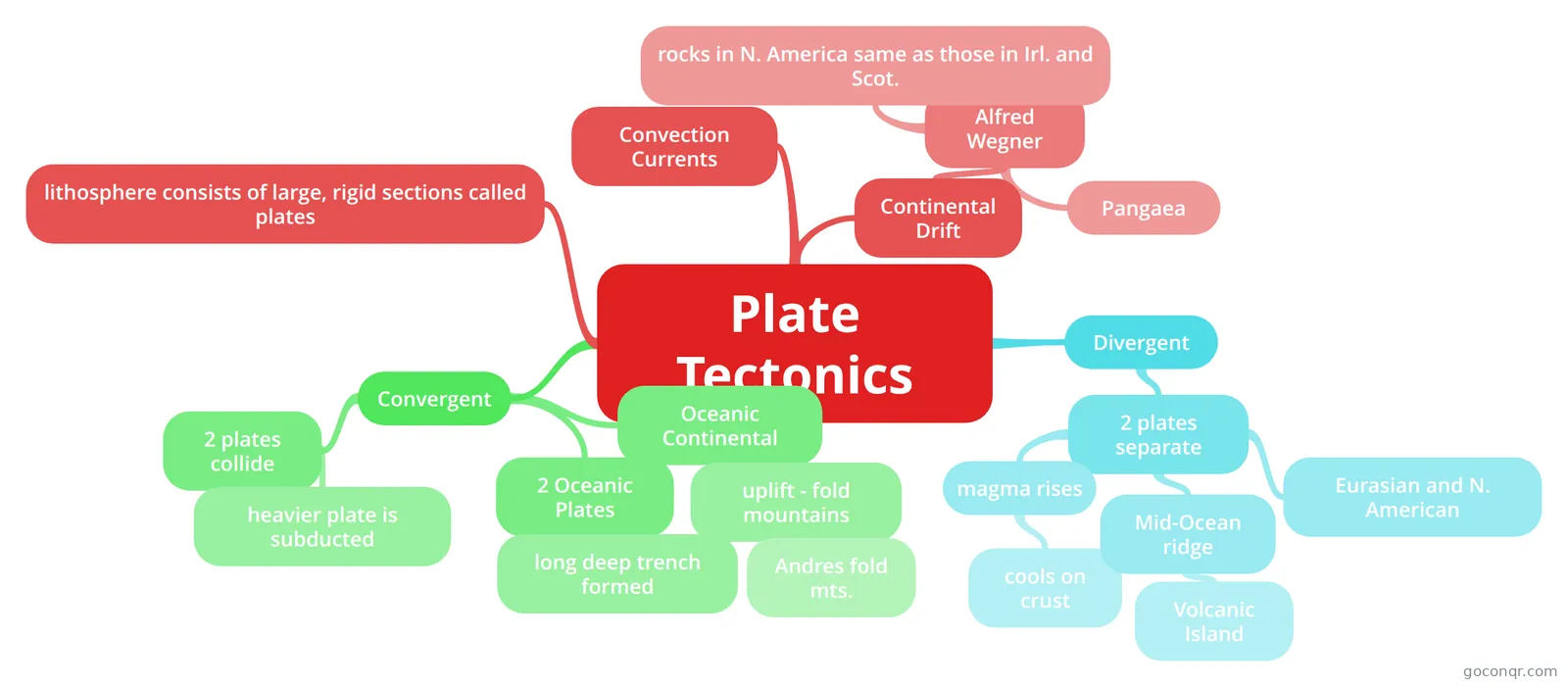 Plate Tectonics
-
Folding and Faulting
-
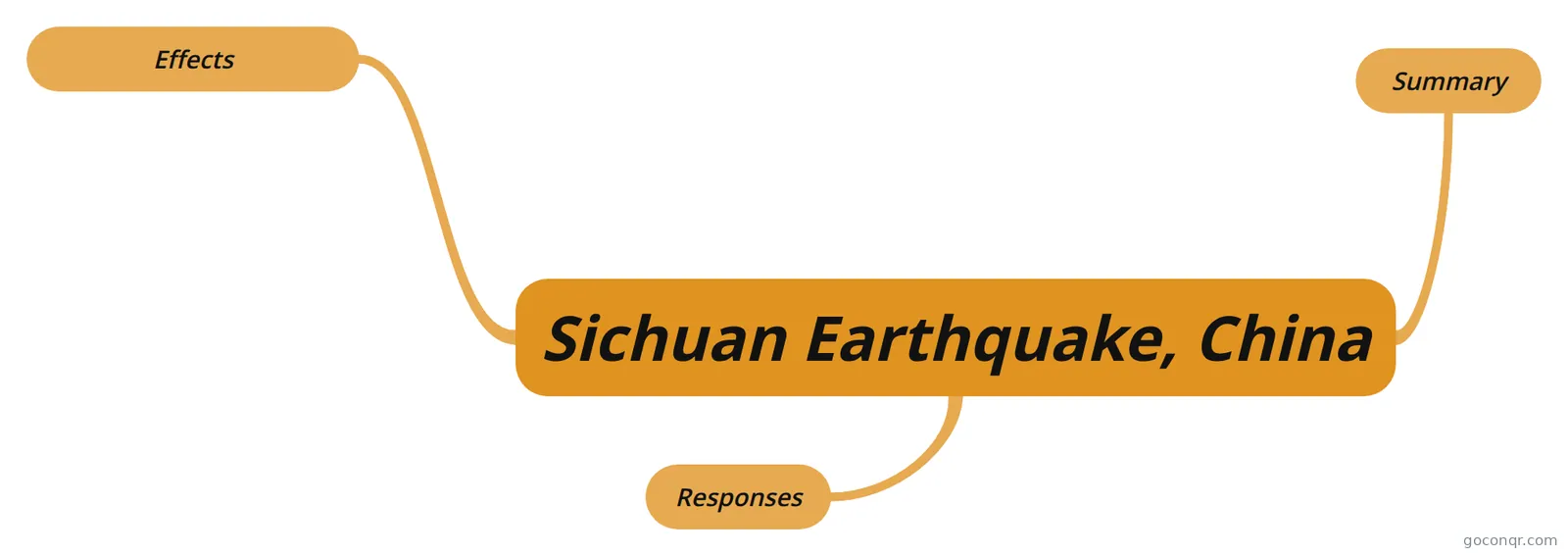 Sichuan Earthquake, China Restless Earth Geography Case Study
-
Physical Geography mind map Edexcel Geography B 2014 UNIT 1 INCLUDES: - restless earth - changing climate - battle for the biosphere - ...
-
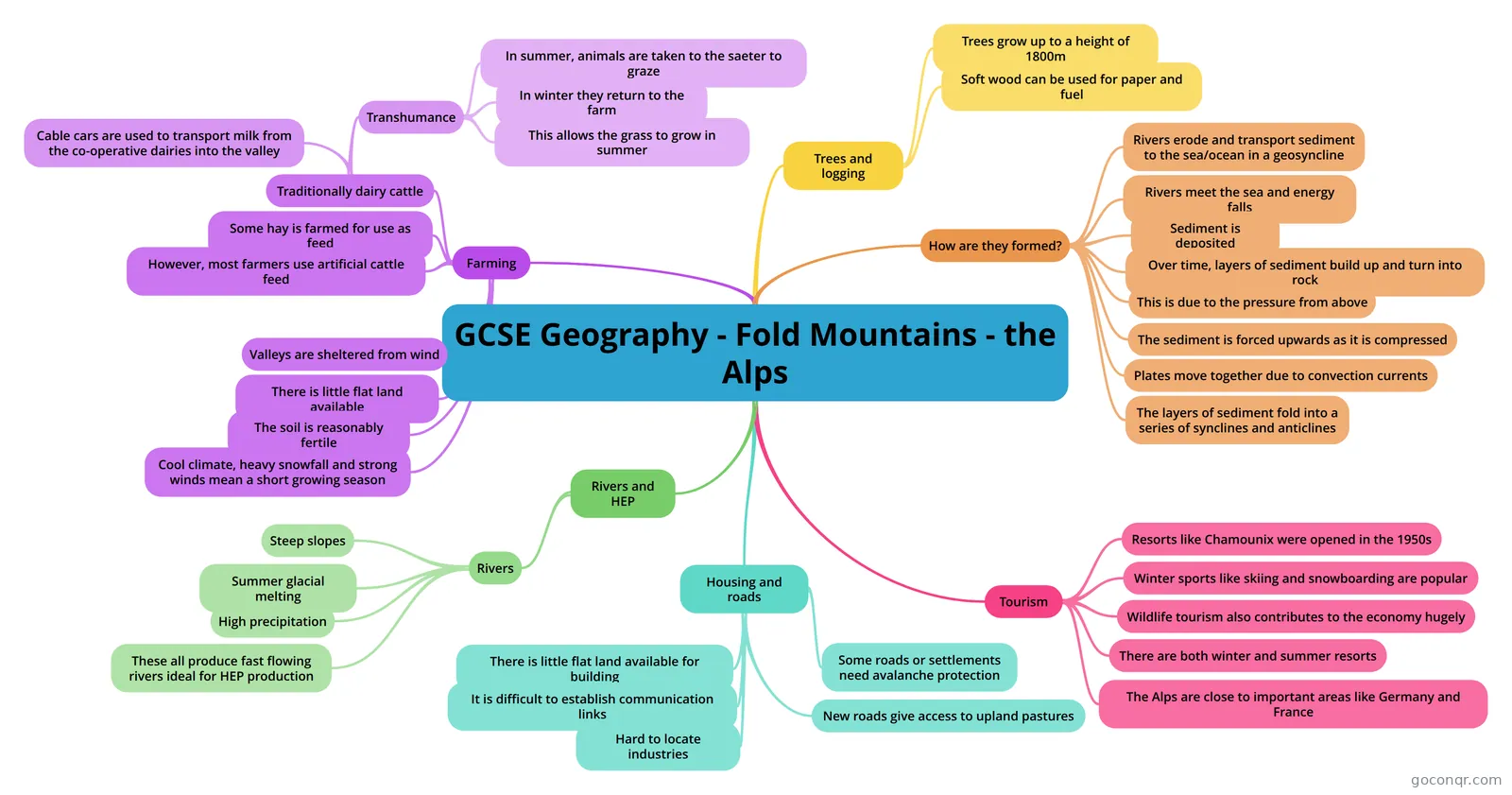 GCSE Geography - Fold Mountains - the Alps
-
Geography - The Restless Earth
-
Geography- Restless Earth
-
Tectonic Plates KQ2
-
Tectonics
-
Vulcanicity
-
Earthquakes
-
Geography Restless Earth Mind map about the restless earth unit for gcse geography
-
Restless Earth
-
Tectonics Case Studies
-
Restless Earth GCSE Geography AQA A Specification Unit 1A The Restless Earth
-
Restless Earth
-
plate tectonics
-
Restless Earth
-
1_Restless Earth
-
Geography Unit 2
-
Hazards
-
Plate tectonics volcano case studies
-
The Restless Earth
-
Geography Unit 1
-
6) Tectonics case studies volcanos
-
Plate tectonics case studies
-
Plate Boundaries
-
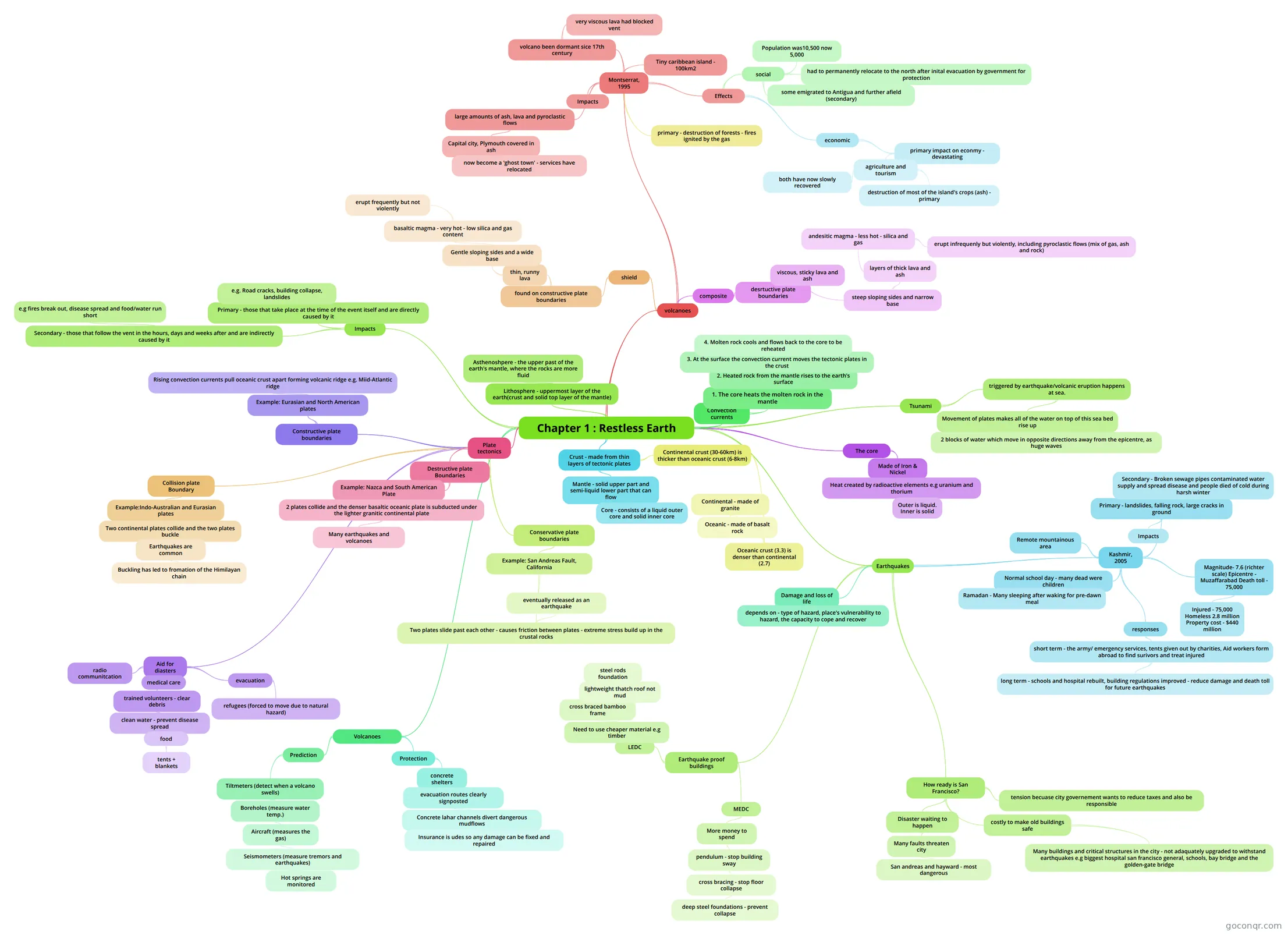 Chapter 1 : Restless Earth
-
Tectonic Landscape
-
Restless Earth
More Plate Tectonics resources
About plate tectonics mind maps
GoConqr OriginalUsing plate tectonics mind maps
Start with The Earth's surface for a map that brings together the crust, mantle and core with plate boundaries, earthquakes and fold mountains. Its branches offer a way to see the topics on this page alongside one another.
For a closer look at boundaries, Plate Margins includes conservative and destructive boundaries. Folding and Faulting brings together processes such as compression, tension and shearing. Compare their branches as you revise the terms.
Move from overview to case study
The map The Alps - Fold Mountain Case Study covers activities including farming, tourism and forestry. Use it to organise your notes around a named example, then return to a broader map to connect the case study with the topic.
After studying a map, try recalling its branches without looking. If you want a different way to check your understanding, switch to a quiz on the unit page; use flashcards when you want to revisit terms. Explore a map that fits your next lesson or revision session.
Frequently asked questions
Which mind map is a good place to start?
The Earth's surface is a useful starting point if you want an overview. Its branches include Earth’s layers, plate boundaries, earthquakes and fold mountains. For a narrower focus afterwards, Plate Margins looks at boundary types, while Folding and Faulting covers processes including compression and tension.
Are these mind maps free to use?
Yes. Every resource listed here is free to open and study without an account. The maps were made by GoConqr users rather than by GoConqr. A free account also lets you save quiz scores and make your own quizzes, mind maps, flashcards and notes.
Which levels do the resources suit?
The page is mainly for school-level study, and the listed resources mention GCSE Geography and A-level Geography. School students can use the maps to revise topics such as plate boundaries and fold mountains. Teachers can look through the maps for ready-made material that fits their lessons.