
Central and Peripheral Nervous System and Motor Control
127 resources created by 102 users
This Central and Peripheral Nervous System and Motor Control page on GoConqr gathers community-made quizzes, mind maps, flashcards and notes, from action potentials and synapses to spinal tracts, reflexes and the cerebellum. It's built for university students revising a topic or filling gaps, and teachers after ready-made material. There are over 1,000 resources here, including more than 240 quizzes, more than 260 mind maps and more than 450 flashcards, shared by over 700 contributors. Pick a topic, try a quiz to find your gaps, then make your own set.
Top Central and Peripheral Nervous System and Motor Control resources
-
47 questionsNMS Set 4 Quiz - The somatic, autonomic and enteric nervous systems. What is important about the lateral horn in relation to motor function?
-
84 questionsNanat and Nphys 500 In a case of bilateral vocal fold paralysis in the open position, it would be appropriate to state "the cli...
-
20 questionsUpper and Lower Motor Neuron Lesions
-
55 questionsStudy Guide: Nerve Signaling Compared with the inside of the cell, the outside of most cell membranes is
-
45 cardsEyes: orbit, reflexes and movements Eyes: orbit, reflexes and movements
-
39 cardsFundamentals of the Nervous System Chapter 12
-
30 cardsThe Nervous system Nervous system (function)
-
10 questionsNervous System III Senses Receptors for the special senses are found
Quizzes
See all 59 quizzes-
47 questionsNMS Set 4 Quiz - The somatic, autonomic and enteric nervous systems. What is important about the lateral horn in relation to motor function?
-
84 questionsNanat and Nphys 500 In a case of bilateral vocal fold paralysis in the open position, it would be appropriate to state "the cli...
-
20 questionsUpper and Lower Motor Neuron Lesions
-
55 questionsStudy Guide: Nerve Signaling Compared with the inside of the cell, the outside of most cell membranes is
-
10 questionsNervous System III Senses Receptors for the special senses are found
-
4 questionsBiopsychology Quiz The nervous system is divided into two sub-systems called...
-
62 questionsGeneral Physiology of the Nervous System Physiology PMU 2nd Year The action potential of a nerve cell
-
174 questionsCBLG101 - Chapter 11 Fundamentals of the Nervous System How do cells communicate?
Mind maps
See all 19 mind maps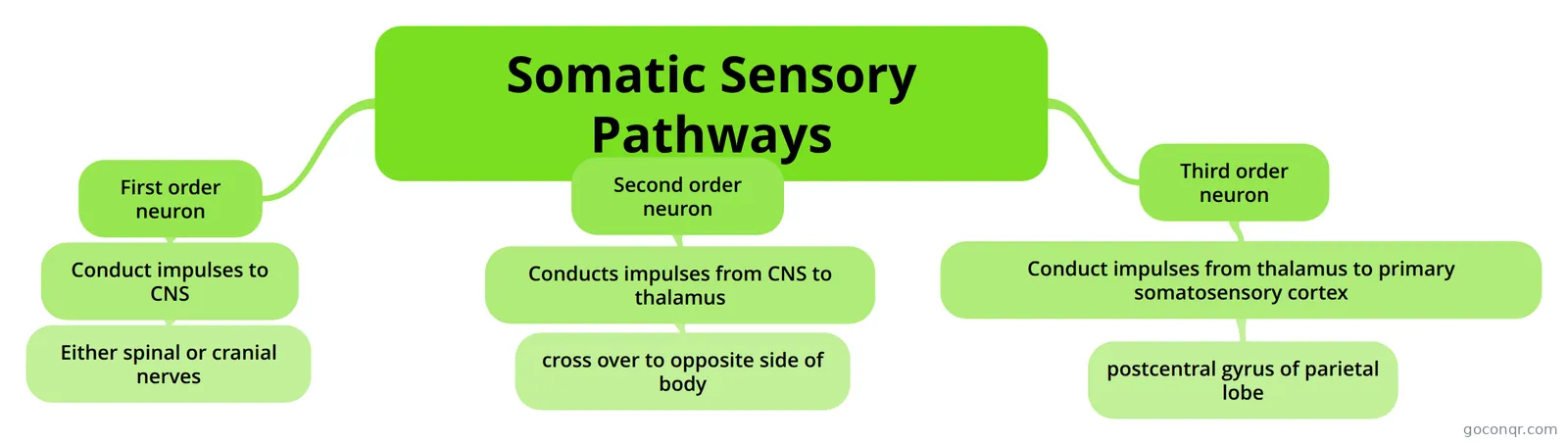
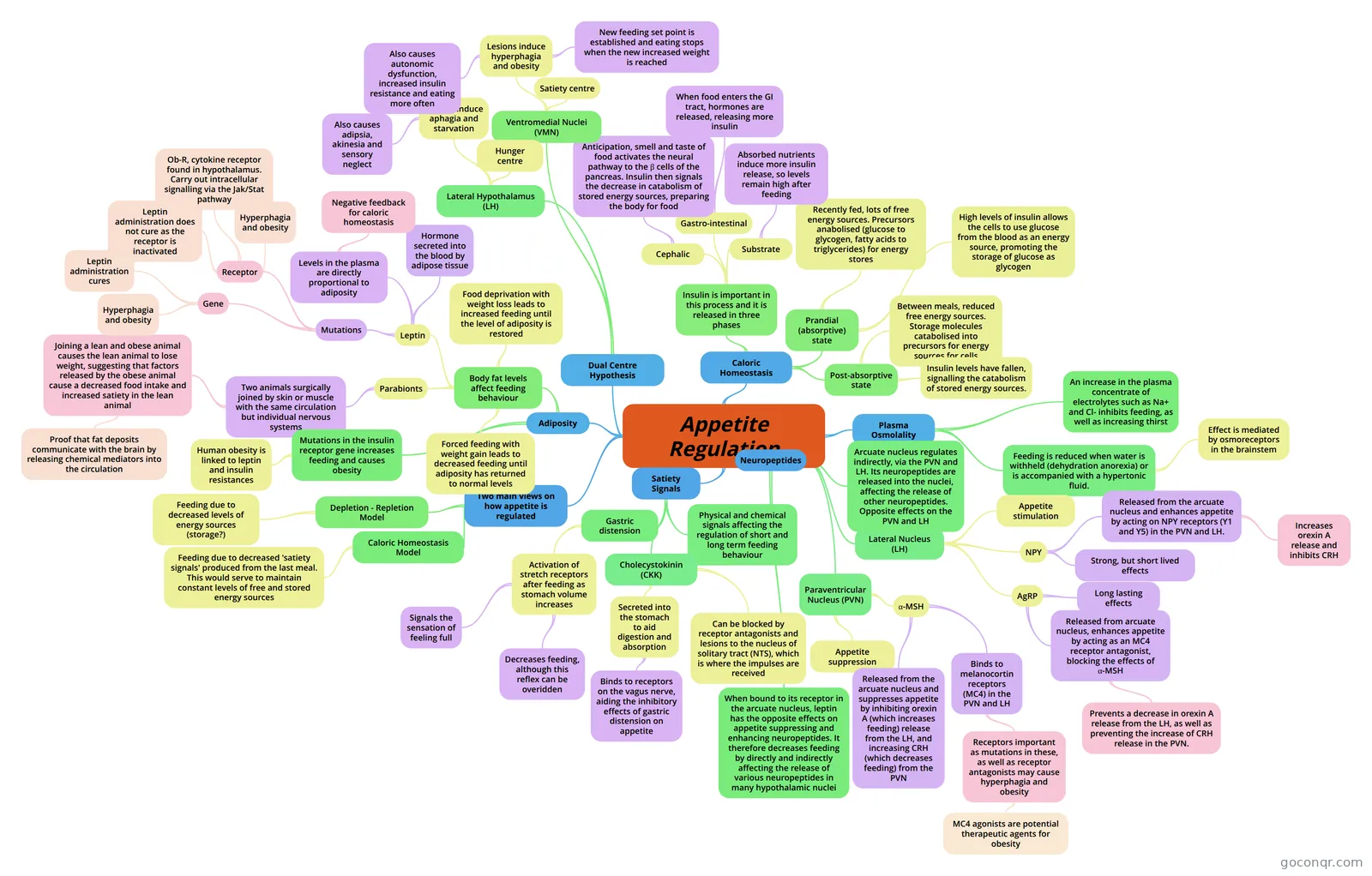
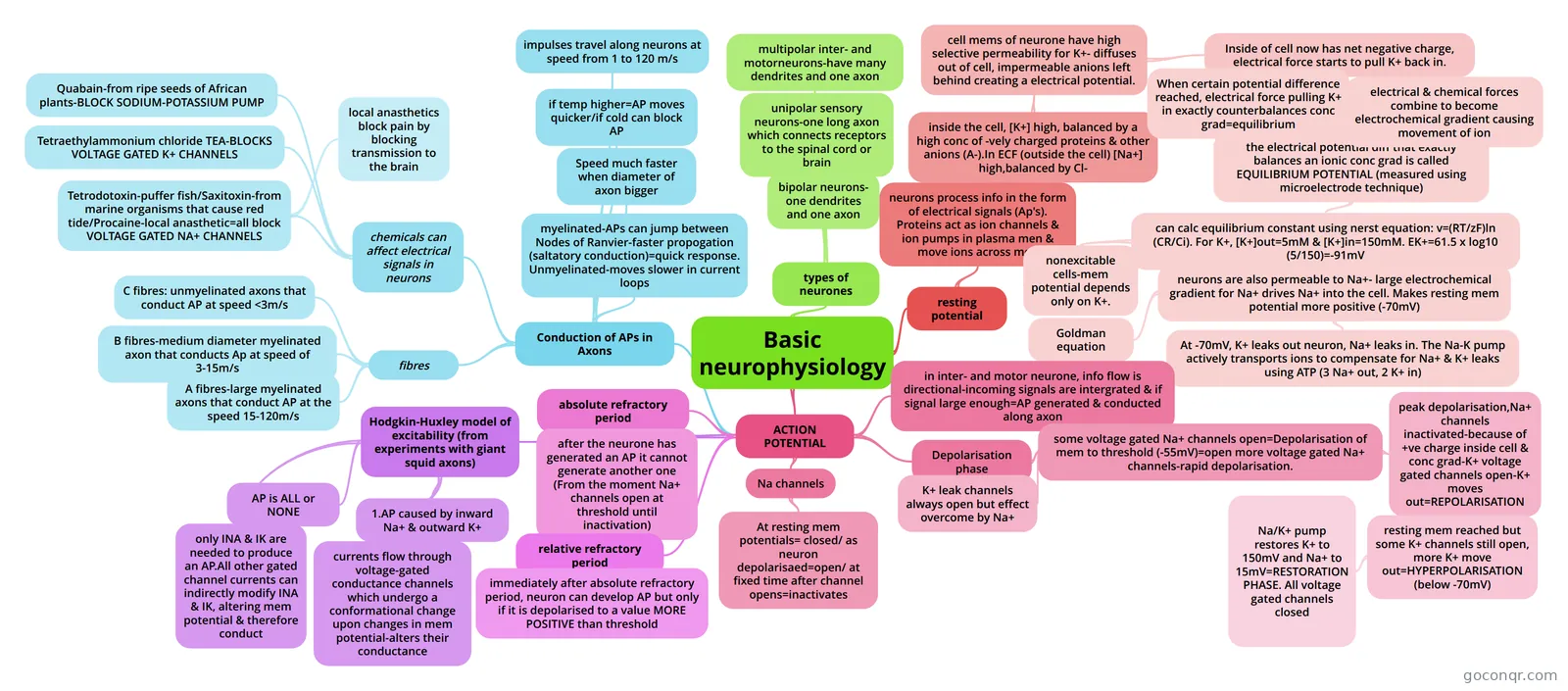
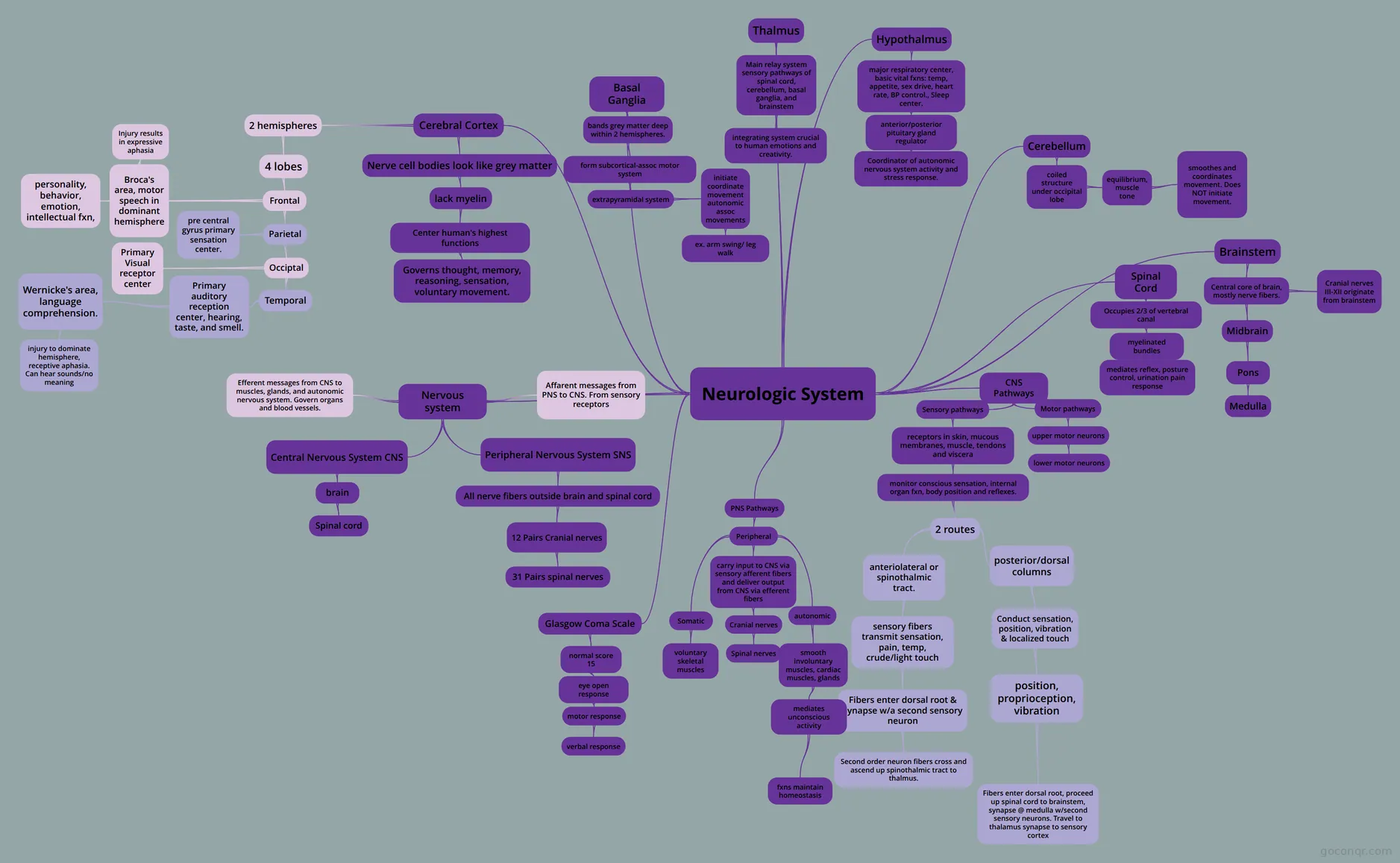
Flashcards
See all 41 flashcards-
45 cardsEyes: orbit, reflexes and movements Eyes: orbit, reflexes and movements
-
39 cardsFundamentals of the Nervous System Chapter 12
-
30 cardsThe Nervous system Nervous system (function)
-
7 cardsBMSC335 Lecture 2 Week 1 What are the two main division of the human Nervous System?
-
63 cardsNervous control Which functions is nervous control involved in?
-
77 cardsWeek 5 Describe some general features of the motor system
-
176 cardsNerval Tissue
-
85 cardsPhysiology semester 2 Define: Frontal section
Notes
-
Functions and Divisions of Nervous System The 3 (overlapping) functions of the nervous system: Sensory Input - The information gathered by all the sensory receptors, about changes inside and outside body. Integration - The process of analysing and interpretin...
-
General synaptic platicity Figure 1: The Input and Output Pathways of Hippocampal Formation. Entorhinal cortex (EC) is the main input to the hippocampus. EC projects to the dentate gyrus (DG) via perforant fiber pathway and provides the cr...
-
Nervous control (15/10/13 lecture) Nervous control (15/10/13 lecture) Nervous control is primarily involved in rapid movement, but also in collecting, processing and responding to information from the environment. The brain is also an integrating centr...
-
CNS physiology - Vision Eye anatomy Iris Pigmented smooth muscle More pigment = darker eye colour (Brown, black) Less pigment = lighter eye colour (Blue, green) Blue = least pigmented What is gluacoma? Build up of exc...
-
The Stretch Reflex (07/10/13 prac) The Stretch Reflex (07/10/13 prac) A monosynaptic reflex exhibited by all skeletal muscles: Striking the tendon with a reflex hammer → stretches the main body of its attached muscle → stretches the muscle spindles con...
-
Physiology of speech Speech It is the ability to express thoughts in the form of words in response to visual and auditory stimuli. Words may be spoken or written. Speech is human-specific Physiology of speech The dominant hemishere (for l...
-
Biopsychology Notes - Chapter 3 Basic Features of the Nervous System (53-58) An Overview Meninges
-
Introduction to the Nervous System - Learning Objectives After this lecture and private study, you should be able to:-Describe the major subdivisions of the nervous system -Describe the structure of a typical neuron -Recall the function of glial cells New Page
More Physiology topics
About Central and Peripheral Nervous System and Motor Control
GoConqr OriginalWhat the resources cover
The resources on this page move from the basic layout of the nervous system to how movement is controlled. At the start you will find overviews such as the flashcards in Fundamentals of the Nervous System, which ask about the master control role, the three overlapping functions and the two divisions. The notes on the functions and divisions of the nervous system cover sensory input and the central and peripheral parts.
Signals, senses and pathways
Next come the cells and signals. There are mind maps on action potentials, synapses, myelination, fibre types and the transmission of nerve impulses, plus the quiz Study Guide: Nerve Signaling, which asks about membrane charge and resting potential. For sensory routes, the Somatic Sensory Pathways mind map sets out first order and second order neurons and the crossing to the opposite side of the body. Mind maps on spinal tracts and spinal nerves sit alongside it.
Motor control
The motor material includes a mind map on the control of motor function by cortical circuits, flashcards on the cerebellum, basal ganglia and descending pathways, and a mind map on reflexes and reflex arcs. The quiz Upper and Lower Motor Neuron Lesions tests terms such as hypometria, hypotonia and asthenia, which makes it a useful check once the pathways are clear.
A sensible order
- Start with an overview deck or the notes on divisions and functions.
- Read the mind maps on neurons, synapses and action potentials.
- Move to sensory pathways, then to spinal tracts and reflexes.
- Finish with motor control and the lesions quiz.
Use maps and quizzes together: read a map, close it, then take a quiz on the same topic. Any question you miss tells you which branch to reread. The quiz on the somatic, autonomic and enteric nervous systems is a good one to try after the overviews, as it covers the lateral horn and the joining of sensory and motor fibres.
Where this fits
This unit sits in the Nervous System and Senses strand of Physiology, so you will also meet neighbouring topics such as vision, taste and smell. Choose one resource today, work through it, and see what you still need to revisit.
Frequently asked questions
Which resource should I open first?
Begin with an overview, such as the flashcards in Fundamentals of the Nervous System or the notes on the functions and divisions of the nervous system. They set out the two main divisions and the three overlapping functions, which makes later maps and quizzes easier to follow.
What do the mind maps cover?
The mind maps cover neurons, synapses, myelination, fibre types, action potentials, spinal tracts, spinal nerves and plexuses. There are also maps on reflexes, the autonomic nervous system, the hypothalamus and the control of motor function by cortical circuits, so you can follow a topic from cells up to movement.
Is there anything on motor neuron problems?
Yes. The quiz Upper and Lower Motor Neuron Lesions uses fill-in-the-blank questions on terms such as hypometria, hypotonia and asthenia. Pair it with the flashcards on descending pathways and the cerebellum to link each sign to the part of the system involved.
Are the resources free, and who made them?
Every resource listed here is free to open, study and take, with no account needed. They were made by GoConqr users, not by GoConqr itself. If you sign up for a free account, you can also save quiz scores and create your own quizzes, mind maps, flashcards and notes.
Who is this page for?
It suits university students who want to revise nervous system physiology or fill gaps, and teachers looking for ready-made quizzes, maps and flashcards. Students can practise recalling pathways, signalling and reflexes, while teachers can pick material to share with a class.
What if I cannot find the topic I need?
Look at neighbouring topics on the page first, because many resources overlap, for example the sensory and motor decks. The page also lists material on vision, taste, smell, memory and pain. If a gap remains, you can build your own map or flashcards on it.