
Inclusive, Differentiated and Special Education
25 resources created by 25 users
This Inclusive, Differentiated and Special Education page on GoConqr gathers community-made mind maps, quizzes, flashcards, notes and slide sets, from Universal Design for Learning and differentiated instruction to English language learners and gifted learners. It's built for university students and professional candidates, and for teachers after ready-made material. There are over 300 resources here, including more than 290 mind maps and over 300 contributors' work to browse. Pick a map, try a quiz to find your gaps, then make your own revision set.
Top Inclusive, Differentiated and Special Education resources
-
39 questionsCPACC Master List Part II In the following examples, correlate the appropriate Universal Design for Learning 2.0 Principle. The langu...
-
7 cardsChapter 2 - Universal Design for Learning (UDL) Universal Design for Learning (UDL)
-
Mind map Inclusive education What means "Inclusive education", and why everyone have to apply it to their schools? In this map you can f...
-
24 cardsMLED Student Exercise v2 Trevor Impala ?
-
20 questionsATTENTION TO DIVERSITY Students with special educational needs refers to those who require, certain support and specific education...
-
Mind map Teaching to ADHD Learning
-
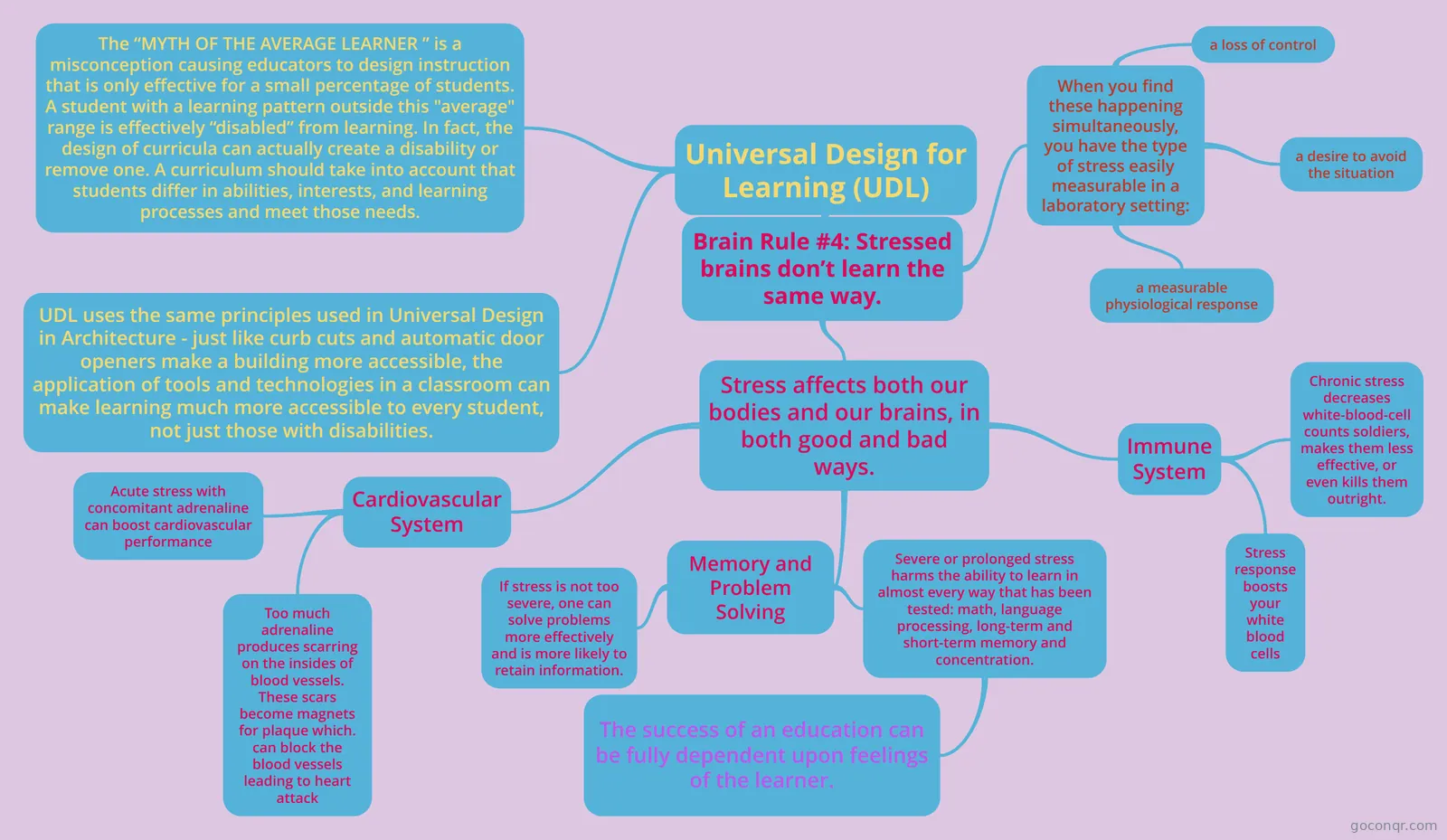 Mind map Universal Design for Learning (UDL) The big ideas in Universal Design for Learning and stress at it relates to learning
-
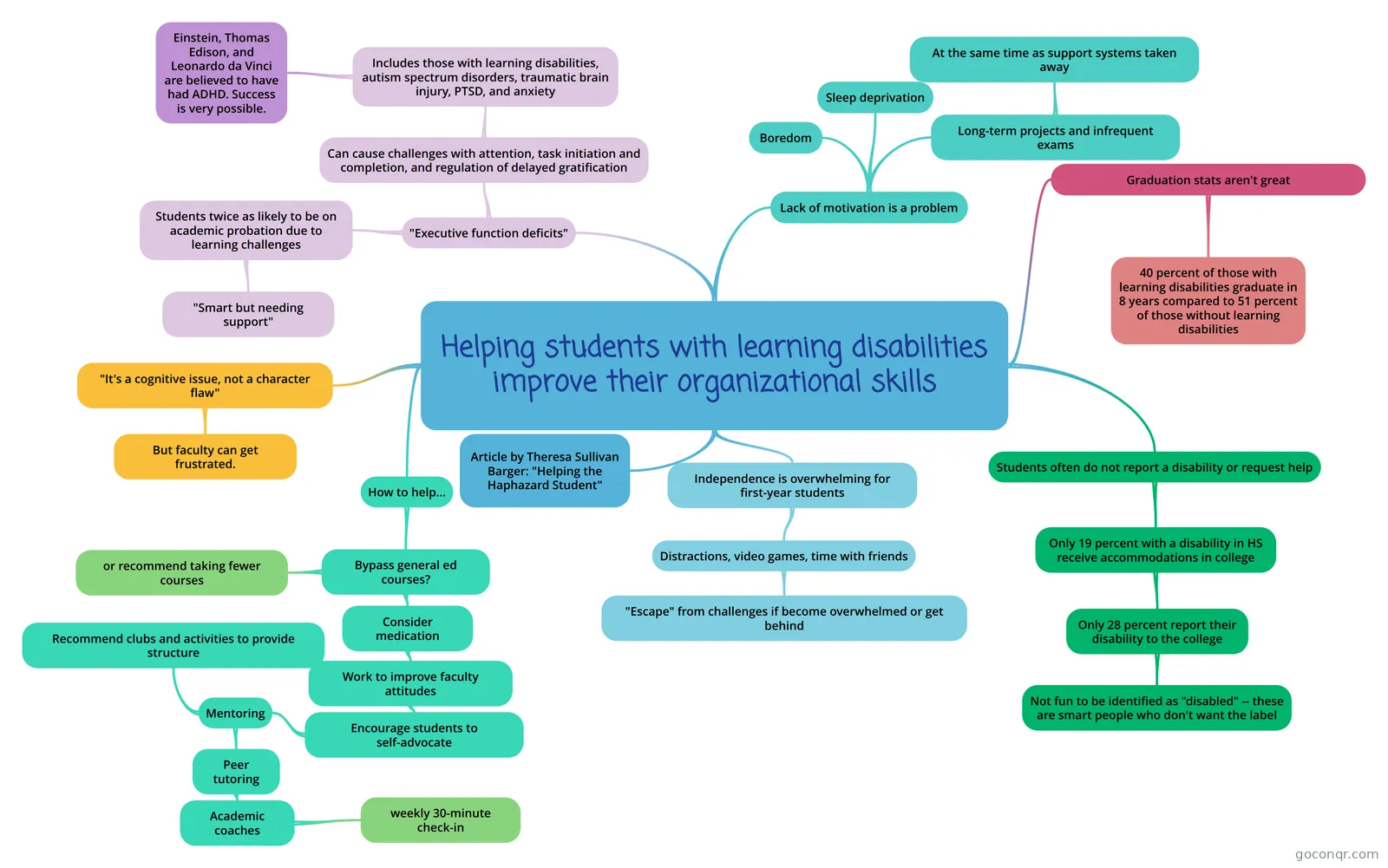 Mind map Helping students with learning disabilities improve their organizational skills Article to prep for staff meeting
Quizzes
-
39 questionsCPACC Master List Part II In the following examples, correlate the appropriate Universal Design for Learning 2.0 Principle. The langu...
-
20 questionsATTENTION TO DIVERSITY Students with special educational needs refers to those who require, certain support and specific education...
-
15 questionsDIFFERENTIATED INSTRODUCTION Differentiated Instruction has to do with student´s differences, and the facts that each student learns in ...
-
10 questionsDifferentiated Reading Groups With Google Can we use websites to access different reading materials as a resource to paste into Docs?
-
2 questionsDifferentiated Instruction Students do not learn in the same way.
Mind maps
See all 15 mind maps-
Inclusive education What means "Inclusive education", and why everyone have to apply it to their schools? In this map you can f...
-
Teaching to ADHD Learning
-
Universal Design for Learning (UDL) The big ideas in Universal Design for Learning and stress at it relates to learning
-
Helping students with learning disabilities improve their organizational skills Article to prep for staff meeting
-
Accommodating Learning Disabilities For Portfolio task.
-
INCLUSIVE EDUCATION AND ELT POLICIES IN COLOMBIA Mind map: Inclusive Education in Colombia-Stefany Reyes Rodriguez
-
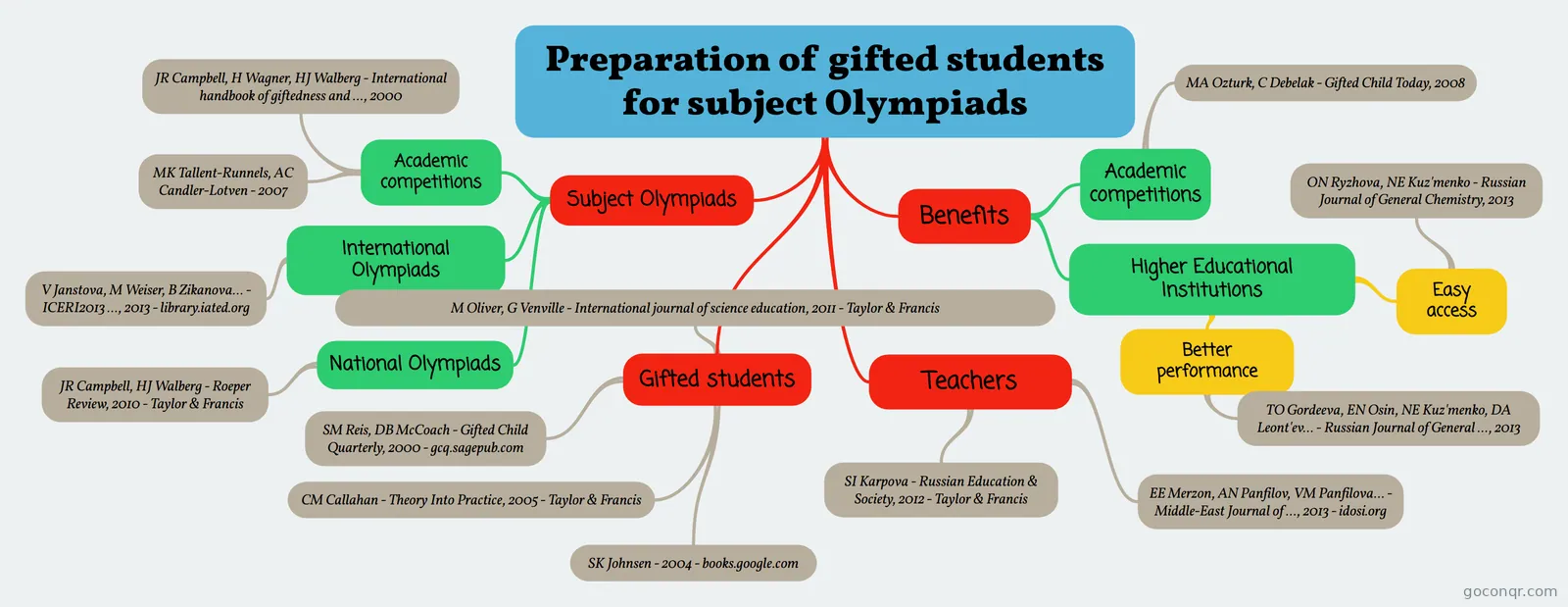 Preparation of gifted students for subject Olympiads Literature Map
-
Differentiated Instruction: Build a Native American Village DiffInsNatAmVill
Flashcards
Notes
Slides
More Education and pedagogy (incl. teaching methods, curriculum, educational psychology) topics
About Inclusive, Differentiated and Special Education
GoConqr OriginalWhat this page covers
The page brings together classroom-focused material on inclusion, differentiation and learner diversity. Most of it is mind maps, with a smaller set of quizzes, flashcard decks, notes, flowcharts and slide sets. Topics include Universal Design for Learning, culturally responsive teaching, English language learners, gifted learners, and teaching maths to students with learning disabilities.
Where to start
Begin with the mind map Universal Design for Learning Principles with Descriptions. It sets out multiple means of representation, action and expression, and engagement, including guidelines such as recruiting interest. Then move to the flashcard deck on Chapter 2 of Universal Design for Learning, which covers terms such as metacognition, affective systems and the Zone of Proximal Development.
- Read the UDL principles map.
- Review the Chapter 2 flashcards.
- Take the quiz CPACC Master List Part II, which asks you to match examples to the Universal Design for Learning 2.0 principles.
Widening out
Next, read the Inclusive education map, which looks at what inclusion avoids, such as exclusion and segregation, and who applies it. Diversity and Equity covers gender and gifted students, with ideas such as extension and enrichment activities. Pupils at the Centre challenges myths about culture and poverty.
For practice, try Engaging the Struggling Learner: DIFFERENTIATED INSTRUCTION, which asks why we differentiate and has a matching note made from the map. Other maps look at grouping gifted learners, dyslexia and ELT, and ethics in inclusive education.
Using maps and quizzes together
Read a map first to see the shape of a topic. Then take a quiz without looking, and note what you missed. Go back to the map branch that covers it, and turn the gaps into flashcards. Quizzes such as Differentiated Instruction and ATTENTION TO DIVERSITY suit this approach.
Where it sits
This unit belongs to the strand Inclusion, Diversity and Learner Contexts, within Education and pedagogy. All resources were made by GoConqr users, so check them against your own course materials. Choose one map today and see how far it takes you.
Frequently asked questions
Which resource should I open first?
Start with the mind map Universal Design for Learning Principles with Descriptions. It lays out the three groups of principles and their guidelines in one place. After that, the Chapter 2 flashcard deck on Universal Design for Learning helps you fix the key terms before you try a quiz.
What do the mind maps cover?
There are over 290 of them. They range from Universal Design for Learning and differentiated instruction to culturally responsive teaching, English language learners, gifted learners, dyslexia, ethics in inclusive education and Australian Aboriginal perspectives in the classroom. Some are short outlines, others are fuller chapter summaries.
Are the resources free to use?
Yes. Every resource on this page is free to open, study and take, with no account needed. They were made by GoConqr users, not by GoConqr itself. A free account also saves your quiz scores and lets you make your own quizzes, mind maps, flashcards and notes.
Who is this page for?
Most of the material is pitched at university students and professional candidates, such as those preparing for teaching or disability-related certification. Teachers will also find ready-made differentiation and inclusion ideas they can adapt. No exams are named in the listed resources, apart from titles such as CPACC and Praxis.
Which quizzes are available?
There are over nine quizzes here. Examples include CPACC Master List Part II on Universal Design for Learning 2.0 principles, ATTENTION TO DIVERSITY, Differentiated Reading Groups With Google and Midterm Quiz. Use them after reading a map to check what you remember.
What if I can't find the topic I need?
Try the related maps, notes and slide sets on this page, as the same idea often appears under different titles, such as Differentiation or Differentiated Instruction. If it is still missing, you can build your own map or flashcards on the topic and keep them for revision.