
Introduction to History and Historical Skills
71 resources created by 64 users
This Introduction to History and Historical Skills page on GoConqr gathers community-made flashcards, mind maps, quizzes and notes on what history is, how sources are judged, what archaeologists do and how to answer exam questions. It's built for school students revising a topic, university students and professional candidates filling gaps, and teachers after ready-made material. There are over 400 resources here, including more than 20 quizzes, over 260 mind maps and more than 120 flashcards. Pick a topic, try a quiz to find your gaps, then make your own set.
Top Introduction to History and Historical Skills resources
-
73 cardsHistory Christmas exams first year What is history?
-
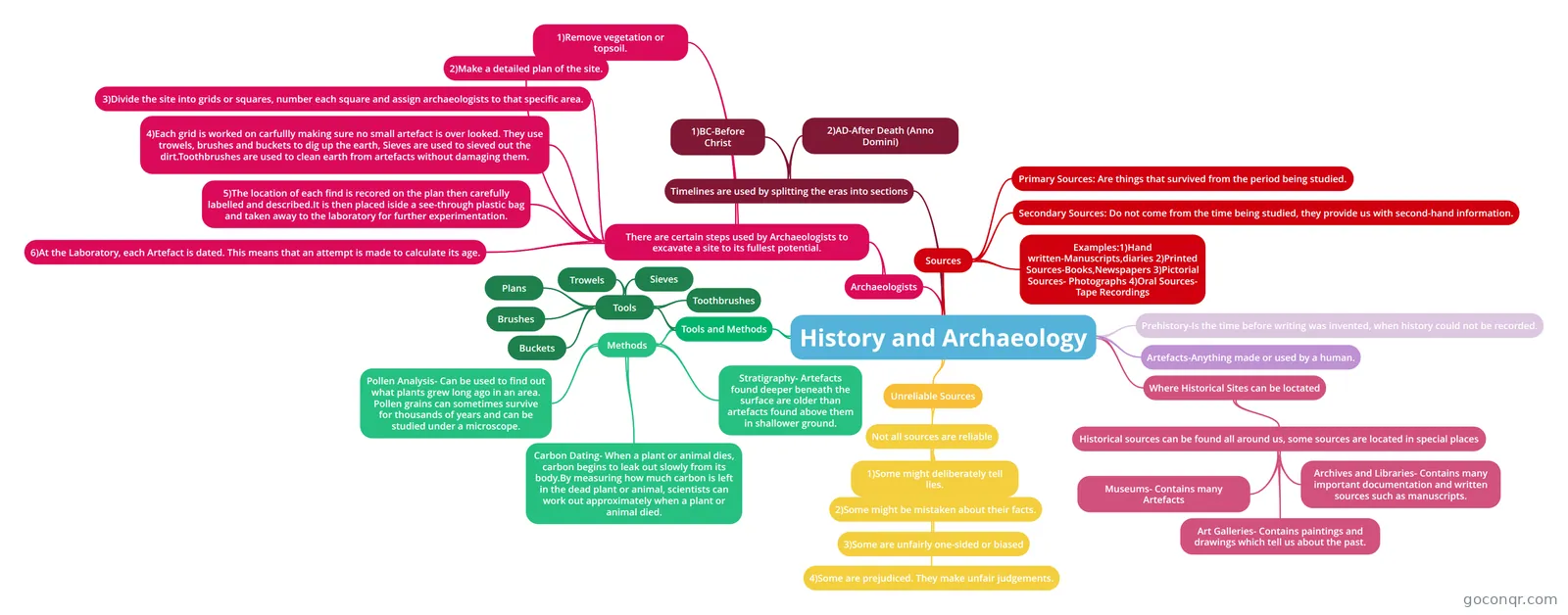 Mind map History and Archaeology A Mind-map on History and Archaeology!! :D
-
24 cards1. THINK LIKE A HISTORIAN The story of the past based on evidence
-
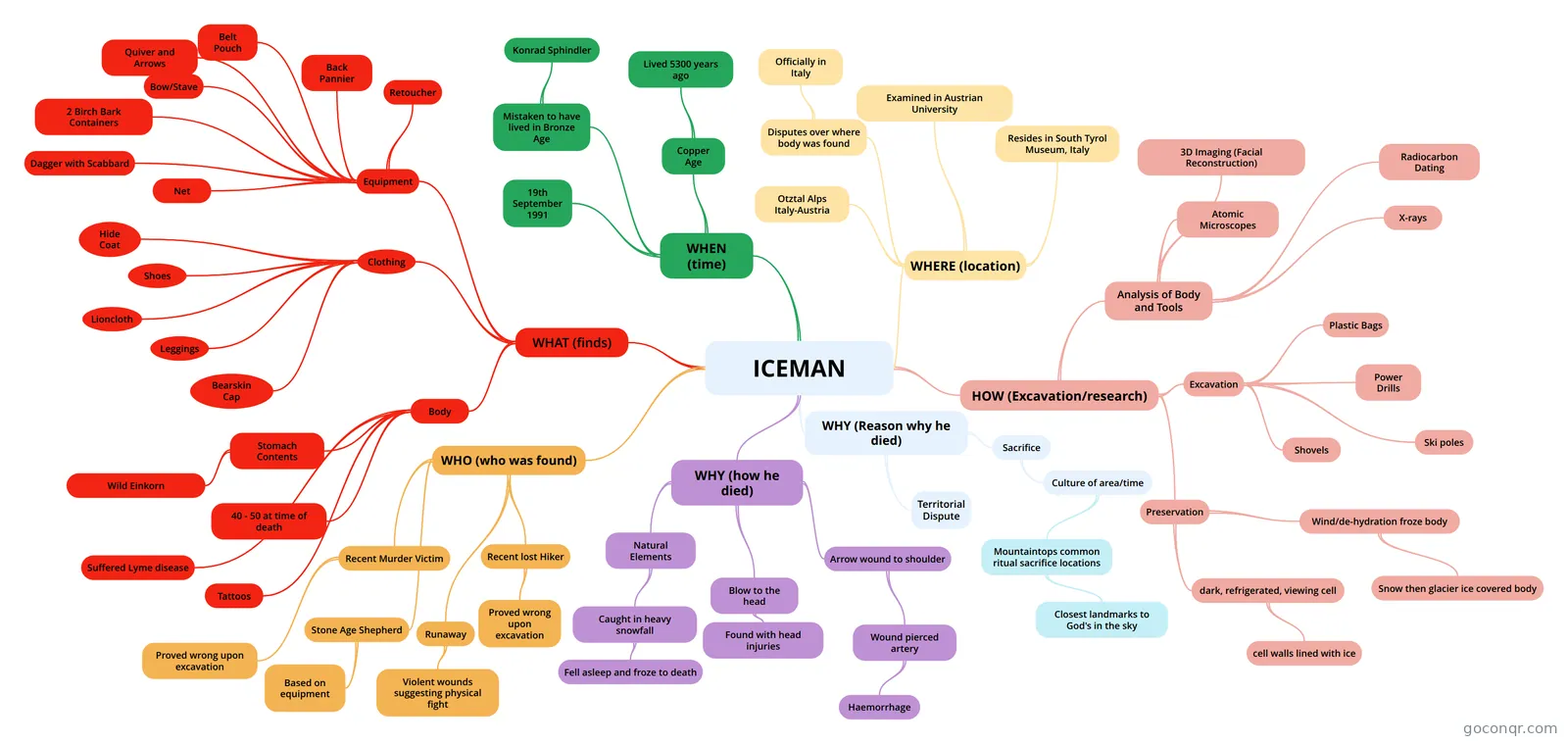 Mind map ICEMAN Iceman
-
17 cardsHISTORY HISTORY UNIT-9 YEAR 3
-
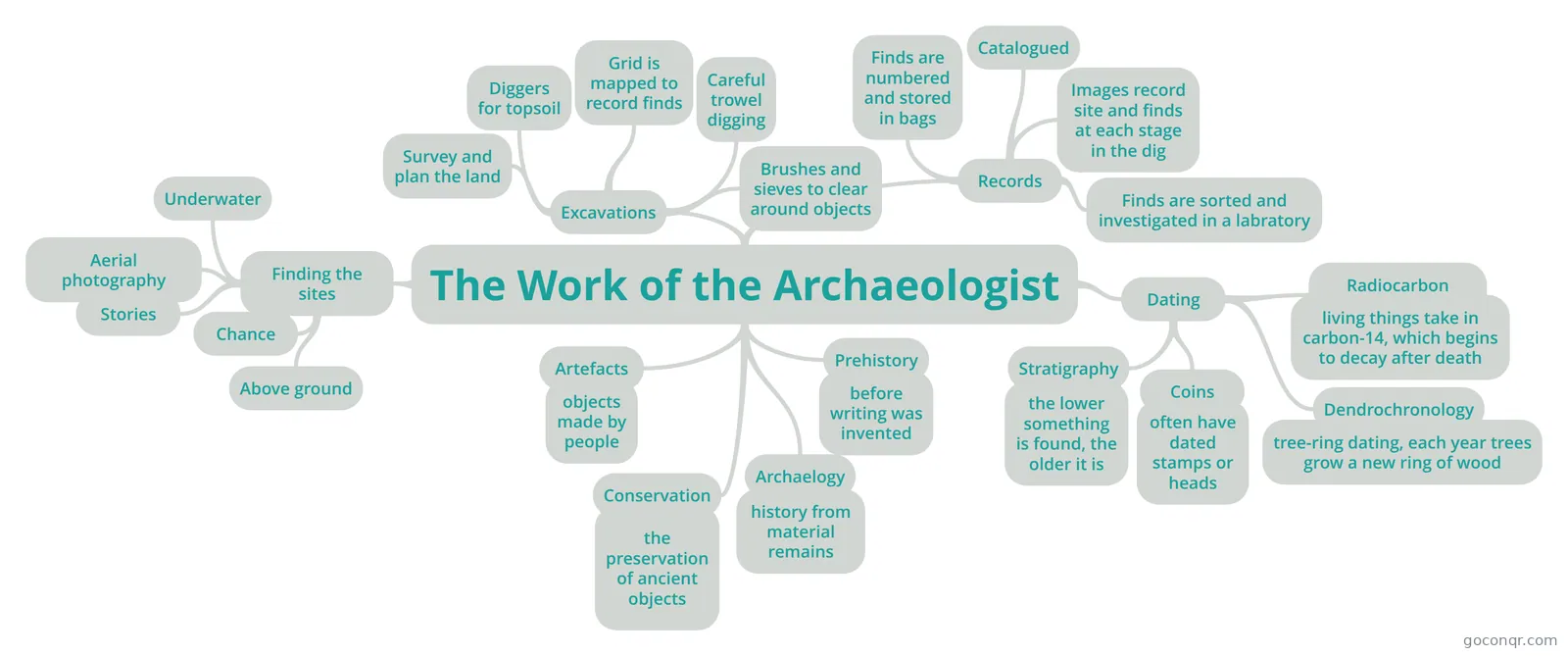 Mind map The Work of the Archaeologist Please.
-
Mind map Herodotus
-
18 cardsArcheology (year 7) A piece of historical information made at the exact time an event was happening. E.g. a letter, a vase, a p...
Quizzes
-
15 questionsIdentifying Primary and Secondary Sources A play showing how Benjamin Franklin flew a kite during a lightning storm.
-
20 questionsArchaeology quiz Who study's the past ?
-
12 questionsHSIE Yearly Exam KAL style What does anachronism mean?
-
5 questionsFriday September 4th Quiz Which of these examples is a primary source?
-
4 questionsPrimary Sources Quiz What is a primary source?
-
7 questionsSources/SOAPSTone/4 Worlds Secondary sources can feature primary sources, but are not from the time period you are studying.
-
2 questionsCh 1 Review Quiz Which of the following is an era?
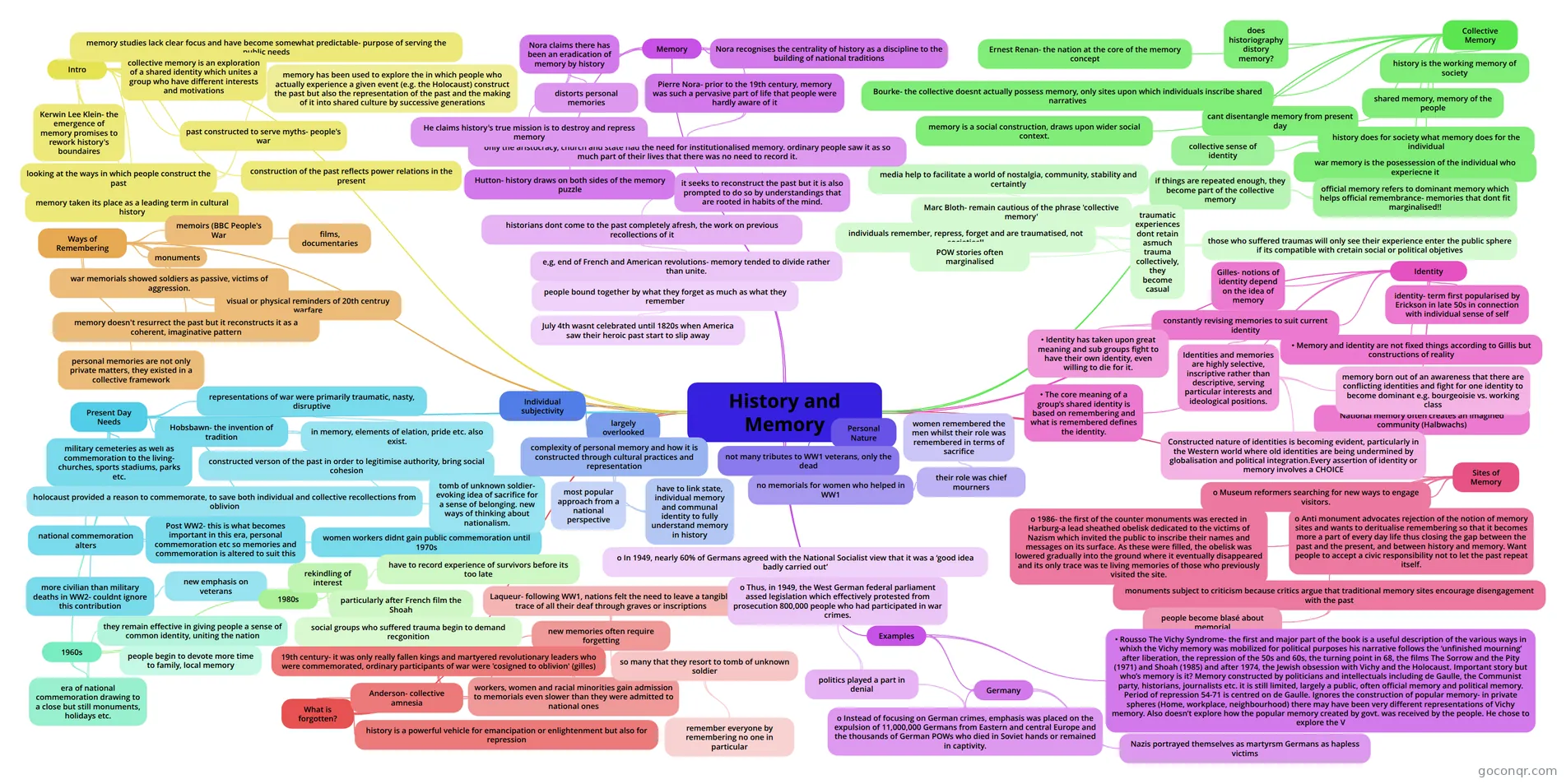
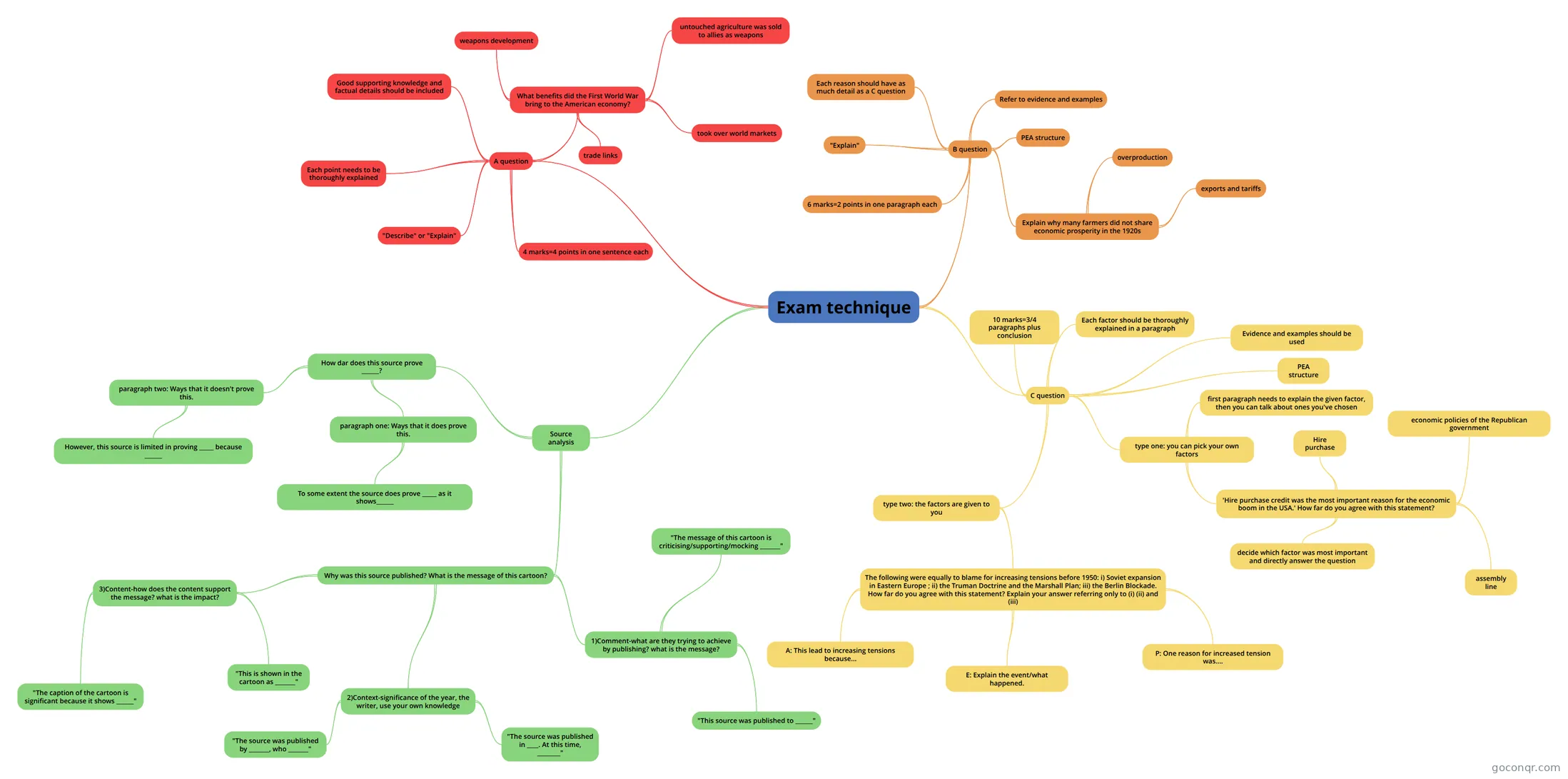
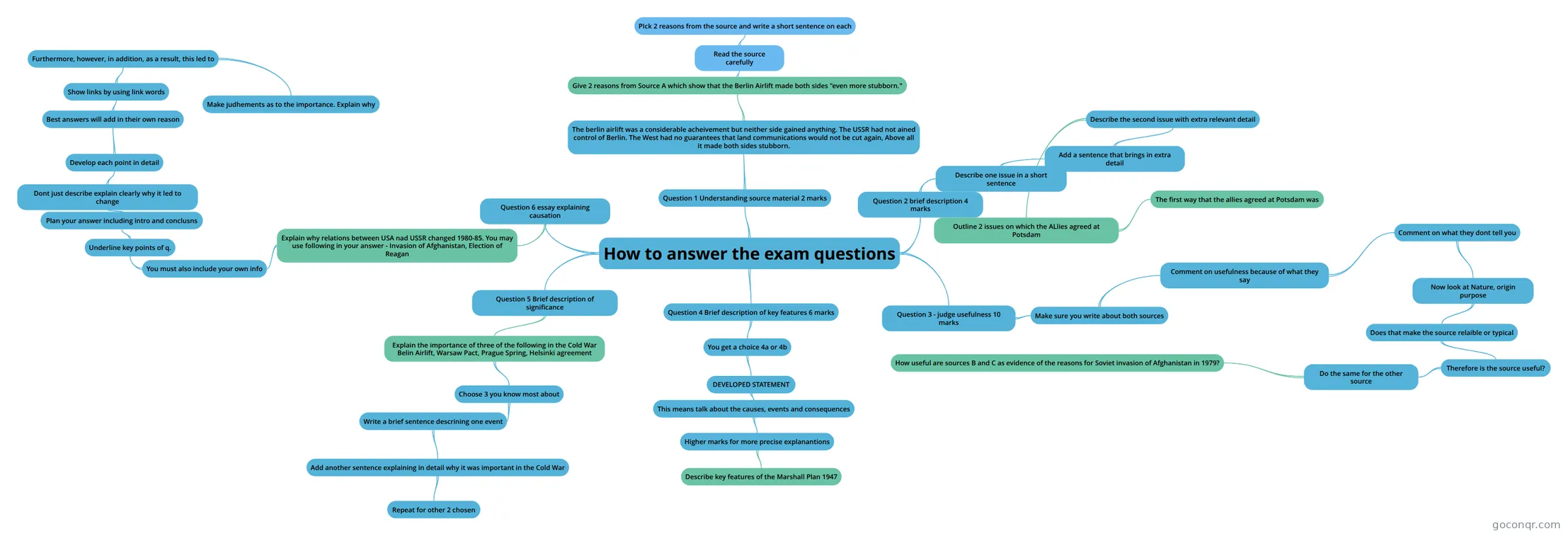
Mind maps
See all 30 mind maps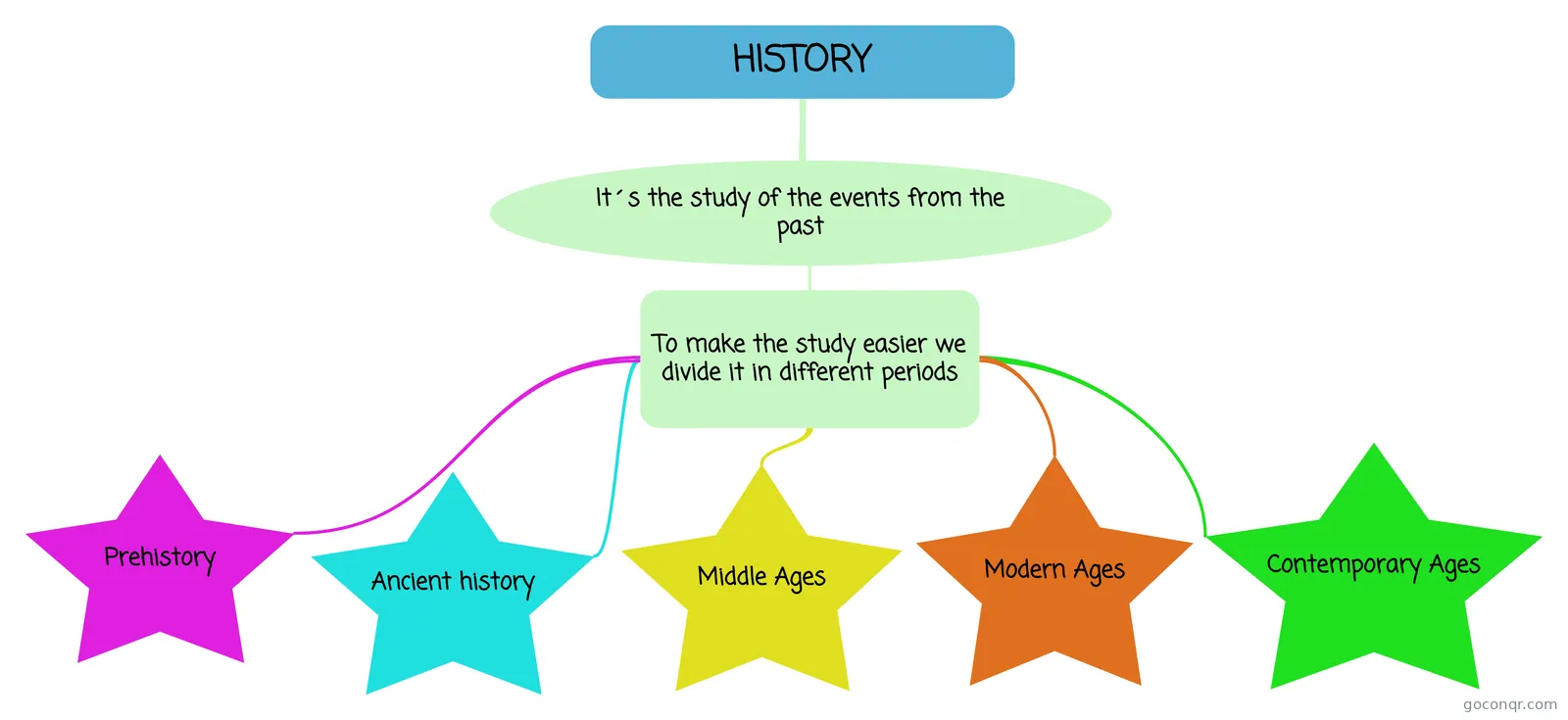
Flashcards
See all 29 flashcards-
73 cardsHistory Christmas exams first year What is history?
-
24 cards1. THINK LIKE A HISTORIAN The story of the past based on evidence
-
17 cardsHISTORY HISTORY UNIT-9 YEAR 3
-
18 cardsArcheology (year 7) A piece of historical information made at the exact time an event was happening. E.g. a letter, a vase, a p...
-
4 cardsOPVL SOURCE ANALYSIS
-
83 cardsAncient History Summary - Ch 1 - 6 of Antiquity Textbook A comprehensive summary of the content in Chapters 1 through to 6 of the Antiquity 1 Ancient History textbook.
-
19 cardsArchaeology Sites to know
-
13 cardsEdExcel GCSE History A Unit 3 Exam Technique EdExcel GCSE History A Unit 3
Notes
-
GCSE How to answer history questions You have 14 minutes for an 8 mark question. The time needed is always (number of marks doubled and then take away 2 minutes). Always write in the 3rd person Always write the other argument first, Some hist...
-
What Is History? Chronological Order- Order in which events happensTimeline- Records dates on whicj events take placeBC- Before ChristBCE- Before Common ErrorAD- Anno Dommini (in the year of our land)CE- Common ErrorCentury- 100...
-
What is History? History is the study of events and people from the past Sources Primary sources Secondary sources Primary sources are directly from the past
Slides
More History topics
About Introduction to History and Historical Skills
GoConqr OriginalWhat this unit covers
The resources here deal with the basic tools of the historian. Many ask the opening question directly, such as the flashcards titled What is history? and the mind map What is History?. Others cover time and dating, with the quizzes BC + AD and historical time and dating, and the note Measuring Time.
Sources and archaeology
A large share of the page is about evidence. The mind map History and Archaeology separates primary sources, which survived from the period being studied, from secondary sources, which do not come from that time. The Work of the Archaeologist explains artefacts, prehistory and how sites are found. The ICEMAN mind map is a worked case, set out under who, when, where, what, how and why. There is also a mind map on Herodotus, and several resources on historiography.
Exam technique
Some resources are aimed at written exams. The OPVL flashcards walk through origin, purpose, value and limitations. Others cover Edexcel GCSE History A exam technique, the GCSE source papers and how to answer source questions. Resources mention GCSE, A-level, IB and Junior Cert, so check that the wording matches your own course.
Where to start
- Begin with a general deck such as 1. THINK LIKE A HISTORIAN or the mind map What is History?.
- Move to Primary and Secondary sources and the archaeology maps.
- Take a quiz, such as Primary Sources Quiz or Historiography Quiz, and note what you got wrong.
- Go back to the matching mind map to fill the gap, then try the exam technique decks.
Where it sits
This unit belongs to the strand Foundations and the Ancient World in the subject History. It gives you the skills that later topics rely on. Pick one mind map today and test yourself on it with a quiz.
Frequently asked questions
Which resource should I open first?
Start with a broad one. The flashcards 1. THINK LIKE A HISTORIAN and the mind map What is History? set out what history is and how sources are sorted. After that, move to the archaeology maps or a sources quiz to check what has stuck.
What do the mind maps cover?
There are over 260 of them. They cover primary and secondary sources, the work of the archaeologist, the Iceman case study, Herodotus, oral history, cultural history and why historians disagree. Several also break down how to answer exam questions, including Part A answers.
Are the resources free to use?
Yes. Every resource on this page is free to open, study and take, with no account needed. They were made by GoConqr users rather than by GoConqr itself, so it is worth checking them against your own course materials.
Which exams do they suit?
The listed resources mention GCSE History, Edexcel GCSE History A, IB, A-level History, and Junior Certificate or Junior Cert History. Most of the material is at secondary level, with a smaller share for university students. Check the wording against your own syllabus.
Is there help with source questions?
Yes. The OPVL flashcards cover origin, purpose, value and limitations. There are also decks and maps titled Source Questions, a flowchart on AO3 and AO4 historical evidence analysis, and notes on how to answer History questions.
What if I can't find my topic?
Try a nearby resource first, as many decks overlap on sources, archaeology and time. If your topic is still missing, you can make your own quiz, mind map, flashcards or notes with a free account, which also saves your quiz scores.