
Introduction to Research Methods mind maps
2,529 mind maps by 2,060 users · Page 1 of 64
This GoConqr page gathers mind maps on Introduction to Research Methods, from sampling and research design to interviews and observation. It supports university students and professional candidates exploring research methods, school students revising them, and teachers seeking ready-made material. There are over 2,400 maps by more than 2,000 users, spanning school and university levels. Choose a map to explore.
Select topic
- Scientific Method and Research Paradigms96
- The Research Process68
- Literature Review and Research Sources61
- Qualitative, Quantitative and Mixed Methods237
- Hypotheses and Variables24
- Research Designs and Types of Research241
- Experimental Research and Design143
- Sampling Methods90
- Research Ethics36
- Data Collection Methods and Instruments143
- Surveys and Questionnaires164
- Interviews and Focus Groups151
- Observational Research89
- Reliability, Validity and Research Evaluation82
- Types of Data and Data Analysis92
Mind maps
-
UNIT 4 Collecting and analysing data with specialised software Unit 4 summary by Mónica Gallego
-
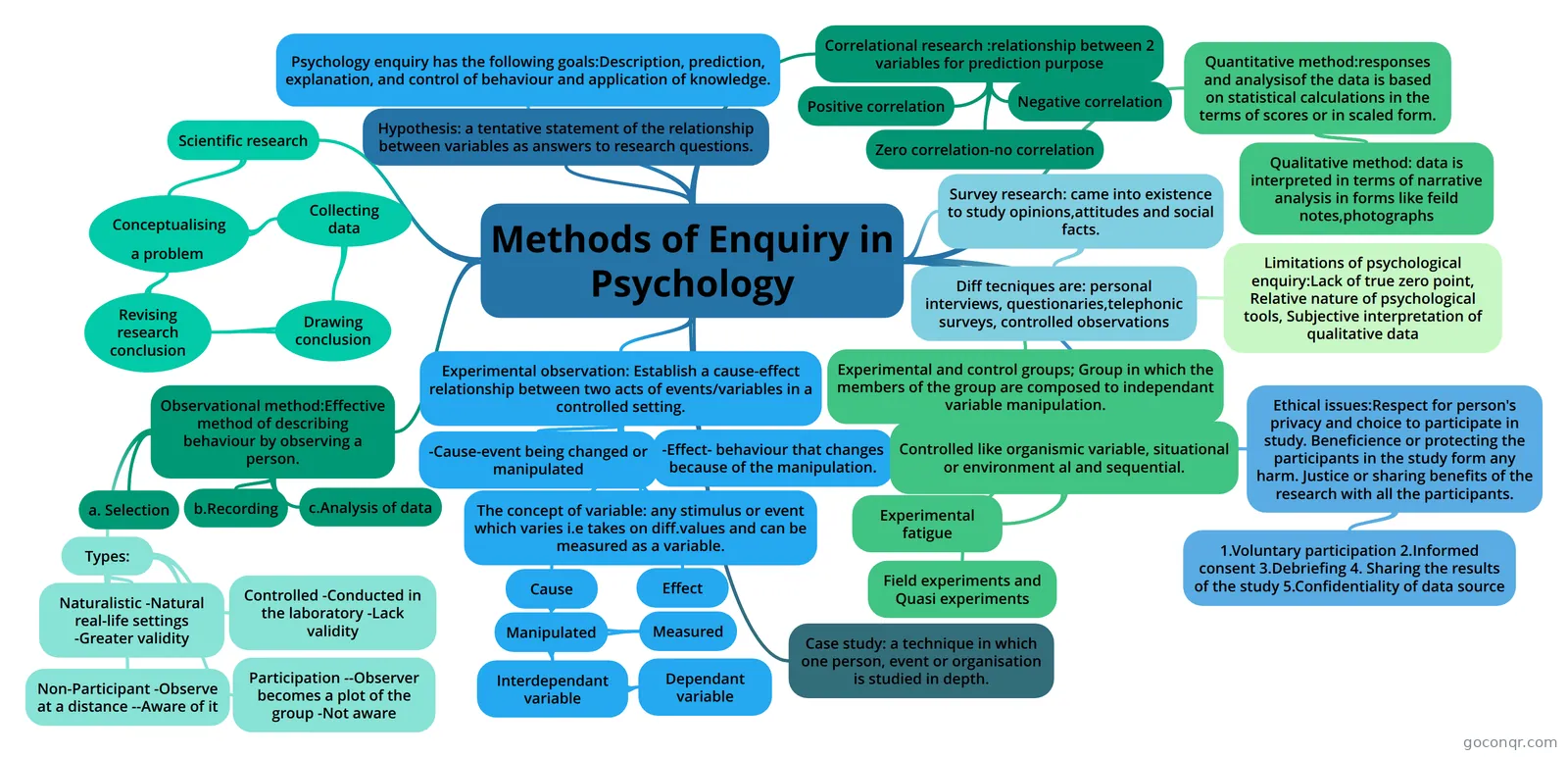 Methods of Enquiry in Psychology
-
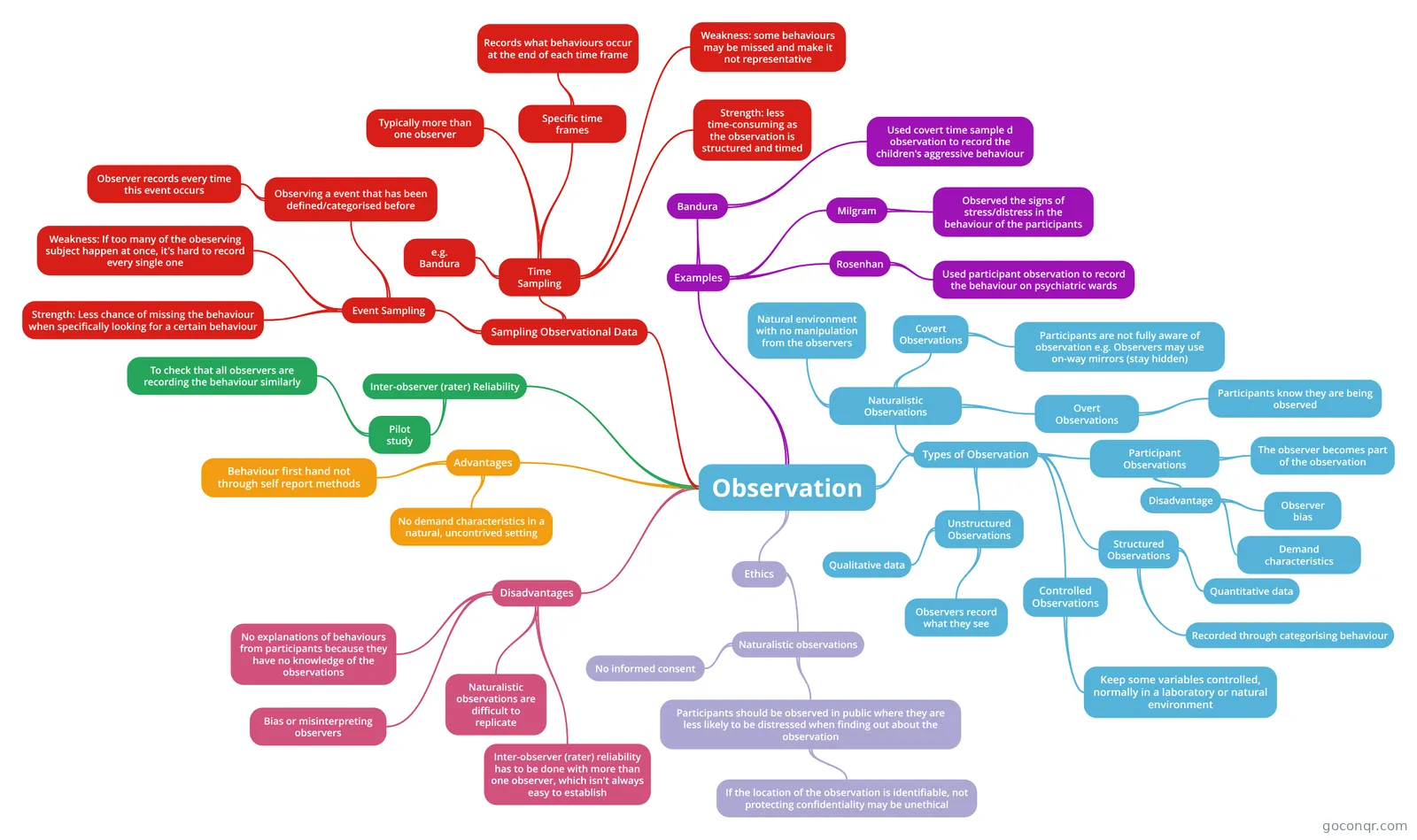 Observation Investigations
-
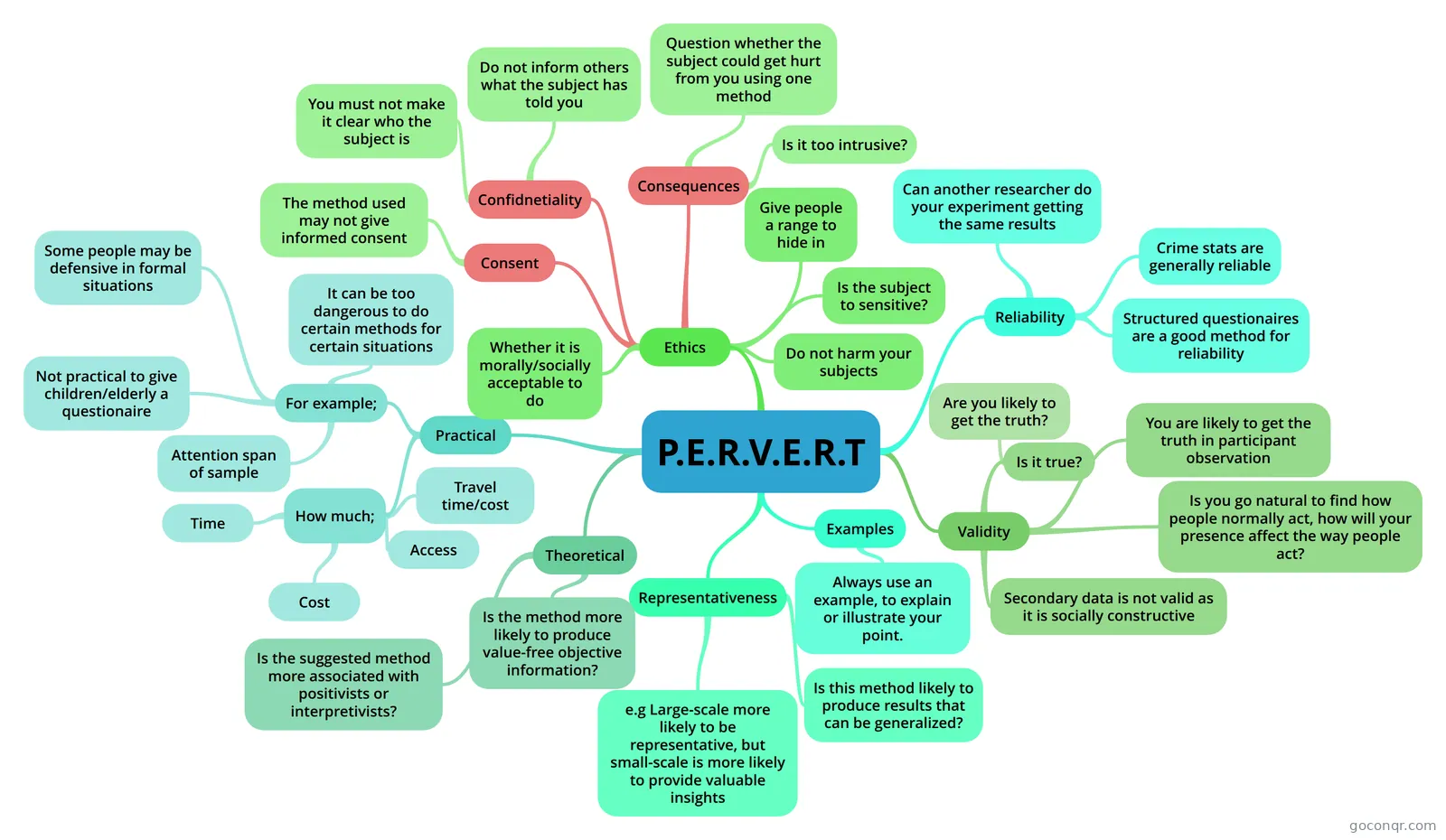 P.E.R.V.E.R.T Using P.E.R.V.E.R.T to describe the factors affecting which method you use
-
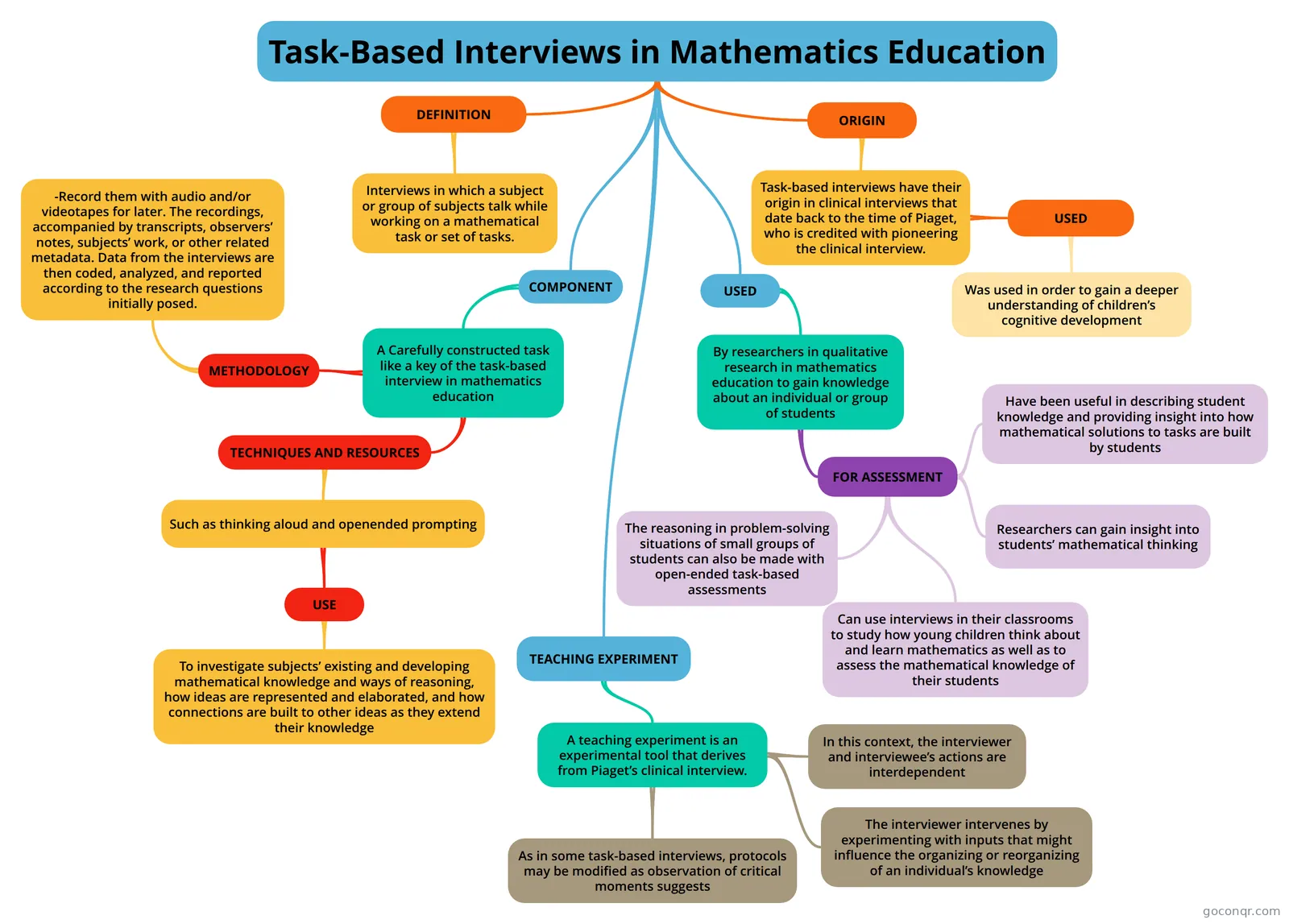 Task-Based Interviews in Mathematics Education MAPA MENTAL DE ENTREVISTA MATEMATICA
-
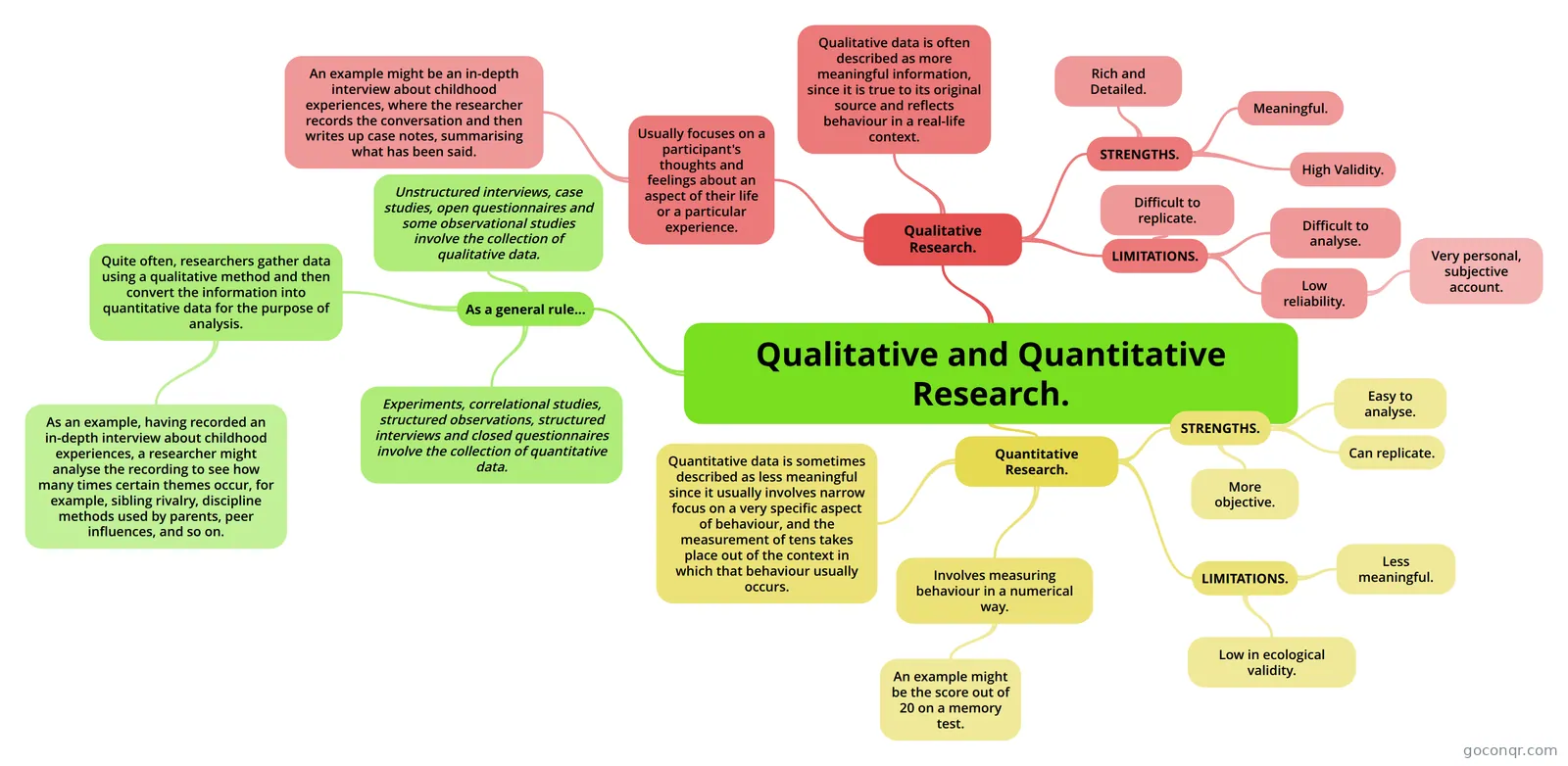 Qualitative and Quantitative Research.
-
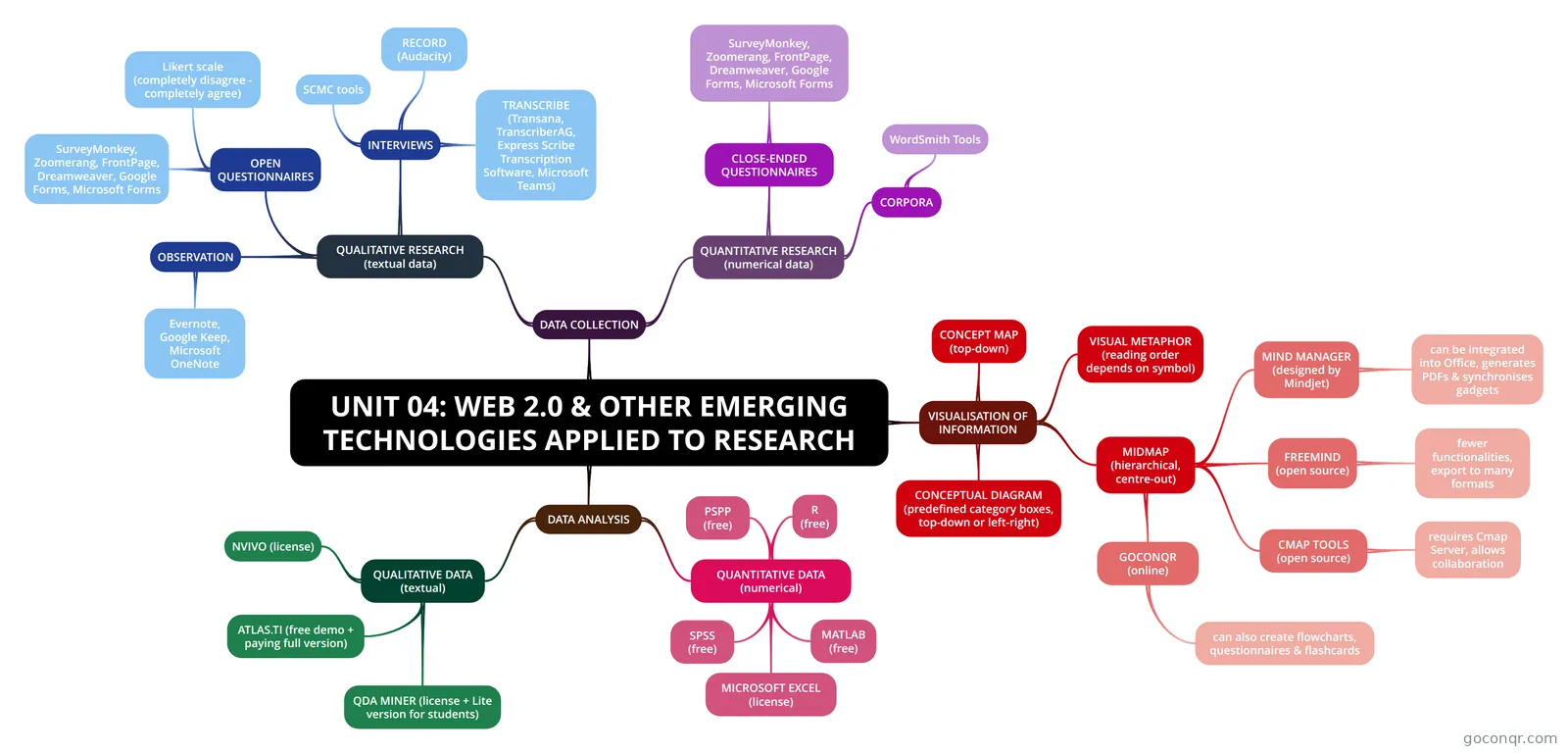 UNIT 04: WEB 2.0 & OTHER EMERGING TECHNOLOGIES APPLIED TO RESEARCH
-
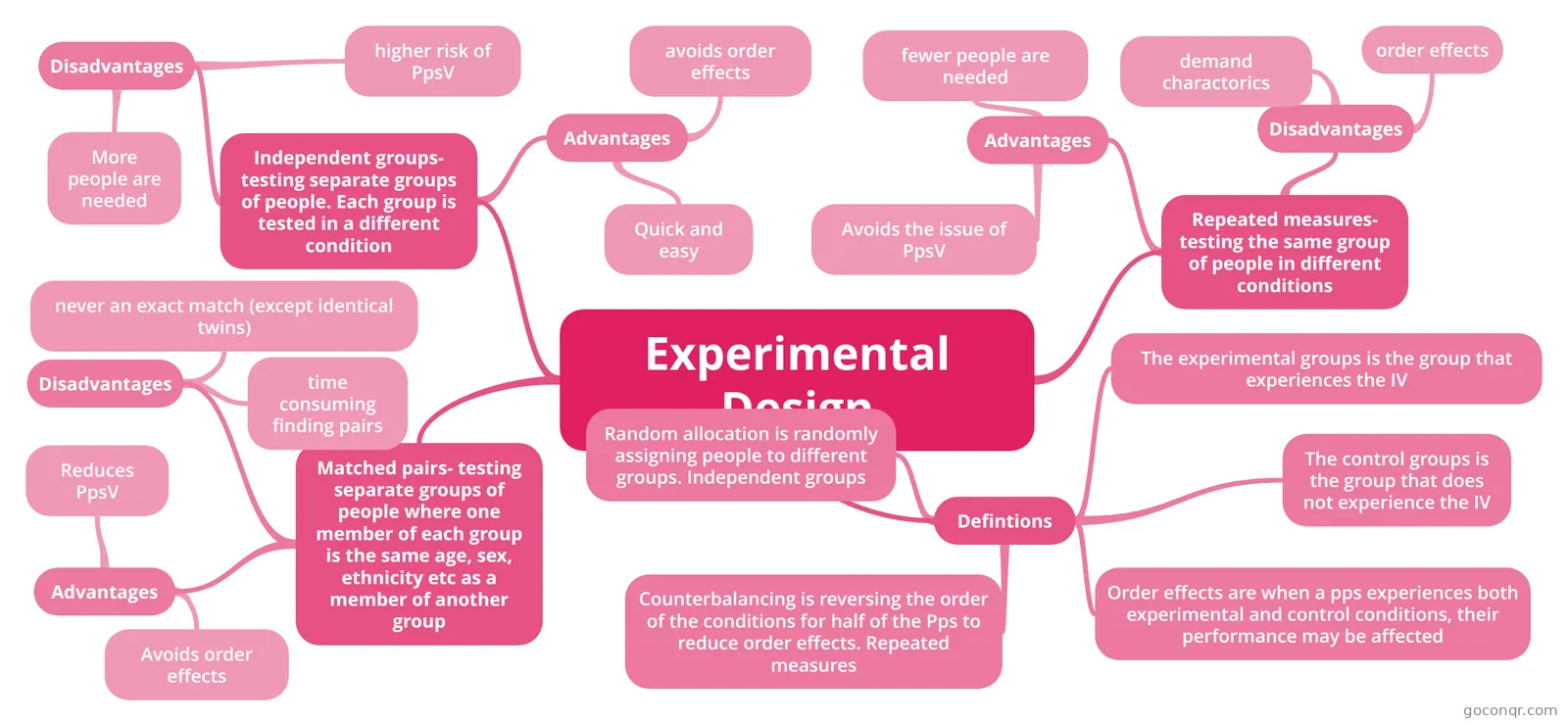 Experimental Design
-
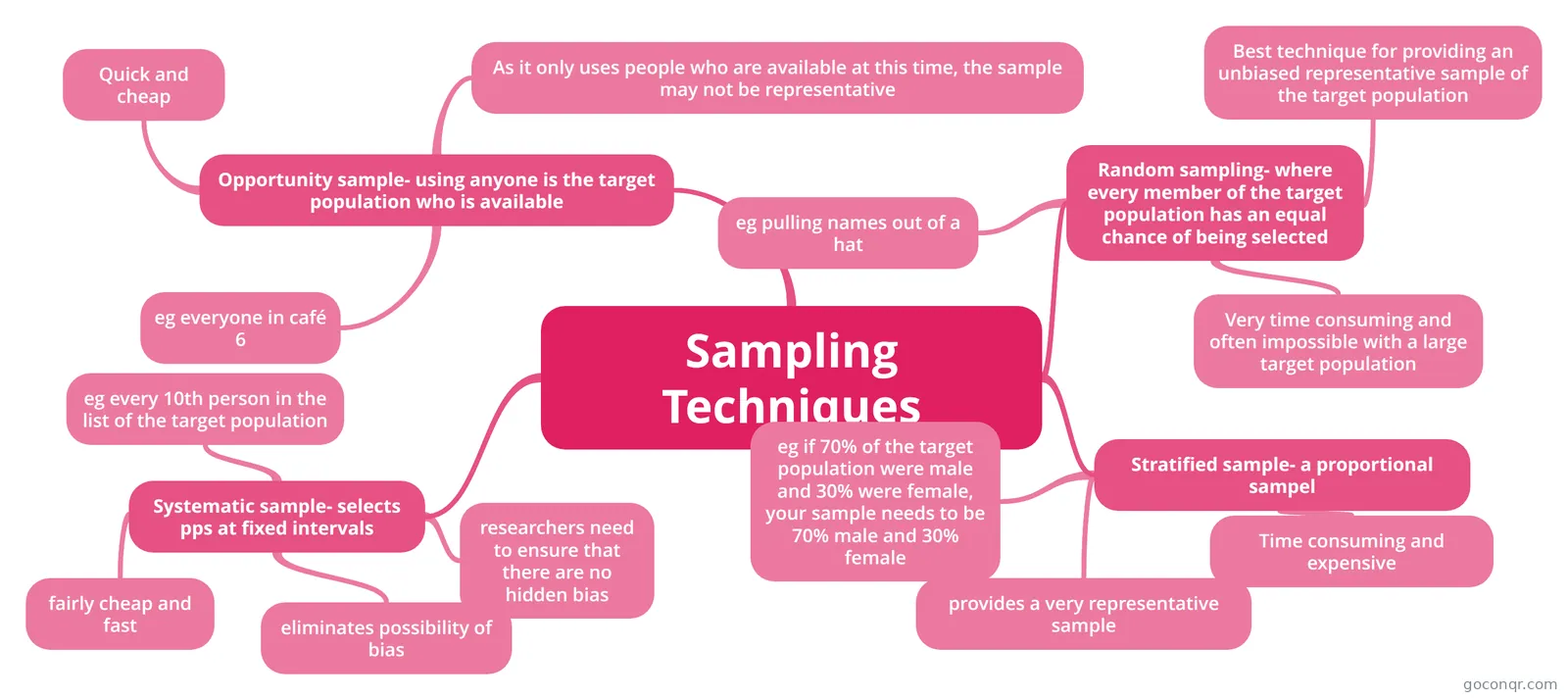 Sampling Techniques
-
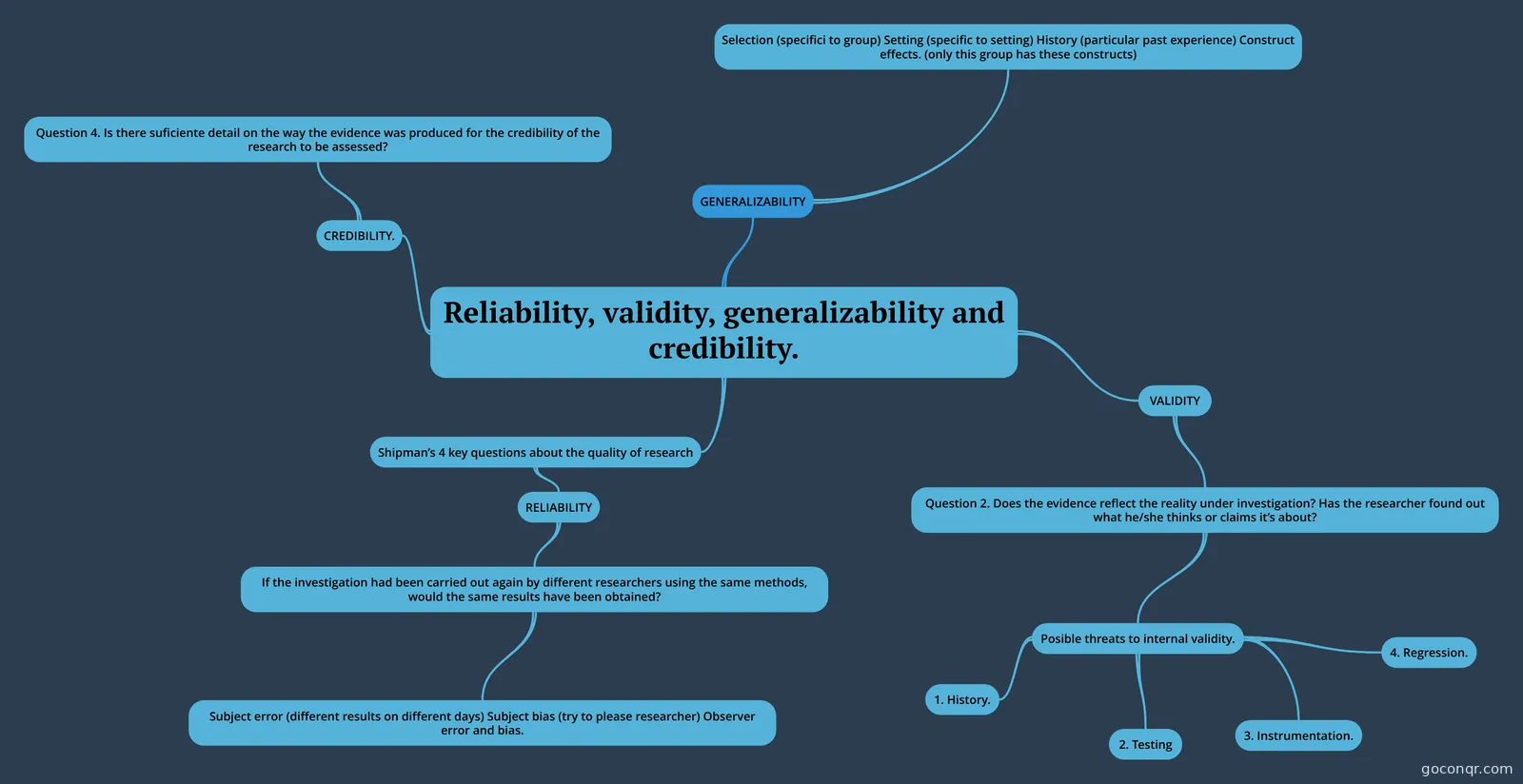 Reliability, validity, generalizability and credibility. Research.
-
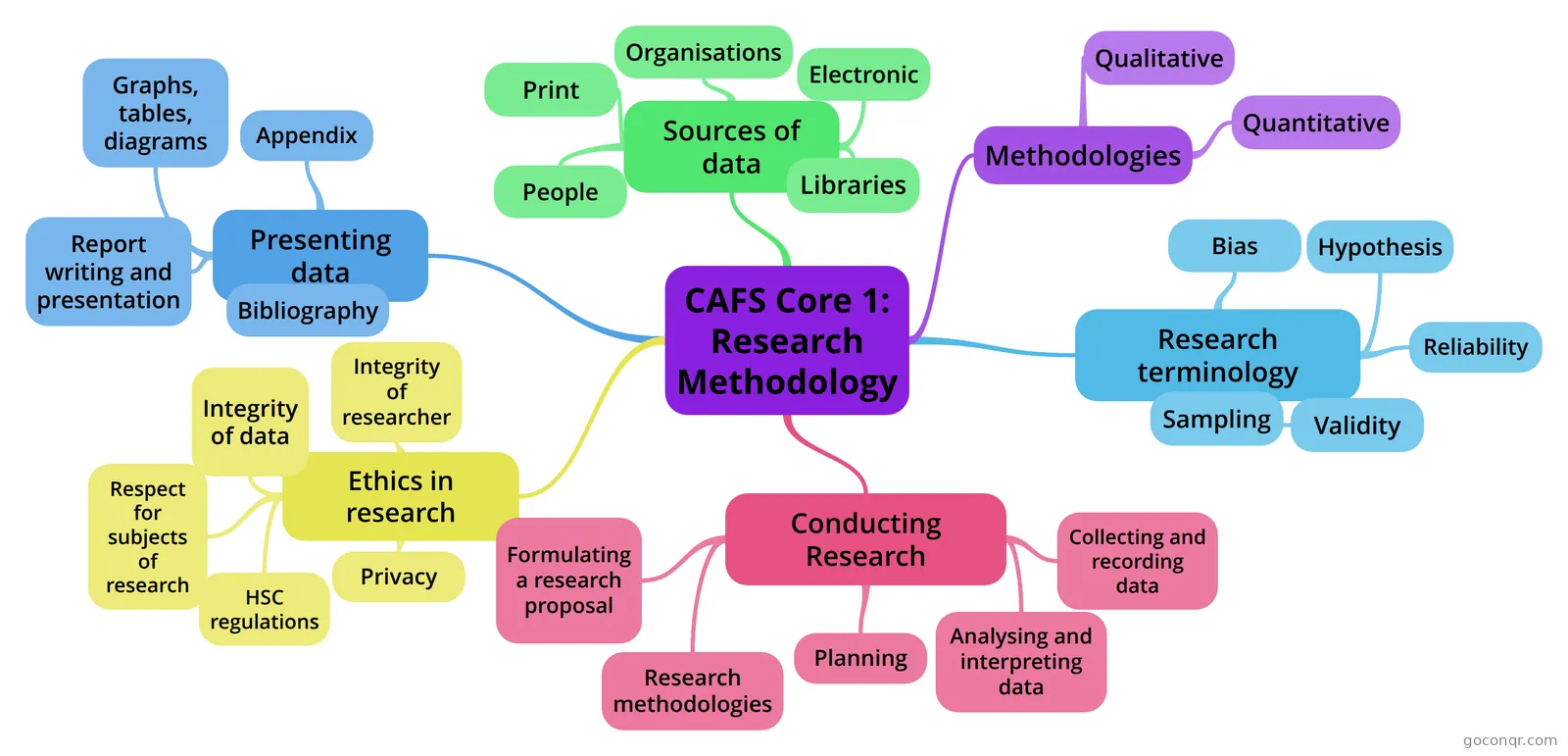 CAFS Core 1: Research Methodology
-
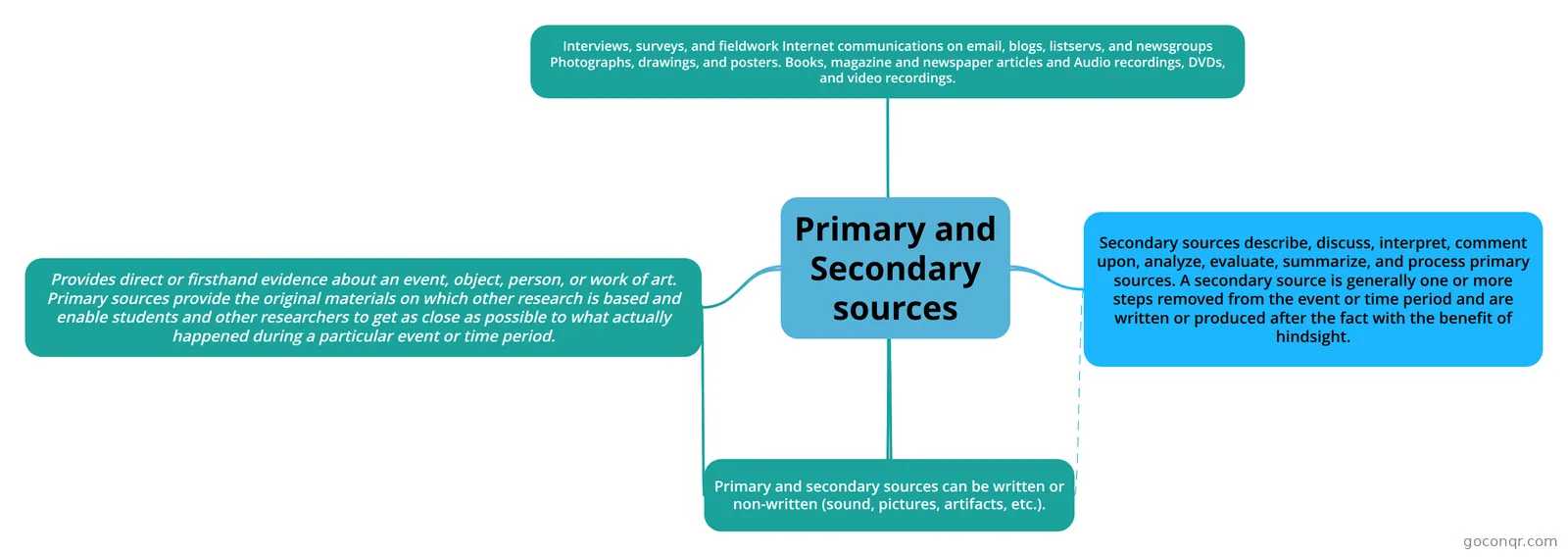 Primary and Secondary sources Es el perron
-
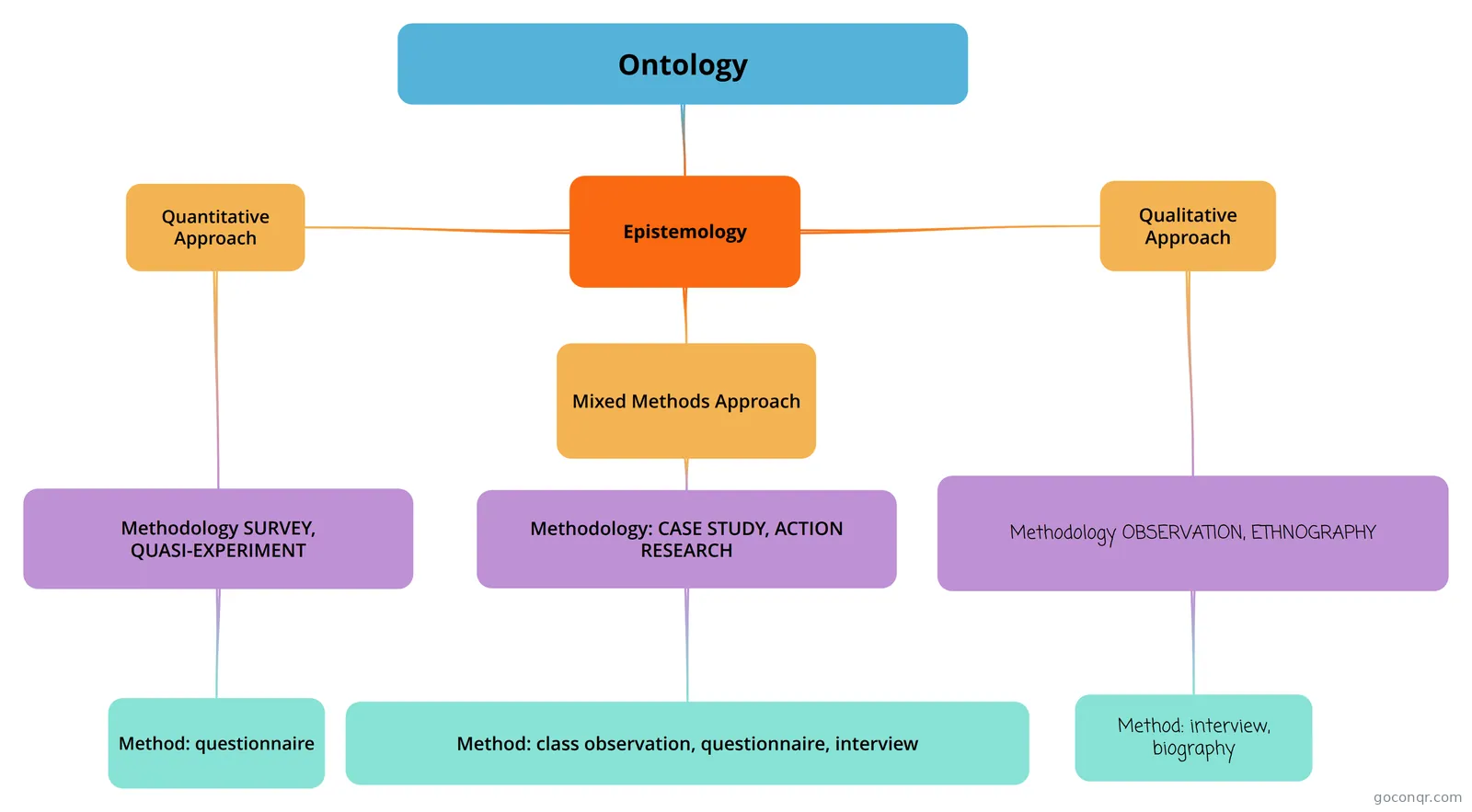 Ontology Research Methods - basic connections to be re-discussed in class
-
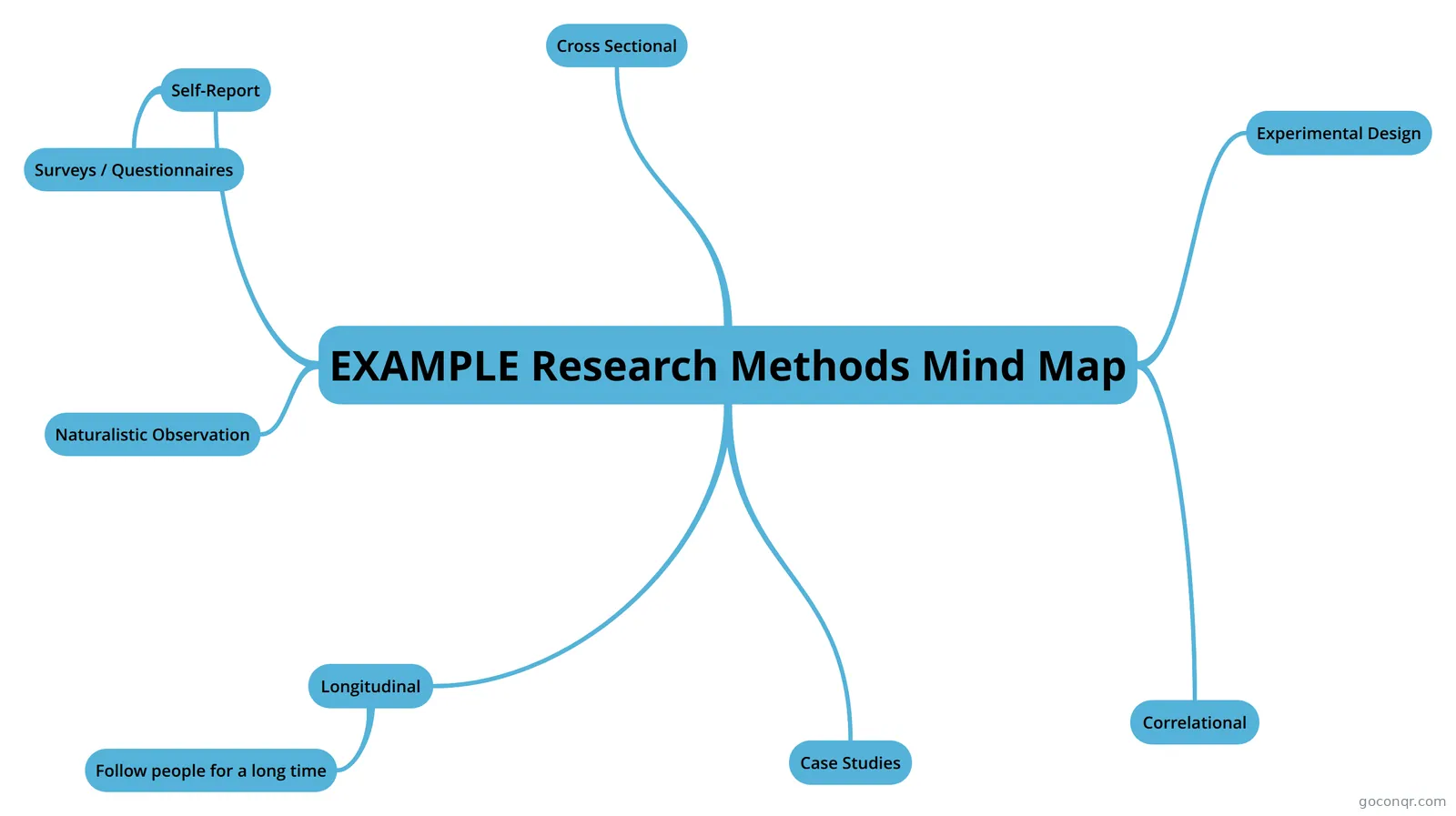 EXAMPLE Research Methods Mind Map Mind map
-
RM - 1 Experimental method. Types of experiment • Observational techniques • Self-report techniques • Correlations...
-
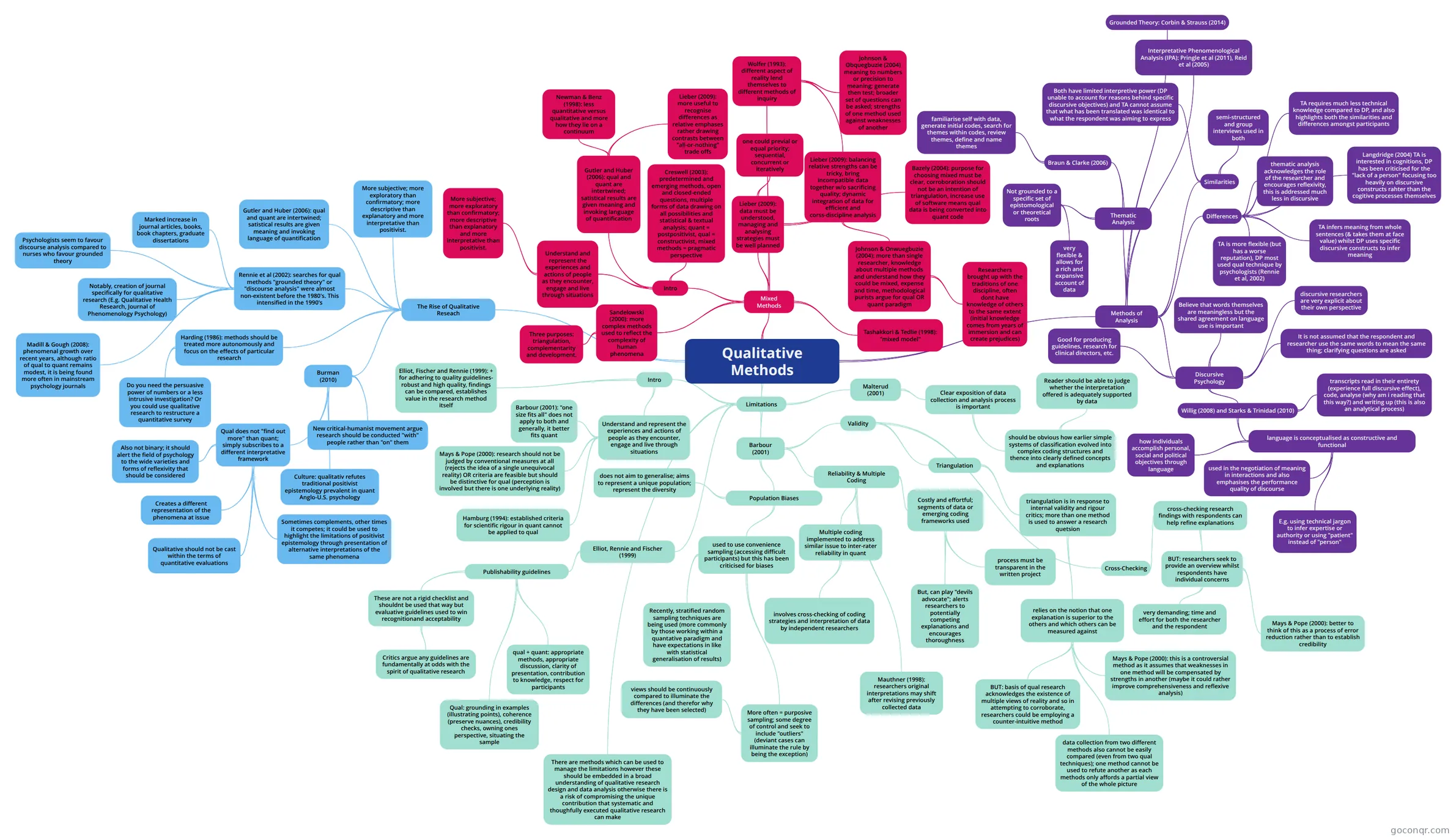 Qualitative Methods
-
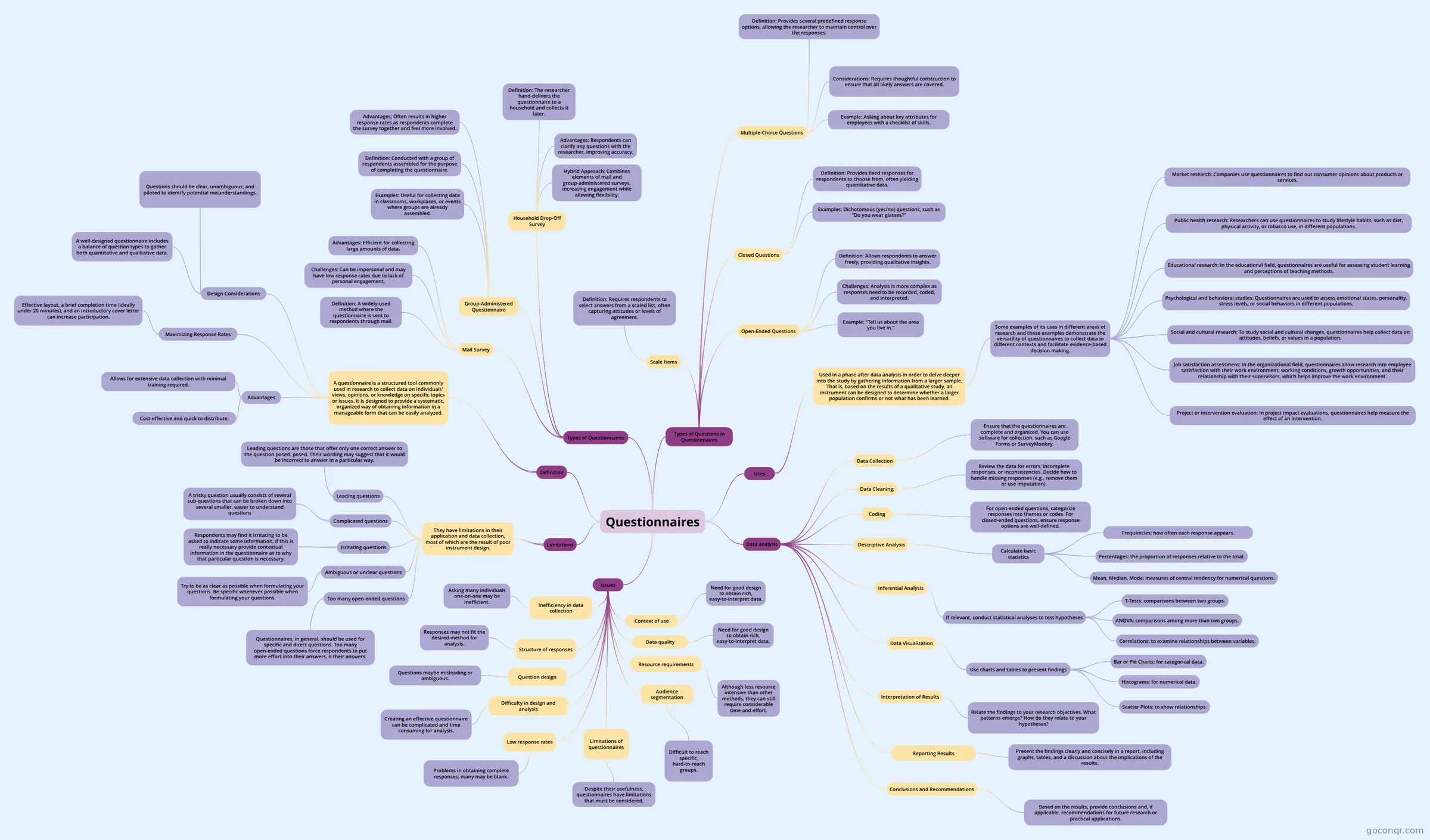 Questionnaires Members: Perla Sugey Leocadio Garcia ,Genesi Abigail Bastida Mendez ,Daniela Natzieli Torres Garcia ,Vaness...
-
MacKenzie, 2013, Chapter 4 - Scientific Foundations Seminario de investigacón - Second Activity Learning How to do Research
-
Research methods
-
The Research Enterprise In Psychology The Research Process of psychology
-
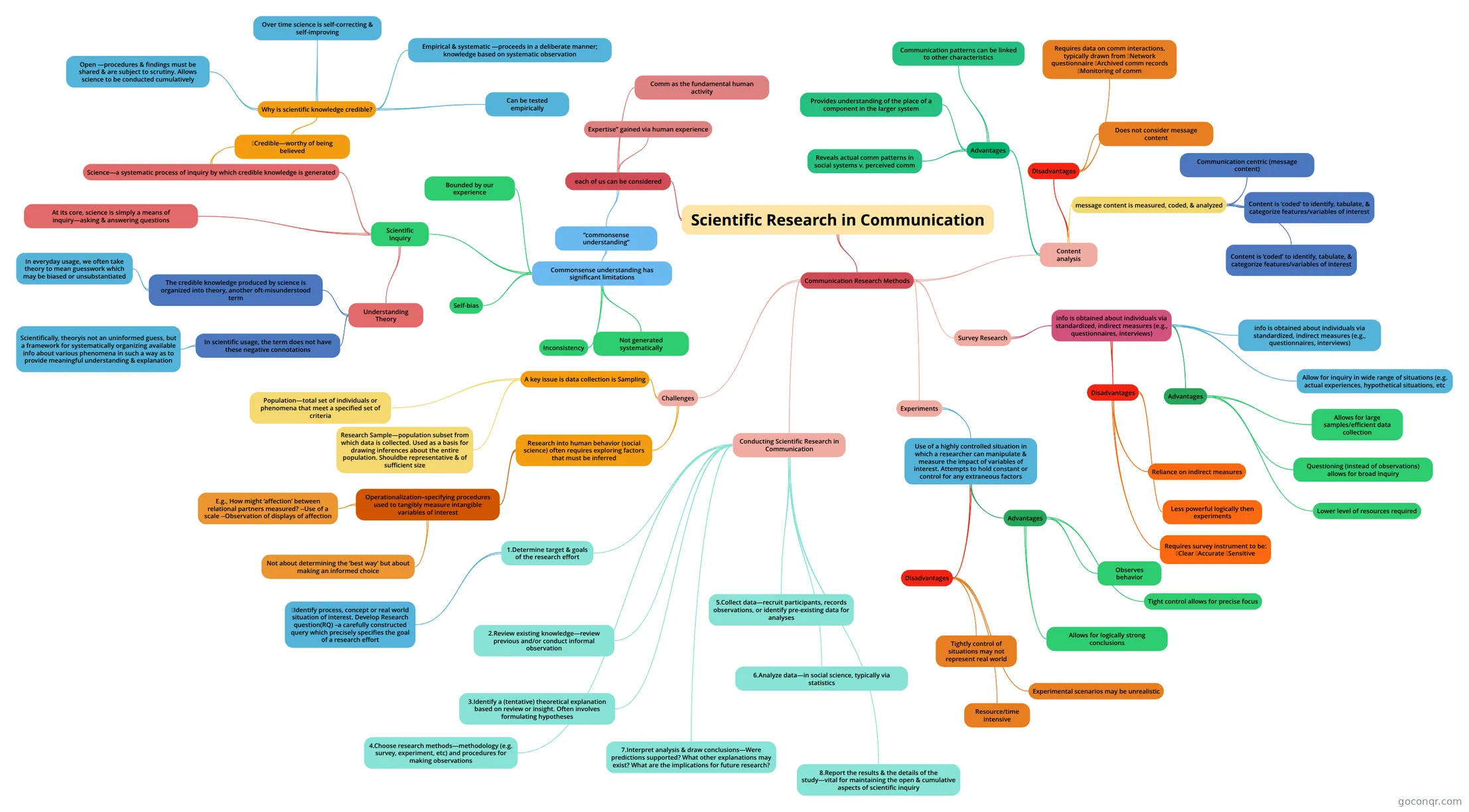 Scientific Research in Communication
-
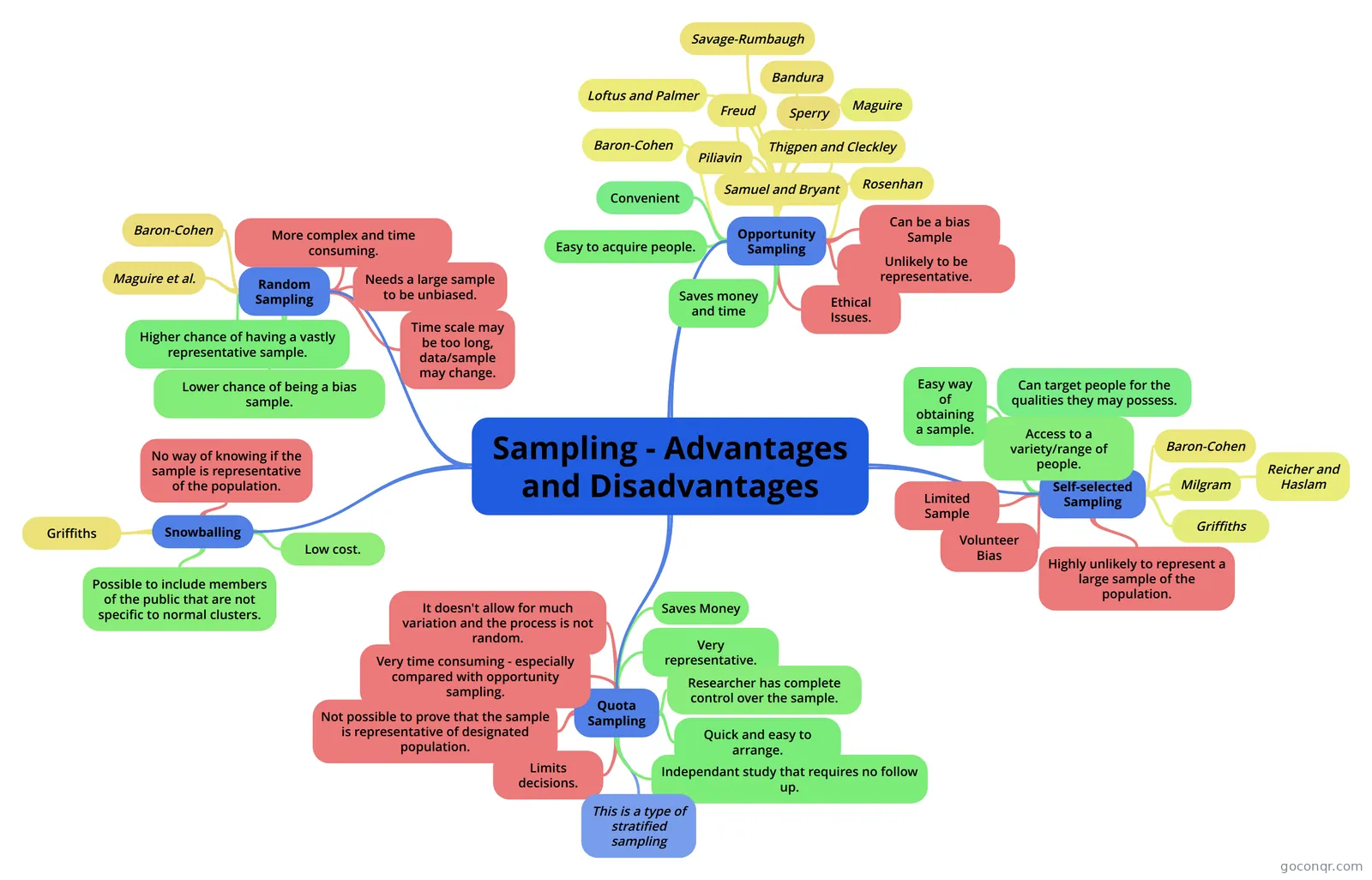 Sampling - Advantages and Disadvantages
-
 Reviewing the Literature
-
INTERVIEWS
-
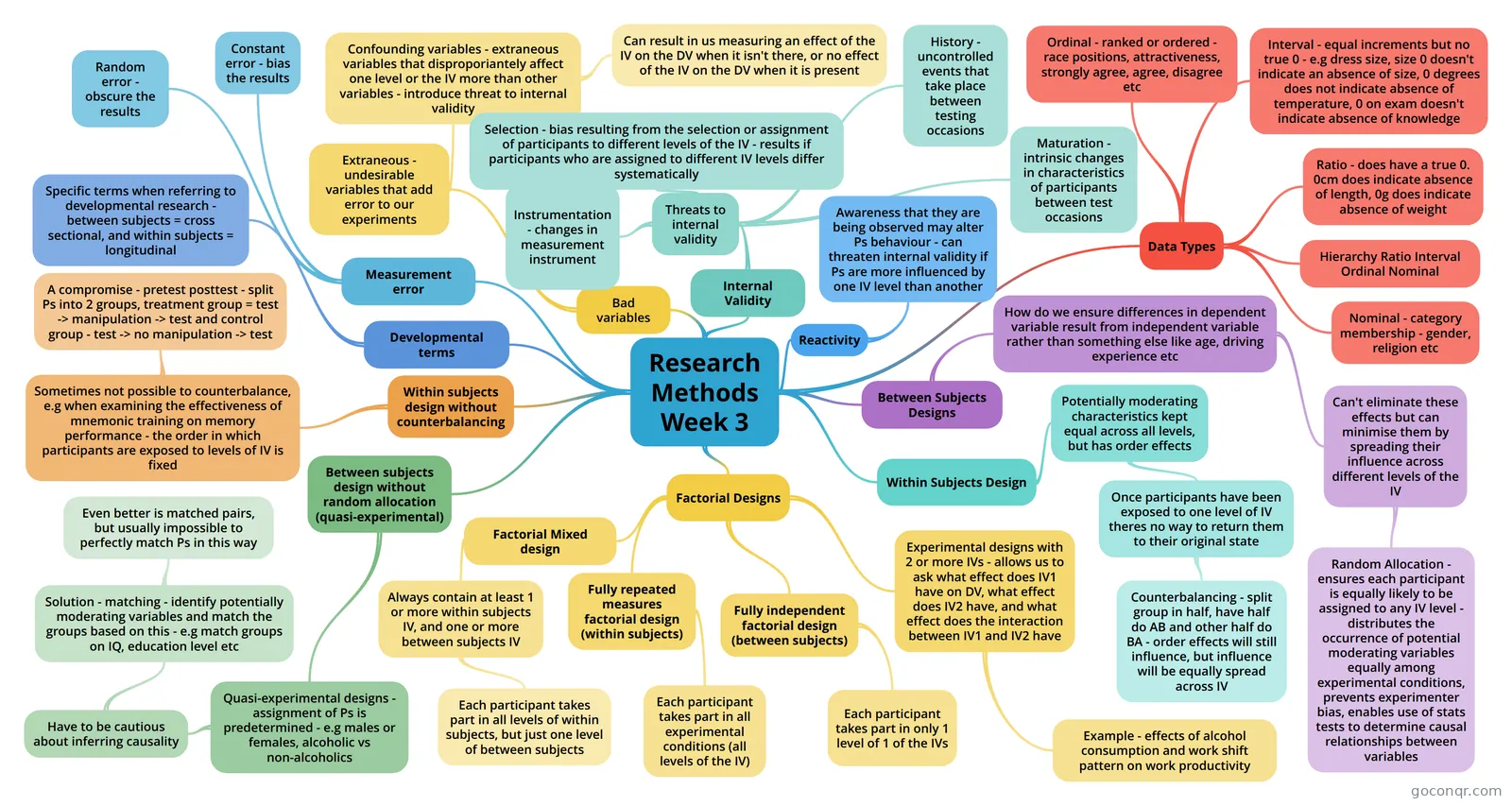 Research Methods Week 3
-
QUESTIONNAIRES Mind map
-
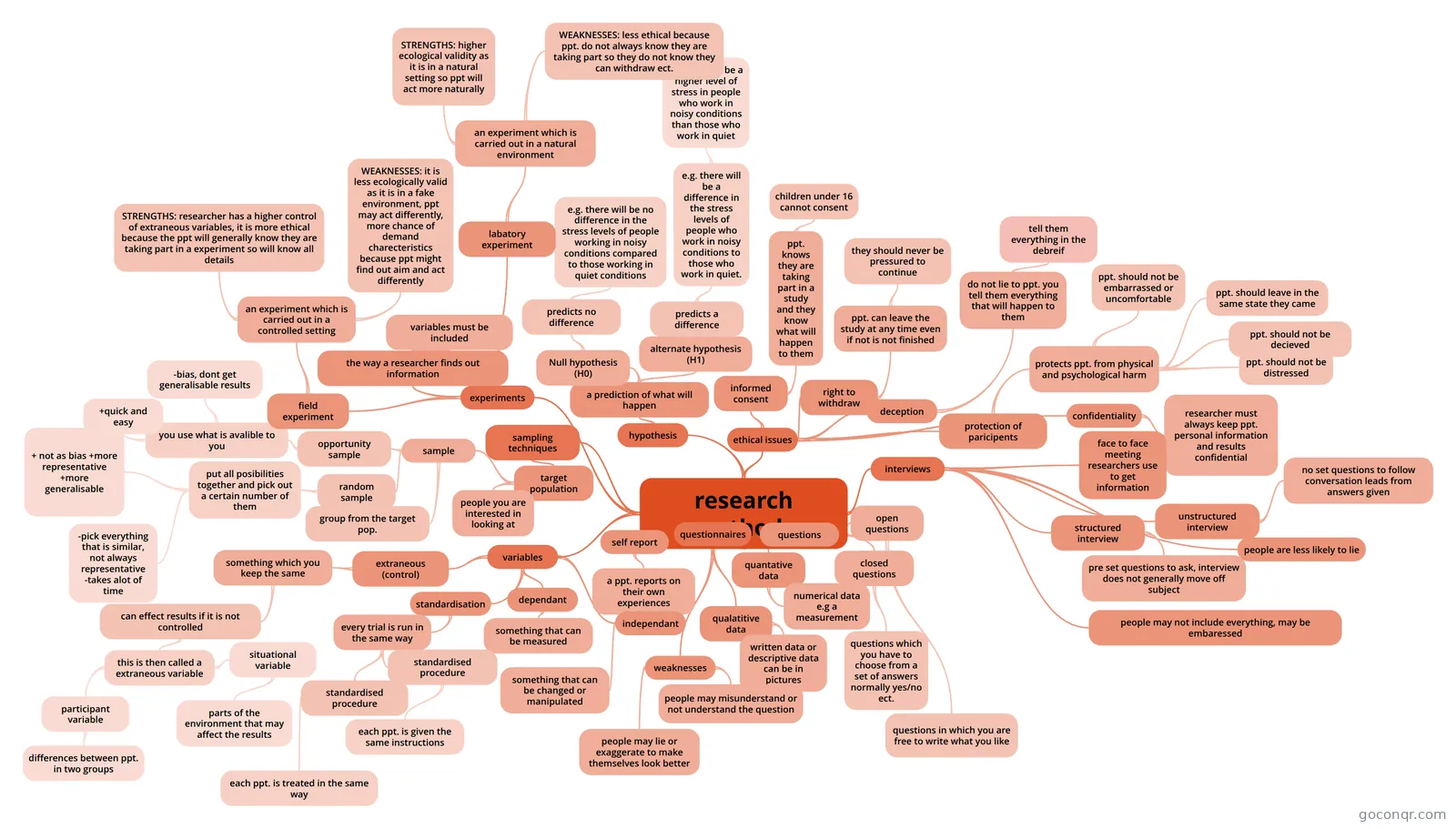 research methods
-
Research Methods Study notes for Ch.2
-
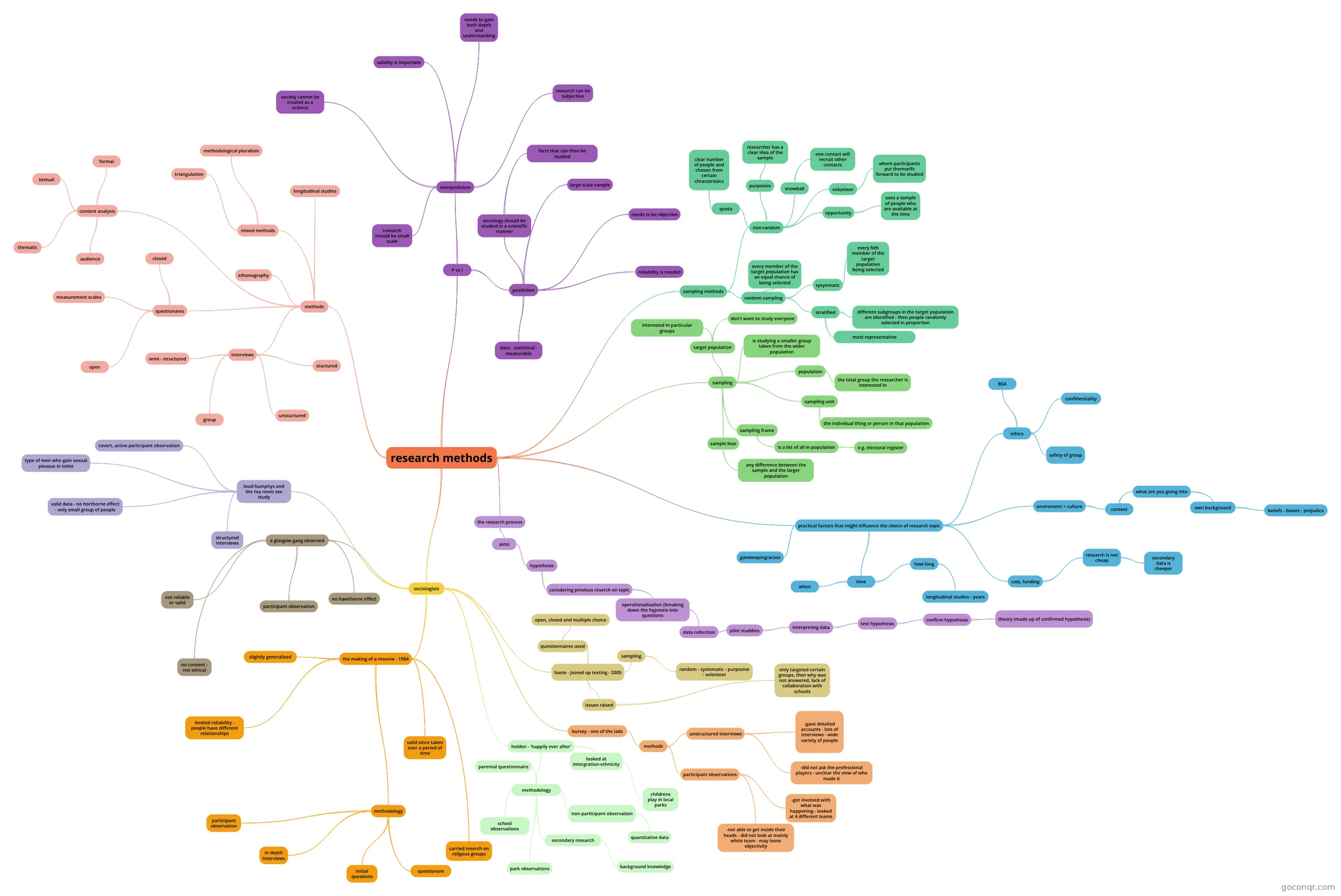 research methods
-
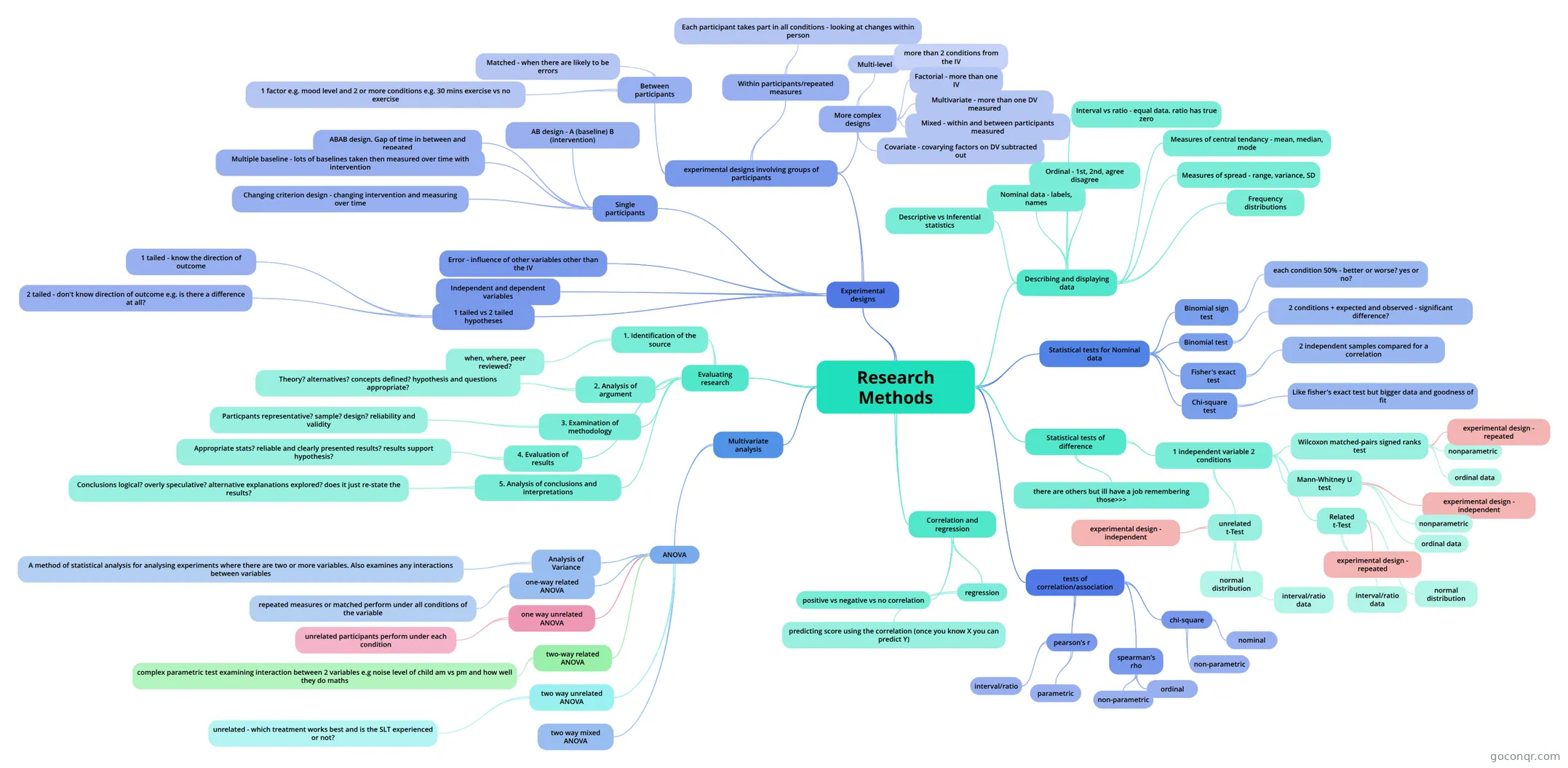 Research Methods
-
Research Methods 6 Correlations and Brain scanning
-
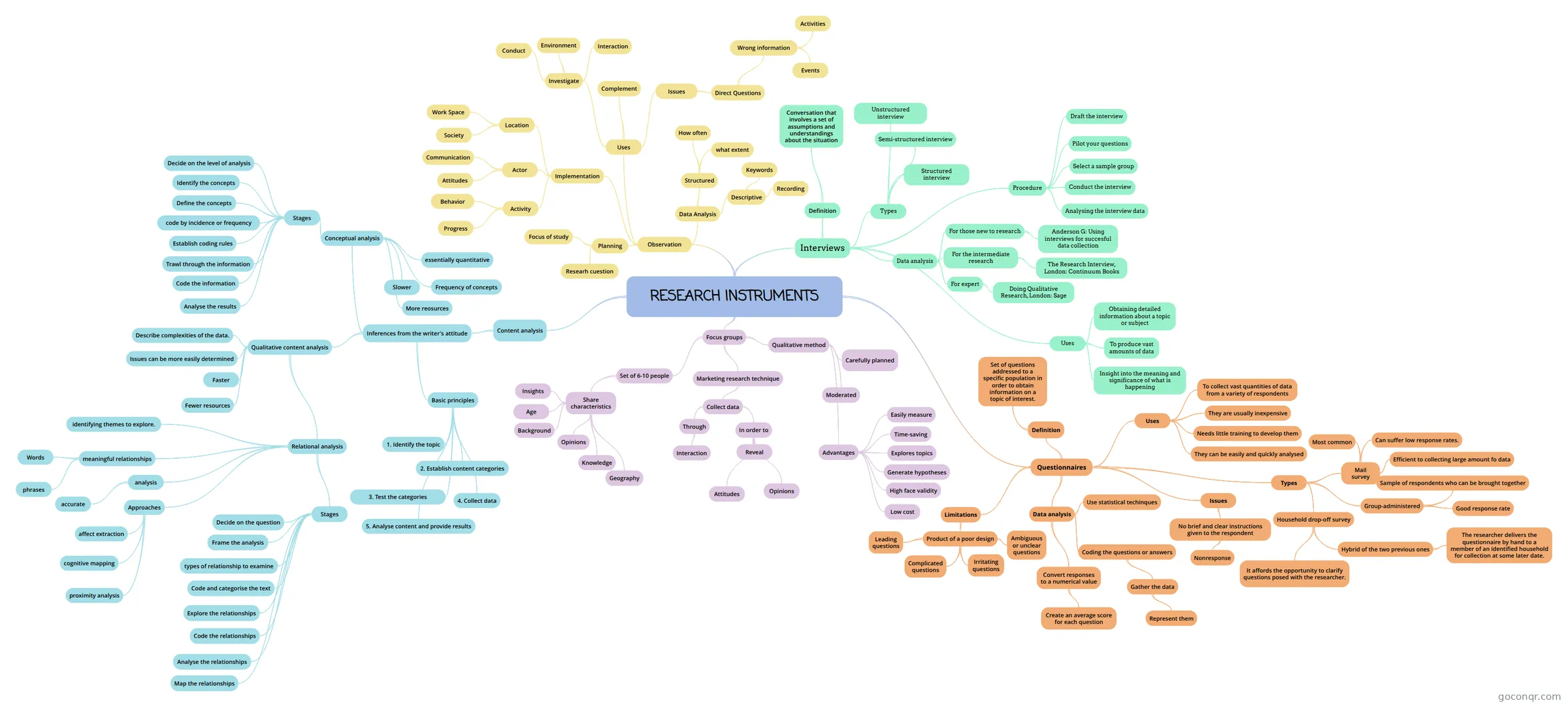 RESEARCH INSTRUMENTS
-
Questionnaires Mind map about questionnaires
-
Research Methods
-
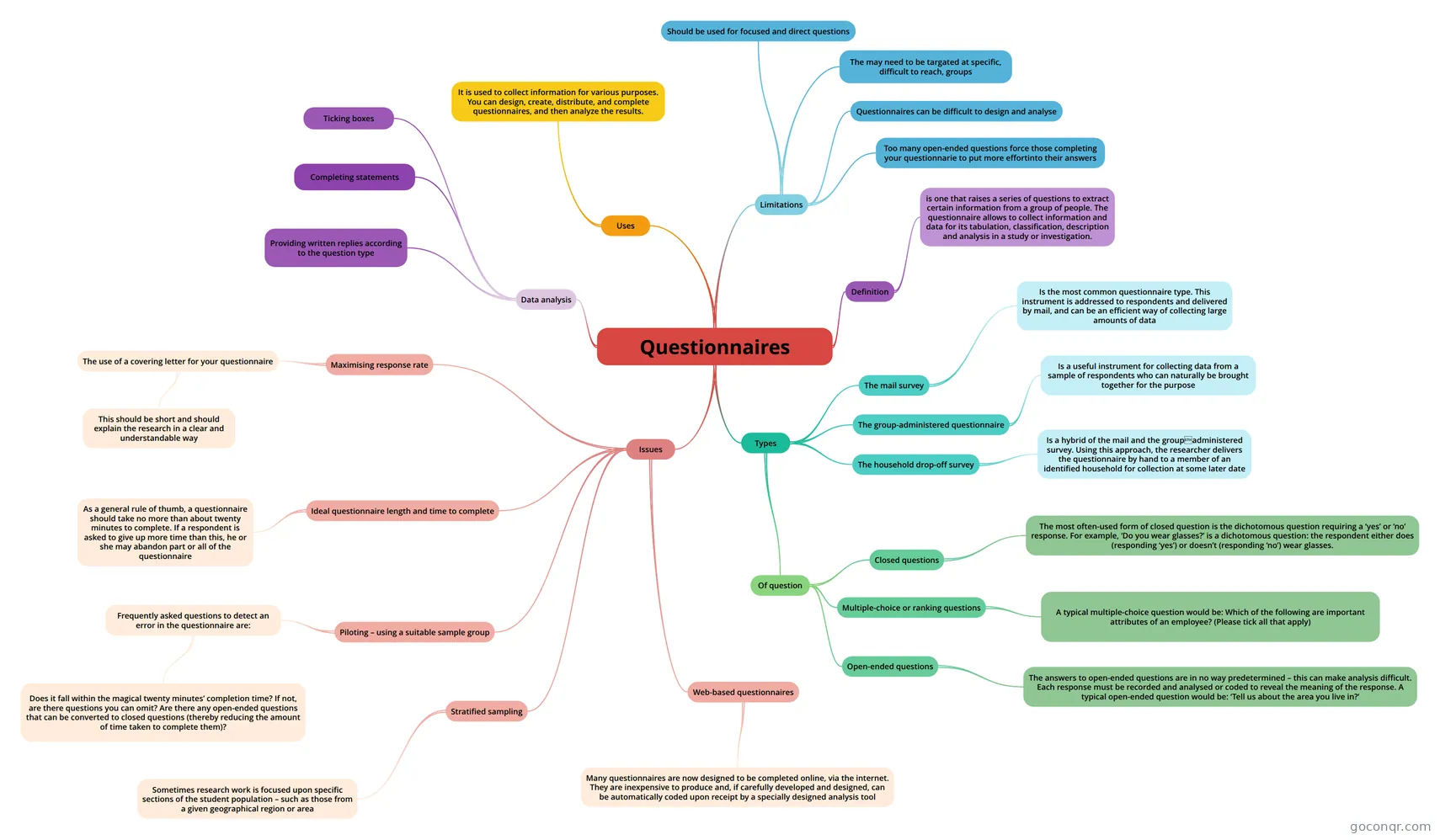 Questionnaires Tarea de inglés
-
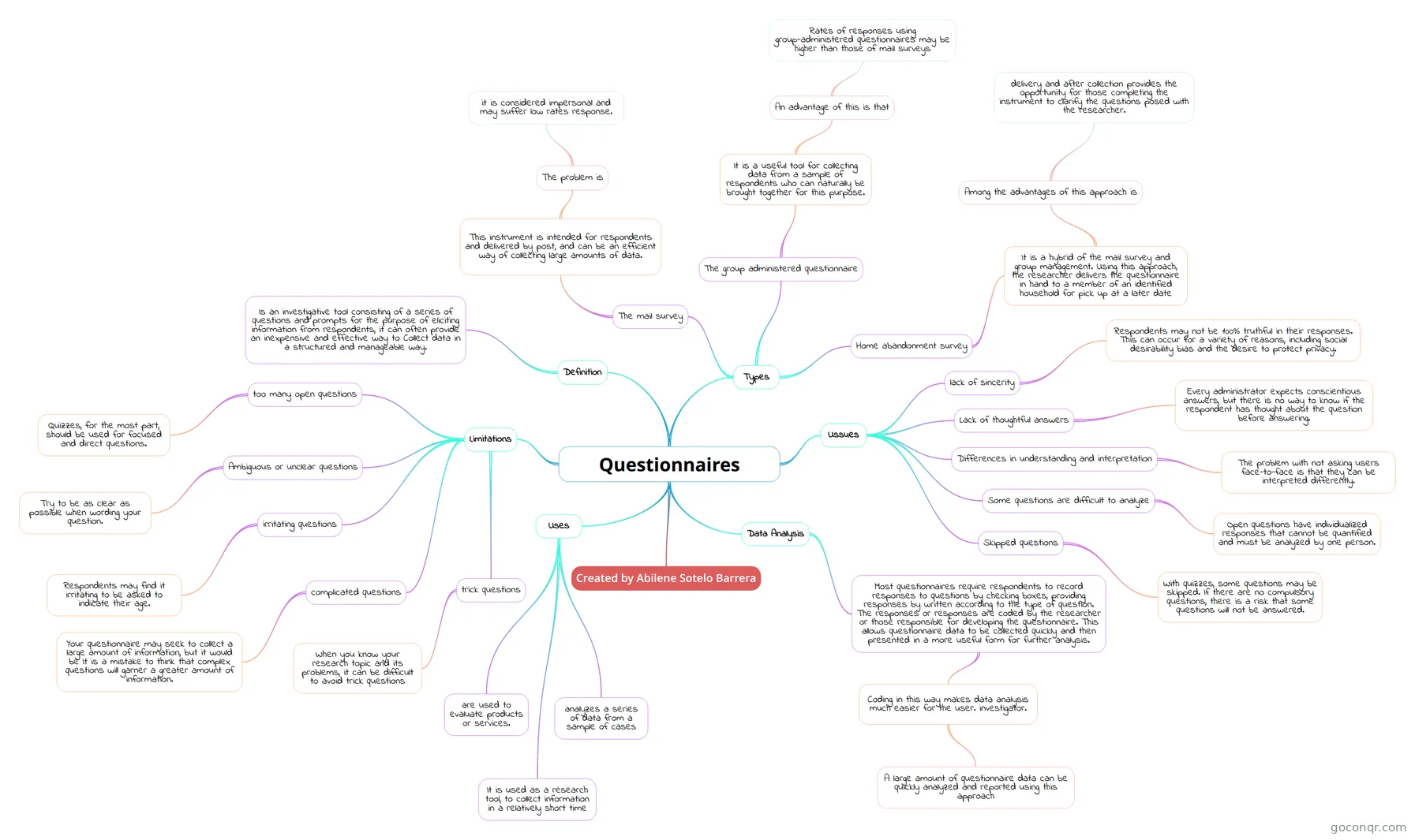 Questionnaires Mind map of the questionnaires and their use.
-
OBSERVATION Jocelyn Clavijo Lopez
-
Other Experimental Designs
-
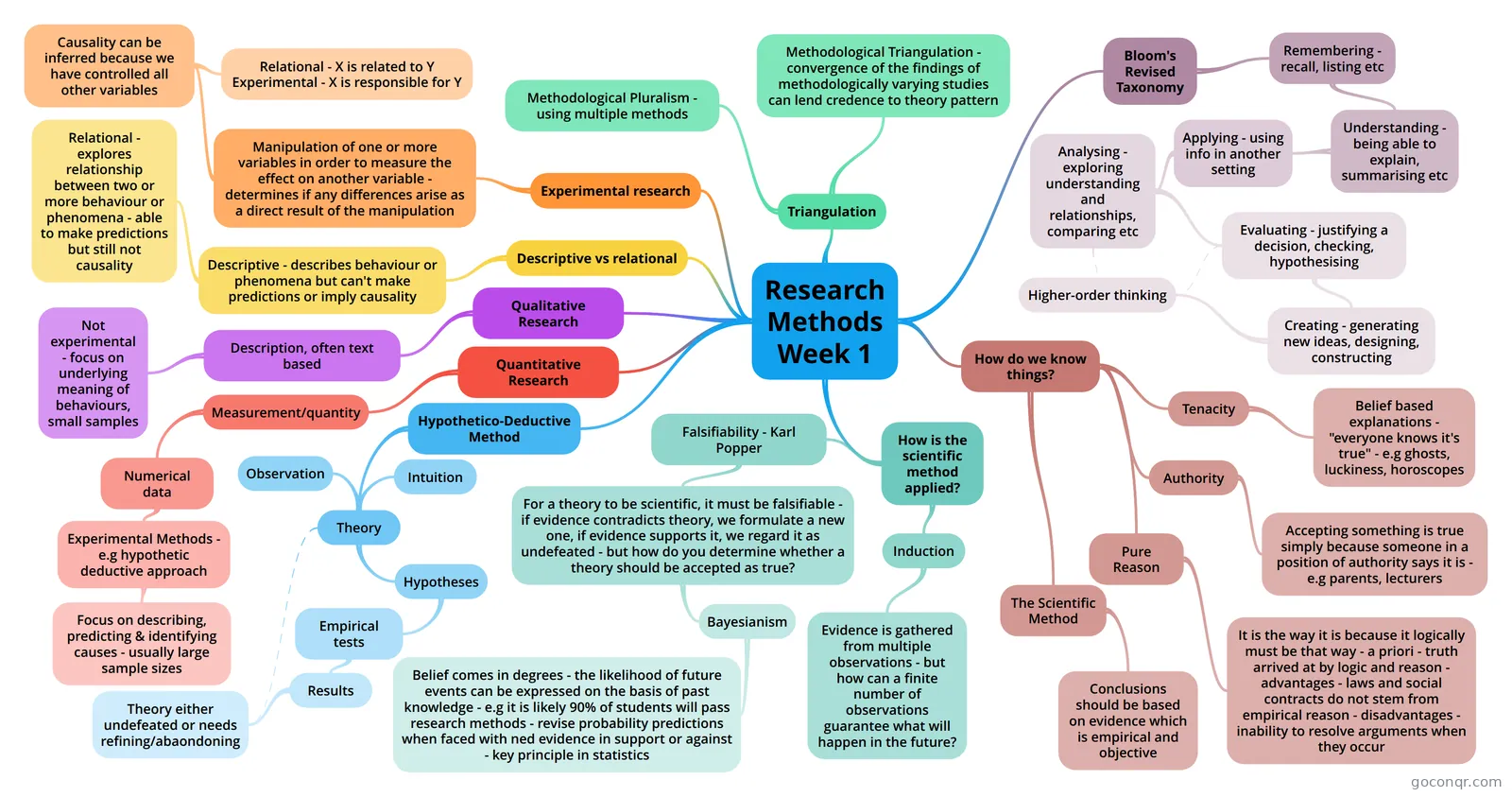 Research Methods Week 1
-
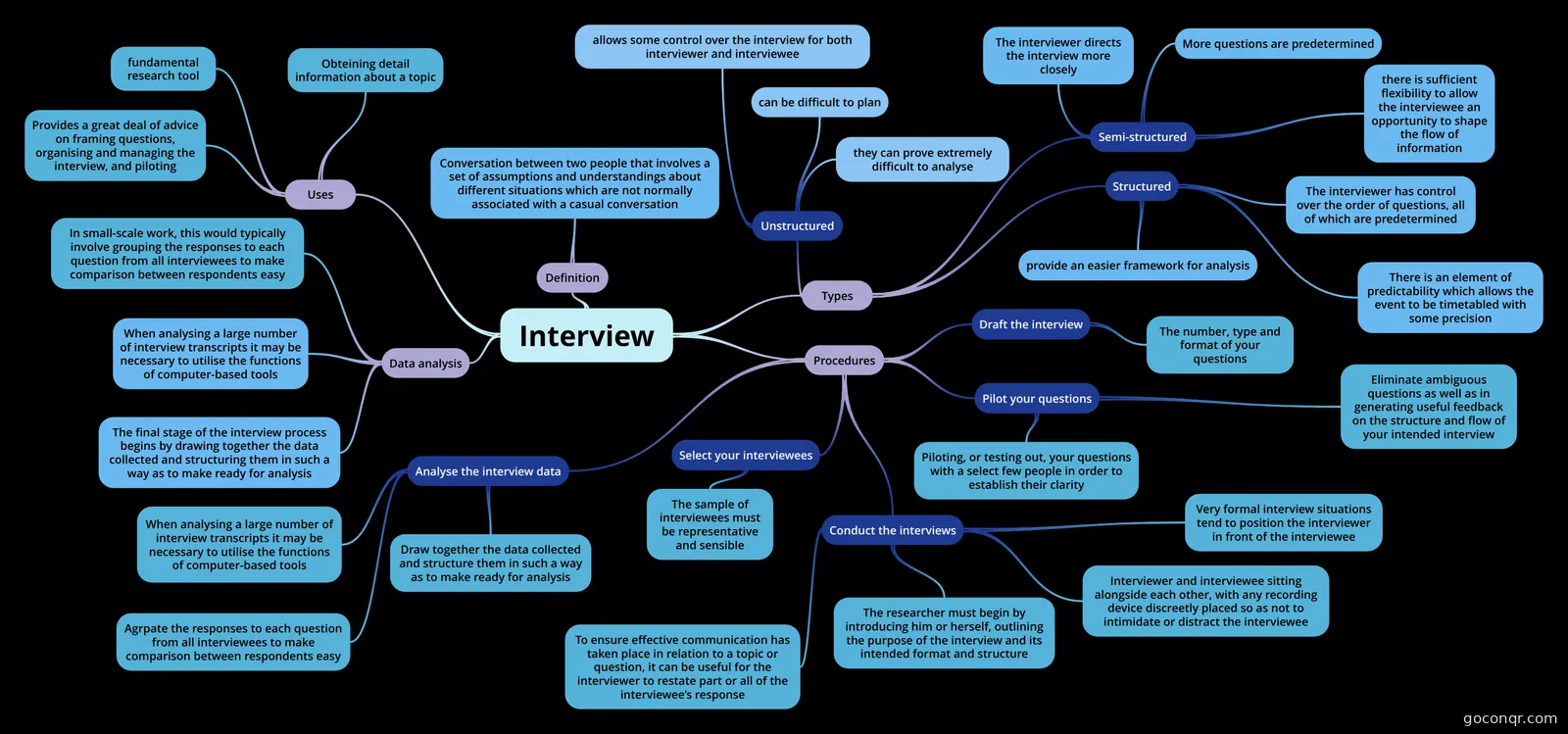 Interview
More Introduction to Research Methods resources
About introduction to research methods mind maps
GoConqr OriginalIntroduction to Research Methods mind maps
These user-made maps organise research topics into branches. Experimental Design sets out repeated measures alongside advantages and disadvantages. Observation introduces approaches including participant and naturalistic observation. Other maps explore qualitative and quantitative research, interviews and sources.
How to use the maps
Start with CAFS Core 1: Research Methodology for a map that brings together sources of data and research ethics. If you are focusing on a particular method, move to a map such as Experimental Design and follow its branches.
After reading a map, try recalling its main branches without looking. Return to the map to check what you missed. Switch to a quiz on the unit page when you want to test your understanding, or use flashcards to review terms. Pick a map that matches the topic you are studying.
Frequently asked questions
Which mind map is a useful starting point?
CAFS Core 1: Research Methodology is a useful starting point because it brings together sources of data and research ethics. For a narrower topic, Experimental Design focuses on repeated measures and their advantages and disadvantages. Both maps let you follow the topic through connected branches.
What topics do these mind maps cover?
The maps cover sampling, experimental design, observation and interviews, as well as qualitative and quantitative research. Some focus on particular settings, such as Methods of Enquiry in Psychology. Others look at research methodology, including sources of data and ethics, or at the quality of research.
Are the mind maps free to use?
Yes. Every resource listed here is free to open and study without an account. The maps were made by GoConqr users rather than by GoConqr. A free account also lets you save quiz scores and make your own quizzes, mind maps, flashcards and notes.
Which levels do the mind maps suit?
The collection includes school and university-level material, with university resources making up the larger share. Some listed resources mention exams such as A-level Psychology and GCSE Sociology. University students and professional candidates can explore research methods, while school students can use relevant maps for revision.