
Spelling, Alphabet and Phonics
186 resources created by 117 users
This Spelling, Alphabet and Phonics page on GoConqr gathers community-made quizzes, mind maps, flashcards, slide sets and notes, from short vowel sounds and the alphabet to homophones, suffix rules and syllables. It's built for primary pupils and school students practising sounds and spelling, and for teachers after ready-made material. There are over 500 resources here, including more than 90 quizzes, over 80 mind maps and over 300 flashcards. Pick a topic, try a quiz to find your gaps, then make your own set.
Top Spelling, Alphabet and Phonics resources
-
37 cardsHomophones Choose the correct homophone to complete the sentences
-
15 cardsSpelling - i-before-e rule "i BEFORE e RULE" Words
-
6 questionsGuia Ingles 4to Bimestre Guía de mi hijo de ingles
-
10 cardsUnit 3 Lesson 16 Unit 3 Lesson 16 Grade 2 Spelling Engage NY
-
8 questionsIQ Fiesta Group 1 Sounds Blending Part 1 Let's listen the sound and select the correct sound letters
-
17 cardsCCCVC pic & split words Picture & recording on front, word with onset rime split on back
-
26 cardsALPHABET Alphabet with examples
-
2 questions'ch' spellings Choose the correct spelling.
Quizzes
See all 32 quizzes-
6 questionsGuia Ingles 4to Bimestre Guía de mi hijo de ingles
-
8 questionsIQ Fiesta Group 1 Sounds Blending Part 1 Let's listen the sound and select the correct sound letters
-
2 questions'ch' spellings Choose the correct spelling.
-
10 questionsEnglish spelling rules Each of these spellings contain a word related to the rule ' 'i' before 'e' except after 'c' '. Choose the ...
-
6 questionsHomophones A set of questions to test your knowledge on homophones
-
10 questionsAdding Suffixes - Grade 3 What is a suffix?
-
7 questionsRhyming Words What word rhymes with "bat"?
-
50 questionsHOAE Verbal Find the correctly spelled word
Mind maps
See all 15 mind maps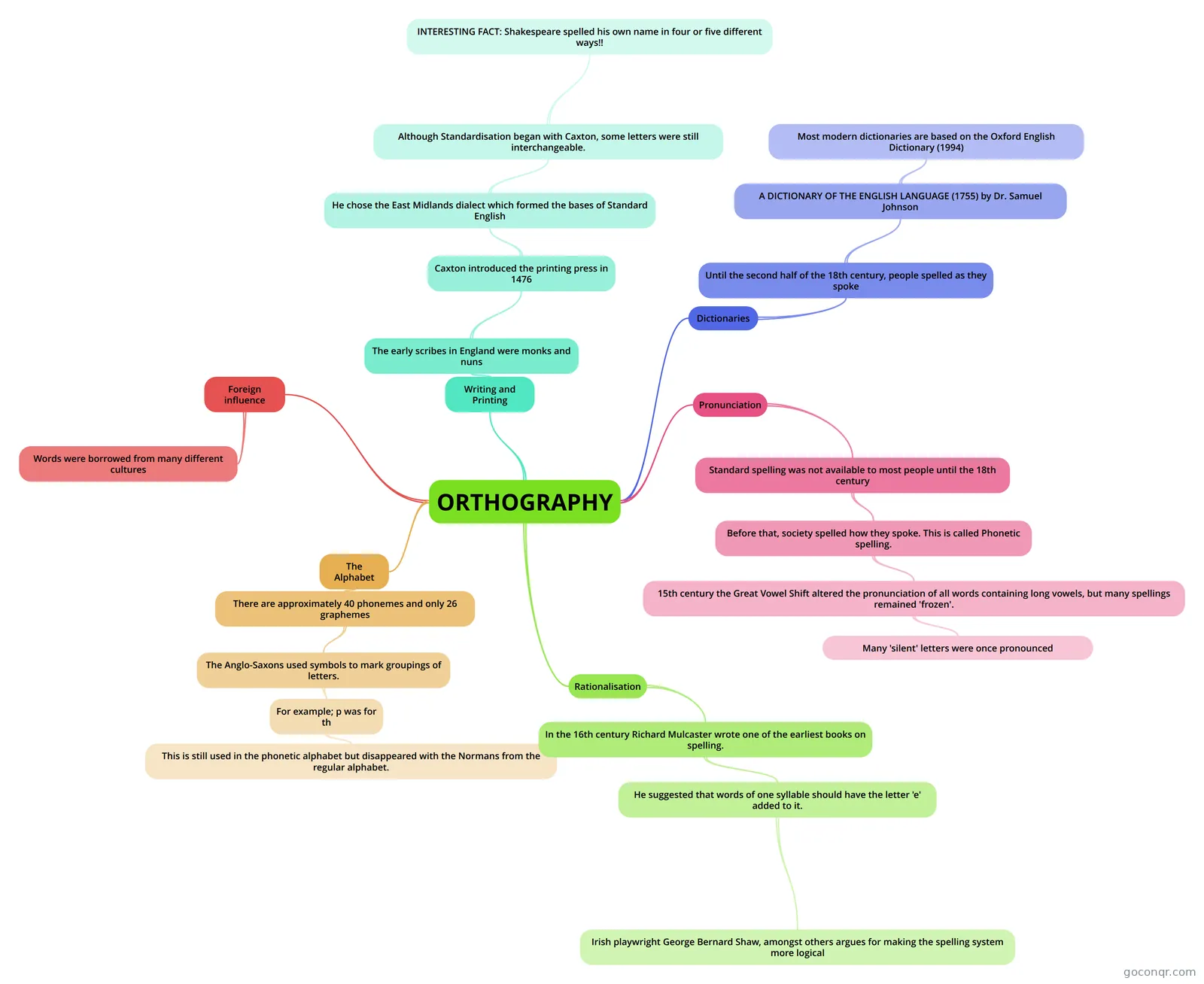
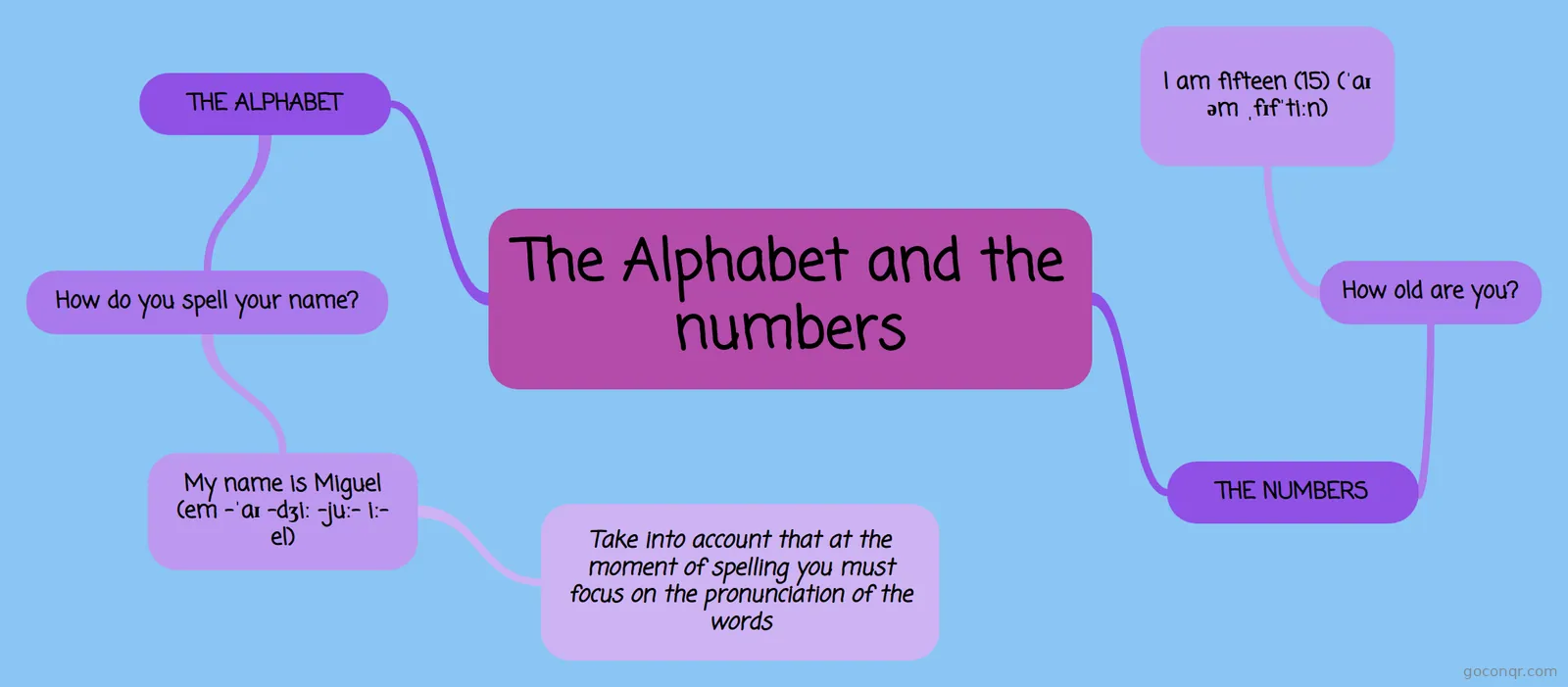
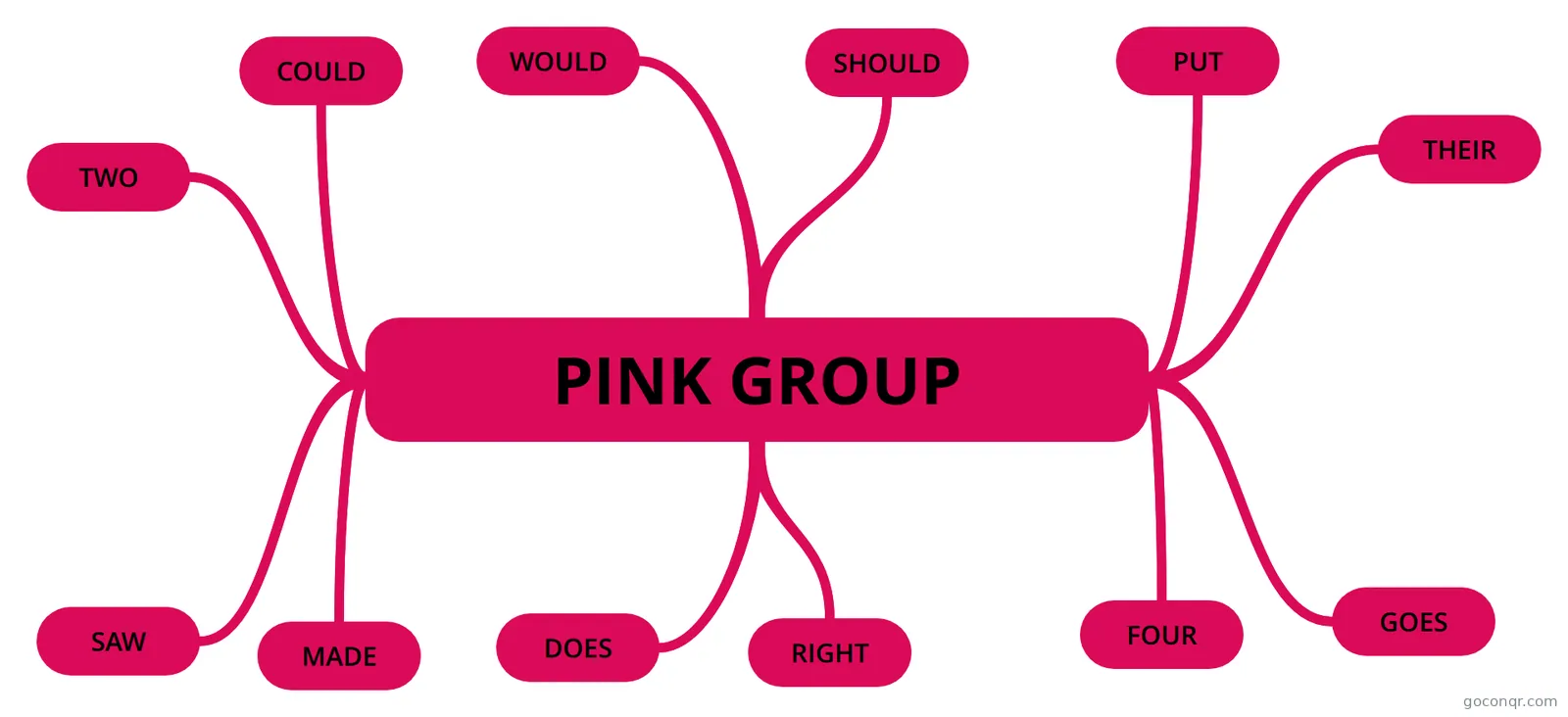
Flashcards
See all 130 flashcards-
37 cardsHomophones Choose the correct homophone to complete the sentences
-
15 cardsSpelling - i-before-e rule "i BEFORE e RULE" Words
-
10 cardsUnit 3 Lesson 16 Unit 3 Lesson 16 Grade 2 Spelling Engage NY
-
17 cardsCCCVC pic & split words Picture & recording on front, word with onset rime split on back
-
26 cardsALPHABET Alphabet with examples
-
6 cardsPhonics Group 1 Jolly Phonics Group 1
-
9 cardsUnit 2 Lesson 6 Spelling Engage NY Grade 2 Spelling Unit 2 Lesson 6
-
8 cardsWord Families - all, oo, ee Listen and write the word in your notebook. Then flip the card to see if you wrote it correctly. הקשיבו וכת...
Flowcharts
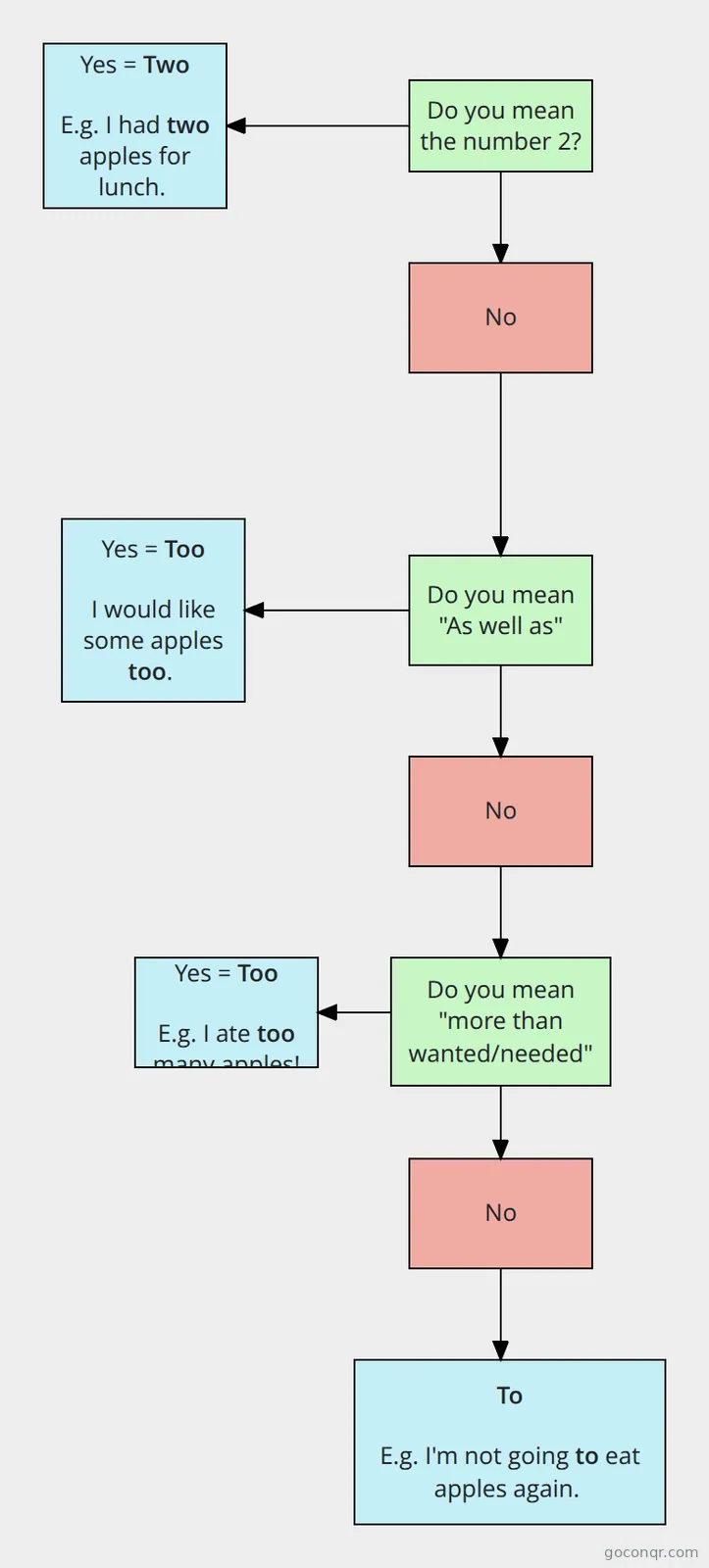
Notes
Slides
More English language topics
About Spelling, Alphabet and Phonics
GoConqr OriginalWhat this unit covers
The page sits in the Foundations and Sounds strand of English language. It starts with letter sounds and moves towards spelling rules. Most of the material is aimed at younger learners, and about a quarter suits older school students.
Start with sounds and the alphabet
For the earliest steps, open the slide set Phonics: Short vowels. It links a video, a game and a book for the short u and short a sounds. The Phonics slide set asks learners to trace S, A, T, P, I and N in the air. LEARNING PHONICS K3 pairs letters with picture words such as ant, igloo and jelly. Flashcard decks such as Phonics Group 1 and Short o (box, dog, fox, log, mop) give quick sound practice.
Move on to spelling patterns
Once sounds are secure, try these:
- Unit 2 Lesson 6 Spelling, which shows words such as smile and smiling, hop and hopping.
- Spelling - i-before-e rule, with believe, achieve and niece.
- Homophones, where learners choose between write or right, and blue or blew.
- The quiz 'ch' spellings, which asks for the correct spelling of words like chair.
Mind maps cover topics such as consonant digraphs, silent final E, syllable types and ING spelling rules. Flowcharts cover suffix rules.
Using quizzes and maps together
- Read a mind map on one rule, such as silent E.
- Take a quiz on the same rule, for example English spelling rules.
- Note the words you missed and put them into a flashcard deck.
- Retake the quiz a few days later.
Teachers can use the slide sets and decks as ready-made starters, and the quizzes as short checks.
Where to go next
Choose one sound or rule, work through a map and a quiz, then build your own flashcards for the words that stuck badly.
Frequently asked questions
Where should a young learner start?
Begin with the Phonics: Short vowels slide set, which has a video, a game and a book for the short u and short a sounds. Then try the Phonics slide set on tracing letters, and the Short o flashcard deck for simple words like dog and box.
Which quizzes cover spelling rules?
Try English spelling rules, 'ch' spellings and Adding Suffixes - Grade 3. There are also several homophone quizzes and graded spelling quizzes. Together they test patterns such as ch words, suffixes and words that sound alike.
What do the mind maps cover?
The mind maps cover consonant digraphs, silent final E, syllable types, plural spellings, ING spelling rules and the alphabet. Some are in other languages or follow a school textbook. They suit a quick read before a quiz or a flashcard session.
Are the resources free to use?
Yes. Every resource listed here is free to open, study and take, with no account needed. They were made by GoConqr users, not by GoConqr. A free account also saves your quiz scores and lets you make your own quizzes, maps, flashcards and notes.
Which levels and exams do these suit?
Most resources suit primary pupils, with about a quarter for school students. Some mention Engage NY or Functional Skills English. Teachers can use the slide sets, decks and quizzes as ready-made classroom material.
What if I can't find the word list I need?
Look through the flashcard decks and sight word sets, such as Fry first 100 sight words or First Grade Dolch. If your list is not there, you can build a deck of your own and use it for practice.