
Verb Tenses Overview
3,005 resources created by 2,323 users
This Verb Tenses Overview page on GoConqr gathers community-made quizzes, mind maps, flashcards, slides and notes, from the present simple and the verb to be to the past perfect, passive voice and future forms. It's built for school students practising tenses and teachers after ready-made material. There are over 25,000 resources here, including more than 2,400 quizzes and over 18,000 mind maps, mostly at secondary level. Pick a tense, try a quiz to spot your gaps, then make your own cards.
Top Verb Tenses Overview resources
-
10 questionsTenses CT 2019
-
43 cardsGRAMMAR C1 - C2
-
30 questionsMi vida en otra lengua Which object pronoun can substitute the underlined phrase in the sentence? Can you tell the people the way ...
-
42 questionsSimple Present Questions (DO - DOES) Choose the correct auxiliar (AUX) for the following sentence: - (AUX) Peter live with his father?
-
120 cardsU2A2.- LEARNING IRREGULAR VERBS CENTER FOR INDUSTRIAL TECHNOLOGICAL AND SERVICES BACCALAUREATE NUMBER 107 Grade: Second Group: AMIM Special...
-
20 questionspassive voice aff statements Many people visit the Metropolitan Museum of Art in New York.
-
Flowchart Simple Past "Be going to/ Will"
-
2 questionsState Verbs 2
Quizzes
See all 918 quizzes-
10 questionsTenses CT 2019
-
30 questionsMi vida en otra lengua Which object pronoun can substitute the underlined phrase in the sentence? Can you tell the people the way ...
-
42 questionsSimple Present Questions (DO - DOES) Choose the correct auxiliar (AUX) for the following sentence: - (AUX) Peter live with his father?
-
20 questionspassive voice aff statements Many people visit the Metropolitan Museum of Art in New York.
-
2 questionsState Verbs 2
-
25 questionsPassive Forms Quiz Rewrite the sentences in passive voice. Include the subject in your answer. I had worn blue shoes. - [blank...
-
19 questionsLexical-Grammar Test 7
-
5 questionsFILL IN THE GAPS WITH THE CORRECT FORM OF THE VERBS. simple past affirmative, negative interrogative FILL IN THE GAPS WITH THE CORRECT FORM OF THE VERBS IN THE SIMPLE PAST. You will have to use affirmative, n...
Mind maps
See all 1,117 mind maps-
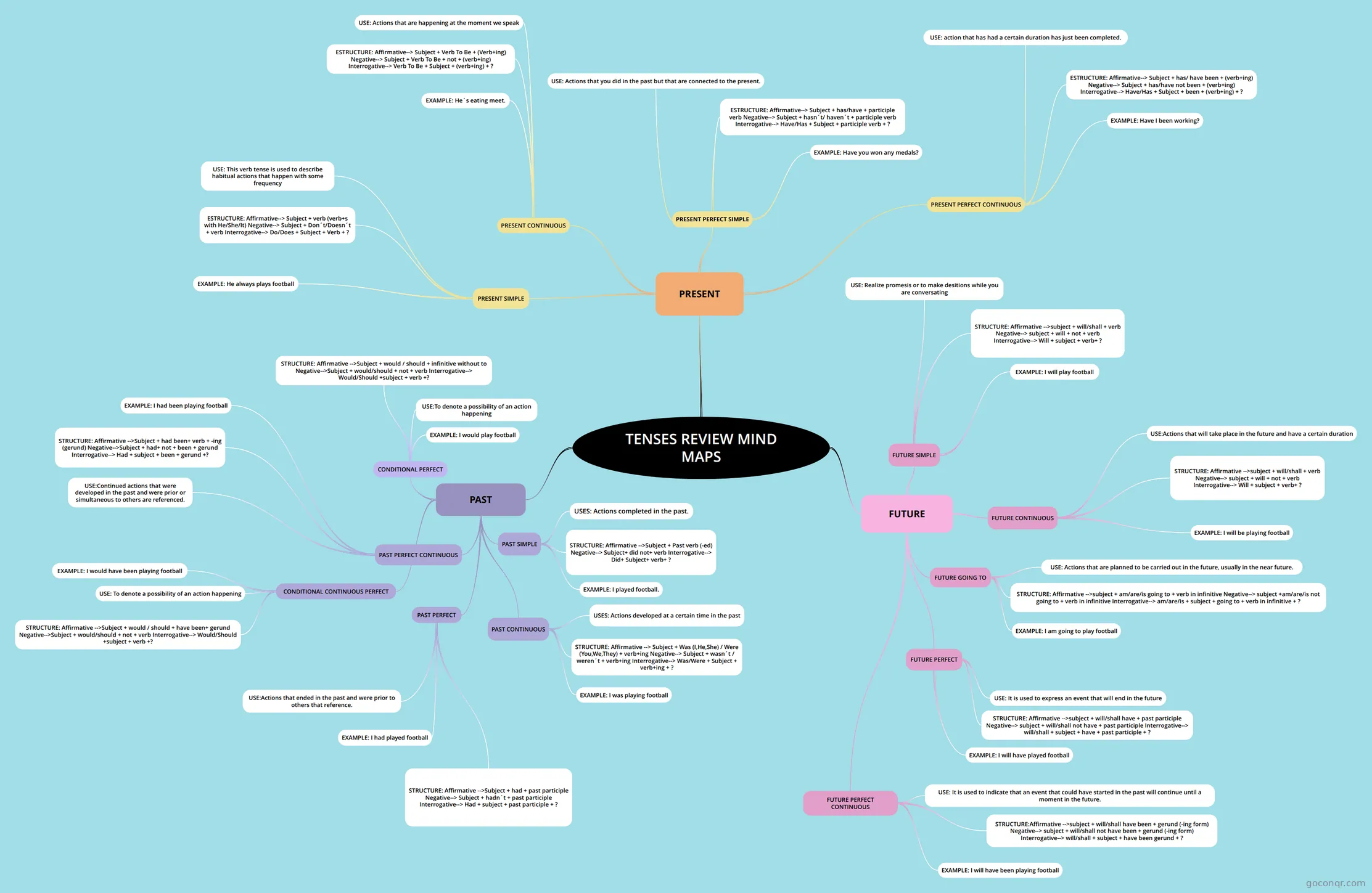 TENSES REVIEW MIND MAPS Site map.
-
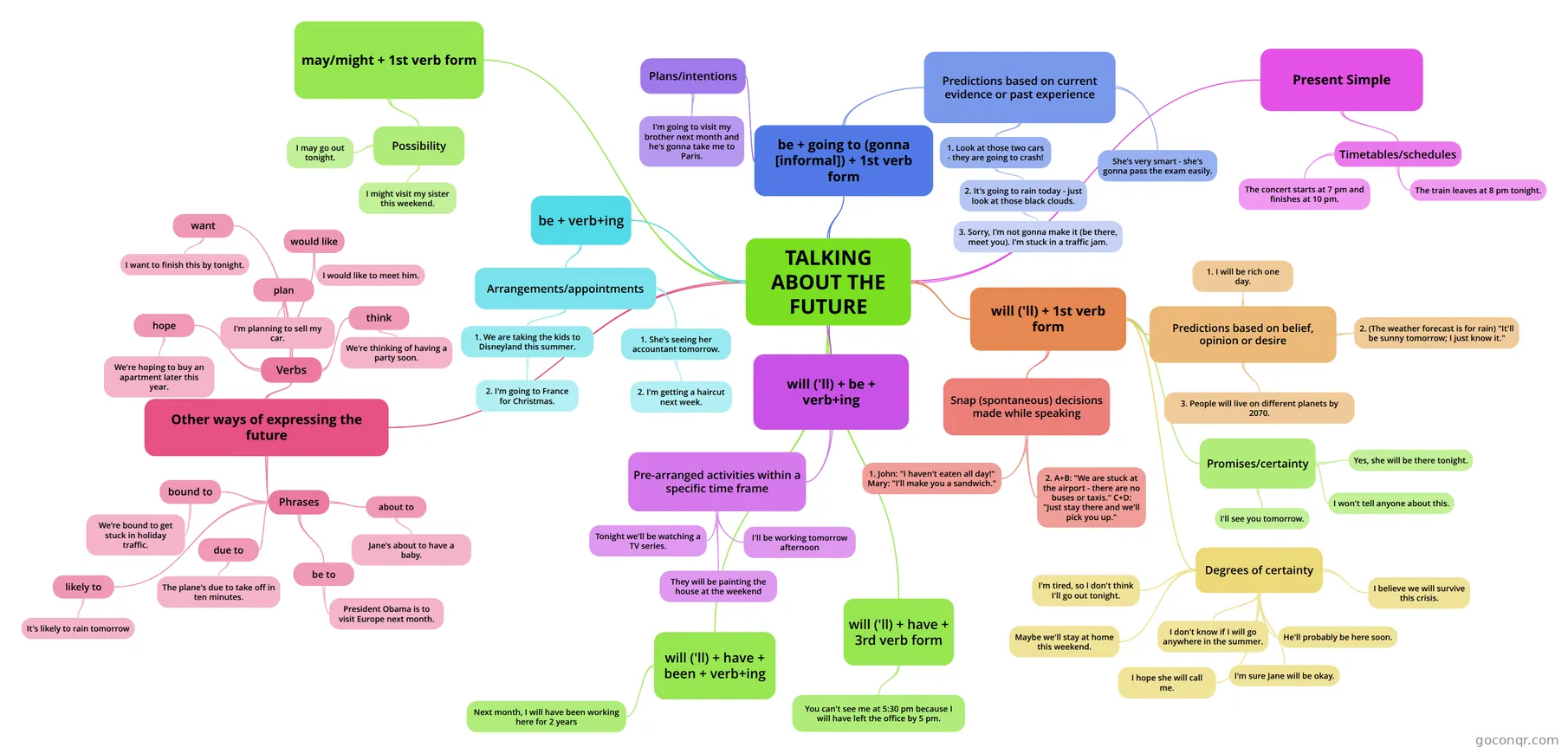 TALKING ABOUT THE FUTURE How we talk about the future is quite nuanced. This is an attempt to show the various ways we can express t...
-
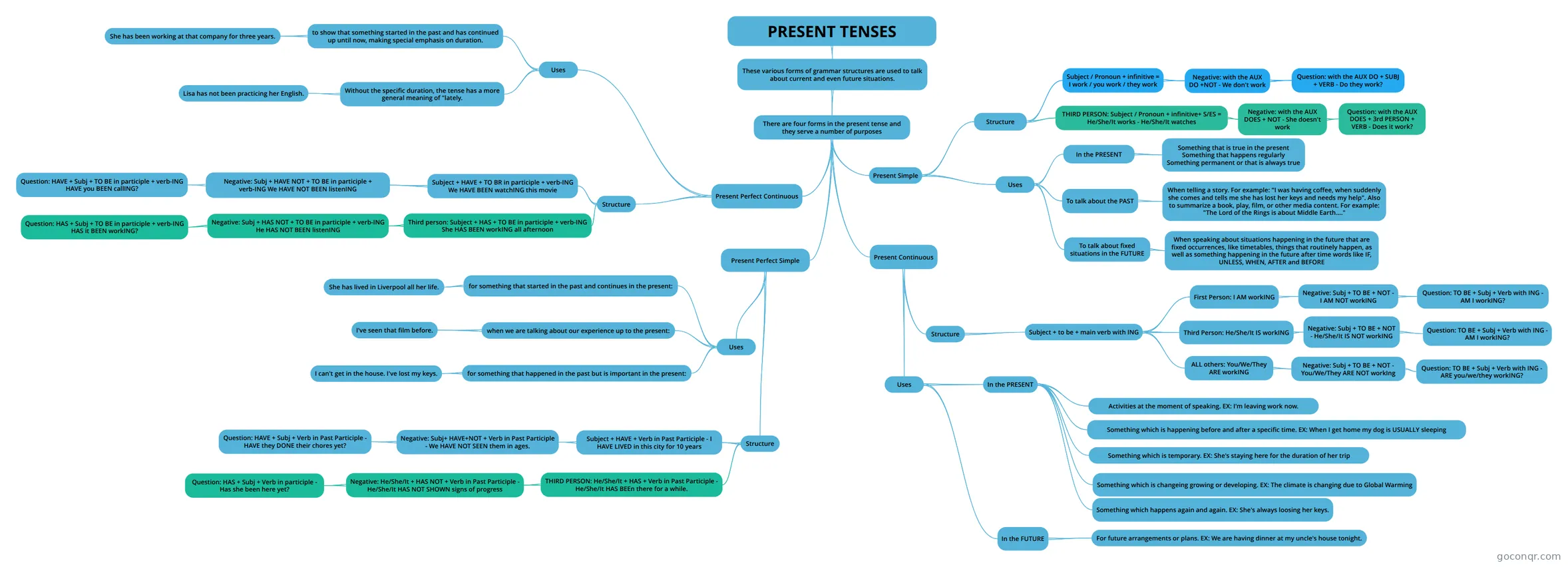 PRESENT TENSES
-
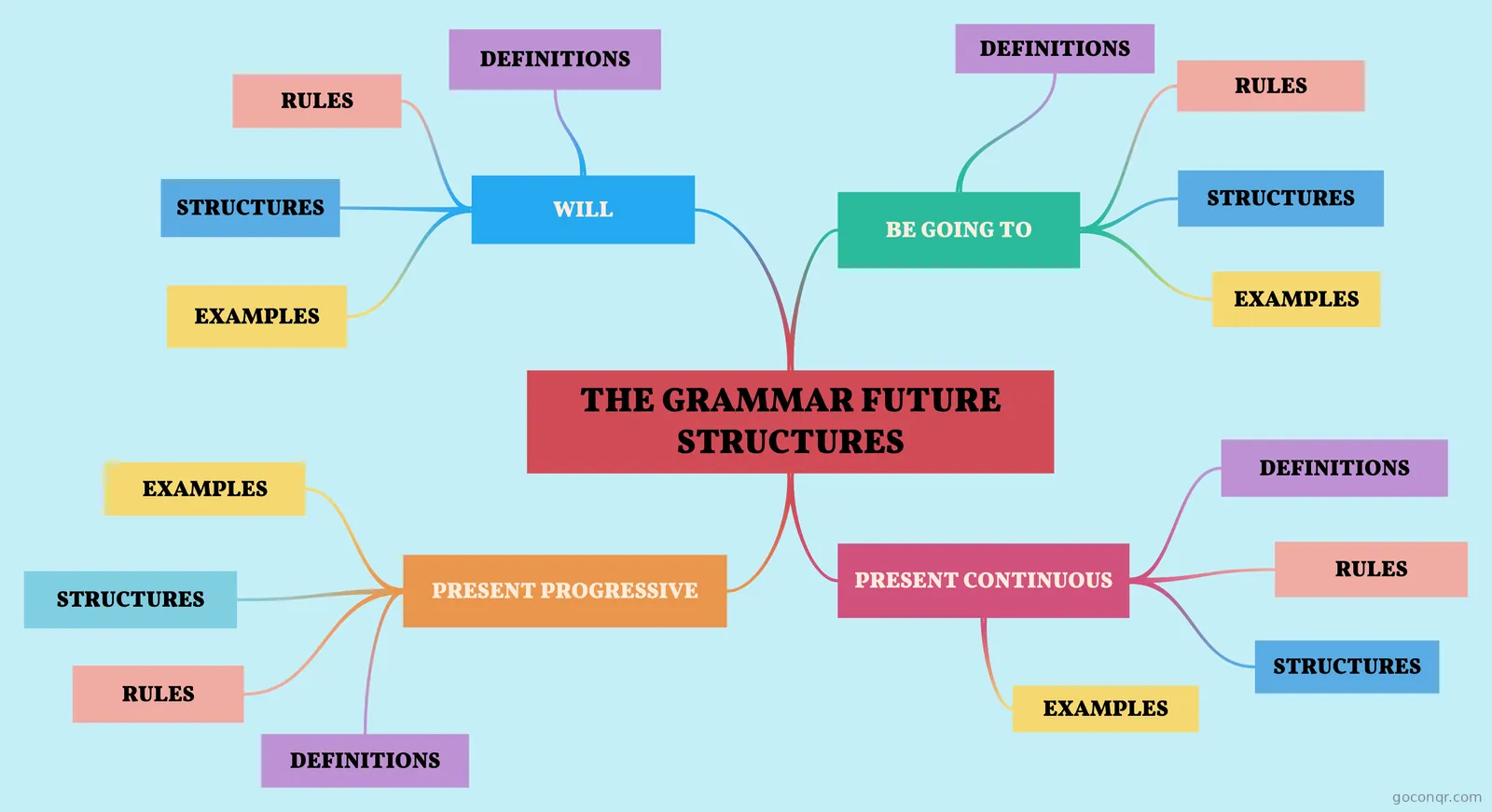 THE GRAMMAR FUTURE STRUCTURES Nathalie Michelle Morales Mora
-
Simple past tense Simple past tense
-
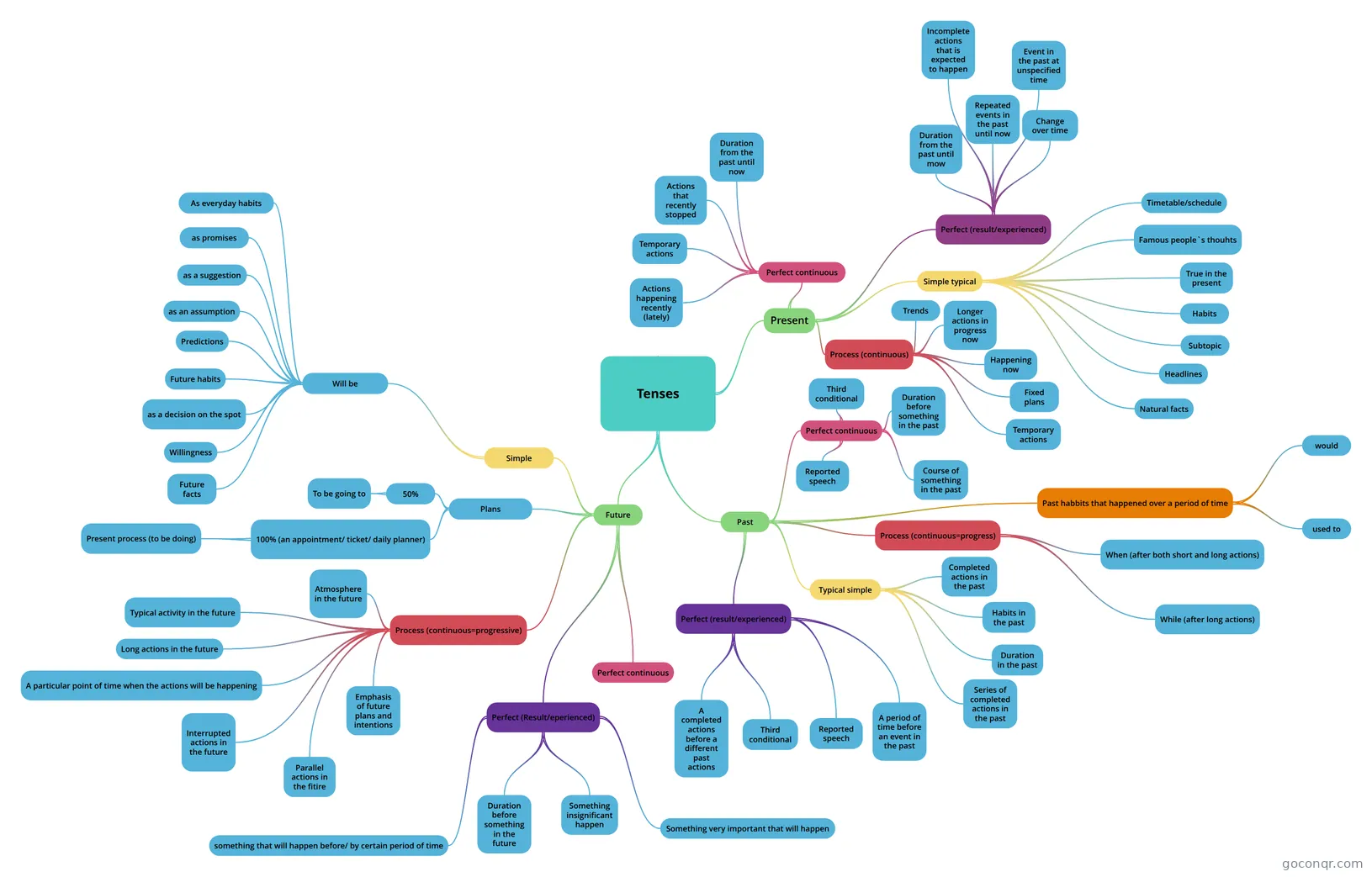 English Tenses English Mind Map on English, created by Viktoriia Popova on 10/04/2017.
-
Narrative tenses Summary about how to use correctly the four narrative tenses.
-
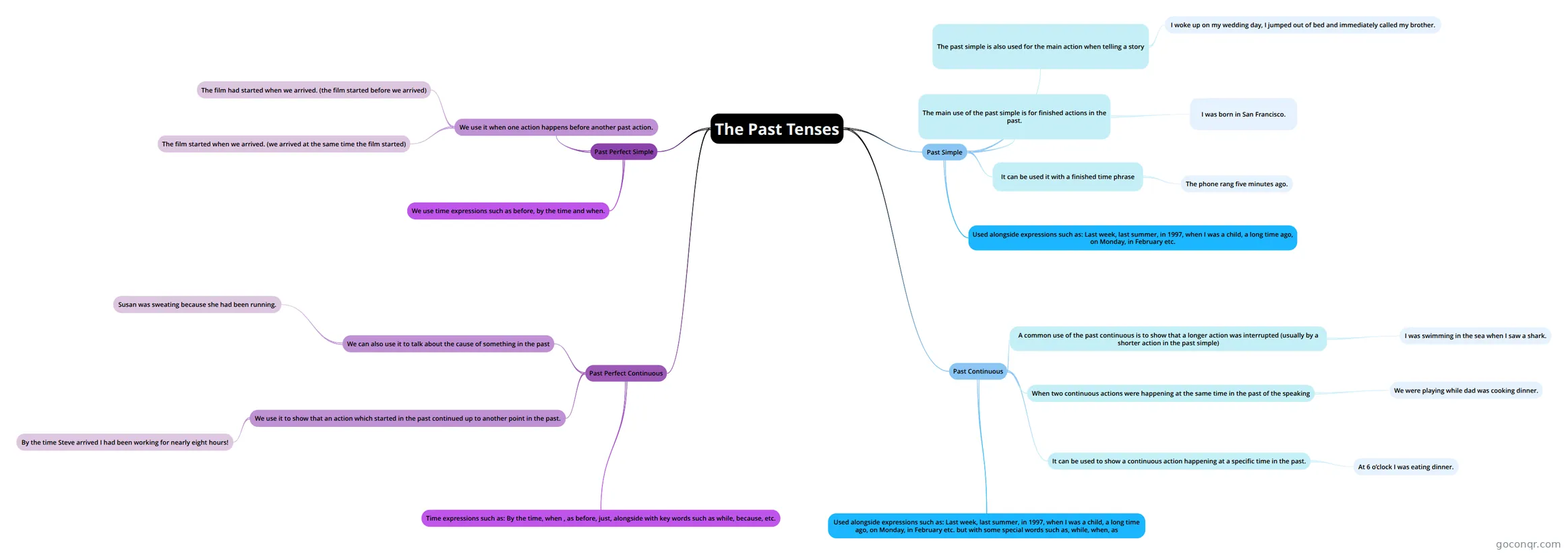 The Past Tenses https://manuale.edu.ro/manuale/Clasa%20a%20XI-a/Limba%20moderna%20engleza/Uniscan2/A112.pdf Clasa a 9-a, un...
Flashcards
See all 730 flashcards-
43 cardsGRAMMAR C1 - C2
-
120 cardsU2A2.- LEARNING IRREGULAR VERBS CENTER FOR INDUSTRIAL TECHNOLOGICAL AND SERVICES BACCALAUREATE NUMBER 107 Grade: Second Group: AMIM Special...
-
21 cardsTwo and three part verbs flashcards Two and three part verbs Flashcards
-
6 cardssimple past estructura gramatical del pasado simple
-
9 cardsPRESENT PERFECT CONTINUOUS WHAT HAVE YOU BEEN DOING DURING THE LOCKDOWN?
-
71 cardsirregular verbs, present/past/pastparticiple irregular verbs with images
-
8 cardsPresent Simple USES Present Simple
-
51 cardsIrregular Verbs Past Participle OK (2/2)
Flowcharts
See all 49 flowcharts-
Simple Past "Be going to/ Will"
-
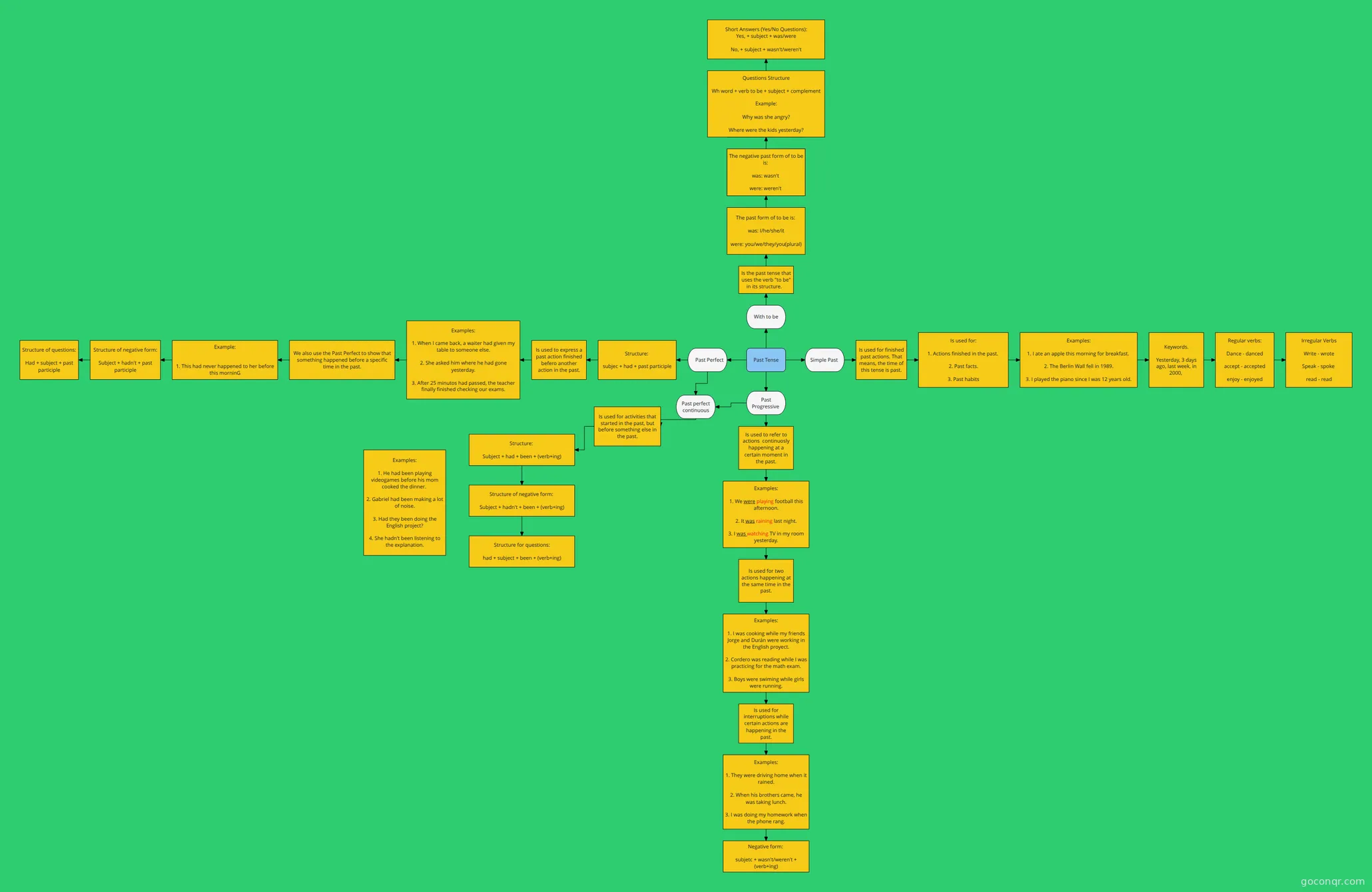 Past Tense By: José David Escobar R. 10th Grade 05/24/2022
-
Verb "to be" Flowchart Jorge Luis Calvillo Carías 201613308
-
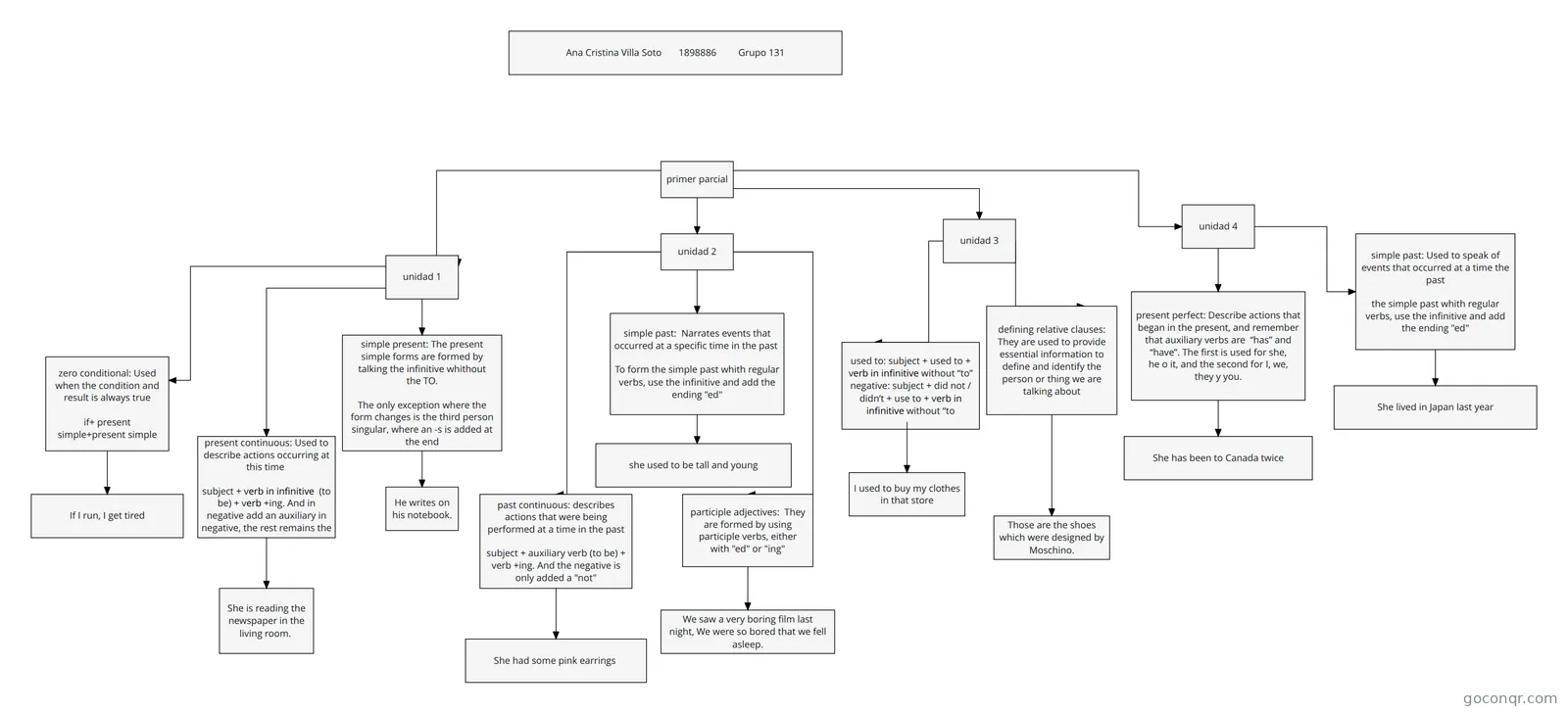 ANA CRISTINA VILLA SOTO G.131 ggfg
-
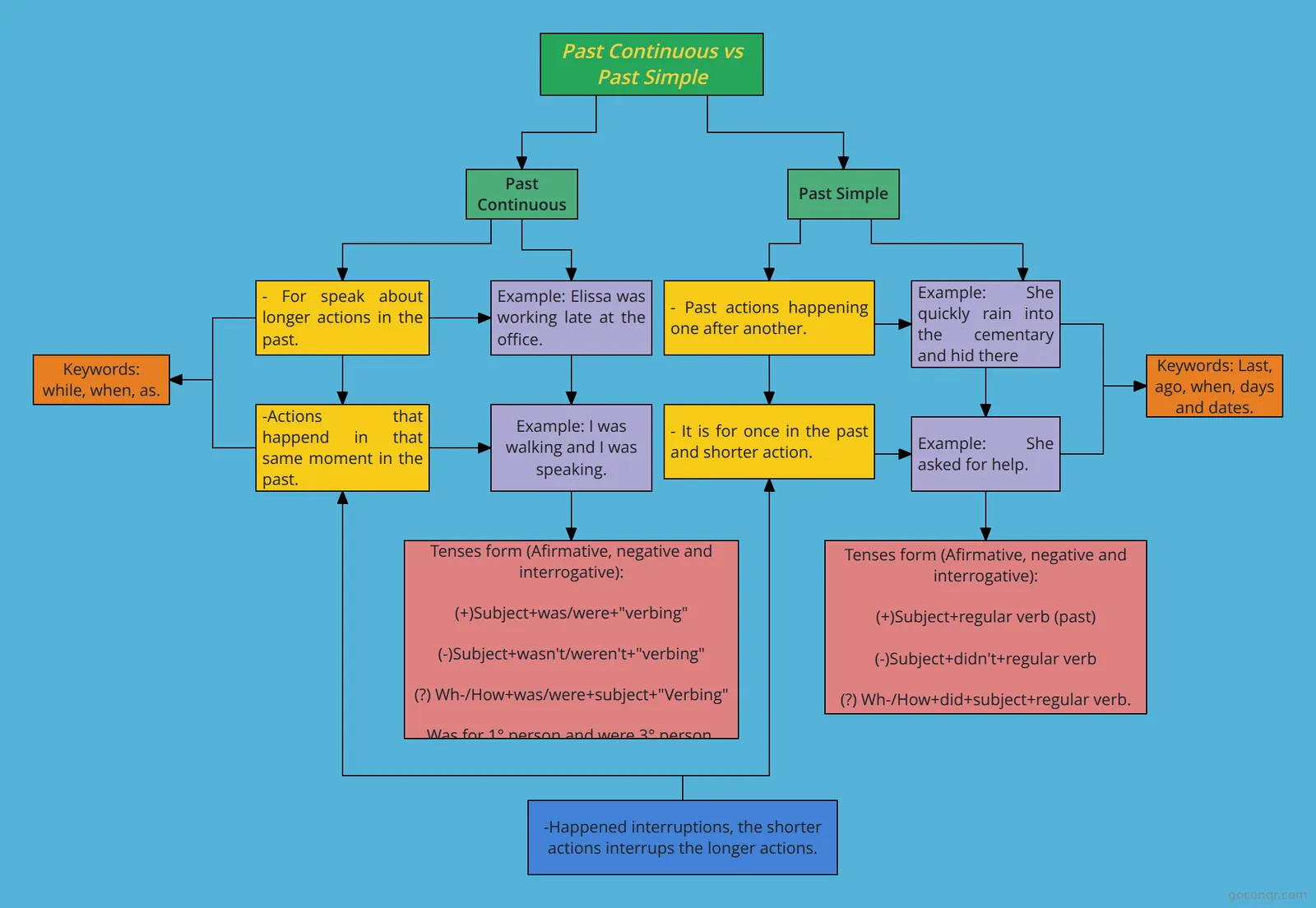 Past continuous vs Past simple In this diagram we are learning the differences of past continuous and past simple, the written form of ten...
-
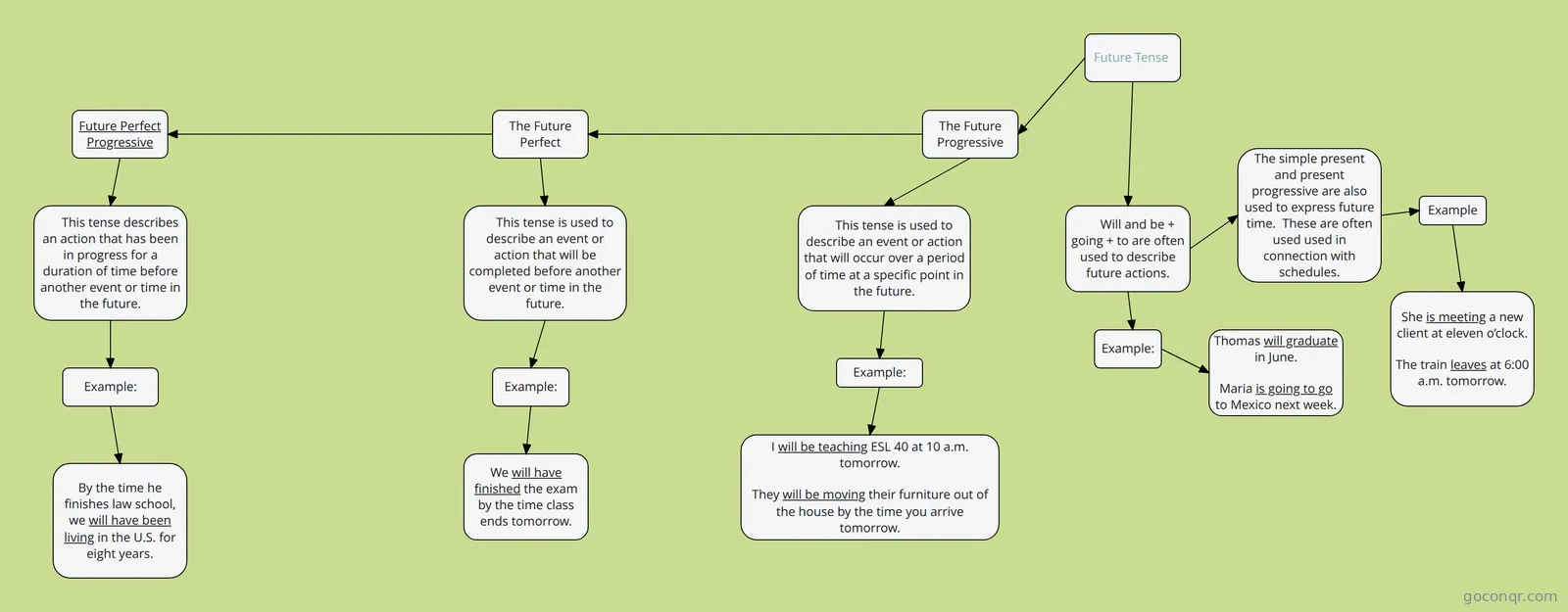 Future tense The future tense is a verb tense used for a future activity or a future state of being.
-
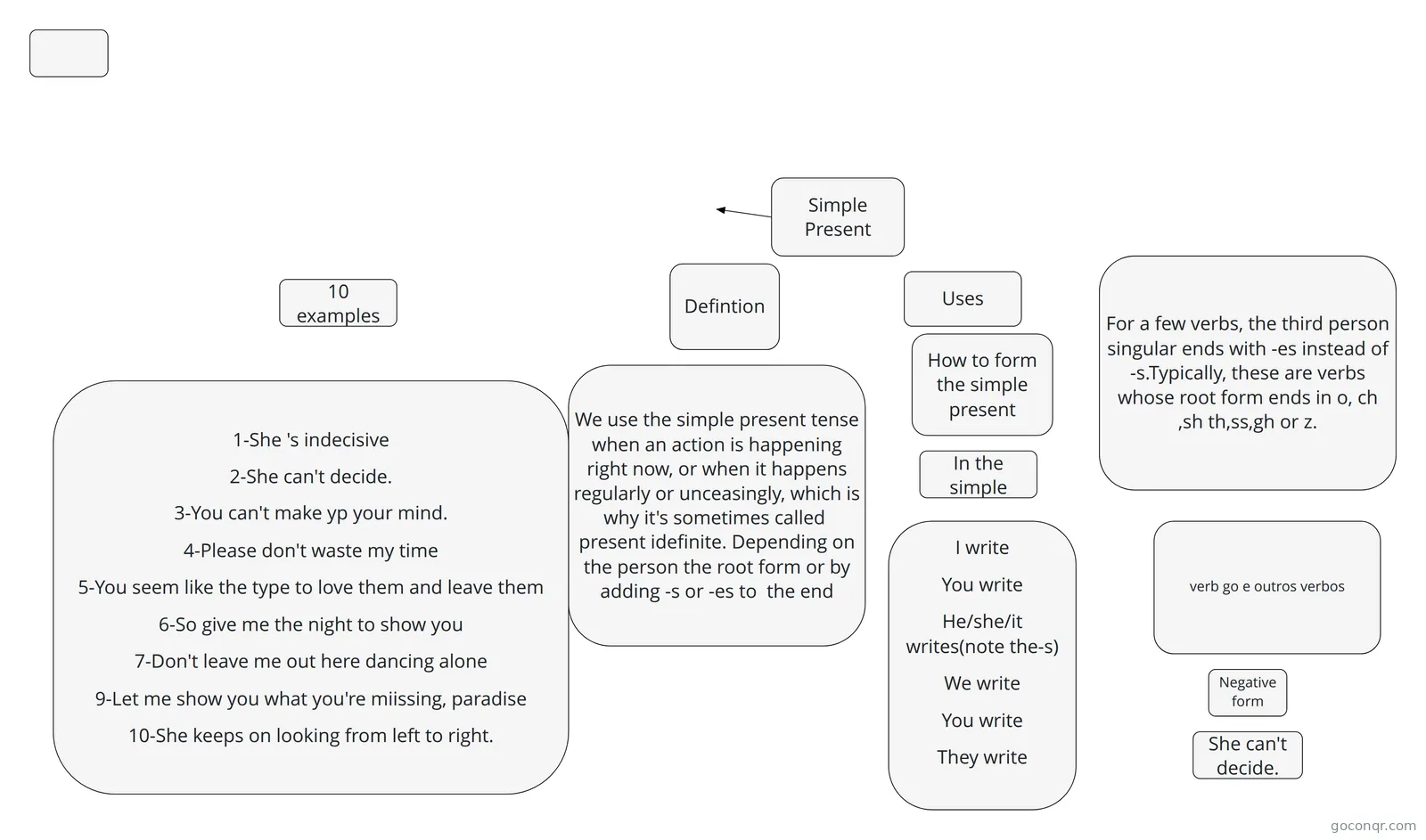 present simple correct simple present essential
-
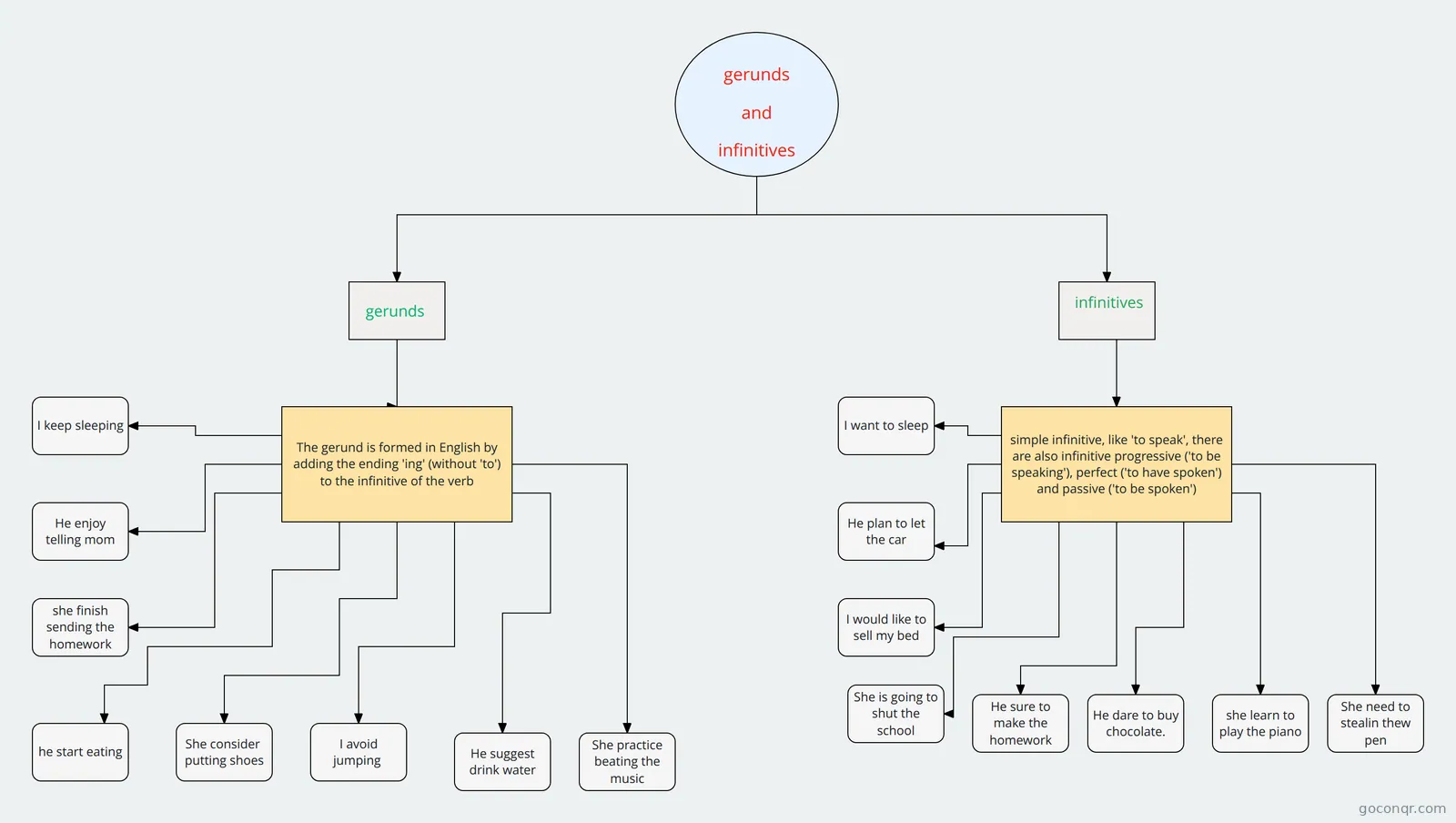 gerunds and infinitives
Notes
See all 90 notes-
Past Perfect with an excerpt of Matilda by Roald Dahl Matilda by Roald Dahl By the time she was three, Matilda had taught herself to read by studying newspapers and magazines that lay around the house. At the age of four, she could read fast and well and she na...
-
Conditionals in English grammar Conditionals Conditionals There are four types of conditional sentences. It’s important to use the correct structure for each of these different conditional sentences because they express varying meanings. Pay ...
-
Present Simple Present Simple Form the tense, as well as when we use it. Therefore, in this lesson, as in the other lessons on verb tenses, we will look at its structure and use. Grammatical Rules Form To conjugate the presen...
-
Future tense (will v.s going to) Future tense "NOTES" WHAT IS THE FUTURE TENSE? The future tense expresses actions that have not yet occurred or that will occur at a later time. and the verbs express events or actions that have not yet happ...
-
The French Revolution: Listening, grammar, vocabulary and speaking activity
-
present simple https://www.youtube.com/watch?v=7TMXvhjMMS To conjugate the present simple we use the infinitive for the subjects "I", "you", "we" and "they" and for the third persons "he", "she" and "it", we add a "-s" to the end of...
-
mean mean The past tense and -ed participle of the verb mean is meant /ment/. You use mean when you are talking or asking about the meaning of a word or expression. What does ‘imperi...
-
SIMPLE PRESENT AFIRMATIVE FORM The simple present is a verb tense with two main uses. We use the simple present tense when an action is happening right now, or when it happens regularly. Depending on the person, th...
Slides
See all 101 slidesMore English language topics
About Verb Tenses Overview
GoConqr OriginalWhat the page covers
This page brings together resources on English verb tenses and the grammar around them. The present tenses are well represented, with items such as Present Simple vs Present Continuous and Present Simple and Daily Routines. The past is covered by simple past, past continuous, past perfect and narrative tenses. You will also find future forms, passive voice, modal verbs, phrasal verbs, gerunds and infinitives, wish clauses and reported speech.
Where to start
If tenses are new to you, begin with the basics: the verb to be, then the present simple. The Verb To Be slides and the Present Simple notes are good first stops. Next, move to the past with the simple past mind map, which sets out was and were, regular verbs with -ed, and there was and there were.
- Present simple and present continuous.
- Simple past, then past continuous.
- Present perfect and present perfect continuous.
- Past perfect and narrative tenses.
- Future forms, passive voice and modals.
Using quizzes and maps together
Read a mind map first to see the structure of a tense, such as the subject plus have or has plus been in the present perfect continuous map. Then take a quiz on the same tense. The quiz about Simon Nixon, for example, asks you to choose between present simple and present continuous in a short article. Wrong answers show you which map to reread.
Flashcards help with memory work. Several decks cover regular and irregular verbs, and one covers the pronunciation of regular past tense verbs.
Levels and exams
Most resources are at secondary level. Some mention exams and frameworks such as GCSE, IB, IELTS, TOEFL, CEFR, KET and FCE, so you can look for material close to your own course. The page sits in the Grammar: Verbs and Tenses strand of English language.
Choose one tense, open a mind map and test yourself with a quiz today.
Frequently asked questions
Which resource should I open first?
If you are starting out, try the Verb To Be slides or the present simple notes, then move on to the simple past mind map. Each step builds on the one before. Once a tense feels familiar, a quiz on the same tense will show what still needs work.
What do the mind maps cover?
The mind maps cover present, past and future tenses, plus passive voice, modal verbs, gerunds and infinitives, wish clauses, reported speech and used to. The simple past map, for instance, explains was and were, regular verbs with -ed and there was or there were. There are over 18,000 maps on the page.
Are the resources free to use?
Yes. Every resource listed here is free to open, study and take, with no account needed. They were made by GoConqr users, not by GoConqr itself. A free account also saves your quiz scores and lets you make your own quizzes, mind maps, flashcards and notes.
Which levels and exams do these resources suit?
Most of the resources are at secondary level, so they suit school students. Some mention exams and frameworks such as GCSE, IB, IELTS, TOEFL, CEFR, KET, FCE and CAE. Check each resource to see whether it matches your course. Teachers can also use them as ready-made class material.
Where can I practise irregular verbs?
Several flashcard decks focus on irregular verbs, including ones for the simple past form and for the past participle. There are also decks on regular verbs and on regular and irregular verbs in the past simple. Use them alongside a past simple quiz to test what you remember.
What if I cannot find the tense I need?
Try a nearby topic first. A tense often appears inside a comparison, such as past simple and present perfect, or inside a mixed tenses quiz. If it is still missing, you can make your own quiz, mind map or flashcards with a free account.