
Digestive System
417 resources created by 308 users
This Digestive System page on GoConqr gathers community-made quizzes, mind maps, flashcards and notes, from the tongue and oesophagus to the stomach, liver, pancreas and large intestine. It's built for university students revising anatomy and teachers after ready-made material. There are over 390 resources here, including more than 100 quizzes, more than 100 mind maps and over 160 flashcards, made by over 280 contributors. Pick a topic, try a quiz to find your gaps, then make your own revision sets.
Top Digestive System resources
-
9 cardsAnatomy of the small intestine Where does the duodenum begin and end
-
57 questionsThe Stomach and Spleen In which regions of the abdomen is the stomach located? Check all that apply.
-
23 questionsGIT Anatomy Lecture 1 Label the following image Answers: uvula, palatopharyngeal arch, palatoglossal arch, palatine tonsil, valla...
-
49 cardsLecture 8 - The GI System Label the following Anterior abdominal wall surface markings on the diagram... - Xiphoid process - Costal m...
-
10 questionsStomach and Liver What structure is this?
-
6 questionsPancreas What structure is this?
-
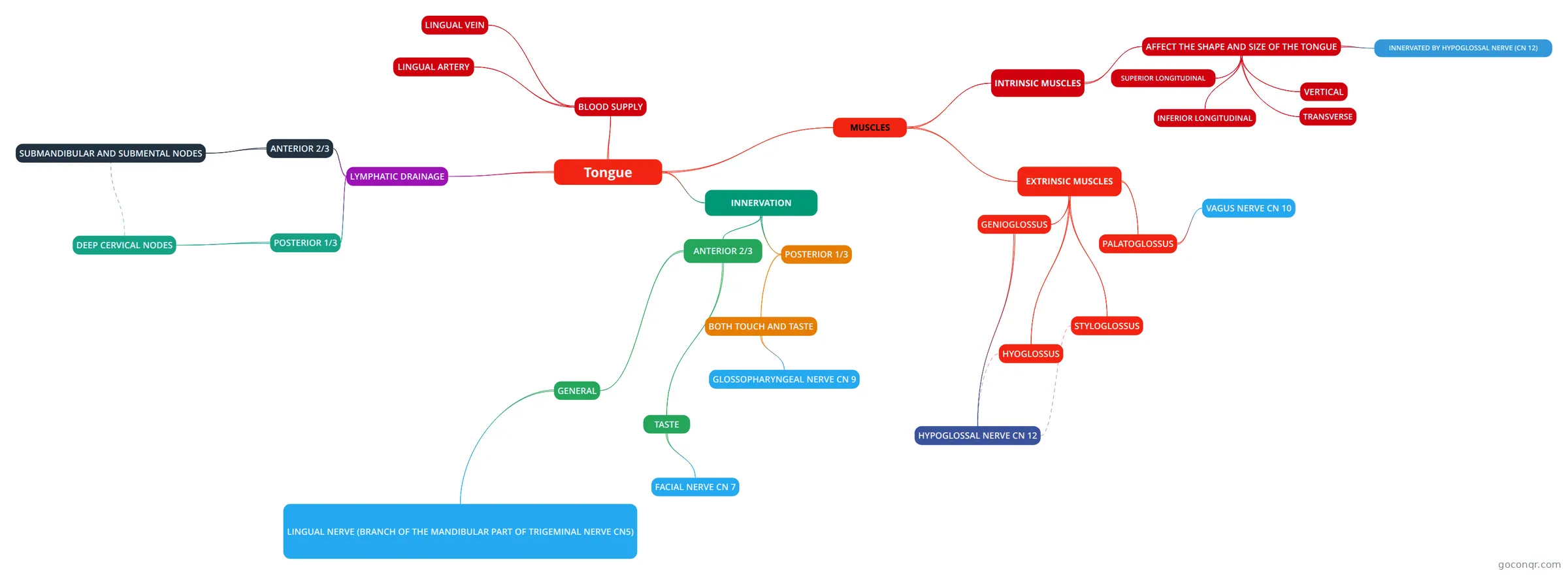 Mind map Tongue The Muscles of the Tongue, Innervation of the Tongue, Cytoarchitecture and histology of the tongue.
-
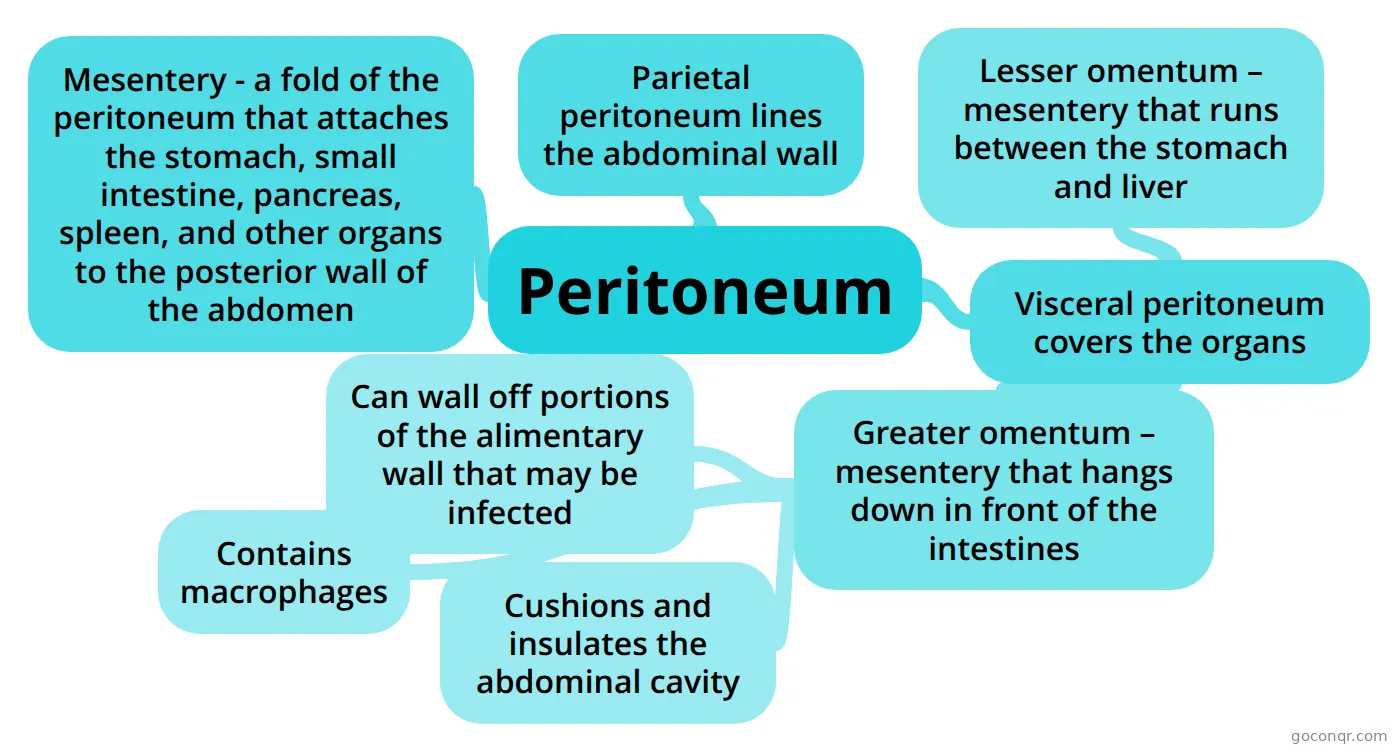 Mind map Peritoneum
Quizzes
See all 110 quizzes-
57 questionsThe Stomach and Spleen In which regions of the abdomen is the stomach located? Check all that apply.
-
23 questionsGIT Anatomy Lecture 1 Label the following image Answers: uvula, palatopharyngeal arch, palatoglossal arch, palatine tonsil, valla...
-
10 questionsStomach and Liver What structure is this?
-
6 questionsPancreas What structure is this?
-
85 questionsDigestive System PMU Anatomy 2nd Year The secretory portion of the submandibular gland is serous, mucous and mixed acini.
-
13 questionsGI L22 - 25 Select all the vessels on the list that the celiac trunk branches to(and so the organs it connects to).
-
112 questionsAbdomen MCQs- Anatomy PMU 2nd sem, 2nd Year Vagina m. recti abdominis is formed by the aponeuroses of the anterolateral muscles of the abdominal wall.
-
42 questionsLiver and Hepatobiliary System In which regions of the abdomen does the liver occur? Check all that apply
Mind maps
See all 114 mind maps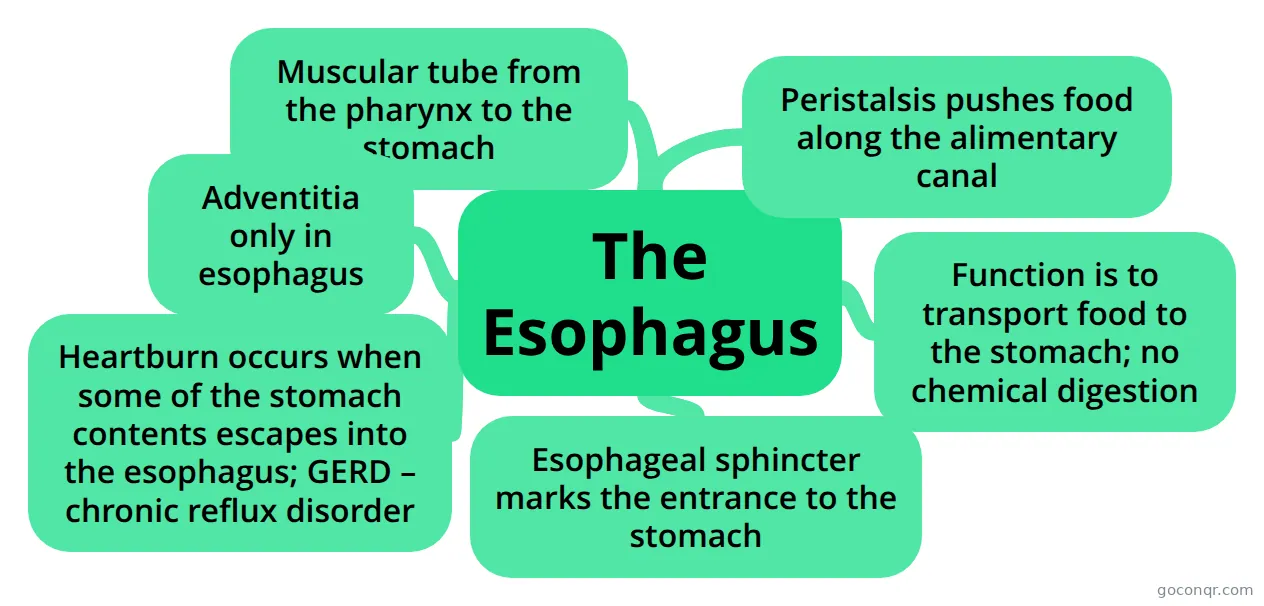
Flashcards
See all 178 flashcards-
9 cardsAnatomy of the small intestine Where does the duodenum begin and end
-
49 cardsLecture 8 - The GI System Label the following Anterior abdominal wall surface markings on the diagram... - Xiphoid process - Costal m...
-
5 cardsEsophagus Anatomy
-
43 cardsGI anatomy Floor of the mouth and lateral walls of the mouth are defined by which muscles?
-
122 cardsGastrointestinal Normal gastrointestinal embryology (which gut forms what structure? midgut development?)
-
196 cardsGastro Intestinal and the Liver What is the peritoneal cavity
-
200 cardsGI What is the floor of the mouth formed by?
-
69 cardsDigestive Sytem Name and identify the organs that make up the Digestive Tract *
Flowcharts
Notes
See all 11 notes-
Digestive System (gastrointestinal system) Whats in it? Alimentary Canal: from mouth to anus through ventral body cavity (30ft long) Accessory organs teeth peridontal ligament: ense fibrious connective tissue, anchors teeth to socket walls, shock absorber...
-
Anatomy and Basic Functions of the Liver and Bilirubin Metabolism The liver is the largest solid organ in the body and anatomically is divided into four lobes:• Right lobe: largest lobe• Left lobe• Quadrate lobe: lies between the gallbladder and round ligament of liver.• Caudate lob...
-
Untitled CHAPTER ONETHE DIGESTIVE SYSTEM - Deals with the intake, physical breakdown, chemical digestion, & absorption of food, along with the elimination if waste products created by the process. The digestive system also eli...
-
Topic 3b: digestive system Function: extraction of nutrients from food via mechanical and chemical digestion and elimination of waste. Carbohydrates, proteins, and fats are the primary components of diet that require digestion Structure: the GI...
-
Digestive System 22.7 Bulk of each tooth consists of mineralized matrix similar to that of bone Dentin: Differs from bone because it does not contain cells Cytoplasmic processes extend into dentin from cells making up pulp in central ...
-
Digestive System LAB Whats in it? Alimentary Canal/Gastrointestinal tract hollow tube from mouth to anus various accessory organs or glands empty secretions here. Has 4 layers/tunics: (inner to outer) mucosa: epithelium, lamina propia, mu...
-
CA DE RECTO ANATOMIA ANATOMIA The anatomy of the rectum can be very confusing as there are differing definitions of the relevant landmarks. In the upper portion of the rectum there are changes both in the musculature of the large b...
-
Anatomy of the Pancreas The pancreas is an exocrine and endocrine organ that lies posterior to the stomach in the floor of the lesser sac. It is a retroperitoneal organ, except for the distal tail, which is in contact with the spleen. The an...
Slides
Topics in Digestive System
More Anatomy topics
About Digestive System
GoConqr OriginalWhat the unit covers
This unit follows the digestive tract from the mouth to the large intestine, then moves on to the organs that support it. Mind maps such as Tongue split the muscles into intrinsic and extrinsic groups and note the hypoglossal nerve. The Esophagus covers the muscular tube, peristalsis and the sphincters. Others deal with the pharynx, teeth and the major salivary glands.
Where to start
Begin with the overview maps, such as Digestive tract and Wall of the Digestive Tract. They give you the layout before the detail. Then move down the tract: the oesophagus, stomach, small intestine and large intestine.
- Read a map for the overall plan.
- Work through a flashcard deck on the same region, such as Anatomy of the small intestine, which asks where the duodenum begins and ends and how the mesentery and blood supply work.
- Test yourself with a quiz.
Using quizzes and maps together
Several quizzes ask you to name structures from images. Pancreas and Stomach and Liver are good examples, with the accessory and main pancreatic ducts among the answers. The Stomach and Spleen mixes labelling with questions on regions of the abdomen and visceroptosis. After a quiz, go back to the matching map and look again at the points you missed.
The wider picture
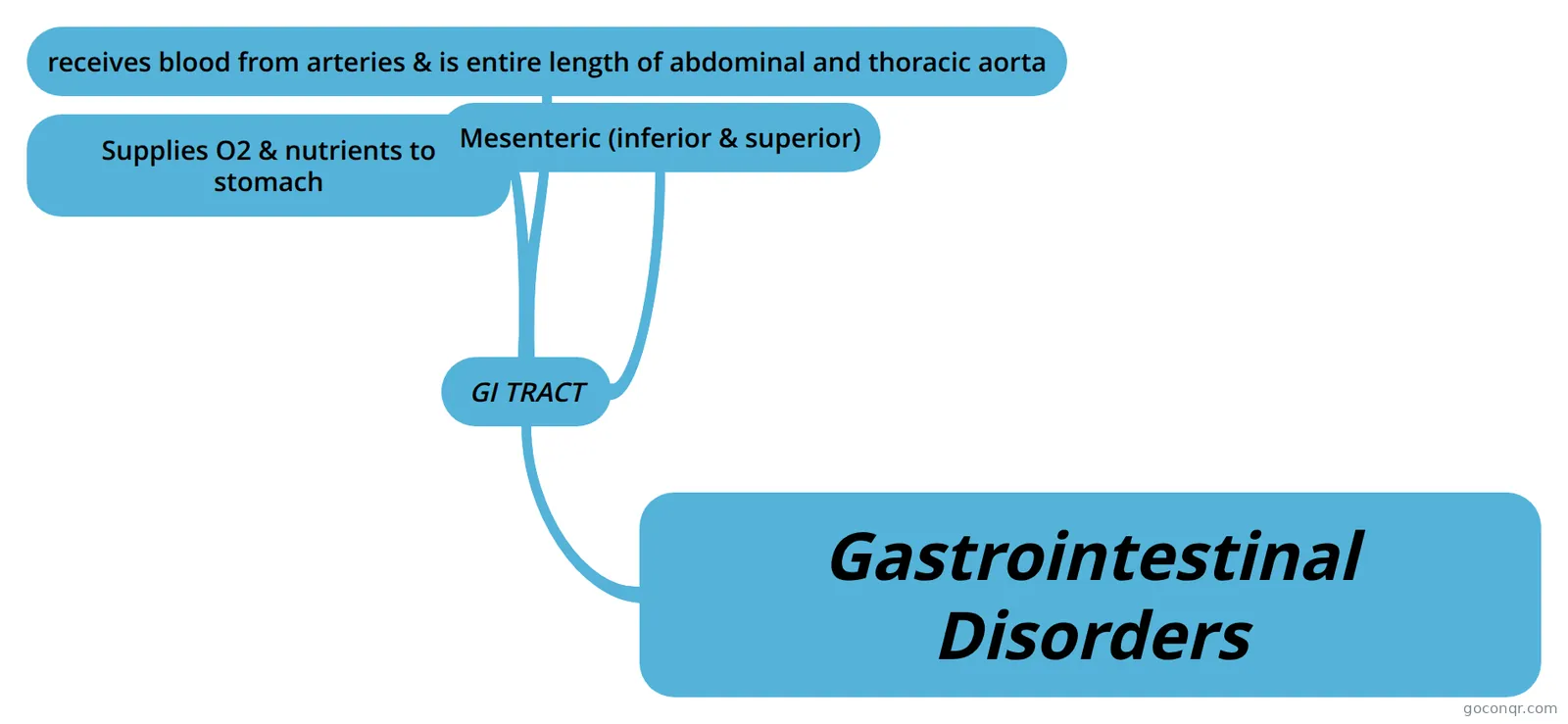
The Peritoneum map explains the parietal and visceral layers and the lesser and greater omentum. It links the organs together. The Blood Supply of GIT and Nerve Supply of GIT maps do the same for vessels and nerves. There are also notes, flowcharts such as Biliary Tree, and a slide set. This unit sits in the Digestive, Urinary, Reproductive and Endocrine Systems strand of Anatomy.
Choose one organ today, take its quiz, and then build a small map or deck of your own to fill any gaps.
Frequently asked questions
Which resource should I open first?
Start with an overview mind map such as Digestive tract or Wall of the Digestive Tract to see the general plan. Then try a flashcard deck on one region, like Anatomy of the small intestine, and finish with a quiz on the same area to see what stuck.
What do the mind maps cover?
They cover the whole tract and its helpers: the tongue, pharynx, teeth, salivary glands, oesophagus, stomach, duodenum, ileum, liver, gallbladder and pancreas. There are also maps on the peritoneum, blood supply and nerve supply of the digestive tract.
Are the quizzes for labelling or recall?
Both. Quizzes such as Pancreas and Stomach and Liver ask you to name structures shown in images. Others, like The Stomach and Spleen, use questions on regions of the abdomen and terms such as visceroptosis, so you can practise recognition and recall.
Who are these resources for?
Most of the material is at university level, so it suits university students revising anatomy. Teachers can also use the ready-made quizzes, maps and flashcards in class or as set revision tasks. Everything was made by GoConqr users.
Are the resources free to use?
Yes. Every resource listed here is free to open, study and take, with no account needed. If you want to save your quiz scores or make your own quizzes, mind maps, flashcards and notes, you can add a free account.
What if the topic I need is missing?
Look for a nearby organ or an overview resource first, since many sets cover several parts at once. Titles such as Gastrointestinal or GI anatomy often spread across the tract. You can also make your own map or deck for the gap.