
Hydrology and the Water Cycle
294 resources created by 277 users
This Hydrology and the Water Cycle page on GoConqr gathers community-made quizzes, mind maps, flashcards, flowcharts and notes, from evaporation and condensation to groundwater recharge, glacier hydrology and the hydrological balance. It's built for university students and professional candidates, school students, and teachers after ready-made material. There are over 280 resources here, including more than 20 quizzes and over 200 mind maps, so you can move from the basic cycle to catchment studies. Try a quiz to find your gaps, then make your own maps and flashcards.
Top Hydrology and the Water Cycle resources
-
7 questionsWater Cycle What is condensation?
-
Mind map The Water Cycle
-
Mind map Water Cycle Diagram Water Cycle Diagram
-
46 questionsGeology Test Two - Part Two All of the water at or near the surface of the earth is called the
-
36 questionsHydrosphere Review Wet lands are like sponges because....
-
19 cardsGEOG2002 what is the water balance equationused for?
-
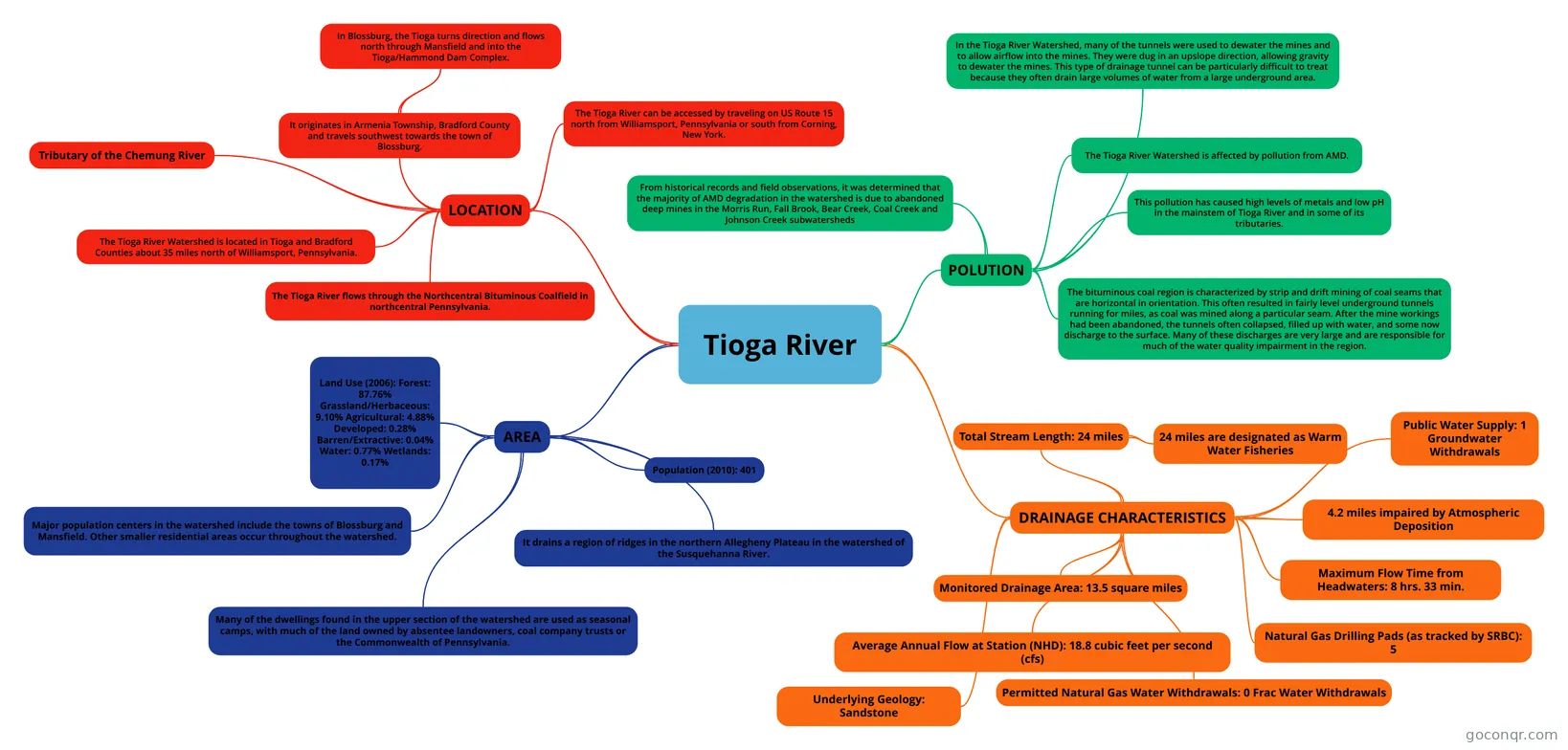 Mind map Tioga River
-
Mind map Hydrological Balance Mapa mental de Balance Hidrico, sus componentes y principales formas de calculo
Quizzes
See all 26 quizzes-
7 questionsWater Cycle What is condensation?
-
46 questionsGeology Test Two - Part Two All of the water at or near the surface of the earth is called the
-
36 questionsHydrosphere Review Wet lands are like sponges because....
-
12 questionsScience - Drinking Water and Water Reserves What happens when you drill too many wells in the same area?
-
17 questionsWater Cycle Test Vocabulary Water Cycle Vocab
Mind maps
See all 212 mind maps-
The Water Cycle
-
Water Cycle Diagram Water Cycle Diagram
-
Tioga River
-
Hydrological Balance Mapa mental de Balance Hidrico, sus componentes y principales formas de calculo
-
COMPONENTS OF THE HYDROLOGICAL BALANCE COMPONENTES DE UN BALANCE HIDROLOGICO EN MANEJO DE AGUAS SUBTERRANEAS_DAYANA GÓMEZ_358042_3
-
Sources of Water tarea
-
HYDROSPHERE ESQUEMAS SOBRE HIDROSFERA Y GEOSFERA EN INGLÉS
Flashcards
See all 36 flashcardsFlowcharts
Topics in Hydrology and the Water Cycle
More Geology and earth sciences topics
About Hydrology and the Water Cycle
GoConqr OriginalWhat this unit covers
The unit follows water from the sky to the sea and beneath the ground. The flowchart Water cycle lists the reservoirs of available water, from oceans and sea ice to ice caps, groundwater, lakes, soil moisture, the atmosphere and rivers. The mind map The Water Cycle walks through the journey step by step, from evaporation and cooling to condensation and surface run-off.
Where to start
Begin with the basics. Open the Water cycle flowchart, then the mind map The Water Cycle. Next, try the quiz Water Cycle, which asks what condensation, evaporation, melting, freezing and precipitation mean. The three states of water appear in several mind maps and flowcharts, which helps if those terms feel shaky.
Going deeper
Once the cycle is clear, move on to the quantitative side. Many mind maps cover the components of the hydrological balance and its main formulas, including precipitation, evapotranspiration, groundwater recharge and surface flow. One set applies the method to the Kadey catchment area in East-Cameroon. Others look at groundwater recharge, interactions between groundwater and surface water, and Glacier Hydrology, with its supraglacial, englacial and subglacial flows.
There are also real-world cases. The notes on groundwater declines as Las Vegas expands and the mind map Las Vegas limited water supply look at pumping and land subsidence. The mind map Tioga River describes a watershed in Pennsylvania.
Using quizzes and maps together
- Read a mind map to see how the ideas connect.
- Take a quiz on the same topic, such as Hydrosphere Review or Hydrology - Evaporation.
- Go back to the map for anything you missed.
- Use a flashcard deck, such as The Hydrological Cycle Terminology, to fix the vocabulary.
Some resources mention GCSE Geography, so school students will find material that suits them. University students can use the balance and catchment maps.
Where it sits
This unit belongs to the Water, Oceans and Atmosphere strand of Geology and earth sciences. Pick a resource that matches where you are now, and build your own set once you know the gaps.
Frequently asked questions
Which resource should I open first?
Start with the Water cycle flowchart, which sets out the reservoirs of available water, then the mind map The Water Cycle for the step-by-step journey. After that, take the Water Cycle quiz to check that the key terms, such as condensation and precipitation, are clear.
What do the mind maps cover?
They cover the water cycle and the three states of water, groundwater and recharge, glacier hydrology and catchment hydrology. A large group deals with the components of the hydrological balance and its formulas, including a case study of the Kadey catchment area in East-Cameroon.
Are the resources free to use?
Yes. Every resource listed here is free to open, study and take, with no account needed. They were made by GoConqr users, not by GoConqr itself, so styles and depth vary from one resource to the next.
Who are these resources for?
They suit university students and professional candidates, school students, and teachers looking for ready-made material. Most of the resources are at university level, with a good share for secondary students. Some mention GCSE Geography.
Can I save my quiz scores or make my own resources?
Yes, with a free account. It saves your quiz scores and lets you make your own quizzes, mind maps, flashcards and notes. That is handy if you want a custom deck on topics such as aquifers or the hydrological balance.
What if I can't find the topic I need?
Try nearby terms. Groundwater, aquifers, water balance, hydrosphere and catchment each have their own resources. If a topic is still missing, you can make your own mind map or flashcards from what you have found.