
Language Study and History of the Language
20 resources created by 17 users
This Language Study and History of the Language page on GoConqr gathers community-made quizzes, mind maps, flashcards and notes, from child language acquisition and gender theorists to language change, spoken language and the history of Spanish. It's built for school students revising a topic, and for teachers after ready-made material. There are over 70 resources here, including 50 mind maps, more than 15 flashcards decks and 3 quizzes, mostly at secondary level. Pick a theme, try a quiz to find your gaps, then make your own revision sets.
Top Language Study and History of the Language resources
-
17 questionsChild Language Acquisition All you need to know about CLA for the AQA exam board but can be used for other exam boards...:)
-
16 cardsGENDER THEORISTS Robin Lakoff (women)
-
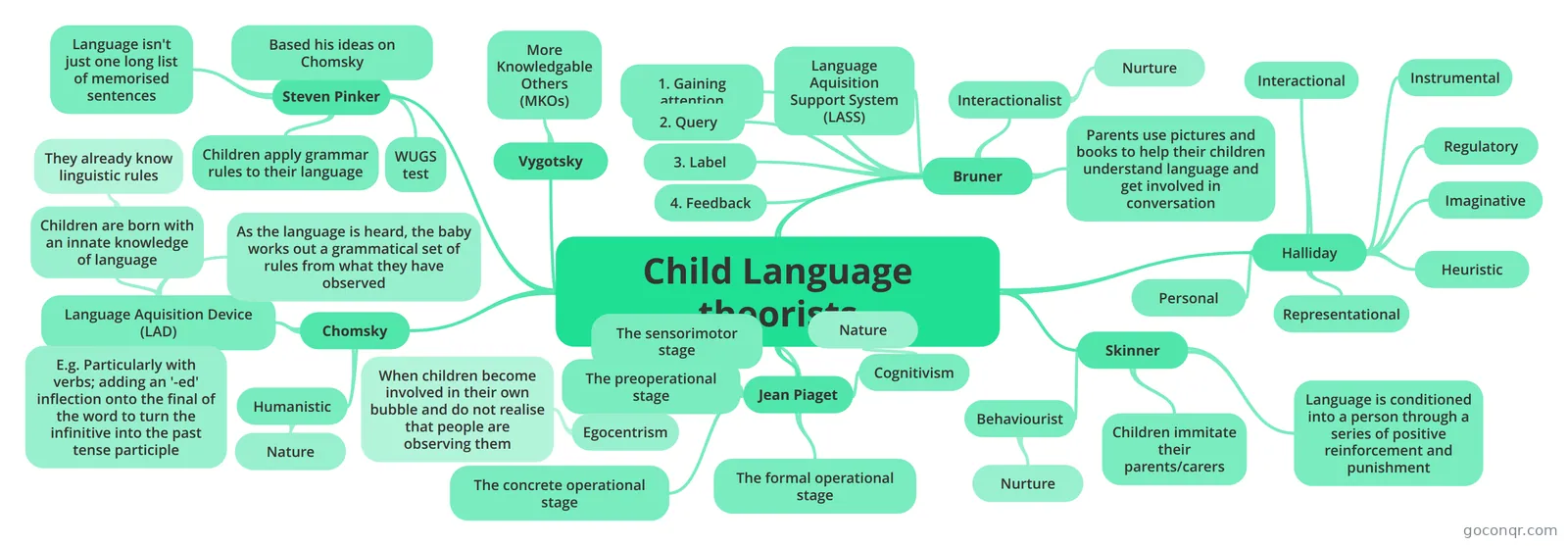 Mind map Child Language theorists Includes: Child writing theorists
-
8 cardsChange Theorists
-
11 cardsLiterature Review The following themes describe and support the study that tend to analyze and explain why learning vocabular...
-
14 cardsGender Theorists Otto Jespersen (published The Woman in 1922)
-
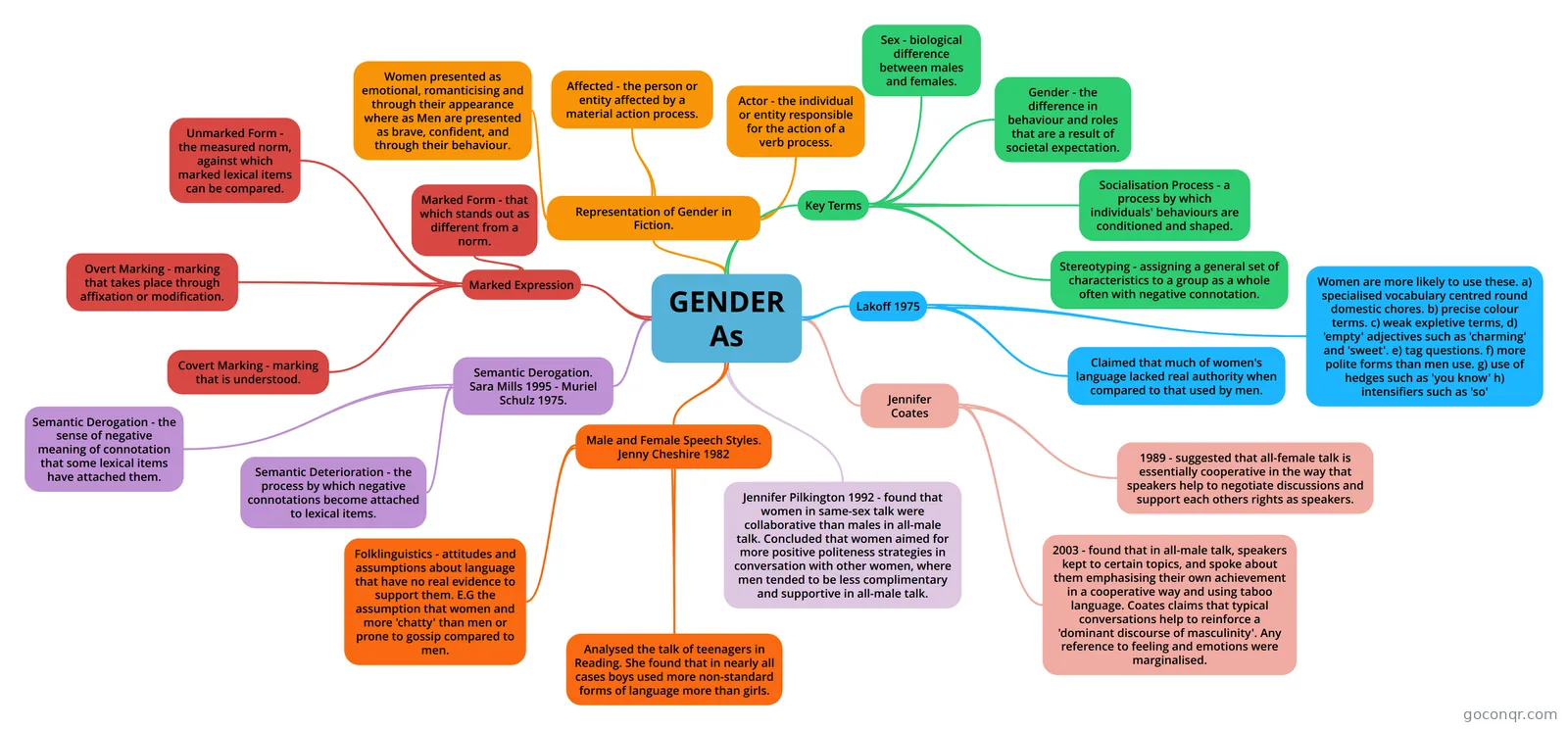 Mind map GENDER As Gender used for Section B of the paper.
-
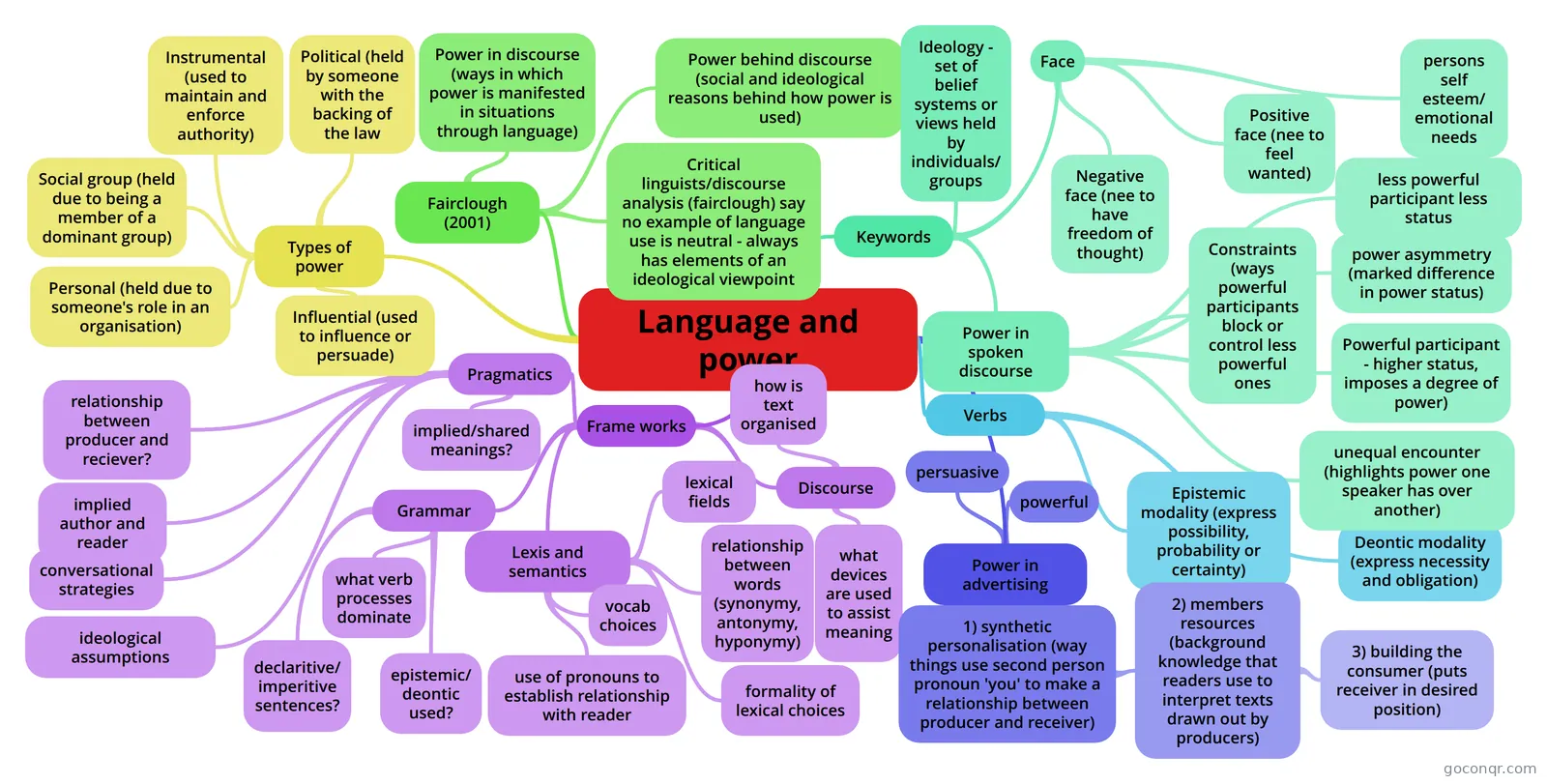 Mind map Language and power
Quizzes
Mind maps
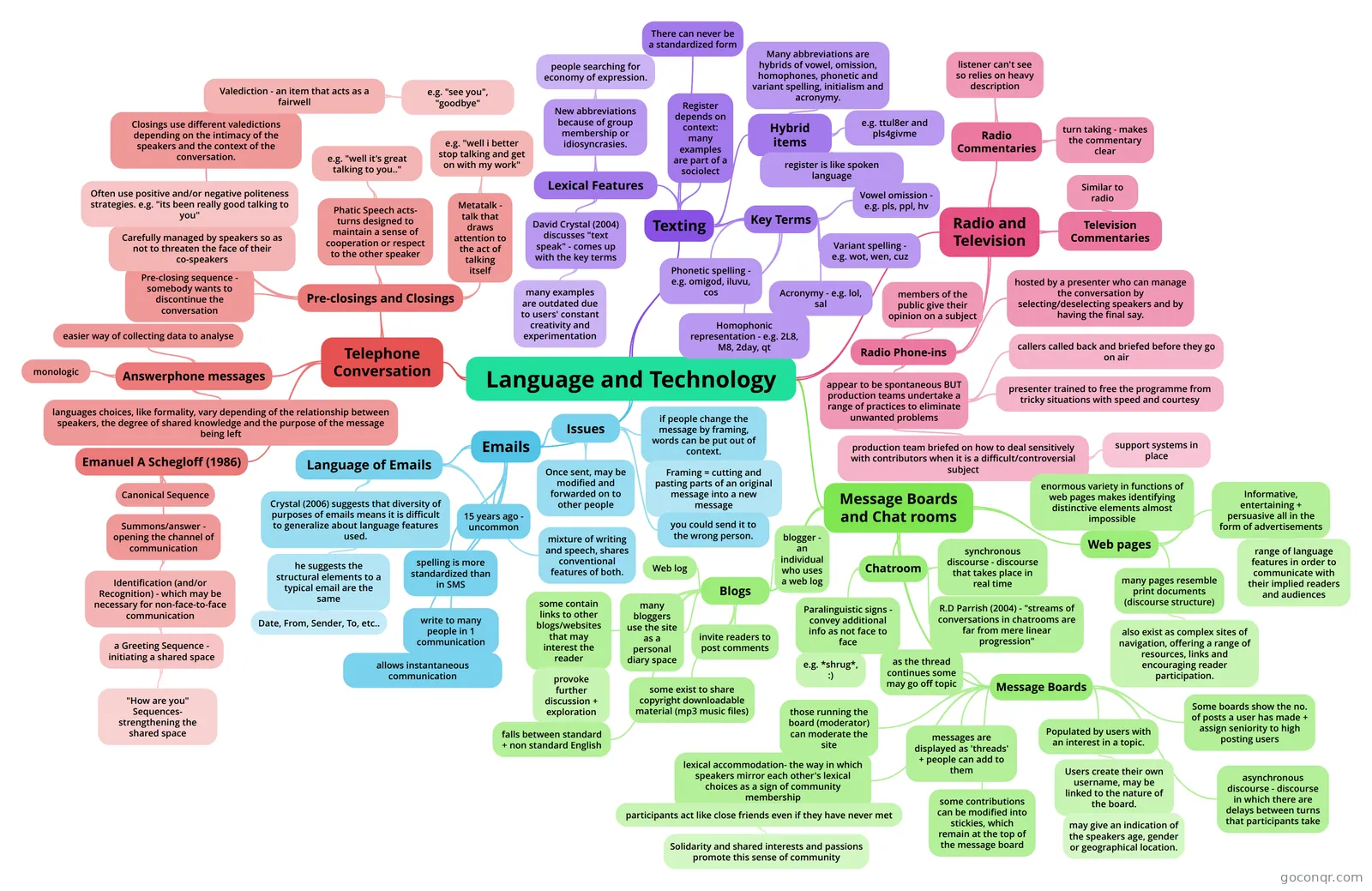
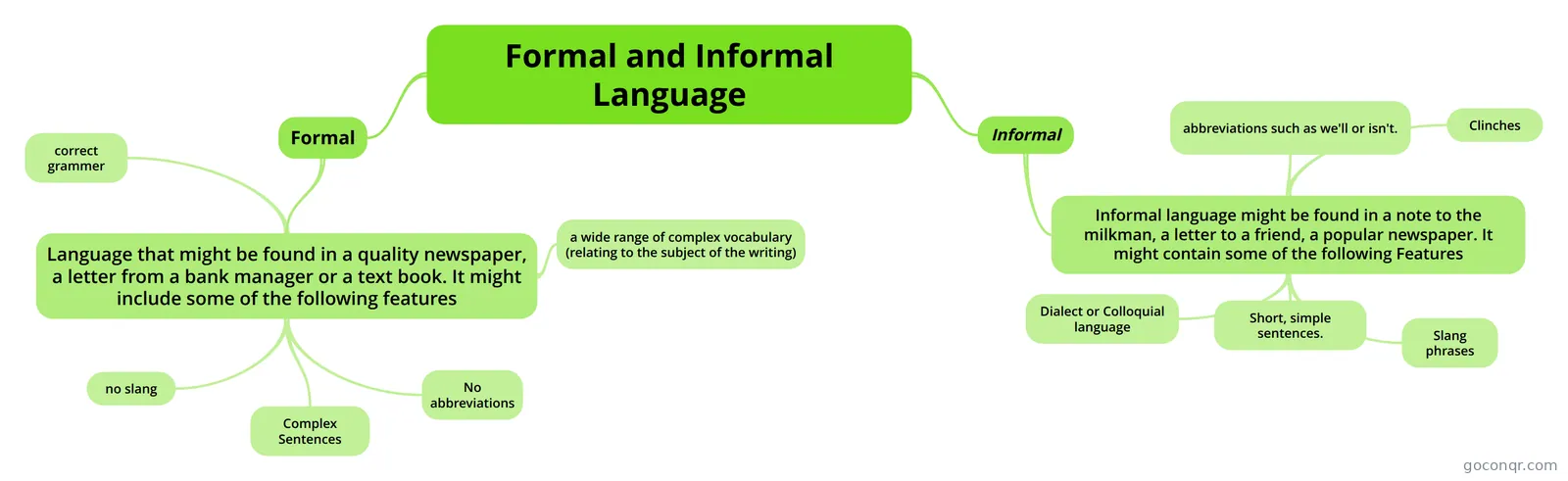
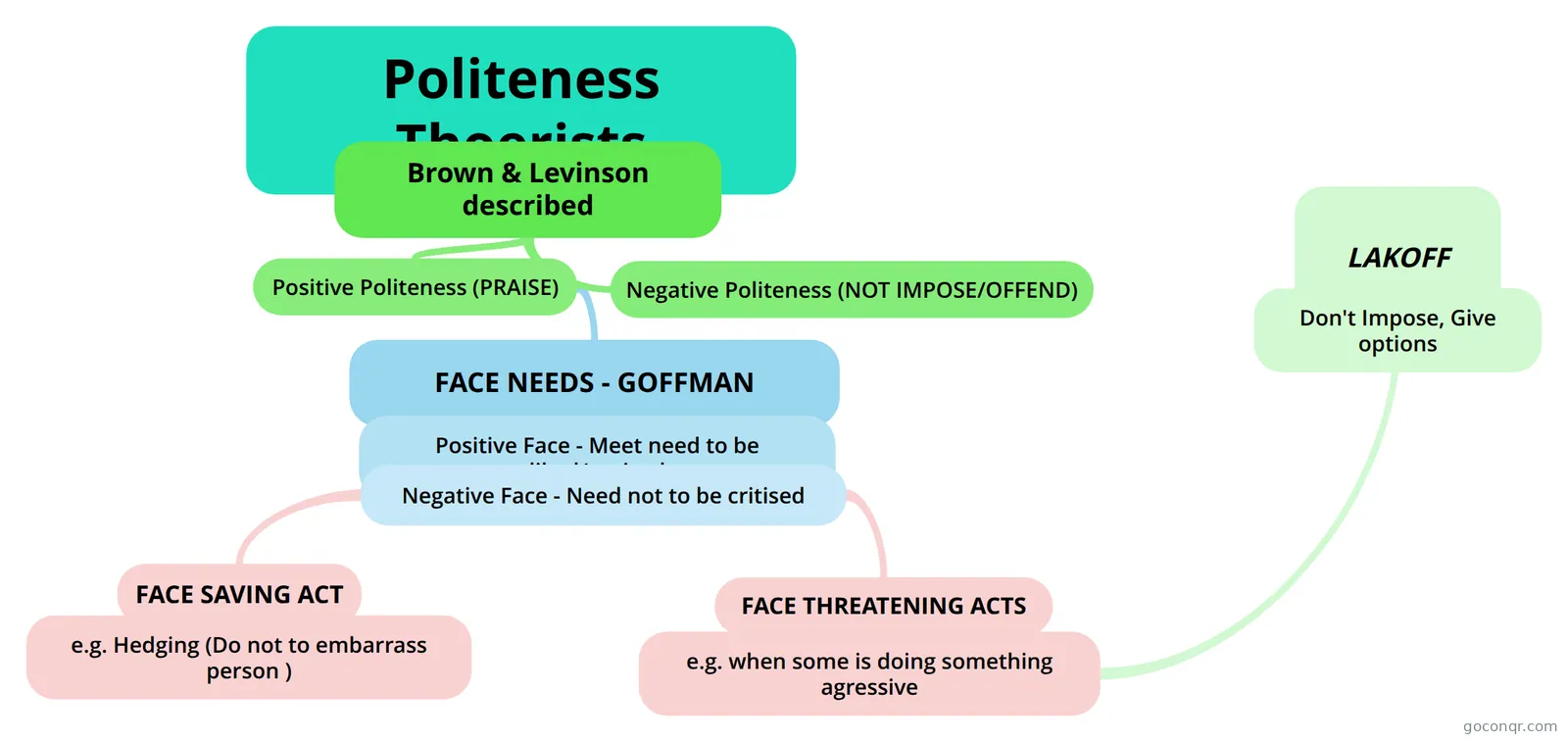
Flashcards
-
16 cardsGENDER THEORISTS Robin Lakoff (women)
-
8 cardsChange Theorists
-
11 cardsLiterature Review The following themes describe and support the study that tend to analyze and explain why learning vocabular...
-
14 cardsGender Theorists Otto Jespersen (published The Woman in 1922)
-
58 cardsWriting Features Writing features for text messaging and social media networking. The way the flash cards work for me is you...
-
24 cardsSpoken Language Glossary A set of cards to help with learning the vocabulary for the Spoken Language Study
-
5 cardsLanguae change theories (AO2)
Notes
-
Language Change AO3 The Media - More colloquial, casual and speech-like register; creates new lexis e.g. 'WAG' Sociological Changes - Level of Political Correctness increasing Standardisation and Change: Grammar Texts with large audience...
-
Exam Question Write Up (complete) Referring in detail to the texts and relevant ideas from language study, explore what these texts show about literary development Throughout both of the texts it becomes obvious that when spelling polysyllabic words, ...
-
Language Change AO2 Prescriptive Approach - Judgements about language change, assertive Descriptive Approach - Describes process of change, more tentative Sapir Whorf Hypothesis: Language affects the way a speak views the worldLera Borod...
-
Language Change AO1 Creole - Natural language developed from mixing parent languages; consists of a mother tongue Pidgin - Mixture of two or more languages, no mother tongue, used for communication between different languages - for tradi...
More Spanish language (as a school subject) topics
About Language Study and History of the Language
GoConqr OriginalWhat this unit covers
The resources here are grouped around language study for exam preparation. Several themes keep coming back: how children acquire language, how language changes over time, how gender and power shape the way people speak, and how to analyse spoken language. A small group of mind maps looks at the history of Spanish, including The Origins and Importance of the Spanish Language.
Where to start
Begin with the quiz Child Language Acquisition. It opens with the pre-verbal stages, which it places between birth and about one year, and it reminds you that children develop at different rates. Then open the mind map Child Language theorists, which sets out ideas from Pinker, Chomsky, Piaget, Bruner and Skinner.
- Take the quiz to see what you already know.
- Read the matching mind map to fill the gaps.
- Retake the quiz, or move on to the next theme.
Theory and exam skills
For language change, the flashcard deck Change Theorists covers Millroy, Trudgill, Deutscher and Aitchison, with ideas such as the crumbling castle and damp spoon syndrome. The notes Language Change AO1 and Language Change AO3 sit alongside it, covering terms like creole and pidgin, and the effect of the media and sociological change.
For gender, the deck GENDER THEORISTS pairs with the mind maps Language and Gender and Difference Approach. The first covers Lakoff's deficit model, hedges and empty adjectives. The second covers Jennifer Coates and cooperative talk. Power has its own mind map, Language and power, which sorts power into political, personal and social group types.
Practising analysis
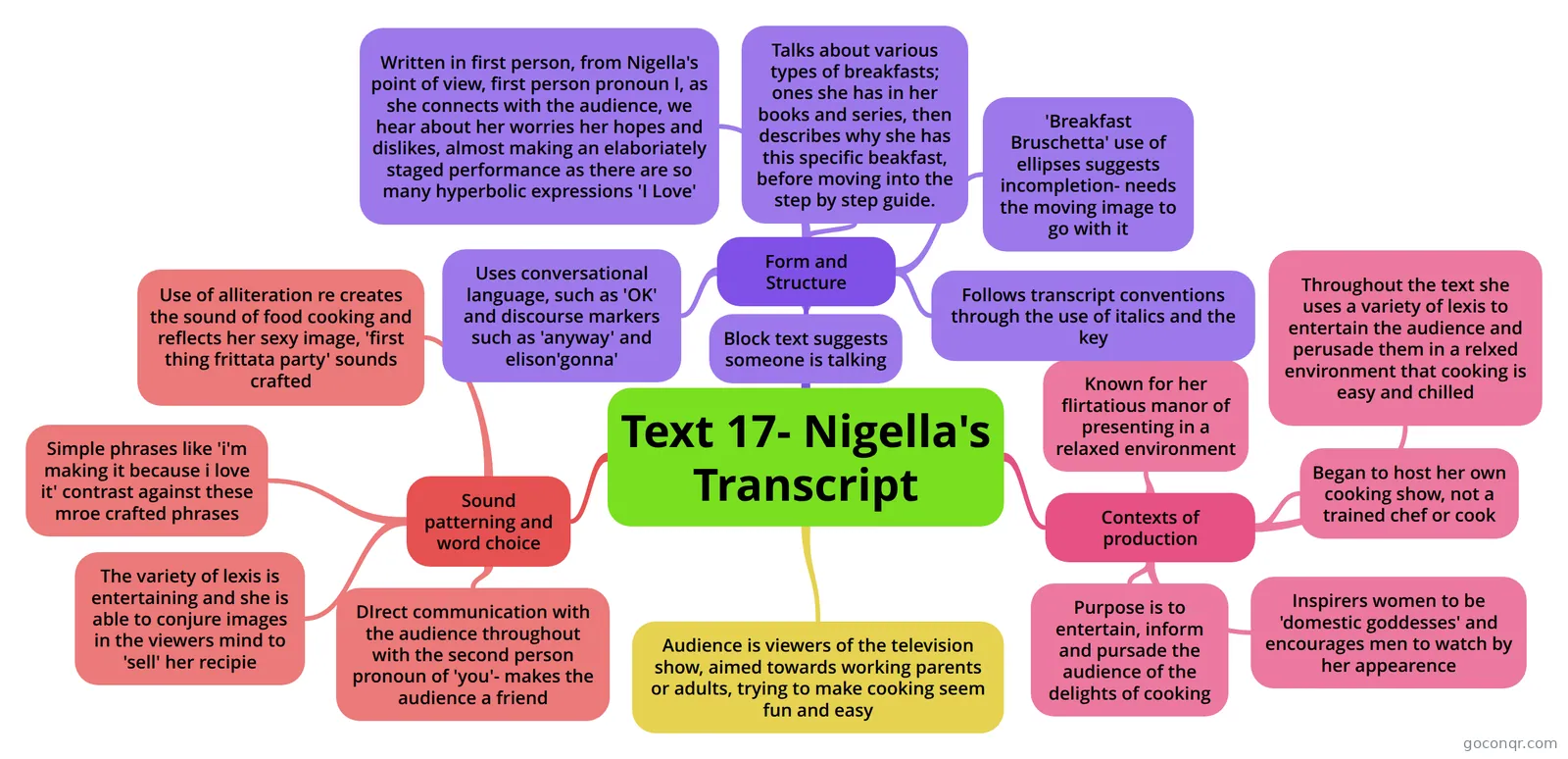
Some resources are written for GCSE English Language and A-level English Language style work. The mind map Text 17- Nigella's Transcript shows how to unpick a spoken text through its context. The notes Exam Question Write Up (complete) and Analysing Playscripts give you something to compare your own answers against.
How it fits
This unit sits in the Language Study and Exam Preparation strand of Spanish language as a school subject. Use maps for the big picture, flashcards for names and terms, and quizzes to check what stuck. Choose one theme today and work through it in that order.
Frequently asked questions
Which resource should I open first?
Start with the Child Language Acquisition quiz. It is a short way to see what you remember about the pre-verbal stages and early development. If you miss questions, open the Child Language theorists mind map next, then return to the quiz.
What do the mind maps cover?
There are around 50 of them. They cover child language theorists, language change, language and gender, language and power, spoken language features, discourse, lexis and semantics, and technology. A few look at the history of Spanish, including its origins and importance.
Are the resources free to use?
Yes. Every resource on this page is free to open, study and take, with no account needed. They were made by GoConqr users, not by GoConqr itself. A free account also saves your quiz scores and lets you make your own quizzes, mind maps, flashcards and notes.
Which levels and exams do they suit?
Most of the resources are at secondary level, so they suit school students. Some mention GCSE English Language and A-level English Language. Teachers can use the maps, notes and flashcard decks as ready-made material for lessons or revision.
Where can I find the theorists in one place?
Try the flashcard decks Change Theorists and GENDER THEORISTS, which list names and their key ideas. The mind maps Child Language theorists and Accent and Dialect Theorists work well alongside them when you want to see how the ideas connect.
What if the topic I need is missing?
You can make your own. Build a mind map, a set of flashcards, a quiz or notes for the topic and use it for your own revision. Looking through the neighbouring themes on this page may also turn up a resource that covers part of it.