
The Human Body: Organ Systems Overview
472 resources created by 406 users
This page on GoConqr gathers community-made quizzes, mind maps, flashcards, slide sets and notes on the human body's organ systems, from the skeleton and muscles to digestion, circulation, breathing and the senses. It's built for school students revising a topic and for teachers after ready-made material, with a few resources for younger pupils too. There are over 3,900 resources here, including more than 300 quizzes and over 2,500 mind maps. Pick a system, try a quiz to find your gaps, then make your own revision set.
Top The Human Body: Organ Systems Overview resources
-
116 questionsBIOL 108 Exam 4 Study Quiz
-
157 cardsAnatomy and Physiology 1. The two bones located on either side of the head and above the ears, are called the: a. skull b. frontal...
-
83 questionsEndocrine, Urinary and Nervous System Which gland/organ is located where indicated?
-
116 questionsBIO 210 Test 1 Review Which of the following is NOT a part of the study of anatomy?
-
15 questionsBiology Paper 2 Revision What is the role of Progesterone?
-
11 questionsYear 8 Skeleton, Muscles and the Breathing System Select the correct name of the bone labelled 1
-
23 questionsEXAM UNIT 4. CIRCULATORY AND EXCRETORY SYSTEMS Heart anatomy model. Ventricle which sends blood to the lungs:
-
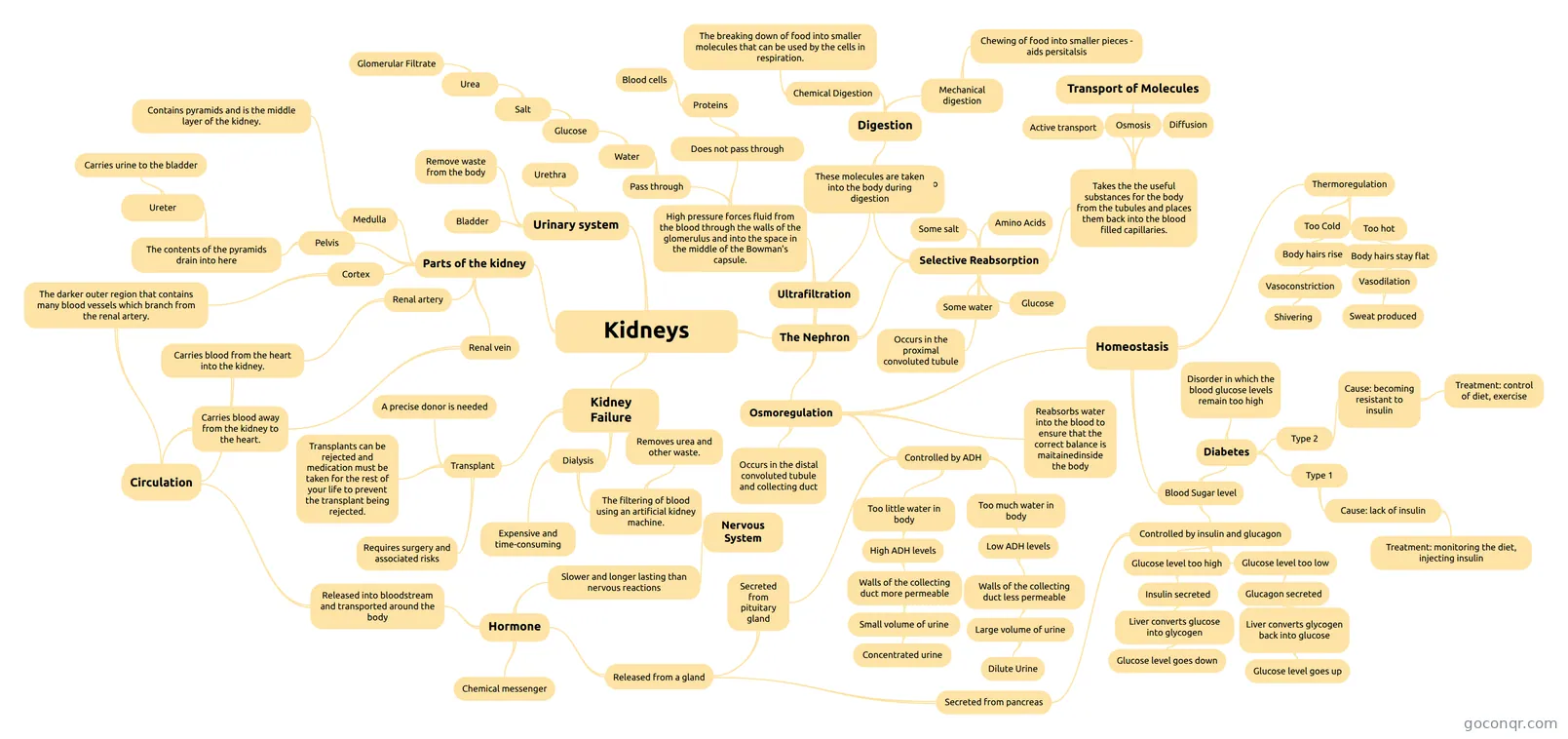 Mind map Kidneys Kidneys
Quizzes
See all 97 quizzes-
116 questionsBIOL 108 Exam 4 Study Quiz
-
83 questionsEndocrine, Urinary and Nervous System Which gland/organ is located where indicated?
-
116 questionsBIO 210 Test 1 Review Which of the following is NOT a part of the study of anatomy?
-
15 questionsBiology Paper 2 Revision What is the role of Progesterone?
-
11 questionsYear 8 Skeleton, Muscles and the Breathing System Select the correct name of the bone labelled 1
-
23 questionsEXAM UNIT 4. CIRCULATORY AND EXCRETORY SYSTEMS Heart anatomy model. Ventricle which sends blood to the lungs:
-
2 questionsSkin Diagram Revision 1 Label the Skin Diagram using the drop down options
-
26 questionsBiology Chapter 6 Test Review Chapter 6 Review
Mind maps
See all 196 mind maps-
Kidneys Kidneys
-
The liver The roles of the liver
-
Muscles and the skeleton ks3 science the skeleton and muscles DISCLAIMER- I DO NOT OWN ANY OF THESE IMAGES
-
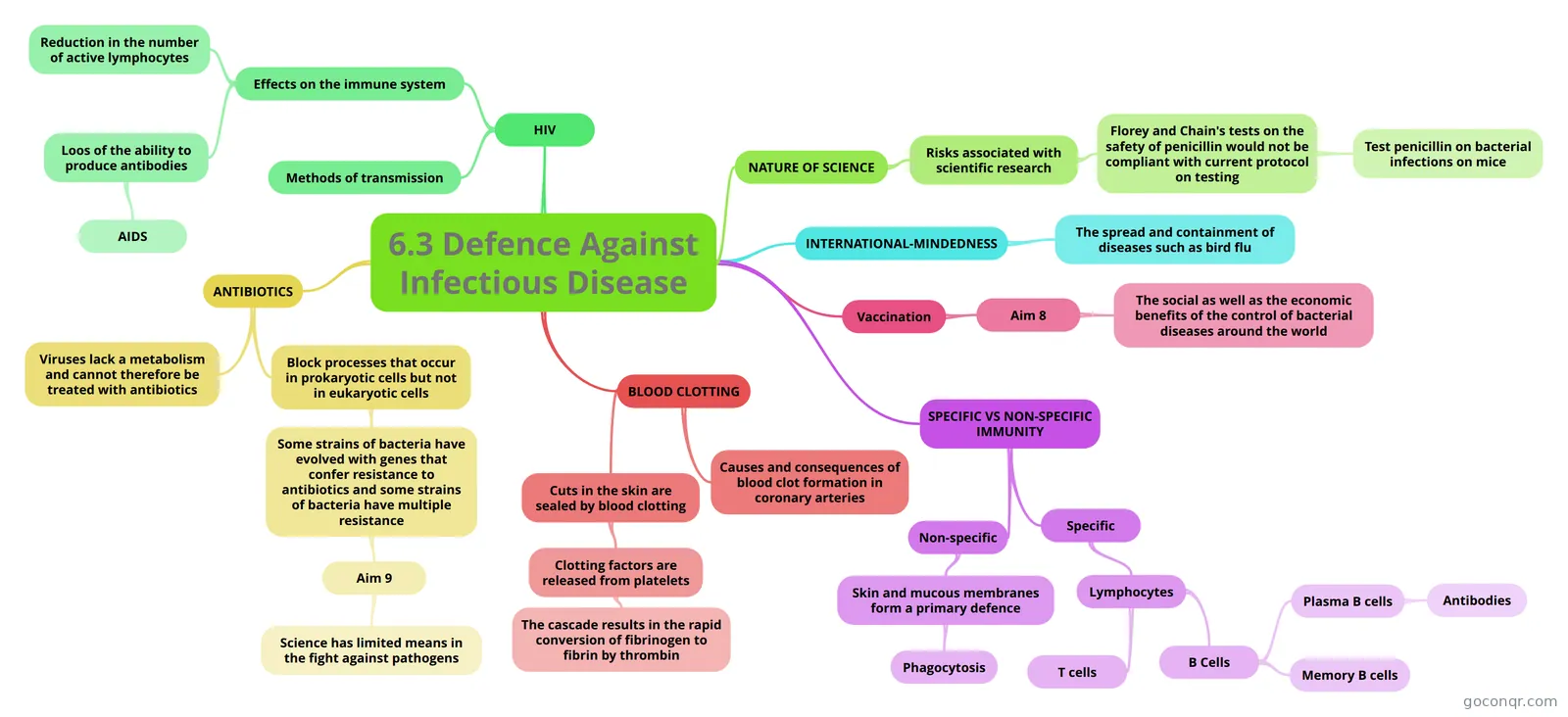 6.3 Defence Against Infectious Disease
-
Body cavities This is a mind map of the human cavities, the to most important and the divisions
-
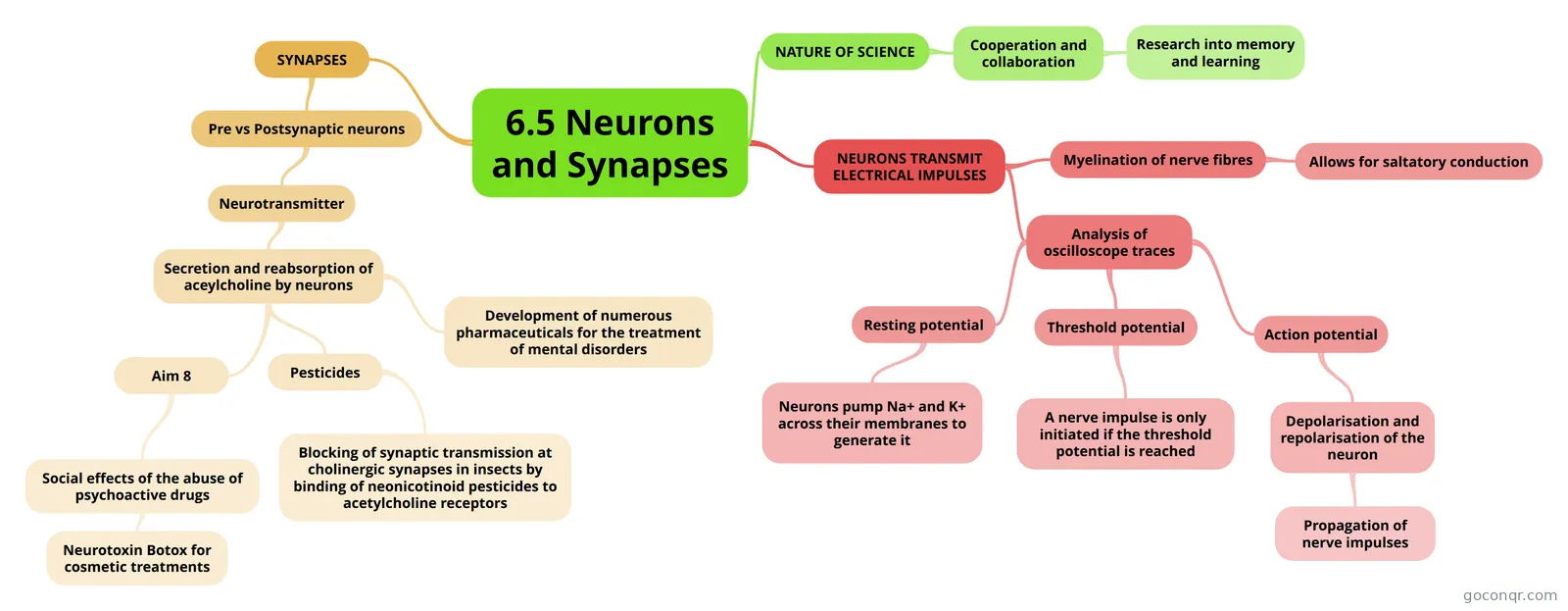 6.5 Neurons and Synapses
-
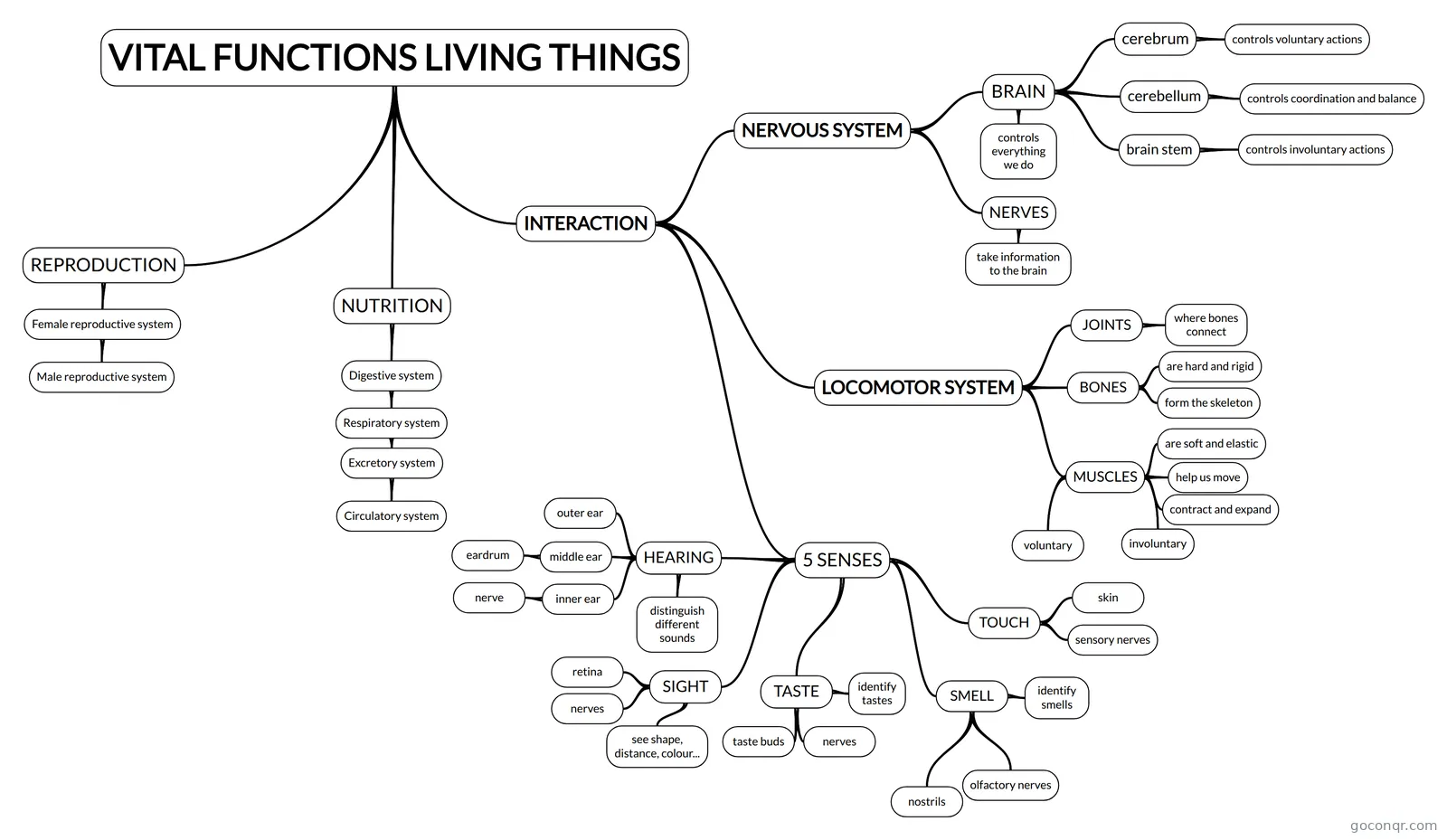 VITAL FUNCTIONS LIVING THINGS Mindmap to study the systems in our body.
-
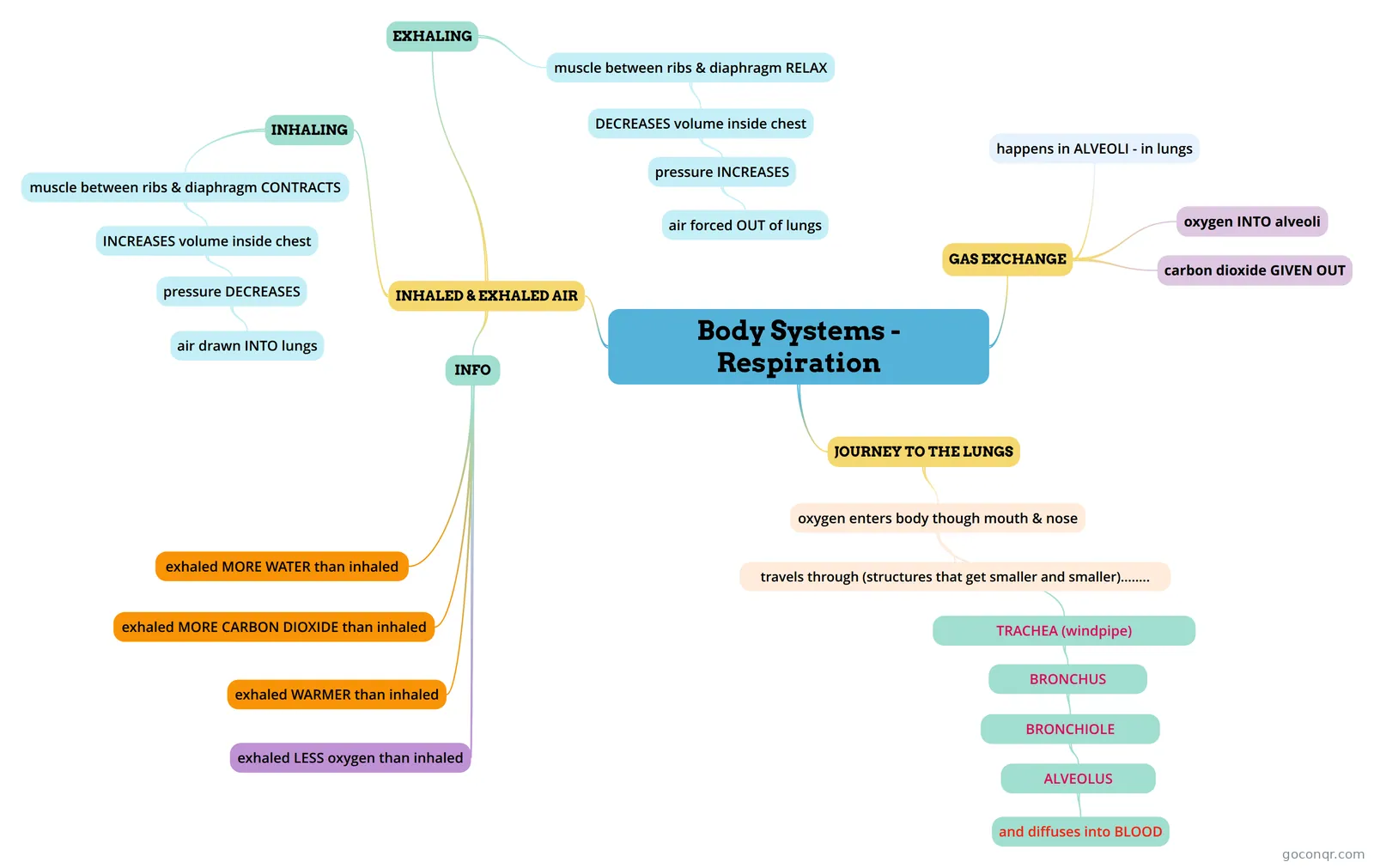 Body Systems - Respiration Mind map of respiration, one of the body systems, from y8 Science KO
Flashcards
See all 135 flashcards-
157 cardsAnatomy and Physiology 1. The two bones located on either side of the head and above the ears, are called the: a. skull b. frontal...
-
20 cardsDigestive System Flash Cards What are the different levels of organisation in your body?
-
57 cardsRepaso U 1 y 2 Natural Sciences 2º EP Los seres vivos...
-
45 cardsBMS 110 Unit 1 Ch. 1 5 characteristics of life
-
6 cardsLOCOMOTOR SYSTEM LOCOMOTOR SYSTEM
-
10 cardsInternal Organs and their Functions Flashcards to remember the functions of the internal organs.
-
11 cardsMy Body Flash Cards Learn body parts, aprende las partes de tu cuerpo
-
6 cards5 SENSES FIVE SENSES
Flowcharts
Notes
See all 22 notes-
The circulation system The Circulatory system.This system is made up of the heart and blood vessels.It is responsible for transporting blood and its materials to the tissues of the body and removing waste products from the body. The system ...
-
CIRCULATORY SYSTEM CIRCULATORY SYSTEM NEW WORDSOXYGEN: OXIGENOWASTE: DESPERDICIOPUMP: BOMBEARATRIUM: ATRIOVENTRICULE: VENTRICULOARTERIE: ARTERIAVEIN: VENAPULSE: LATIDO, PULSOFIST: PUÑO The heart, blood, arteries and veins together make ...
-
labelled bones and muscles
-
Evolution Diet and Exercise Different amounts of Energy needed, based on metabolic rate Balanced diet includes everything needed for a healthy body. Energy taken in; Energy used; weight lost Weight problems
-
Anantomy and physiology notes Functions of the skeletal system:MovementBlood productionSupportProtection of organsMineral store Functions of axial skeleton:Protects vital organsProduces blood cellsStores minerals SupportSlight movement Functions o...
-
B1b: Human health and diet Balanced Diet What is a balanced diet?A balanced diet gives the body all the essential nutrients it needs. There are 6 essential nutrients: Carbohydrates - provides energy Fats - provides energy, acts as an energy sto...
-
Body Interactions Introduction: The Body Systems Nervous System: Sends and receives electrical messages to and from all cells in the body. Controls all other body systems. Circulatory System: Transports substances, O2, CO2, food, and w...
-
Structure and function of body systems What is a tissue? A tissue is a group of similar cells that work together to perform a certain function. E.g. of Animal Tissue - Muscle Tissue E.g. of Plant Tissue - Xylem Tissue What is an organ? An organ is a group ...
Slides
See all 18 slidesMore Biology and natural sciences topics
About The Human Body: Organ Systems Overview
GoConqr OriginalWhat this unit covers
The resources here follow the body system by system. You will find the musculoskeletal system, the circulatory and excretory systems, digestion, respiration, the skin, the senses, and the nervous and endocrine systems. Some items look at the basics of how the body is organised, such as the slide set Anatomical Positions, Terms and References, which explains words like anterior and posterior with examples, and the mind map Body cavities, which separates the ventral and dorsal cavities.
Where to start
Begin with the big picture. Open the mind map Body Systems or Human Biology to see how the systems fit together. Then read the slide set on anatomical terms, so the labels in later quizzes make sense.
- Pick one system, such as The Circulatory System or The Digestive System.
- Read a mind map or note on it.
- Flip through a flashcard deck, for example Digestive System Flash Cards.
- Finish with a quiz.
Using quizzes and maps together
Maps give you the outline: the functions, the parts and how they link. Quizzes show what you actually remember. The Year 8 Skeleton, Muscles and the Breathing System quiz asks you to name labelled bones. Biology Paper 2 Revision asks about hormones such as FSH, oestrogen and progesterone. Another quiz, EXAM UNIT 4. CIRCULATORY AND EXCRETORY SYSTEMS, covers heart anatomy and the nephron. When you get an answer wrong, go back to the matching map and read that branch again.
Exams and levels
Most of the material is aimed at secondary students. Listed resources mention GCSE Biology, IGCSE Biology, A-level Biology and IB Biology, and some mention MCAT and TEAS. Check that a resource matches your course before relying on it, because the community made them for different schools and syllabuses.
Where it sits
This unit belongs to the strand The Human Body within Biology and natural sciences. It works as an overview before you go deeper into any single system.
Ready to begin? Choose a system that feels shaky, open one resource and see what you already know.
Frequently asked questions
Which resource should I start with?
Start with a broad mind map such as Body Systems or Human Biology to see how the organ systems connect. Then move to a single system, read its map or notes, and test yourself with a quiz like Year 8 Skeleton, Muscles and the Breathing System.
What do the mind maps cover?
The mind maps cover many topics, including the musculoskeletal system, body cavities, respiration, digestion, the kidneys, the liver, the skin, tissues, neurons and synapses, and the senses. Each one sets out the main parts and functions of a system in a short, visual outline.
Are the resources free to use?
Yes. Every resource listed here is free to open, study and take, with no account needed. They were made by GoConqr users rather than by GoConqr itself, so styles and depth vary from one resource to the next.
Which exams and levels do they suit?
Most resources are for secondary school students. Some mention GCSE Biology, IGCSE Biology, A-level Biology or IB Biology, and a few mention MCAT or TEAS. Look at each title and contents to check it fits your course.
Can teachers use these resources?
Yes. Teachers can pick ready-made quizzes, slide sets, flashcard decks and mind maps for a class, such as the slide set on the circulatory system or the Digestive System Pre/Post Quiz. Read each one first to check it matches your syllabus.
What if I can't find what I need?
Try a nearby system or a broader title, because topics often appear inside general resources such as Body Systems or Human Biology. A free account also lets you make your own quizzes, mind maps, flashcards and notes to fill any gap.