
Electronic Circuits and Basic Electronics
27 resources created by 21 users
This Electronic Circuits and Basic Electronics page on GoConqr gathers community-made quizzes, mind maps, flashcards and notes, from resistor colour codes and diodes to transistors, op-amps and filters. It's built for university students and professional candidates, school students, and teachers after ready-made material. There are over 160 resources here, including more than 30 quizzes, over 80 mind maps and more than 30 flashcards, so you can revise at the level that suits you. Pick a topic, try a quiz to find your gaps, then keep going.
Top Electronic Circuits and Basic Electronics resources
-
35 questionsMicroelectronics The output stage of a 741 op-amp is a
-
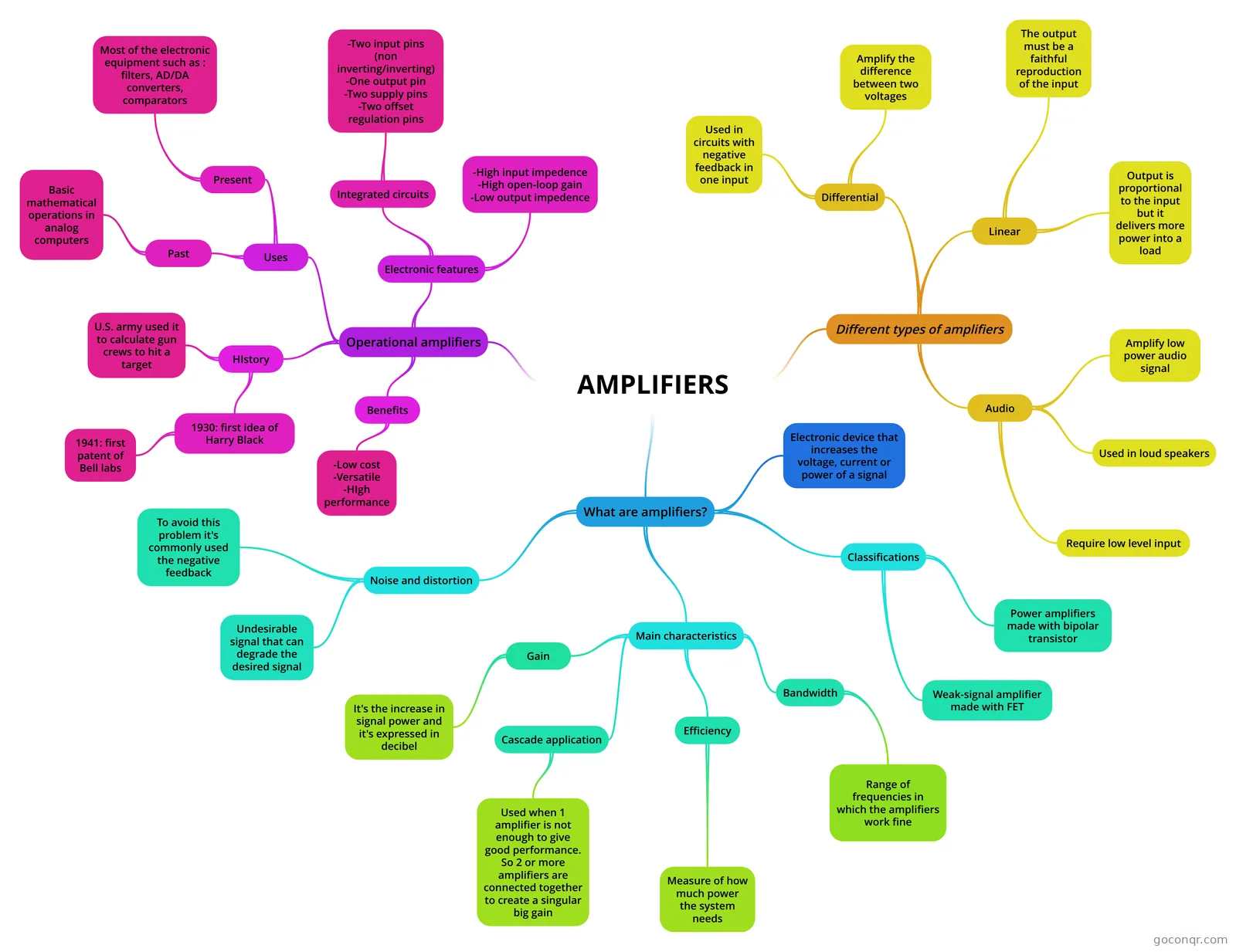 Mind map AMPLIFIERS home group: Salin Gerra Giurin La Mantia
-
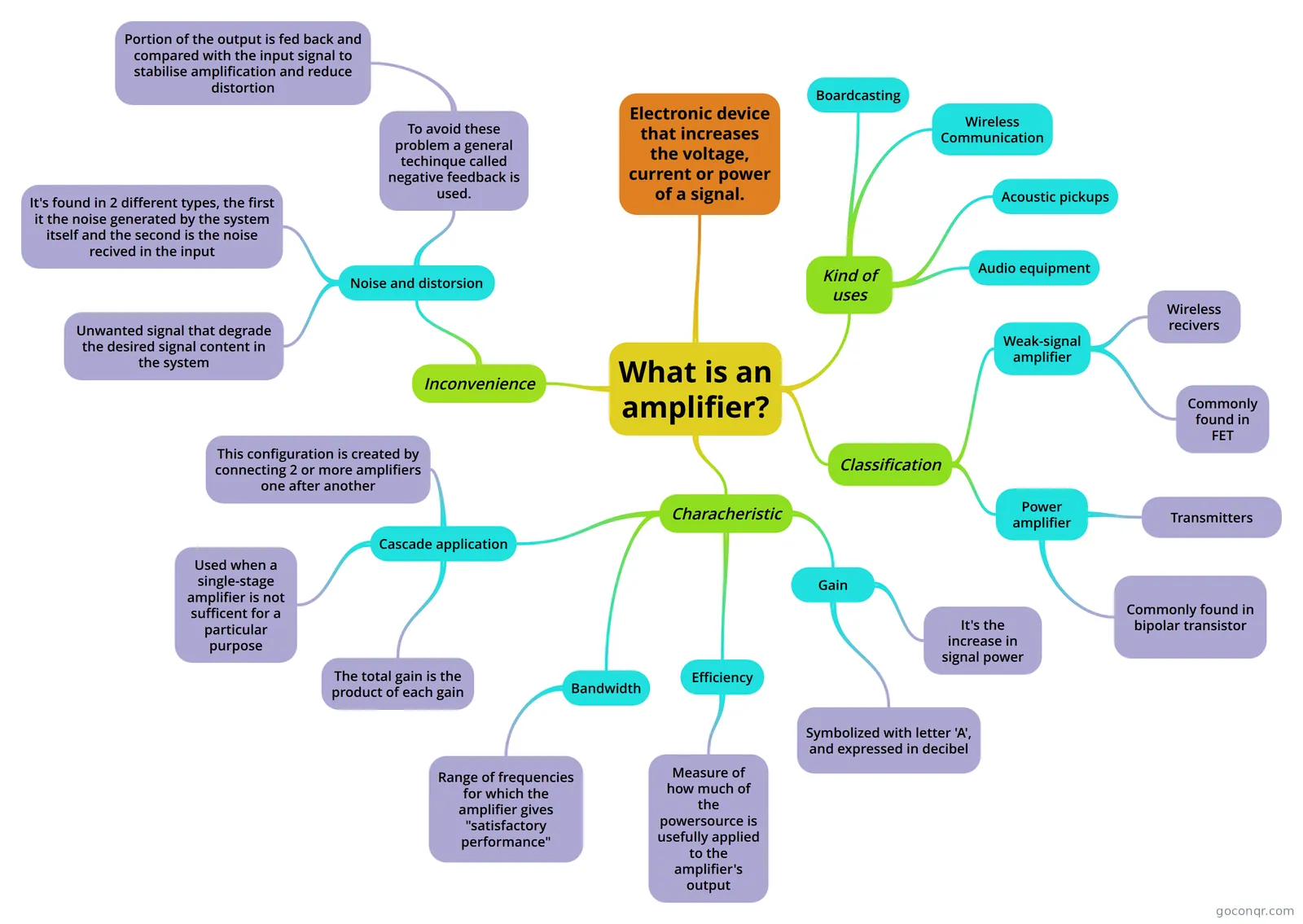 Mind map What is an amplifier? Here you can find the mind map of our group!
-
10 questionsResistor's Colors Code Which is the code value of Yellow?
-
4 questionsTransistor quiz what is this transistor?
-
Mind map Embedded System
-
64 cardsEngineering: Electronic systems 1 What is voltage and what is it m measured in?
-
36 cardsEngineering- Electronic systems 9 What is an IC?
Quizzes
-
35 questionsMicroelectronics The output stage of a 741 op-amp is a
-
10 questionsResistor's Colors Code Which is the code value of Yellow?
-
4 questionsTransistor quiz what is this transistor?
-
25 questionsTest 2 study for final Which of these is the best description of a zener diode?
-
25 questionsTest 4 Study for Final The op amp can amplify
-
29 questionsQuiz of Symbols in Electronic Circuit Diagrams What is its name?
-
3 questionsElectronic fundamentals What gives the colour of an LED?
-
3 questionsThe general feedback structure complete the general structure of the feedback amplifier
Mind maps
See all 10 mind maps-
AMPLIFIERS home group: Salin Gerra Giurin La Mantia
-
What is an amplifier? Here you can find the mind map of our group!
-
Embedded System
-
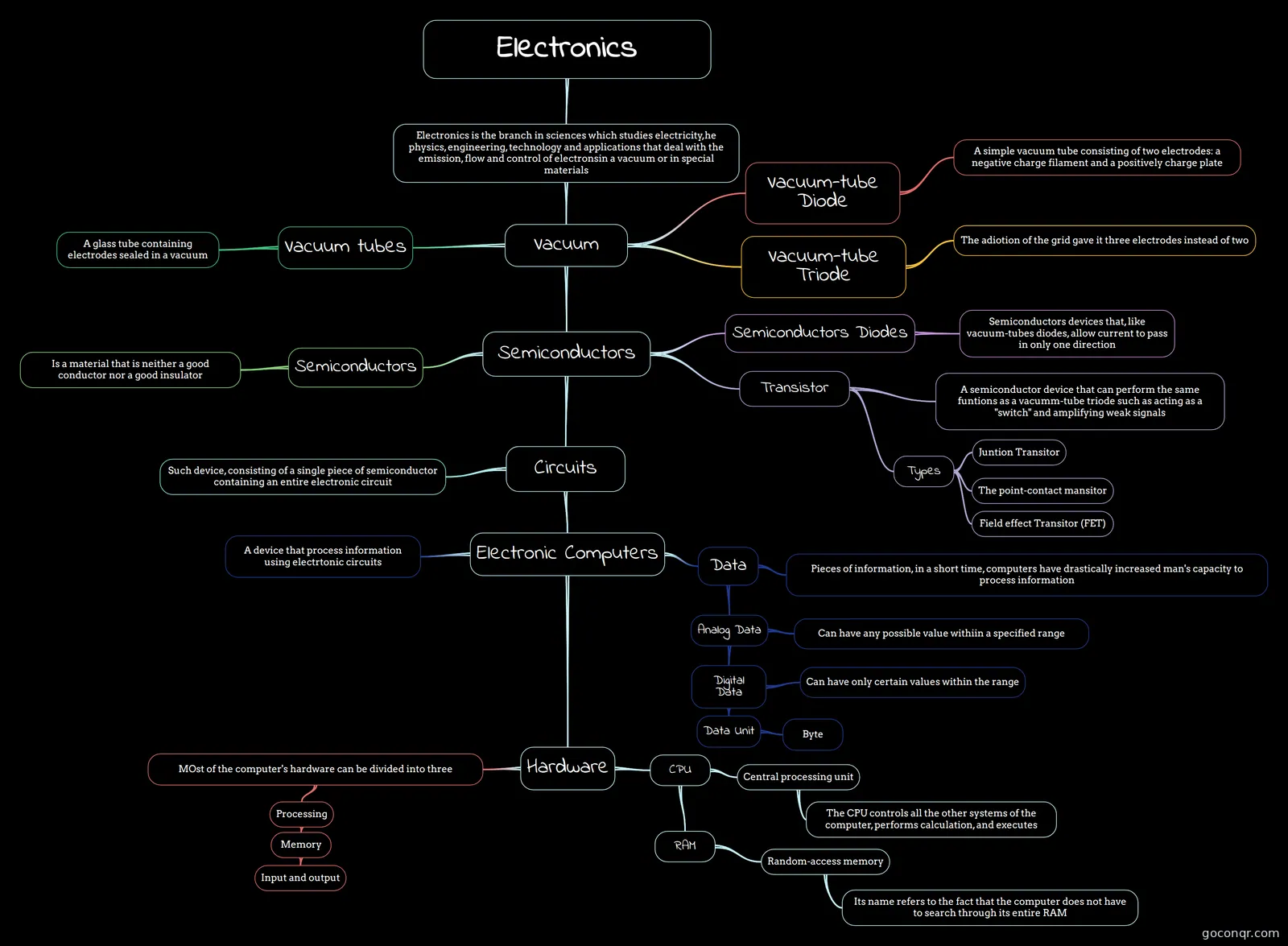 Electronics Science Chapter 16
-
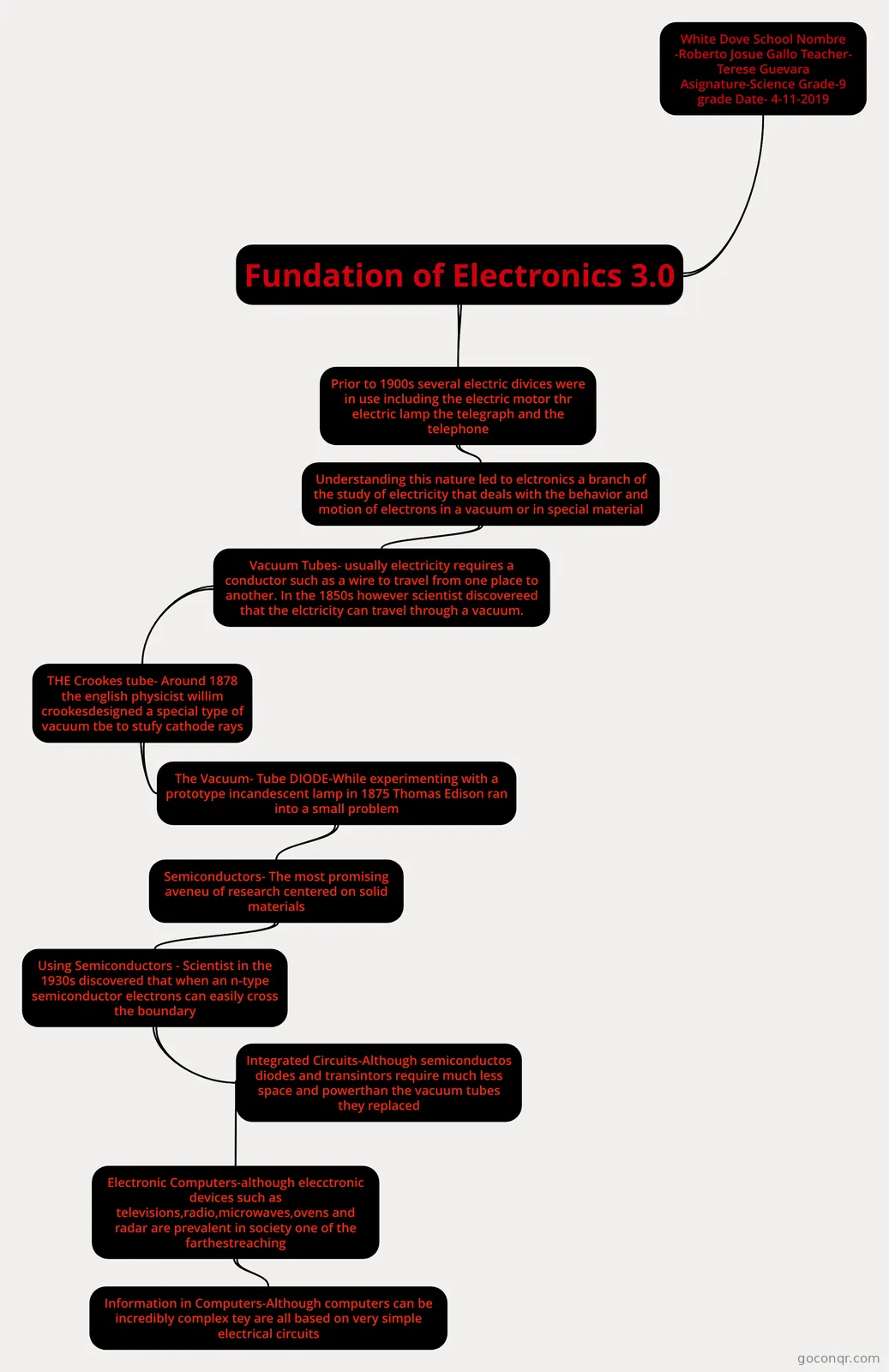 Fundation of Electronics 3.0 is of science
-
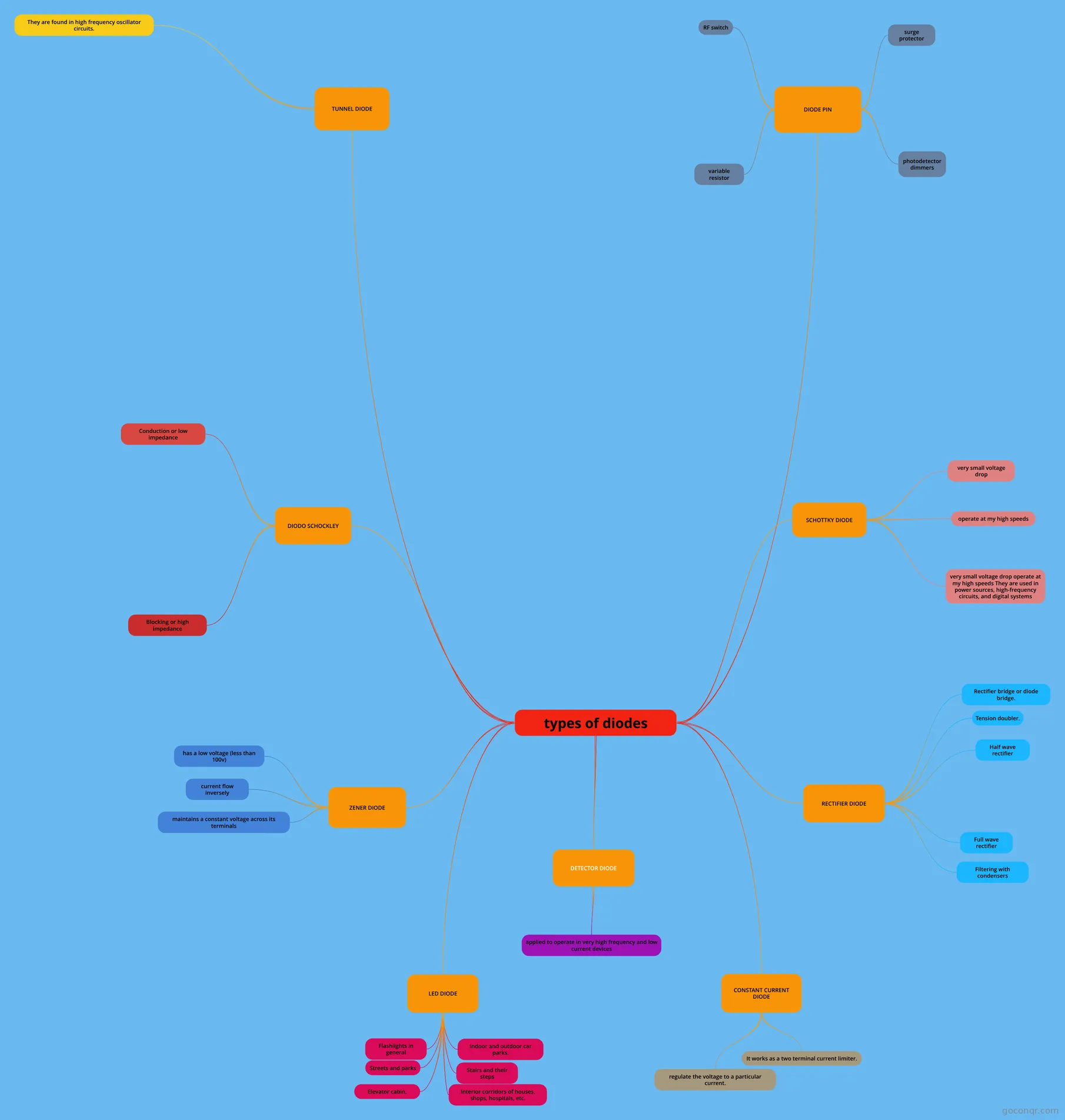 types of diodes Todos los derechos reservados ®2010, Prohibida su reproducción total o parcial sin autorización.
-
electronics ELECTRONICS
-
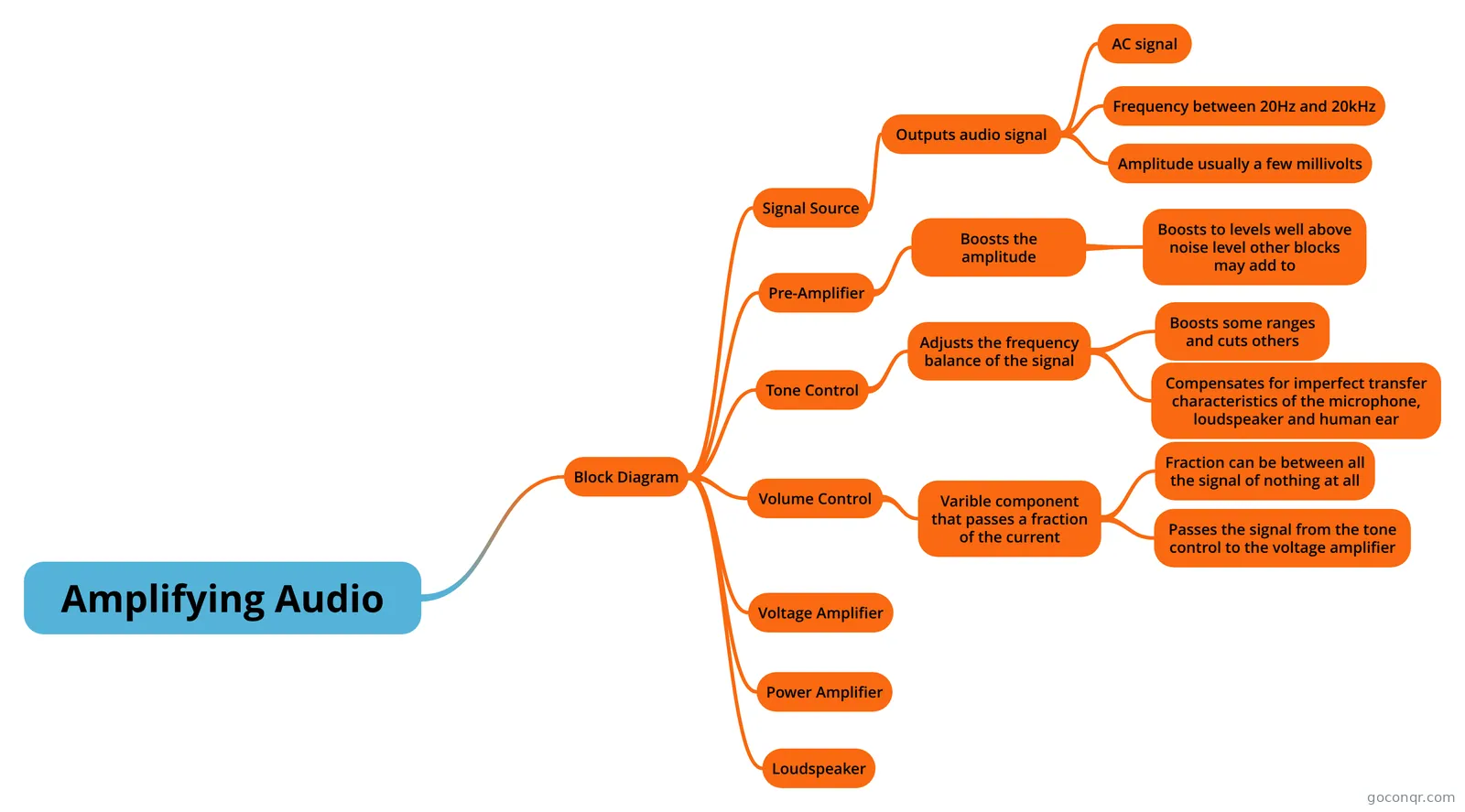 Amplifying Audio
Flashcards
-
64 cardsEngineering: Electronic systems 1 What is voltage and what is it m measured in?
-
36 cardsEngineering- Electronic systems 9 What is an IC?
-
30 cardsElectrical Engineering Interview Questions If you put a 0-5 voltstep voltage referenced to ground into the circuits shown, what would you expect the w...
-
30 cardsBipolar Junction Transistors What is a transistor?
-
32 cardsLinear Exam - MOSFET's how many types of active devices are there? what are they called?
-
9 cardsSurface-Mount Technology (Mod. 3 Sect. 2 Part 6) this exists now
-
29 cardsSymbols in Electronic Circuit Diagrams Flash about symbols in electronic circuit diagrams.
-
3 cardsElectronics Diagrams The 555 Monostable
Slides
More Electrical and electronic engineering topics
About Electronic Circuits and Basic Electronics
GoConqr OriginalWhat the page covers
The resources sit in the Analogue Electronics strand of Electrical and electronic engineering. They run from first principles to circuit blocks. Symbols and components come first: there is a flashcard deck on Symbols in Electronic Circuit Diagrams with a matching quiz, and a quiz on Resistor's Colors Code that asks for the value of each colour.
Further in, you will find semiconductors, the pn junction, rectifiers, power supplies and voltage regulators, then transistors and amplifiers.
Where to start
- Open the Electronic and Electronics mind maps for an overview, or the symbols flashcards if you need the basics.
- Move to the pn Junction, Semiconductors and Full-Wave Rectifier maps.
- Read the Transistors map and the note on bipolar transistors, which explains why they are so named.
- Finish with the amplifier and op-amp material.
Amplifiers, filters and frequency
The AMPLIFIERS mind map sets out the different types of amplifier, including differential, linear and audio. The What is an amplifier? map separates weak-signal and power amplifiers. For op-amps, try the Operational Amplifiers maps and the Linear Applications of Op-amp map. The Frequency Response map covers gain, bandwidth, Bode plots, decades and octaves. There are also maps on filters and a comparator with hysteresis.
Using quizzes and maps together
Read a map first, then test yourself. The Field Effect Transistors quiz asks about JFETs, transconductance and MOSFET handling. The Microelectronics quiz includes the 741 output stage and an op-amp integrator calculation. MOSFET as switch is a short follow-up. Where a question catches you out, go back to the matching map and flashcards.
Candidates working towards EASA can try the quizzes Electronics EASA - IC 1, Electronics EASA - IC 2 and Electronics EASA - PCB.
Make it your own
Choose one block, such as power supplies or transistors, take its quiz, and then build your own maps and flashcards from what you missed.
Frequently asked questions
Which resource should I open first?
If you are new to the topic, start with the Electronic or Electronics mind maps for an overview, or the flashcards on symbols in circuit diagrams. If you already know the basics, go straight to the Field Effect Transistors quiz or the Microelectronics quiz to see where you stand.
What do the mind maps cover?
They cover amplifiers and op-amps, semiconductors and the pn junction, rectifiers, power supplies, voltage regulators, filters, frequency response, a comparator with hysteresis, signal conversion and analogue to digital converters. There are also broader maps on electronics, components and embedded systems.
Are the resources free to use?
Yes. Every resource listed here is free to open, study and take, with no account needed. A free account also saves your quiz scores and lets you make your own quizzes, mind maps, flashcards and notes.
Is there anything for exam preparation?
Some listed resources mention EASA, including the quizzes Electronics EASA - IC 1, Electronics EASA - IC 2 and Electronics EASA - PCB. Other quizzes follow chapter and test study patterns, which suit university students checking their understanding before a final.
Who made these resources?
They were made by GoConqr users, not by GoConqr itself. Over 120 contributors have added material, so styles and depth vary. Try a few quizzes or maps on the same topic and keep the ones that explain it in the way you find clearest.
What if I cannot find a topic I need?
Browse the neighbouring maps and flashcard decks first, since topics often overlap. If the gap remains, you can build your own mind map, quiz or flashcards on it, using the closest listed resource as a starting point.