
Population mind maps
1,571 mind maps by 1,101 users · Page 1 of 40
This Population page on GoConqr gathers mind maps on population change, distribution, migration and policy. School students can use them to revise population geography, while teachers can find material to share. There are over 1,500 maps made by more than 1,000 users, with resources mainly for secondary-level study. Choose a map to explore.
Select topic
Mind maps
-
Geography - Population Note: Not complete
-
Demographic Transition Model (DTM)
-
 Singapore's Population Policies Chapter 2: Singapore's Population Policies
-
Population Case Study - Youthful Population in Uganda
-
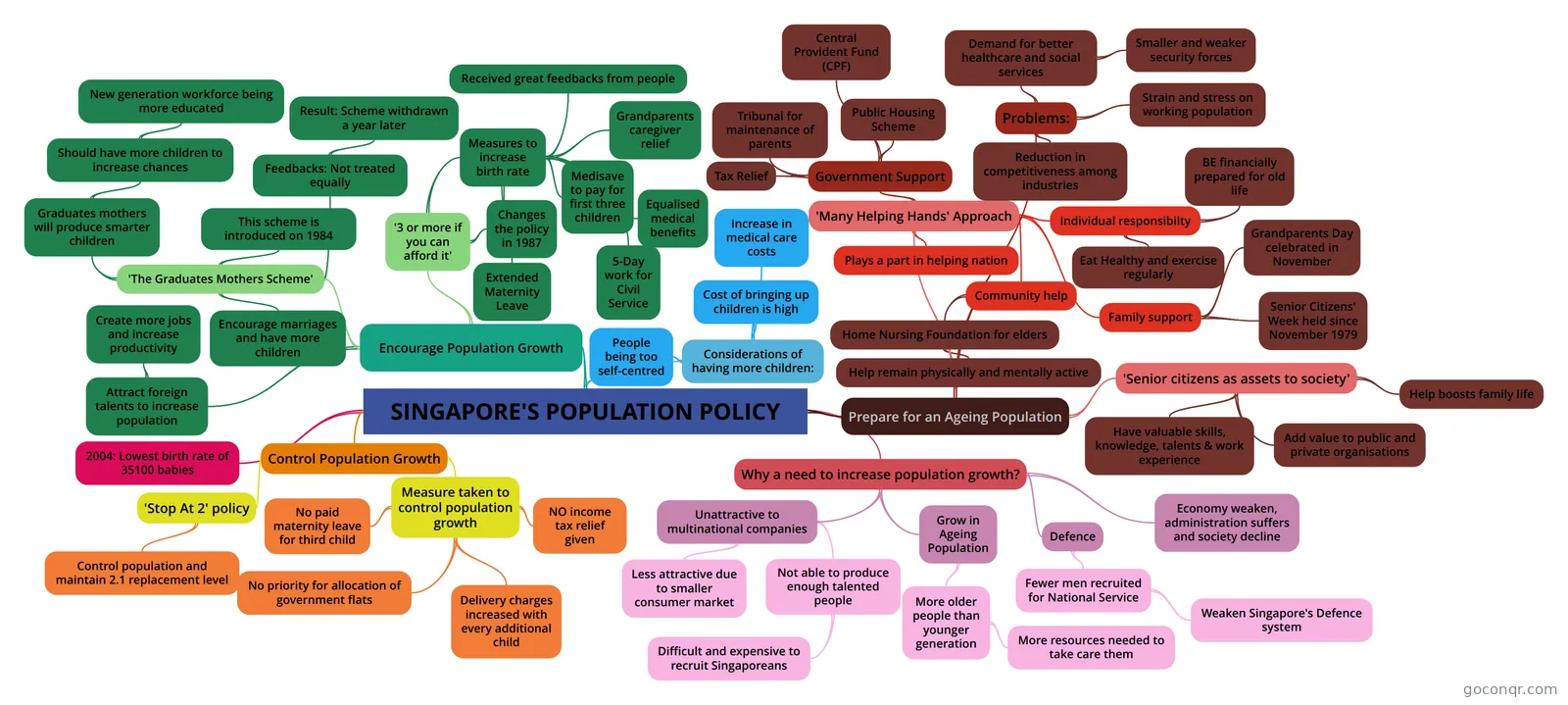 SINGAPORE'S POPULATION POLICY
-
China ~ Antinatalism China's antinatalism mind-map (case study)
-
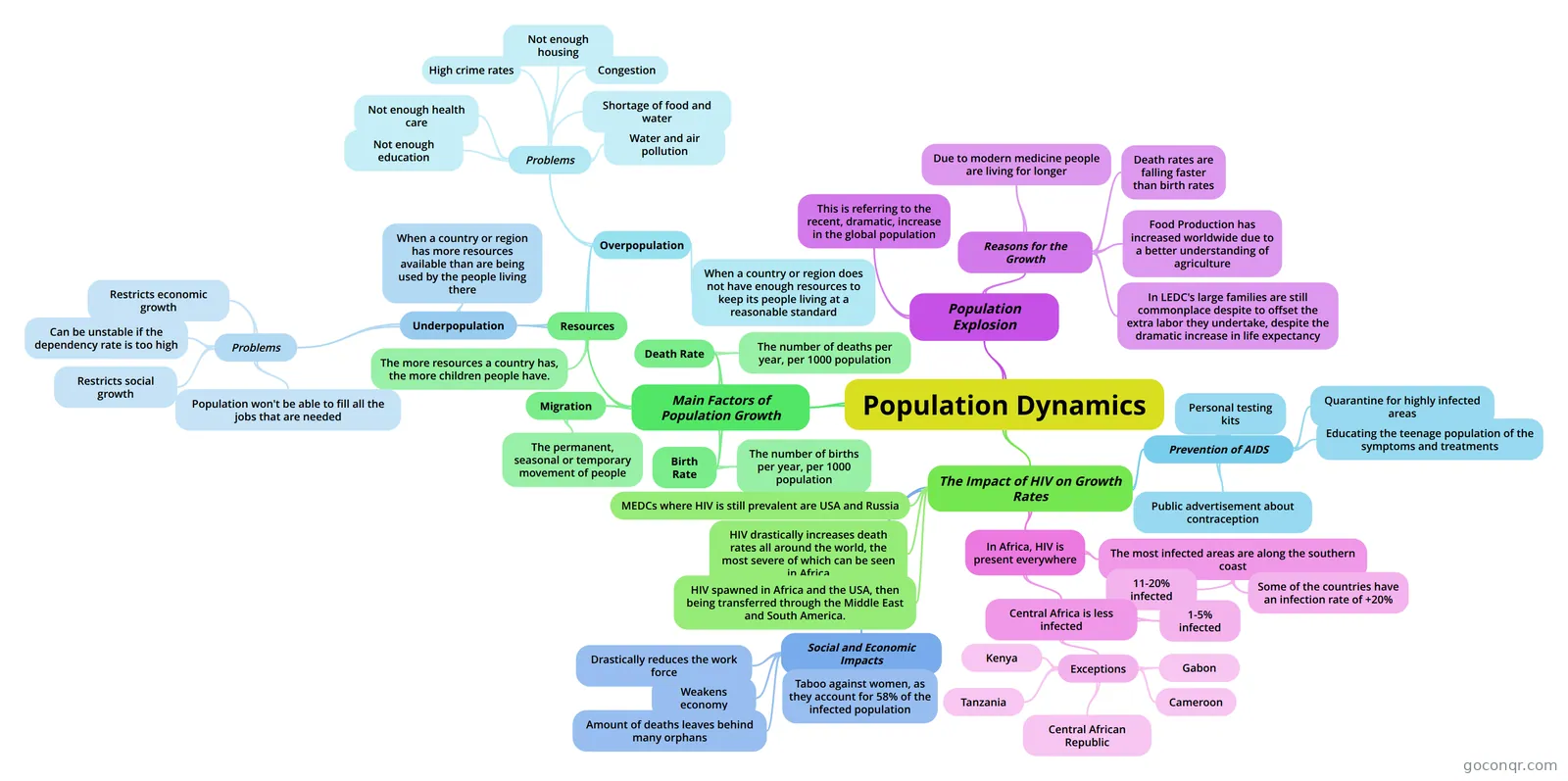 Population Dynamics
-
Population Dynamics
-
Population - The Demographic Transition Model
-
The DTM The Demographic Transition Model (DTM) | AS AQA Geography A Population
-
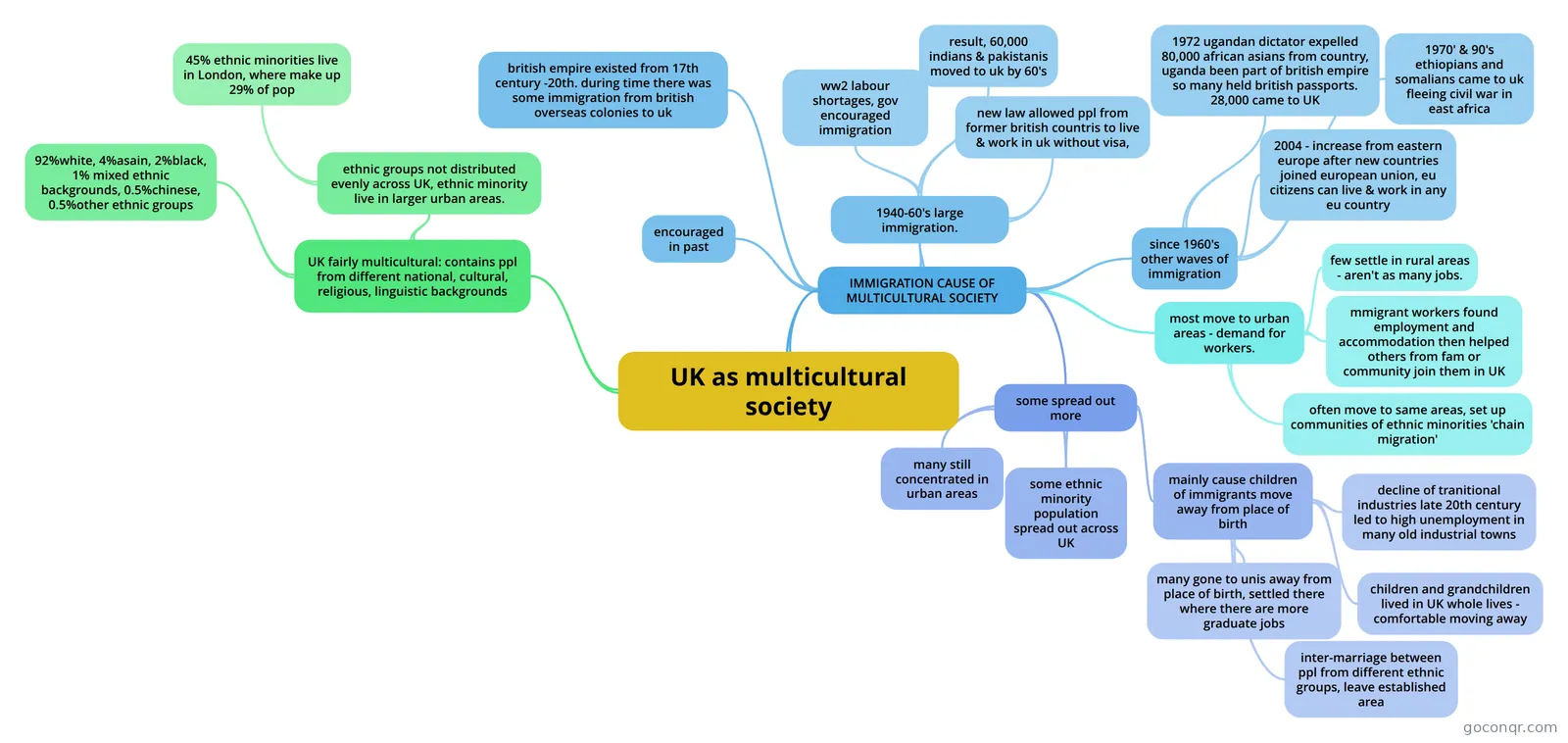 UK as multicultural society
-
Anti- and pro- natalist policies
-
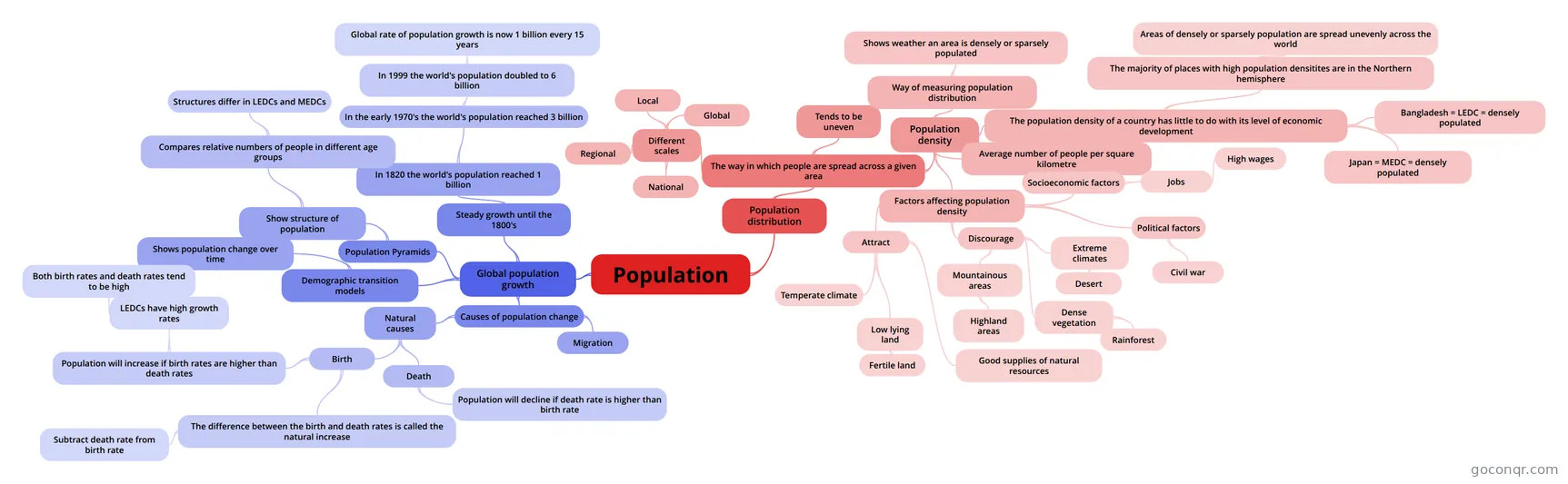 Population
-
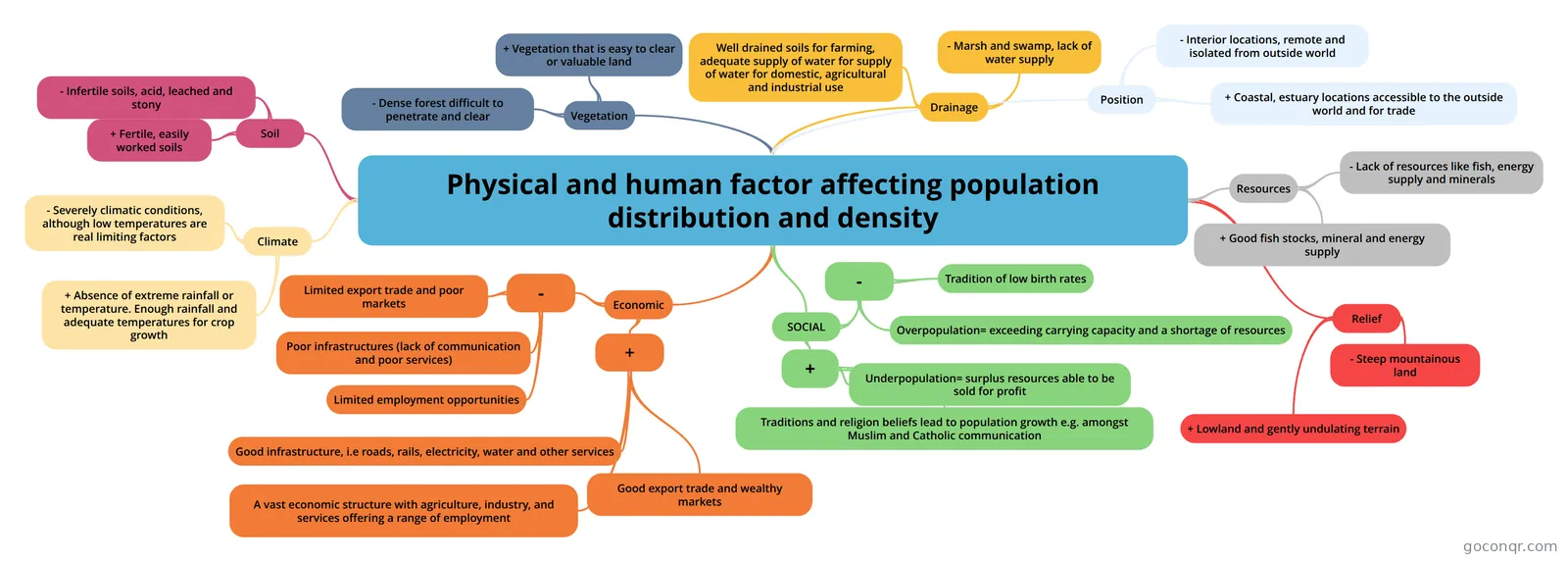 Physical and human factor affecting population distribution and density Physical and human factors
-
Japan's ageing population A short mindmap with the causes, advantages, disadvantages and solutions to do with the Japan Case Study in...
-
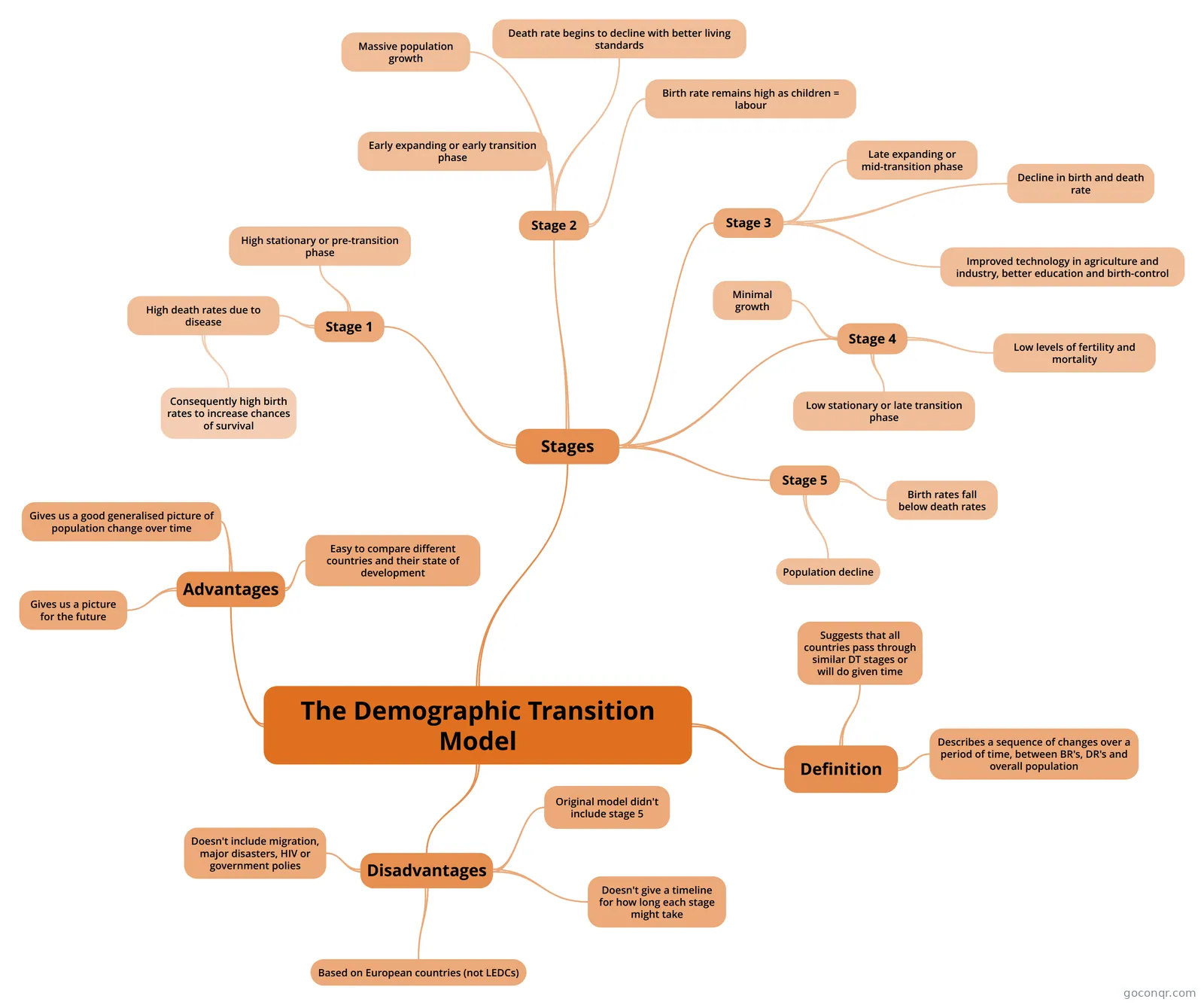 The Demographic Transition Model
-
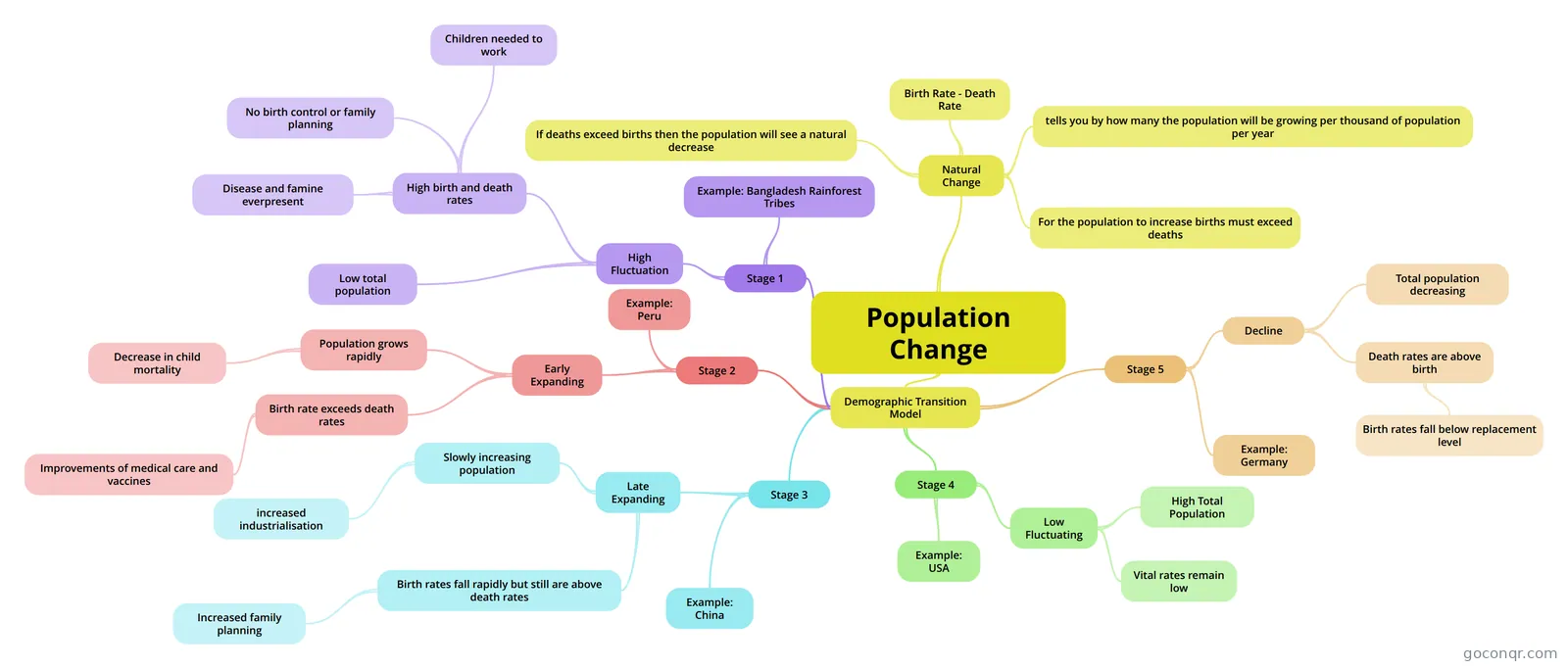 Population Change
-
Population Pyramid
-
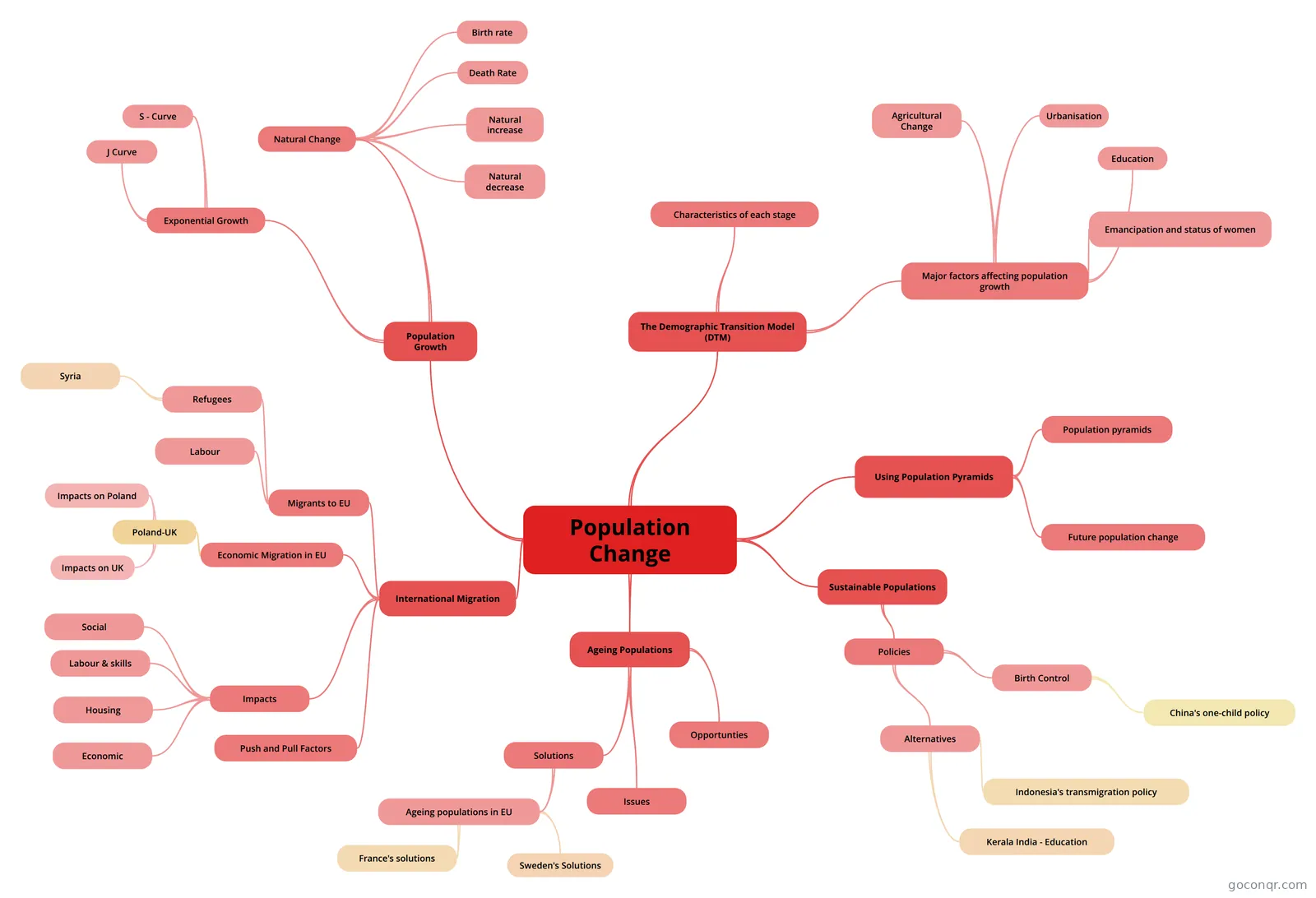 Population Change AQA A GCSE: Key Terms Mindmap
-
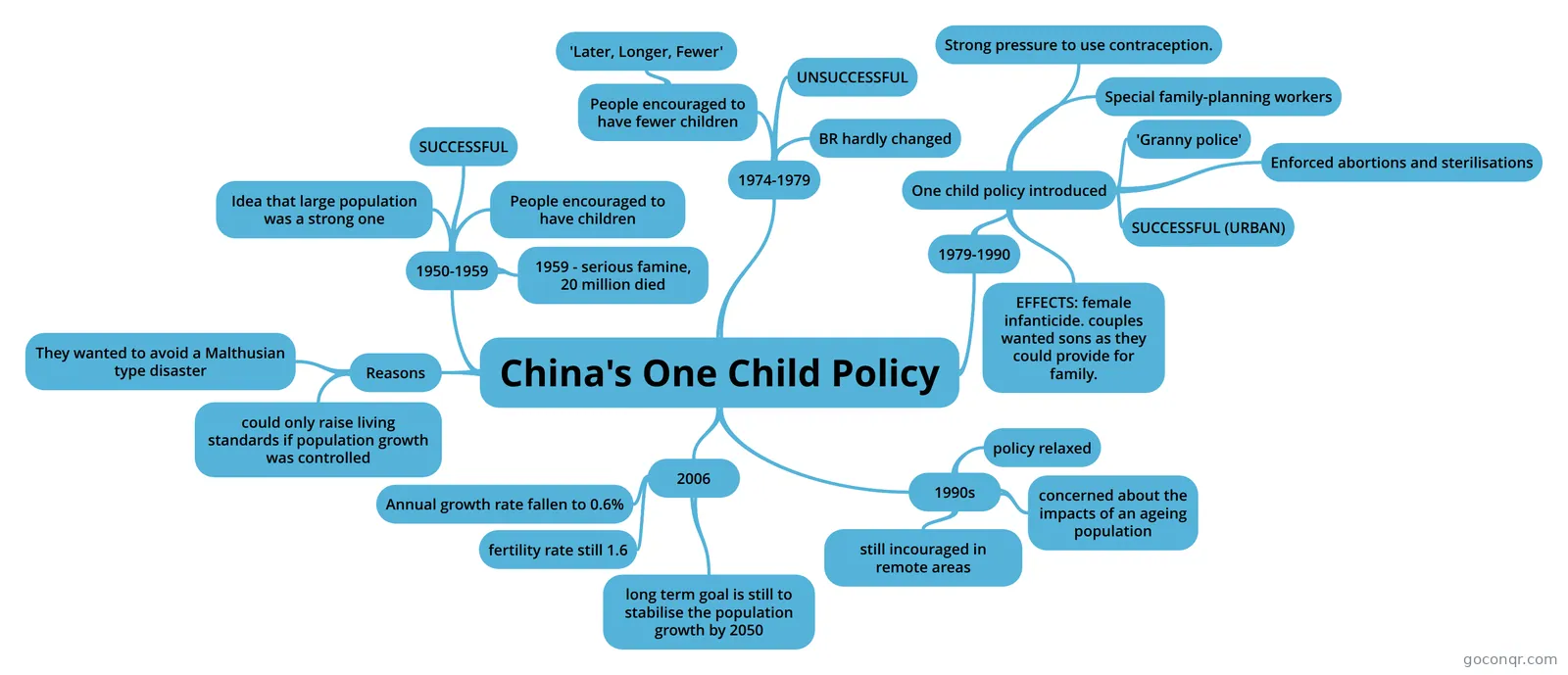 China's One Child Policy
-
Topic 1- Population Dynamics A mind map reminding Geography students of the key revision notes from topic 1 from the section 'People and...
-
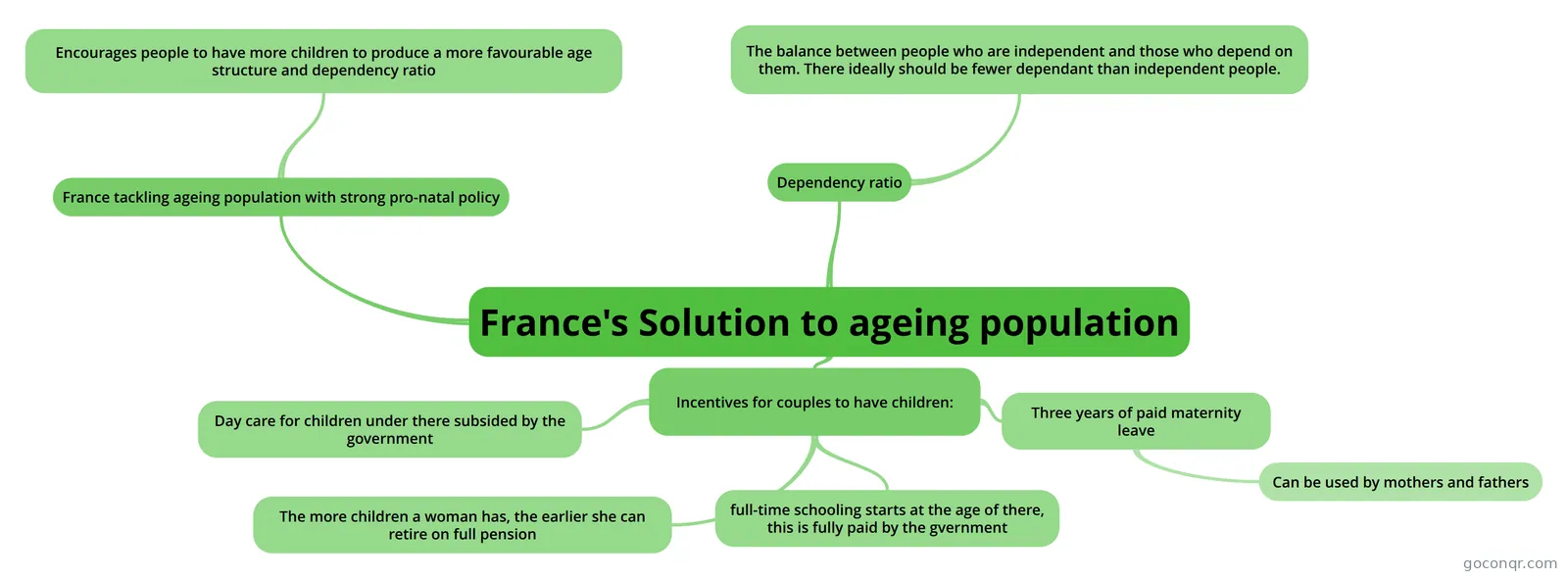 France's Solution to ageing population
-
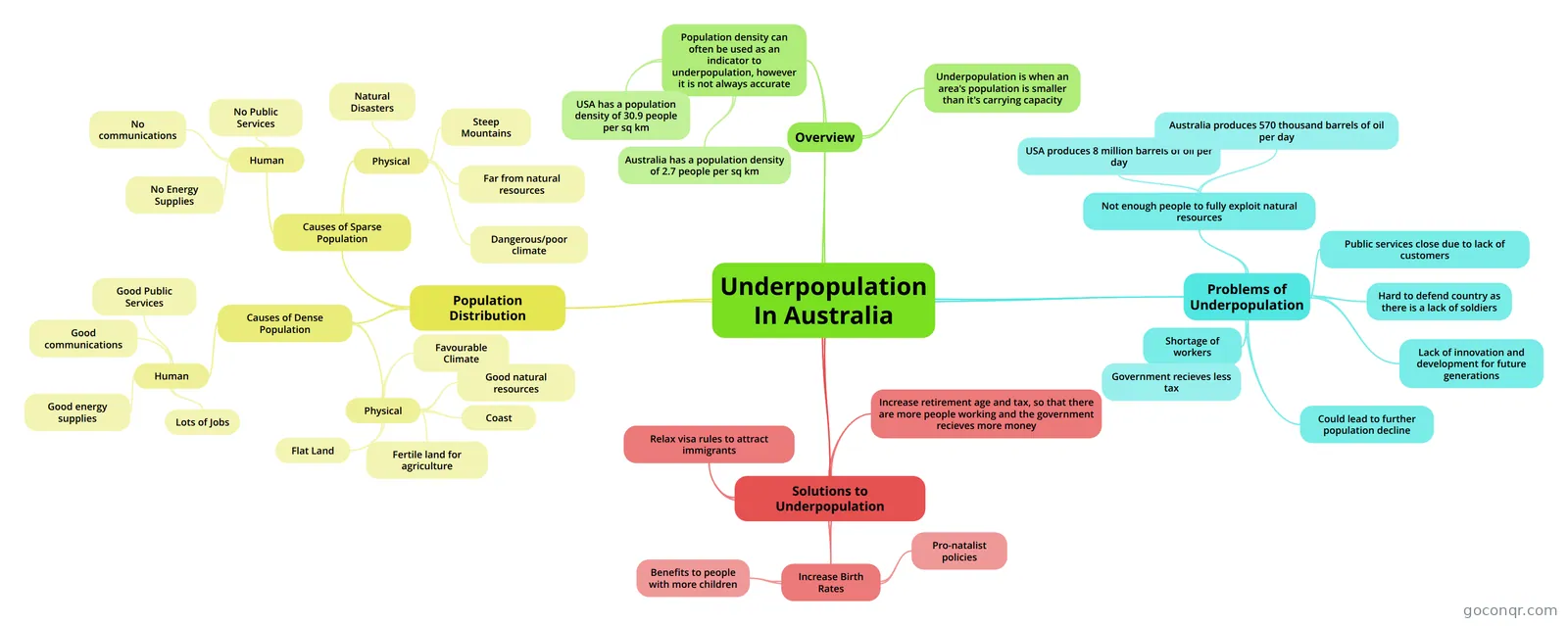 Underpopulation In Australia
-
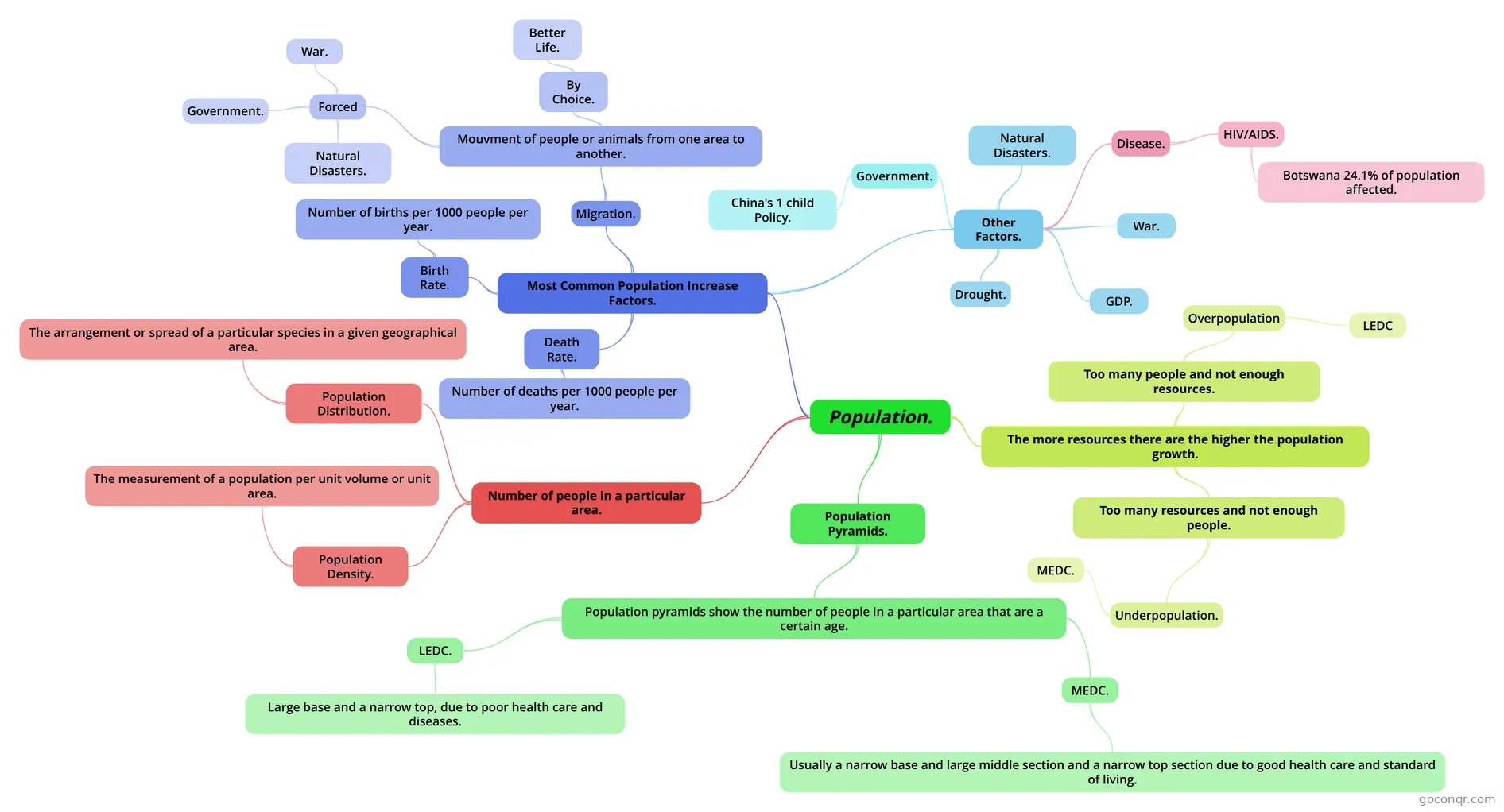 Population.
-
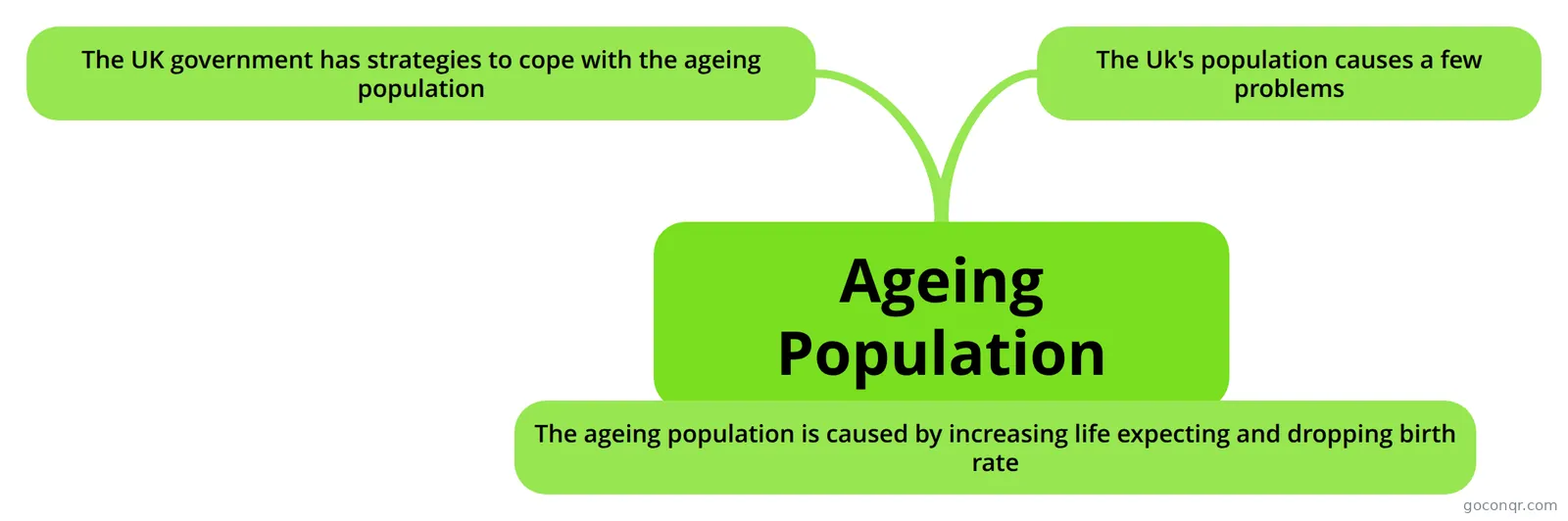 Ageing Population
-
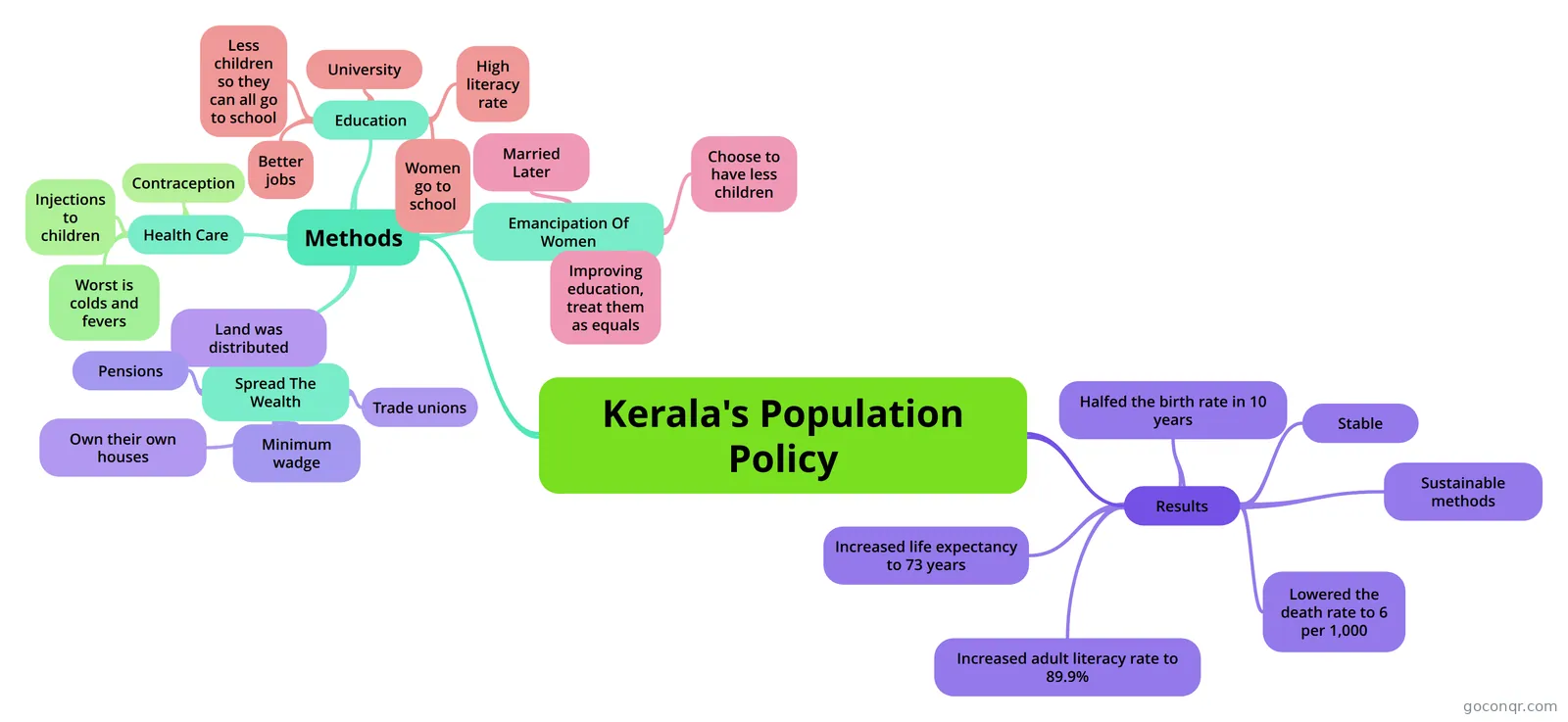 Kerala's Population Policy
-
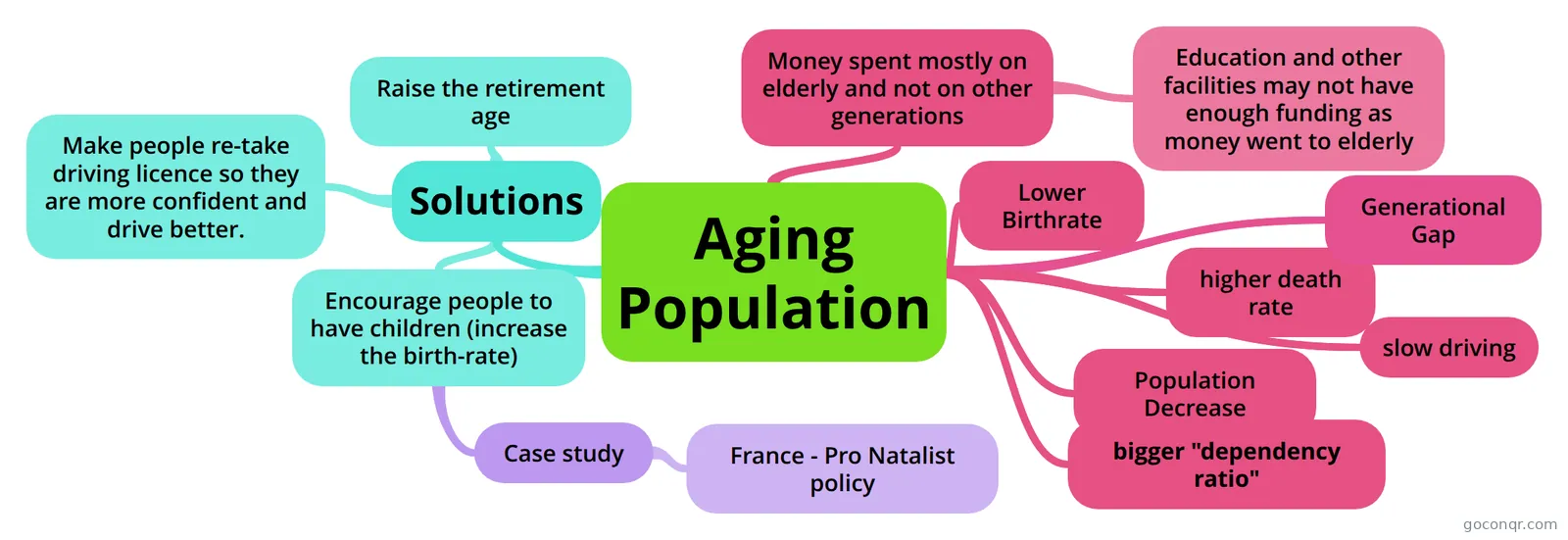 Aging Population
-
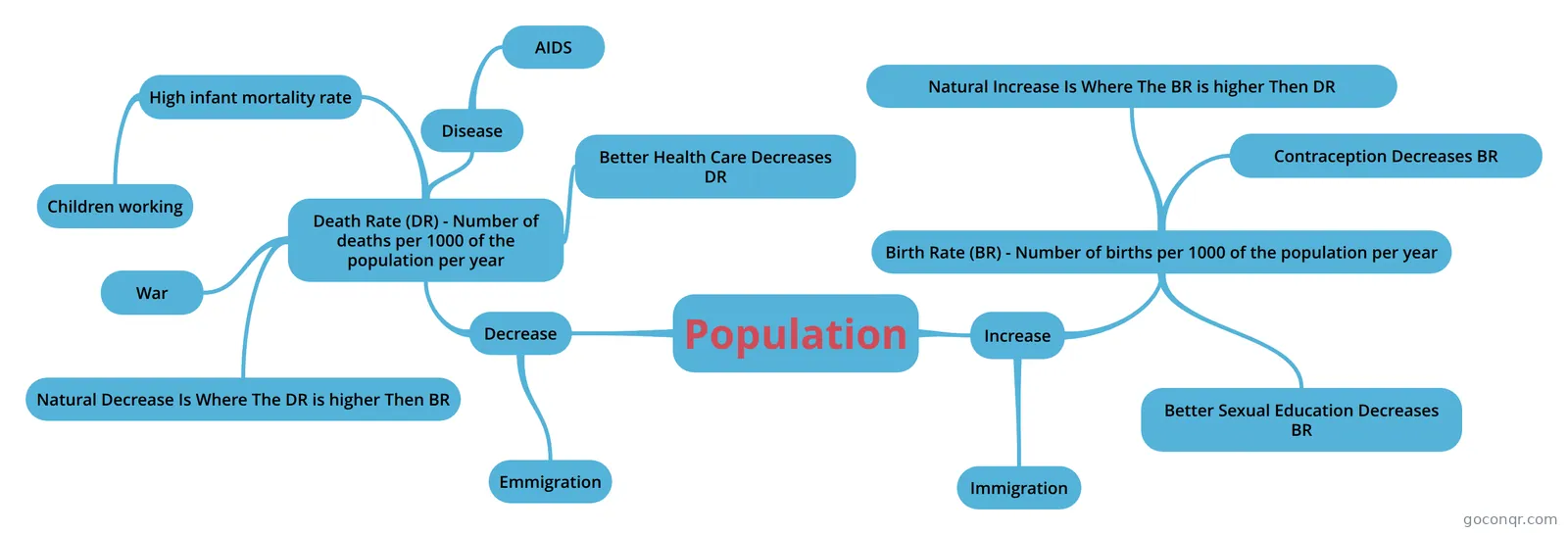 Population Reasons For Population Change
-
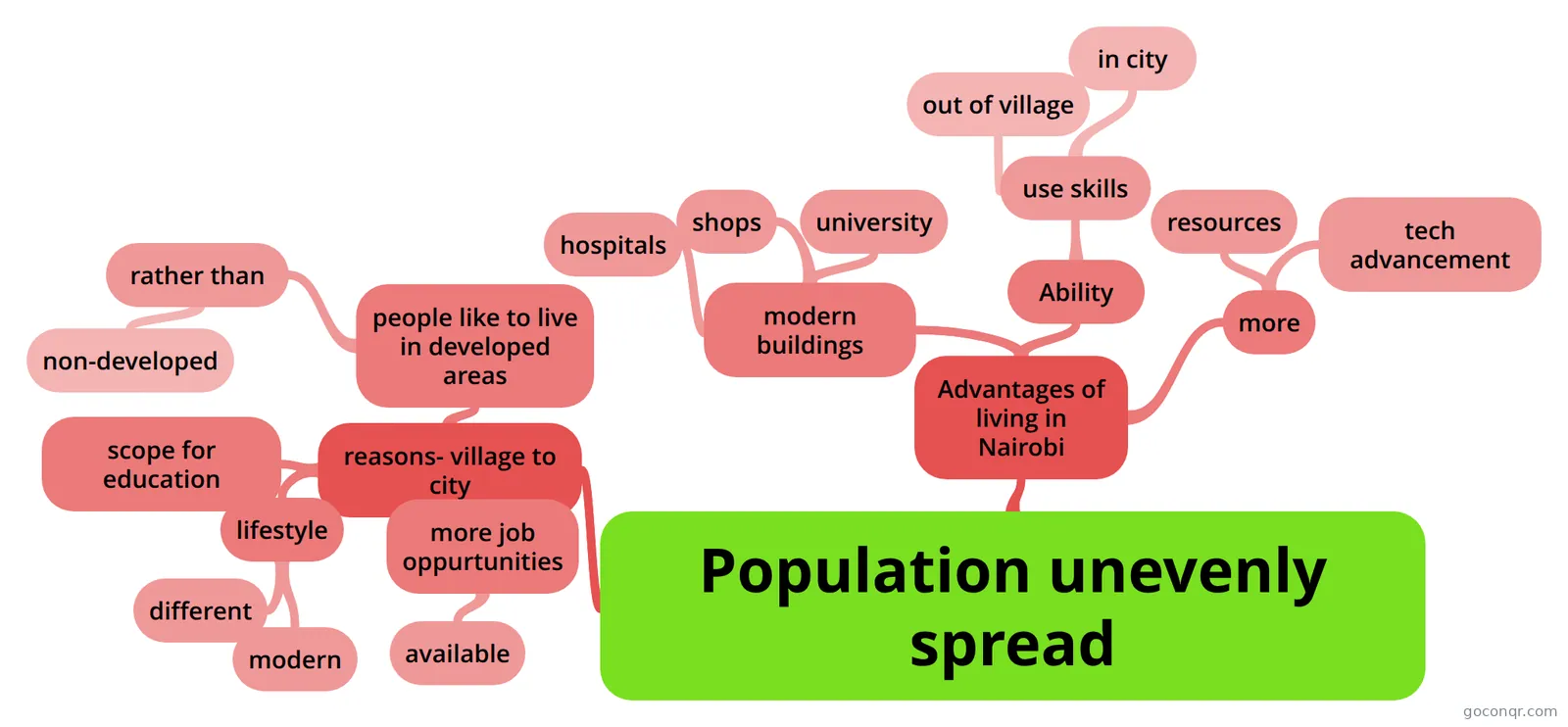 Population unevenly spread Why is Kenya's Population unevenly spread?
-
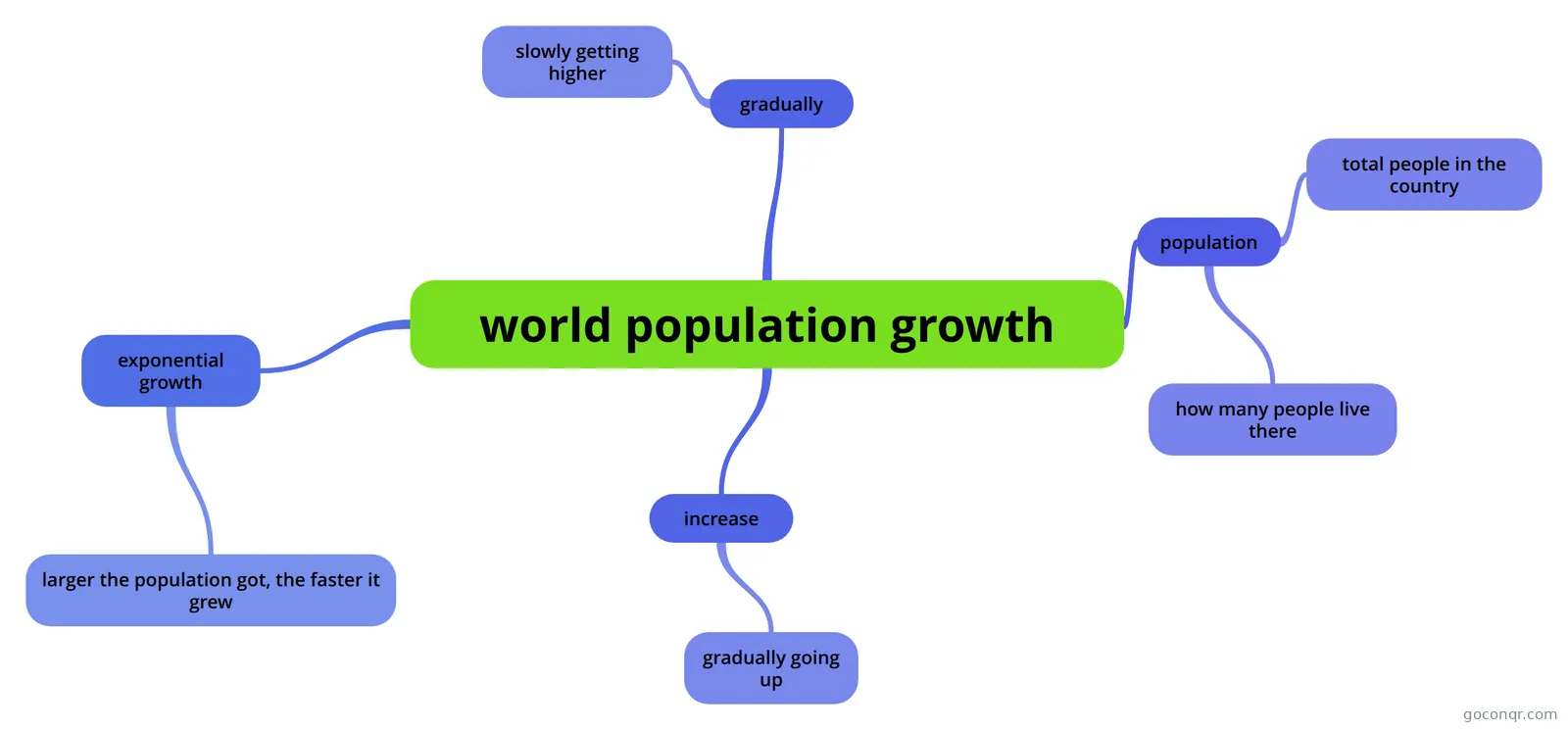 world population growth
-
 Causes of Population Change Causes of Population Change | AQA AS Geography Population
-
Population Change
-
Geography - Population & Settlement
-
Population Change
-
Populations in Transition
-
Demographic Transition Model (DTM)
-
Migration
-
The Demographic Transition Model
-
China One Child Policy
-
JCG18 MM
More Population resources
About population mind maps
GoConqr OriginalUsing population mind maps
Start with Population for a map of distribution and density. Its branches distinguish the scales at which population is spread, making it a useful starting point for organising those ideas.
For change over time, compare The Demographic Transition Model with Population Change. The latter includes natural change, birth rate and death rate. Reading the branches together can help you connect vocabulary with a model.
From maps to recall
Move on to a case study such as Japan's ageing population, or explore the map on a youthful population in Uganda. Look at how each map groups its information, then cover the branches and try to recall the points under each heading.
When you want to check your recall in a different way, switch to a quiz on the Population unit page. If a point needs more explanation, use the unit notes alongside the map. Try using a map to organise your next revision session.
Frequently asked questions
Which mind map could I start with?
Try Population for an overview of distribution and density. Its branches cover the different scales at which people are spread. You can then move to Population Change to explore natural change, birth rate and death rate, before looking at a model or case study.
Do the maps include case studies and policies?
Yes. The listing includes maps on Japan's ageing population and a youthful population in Uganda. It also includes China's One Child Policy and Singapore's Population Policies. These give school students and teachers several different examples to explore alongside maps on population models and change.
Are these mind maps free to use?
Yes. Every resource listed here is free to open and study without an account. The maps were made by GoConqr users, rather than GoConqr. A free account also lets you make your own mind maps, quizzes, flashcards and notes, and save your quiz scores.