
Present Tenses
218 resources created by 194 users
This Present Tenses page on GoConqr gathers community-made quizzes, mind maps, flashcards, slides and notes on the present simple and present continuous, from adverbs of frequency and third person singular to wh-questions. It's built for school students practising the right verb form and for teachers after ready-made material. There are over 1,000 resources here, including more than 230 quizzes and over 580 mind maps, made by more than 900 contributors. Most suit secondary level. Pick a quiz and see which tense trips you up.
Top Present Tenses resources
-
11 questionsEvery Day_Unit 4 NBB4 What school subject is this?
-
2 questionsBR Pre-int. Unit 2. Present Simple vs Present Continuous
-
20 questionsPresent Tenses Test Jeremy ..... basketball this season; he wants to concentrate on his studies.
-
5 questionsSimple present: Home and Family Este quiz pretende medir el conocimiento acerca de presente simple en el contexto de family and home. El co...
-
2 questions9. I. Present Tenses (I am doing / I do) for the Future Select all possibilities of uses of the present continuous for the future:
-
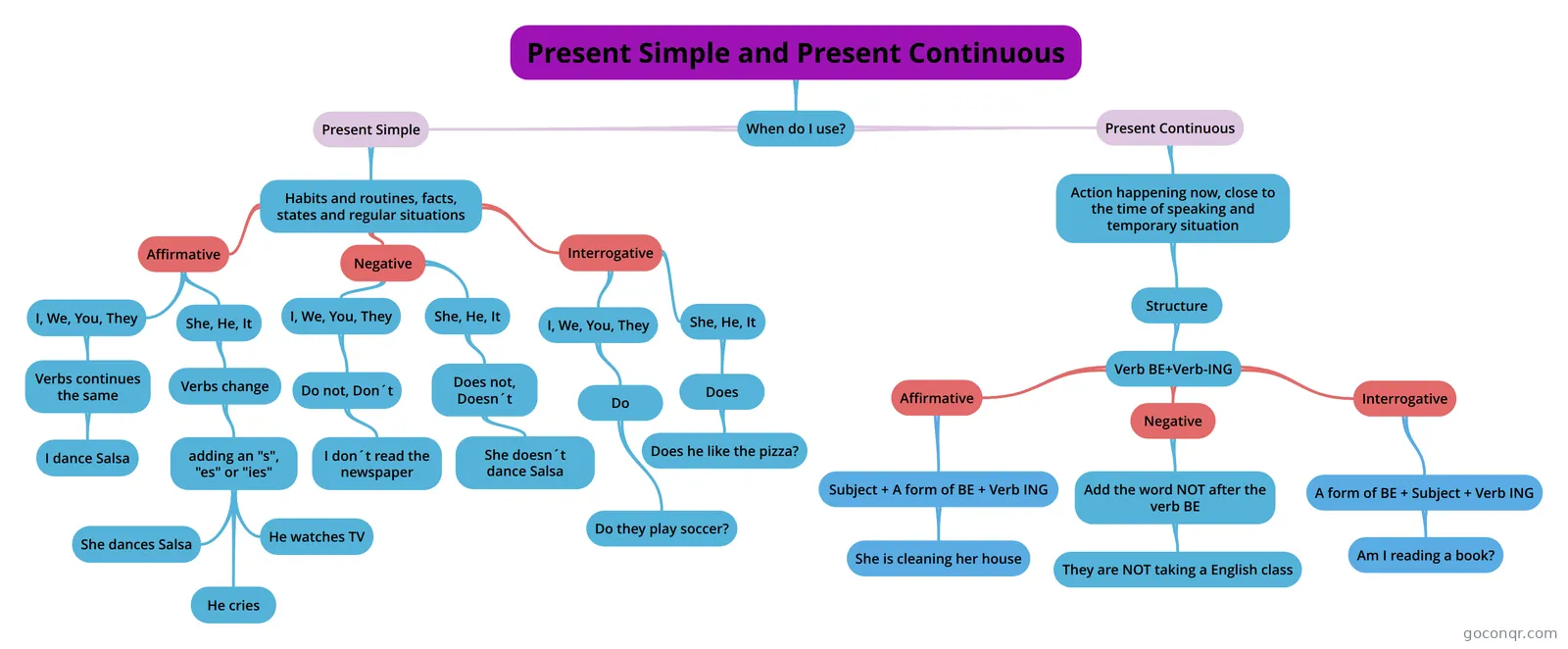 Mind map Present Simple and Present Continuous When do you use Present Simple and Present Continuous
-
Mind map Present Simple Presente Simple
-
12 questionsPresent Simple vs. Present Continuous
Quizzes
See all 89 quizzes-
11 questionsEvery Day_Unit 4 NBB4 What school subject is this?
-
2 questionsBR Pre-int. Unit 2. Present Simple vs Present Continuous
-
20 questionsPresent Tenses Test Jeremy ..... basketball this season; he wants to concentrate on his studies.
-
5 questionsSimple present: Home and Family Este quiz pretende medir el conocimiento acerca de presente simple en el contexto de family and home. El co...
-
2 questions9. I. Present Tenses (I am doing / I do) for the Future Select all possibilities of uses of the present continuous for the future:
-
12 questionsPresent Simple vs. Present Continuous
-
9 questionsLexical-Grammar Test 1
-
23 questionsUnipacifico 2020 English first cut ANI 1D Catherine Ibarguen is from colombia.
Mind maps
See all 69 mind maps-
Present Simple and Present Continuous When do you use Present Simple and Present Continuous
-
Present Simple Presente Simple
-
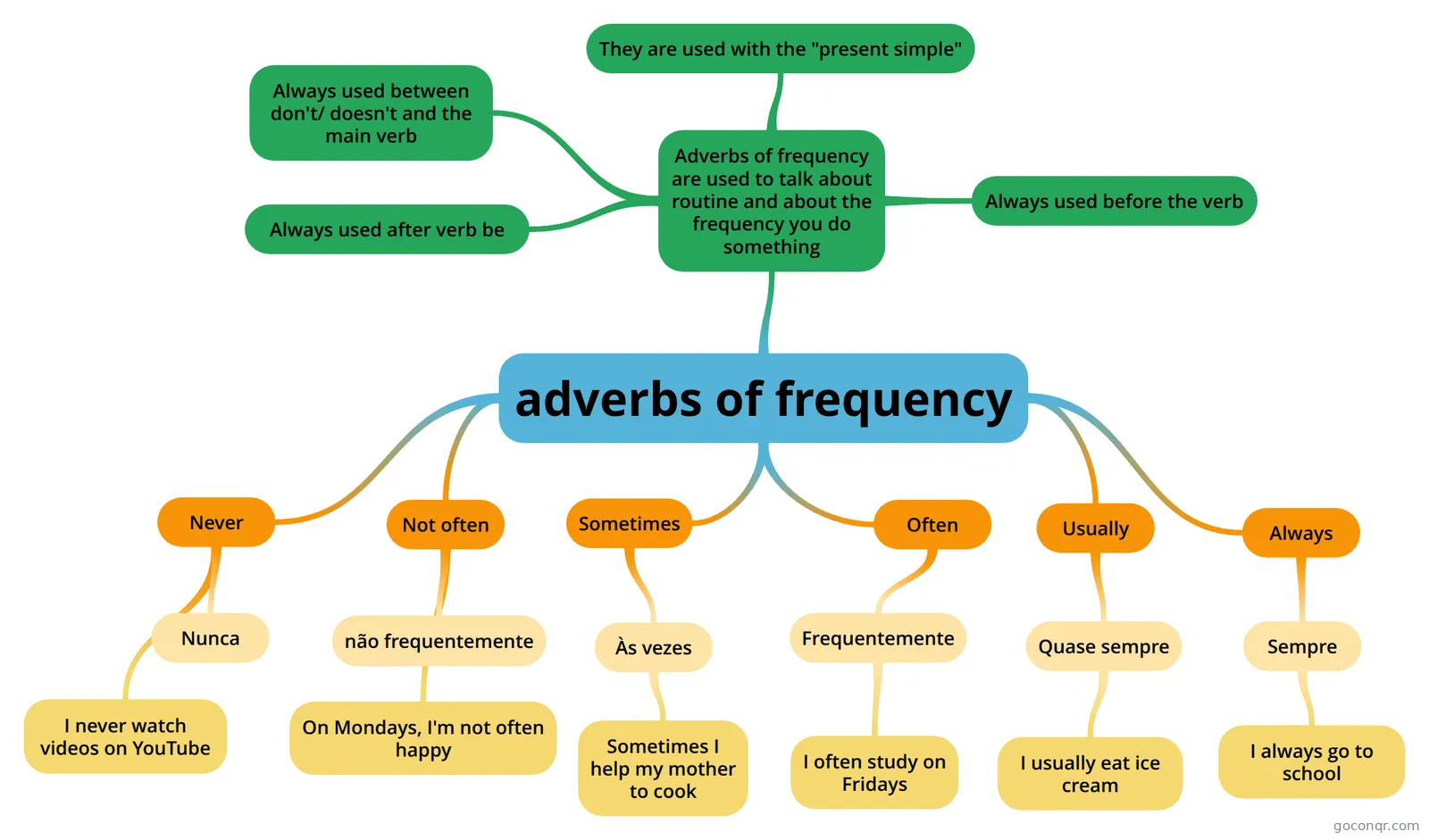 adverbs of frequency
-
Present Simple and Present Continuous
-
Present Simple VS Present Progressive
-
LIKES AND DISLIKES THIS MAP SHOWS TO YOU THE WAY TO SAIL ACROSS DIFFERENT PORTS WITH STEPS ABOUT LIKES AND DISLIKES.
-
PRESENT SIMPLE VS PRESENT CONTINUOUS PRESENT SIMPLE VS PRESENT CONTINUOUS
-
SIMPLE PRESENT TENSE
Flashcards
See all 52 flashcards-
121 cardsPresent Continuous Charades Present Continuous Charades
-
11 cardsLilo and stitch click on the card to see the information related to the image
-
20 cardsWHAT ARE THEY DOING?
-
10 cardsVerbs for Present Progressive In this module, students will review more flashcards that they will use in present continuous.
-
11 cardspresent continuous tense I am running with a friend
-
20 cardsActions - Present Continuous Using the present continuous tense to talk about activities you are doing now
-
9 cardsSimple present flashcards I play guitar
-
3 cardsThird person singular He eat/eats at home
Notes
-
Simple Present ...
-
ejercicios 10-19-23-27 10,19 y 23-27 Present Simple •Exercise1. Completa las oraciones con la palabra correcta. My friend Jackie live in Austria. She lives with her boyfriend. They work at a big company in Vienna. They d...
-
ejercicios exercise 1 1-does she play soccer? 2-do you like listening to music? 3-do you watch TV at night? Yes, I 4-does &nbs...
Slides
More English language topics
About Present Tenses
GoConqr OriginalWhat the resources cover
This unit is mostly about two tenses and how they differ. The present simple is for habits, routines, facts and regular situations. The present continuous is for actions happening now or close to the time of speaking. Around these sit smaller topics: adverbs of frequency, time expressions, likes and dislikes, the verb to be, and the third person singular.
Where to start
Begin with the mind map Present Simple and Present Continuous. It sets out when to use each tense in a few short branches. Then look at the maps on Present Simple, which cover the -s ending for he, she and it, plus do and does in negatives and questions. The adverbs of frequency map is a quick add-on for words like never, often, usually and sometimes.
Using quizzes and maps together
Read a map, then test yourself straight away. Try these in order:
- Simple present: Home and Family, a gap-fill that practises the basics in a short family text.
- Present Simple vs. Present Continuous, where you choose between forms in sentences such as ones about a cat at the moment or someone who never comes late.
- Present Tenses Test, a tougher set of gap sentences for checking what stuck.
When an answer is wrong, go back to the matching map and read that branch again.
Flashcards, slides and going further
Flashcard decks such as Actions - Present Continuous and Verbs for Present Progressive help with the verbs you need for describing what people are doing. The quiz on using the present continuous for the future is useful once you are comfortable with the basics, as it deals with arrangements already made. Teachers can pick slide sets and flowcharts to use in class.
Where it fits
Present Tenses sits in the Grammar: Verbs and Tenses strand of English language. Choose one map or quiz today and work from there.
Frequently asked questions
Which resource should I open first?
Start with the mind map Present Simple and Present Continuous. It explains in short branches when to use each tense: habits, routines and facts for the simple form, and actions happening now for the continuous form. After that, try the quiz Present Simple vs. Present Continuous to check your choices.
What do the mind maps on this page cover?
The maps cover the present simple and present continuous, how they differ, the -s ending for the third person, negatives with don't and doesn't, adverbs of frequency, time expressions, likes and dislikes, and the verb to be. There are over 580 of them, so you can compare several explanations.
Are the resources free to use?
Yes. Every resource listed here is free to open, study and take, with no account needed. They were made by GoConqr users, not by GoConqr itself, so style and difficulty vary from one to the next. Check the first few items to find one that suits you.
Who are these resources for?
They are mainly for school students practising present tense forms, and most of the material suits secondary level. Teachers can also use the quizzes, slide sets and flowcharts as ready-made classroom material. Some items are simpler, such as the flashcards on actions, while others include longer test-style quizzes.
Can I practise the present continuous for future plans?
Yes. The quiz on present tenses for the future asks you to select the correct uses of the present continuous, such as arrangements you have already decided on. It is a good step once you know the basic difference between the two present tenses.
What if I can't find what I need?
Use the quizzes and maps here as a base, then make your own. A free account lets you save quiz scores and create your own quizzes, mind maps, flashcards and notes, so you can fill any gap in a way that suits your class or revision.